
2018 Freightliner Conventional Sleeper Trucks For Sale
Shop 2018 Freightliner conventional sleeper trucks, including Cascadia models, with specs, sleeper options, drivetrains, and buyer tips.
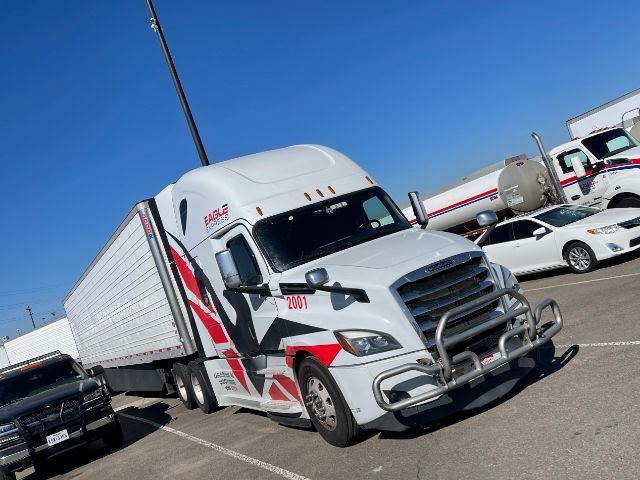
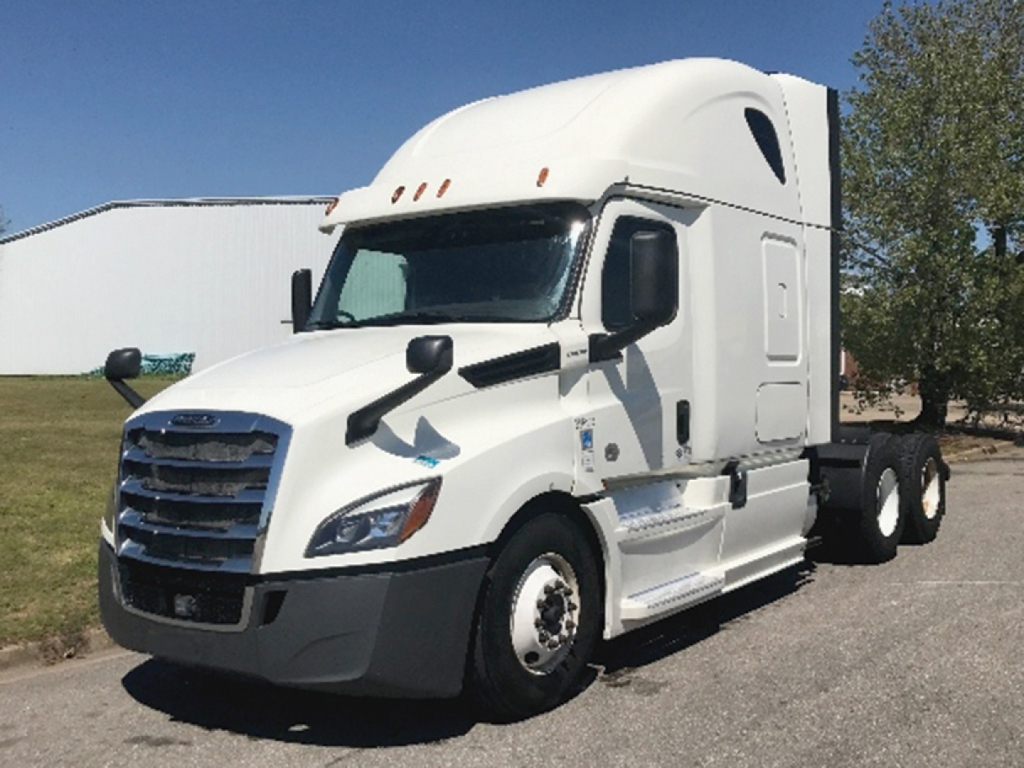
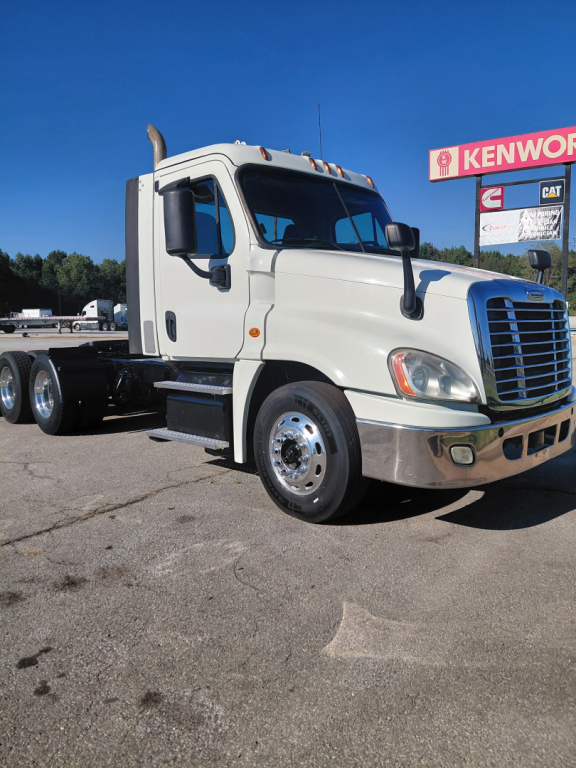

Selling a 2018 freightliner conventional sleeper truck? List your 2018 freightliner conventional sleeper truck for sale and reach thousands of commercial buyers.
2018 Freightliner Conventional Sleeper Trucks
The biggest buying decisions usually come down to engine rating, rear axle ratio, wheelbase, and sleeper layout. A 2018 Freightliner sleeper can be set up for dry van, reefer, dedicated contract freight, or general long-haul work, so it is worth matching the truck to the lanes it will actually run. A DD15 in the 400 to 505 horsepower range is common, often combined with 2.64, 2.85, or 3.08 rear ratios depending on fuel economy goals and terrain. Buyers pulling heavier freight through mountain states may lean toward a higher horsepower rating and deeper ratio, while fleets focused on highway speed and mpg often prefer downsped specs. Suspension type, tandem capacity, and 5th wheel setup also matter if the truck will switch trailer lengths or operate across varied kingpin settings.
Cab and chassis condition is especially important on a used 2018 sleeper. Look closely at aftertreatment history, fault code activity, idle hours, maintenance records, and transmission calibration if the truck has a DT12. Freightliner trucks from this era are widely supported, which helps with parts access and dealer service, but emissions system condition still deserves careful review. Check for signs of repeated DPF or SCR repairs, coolant or oil seepage around the engine, uneven tire wear that may point to alignment or suspension issues, and wear in high-use interior items such as seats, bunk hardware, HVAC controls, and cabinet latches. If the truck has collision mitigation, lane departure, or tire pressure monitoring, confirm those systems are functioning properly rather than assuming they are active.
A well-matched 2018 Freightliner conventional sleeper can still be a strong value in the used truck market because it blends modern aerodynamics, familiar controls, and broad service support with a lower acquisition cost than newer model years. Buyers comparing listings should pay attention to sleeper height, bunk arrangement, fuel capacity, fairing condition, brake type, and whether the truck has features like an APU, inverter, refrigerator prep, or air slide 5th wheel. Those details affect driver retention, routing flexibility, and operating cost just as much as the headline horsepower number.
Frequently Asked Questions about 2018 Freightliner Conventional Sleeper Trucks
What engine and transmission combinations are common in a 2018 Freightliner conventional sleeper truck?
Most 2018 Freightliner conventional sleepers, especially Cascadia models, are equipped with Detroit engines such as the DD13 or DD15. The most common transmission choices are the DT12 automated manual and various 10-speed or 13-speed manual transmissions. Buyers should match the powertrain to the freight and terrain, since a fuel-focused highway spec differs from a heavier regional or mountain-haul setup.
Is a 2018 Freightliner sleeper good for long-haul operation?
Yes. This model year is commonly used in long-haul service because it offers aerodynamic body design, efficient Detroit powertrains, and sleeper cab layouts that support multi-day trips. Raised-roof sleepers with double bunks, larger fuel capacity, and idle-reduction equipment are especially well suited for over-the-road applications.
What should I inspect first on a used 2018 Freightliner sleeper?
Start with maintenance records, engine hours, idle hours, and emissions system history. Then inspect the aftertreatment components, transmission operation, suspension wear, tire condition, and any active or stored fault codes. On sleeper trucks, cab comfort items also matter because HVAC performance, bunk condition, storage components, and electrical accessories directly affect day-to-day usability.
What axle ratios are typical on a 2018 Freightliner conventional sleeper?
Common axle ratios include 2.64, 2.85, and 3.08, though actual specs vary by original application. Lower numerical ratios are usually chosen for fuel economy on highway routes, while deeper ratios can improve performance in hills or with heavier loads. The right ratio depends on cruise speed, transmission gearing, tire size, and the weight profile of the freight.
Why do so many buyers look for Freightliner Cascadia sleeper trucks from this era?
The Cascadia is popular because it has strong market support, good parts availability, familiar service networks, and a reputation for practical operating economics. A 2018 model also gives buyers access to more modern safety and efficiency features than older sleepers while still remaining in a price range that works for many owner-operators and small fleets.