
2018 Kenworth Conventional Sleeper Trucks For Sale
Shop 2018 Kenworth conventional sleeper trucks. Compare T680-style specs, sleeper sizes, powertrains, wheelbases, and long-haul features.
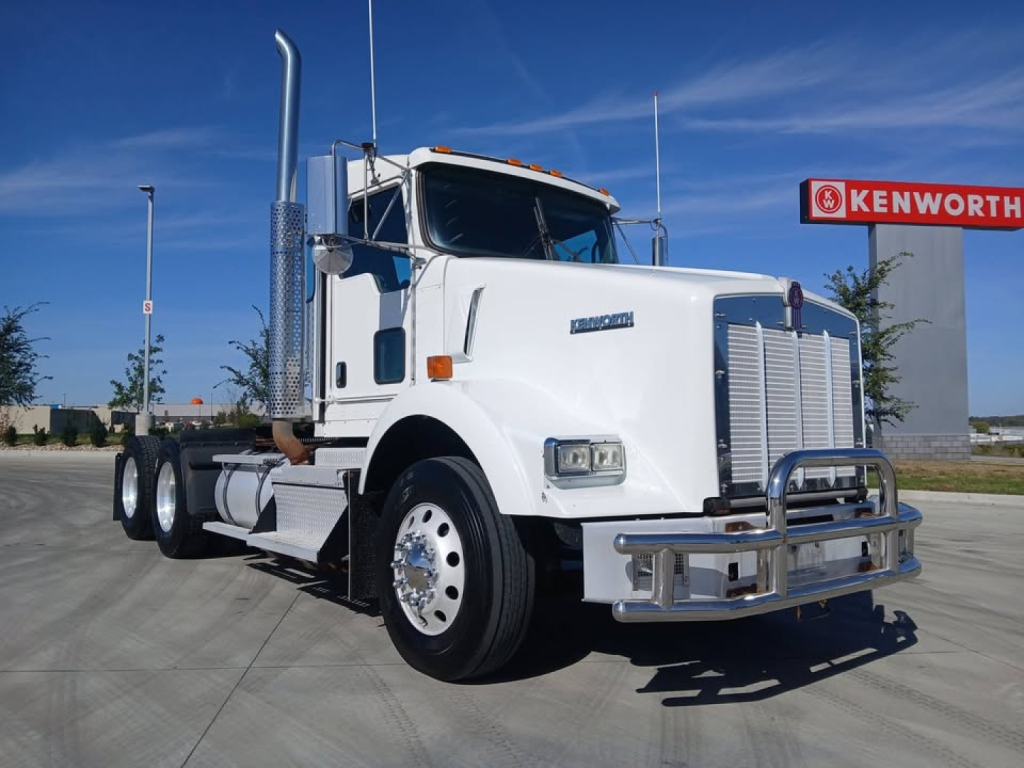
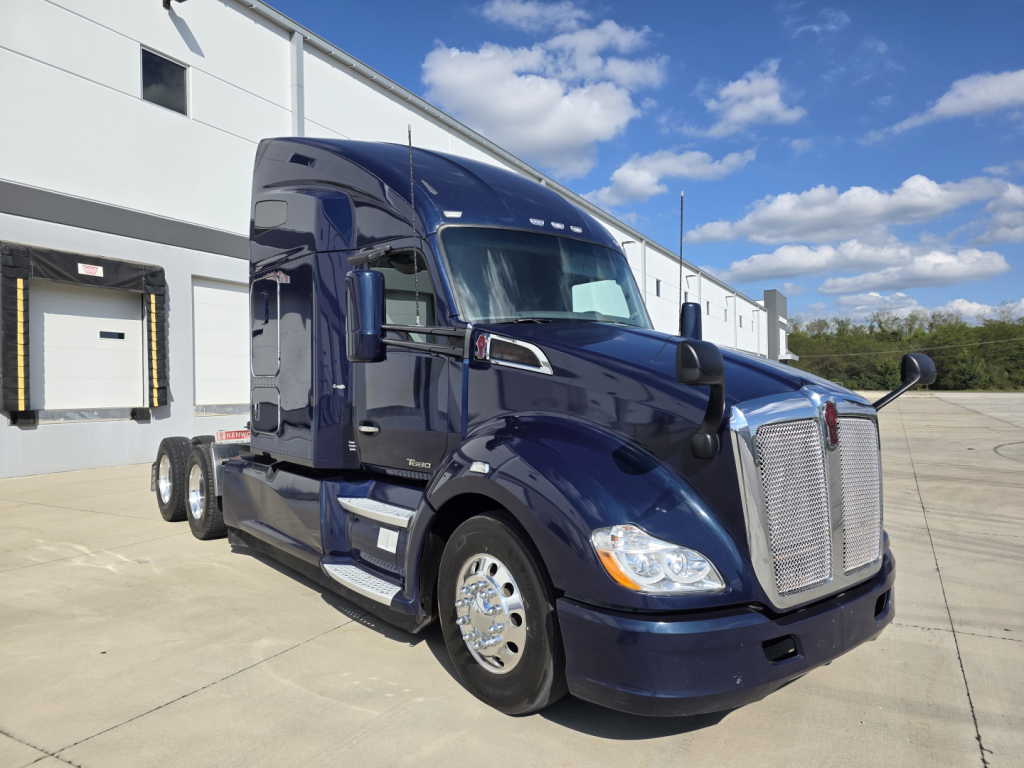
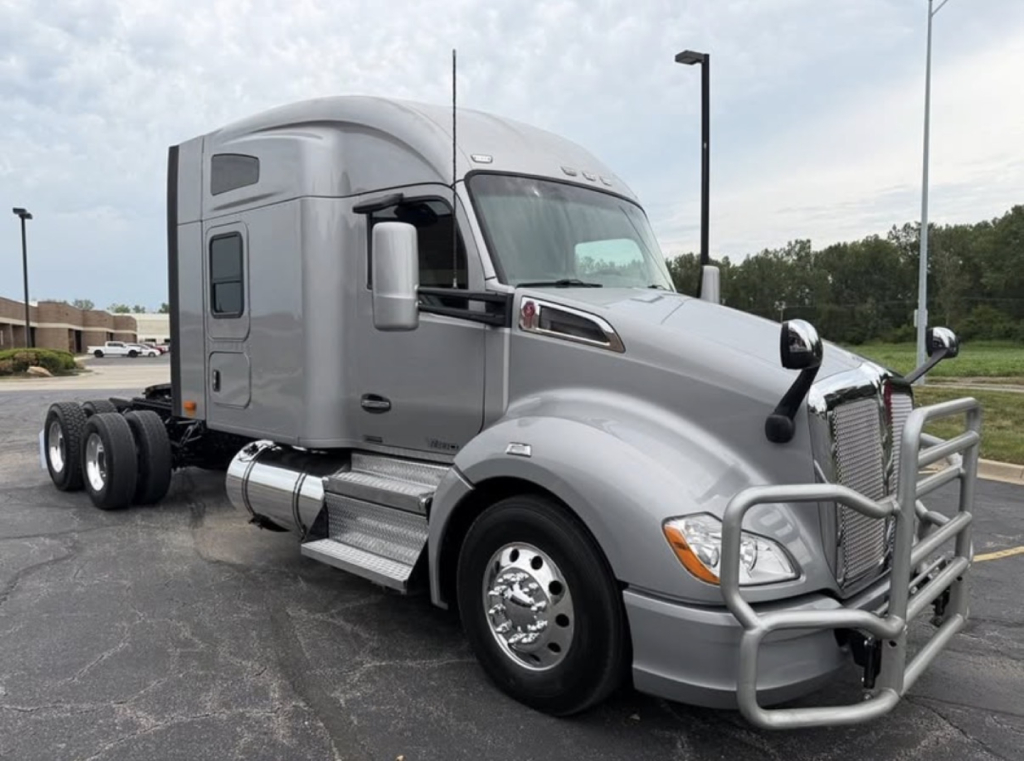
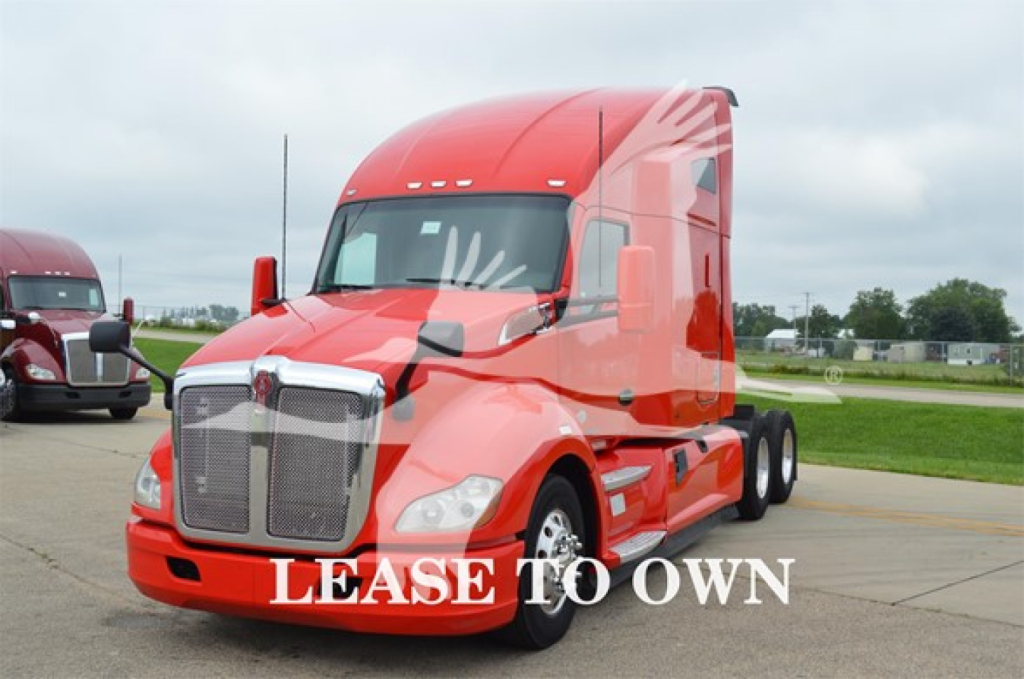
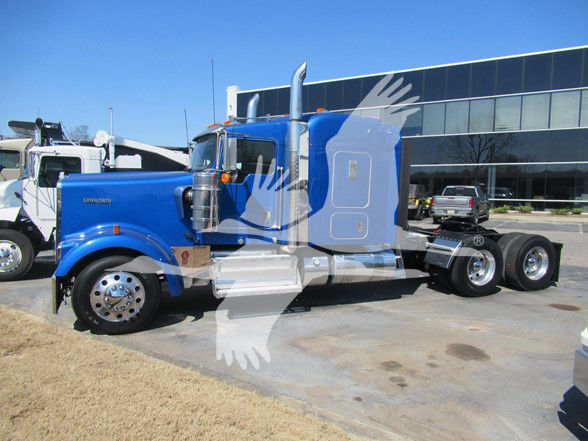

Selling a 2018 kenworth conventional sleeper truck? List your 2018 kenworth conventional sleeper truck for sale and reach thousands of commercial buyers.
2018 Kenworth Conventional Sleeper Trucks
Powertrain is where most buying decisions are made. A 2018 Kenworth sleeper commonly comes with a PACCAR MX-13 or a Cummins X15, typically paired with automated transmissions from Eaton Fuller or PACCAR. Horsepower ratings often fall in the 400 to 500 HP range, with torque selected around the load profile and terrain. Rear axle ratios such as 2.64, 2.79, 3.08, or 3.25 can materially change how the truck performs at highway speed and under heavy gross combination weights. Buyers should match engine rating, transmission gearing, and rear ratio to the work. A lighter dry-van or reefer operation may favor downsped efficiency, while heavier or mountain-heavy routes may justify a different ratio and torque setup. It is also smart to confirm engine brake spec, emission system maintenance history, and whether the truck has full records for DPF, DEF, and aftertreatment service.
Sleeper configuration and chassis layout matter just as much as the engine badge. In this class, sleeper sizes often range from about 52 inches up to 76 inches, with flat-top and raised-roof options depending on application. Double bunk configurations, auxiliary power units, inverter packages, and battery HVAC can make a real difference for team operations or drivers spending extended time on the road. Wheelbase, fairings, fuel capacity, and fifth wheel position affect weight distribution and trailer compatibility. Air ride suspension, air slide fifth wheels, collision mitigation systems, and disc brake availability are all worth comparing from truck to truck. Interior trim levels can vary widely too, from basic fleet spec to VIT-style premium trim with upgraded seating, smart wheel controls, navigation, and more storage.
Condition separates one 2018 Kenworth conventional sleeper from another more than the badge on the hood. Mileage, idle hours, prior fleet use, and maintenance discipline usually tell the real story. Buyers should inspect coolant and oil history, transmission calibration and clutch data on automated units, suspension wear, frame condition, tire type and remaining tread, and any signs of aftertreatment neglect. A well-spec'd 2018 Kenworth sleeper can still be a productive tractor for long-haul and regional freight if the spec matches the lane and the maintenance file supports the asking price. For many buyers, the best truck in this category is not simply the highest horsepower or largest sleeper, but the one with the right drivetrain, clean service history, and a cab setup that fits the operation.
Frequently Asked Questions about 2018 Kenworth Conventional Sleeper Trucks
What is the most common 2018 Kenworth conventional sleeper model?
The 2018 Kenworth T680 is typically the most common conventional sleeper model on the used market. It is an aerodynamic highway tractor built for fuel-efficient over-the-road service, and it appears in a wide range of fleet and owner-operator specifications. Buyers may also see other Kenworth sleeper models, but the T680 usually represents the core of the 2018 conventional sleeper segment.
Which engine is better in a 2018 Kenworth sleeper, PACCAR MX-13 or Cummins X15?
The better choice depends on parts support, maintenance history, and the type of freight the truck will pull. The PACCAR MX-13 is common in fleet specs and is often selected for fuel economy and integrated driveline performance. The Cummins X15 is widely known across the industry, has broad service support, and is often preferred by buyers who want familiar diagnostics and strong heavy-haul or high-mileage capability. On a used 2018 truck, documented maintenance and fault history usually matter more than brand preference alone.
What sleeper size should I look for in a 2018 Kenworth conventional truck?
That depends on route length and driver requirements. A smaller sleeper can work well for regional operations and occasional overnights, while a mid-roof or larger raised-roof sleeper is better suited to long-haul runs, teams, and drivers who need more storage and living space. Buyers should compare bunk layout, cabinet space, headroom, HVAC support, and whether the truck has an APU or inverter package if driver comfort and idle reduction are priorities.
What specs matter most when comparing used 2018 Kenworth sleeper trucks?
Engine rating, transmission type, rear axle ratio, sleeper size, wheelbase, fuel capacity, and maintenance records are the main items to compare first. Those specs affect fuel economy, payload flexibility, road speed, driver comfort, and repair cost. It is also important to look at emissions service history, brake type, suspension spec, fifth wheel setup, and tire condition because those items can change the truck's real operating cost after purchase.
Is a 2018 Kenworth conventional sleeper a good fit for long-haul freight?
Yes, this category is built primarily for long-haul and regional haul with overnight requirements. A properly spec'd 2018 Kenworth sleeper can still be a strong fit for van, reefer, and general freight service, especially if it has an aerodynamic package, efficient gearing, and a solid maintenance file. The key is making sure the truck's horsepower, torque, and axle ratio match the terrain, trailer weight, and average trip length.