
2018 Peterbilt Conventional Sleeper Trucks For Sale
Shop 2018 Peterbilt conventional sleeper trucks. Compare 579 and 389 specs, sleeper sizes, powertrains, wheelbases, and long-haul features.
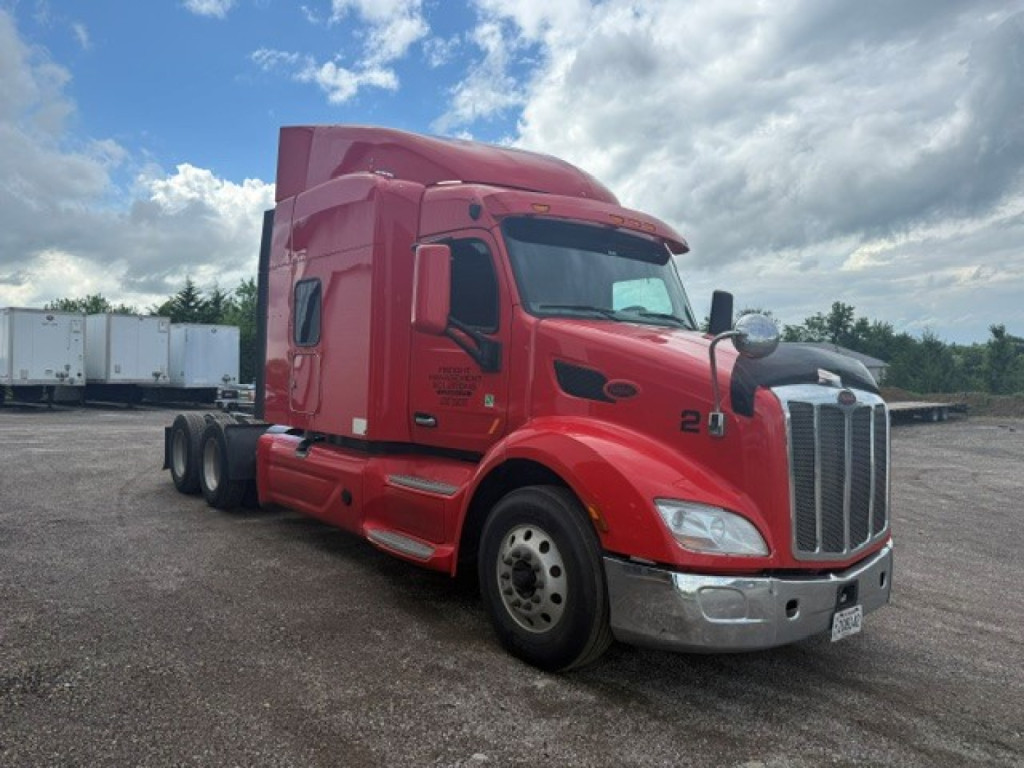
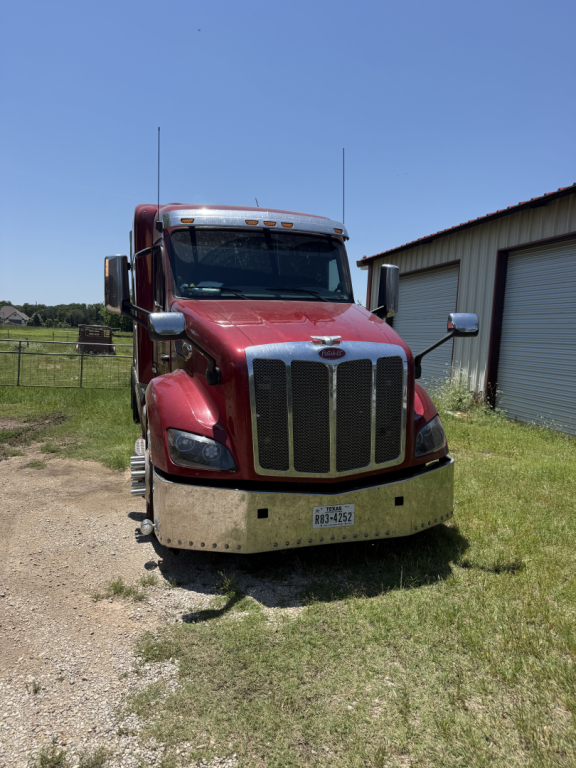
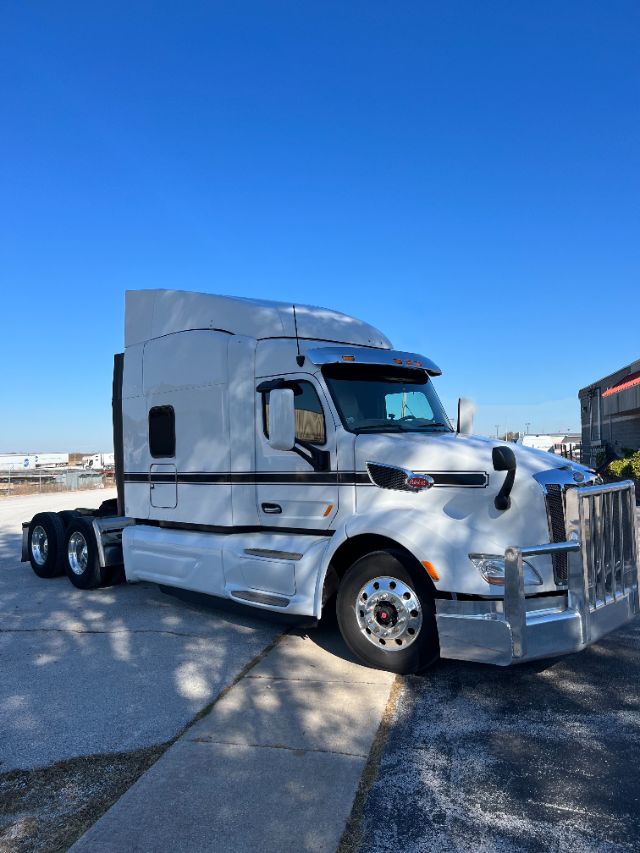
Selling a 2018 peterbilt conventional sleeper truck? List your 2018 peterbilt conventional sleeper truck for sale and reach thousands of commercial buyers.
2018 Peterbilt Conventional Sleeper Trucks
The powertrain is where most purchase decisions get made. A 2018 Peterbilt sleeper may be equipped with a PACCAR MX-13 or a Cummins X15, commonly paired with automated or manual transmissions depending on the original use case. Buyers should compare horsepower and torque against the rear axle ratio, transmission model, and expected trailer weight instead of looking at engine rating alone. A highway 579 may be built with a downsped driveline and a taller ratio for fuel-efficient interstate miles, while a 389 may carry a 13-speed or 18-speed manual, deeper gearing, and a longer wheelbase for heavy haul, specialized freight, or a more traditional owner-operator setup. Rear axle ratings around 40,000 pounds are common, but suspension type, wheelbase, and fifth wheel configuration still need to match the freight.
Sleeper configuration matters more than many first-time buyers expect. In 2018 Peterbilt conventionals, common setups include mid-roof and high-roof sleepers with different storage layouts, bunk arrangements, and fairing packages. A buyer running regional overnights may be fine with a shorter flat-top sleeper, while long-haul teams or solo drivers staying out for extended periods usually look for a high-roof sleeper with more cabinet space, stand-up room, and room for an APU or bunk heater setup. Interior trim, dash layout, insulation, and ride quality are also part of total driver retention value, especially in a truck that will spend most of its life on the highway.
A careful buyer should also look beyond the badge and into the wear points that define operating cost. On a 2018 model, pay attention to emissions service history, aftertreatment condition, brake type, tire wear pattern, suspension condition, and signs of frame or fifth wheel stress from prior trailer use. Fairings, cab extenders, and sleeper seals matter on aerodynamic models because they affect both fuel economy and water intrusion. On long-hood models, check front axle loading, turning radius, and usable wheelbase for the lanes and docks the truck will actually see. The right 2018 Peterbilt conventional sleeper is the one whose cab style, sleeper size, drivetrain, and chassis spec fit the freight lane, not just the one with the highest horsepower or the most chrome.
Frequently Asked Questions about 2018 Peterbilt Conventional Sleeper Trucks
What is the difference between a 2018 Peterbilt 579 and a 2018 Peterbilt 389 conventional sleeper?
The 2018 Peterbilt 579 is generally an aerodynamic highway tractor built for fuel economy, lower drag, and long-haul fleet or leased-operator service. The 2018 Peterbilt 389 is a long-hood conventional sleeper with stronger owner-operator appeal, more visual customization, and more frequent heavy-spec drivetrain combinations. The 579 usually makes more sense for dry van, reefer, and general interstate freight where cost per mile is critical. The 389 is often chosen when appearance, wheelbase flexibility, manual transmission preference, or heavier vocational crossover work is part of the plan.
Which engine is common in a 2018 Peterbilt conventional sleeper truck?
Common engine choices in a 2018 Peterbilt conventional sleeper include the PACCAR MX-13 and the Cummins X15, depending on model and original spec. Both can be found in linehaul service, but the best choice depends on service history, dealer support, and how the truck is geared. Buyers should review horsepower, torque, engine brake spec, transmission pairing, and rear axle ratio as a complete package. A well-matched lower-horsepower setup can outperform a higher-rated engine if the truck is geared correctly for the route and load.
What sleeper size should I look for in a 2018 Peterbilt sleeper truck?
Sleeper size should match trip length, driver count, and expected time away from home. Shorter sleepers work for regional freight and occasional overnights, while high-roof sleepers with more storage and stand-up room are better suited for long-haul service. If the truck will be used for extended trips, features like cabinet layout, upper bunk, bunk heater, APU provisions, and insulation quality have real operational value. A sleeper that is too small can hurt driver comfort and retention, while a larger sleeper adds weight and can reduce maneuverability depending on wheelbase.
What should I inspect first on a used 2018 Peterbilt conventional sleeper?
Start with the emissions system, maintenance records, engine hours, and any documentation on major repairs. After that, inspect the transmission, clutch if equipped, differential condition, suspension, brakes, tires, and fifth wheel assembly. On aerodynamic models, check fairings, cab extenders, and sleeper seals for damage or poor fitment. On long-wheelbase trucks, inspect the frame rails, front axle loading, and signs of stress around the fifth wheel or suspension mounts. The goal is to confirm that the truck's current condition still matches the job it was originally built to do.
Is a 2018 Peterbilt conventional sleeper good for long-haul freight?
Yes, a 2018 Peterbilt conventional sleeper can be a strong long-haul platform when the sleeper size, drivetrain, and axle ratio are aligned with highway use. Aerodynamic 579 configurations are especially common in long-haul applications because they are designed around fuel efficiency and driver comfort. A 389 can also be used in long-haul service, but buyers usually accept a different fuel economy profile in exchange for style, heavy-spec flexibility, or a preferred drivetrain. The better question is not just whether it can run long haul, but whether the truck's spec matches the trailers, freight weights, terrain, and annual miles.