
2018 Peterbilt Conventional Sleeper Trucks For Sale in Nebraska

Have 2018 peterbilt conventional sleeper truck to sell? List it here to reach thousands of buyers.
2018 Peterbilt Conventional Sleeper Trucks in Nebraska
The key spec decisions on a 2018 Peterbilt sleeper start with engine, transmission, rear ratio, and wheelbase. Common engines in this class include the PACCAR MX-13 and Cummins X15, usually in ratings suited for linehaul freight, heavy van, refrigerated, flatbed, or livestock work. Transmissions may be manual, automated manual, or fully automatic depending on original application. Rear axle ratings around 40,000 pounds are common, with ratios such as 3.36, 3.42, or 3.55 affecting launch performance, cruise RPM, and fuel economy. A longer wheelbase can improve ride quality and visual appeal, but it also affects turning radius and trailer gap. Buyers should also look at fifth wheel type, air slide travel, and frame layout if the truck may be reassigned to a different trailer or freight lane.
Sleeper size and interior layout matter more than many buyers expect. Peterbilt Unibilt sleepers in this era commonly range from mid-roof or flat-top designs to larger high-roof configurations with more standing room and storage. For teams or extended over-the-road use, upper bunk setup, bunk heater, APU, inverter, refrigerator space, and cabinet design all affect day-to-day livability and idle reduction. Chassis details are just as important. Air ride suspension, disc or drum brake setup, aluminum wheels, fuel tank capacity, and tire size all influence maintenance cost and operating range. In Nebraska and across the Plains, a buyer may also prioritize strong HVAC performance, clean fairings, corrosion condition, and a spec that balances interstate cruising with enough gearing for wind, grades, and heavy loads.
Condition matters as much as brand and model. On a 2018 Peterbilt conventional sleeper, pay close attention to emissions system history, engine brake operation, clutch or automated transmission performance, suspension wear, and signs of frame modification. Service records for DPF cleaning, injector work, overhead sets, and aftertreatment repairs can tell you a lot about how the truck was run. Cab and sleeper cosmetics matter on Peterbilt trucks because resale is often tied to appearance as well as drivetrain. A well-kept 2018 sleeper with the right engine rating, axle ratio, and sleeper configuration can still be a strong truck for regional haul, dedicated lanes, or full over-the-road service.
Frequently Asked Questions about 2018 Peterbilt Conventional Sleeper Trucks in Nebraska
What is the difference between a 2018 Peterbilt 389 sleeper and a 2018 Peterbilt 579 sleeper?
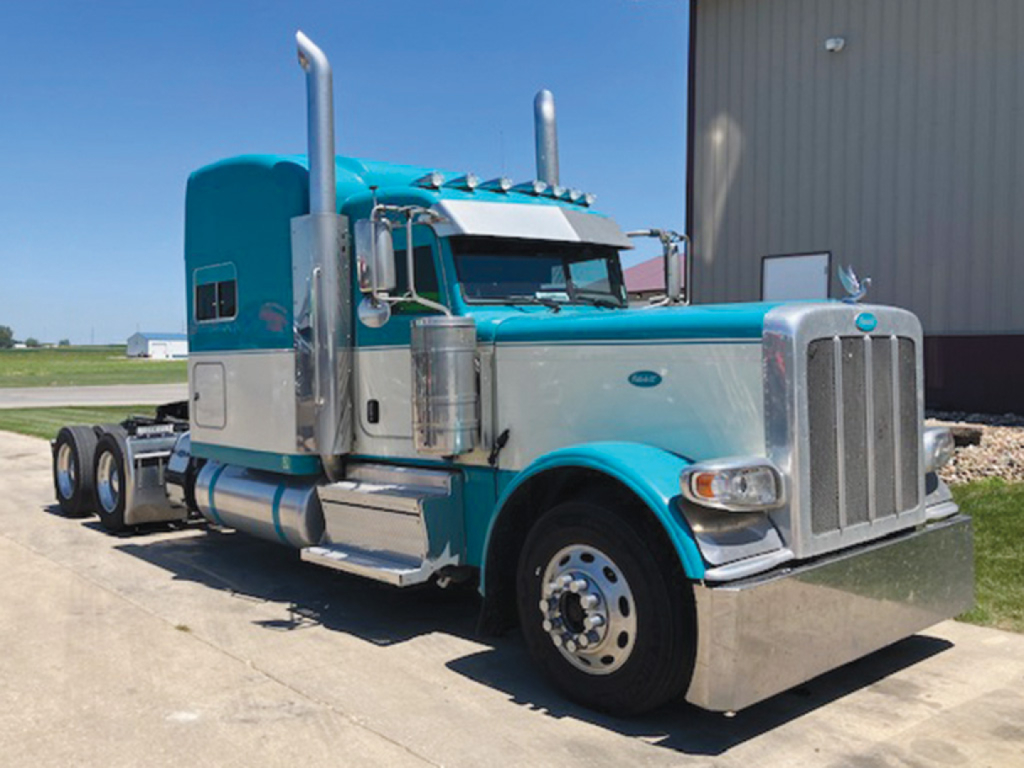
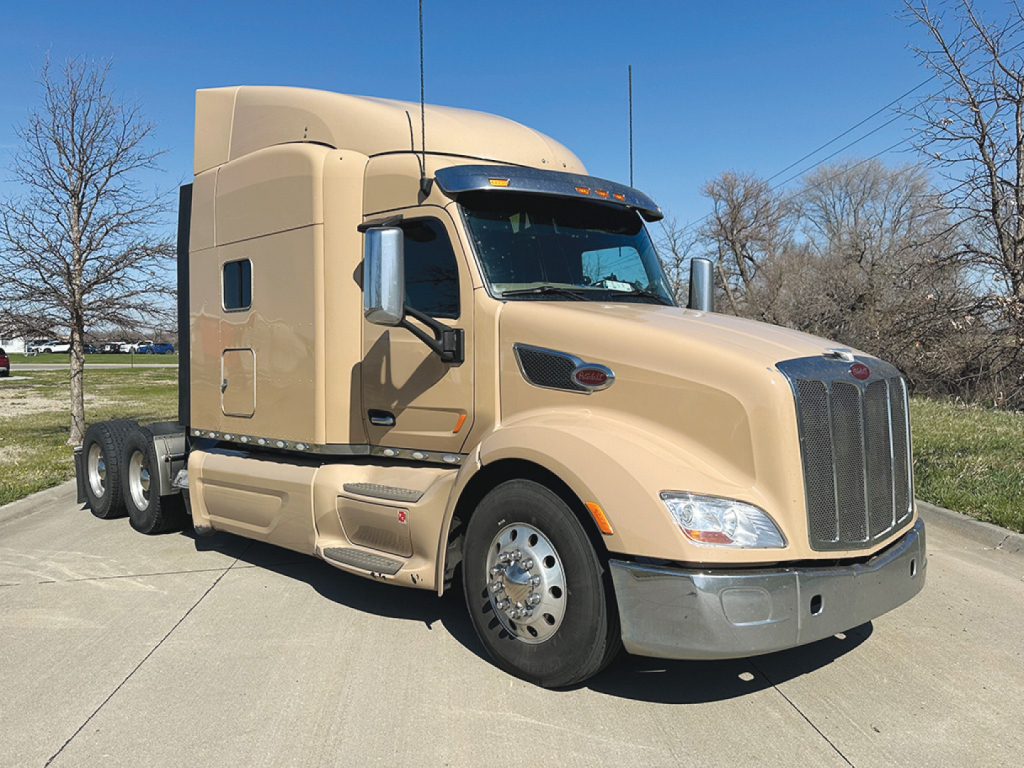
The 2018 Peterbilt 389 is typically the classic long-hood conventional sleeper, favored by owner-operators and buyers who want a heavier visual and mechanical spec, more chrome, and strong resale appeal in traditional trucking segments. The 2018 Peterbilt 579 is the aerodynamic sleeper tractor, usually chosen for fuel efficiency, highway comfort, and fleet-oriented linehaul work. The 389 often carries longer wheelbases and more custom-oriented specs, while the 579 generally emphasizes lower operating cost and easier integration into dry van, reefer, and dedicated freight operations.
What engines are common in 2018 Peterbilt conventional sleeper trucks?
The most common engines in 2018 Peterbilt sleeper tractors are the PACCAR MX-13 and the Cummins X15. Both are widely used in over-the-road applications, with horsepower ratings commonly matched to freight type and terrain. The MX-13 is often found in aerodynamic highway tractors and is known for strong drivability and fuel-focused specs. The X15 is popular in both fuel-efficient and performance-oriented setups, especially where heavier loads or broader service support are priorities. Buyers should review horsepower, torque rating, emissions service history, and the dealer network that supports the engine in their operating area.
What sleeper size is best on a 2018 Peterbilt conventional truck?
The best sleeper size depends on route length, driver count, and how much time the truck will spend away from home terminal support. Flat-top or mid-roof sleepers can work well for regional freight and buyers who want lower overall height. High-roof sleepers with more storage, stand-up room, and provisions for an upper bunk are better suited for over-the-road runs and team driving. A larger sleeper can improve driver retention and comfort, but it also adds weight and may influence wheelbase and maneuverability.
What should I inspect first on a used 2018 Peterbilt sleeper?
Start with the engine and emissions system history, then move to the transmission, rear ends, suspension, and brake setup. A 2018 model should be checked for DPF and aftertreatment maintenance, fault codes, coolant condition, oil leaks, turbo response, and engine brake performance. Inspect clutch wear if it has a manual transmission, and verify shift quality if it has an automated manual. Also review frame condition, fifth wheel wear, tire pattern consistency, sleeper HVAC function, and evidence of idle management equipment such as an APU or bunk heater being operational.
Are 2018 Peterbilt conventional sleepers good for long-haul freight?
Yes, a properly spec'd 2018 Peterbilt conventional sleeper can be an excellent long-haul tractor. These trucks are commonly used in dry van, reefer, flatbed, and specialized over-the-road service. Long-haul suitability depends less on the badge and more on the exact configuration, including sleeper size, fuel capacity, rear axle ratio, engine rating, and maintenance history. A truck with the right highway gearing, reliable aftertreatment record, and a comfortable sleeper can remain a productive platform for extended interstate operation.