
2018 Volvo Conventional Sleeper Trucks For Sale
Shop 2018 Volvo conventional sleeper trucks. Compare VNL sleeper specs, D13 power, I-Shift options, bunk layouts, and long-haul features.
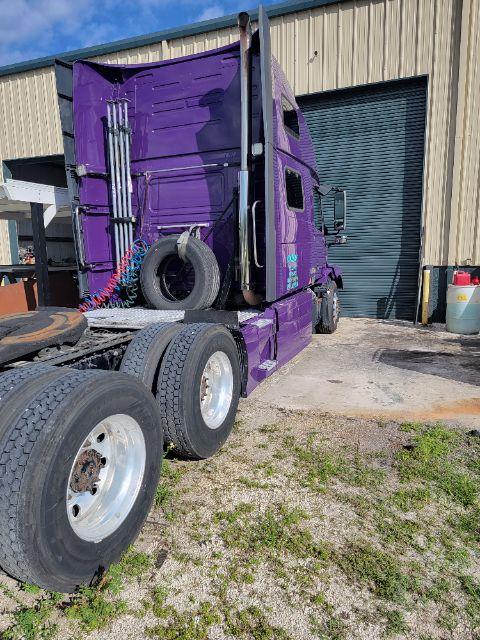
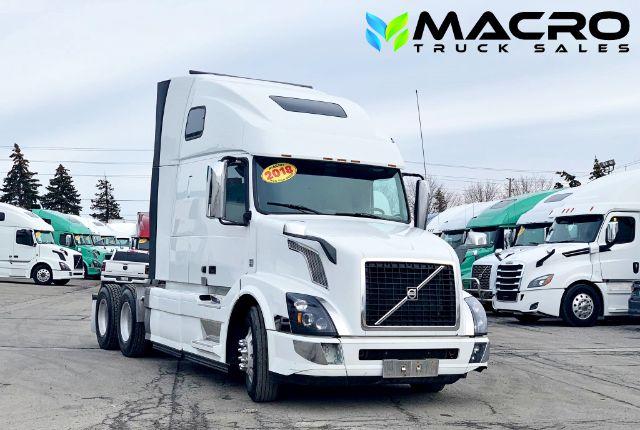
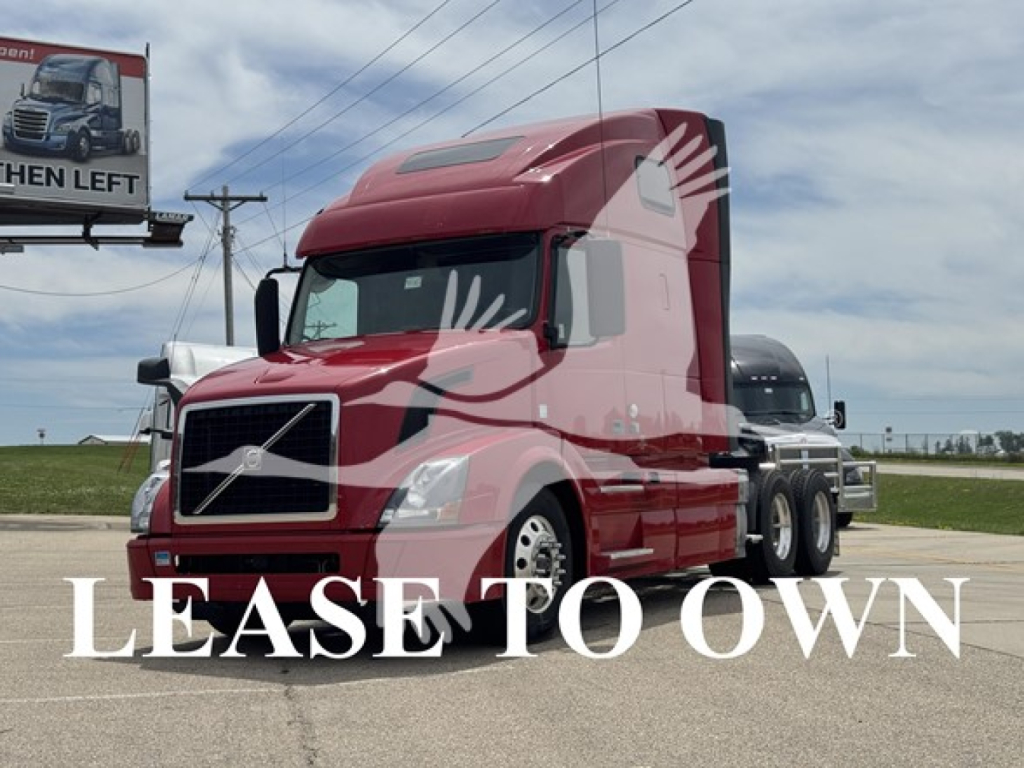
Selling a 2018 volvo conventional sleeper truck? List your 2018 volvo conventional sleeper truck for sale and reach thousands of commercial buyers.
2018 Volvo Conventional Sleeper Trucks
For many buyers, the biggest decision is sleeper size and roof height. A 2018 Volvo VNL sleeper may be configured as a mid-roof or high-roof truck, with layouts that can include single bunk or double bunk arrangements, workstation space, cabinets, refrigerator prep or factory fridge, and bunk heater options. The VNL 760 and VNL 860 are especially common in team-haul and extended-trip service because they offer more living space, while smaller sleeper configurations can be a better fit for fleets trying to keep weight down and maneuverability up. Wheelbase, fuel capacity, and fairing setup matter if the truck will spend most of its time pulling 53-foot vans versus running dedicated or regional lanes.
Powertrain spec is where a 2018 Volvo conventional sleeper can vary the most. The Volvo D13 is the engine most buyers target because of its broad service support and compatibility with the I-Shift transmission, but horsepower, torque, rear axle ratio, and suspension spec should be matched to the freight. Lower numerical axle ratios often favor fuel economy on highway runs, while heavier or more demanding applications may call for a different balance of startability and cruise RPM. It is also worth checking for engine brake performance, 40,000-pound rear axle ratings, air ride suspension, disc versus drum brakes, and fifth wheel type if the truck will change trailer lengths or kingpin settings regularly.
Condition matters beyond mileage on a 2018 model. Buyers should pay close attention to service records, aftertreatment history, transmission calibration updates, idle hours, and the condition of the sleeper interior. Common value points in this category include collision mitigation systems, lane departure warnings, adaptive cruise, tire condition, bunk HVAC performance, inverter setup, and the state of cab extenders, fairings, and suspension components. A well-spec'd 2018 Volvo conventional sleeper can still be a very competitive long-haul tractor if the maintenance history is solid and the sleeper, drivetrain, and emissions system have been cared for correctly.
Frequently Asked Questions about 2018 Volvo Conventional Sleeper Trucks
What engine and transmission are most common in a 2018 Volvo conventional sleeper truck?
The most common combination is the Volvo D13 diesel engine paired with the Volvo I-Shift automated manual transmission. This setup is popular because it delivers good highway fuel economy, smooth shifting, and strong integration between the engine, transmission, and cruise strategy. Exact horsepower and torque ratings vary by spec, so buyers should match the powertrain to expected gross weight, terrain, and average trip length.
Which 2018 Volvo sleeper model is best for long-haul use?
For long-haul applications, many buyers focus on higher-roof VNL sleeper configurations such as the VNL 760 or VNL 860 because they provide more room for rest, storage, and onboard amenities. Trucks with larger sleepers often include double bunks, cabinets, refrigerator space, and workstation features that matter on multi-day runs. The right choice depends on whether the truck will be used by a solo driver, a team operation, or a fleet with strict weight and wheelbase targets.
What should I inspect on a used 2018 Volvo sleeper before buying?
Start with maintenance records, engine hours, aftertreatment service history, and any documentation for transmission software updates or major repairs. Then inspect the condition of the sleeper interior, bunk HVAC, batteries, tires, fairings, suspension, brakes, and fifth wheel. On a 2018 emissions-era truck, it is especially important to verify that the DPF, DEF, and related emissions components have been maintained correctly and that there are no recurring fault codes or derate issues.
Are 2018 Volvo conventional sleeper trucks good for fuel economy?
They are generally considered strong fuel-economy tractors when spec'd correctly. Aerodynamic body design, integrated powertrain controls, and the I-Shift transmission all help support efficient highway operation. Real-world fuel mileage still depends heavily on axle ratio, cruise speed, idle time, trailer type, terrain, and total weight, so buyers should review the full spec instead of judging by model name alone.
How do I choose the right sleeper size on a 2018 Volvo VNL?
Choose sleeper size based on route length, driver count, and how much time the truck will spend away from the terminal. A smaller sleeper can reduce weight and improve maneuverability for regional work, while a larger sleeper adds comfort and storage for over-the-road service. If the truck will be used for team driving or extended weeks on the road, features like double bunks, a refrigerator, more cabinet space, and a larger stand-up interior can make a meaningful difference.