
Freightliner Conventional Sleeper Trucks For Sale in Texas
Shop Freightliner conventional sleeper trucks in Texas. Compare Cascadia specs, sleeper sizes, DD13 and DD15 power, DT12, and fleet-ready setups.
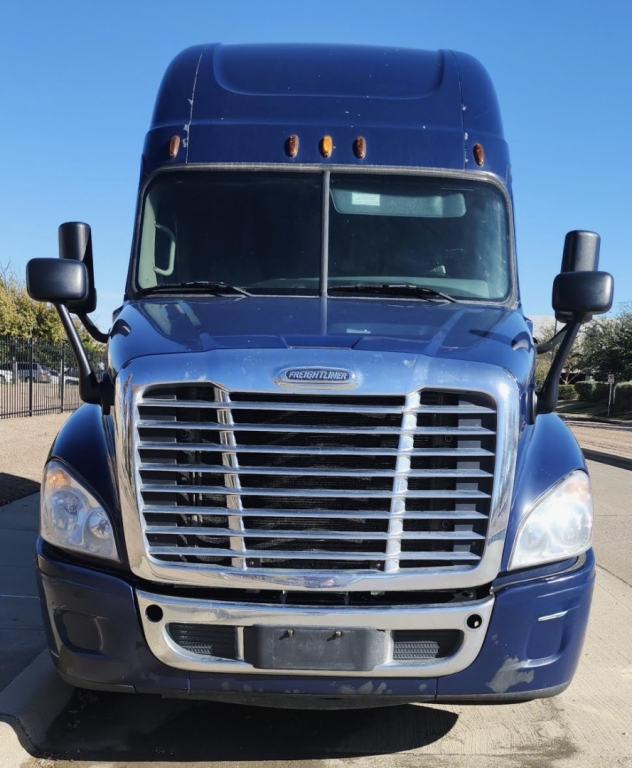
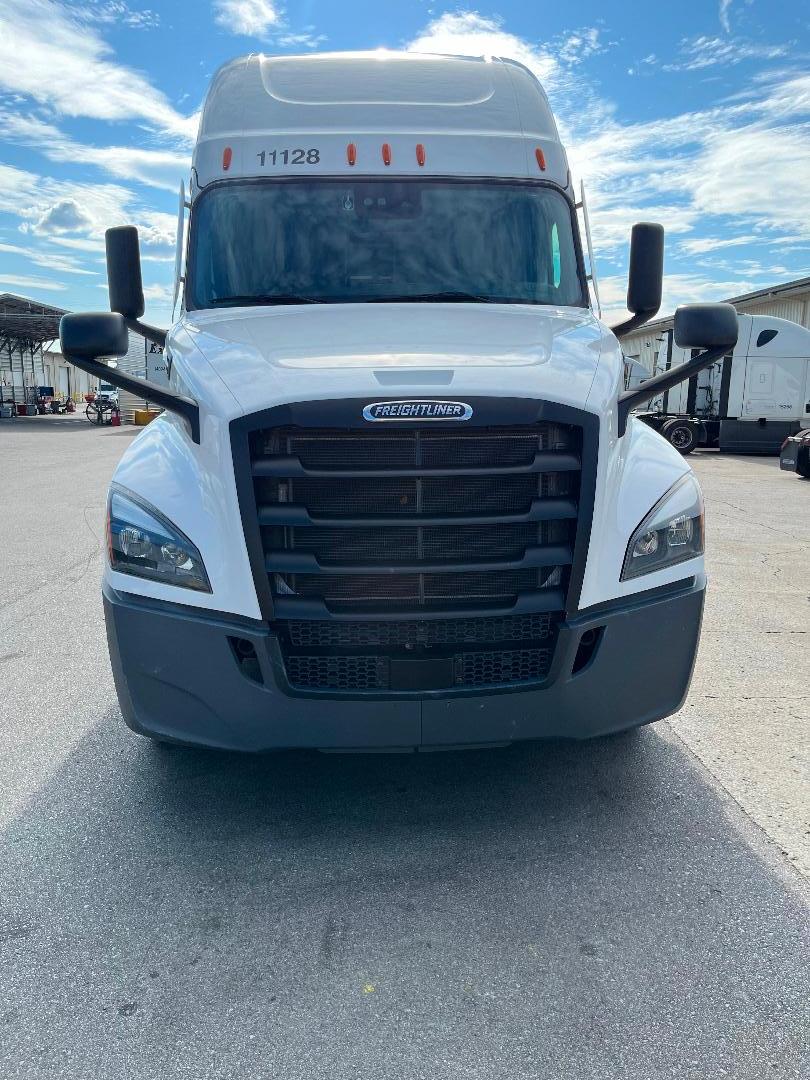
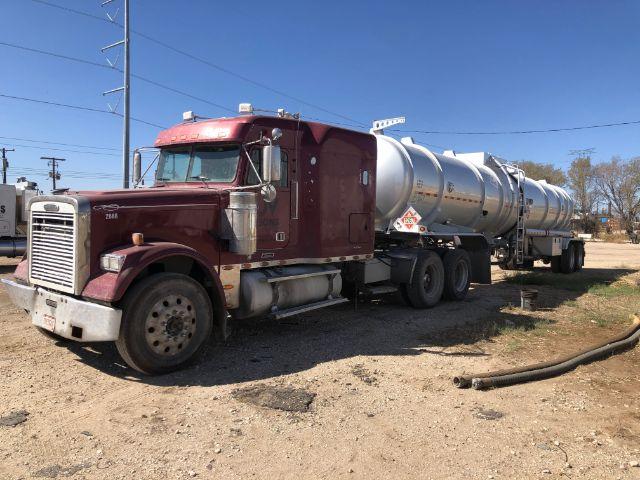
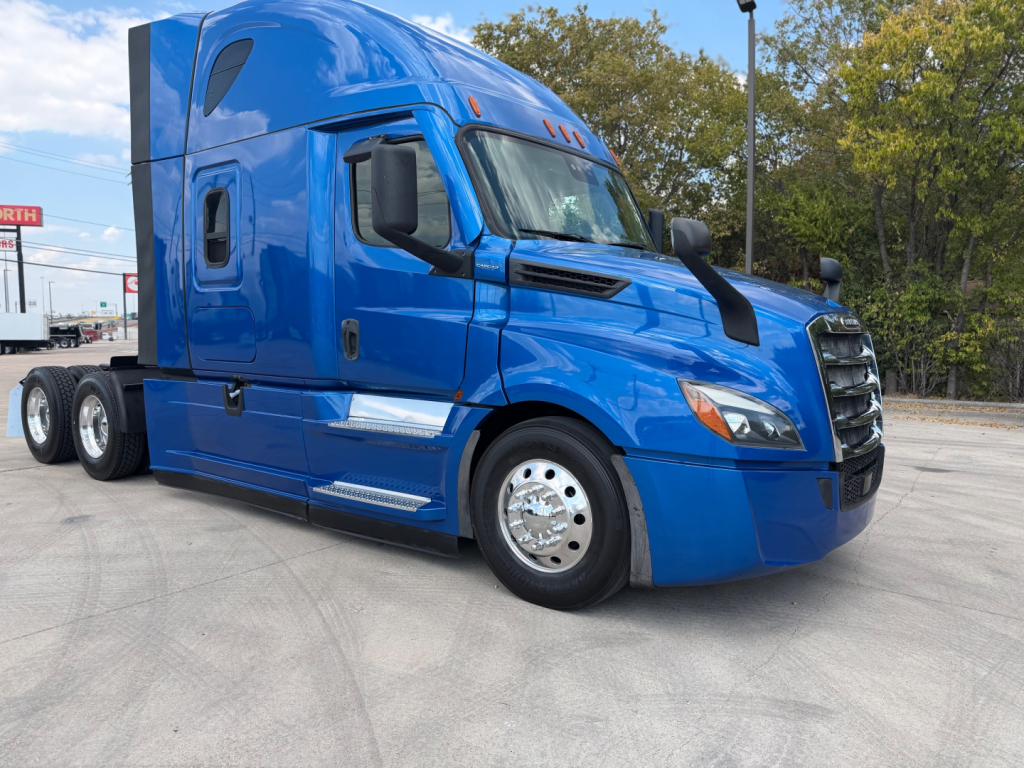
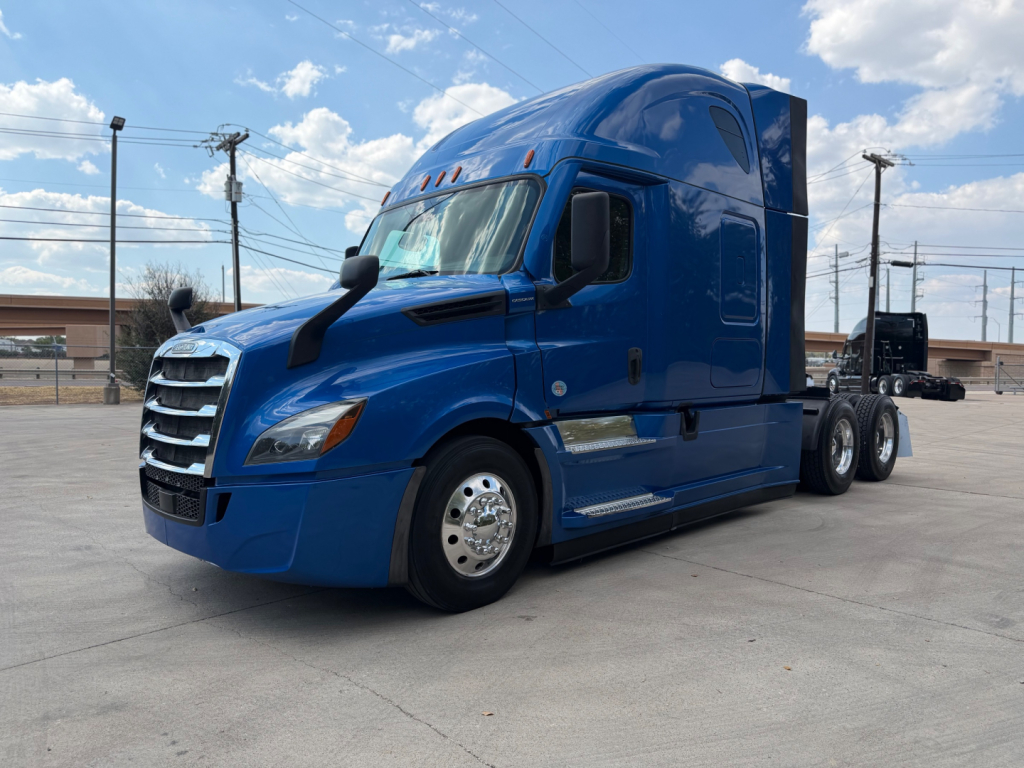
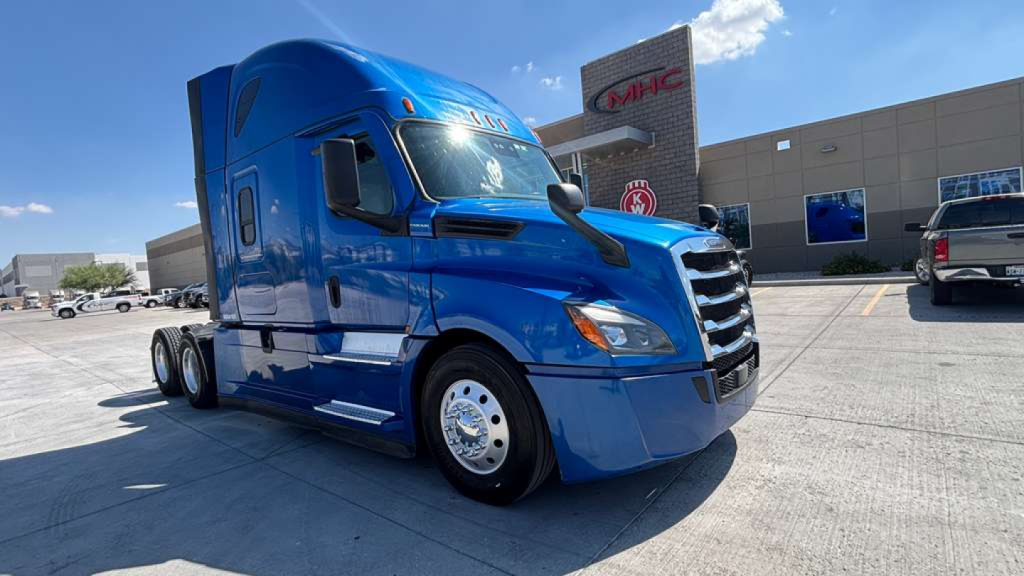
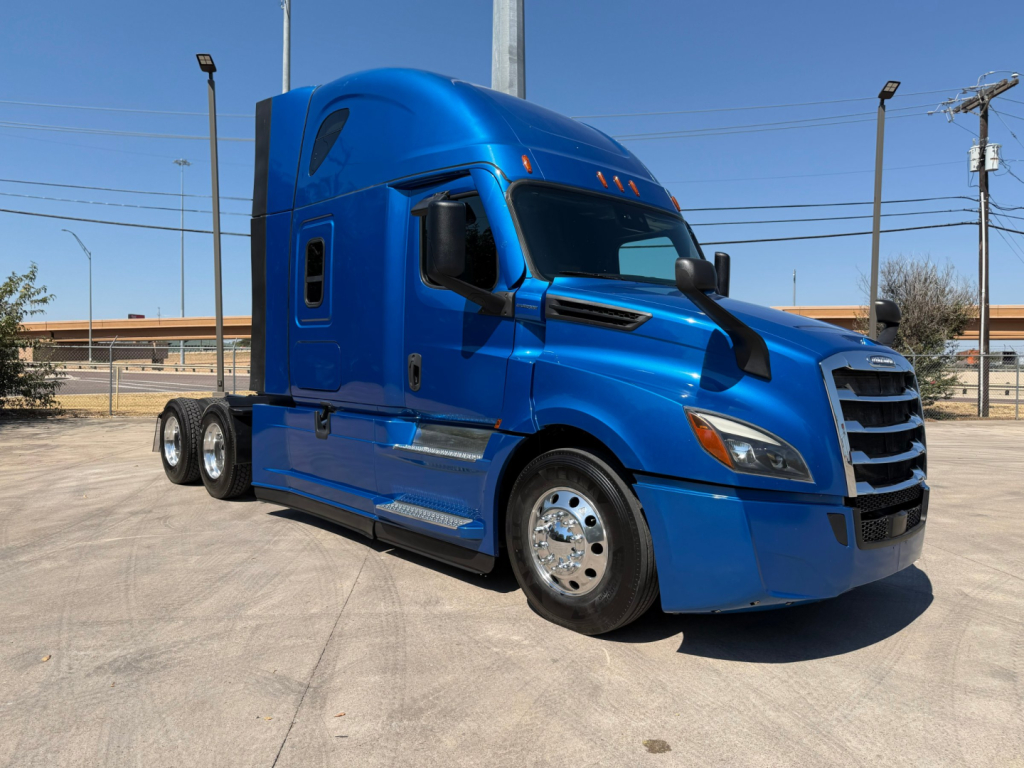
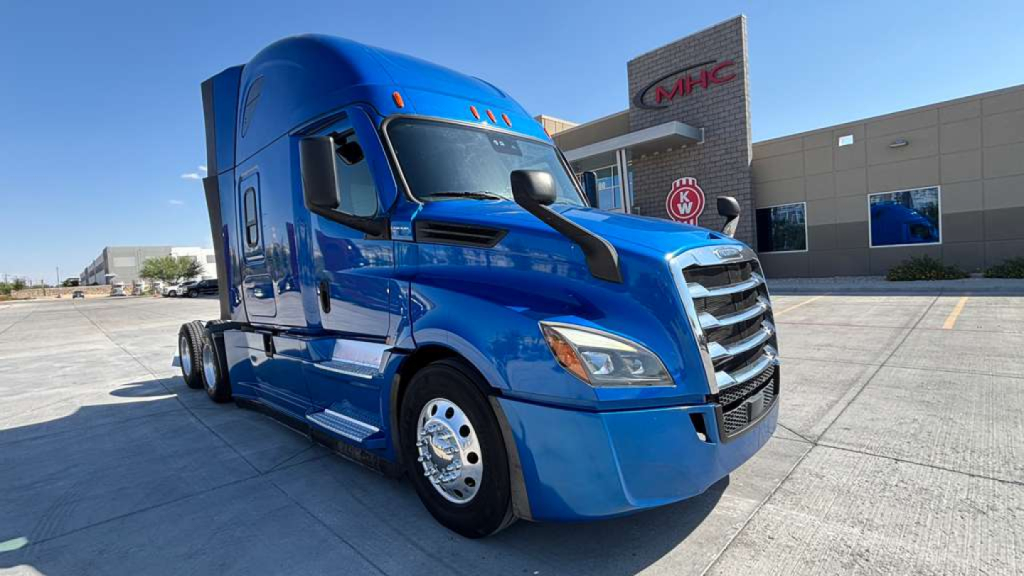

Selling a freightliner conventional sleeper truck? List your freightliner conventional sleeper truck for sale and reach thousands of commercial buyers.
Freightliner Conventional Sleeper Trucks in Texas
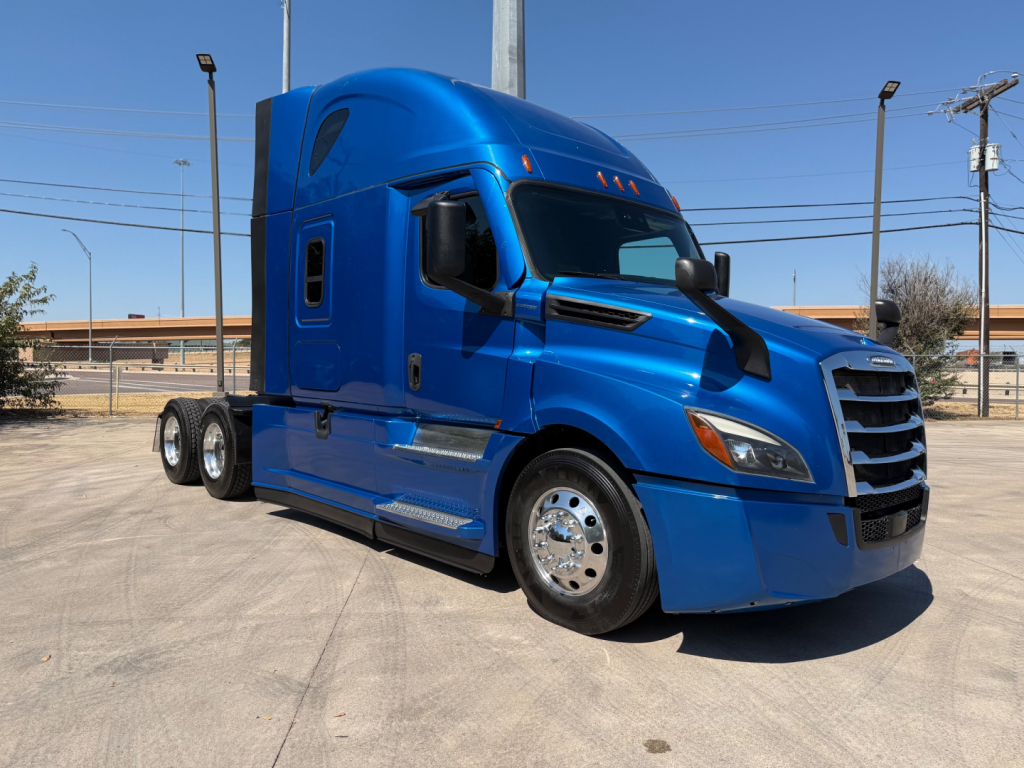
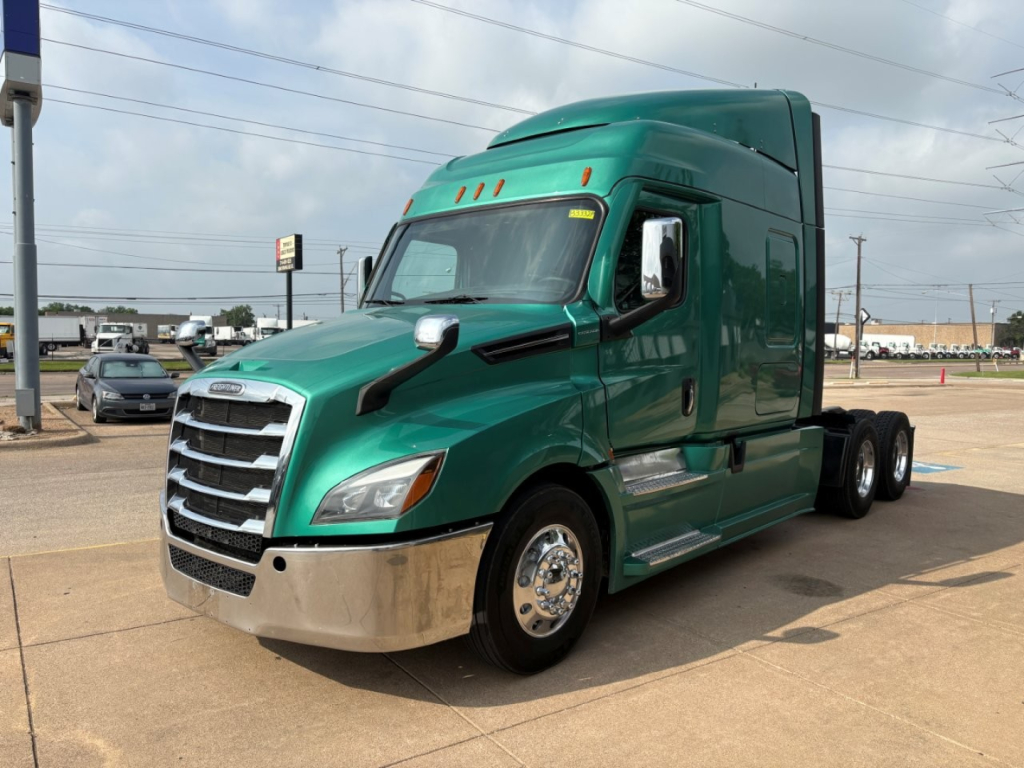
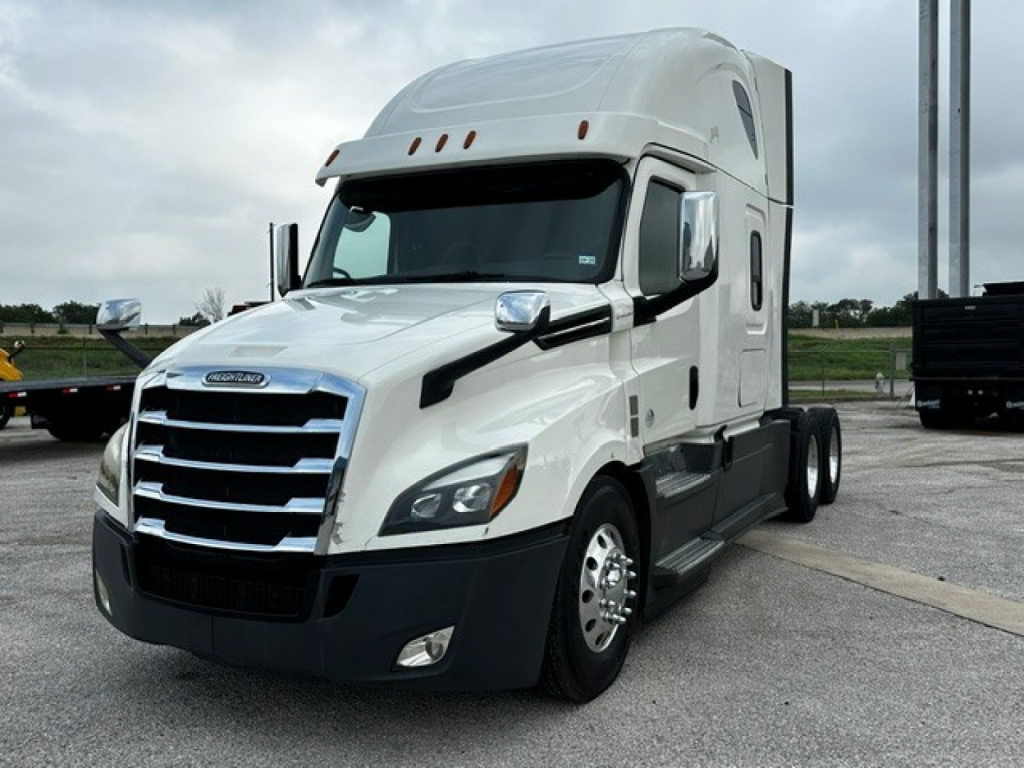
The most common powertrain in this segment is a Detroit DD15, with DD13 engines also appearing in lighter or fuel-focused specs. Horsepower commonly falls in the 450 to 505 HP range, paired with the Detroit DT12 automated manual transmission. That combination is popular because it simplifies driver onboarding, helps protect the driveline, and supports efficient downspeed operation when matched with ratios such as 2.47, 2.64, or 3.08. A buyer should look closely at rear axle ratio versus tire size and intended route profile. Lower numerical ratios can favor highway fuel economy, while a deeper ratio may fit heavier loads, hill country work, or more stop-and-go operation.
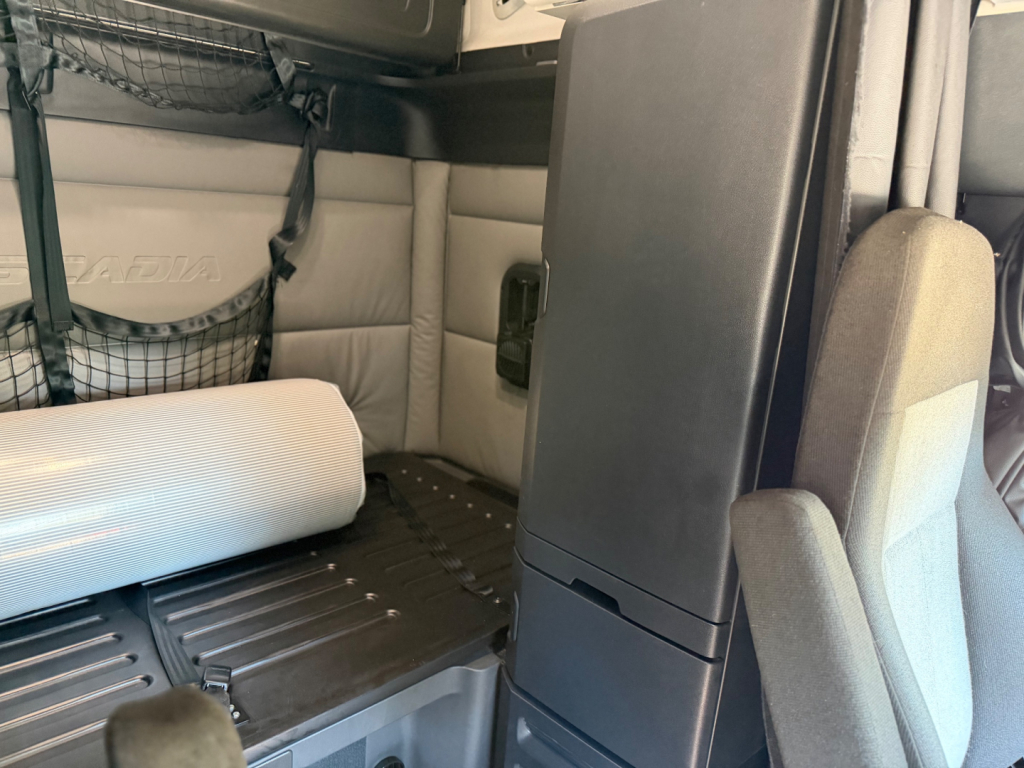
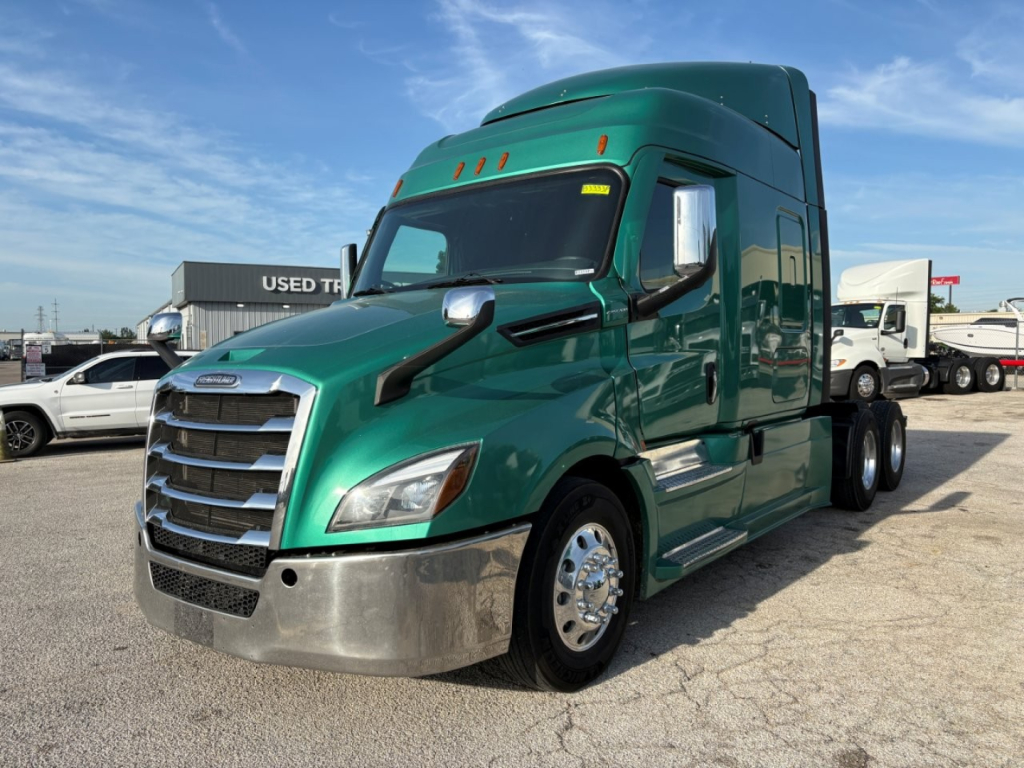
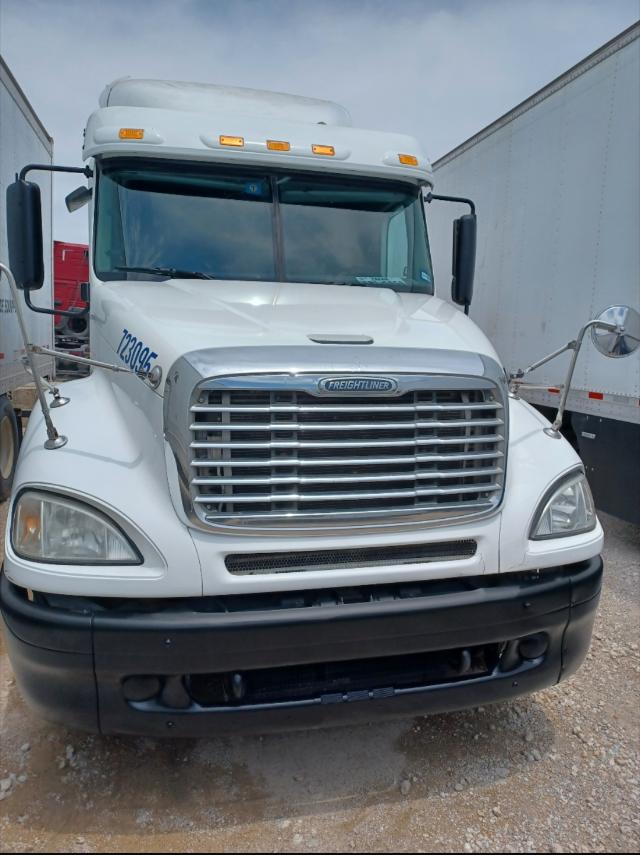
Sleeper configuration matters as much as the engine. Freightliner conventional sleepers are often found with 72-inch raised-roof sleepers, upper bunks, refrigerators, bunk heaters, and APUs on higher-idle-sensitive specs. For team operations or extended over-the-road use, storage layout, bunk access, HVAC performance, and idle reduction equipment can have real operating value. Wheelbases around 228 to 229 inches are common in fleet-style specs and usually pair well with sliding fifth wheels, dual fuel tanks, side fairings, and cab extenders. Buyers should also note brake type, suspension, and safety equipment. Front disc brakes, air ride suspension, collision mitigation systems, and engine brakes are now common features that improve control, uptime, and driver acceptance.
When comparing Freightliner sleeper trucks, condition is only part of the story. A strong spec on paper should still be matched against maintenance history, emissions system service, tire and brake wear, and cab interior condition. Freightliner remains a practical choice for owner-operators and fleets because the Cascadia platform is widely understood by technicians, replacement parts are readily available, and the truck can be configured for everything from fuel-conscious dry van work to higher-GCW reefer and dedicated contract freight. For many buyers, the best truck in this class is the one with the right sleeper package, driveline ratio, and maintenance profile for the lanes it will actually run.
Frequently Asked Questions about Freightliner Conventional Sleeper Trucks in Texas
What engine and transmission are most common in Freightliner conventional sleeper trucks?
The most common setup is a Detroit DD15 paired with a Detroit DT12 automated transmission. DD13 engines are also used, especially where fuel economy and lower operating weight are priorities. In sleeper trucks, horsepower often ranges from 450 to 505 HP, which covers most over-the-road dry van, refrigerated, and general freight applications. The DT12 is popular because it supports fuel-efficient shifting logic, reduces clutch abuse, and is familiar to many fleet drivers.
What sleeper size is typical on a Freightliner Cascadia conventional sleeper?
A 72-inch raised-roof sleeper is one of the most common configurations in this category. It gives drivers enough room for an upper bunk, storage cabinets, and optional comfort equipment such as a refrigerator or bunk heater. For over-the-road service, sleeper layout matters as much as square footage. Buyers should check bunk arrangement, storage access, HVAC function, and whether the truck has idle reduction equipment such as an APU.
How important is rear axle ratio on a Freightliner sleeper truck?
Rear axle ratio is a major buying decision because it affects cruising RPM, gradeability, startability, and fuel economy. Ratios such as 2.47, 2.64, and 3.08 are common in Freightliner sleeper specs. A lower numerical ratio usually supports better highway fuel economy on flat lanes, while a higher numerical ratio can be better for heavier loads, more frequent starts, or mixed terrain. The right ratio should always be considered alongside engine rating, transmission calibration, tire size, and the freight the truck will pull.
Are Freightliner conventional sleeper trucks a good fit for Texas operations?
Yes. Freightliner sleeper trucks are widely used in Texas because they perform well in long-distance highway service and have broad dealer and parts support across major freight corridors. That matters for fleets and owner-operators running high annual miles between Dallas-Fort Worth, Houston, San Antonio, El Paso, and interstate lanes beyond Texas. Heat management, A/C performance, fuel capacity, and aerodynamic efficiency are especially important in this market, so buyers often focus on cooling system condition, sleeper HVAC, and fairing completeness.
What should buyers inspect first on a used Freightliner conventional sleeper truck?
Start with maintenance records, engine hours, fault history, and evidence of emissions system repairs. Then inspect tire wear, brake condition, suspension components, steering feel, fifth wheel function, and any signs of uneven driveline stress. On sleeper trucks, interior condition also matters because it reflects how the truck was treated over long periods of use. A clean sleeper, working bunk HVAC, and intact cabinets, mattresses, and seals can point to better overall care, but the real value comes from a truck whose spec matches the intended route and load profile.