
2021 Freightliner Conventional Sleeper Trucks For Sale in Texas
Shop 2021 Freightliner conventional sleeper trucks in Texas. Compare Cascadia-style specs, sleeper sizes, powertrains, wheelbases, and ratios.
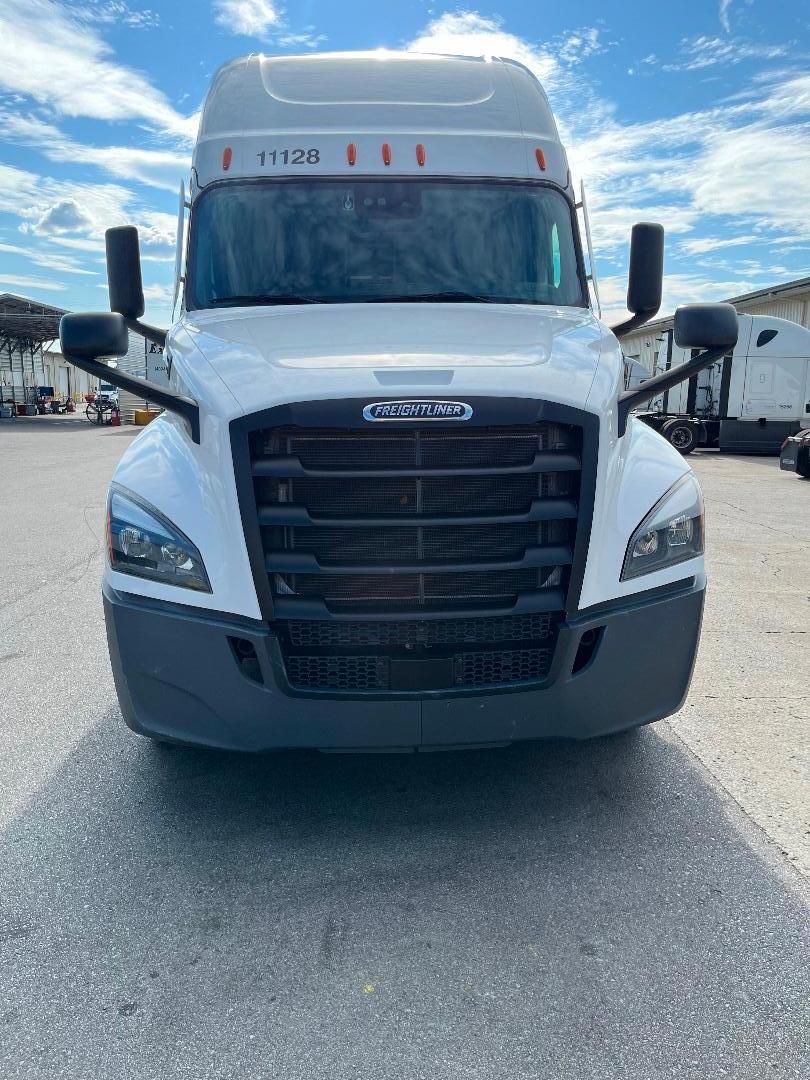

Selling a 2021 freightliner conventional sleeper truck? List your 2021 freightliner conventional sleeper truck for sale and reach thousands of commercial buyers.
2021 Freightliner Conventional Sleeper Trucks in Texas
The first decisions are sleeper size, roof height, and wheelbase. Many Freightliner conventional sleepers from this era were built with mid-roof or raised-roof sleepers in the 60-inch to 72-inch range, with some units adding an upper bunk, bunk heater, and upgraded interior trim. A raised-roof sleeper gives more standing room and better driver livability on extended runs, while a mid-roof spec can save weight and work well in regional applications. Wheelbase often falls in the 220-inch to 230-inch range, but it should be matched to trailer swing clearance, fifth wheel travel, and state bridge requirements. If the truck will stay on standard 53-foot van work, an adjustable or air-slide fifth wheel is often more useful than a fixed setup.
Powertrain spec matters as much as condition. A 2021 Freightliner sleeper with a Detroit DD15 in the 400 to 455 HP range is a common sweet spot for highway freight, especially when paired with a DT12 and a faster rear ratio such as 2.41, 2.47, or 2.64. That kind of spec is aimed at downsped cruising, fuel efficiency, and lower driver workload. Buyers hauling heavier payloads or operating in mixed terrain should pay close attention to rear axle ratio, engine brake performance, and gross combined weight expectations. Maintenance history on emissions components, transmission calibration, and cooling system service is especially important on any late-model sleeper tractor. Safety systems can also be a differentiator in this year range, including collision mitigation, lane departure features, and disc brake availability.
A good 2021 Freightliner conventional sleeper should be evaluated like a revenue asset, not just a cab and chassis. Look closely at idle hours, sleeper HVAC function, fairing condition, tire wear pattern, suspension bushings, and signs of fifth wheel or frame abuse. In Texas, heat load makes A/C performance, bunk comfort, and cooling system health more important than many buyers expect. Freightliner remains popular because parts availability is broad, Detroit integration is familiar to most shops, and the Cascadia platform is widely accepted across fleet and owner-operator markets. For buyers comparing multiple listings, the best truck is usually the one with the right sleeper layout, ratio, and maintenance record for the lane it will actually run.
Frequently Asked Questions about 2021 Freightliner Conventional Sleeper Trucks in Texas
What engine and transmission are common in a 2021 Freightliner conventional sleeper?
Most 2021 Freightliner conventional sleeper trucks are equipped with Detroit powertrains, especially the DD13 or DD15 engine paired with the DT12 automated manual transmission. For highway freight, the DD15 in the 400 to 455 horsepower range is one of the most common specs because it balances pulling power, fuel economy, and drivability. The DT12 is widely used in fleet service and is well suited to long-haul applications where consistent shifting and reduced driver fatigue are priorities.
Is a mid-roof or raised-roof sleeper better for Texas freight?
It depends on the run and the driver's time in the truck. A raised-roof sleeper is usually the better choice for longer over-the-road work because it offers more headroom, better storage, and improved living space. A mid-roof sleeper can make sense for regional freight where the truck returns more often and weight or price point is a bigger concern. In Texas, where heat and long distances are both factors, sleeper HVAC performance and insulation can matter as much as roof height.
What rear axle ratio should I look for in a 2021 Freightliner sleeper?
Many 2021 Freightliner sleepers were spec'd with faster highway ratios such as 2.41, 2.47, or 2.64 to support downsped operation and better fuel mileage. Those ratios are a strong fit for dry van and reefer lanes with moderate gross weights and sustained interstate speeds. If the truck will regularly pull heavier loads, run in hilly terrain, or spend more time starting and stopping, a buyer should make sure the ratio still supports the intended gross combined weight and performance expectations.
What should I inspect first on a used 2021 Freightliner conventional sleeper?
Start with maintenance records, engine fault history, emissions system service, and transmission performance. Then inspect idle hours, tire wear, alignment clues, suspension condition, fifth wheel wear, and cab or sleeper equipment such as A/C, bunk heater, and electrical accessories. On aerodynamic sleeper tractors, exterior fairings, cab extenders, and bumper condition can also reveal how the truck was used and how well it was maintained.
Why do so many buyers choose a Freightliner conventional sleeper for long-haul work?
Freightliner conventional sleepers, especially the Cascadia platform, are popular because they are built around fuel-efficient aerodynamic designs, widely supported Detroit components, and strong service network coverage. That matters to fleets and owner-operators alike because downtime, repair access, and parts availability directly affect operating cost. The platform is also common enough that buyers can compare similar specs across many listings and make more precise decisions on sleeper size, wheelbase, engine rating, and axle ratio.