
2021 Freightliner Conventional Sleeper Trucks For Sale
Shop 2021 Freightliner conventional sleeper trucks, including Cascadia models with DD15 power, DT12 transmissions, raised roof sleepers, and fleet specs.
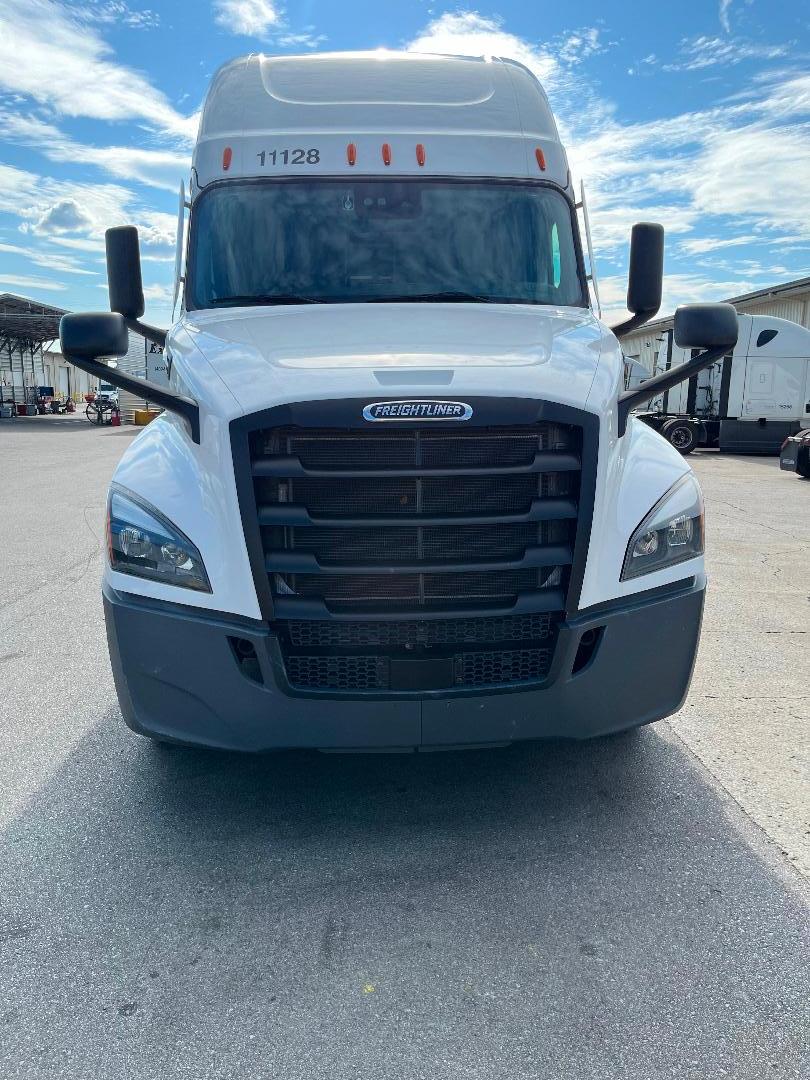
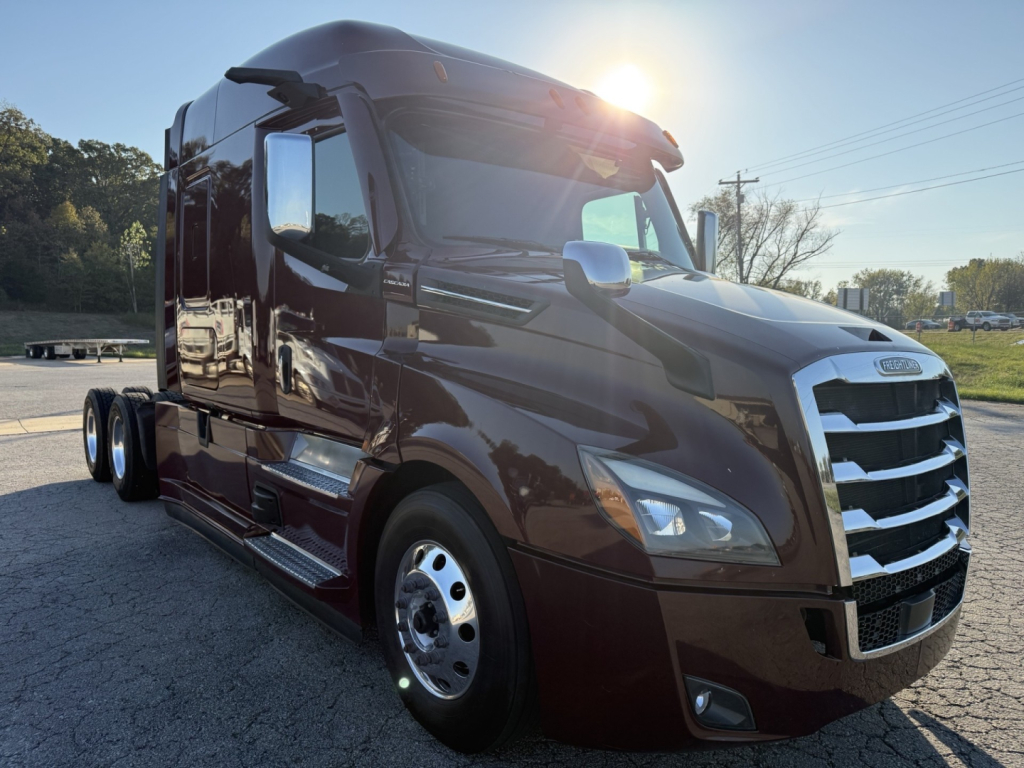
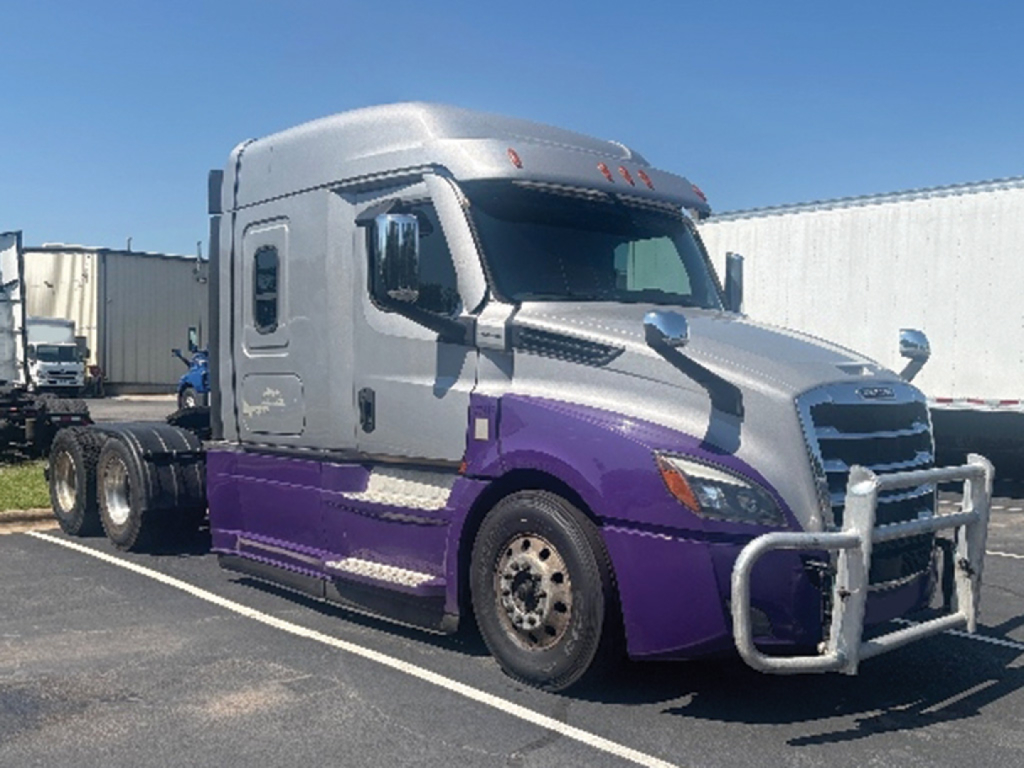
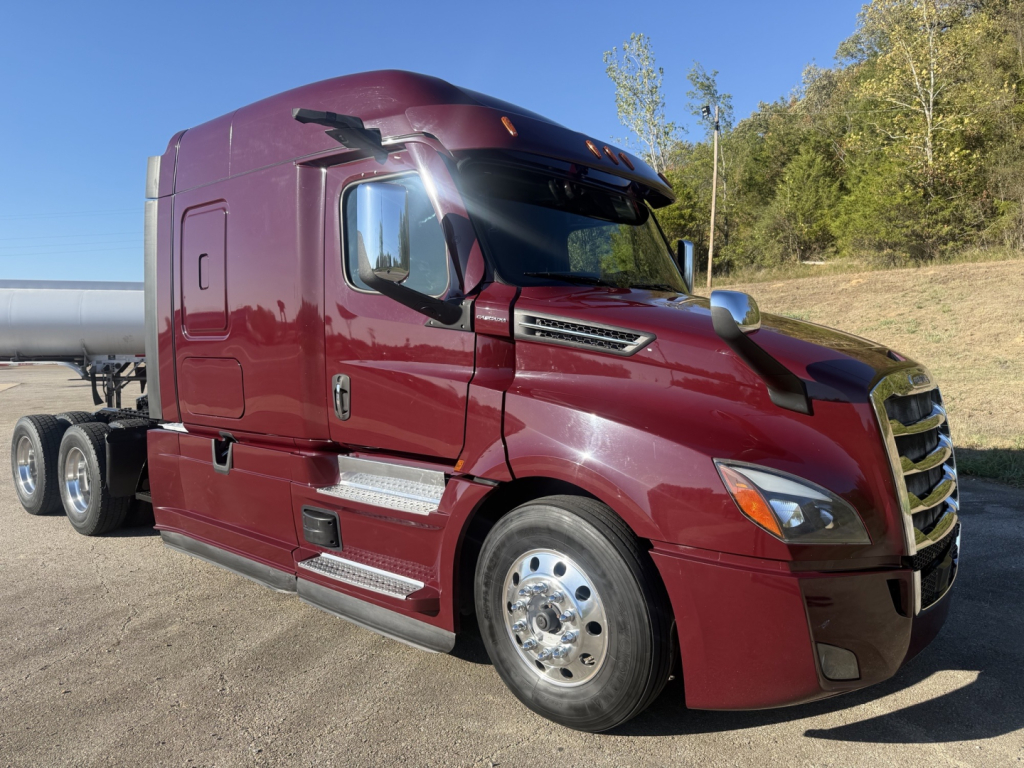
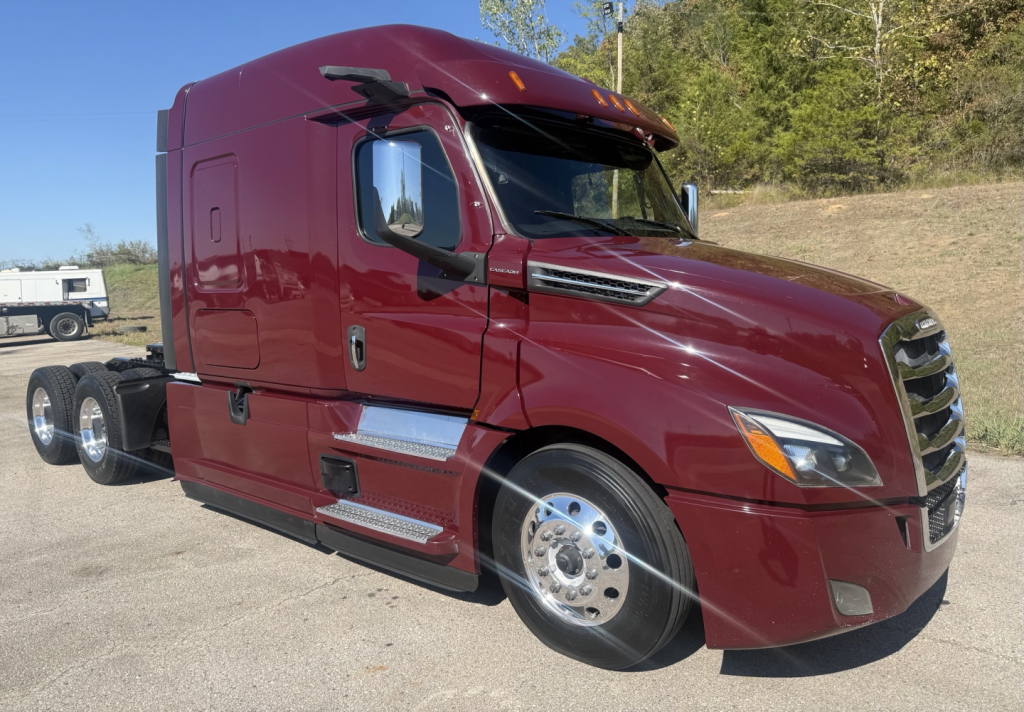
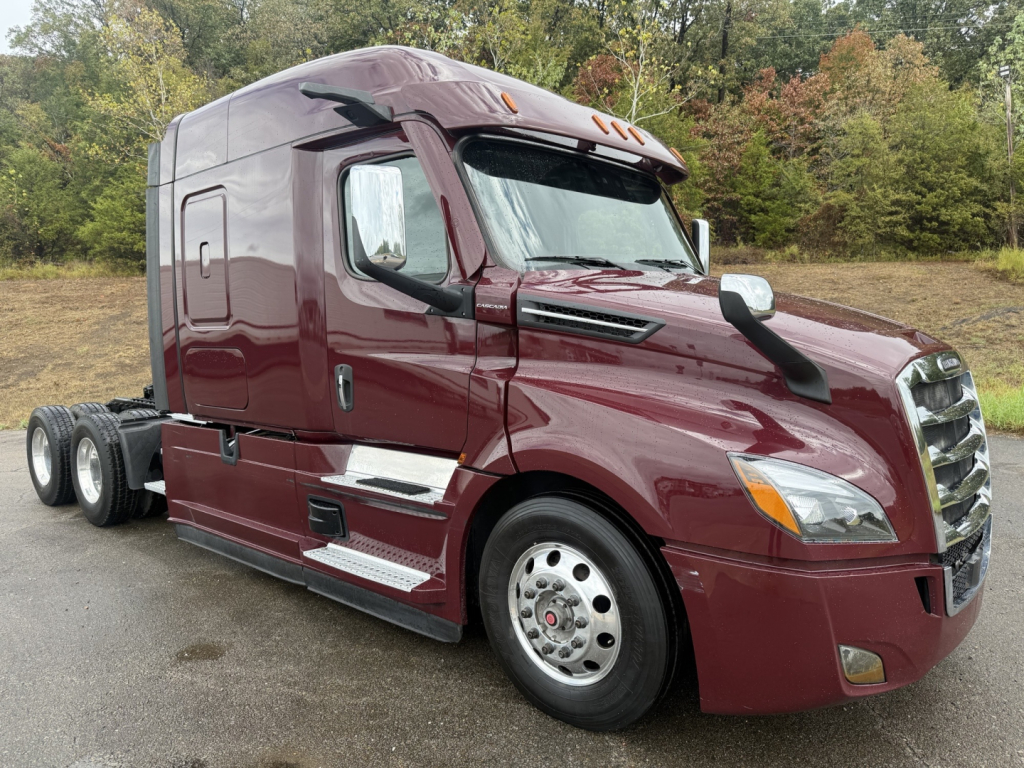
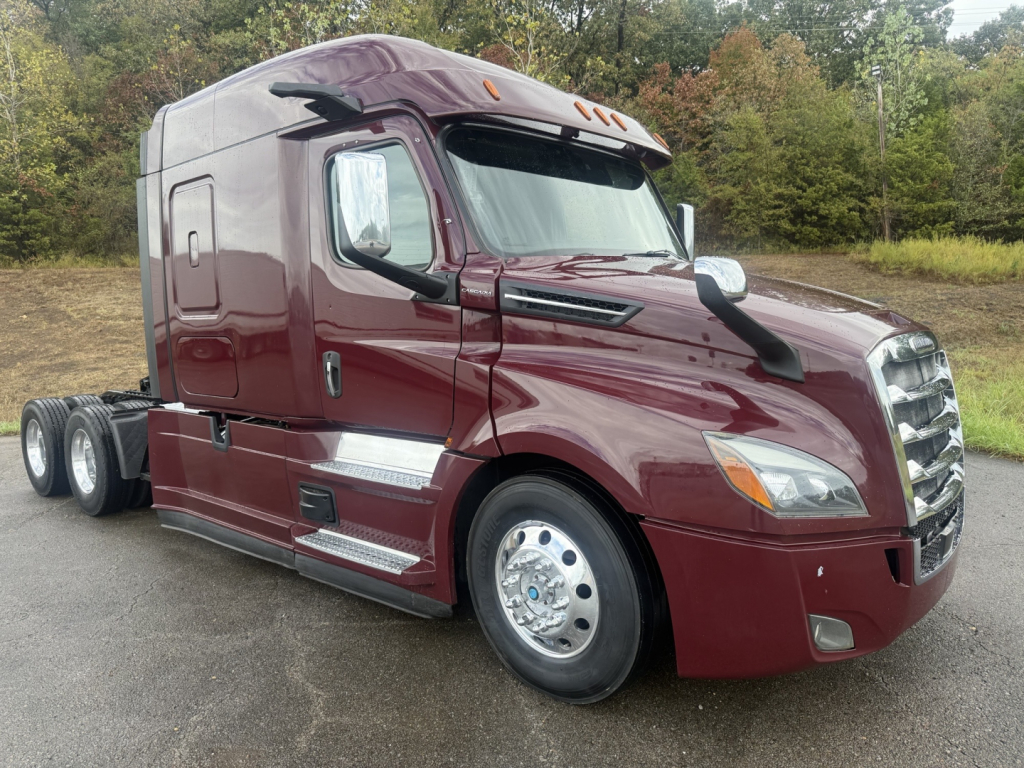
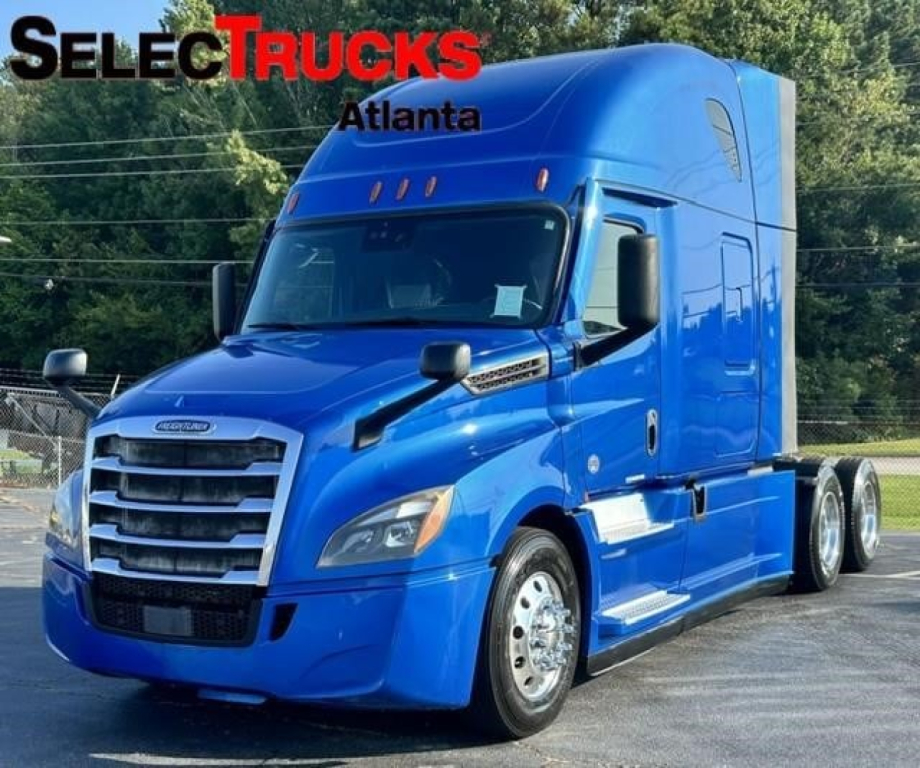
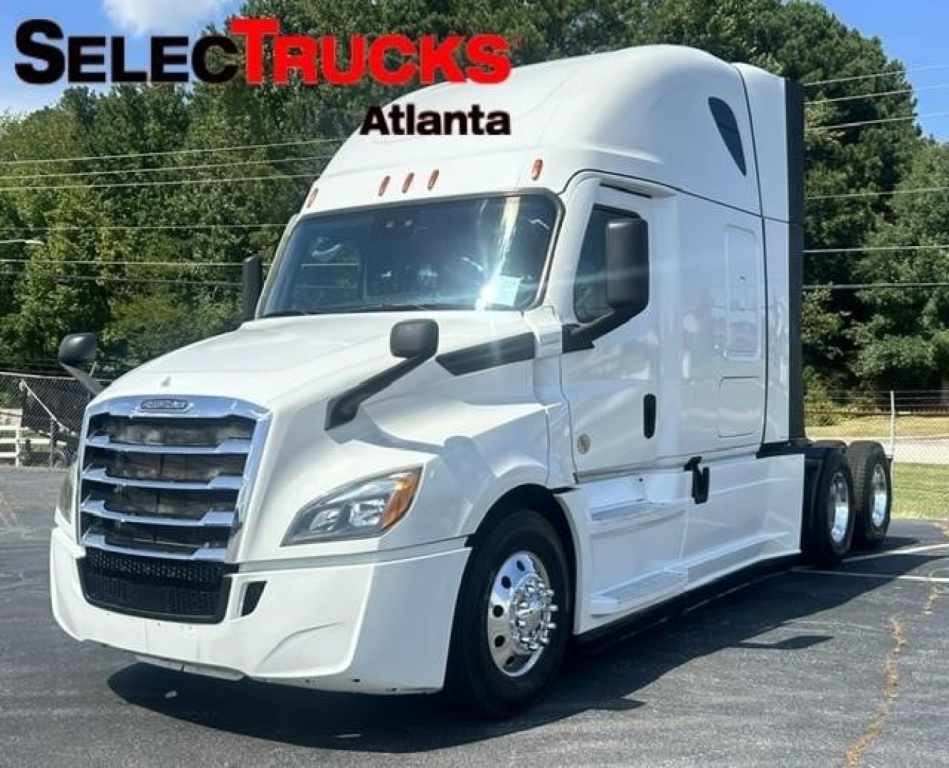
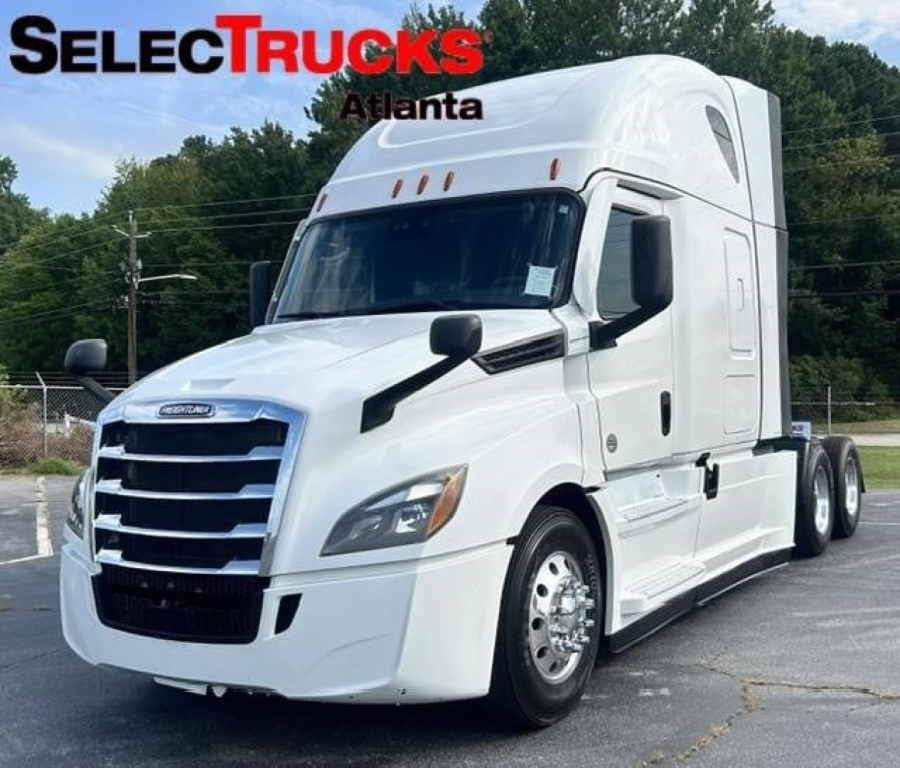
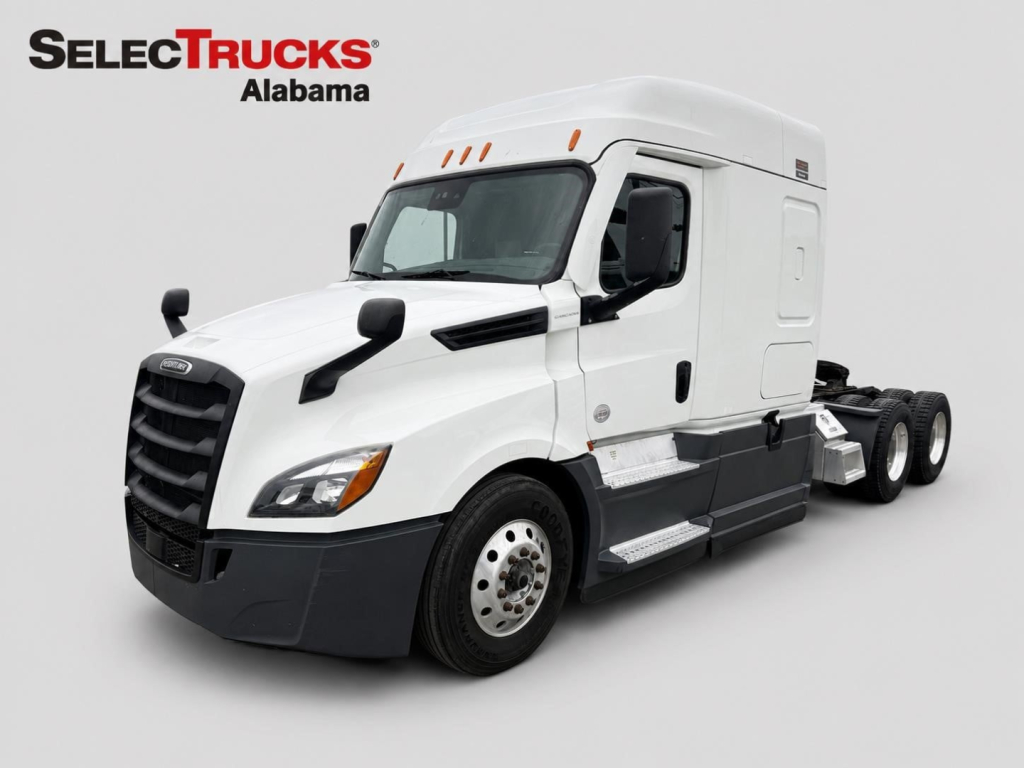
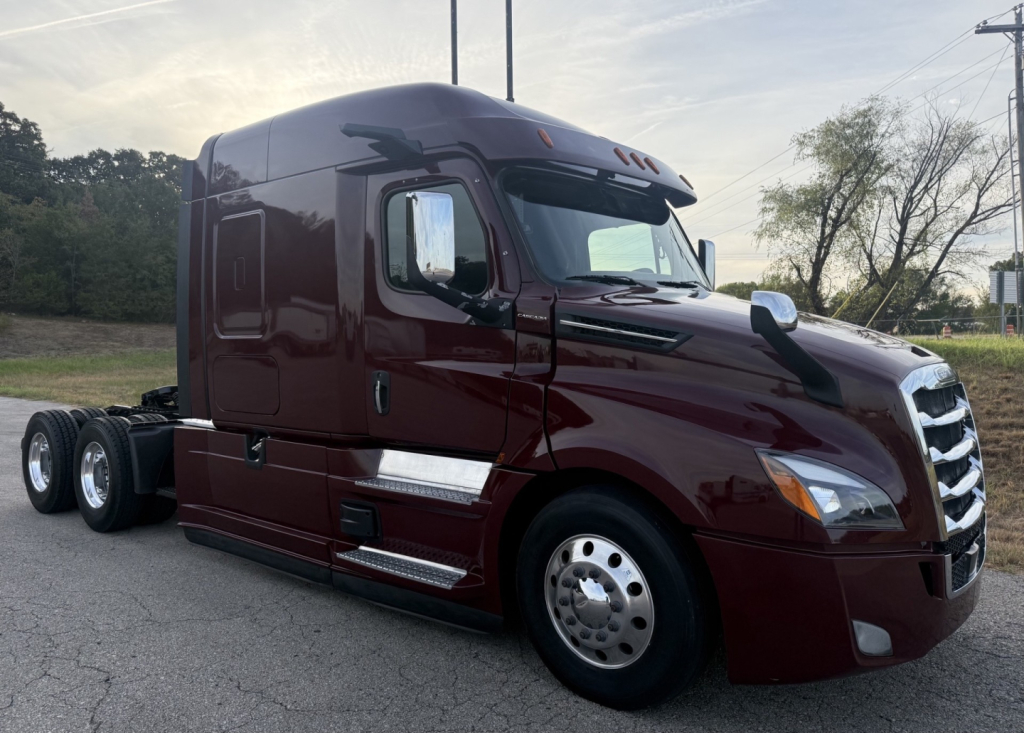
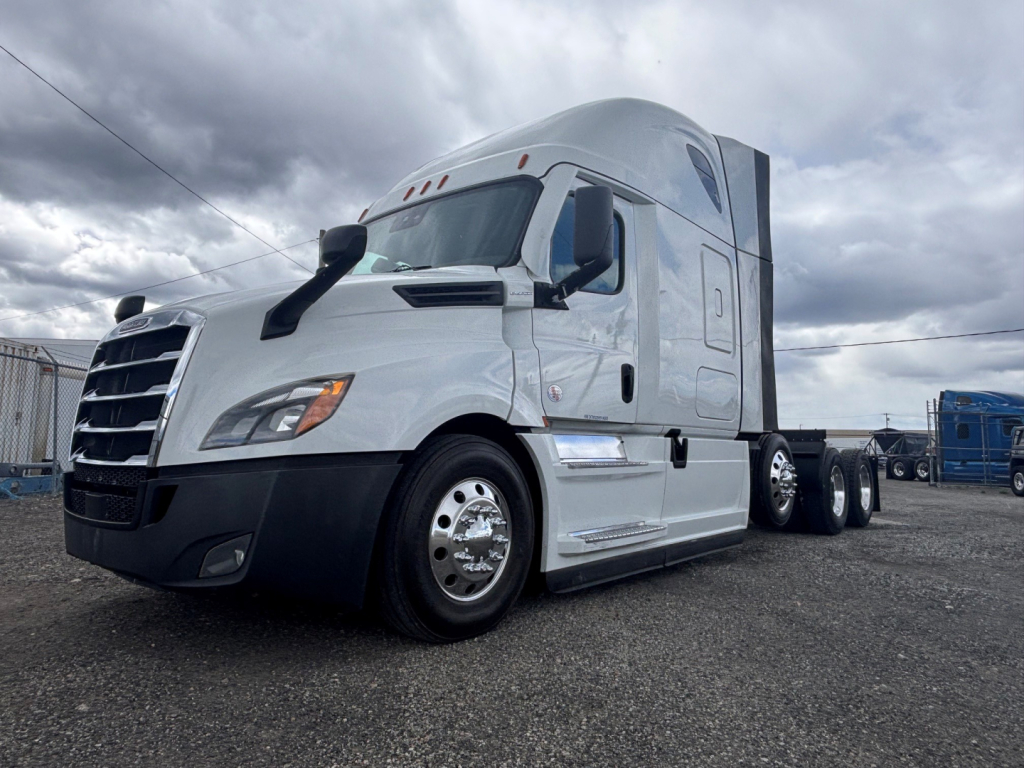
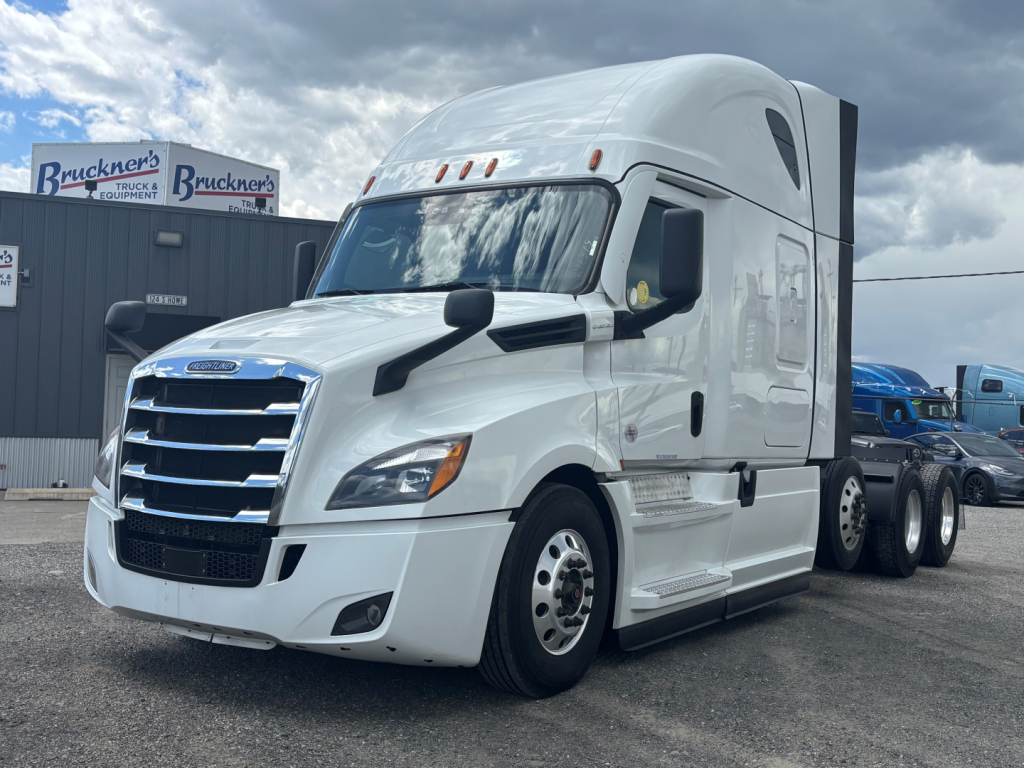

Selling a 2021 freightliner conventional sleeper truck? List your 2021 freightliner conventional sleeper truck for sale and reach thousands of commercial buyers.
2021 Freightliner Conventional Sleeper Trucks
Sleeper configuration matters as much as engine spec. Many 2021 Freightliner sleepers come with a 72-inch raised roof or condo-style sleeper, often with upper bunk provisions, storage cabinets, bunk heater setups, and room for an auxiliary power unit. For buyers running extended lanes, idle reduction equipment, battery-based HVAC, and APUs can make a meaningful difference in driver comfort and fuel spend. Wheelbase, fuel capacity, and fifth wheel configuration also deserve close attention. A truck with dual aluminum tanks, an air slide fifth wheel, and a wheelbase in the 229 to 233 inch range is common in van and reefer service, while more specialized operations may prioritize different bridge and axle settings.
On the chassis side, 2021 Freightliner conventional sleepers are often spec'd with 40,000-pound rears, air ride suspension, disc or drum brake configurations, and 11R22.5 rubber on aluminum wheels. Rear axle ratios such as 3.08 or 3.23 are common and should be matched to your cruise speed, terrain, and trailer weight. Buyers should also look closely at collision mitigation systems, engine brake performance, steering wheel controls, and interior trim level, especially if driver retention matters. A well-spec'd Cascadia from this year can offer strong uptime and a familiar operating environment for fleets already standardized on Detroit power.
The key buying decision is not just mileage or price, but how the truck was built and where it worked. A 2021 Freightliner sleeper that spent its life in long, steady highway service may show differently than one used in heavy regional stop-and-go operation. Check maintenance history, emissions system condition, tire and brake wear, bunk equipment operation, and any signs of prior body or fairing damage. For buyers comparing multiple listings, the best value often comes from matching engine rating, sleeper size, axle ratio, and transmission to the exact freight lane rather than simply choosing the lowest-cost truck.
Frequently Asked Questions about 2021 Freightliner Conventional Sleeper Trucks
What engine and transmission are most common in a 2021 Freightliner conventional sleeper?
The most common setup is a Detroit DD15 paired with a Detroit DT12 automated manual transmission. This combination is popular in linehaul service because it delivers good fuel economy, broad service support, and driver-friendly operation. Some trucks may have a DD13 or a manual transmission, but DD15 and DT12 is the spec many buyers expect in a 2021 Cascadia sleeper.
Is a 72-inch raised roof sleeper the right choice for long-haul work?
A 72-inch raised roof sleeper is a strong fit for over-the-road freight, team driving, and operations where drivers spend multiple nights in the truck. It gives more headroom, storage, and bunk space than a shorter sleeper. Buyers should still confirm the interior layout, upper bunk configuration, HVAC or APU equipment, and storage design because sleeper dimensions alone do not tell the whole story.
What rear axle ratio should I look for on a 2021 Freightliner sleeper?
Ratios like 3.08 and 3.23 are common on these trucks, and the right choice depends on freight weight, terrain, and target road speed. A taller ratio can help fuel economy in highway service, while a different ratio may better suit heavier loads or more demanding routes. The axle ratio should be evaluated together with tire size, transmission gearing, and engine rating rather than as a standalone number.
Are 2021 Freightliner Cascadia sleepers good for fleet use?
They are a common fleet choice because they offer standardized Detroit powertrain options, strong dealer support, and a cab layout many drivers already know. Features such as collision mitigation, automated transmissions, and aerodynamic bodywork also align well with fleet goals around safety, fuel economy, and driver onboarding. The best fleet candidates are usually trucks with documented maintenance history and a spec that matches the intended lane and trailer type.
What should I inspect first on a used 2021 Freightliner conventional sleeper?
Start with service records, engine and emissions system history, transmission operation, brake and tire condition, and sleeper equipment function. After that, inspect fairings, bumper, hood alignment, and frame for signs of accident repair or hard service. It is also smart to verify the wheelbase, rear axle rating, fifth wheel type, and fuel tank capacity so the truck matches the work it is expected to do.