
2021 Freightliner Conventional Sleeper Trucks For Sale in Washington
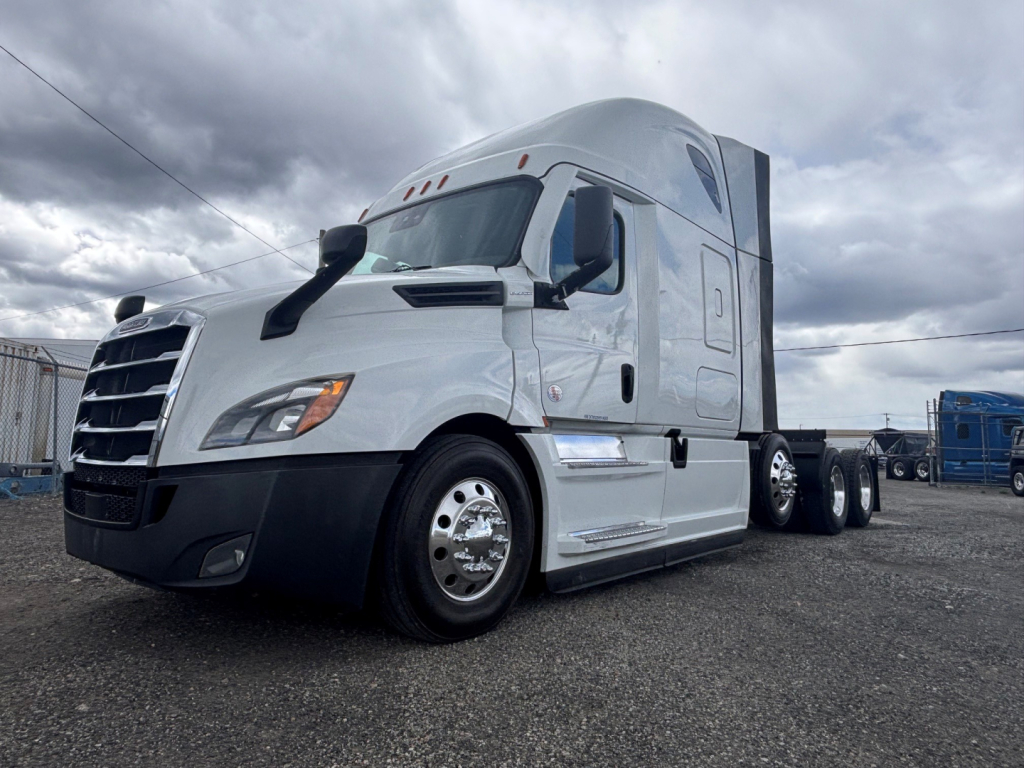
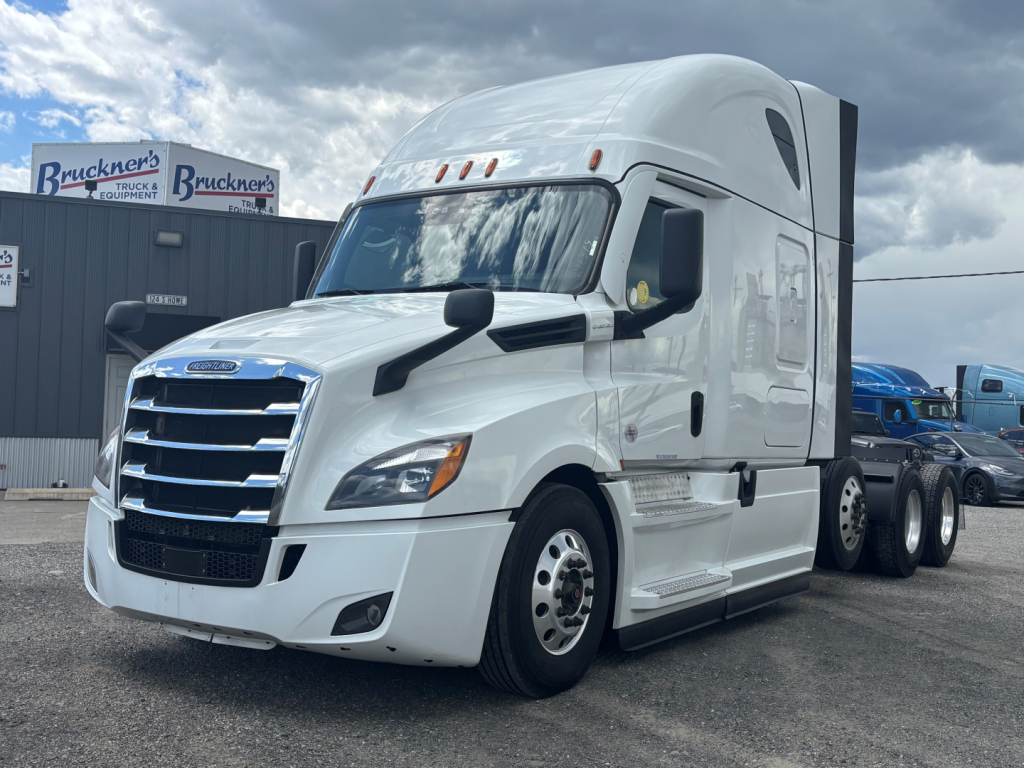
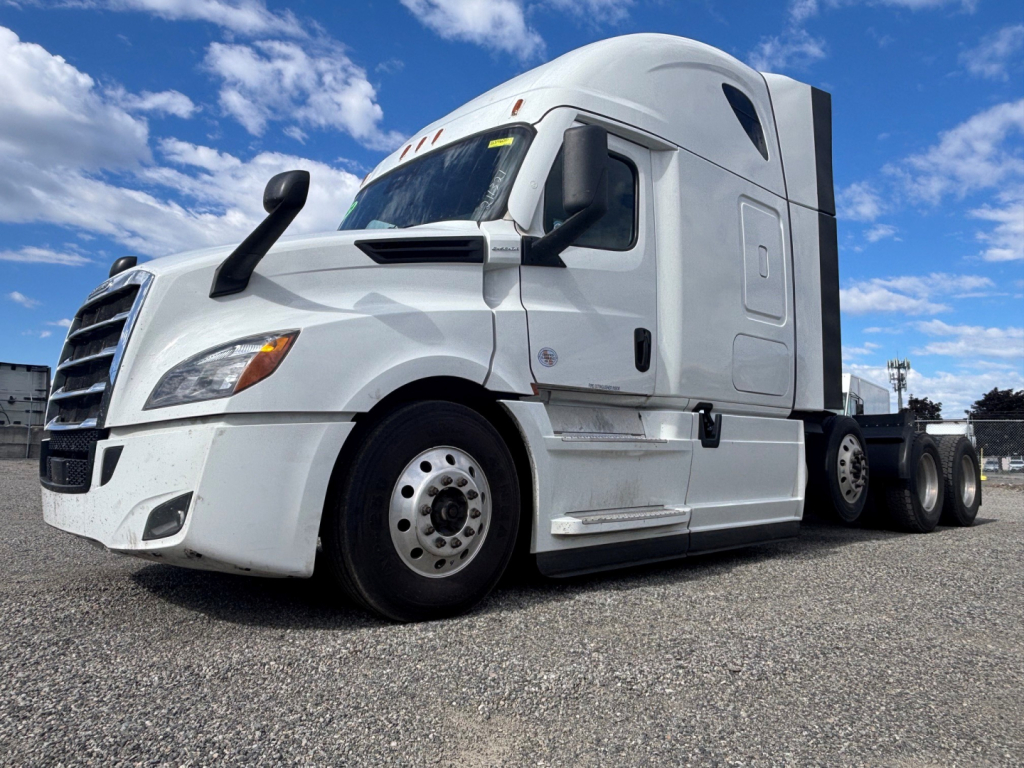
Have 2021 freightliner conventional sleeper truck to sell? List it here to reach thousands of buyers.
2021 Freightliner Conventional Sleeper Trucks in Washington
The spec sheet is where one 2021 conventional sleeper separates from another. Common sleeper sizes include mid-roof and raised-roof configurations, with wheelbases and fairing packages set up for van, reefer, or lightweight flatbed work. Typical engines include the Detroit DD13 and DD15, paired with automated manual transmissions such as the DT12, though some trucks may be ordered with manual gearboxes depending on the original fleet. Buyers should verify horsepower and torque ratings, rear axle ratio, suspension rating, and whether the truck has features like a lift axle, full locking differentials, or a weight-conscious spec. In the Northwest, a lift axle can be a useful option for specialized payload and bridge-law considerations, but it adds complexity and should be inspected closely for suspension, control, and tire wear issues.
A 2021 model year also puts emissions, safety, and driver-assist equipment high on the checklist. Freightliner conventional sleepers from this period often include advanced aerodynamics, collision mitigation systems, adaptive cruise, lane departure warnings, and idle-reduction sleeper features depending on trim and original order. Buyers should pay attention to the maintenance history on the aftertreatment system, including DPF service intervals, DEF system repairs, and any fault history tied to sensors or dosers. For used sleeper tractors, cab condition matters almost as much as drivetrain condition. Inspect bunk layout, HVAC performance, inverter setup, mattress platform, storage access, and signs of excessive idle time or poor interior care.
For most buyers, the decision comes down to matching the truck to the lane. A 2021 Freightliner conventional sleeper set up for fuel economy and over-the-road van freight will differ from one spec'd for heavier regional work in Washington and surrounding states. Look closely at front axle capacity, fifth wheel setup, tire size, fairings, brake configuration, and PTO provisions if secondary equipment may be added later. A well-matched spec will run cheaper per mile, stay easier to service, and fit your freight profile better than a truck chosen on mileage alone.
Frequently Asked Questions about 2021 Freightliner Conventional Sleeper Trucks in Washington
What engine and transmission combinations are common in a 2021 Freightliner conventional sleeper?
Most 2021 Freightliner conventional sleeper trucks, especially Cascadia models, are equipped with Detroit DD13 or DD15 engines and commonly paired with the Detroit DT12 automated manual transmission. The exact rating matters more than the badge alone. Buyers should confirm horsepower, torque, rear axle ratio, and cruising RPM because those specs determine how the truck performs on grades, in heavy loads, and at highway speed.
Is a lift axle useful on a 2021 Freightliner sleeper in Washington?
A lift axle can be a valuable spec for certain Washington and Pacific Northwest operations, particularly when payload distribution, bridge formulas, or specialized regional work make axle flexibility useful. It is not automatically a better setup for every buyer. A lift axle adds weight, maintenance points, and tire management requirements, so it makes sense only if your freight and route profile benefit from it.
What should I inspect first on a used 2021 Freightliner sleeper tractor?
Start with maintenance records, engine hours, idle hours, and fault history. Then inspect the aftertreatment system, transmission operation, suspension wear, brakes, and steer axle condition. On the cab and sleeper side, check HVAC output, bunk condition, seals, fairings, and signs of water intrusion or excessive driver wear. A clean interior is good, but service documentation and driveline condition carry more value than cosmetics.
Are 2021 Freightliner Cascadia sleepers good for long-haul use?
Yes. The 2021 Freightliner Cascadia is widely used in long-haul fleets because it balances fuel economy, aerodynamics, driver comfort, and a broad service network. Sleeper configurations, safety systems, and drivetrain options make it suitable for over-the-road van and reefer work, while certain heavier specs can also handle demanding regional lanes. The key is choosing the right axle, engine, and sleeper configuration for the freight.
Why does the original fleet spec matter on a 2021 conventional sleeper?
Original fleet spec affects operating cost, performance, and resale. Two trucks with the same year and model can have very different rear axle ratios, suspension ratings, sleeper sizes, safety packages, and interior options. A fleet fuel-mileage spec may be ideal for dry van highway work but less suitable for mountain terrain or heavier regional loads. Reviewing the original build details helps avoid buying a truck that is mismatched to your operation.