
2023 Freightliner Conventional Sleeper Trucks For Sale in Texas
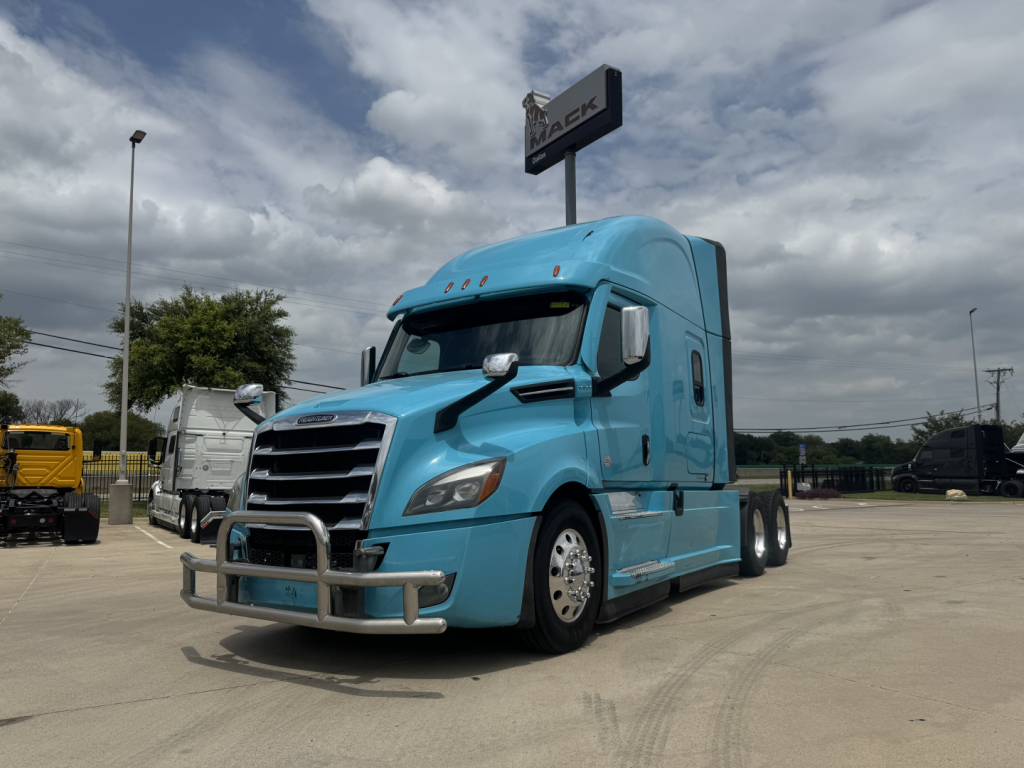
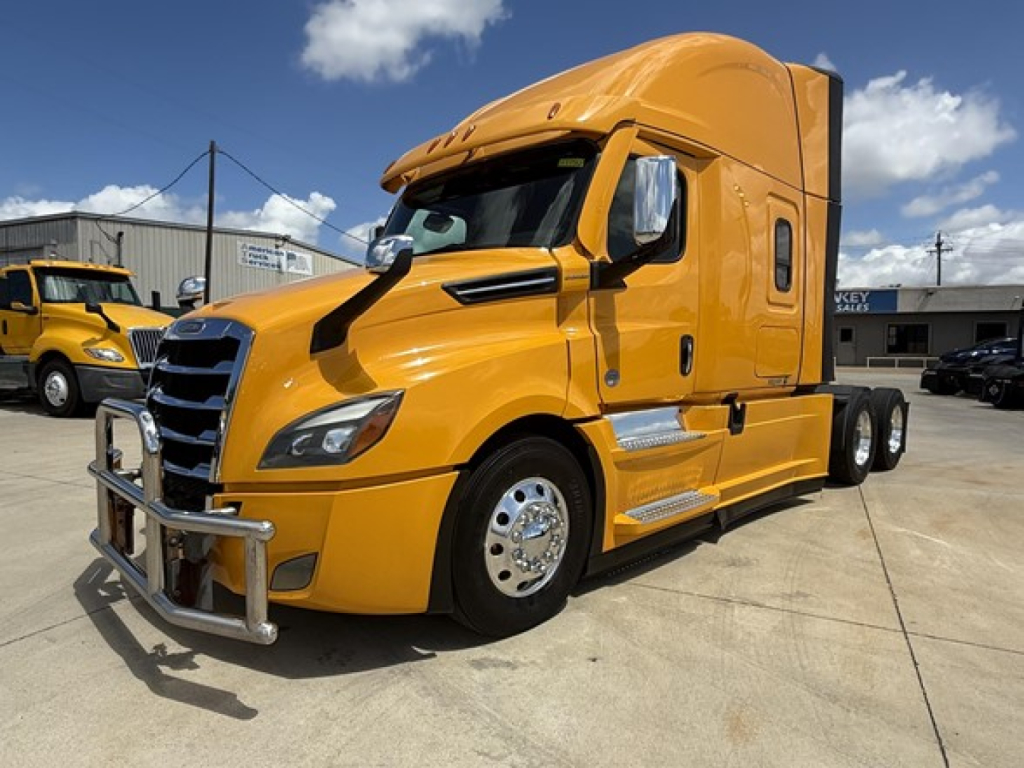
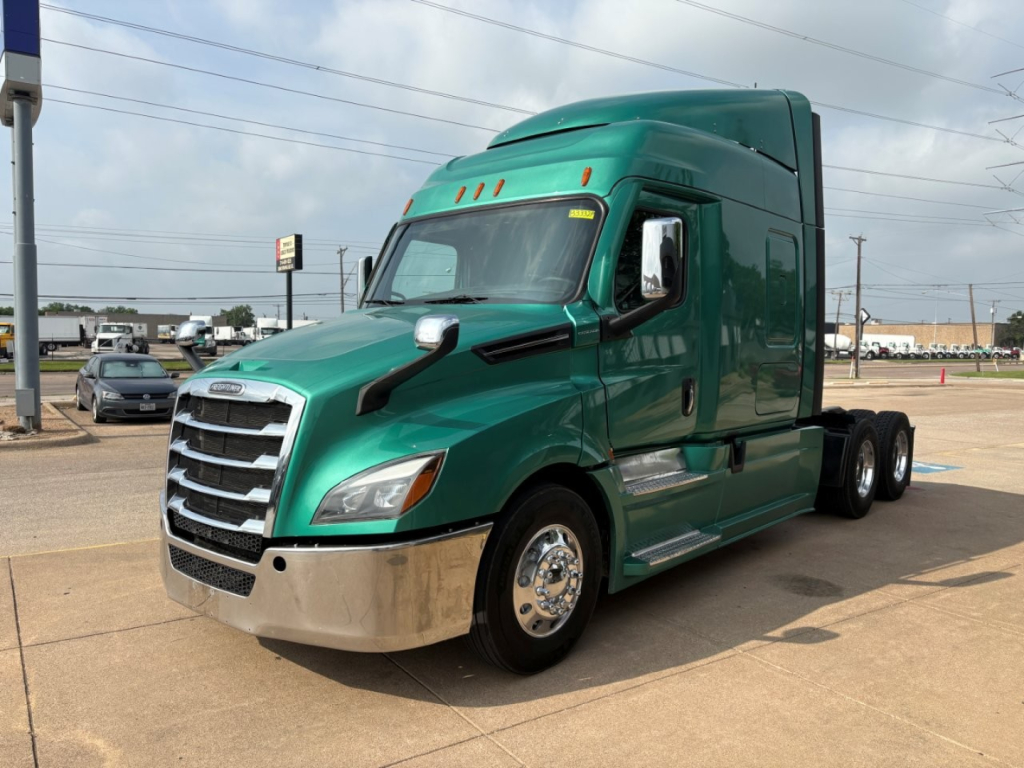
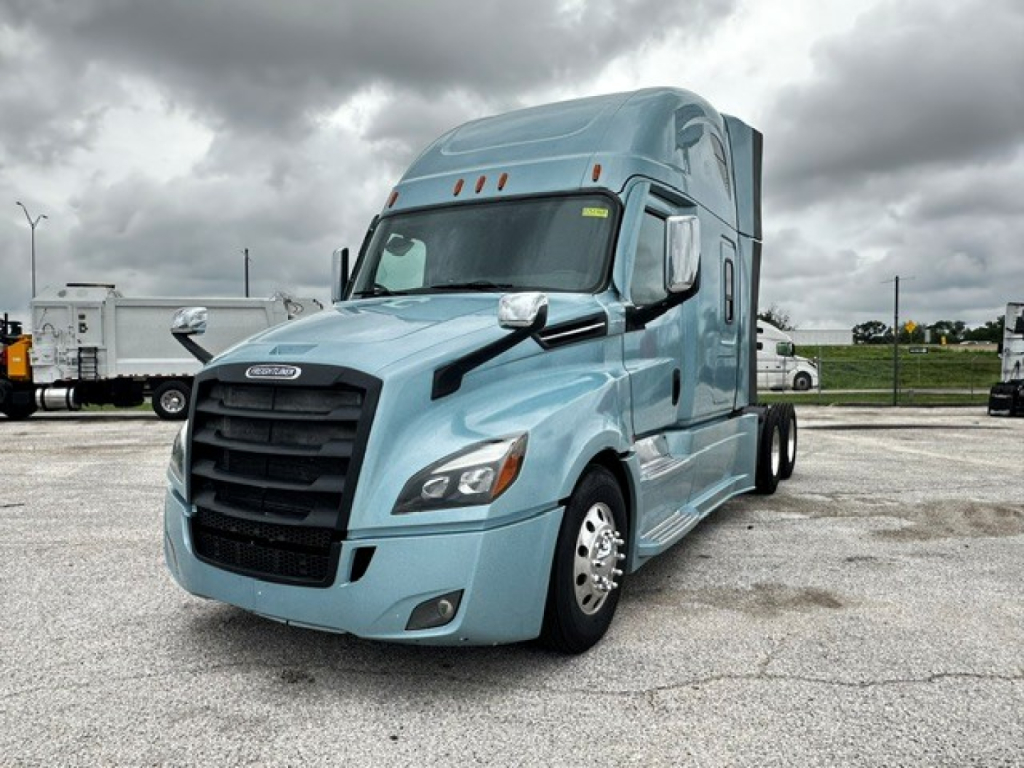
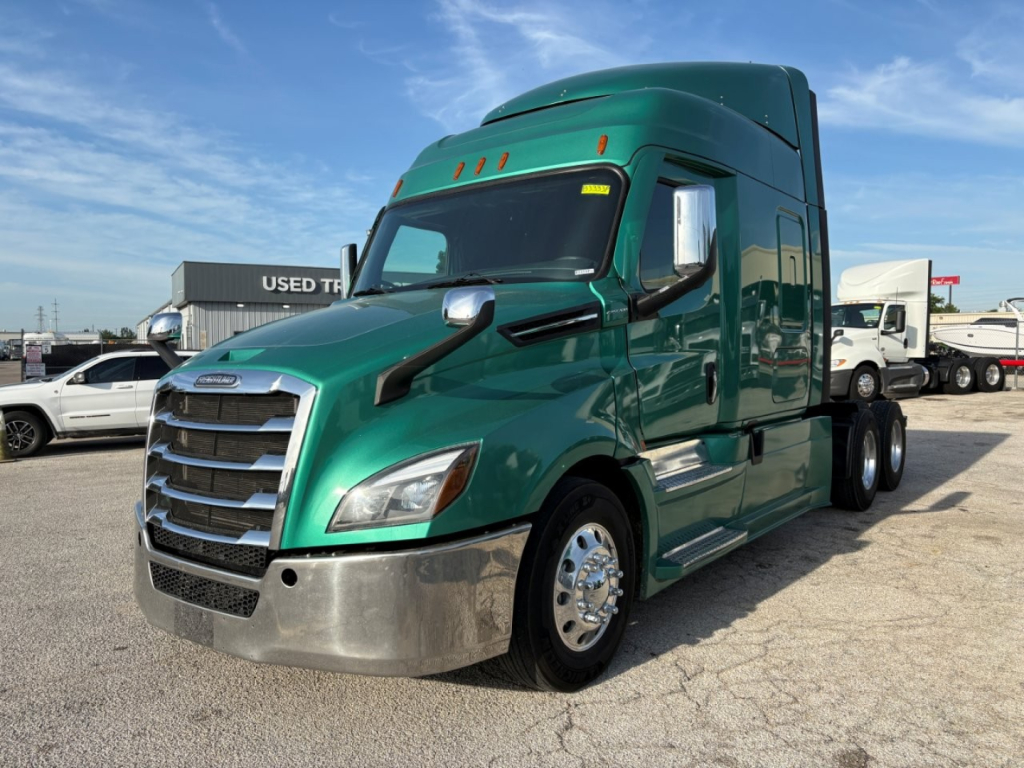
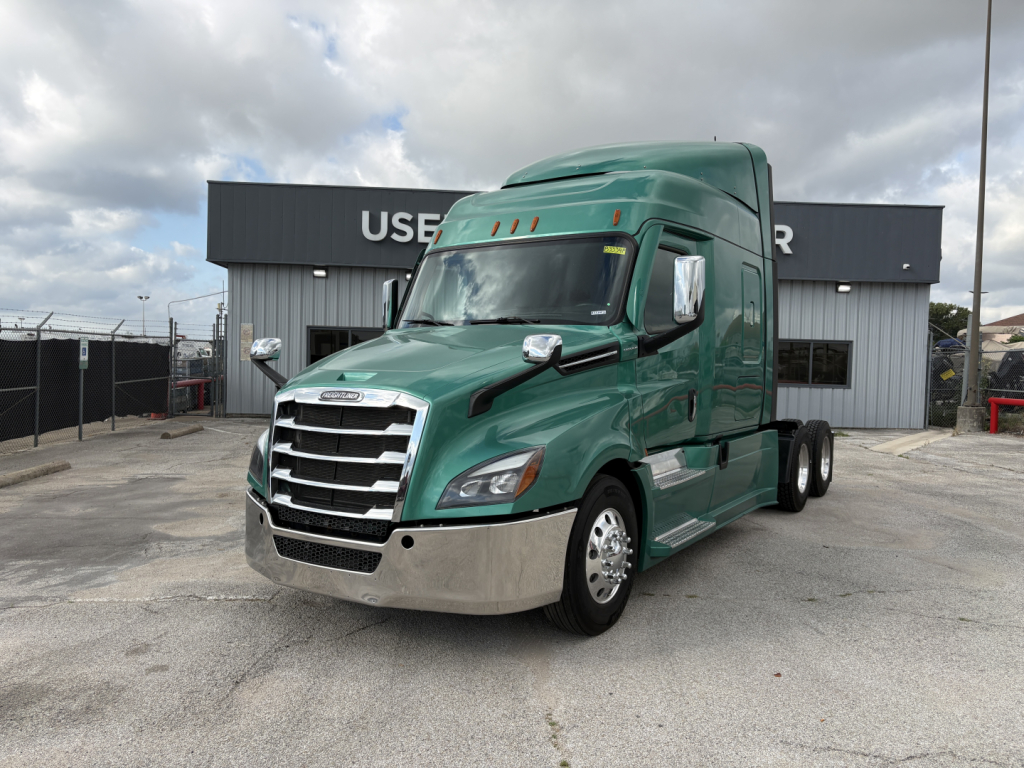
Have 2023 freightliner conventional sleeper truck to sell? List it here to reach thousands of buyers.
2023 Freightliner Conventional Sleeper Trucks in Texas
The core spec decisions usually start with engine, transmission, and sleeper configuration. Many 2023 Freightliner sleepers are equipped with a Detroit DD15 in the 400 to 505 HP range, often paired with the Detroit DT12 automated manual transmission. That setup is popular because it balances fuel economy, driver acceptance, and service network coverage. Sleeper sizes commonly range from mid-roof configurations up to 72-inch condo sleepers, with spec differences that affect weight, storage, and driver comfort. Wheelbase, rear axle ratio, and tandem spacing should be matched to the freight you pull, especially if you run heavy van, reefer, or mixed regional work where bridge laws, trailer gap, and turning radius all matter.
A serious buyer should also look beyond model year and focus on operating spec. Check for collision mitigation systems, adaptive cruise, lane departure warning, and integrated telematics if uptime tracking or safety scoring matters in your operation. Interior details such as refrigerator prep, inverter, bunk HVAC, cabinet layout, and mattress condition affect driver retention more than many first-time buyers expect. On the chassis side, review tire size, suspension rating, fifth wheel type, fairing condition, and any signs of uneven tire wear that could point to alignment or suspension issues. If the truck has a DD15 and DT12 combination, service history is especially important, including software updates, clutch calibration records, and emissions system maintenance.
For Texas operations, a 2023 Freightliner conventional sleeper is often chosen because it can cover a wide range of duty cycles without giving up highway efficiency. It works well as a fleet road tractor, an owner-operator sleeper, or a dedicated lane truck pulling dry vans, reefers, or general freight. Buyers comparing listings should weigh sleeper size against payload needs, confirm axle and brake specs, and make sure the truck's wheelbase and fuel capacity fit the route structure. A well-specced conventional sleeper should deliver comfortable overnight use, stable highway manners, and low total operating cost over high annual miles.
Frequently Asked Questions about 2023 Freightliner Conventional Sleeper Trucks in Texas
What engine and transmission are most common in a 2023 Freightliner conventional sleeper?
The most common setup is a Detroit DD15 diesel engine paired with a Detroit DT12 automated manual transmission. In 2023 Freightliner sleeper trucks, this combination is popular because it offers strong highway performance, good fuel economy, and wide service support. Horsepower ratings often fall between 400 and 505 HP, depending on the original application and buyer spec.
What sleeper size should I look for in a Freightliner Cascadia sleeper truck?
The right sleeper size depends on how often the truck is used for overnight or multi-day runs. A larger 72-inch sleeper provides more cabinet space, room for a refrigerator, and better driver comfort on long-haul routes. A smaller sleeper can reduce weight and may be a better fit for regional operations where the bunk is used less often. The layout matters as much as the dimensions, so storage, bunk access, and HVAC features should be reviewed closely.
Is a 2023 Freightliner conventional sleeper a good fit for Texas freight operations?
Yes. A 2023 Freightliner sleeper is well suited for Texas because it is designed for high-mile highway use, wide geographic coverage, and hot-weather operation. Buyers in Texas often prioritize cooling performance, fuel capacity, idle management, and sleeper comfort because trucks may spend long hours on the road between major freight markets. The Cascadia platform is also common in the state, which helps with parts access and maintenance familiarity.
What should I inspect first on a used 2023 Freightliner sleeper truck?
Start with service records, engine hours, mileage, and fault history. Then inspect the emissions system, transmission calibration history, tire wear, suspension condition, and any signs of collision repair on the hood, bumper, or fairings. Inside the cab, check bunk equipment, HVAC performance, refrigerator operation if equipped, and general interior wear. A truck that looks clean but has poor maintenance documentation can cost more in downtime than a higher-mile unit with complete records.
What is the difference between a conventional sleeper and a day cab?
A conventional sleeper has an integrated bunk area behind the seats for rest, storage, and overnight use, while a day cab does not. That makes the sleeper tractor the better choice for long-haul and multi-day freight. It is usually heavier and longer than a day cab, but it gives drivers the space and amenities needed for extended time on the road.