
2022 Freightliner Conventional Sleeper Trucks For Sale in Texas
Shop 2022 Freightliner conventional sleeper trucks in Texas. Compare Cascadia specs, DD13 and DD15 power, sleeper sizes, wheelbase, and driveline options.
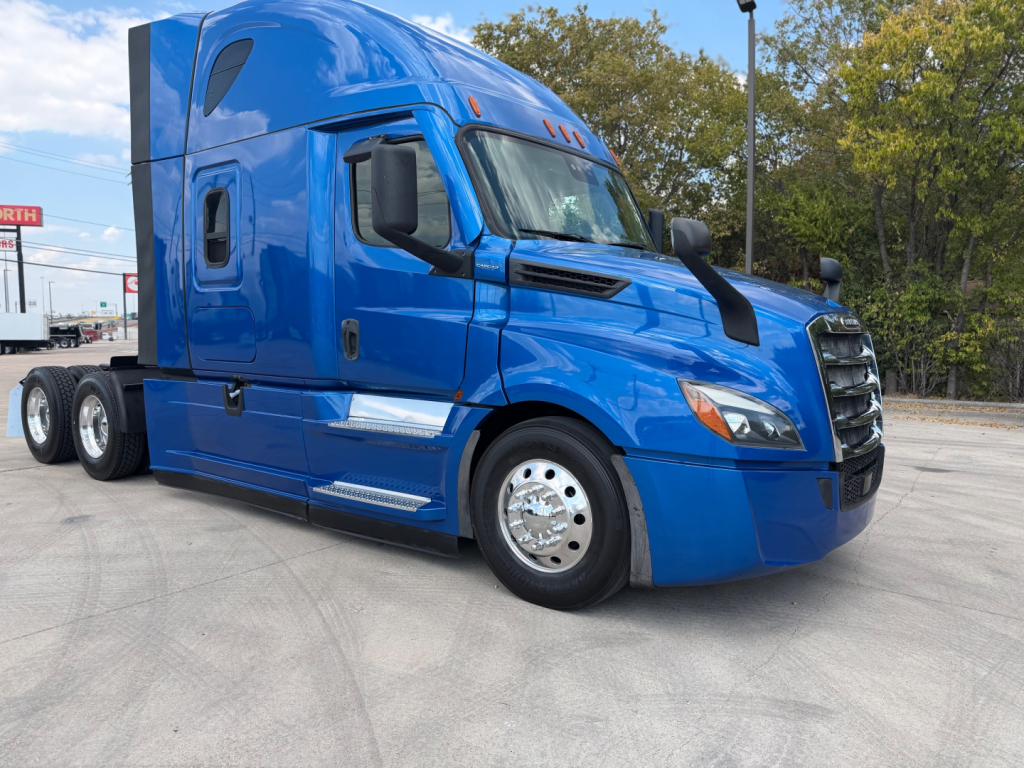
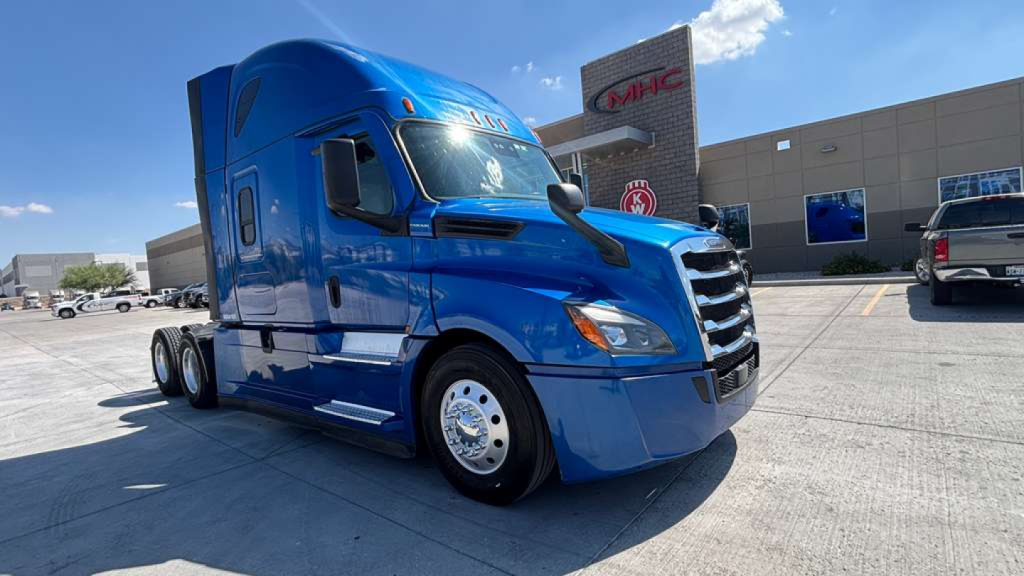
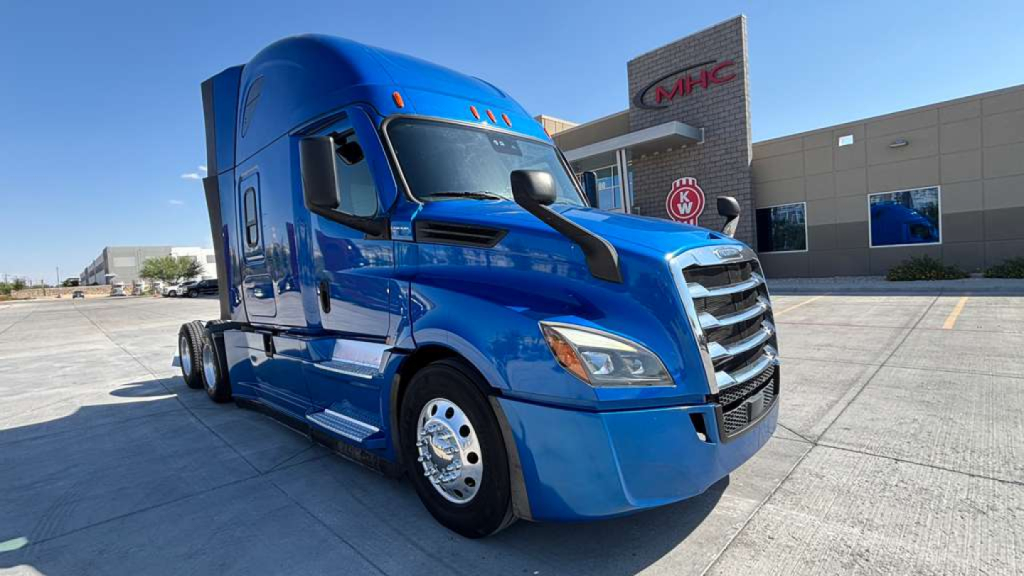

Selling a 2022 freightliner conventional sleeper truck? List your 2022 freightliner conventional sleeper truck for sale and reach thousands of commercial buyers.
2022 Freightliner Conventional Sleeper Trucks in Texas
The biggest buying decision is usually the powertrain. In this year range, Freightliner conventional sleepers are commonly equipped with Detroit DD13 or DD15 engines paired to the Detroit DT12 automated manual transmission. A DD13 often fits regional and lighter gross combination weight applications where fuel economy and lower operating cost are priorities. A DD15, especially in the 455 to 505 horsepower range, is more typical for heavier long-haul work, mixed terrain, and fleets that want stronger pulling power without stepping outside a proven spec. Buyers should look closely at rear axle ratio, engine brake rating, and transmission programming, because those details affect startability, cruise RPM, and fuel economy as much as the headline horsepower does.
Sleeper and chassis specs deserve as much attention as the engine. A 72-inch sleeper is common on Cascadia 126 models and gives enough room for true over-the-road use, while roof height affects both storage and aero performance. Wheelbase, often in the low- to mid-230-inch range, should match the trailer mix and kingpin setting you expect to run. Air ride suspension, aluminum wheels, fairings, and integrated idle management are all common features in this category. Buyers comparing trucks for Texas lanes should also pay attention to tire condition, APU or battery HVAC setup, fuel capacity, and cab insulation, since hot-weather idle time and driver comfort can have a real effect on operating cost and retention.
A well-chosen 2022 Freightliner sleeper can fit a wide range of operations, from dry van and reefer to general freight and dedicated contract hauling. The strongest candidates are usually the ones with a clear maintenance history, consistent mileage profile, and a spec that matches the intended route structure instead of simply chasing the highest horsepower. For many buyers, the value in this category comes from the balance of fuel-efficient aerodynamics, broad serviceability, and a drivetrain package that is familiar to both fleet technicians and owner-operators.
Frequently Asked Questions about 2022 Freightliner Conventional Sleeper Trucks in Texas
What engine and transmission combinations are common in a 2022 Freightliner conventional sleeper?
The most common setup is a Detroit engine paired with a Detroit DT12 automated manual transmission. In this category, buyers will often see DD13 and DD15 engines, with the DD15 being more common in true over-the-road sleeper specs. The DD13 generally suits regional hauling and lighter average gross weights, while the DD15 is better aligned with heavier freight, longer routes, and applications where stronger torque matters. The DT12 is popular because it supports fuel-efficient shift logic, broad driver acceptance, and strong service support across the Freightliner network.
Is a 72-inch sleeper the right size for long-haul work?
A 72-inch sleeper is a very common and practical size for over-the-road operations. It gives drivers enough room for bunk space, storage, and basic living equipment without pushing the truck into a less flexible chassis layout. For teams or operations that keep drivers out for extended stretches, interior layout and roof height become more important than sleeper length alone. Buyers should look at cabinet configuration, bunk design, standing room, HVAC setup, and any factory idle management features, because those items have a direct effect on driver comfort and retention.
What should Texas buyers pay attention to when comparing 2022 Freightliner sleeper trucks?
In Texas, cooling system condition, air conditioning performance, cab insulation, and idle management are especially important. Long highway miles, high ambient temperatures, and heavy seasonal freight all put pressure on the cooling package and driver comfort systems. Fuel capacity and axle ratio also matter because route lengths can vary widely between regional and interstate work. A truck that is well spec'd for Texas often balances low cruise RPM, adequate horsepower, strong air conditioning, and enough fuel on board to reduce unnecessary stops.
How important is wheelbase on a Freightliner Cascadia sleeper?
Wheelbase affects trailer gap, ride quality, turning radius, and how well the truck matches different trailer lengths and kingpin settings. A longer wheelbase can improve ride and help with certain sleeper and fuel tank configurations, but it may also reduce maneuverability in tighter yards or urban docks. A shorter wheelbase is often easier to handle in crowded environments, but it still needs to be matched correctly to the sleeper size and trailer setup. The right choice depends on the freight, typical loading environment, and the trailer dimensions the truck will pull most often.
Why do many fleets and owner-operators target the Freightliner Cascadia in this category?
The Cascadia has a large installed base, which supports strong parts availability, broad technician familiarity, and predictable resale demand. It is also known for aerodynamic design, driver-friendly controls, and common Detroit powertrain options that are widely supported. For used truck buyers, those factors matter because downtime, repair access, and ease of ownership can be just as important as purchase price. A 2022 Cascadia sleeper often appeals to buyers who want a modern highway tractor with proven fleet acceptance and straightforward service support.