
2024 Conventional Sleeper Trucks For Sale in Texas
Browse 2024 conventional sleeper trucks in Texas. Compare sleeper size, powertrain, wheelbase, fuel capacity, and driver comfort features.
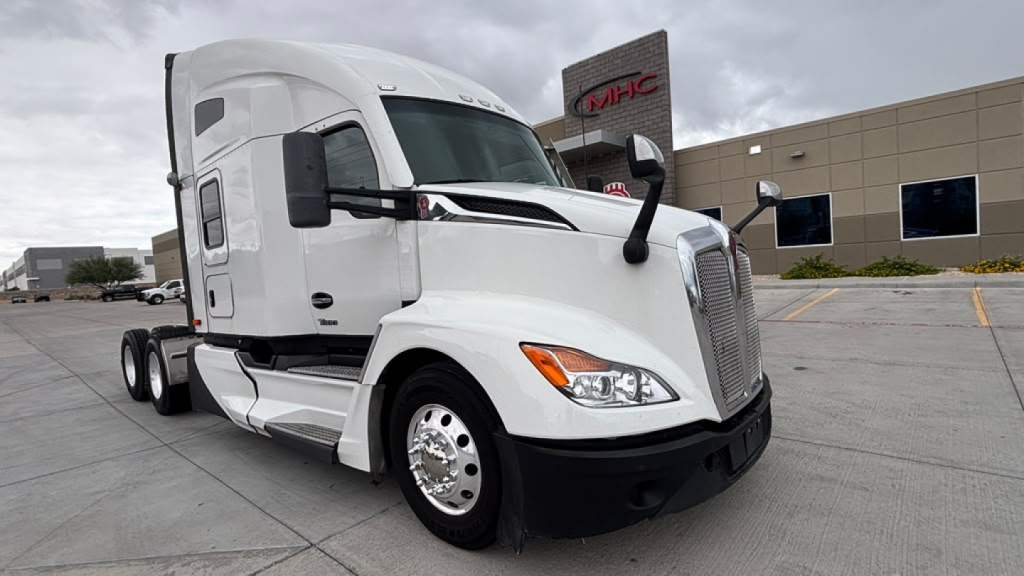
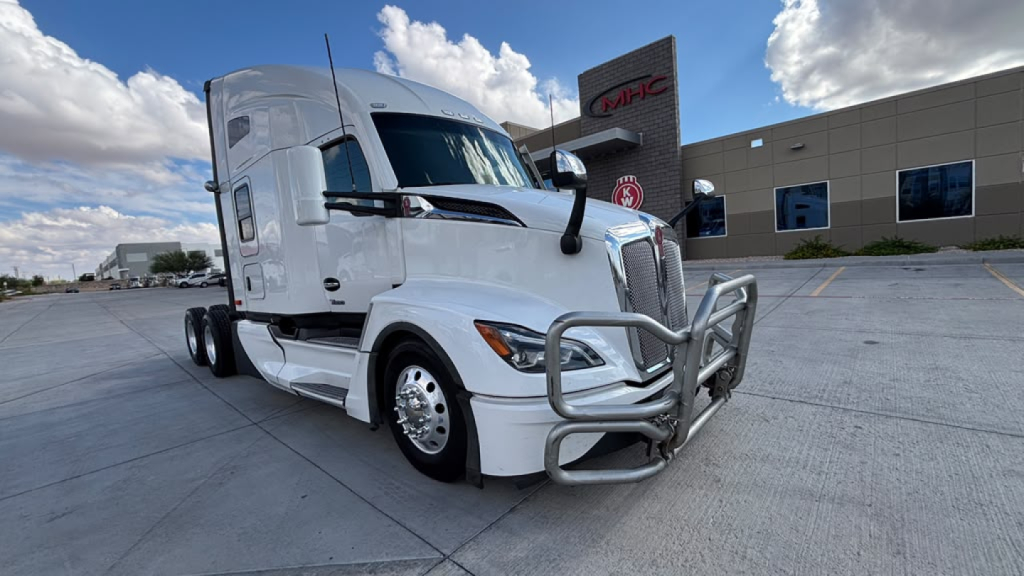
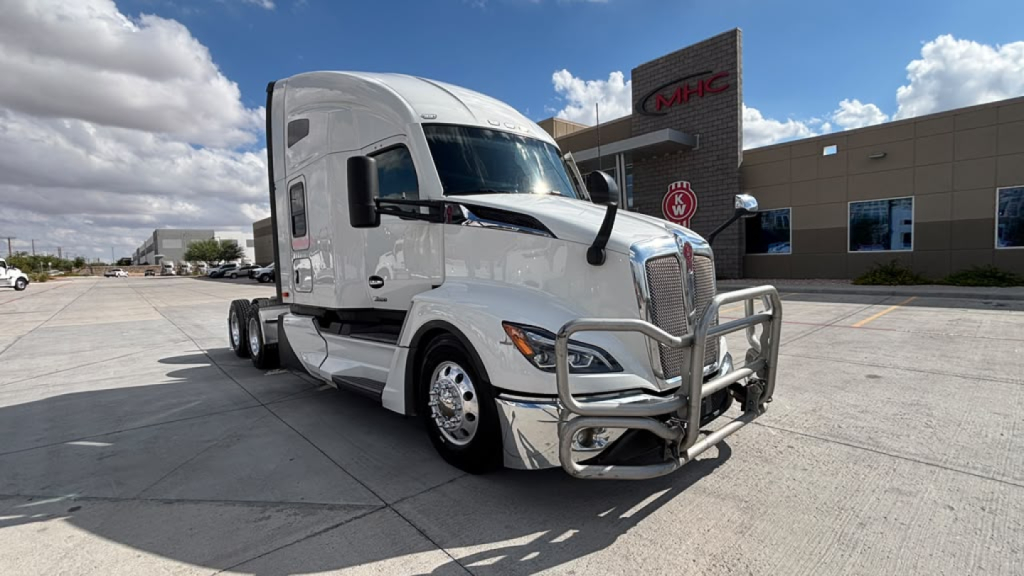
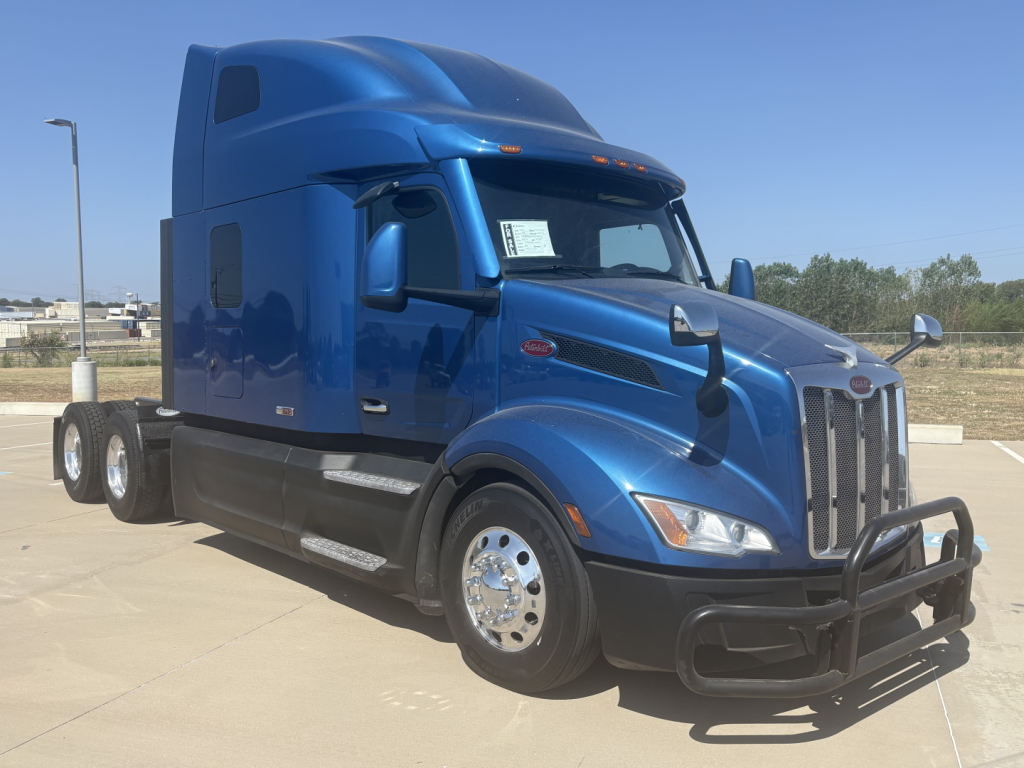
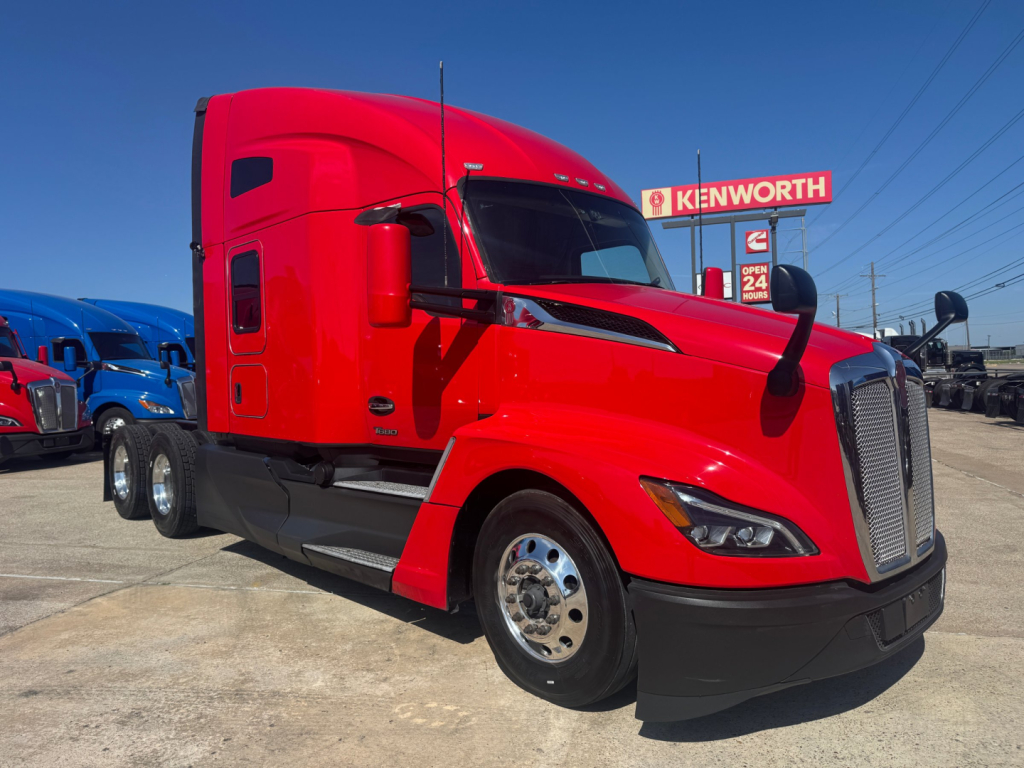
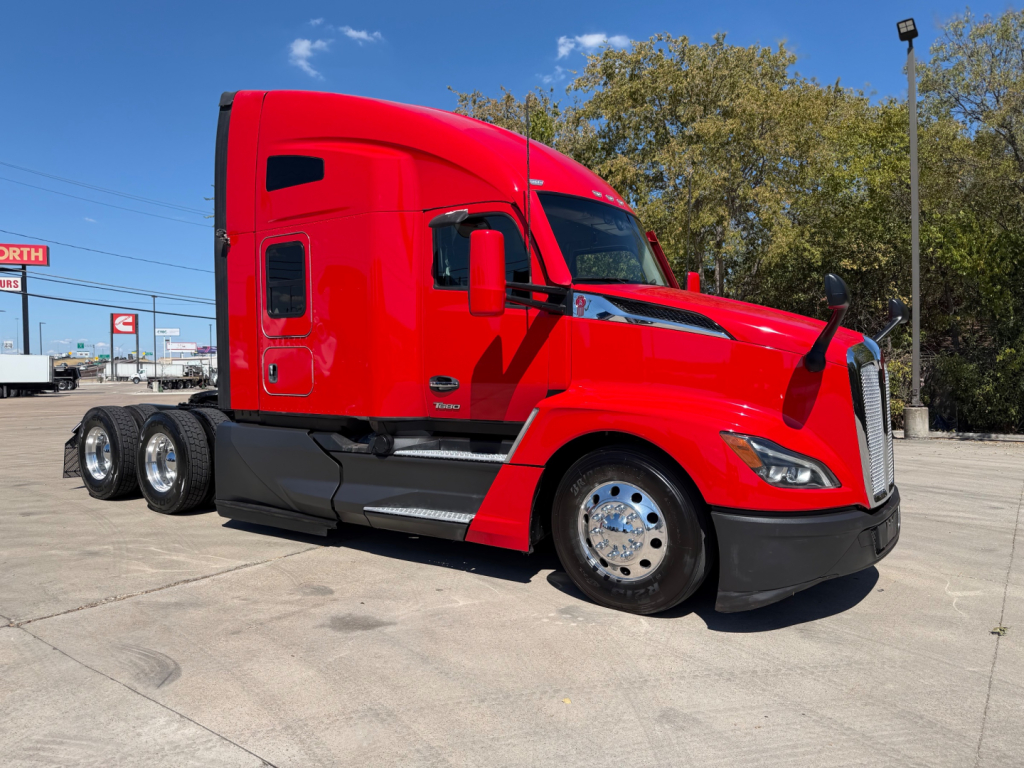
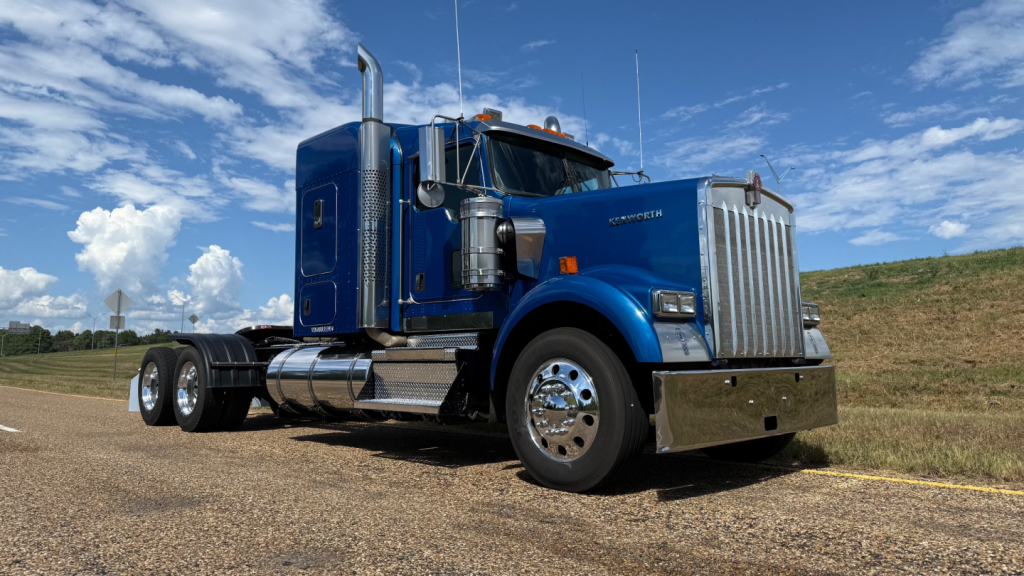
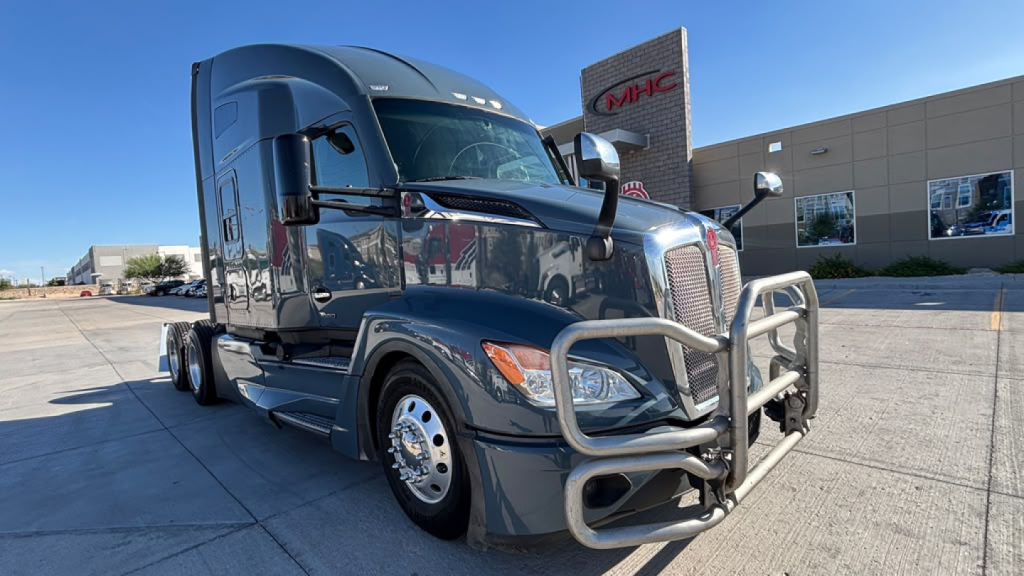
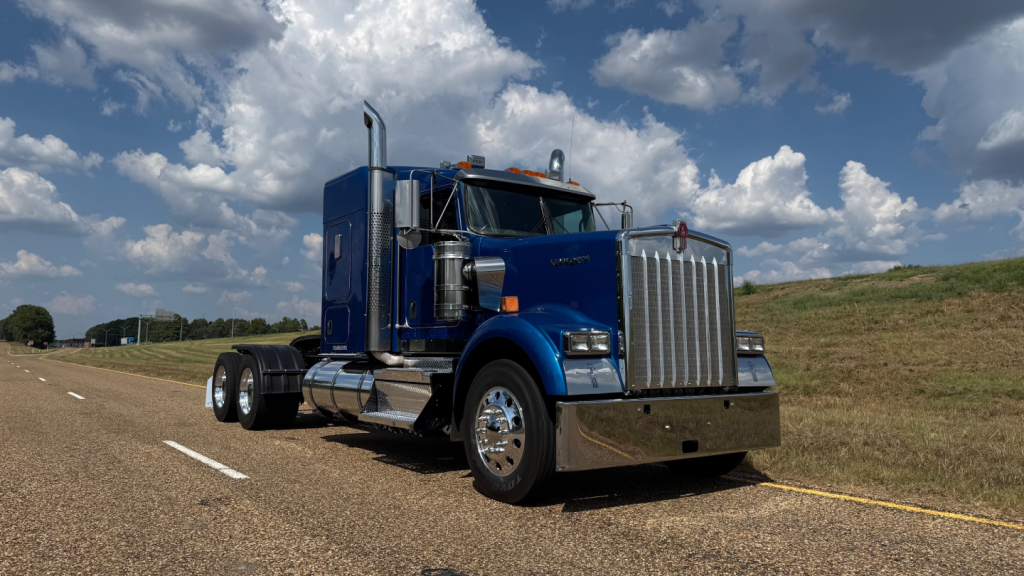
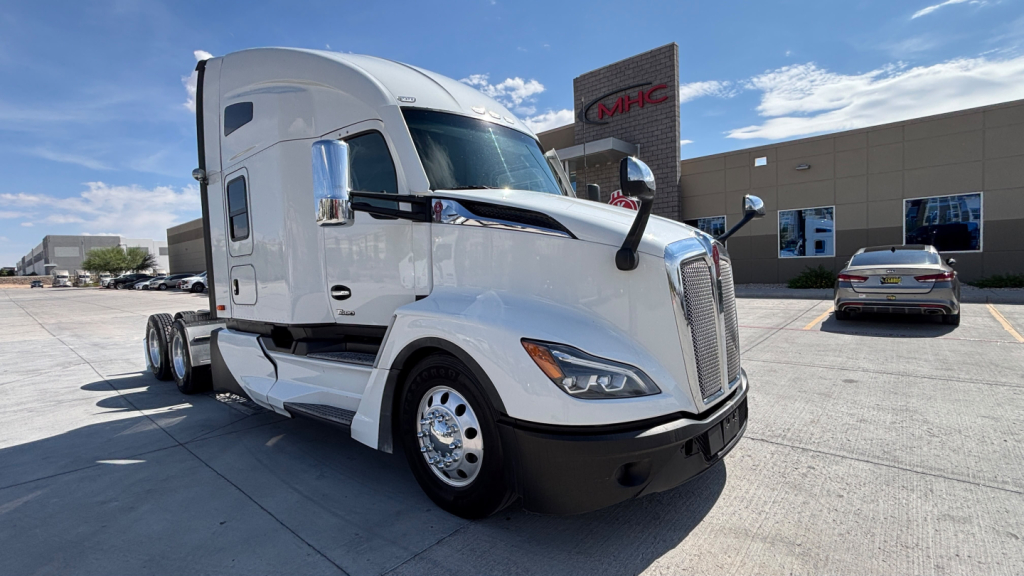
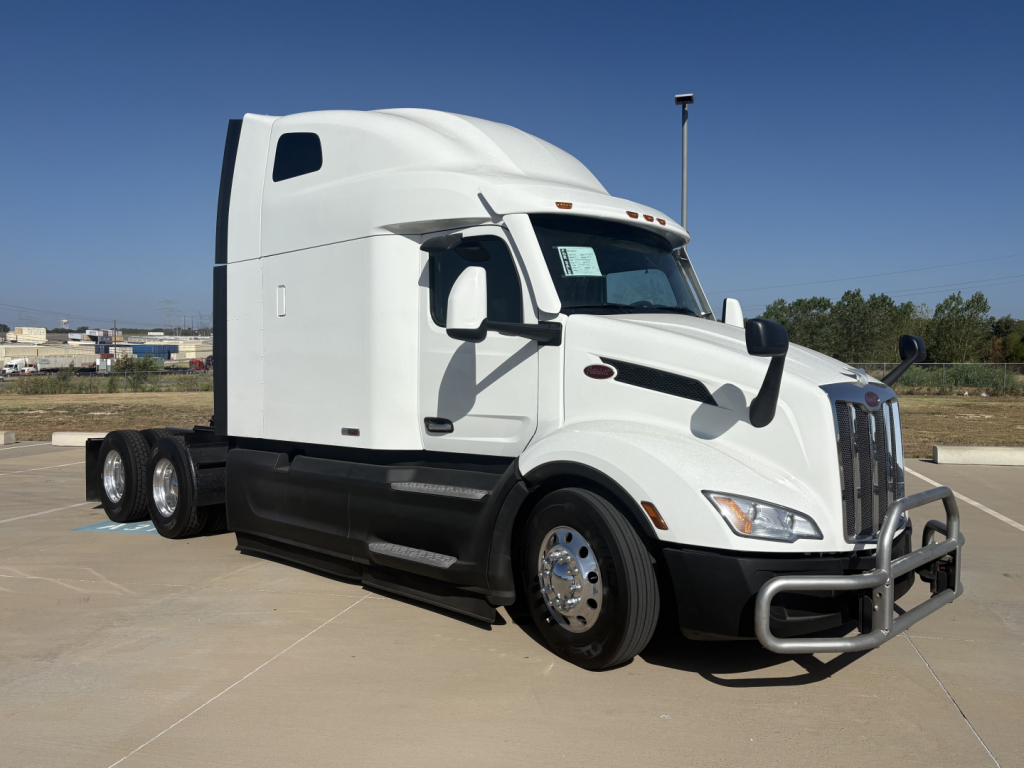
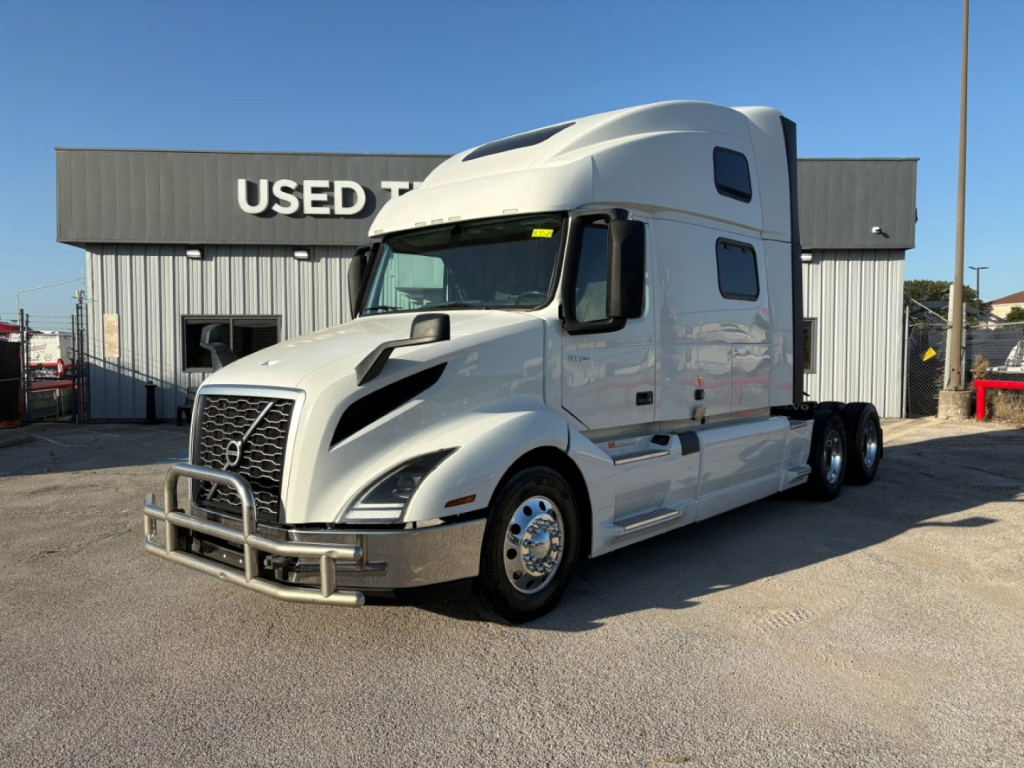
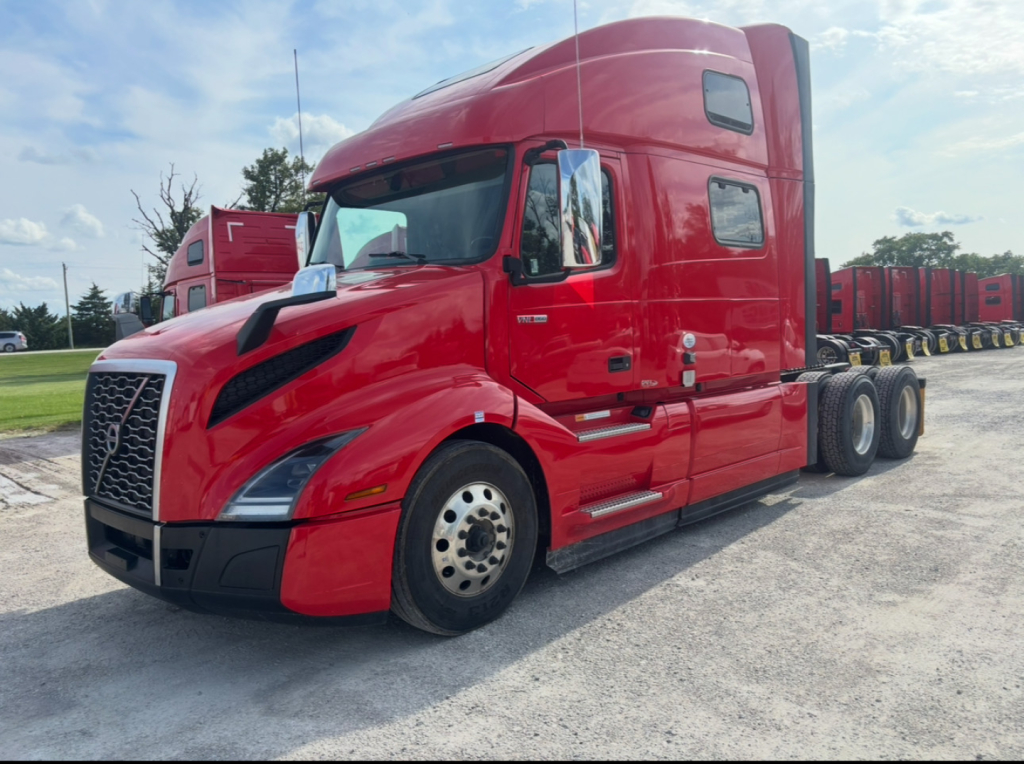
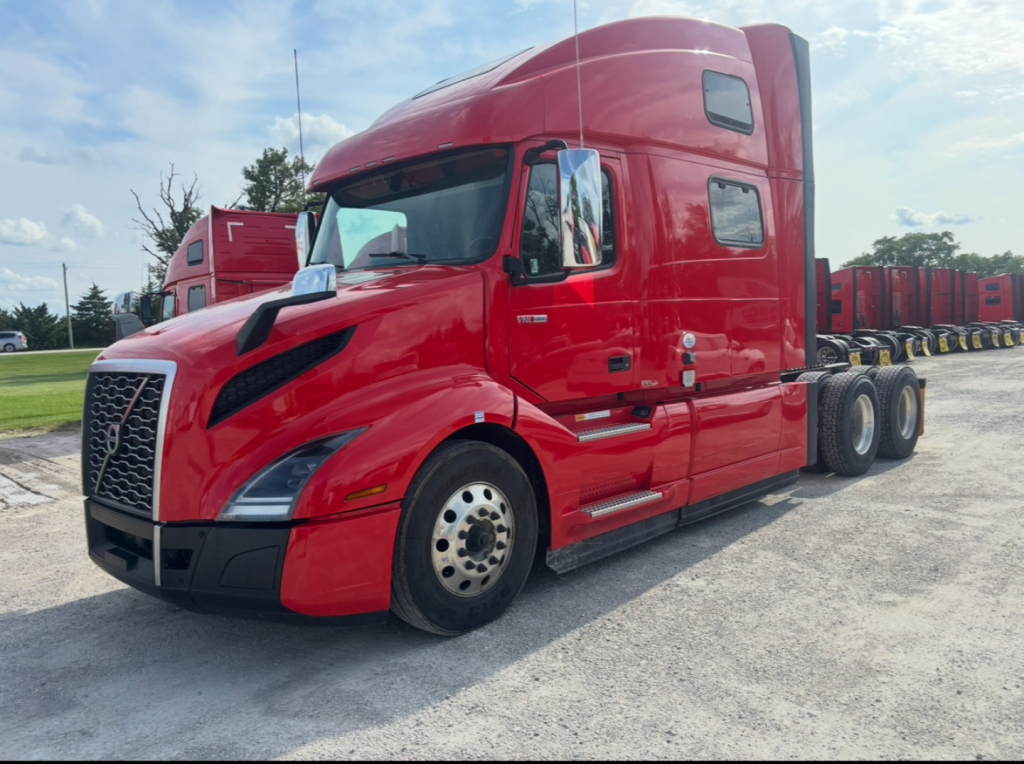
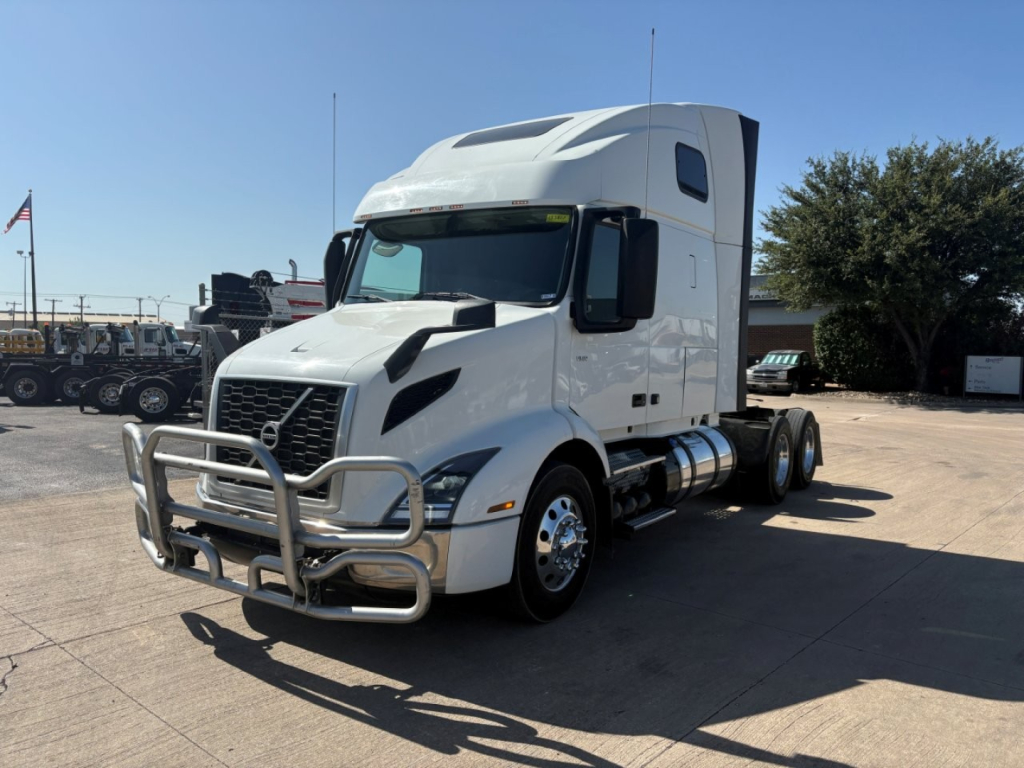
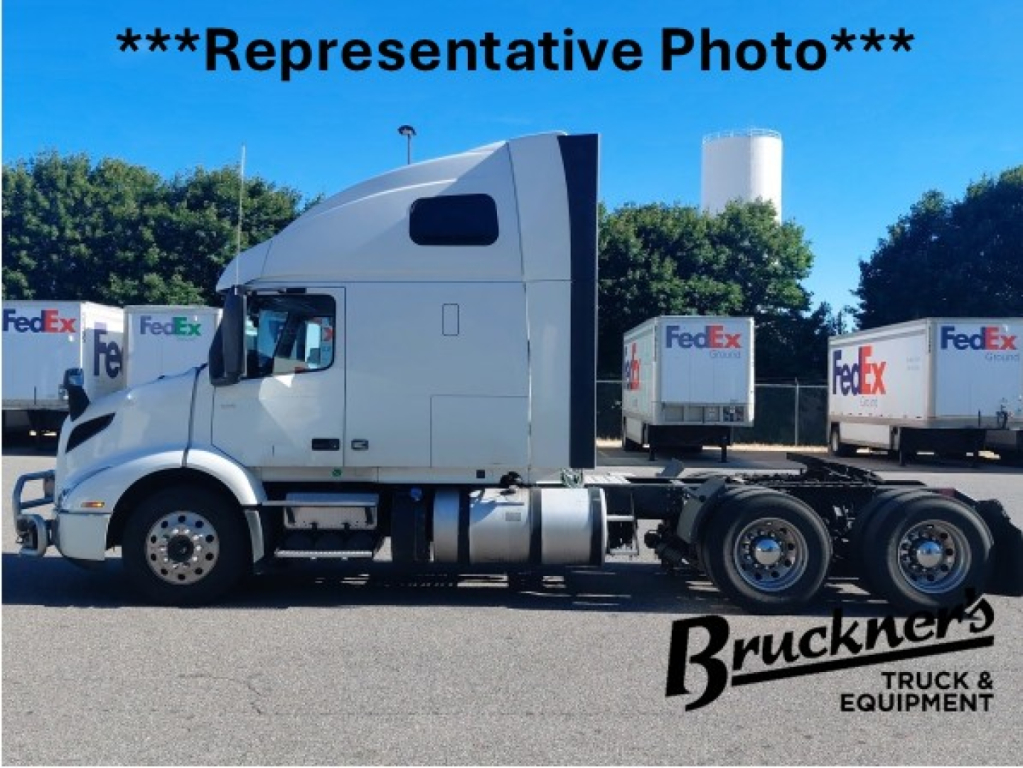
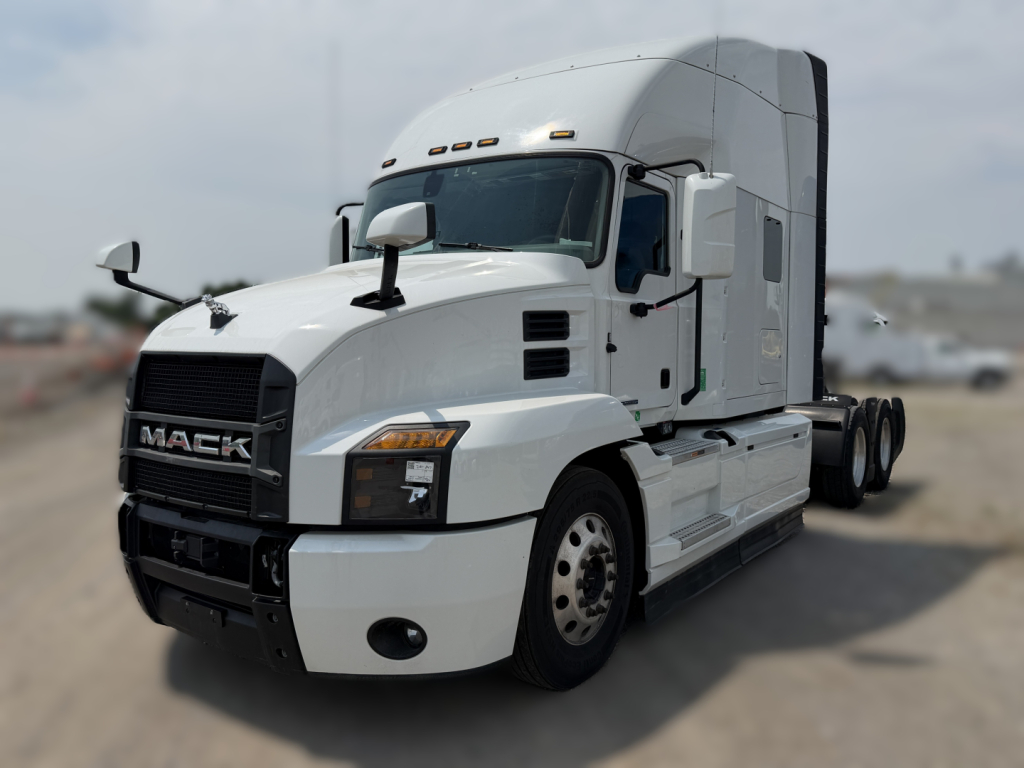
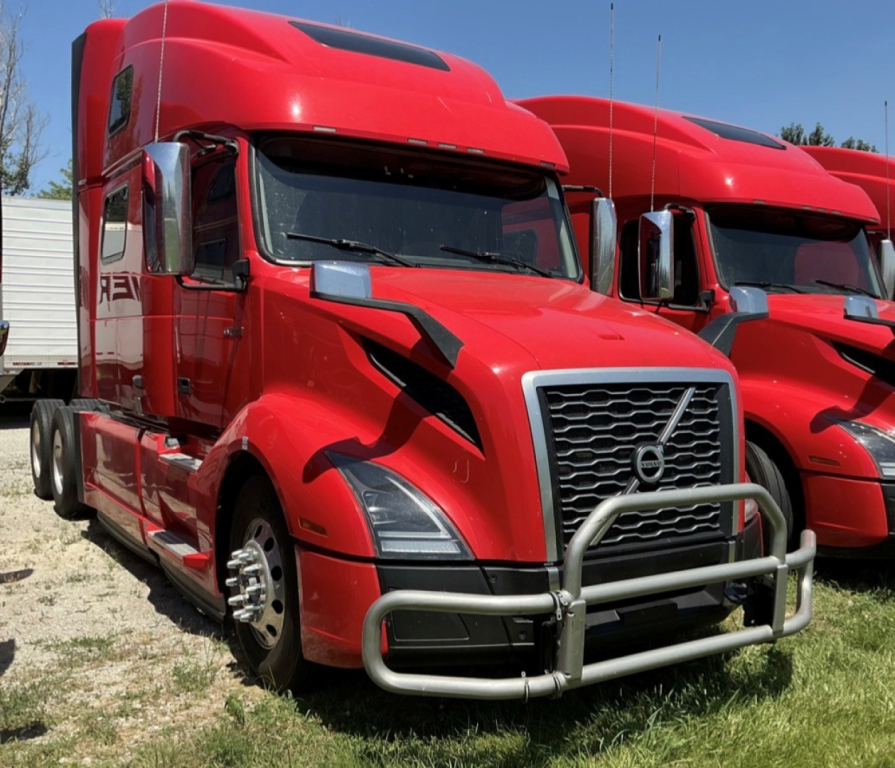
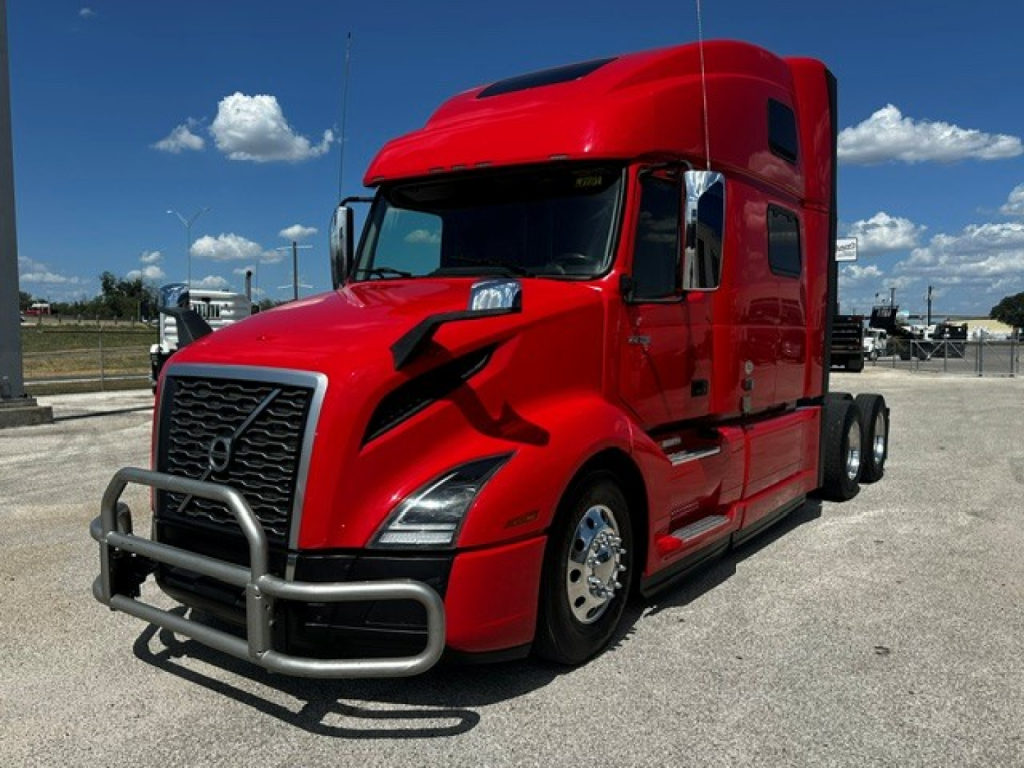
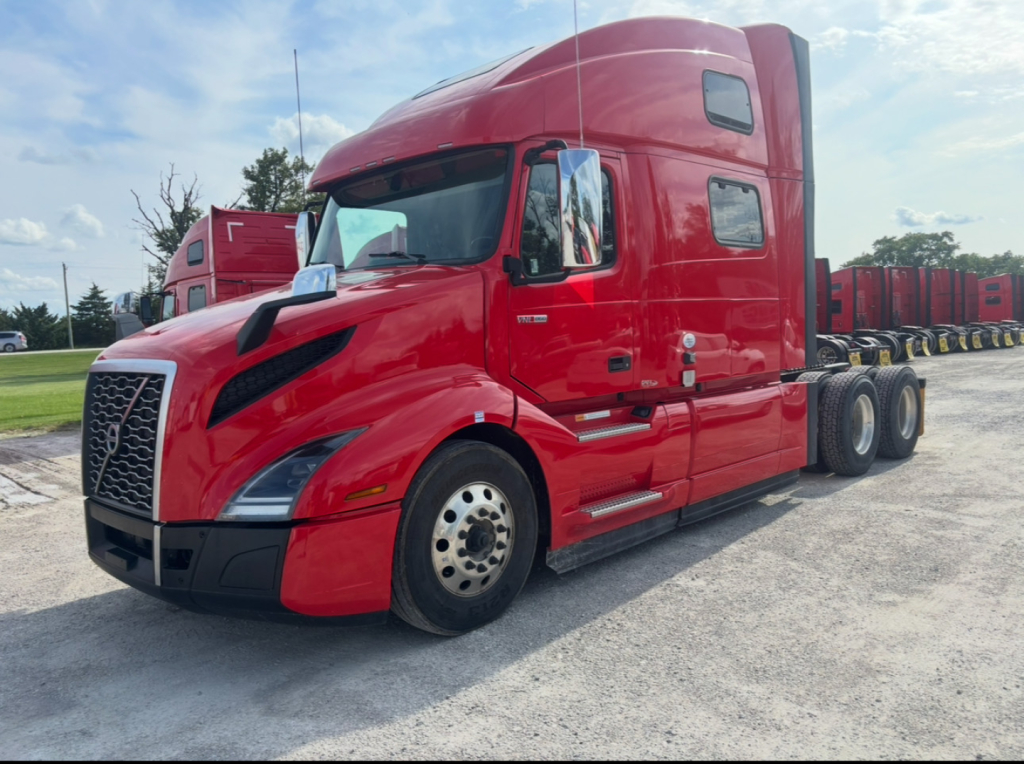
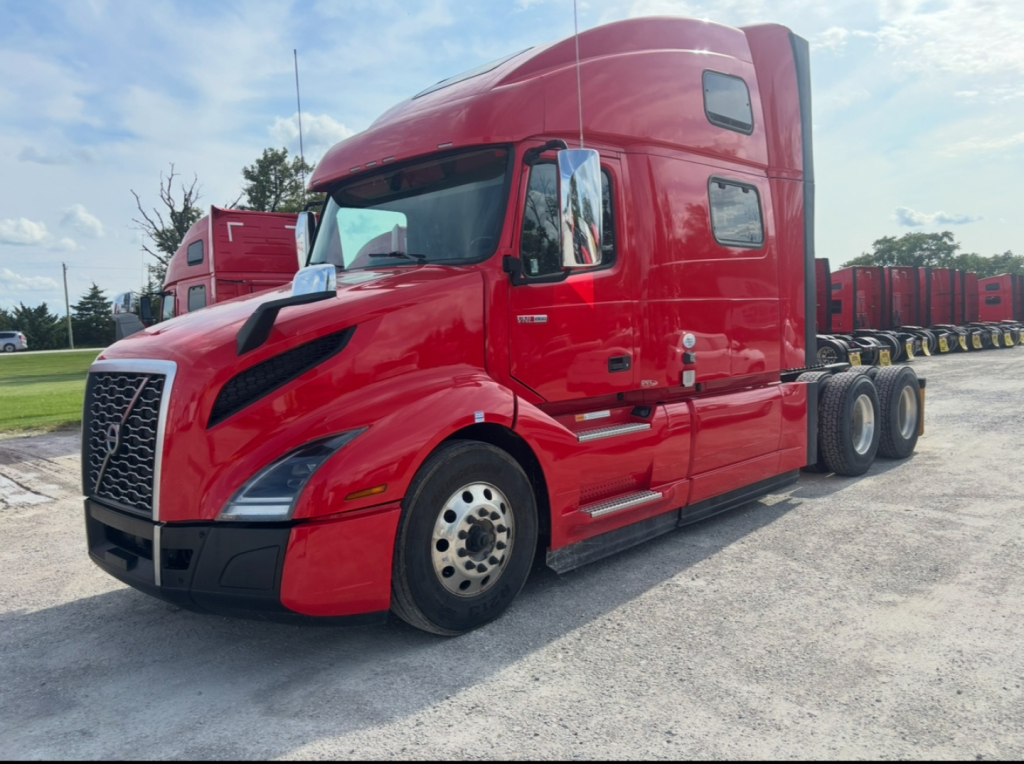
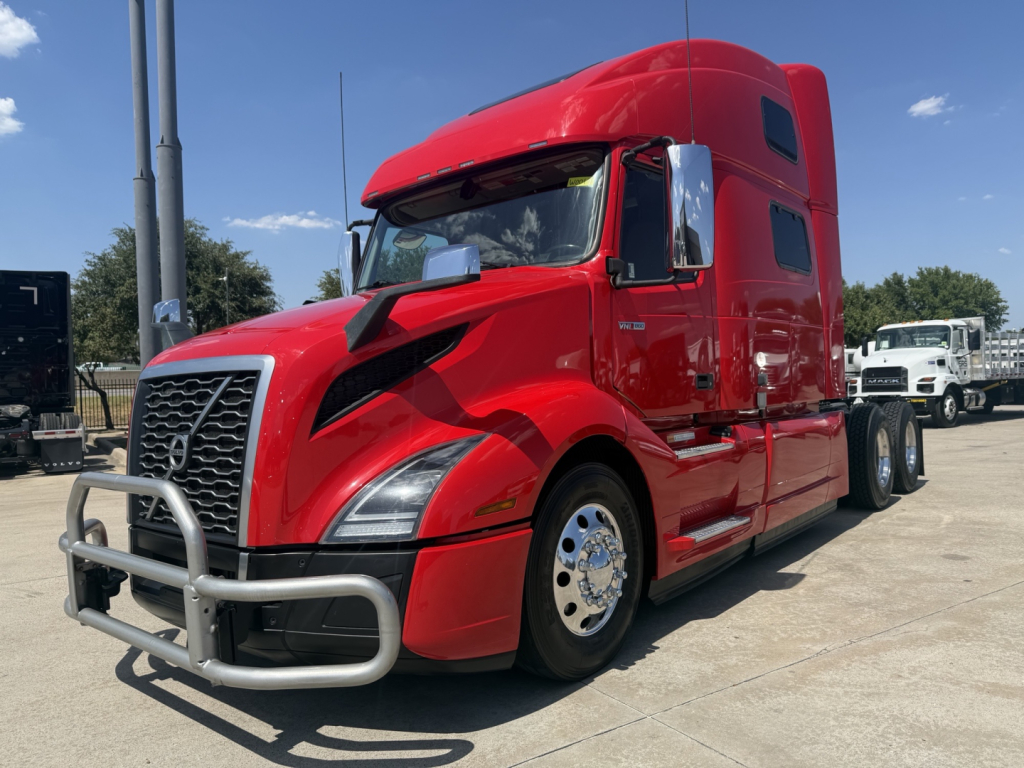

Selling a 2024 conventional sleeper truck? List your 2024 conventional sleeper truck for sale and reach thousands of commercial buyers.
2024 Conventional Sleeper Trucks in Texas
The biggest buying decisions usually come down to engine rating, transmission spec, and rear axle ratio. Many 2024 conventional sleepers are equipped with 12-speed automated manual transmissions and engines in the 400 to 515 horsepower range, which is a practical window for general freight, reefer, and heavier van applications. For Texas lanes, higher fuel capacity matters because longer stretches between stops can favor dual-tank setups in the 200-plus gallon range. A sliding fifth wheel, full locking differentials, disc brakes, and air ride suspension are also common specs that affect versatility, stopping performance, and driver control.
Cab and sleeper equipment can make a major difference in retention and productivity. Buyers should pay close attention to APU prep or electric APU systems, bunk heaters, parking coolers, inverter capacity, refrigerator or microwave prep, and interior storage layout. Safety technology has also become a major part of the 2024 sleeper market, with adaptive cruise control, collision mitigation, lane support systems, back-up cameras, and traction control appearing on many late-model highway tractors. These features can help reduce fatigue and support fleet safety goals, but they should be evaluated alongside service network strength and diagnostic support.
A conventional sleeper, also known as a sleeper cab semi truck or highway sleeper tractor, should be matched to the freight it will pull and the routes it will run. Buyers comparing listings should look closely at sleeper length, front axle rating, rear axle capacity, suspension type, kingpin-to-rear-axle dimensions, and emissions compliance if the truck may cross into stricter regulatory markets. The right 2024 spec in Texas is usually the one that delivers low total operating cost without giving up driver comfort, resale appeal, or enough flexibility to handle different trailer and load combinations.
Frequently Asked Questions about 2024 Conventional Sleeper Trucks in Texas
What sleeper size is most common on a 2024 conventional sleeper truck?
The most common sleeper sizes in this category are typically between 60 inches and 86 inches, with 70-inch to 76-inch sleepers being a popular middle ground for long-haul use. Smaller sleepers can reduce weight and wheelbase, while larger sleepers provide more storage, better living space, and stronger appeal for team operations or extended over-the-road schedules. The right size depends on route length, driver preferences, and how much onboard equipment the truck needs to carry.
What engine and transmission specs are typical for a 2024 conventional sleeper?
Most 2024 conventional sleeper trucks are spec'd with diesel engines in roughly the 400 to 515 horsepower range paired with automated manual transmissions, commonly 12-speed overdrive units. That setup is widely used because it supports good highway fuel economy, easier driver onboarding, and strong performance across general freight applications. Buyers should also review torque rating, rear axle ratio, and GCWR because those specs affect startability, cruising RPM, and suitability for heavier loads.
Which features matter most for driver comfort in a sleeper tractor?
The most important comfort features usually include an efficient HVAC system, parking cooler or bunk HVAC, inverter, comfortable bunk layout, storage, and prep for appliances such as a refrigerator or microwave. Air ride seating, interior trim level, noise insulation, and cab suspension also matter on long Texas runs. Comfort features are not just convenience items because they directly affect rest quality, driver retention, and time the truck can stay productive away from terminals.
Are safety systems worth paying attention to on late-model sleeper trucks?
Yes. Advanced driver assistance systems are increasingly important on 2024 conventional sleepers because they can improve highway safety and support insurance and fleet risk management goals. Features such as adaptive cruise control, collision mitigation, traction control, lane support, and back-up cameras are common on newer specs. Buyers should confirm how those systems are integrated, whether they are factory-installed, and how serviceable they are through the manufacturer's dealer network.
What should Texas buyers look for when comparing conventional sleeper truck listings?
Texas buyers should compare fuel capacity, cooling performance at idle or during rest periods, wheelbase, axle ratings, and emissions specifications along with the basic engine and transmission package. Long interstate runs and hot weather make sleeper climate control and fuel range especially important. It is also smart to review fifth wheel type, suspension, brake spec, and kingpin settings to make sure the tractor will match the trailers and freight mix it is expected to handle.