
2024 Conventional Sleeper Trucks For Sale
Shop 2024 conventional sleeper trucks with key specs, sleeper sizes, powertrain options, axle ratios, and long-haul buyer considerations.
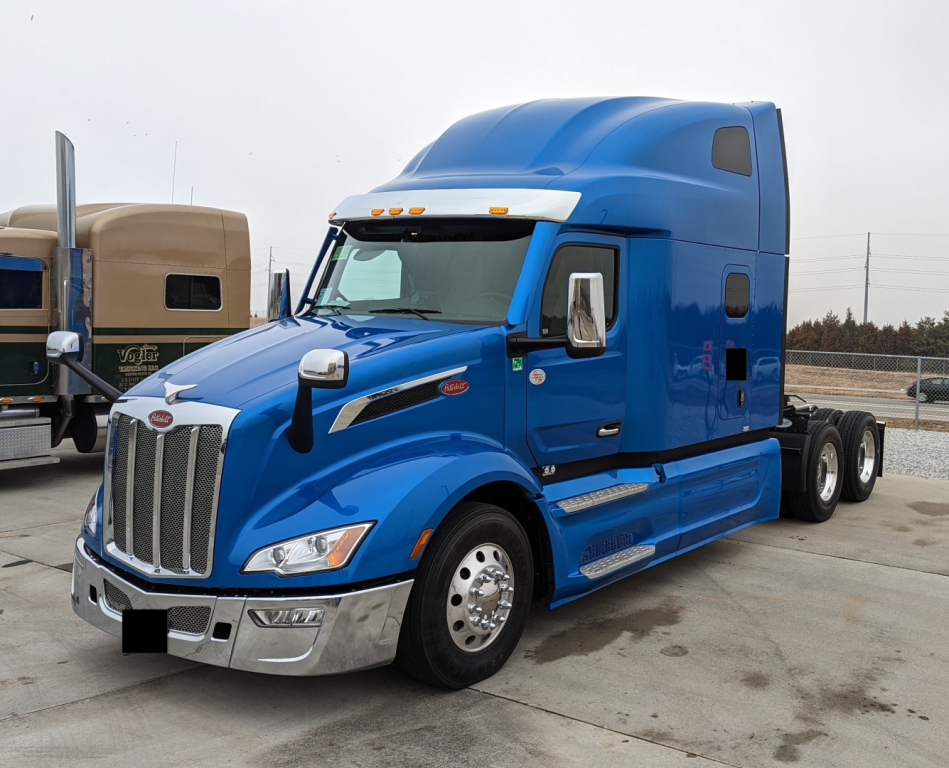
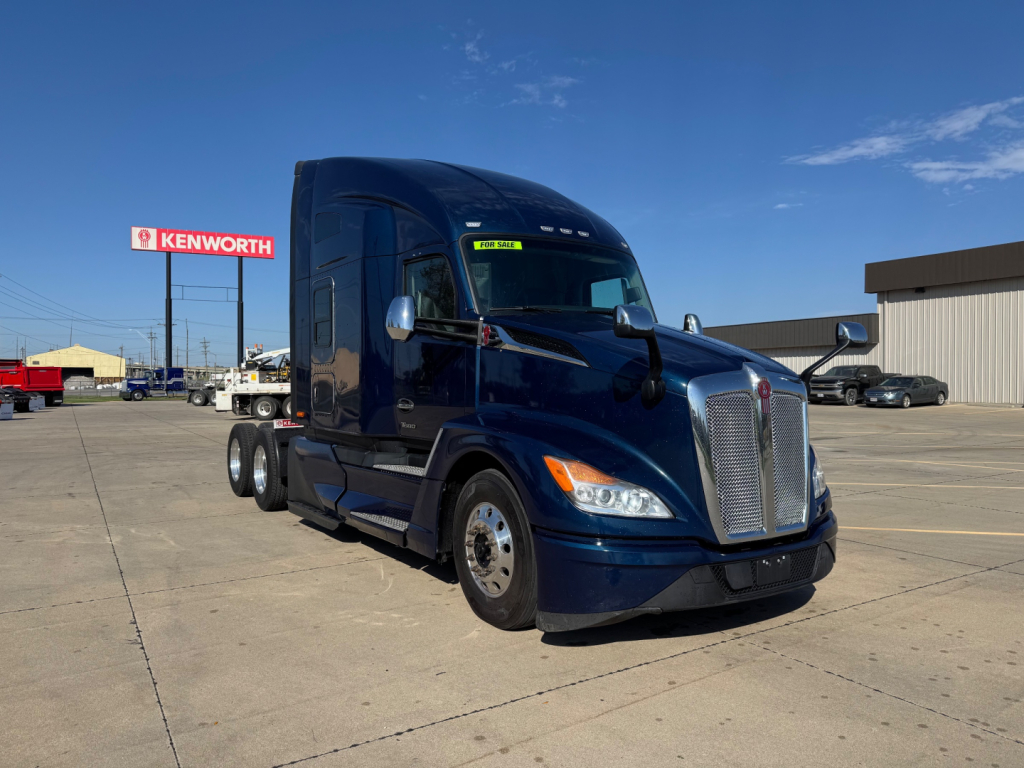
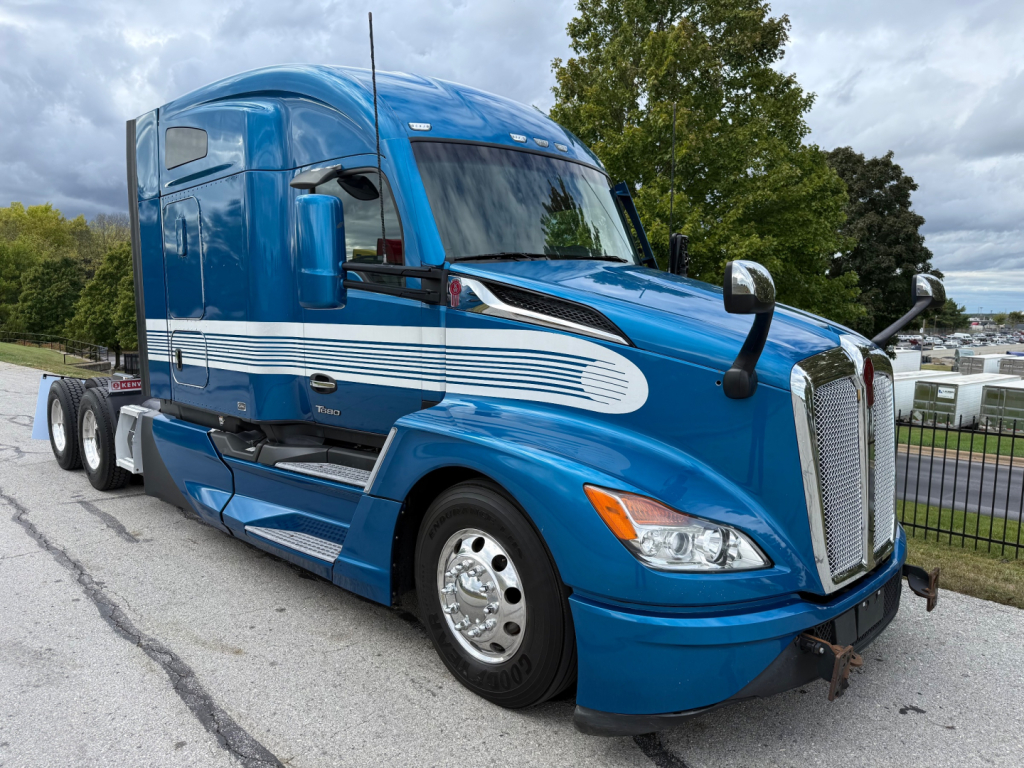
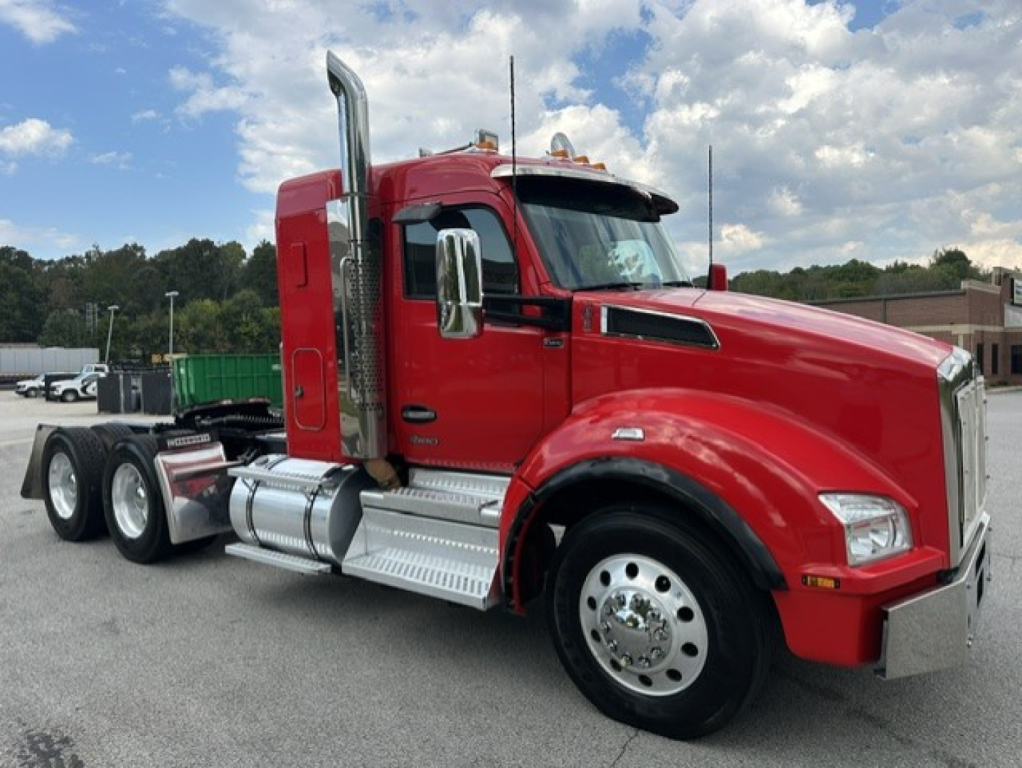
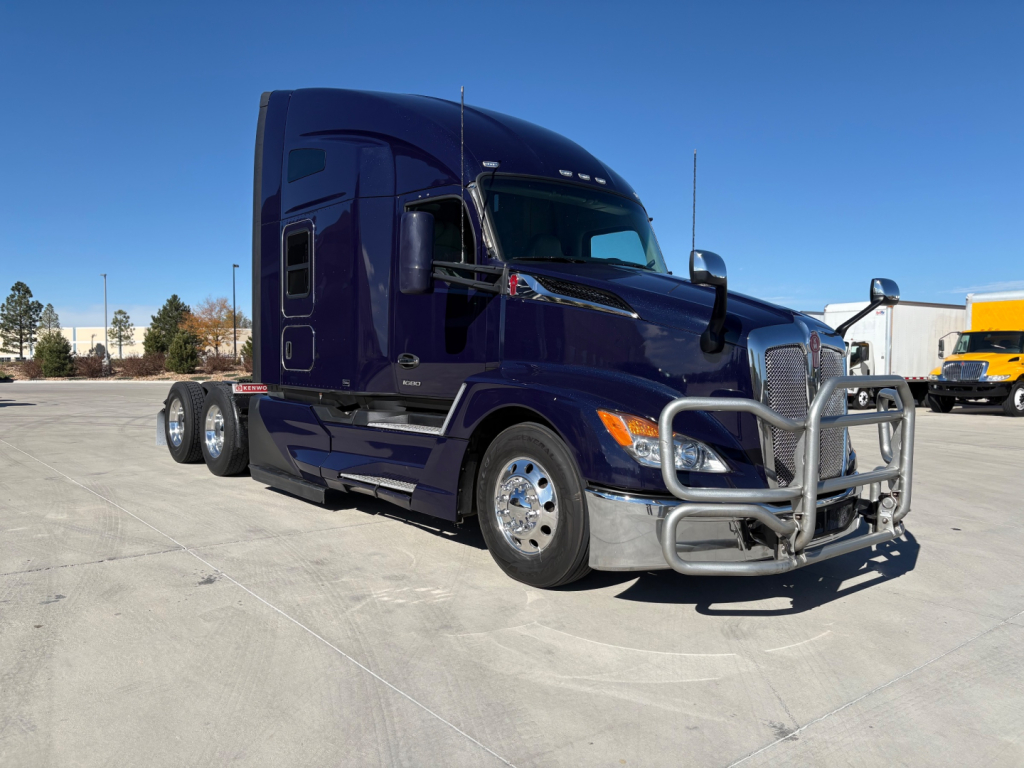
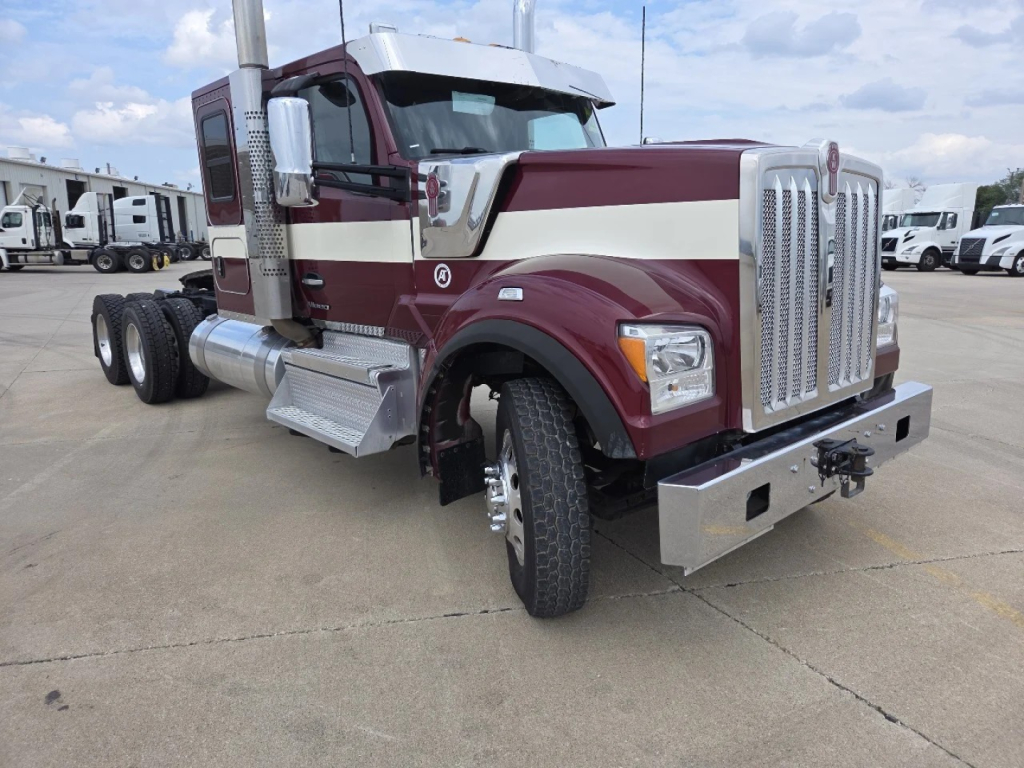
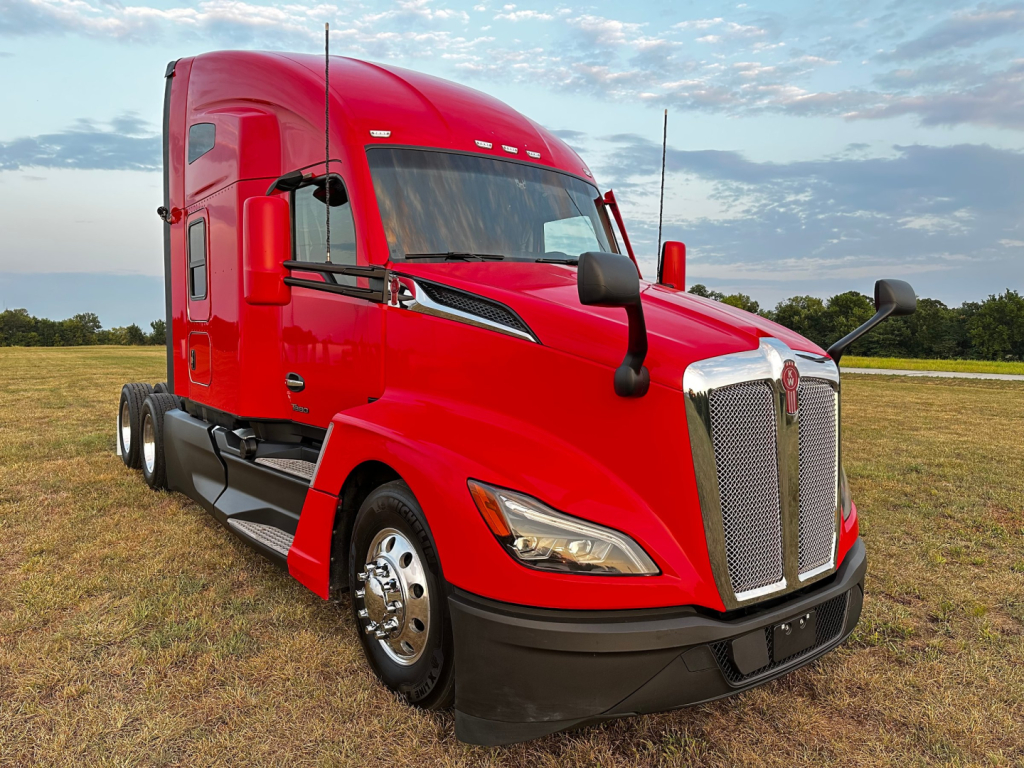
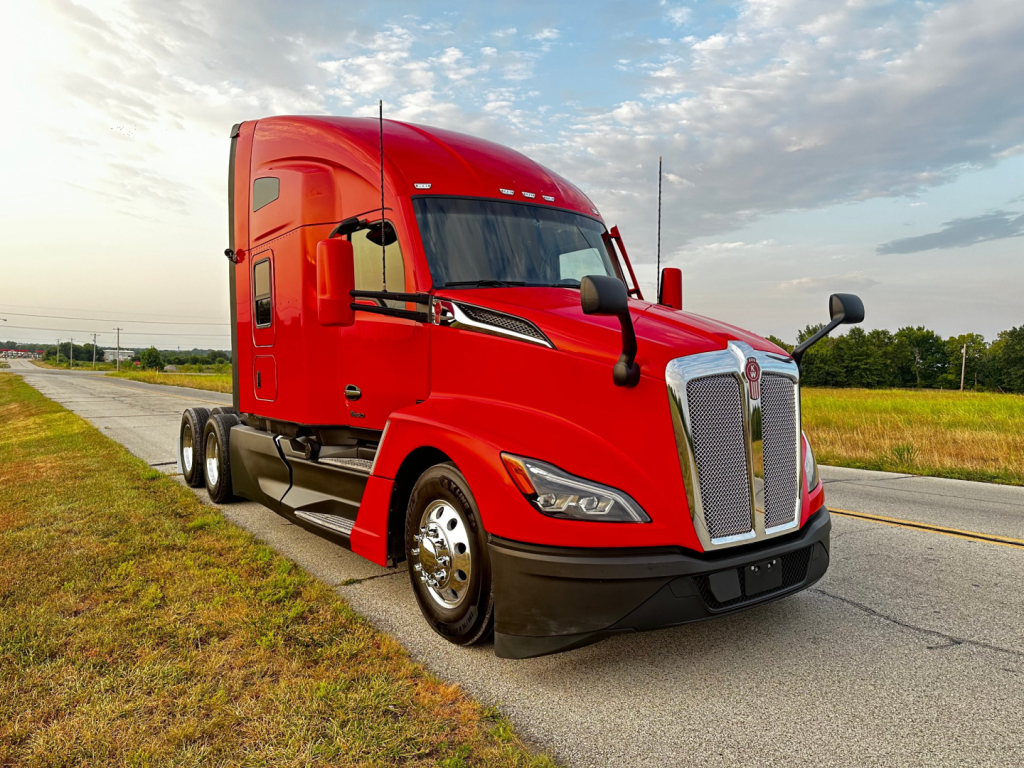
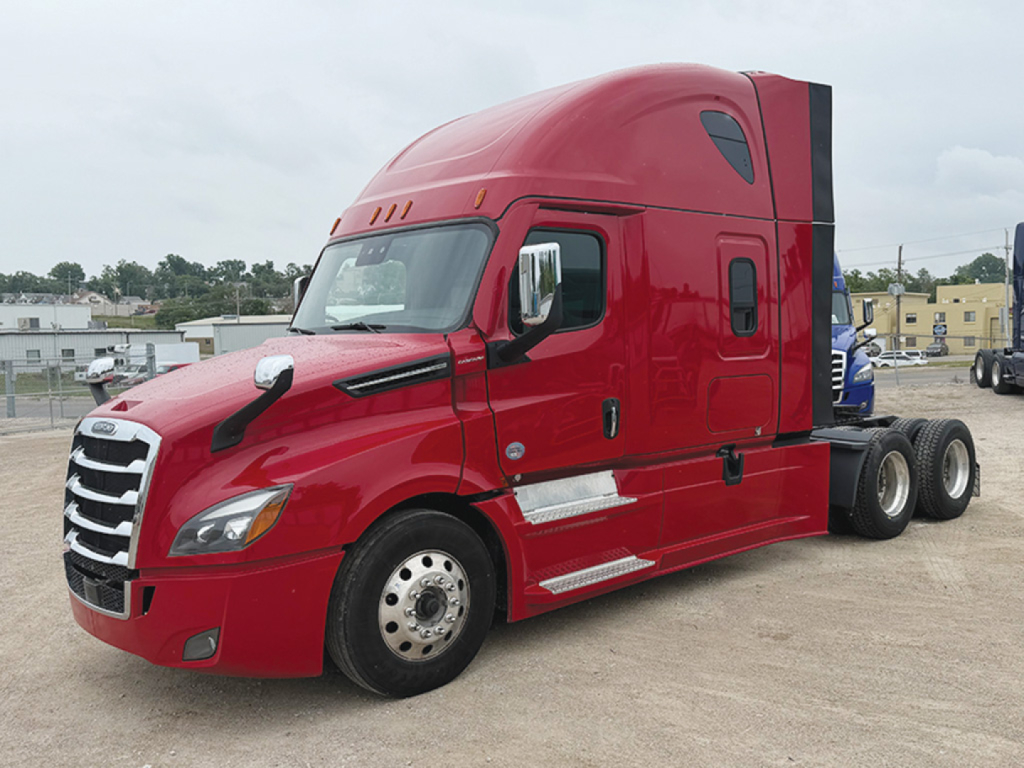
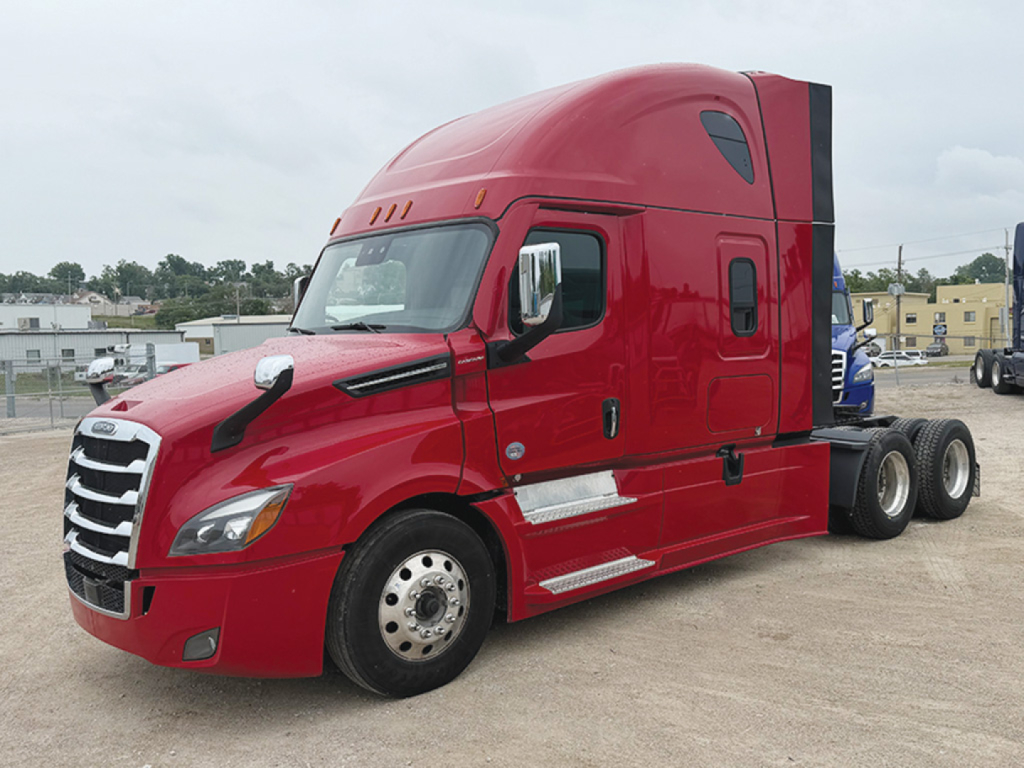
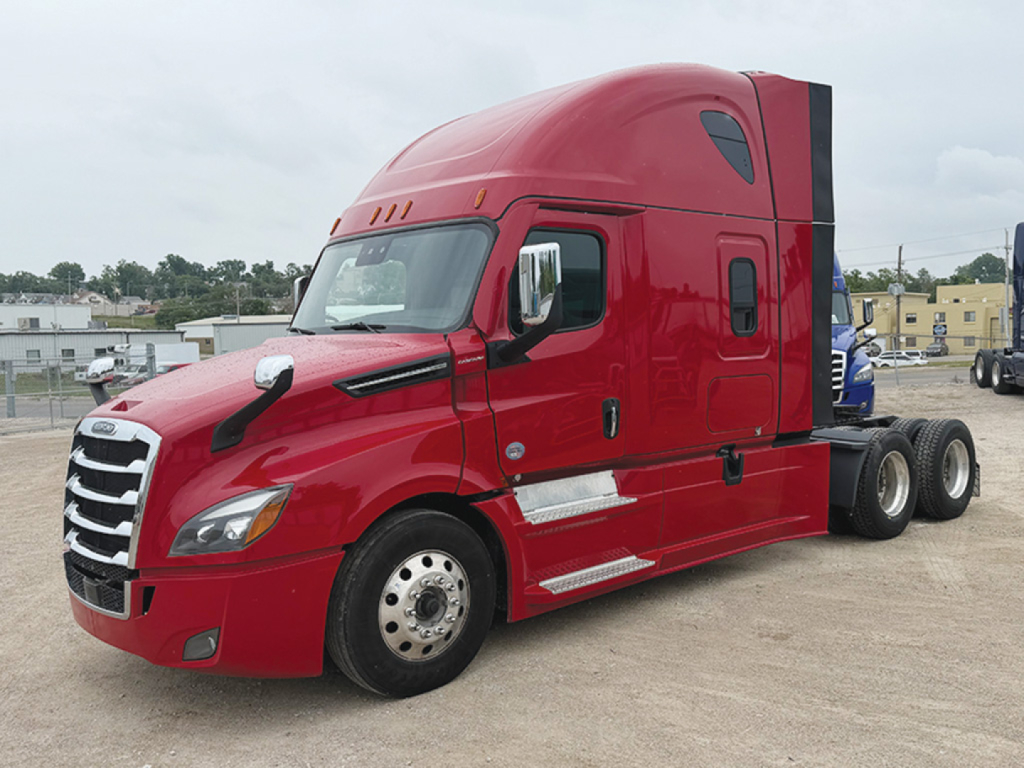
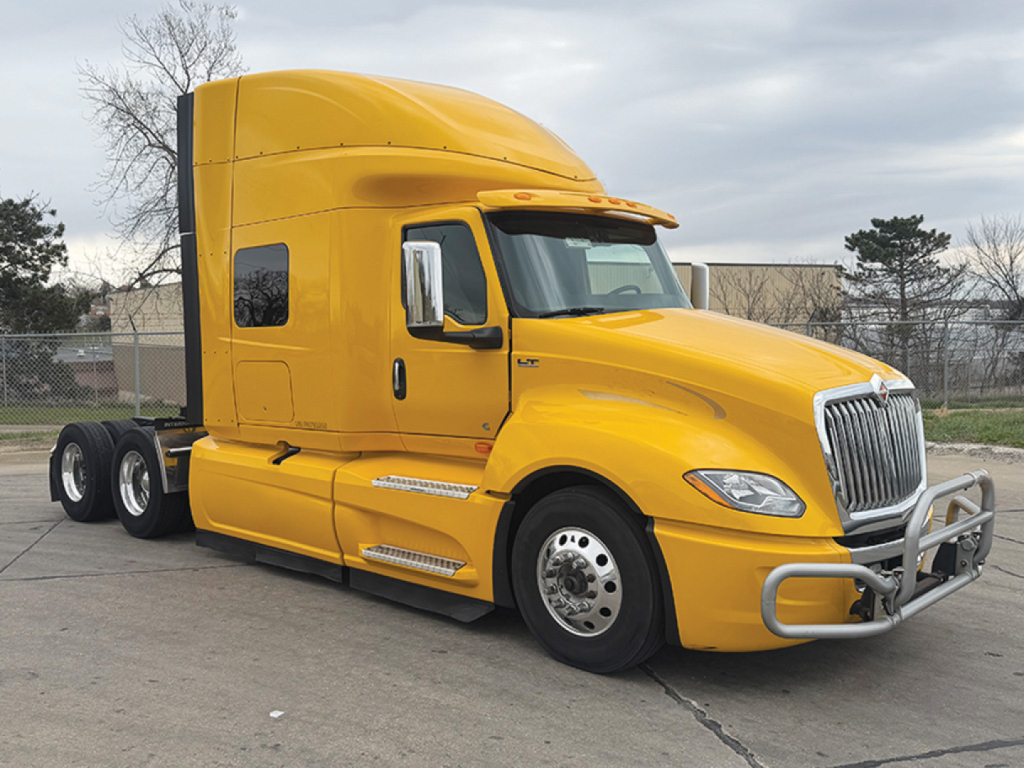
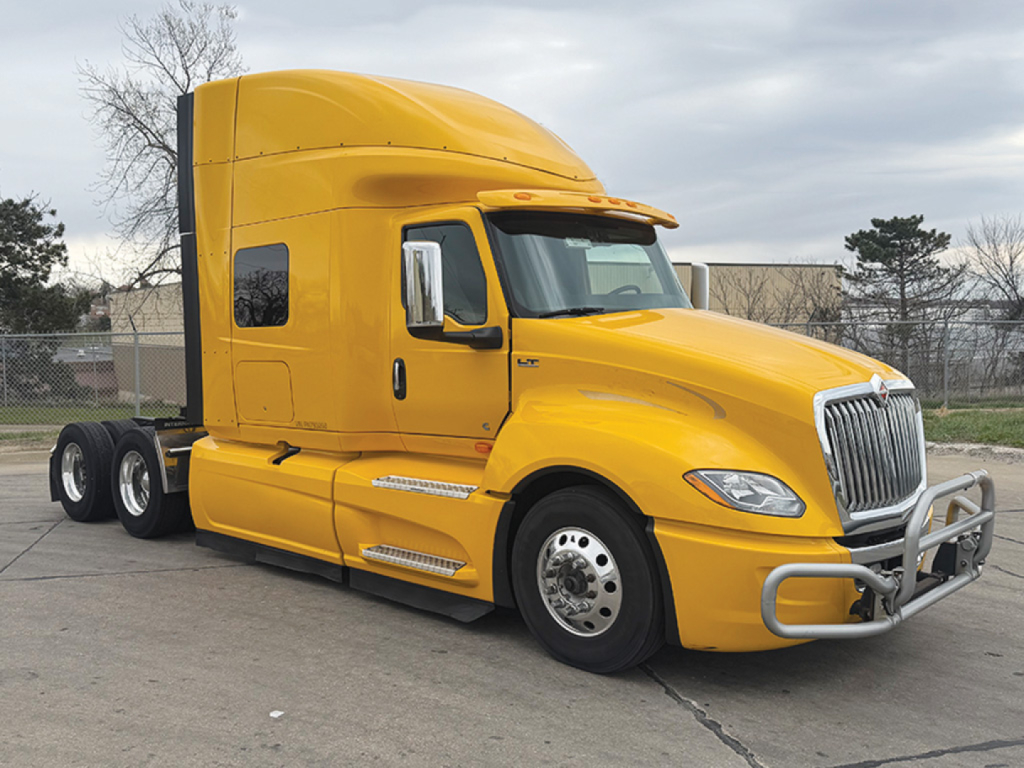
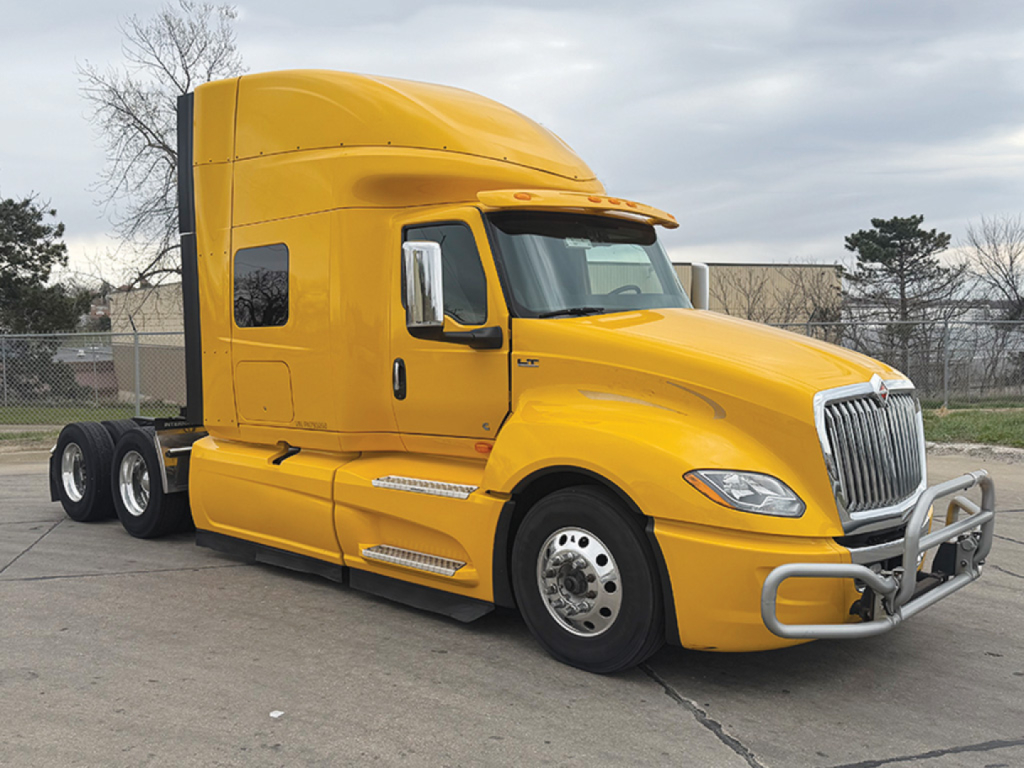
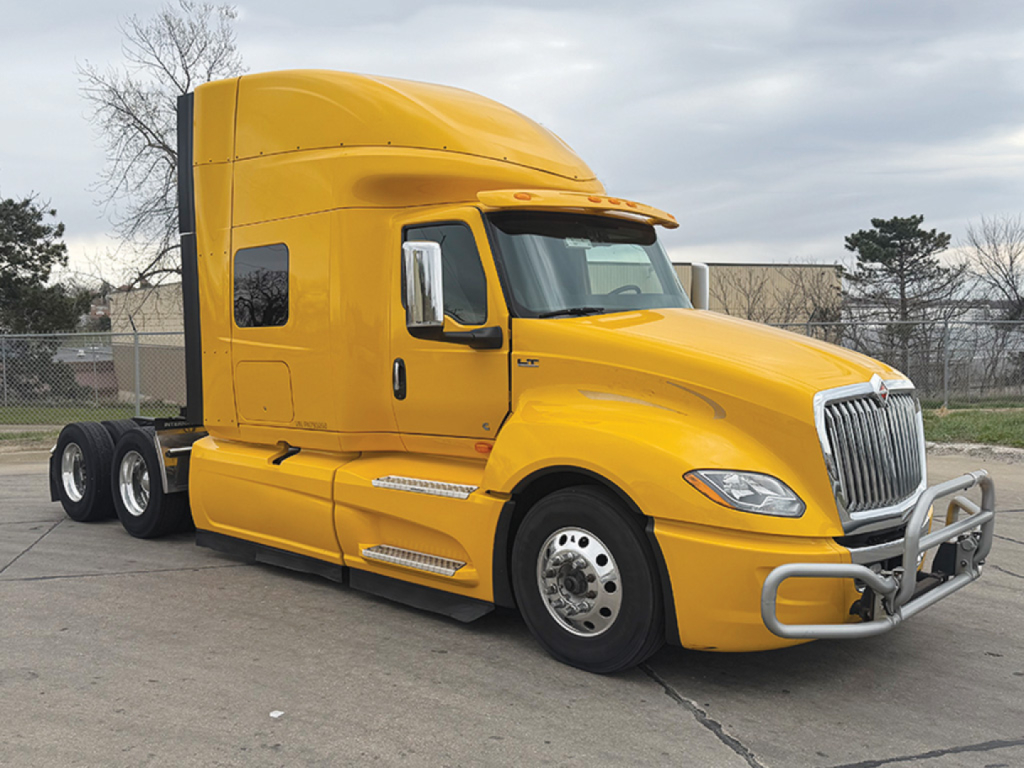
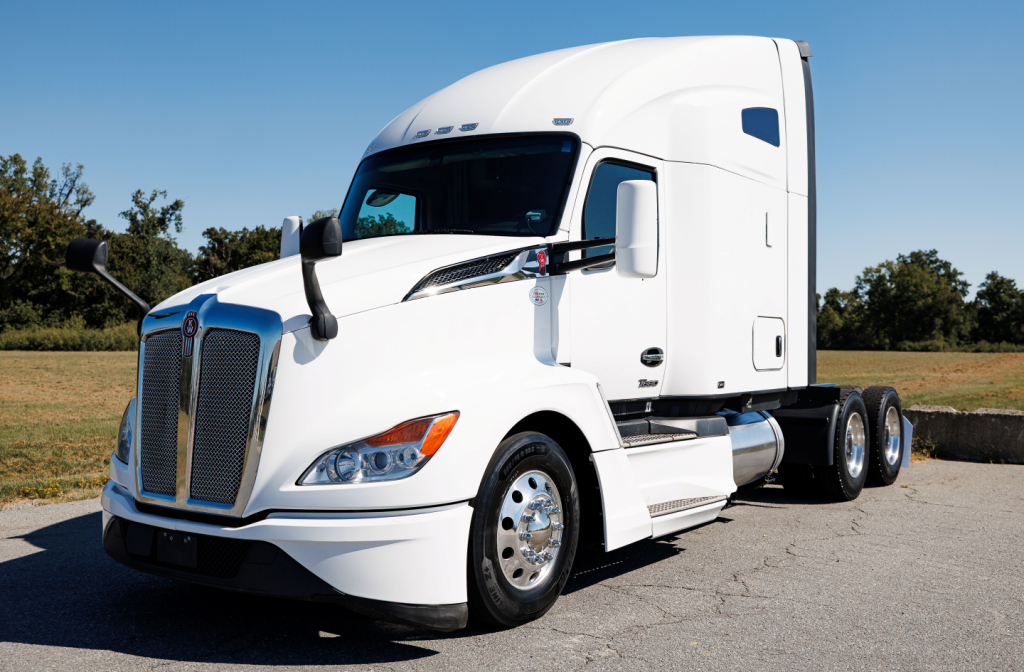
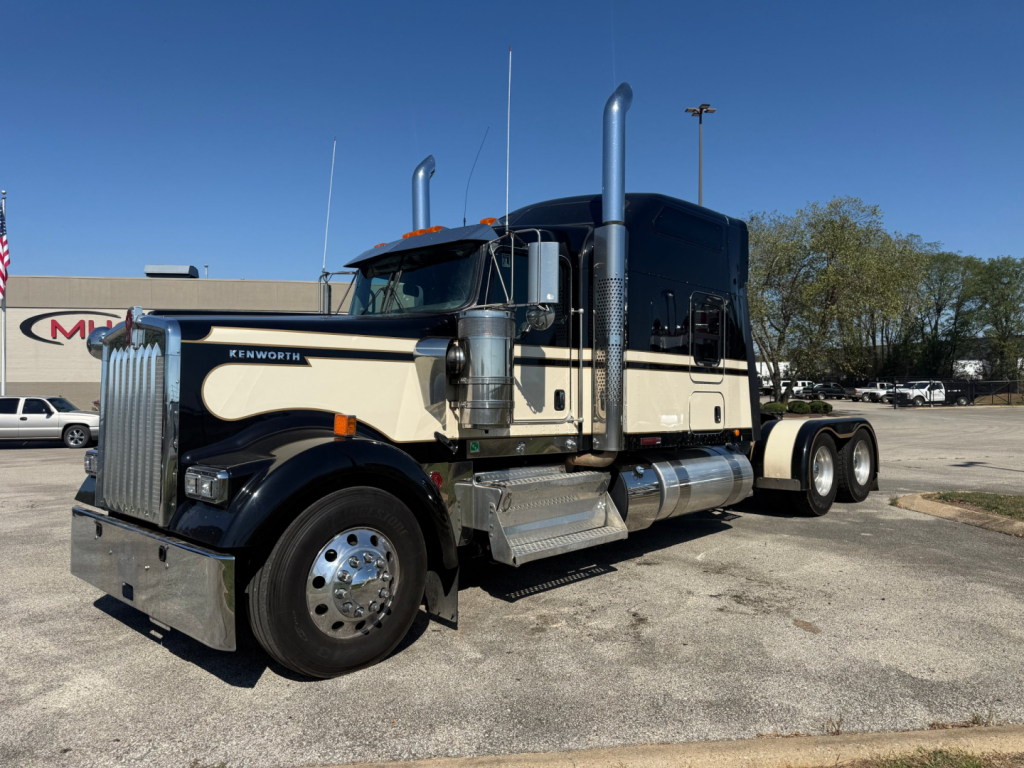
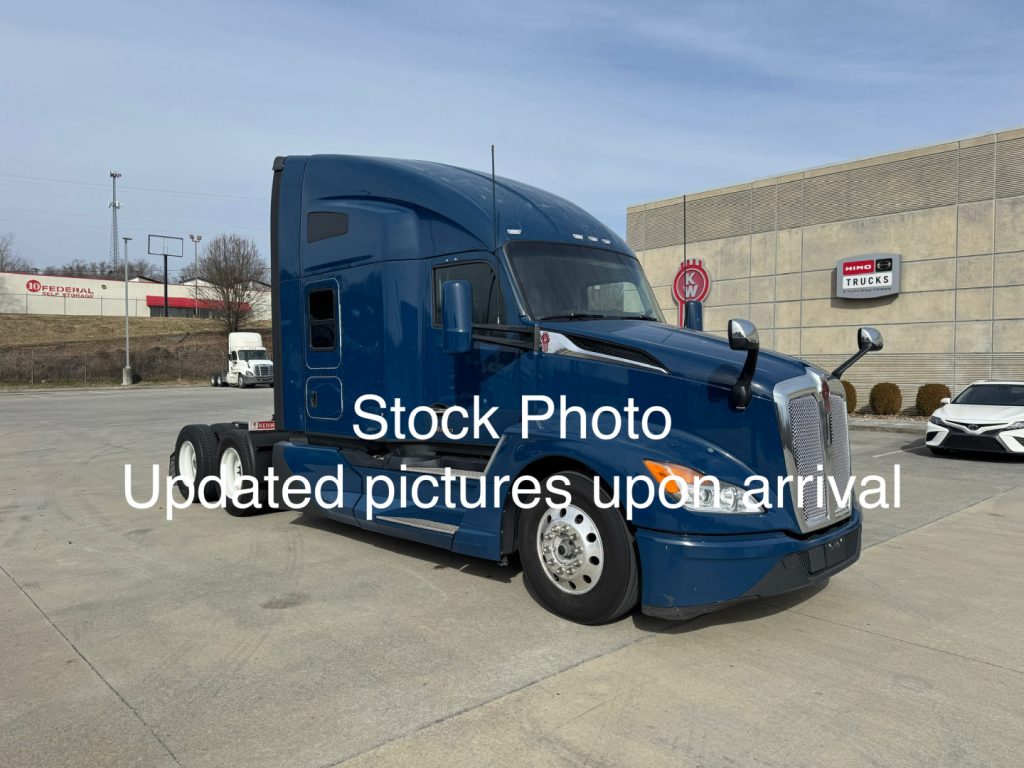
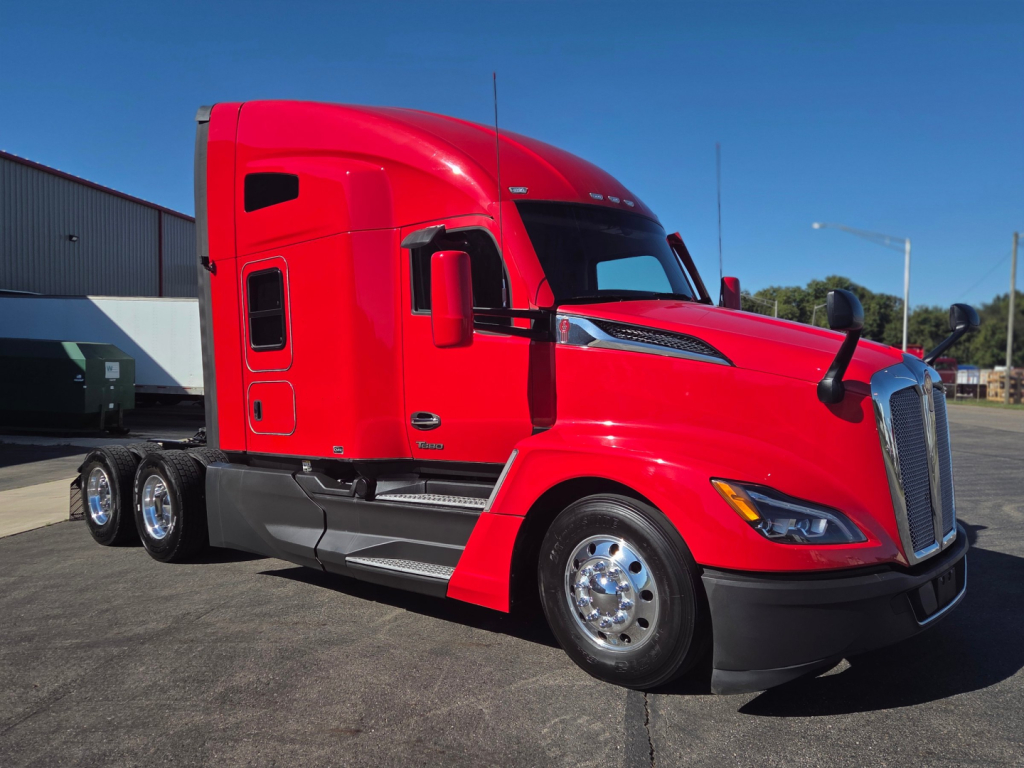
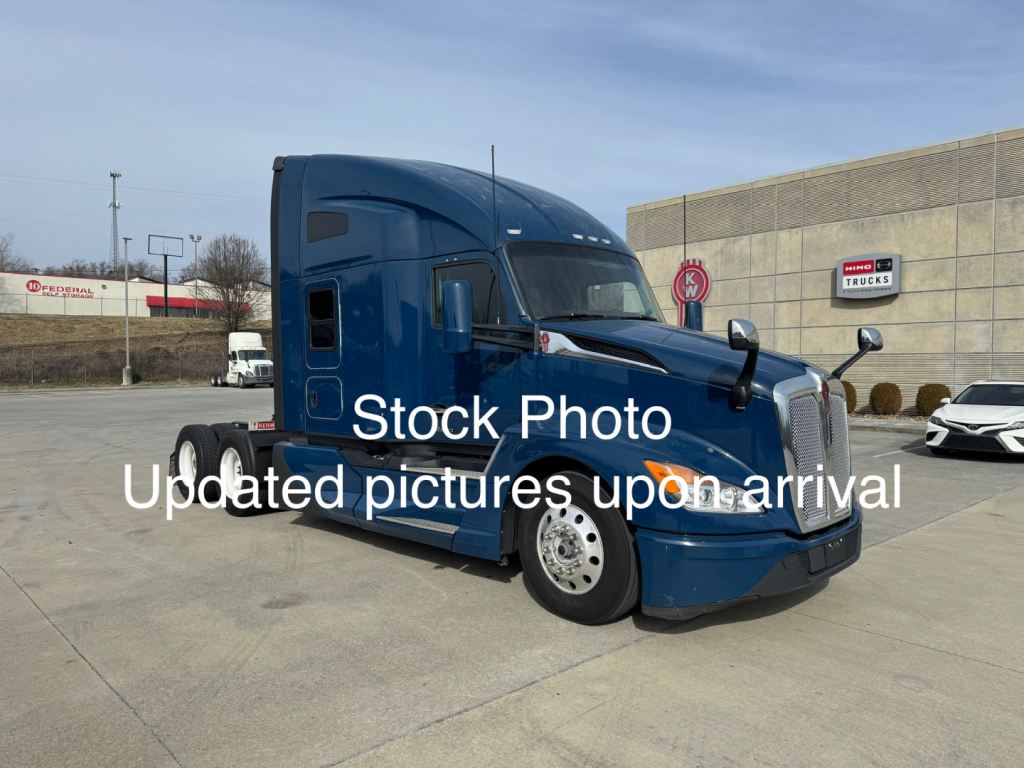
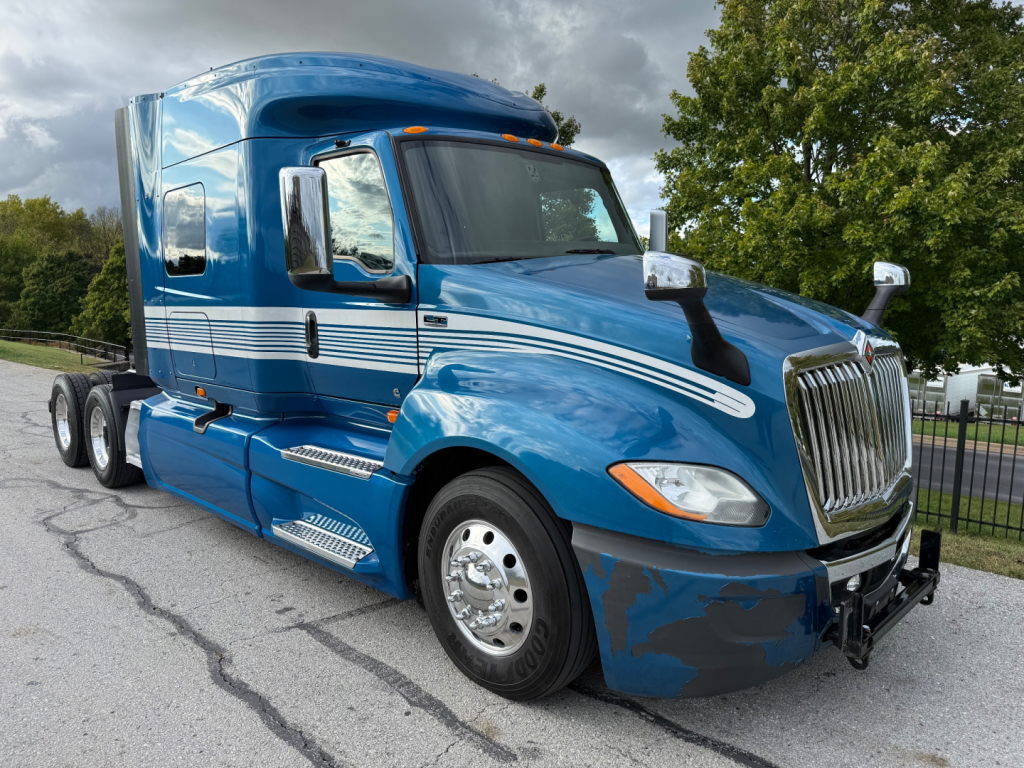
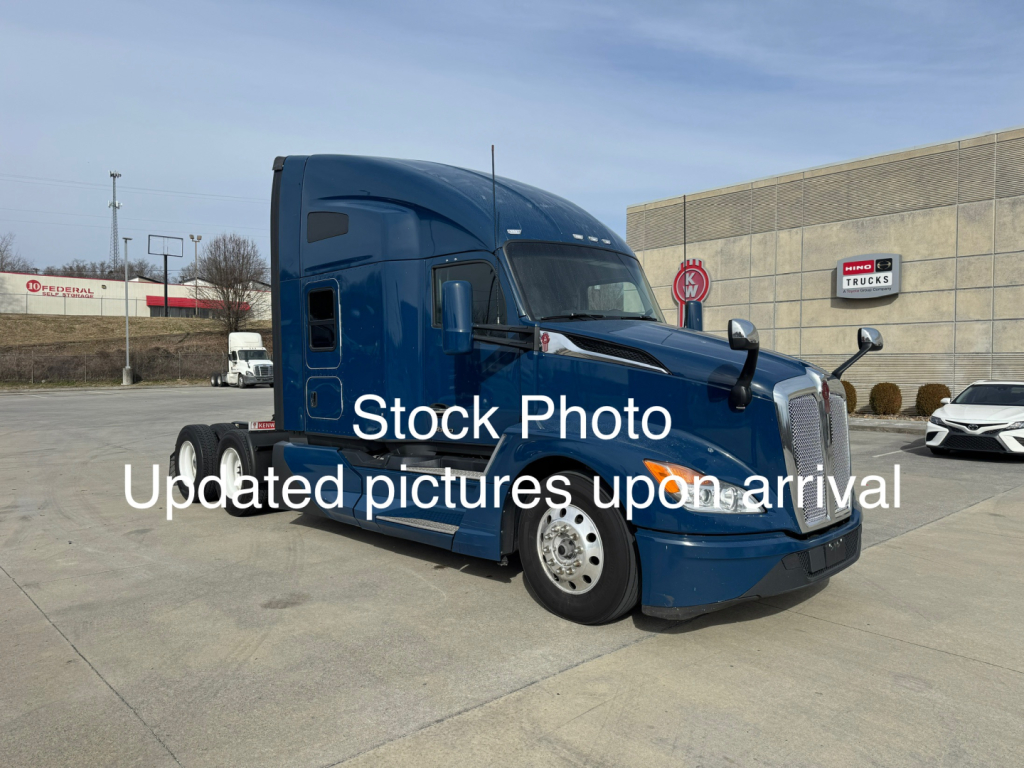
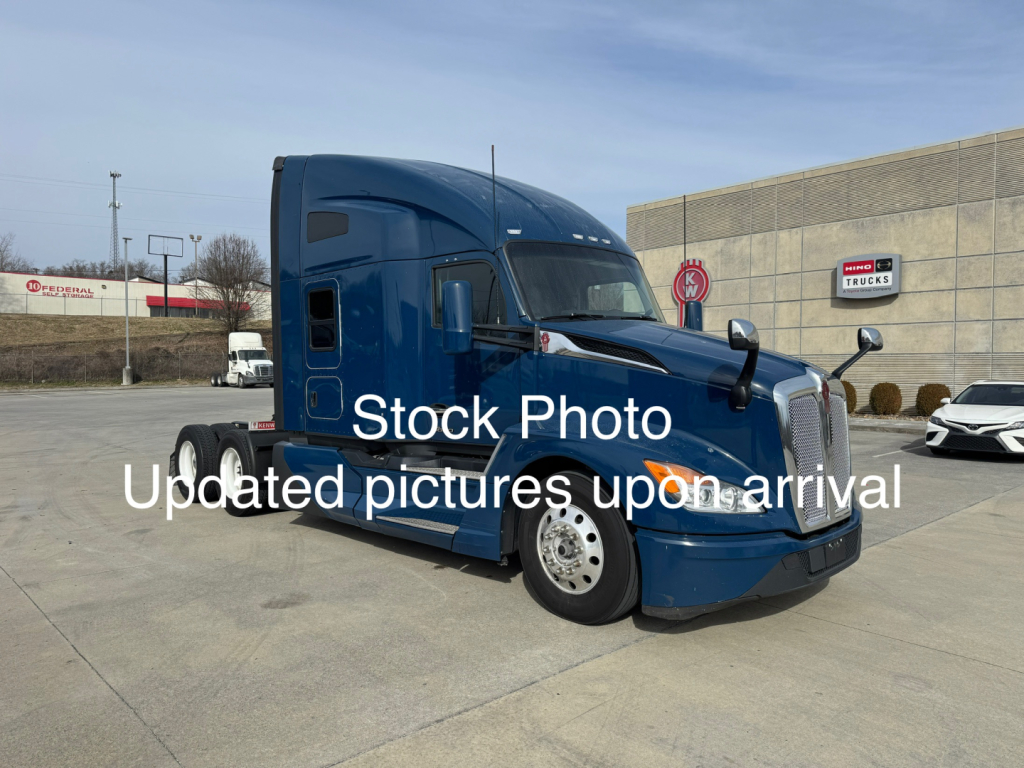
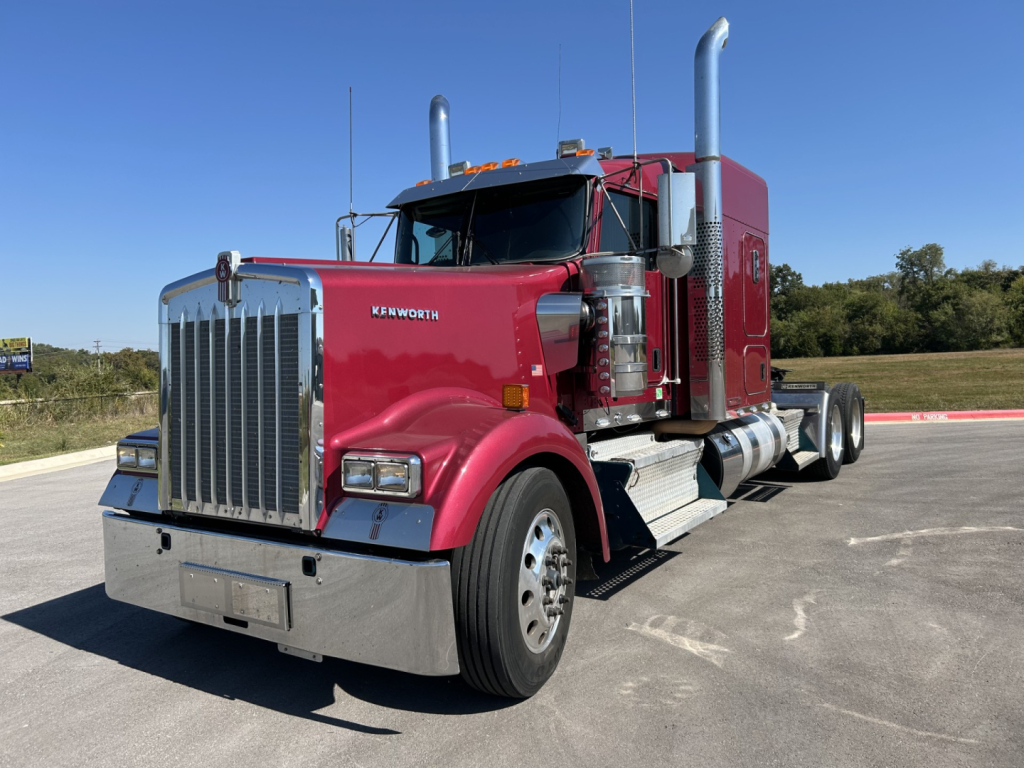
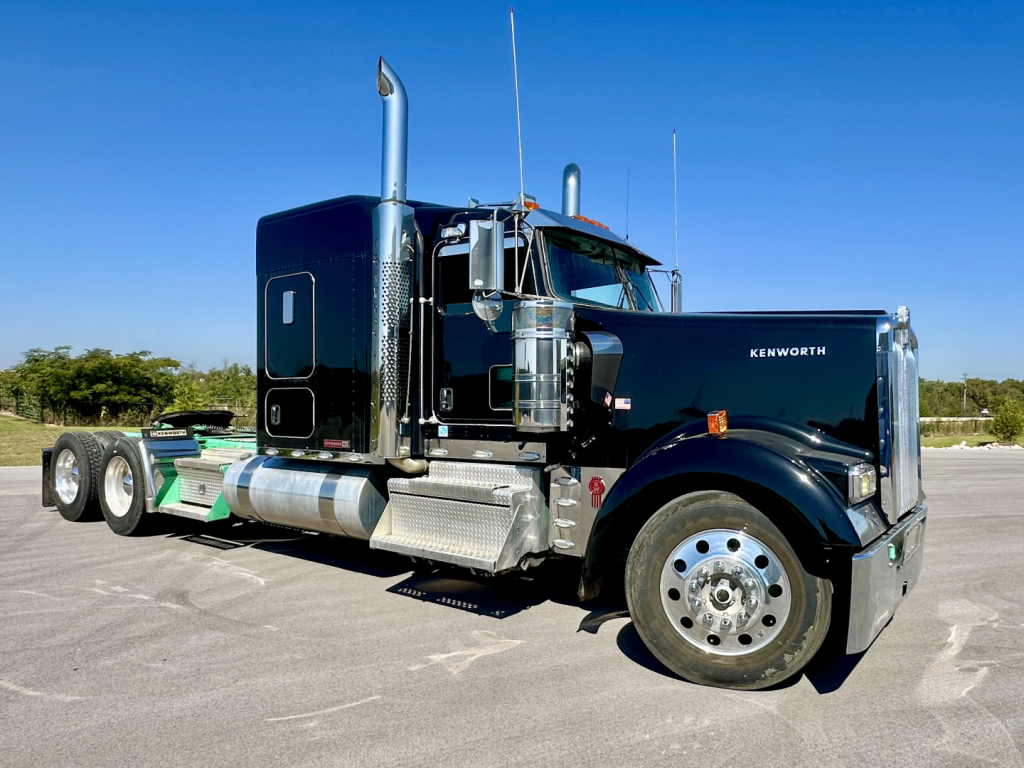
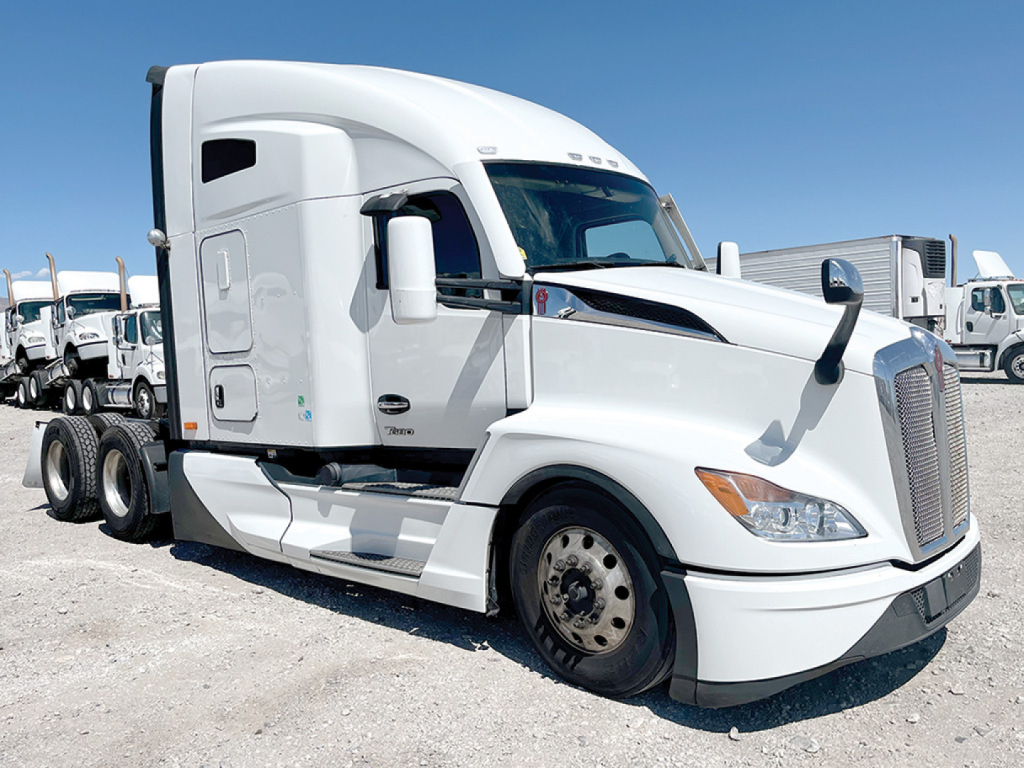
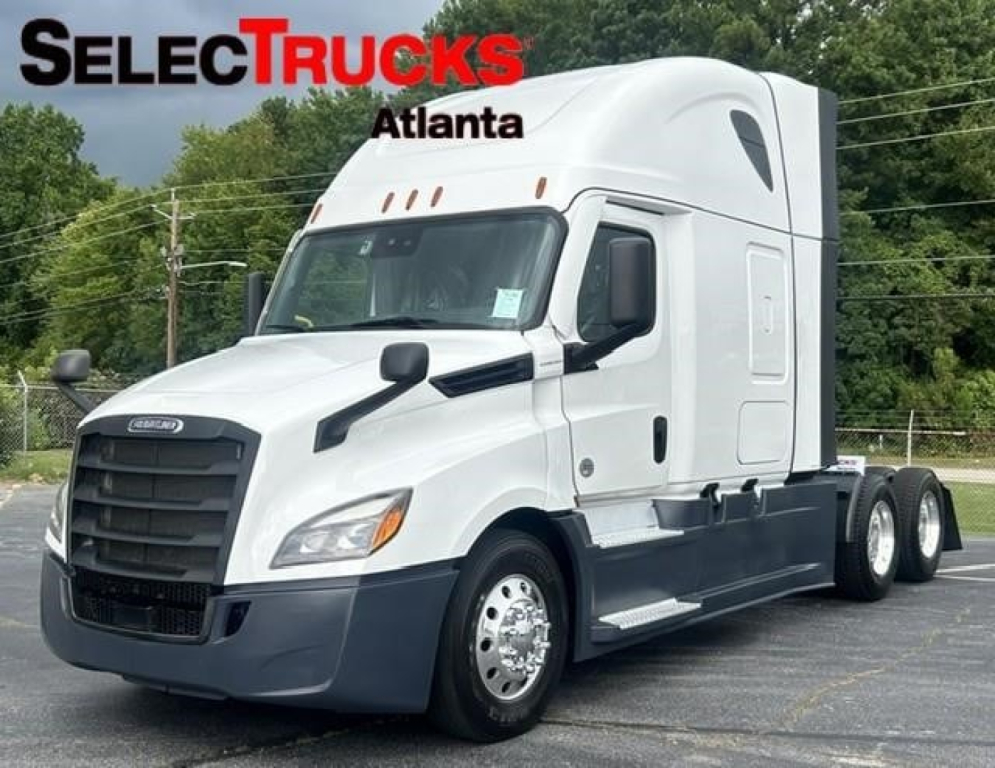
Showing 1 to 28 of 96 results
Selling a 2024 conventional sleeper truck? List your 2024 conventional sleeper truck for sale and reach thousands of commercial buyers.
2024 Conventional Sleeper Trucks
Powertrain choice drives the truck’s job fit. Most 2024 conventional sleeper trucks in this class are spec’d with 13-liter to 15-liter diesel engines in roughly the 400 to 515 horsepower range, backed by automated manual transmissions such as Detroit DT12, Mack mDrive, PACCAR automated gearboxes, or Eaton Endurant variants. For long highway lanes, rear axle ratios in the 2.64 to 2.85 range are common when the goal is lower cruise RPM and better fuel burn. Heavier vocational crossover or mountain applications may call for shorter ratios, higher horsepower, and stronger engine braking. Front axles are often around 12,000 to 13,200 pounds, with tandem rears commonly at 40,000 pounds, and wheelbases in the 230-inch range remain a frequent choice for balancing ride, trailer swing clearance, and weight distribution.
Sleeper spec matters because it affects both operations and resale. A truck used for solo regional lanes can work well with a smaller sleeper and simpler interior, while team service or irregular route freight usually benefits from a 72-inch or 76-inch high-roof sleeper with double bunk, larger cabinets, and more standing room. Buyers should pay close attention to bunk heater and HVAC performance, inverter capacity, refrigerator prep, mattress layout, and noise insulation. On the chassis side, look closely at 5th wheel type and travel, fairings, fuel capacity, APU provisions, wheel material, suspension spec, and tire package. Safety and driver-assist content also matters more on newer sleepers, including collision mitigation, adaptive cruise, lane departure warning, and integrated telematics support.
The strongest 2024 conventional sleeper truck spec is the one matched to freight, terrain, and operating speed. Dry van and reefer fleets usually prioritize aerodynamics, downsped drivetrains, and lighter components. Flatbed, specialized, or high-cube operations may need different wheelbase, tank placement, or frame flexibility. For any buyer comparing listings, the critical questions are simple: engine and transmission combination, sleeper size, axle ratio, maintenance access, and how the truck was originally ordered to run. A well-matched sleeper truck can lower fuel cost per mile, improve driver uptime, and hold value better than a poorly spec’d unit with attractive headline horsepower alone.
Frequently Asked Questions about 2024 Conventional Sleeper Trucks
What is a conventional sleeper truck used for?
A conventional sleeper truck is used for over-the-road and regional freight that requires overnight capability. It combines a set-back front axle highway tractor with a sleeper compartment behind the cab, giving the driver a bunk and living space for longer trips. This configuration is common in dry van, reefer, dedicated route, and team-driving operations where time away from home base is built into the schedule.
What engine size is common in a 2024 conventional sleeper truck?
Most 2024 conventional sleeper trucks are equipped with 13-liter to 15-liter diesel engines. In practical terms, that usually means horsepower ratings from about 400 to 515, depending on the application. A 13-liter engine is often chosen for fuel-conscious linehaul work, while a 15-liter platform may be preferred for heavier gross weights, mountain terrain, or fleets that want stronger pulling power and engine brake performance.
How do I choose the right sleeper size?
Sleeper size should match route length, number of drivers, and expected cab time. Smaller sleepers work for regional overnight operations where the truck is mainly a rest space. A 72-inch or 76-inch high-roof sleeper is typically better for long-haul and team service because it provides more room for a second bunk, standing height, storage, and onboard amenities. A larger sleeper can improve driver comfort and retention, but it also adds weight and changes wheelbase and packaging decisions.
Why does axle ratio matter on a sleeper tractor?
Axle ratio has a major effect on cruise RPM, gradeability, fuel economy, and overall drivability. Lower numerical ratios such as 2.64 to 2.85 are common in highway sleeper tractors because they support downsped operation and lower engine speed at road velocity. Higher numerical ratios can improve launch and hill-climbing performance, especially in heavy freight or steep terrain, but they usually trade some fuel efficiency at highway speeds. The best ratio depends on load profile, transmission gearing, and average operating speed.
What specs should I compare first when shopping conventional sleeper trucks?
Start with the engine, transmission, sleeper size, wheelbase, rear axle ratio, and suspension rating because those specs determine how the truck will actually perform in your operation. Then review 5th wheel setup, fuel capacity, fairings, safety systems, bunk configuration, and maintenance history if available. Buyers often focus first on horsepower, but the truck’s productivity and operating cost are more directly shaped by the full drivetrain spec and how well it matches the freight lane.