
2024 Freightliner Conventional Sleeper Trucks For Sale
Shop 2024 Freightliner conventional sleeper trucks. Compare Cascadia specs, DD15 power, sleeper sizes, wheelbase, safety tech, and fuel economy.
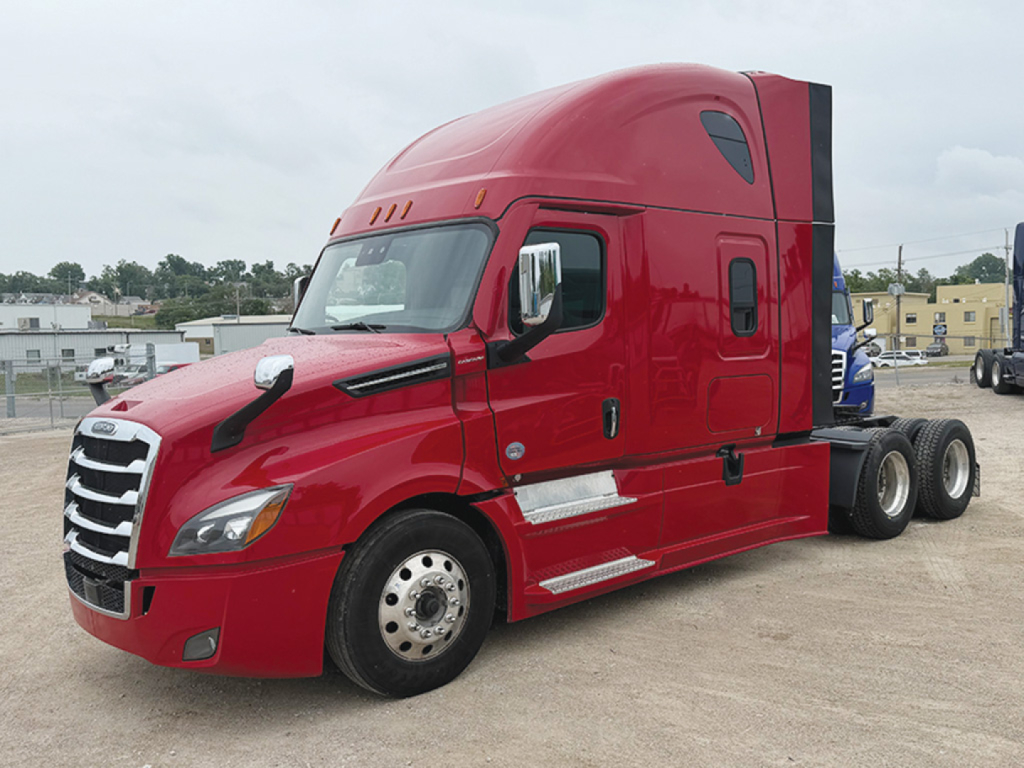
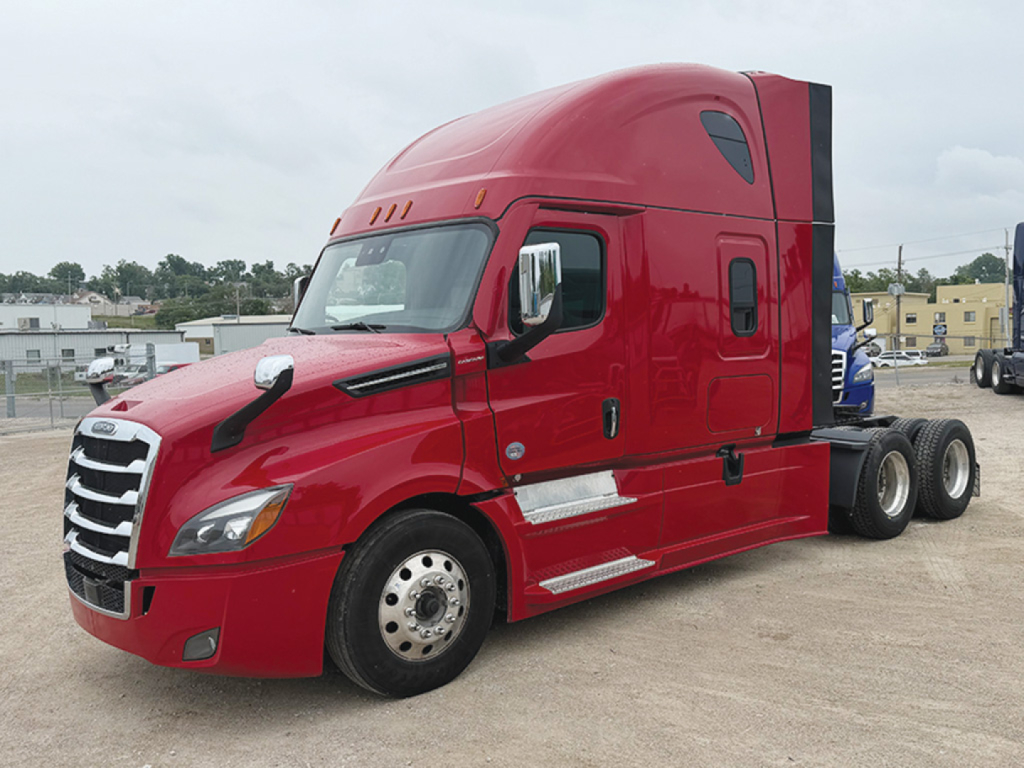
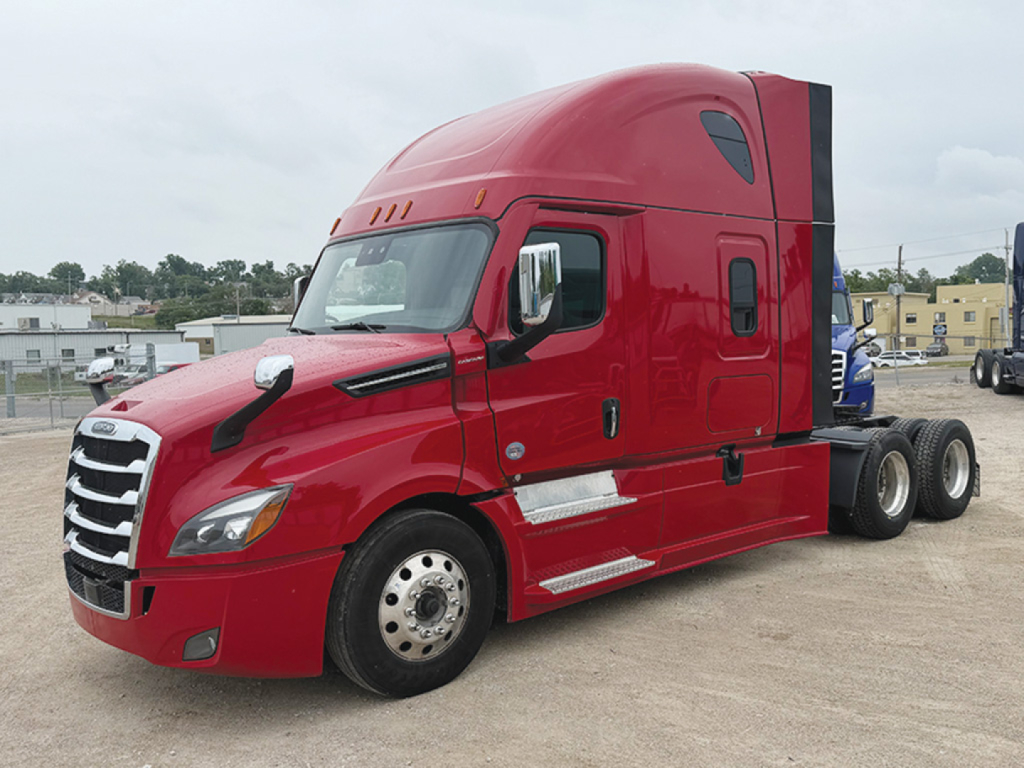
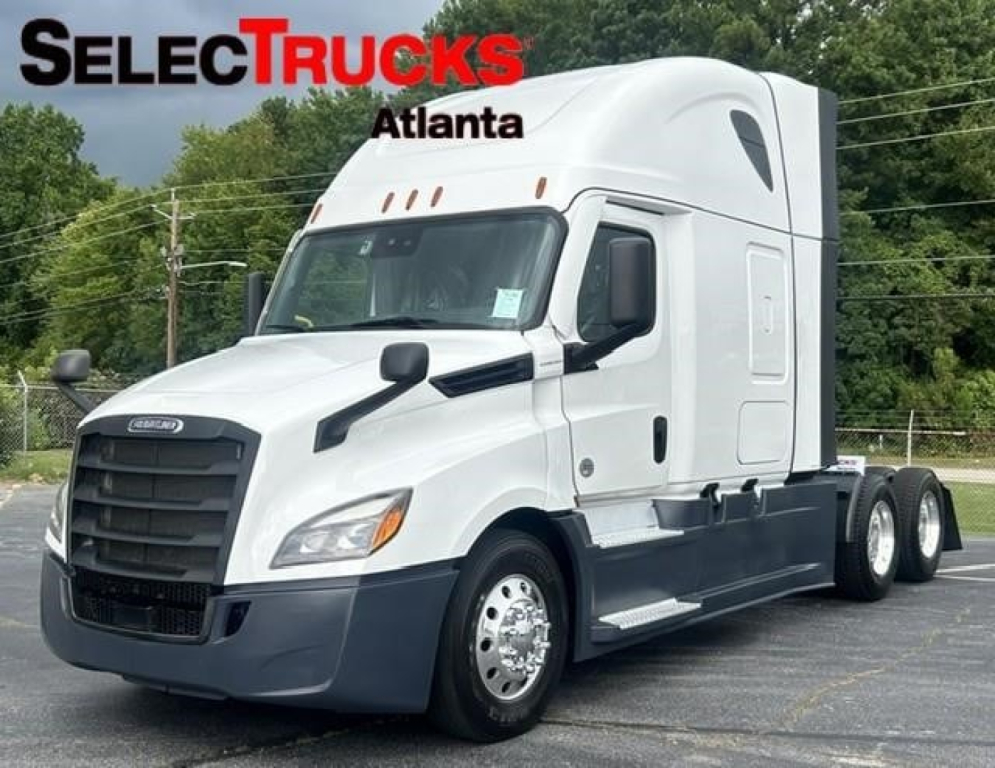
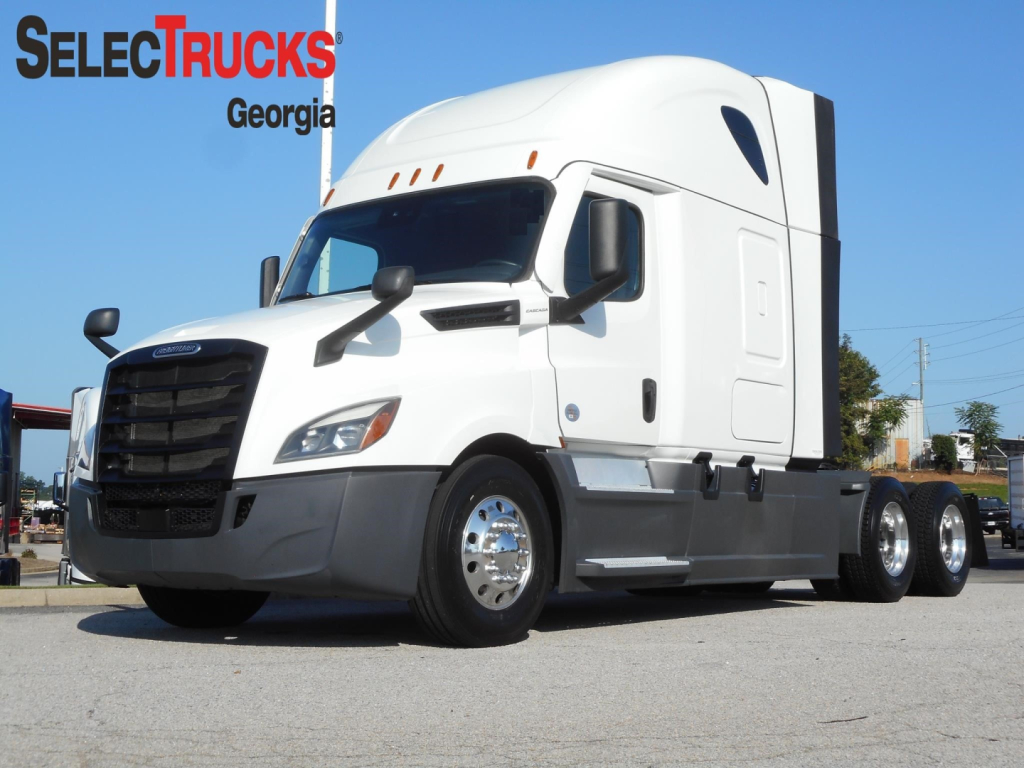
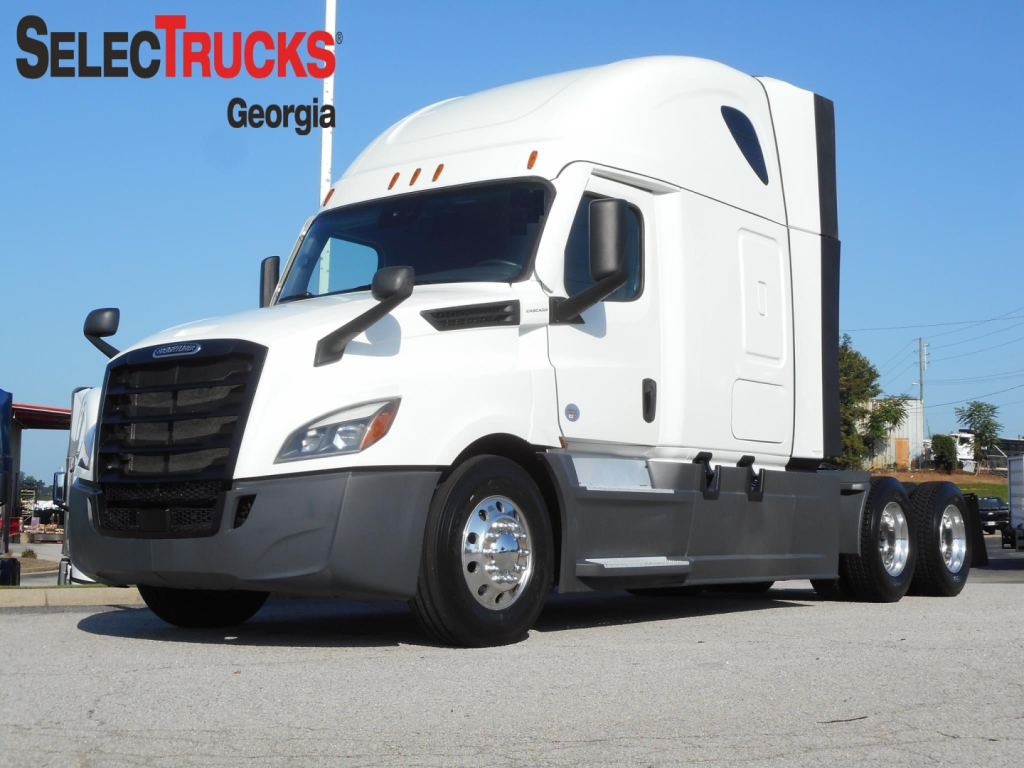
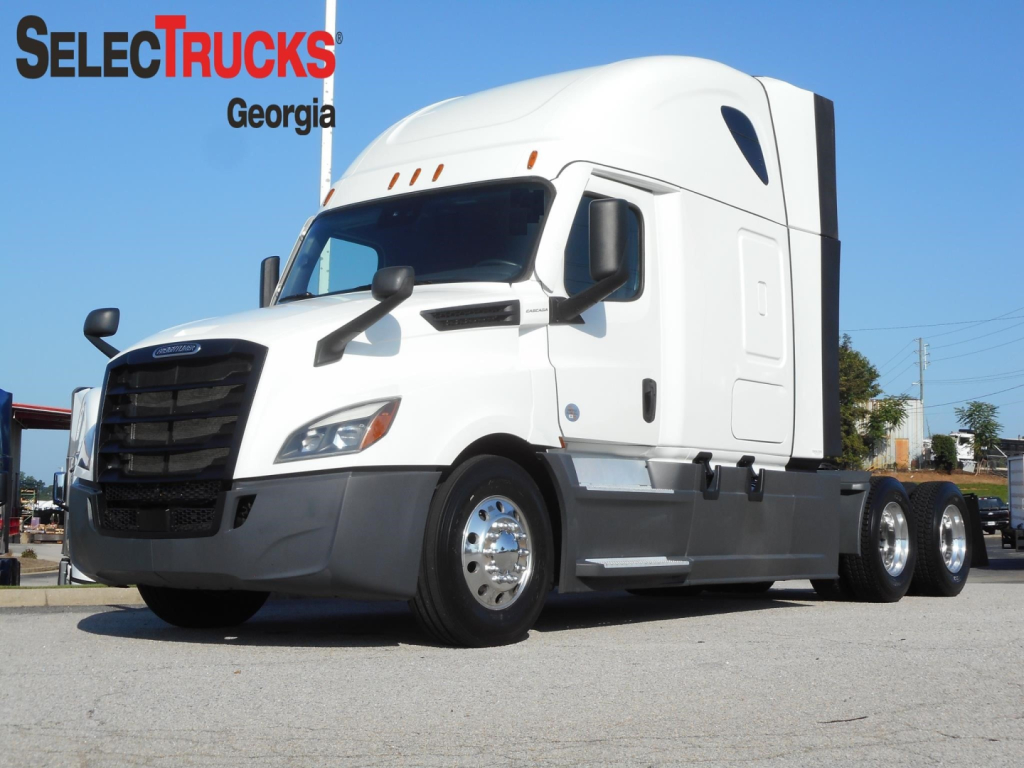
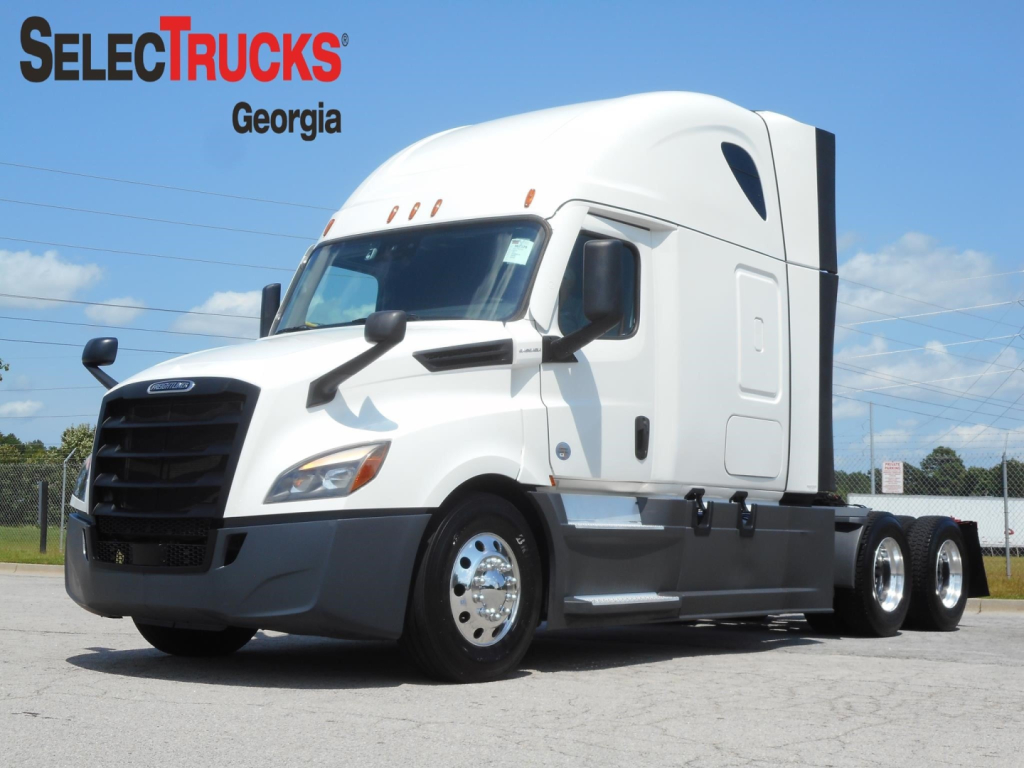
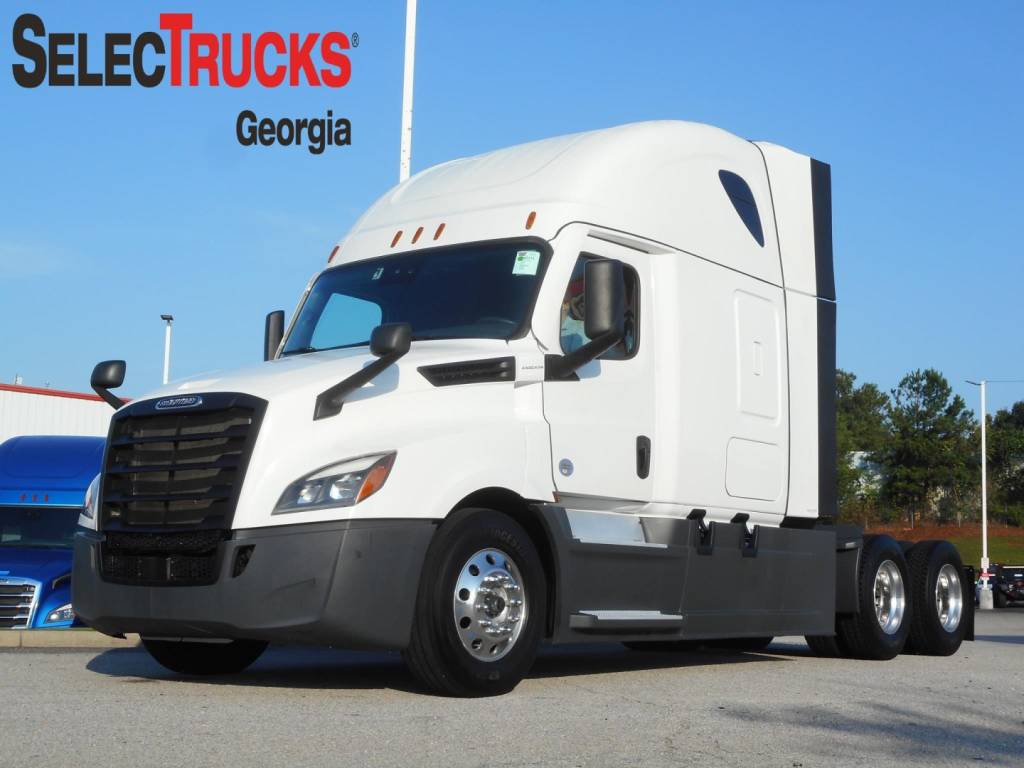
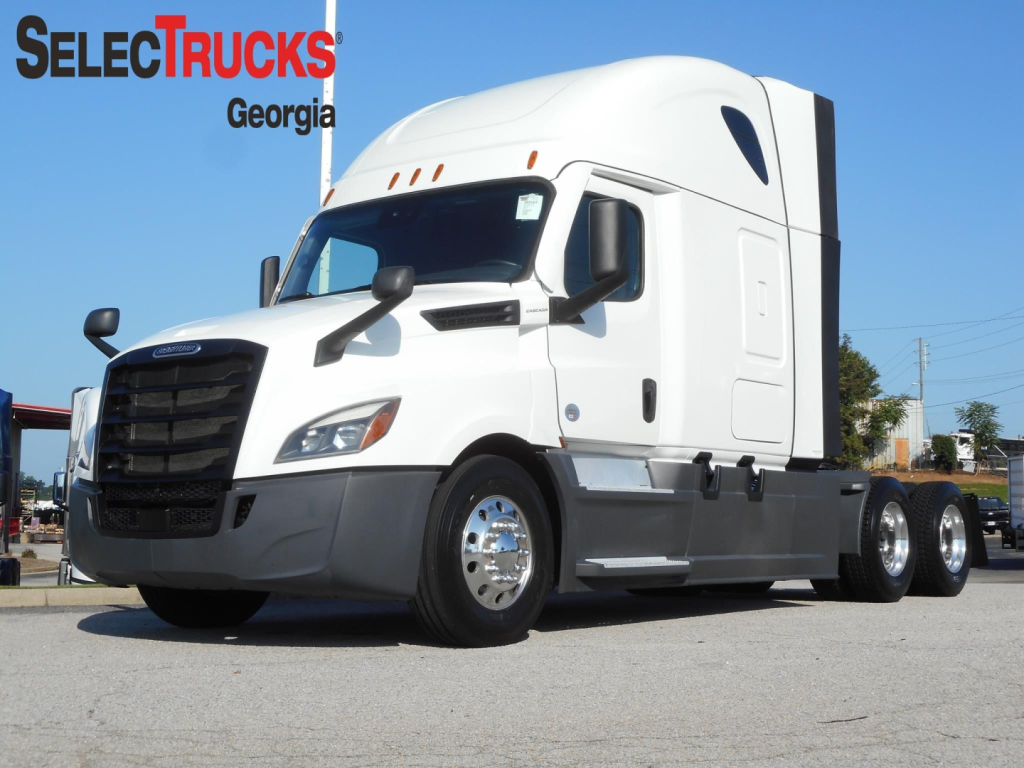

Selling a 2024 freightliner conventional sleeper truck? List your 2024 freightliner conventional sleeper truck for sale and reach thousands of commercial buyers.
2024 Freightliner Conventional Sleeper Trucks
The sleeper configuration matters more than many buyers expect. Raised-roof sleepers in the 60-inch to 72-inch range are common on conventional sleeper trucks because they balance driver comfort with weight and wheelbase. Double-bunk layouts, cabinet placement, and access between seats and bunk area all affect team use, storage, and long-stay livability. Wheelbase, cab-to-axle, and fifth wheel position should be reviewed with the trailer lengths and kingpin settings you plan to pull. A truck spec’d for van and reefer work may differ from one intended for heavier or more specialized trailer operations, especially when axle ratings, suspension, and ratio choices come into play.
On the powertrain side, many Freightliner sleeper buyers focus on Detroit DD15 horsepower ratings in the mid-400 range, paired with automated transmissions for fuel-efficient highway cruising and easier driver onboarding. Rear axle ratio, engine brake performance, and idle-management features can have as much impact on daily operation as raw horsepower. Safety and driver-assist systems are another major part of the 2024 buying decision. Collision mitigation, adaptive cruise functions, lane support features, and integrated braking technologies are now common priorities for fleets trying to control claims and improve driver retention. For buyers running high annual miles, maintenance history, emissions system condition, tire wear patterns, and software update records can be just as important as mileage on the odometer.
Buyers looking at 2024 Freightliner conventional sleeper trucks should compare the full operating package, not just model year and price. Check front and rear axle ratings, suspension type, fuel capacity, sleeper height, and whether the truck has an air slide fifth wheel, all-aluminum wheels, tire inflation systems, or interior upgrades that matter for your routes. Freightliner conventional sleepers, also known as highway sleeper semis or road tractors with sleepers, are strongest when spec’d correctly for the freight. A well-matched 2024 truck can deliver lower cost per mile, better driver acceptance, and easier resale than a truck bought on engine rating alone.
Frequently Asked Questions about 2024 Freightliner Conventional Sleeper Trucks
What engine and transmission are common in a 2024 Freightliner conventional sleeper truck?
A common setup in a 2024 Freightliner conventional sleeper is a Detroit DD15 paired with a Detroit DT12 automated transmission. This combination is widely used because it balances fuel economy, highway drivability, and service support. Horsepower ratings often fall in the mid-400 range for general van and reefer work, though final spec depends on gross weight, terrain, and expected cruise speed.
What sleeper size is best for a Freightliner conventional sleeper?
The right sleeper size depends on route length, driver schedule, and storage needs. A 60-inch to 72-inch raised-roof sleeper is common because it provides enough room for over-the-road comfort without adding unnecessary length or weight. Team operations and longer dispatch cycles usually benefit from a larger sleeper with double bunks and more cabinet space, while regional applications may be well served by a more compact layout.
How important are wheelbase and fifth wheel settings on a conventional sleeper truck?
Wheelbase and fifth wheel position are critical because they affect bridge law compliance, trailer swing clearance, ride quality, and weight distribution. Buyers pulling different trailer lengths or working with varied kingpin settings should pay close attention to cab-to-axle measurement and whether the truck has an air slide fifth wheel. A poor match between tractor dimensions and trailer setup can create axle loading issues and limit flexibility.
Are 2024 Freightliner sleeper trucks good for fuel economy?
Yes, fuel economy is one of the main reasons buyers choose late-model Freightliner sleeper trucks, especially Cascadia-based specs. Aerodynamics, automated shifting logic, downsped drivetrain configurations, and idle-management features all contribute to lower fuel burn on highway routes. Actual results still depend on rear axle ratio, average load, speed, terrain, and how closely the truck’s spec matches the freight.
What should buyers inspect first on a used late-model Freightliner conventional sleeper?
Start with maintenance records, engine hours, emissions system history, and any fault code or software update documentation. After that, review tire wear, suspension condition, brake life, fifth wheel wear, and signs of uneven axle loading. On a sleeper tractor, it also makes sense to inspect bunk condition, HVAC performance, safety system functionality, and any evidence of hard idle time, since those factors can affect both operating cost and driver acceptance.