
2024 Freightliner Conventional Sleeper Trucks For Sale in Georgia
Shop 2024 Freightliner conventional sleeper trucks in Georgia. Compare Cascadia specs, sleeper sizes, DD15 power, DT12 options, and fleet features.
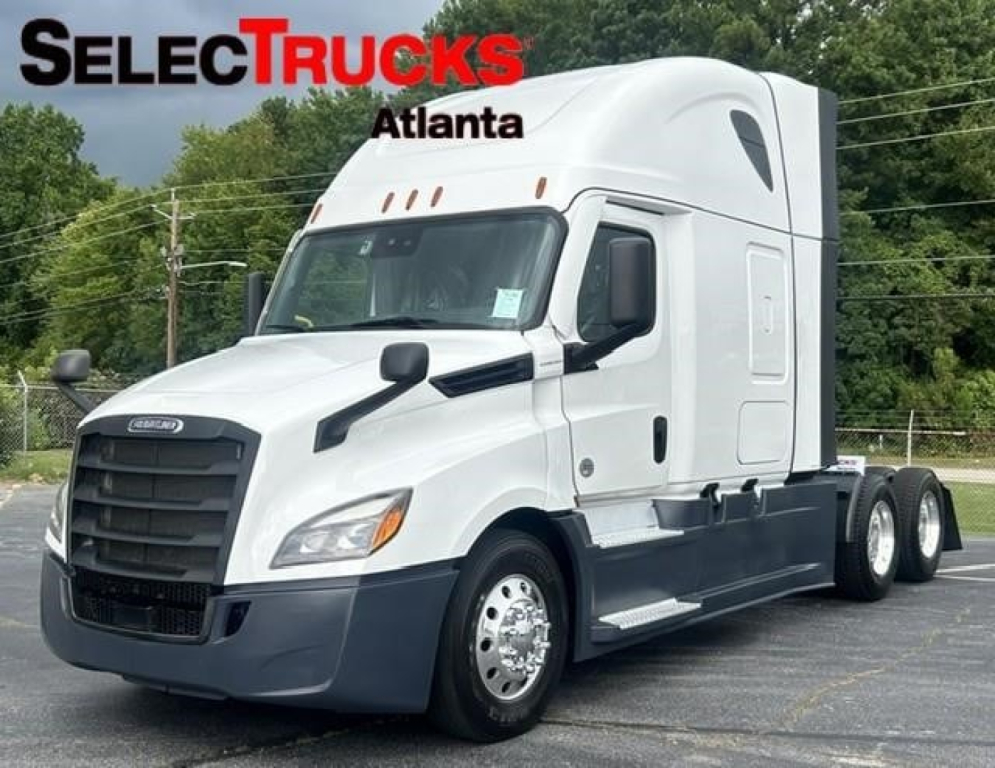
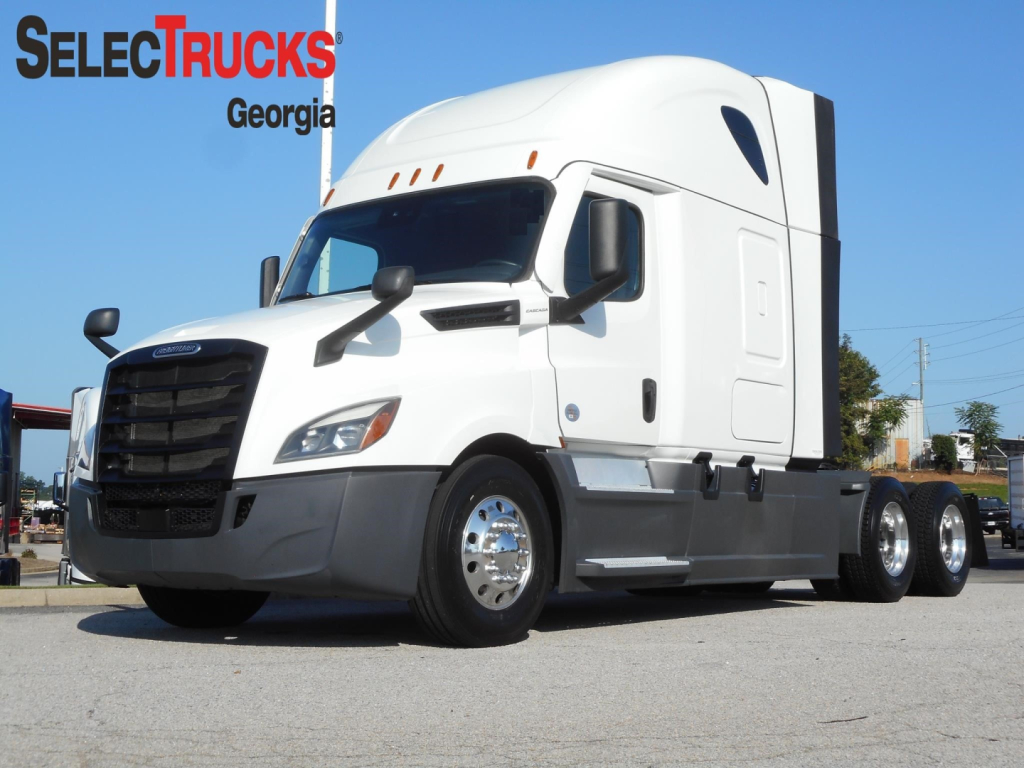
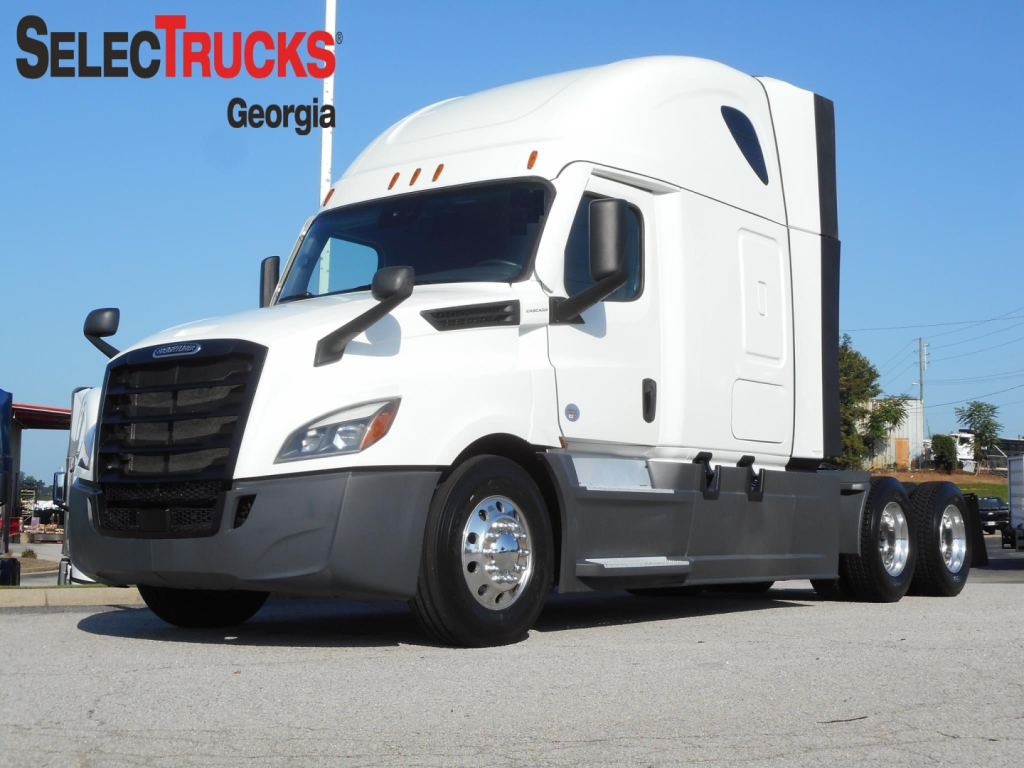
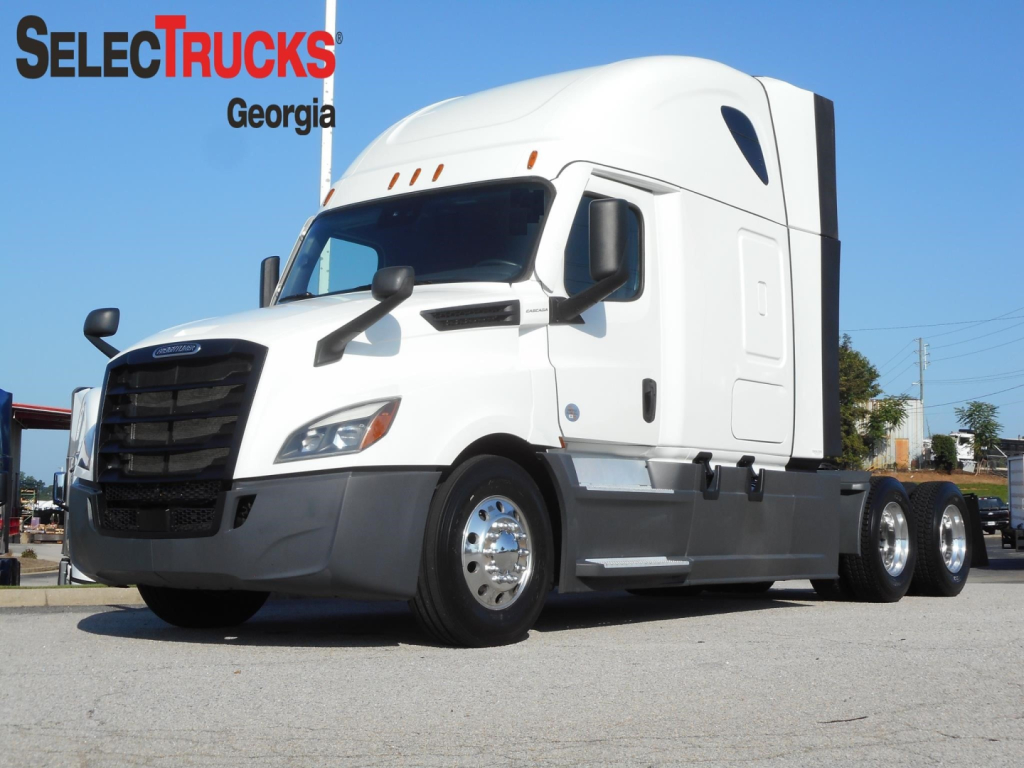
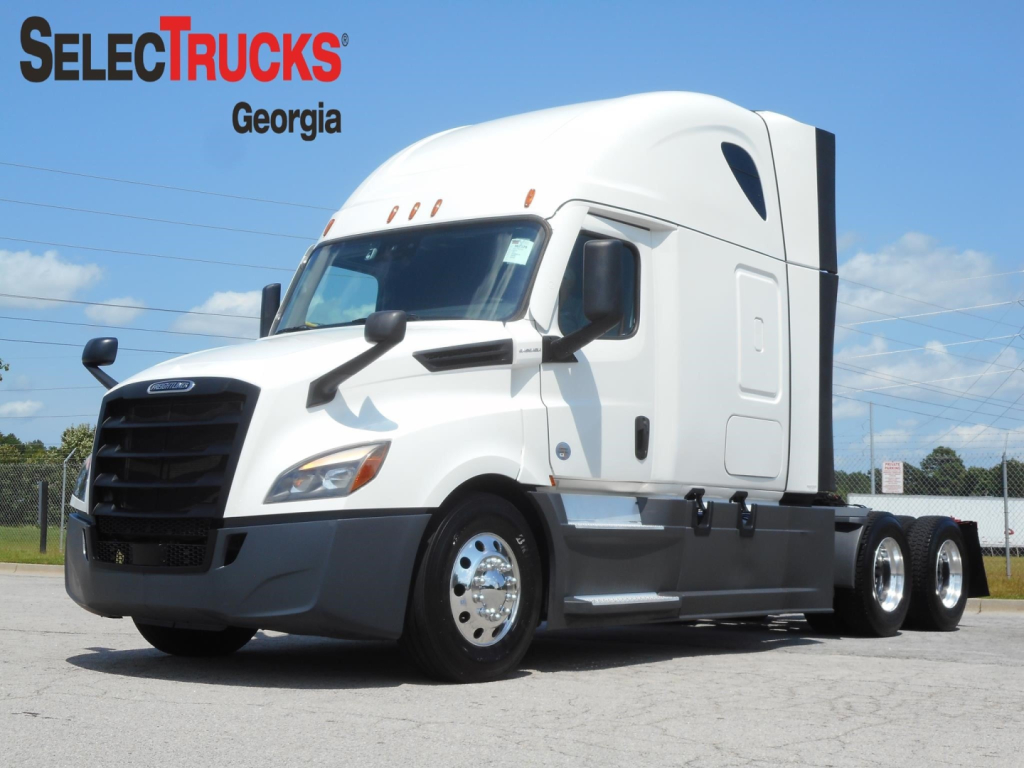
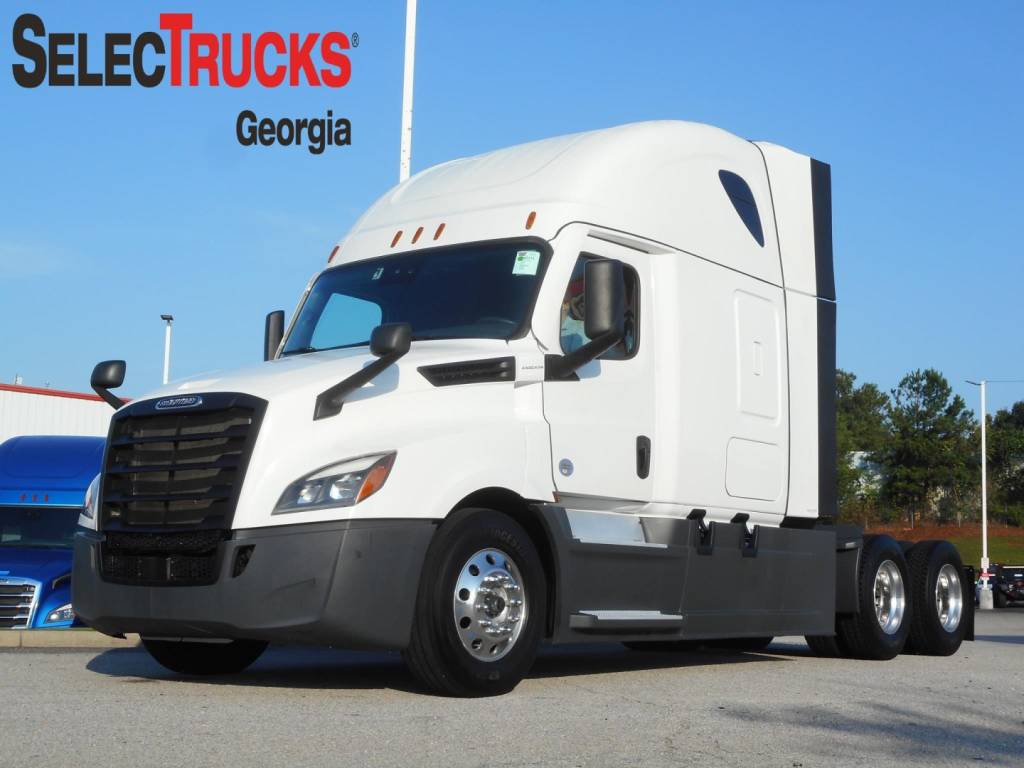
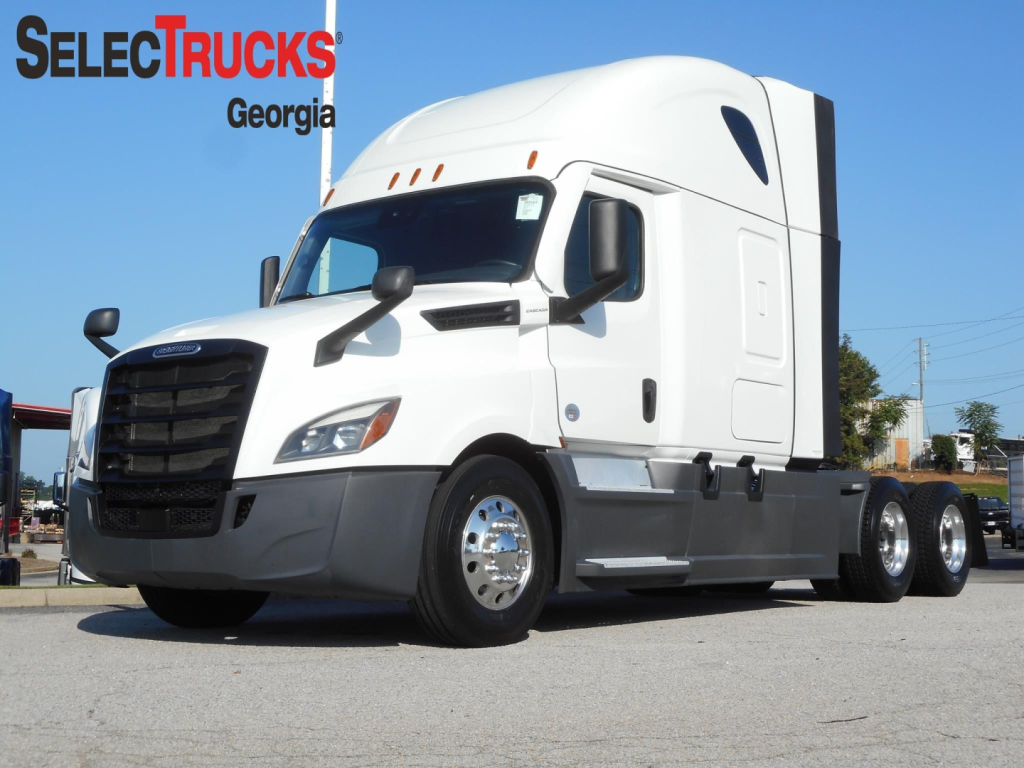
Selling a 2024 freightliner conventional sleeper truck? List your 2024 freightliner conventional sleeper truck for sale and reach thousands of commercial buyers.
2024 Freightliner Conventional Sleeper Trucks in Georgia
Sleeper configuration matters as much as horsepower. Freightliner conventional sleepers are commonly found with mid-roof or raised-roof cabs and single or double bunk layouts, depending on team use and time away from home. Factory refrigerators, bunk heaters, inverters, and optimized storage can make a major difference in driver comfort and idle reduction. For operations running through Georgia and across the Southeast, APU or battery-based idle management systems are worth close attention because they affect fuel spend, maintenance planning, and driver satisfaction in hot-weather service. Interior ergonomics, dash layout, visibility, and cab access also deserve a close look when the truck will see high annual mileage.
On the chassis side, buyers should compare wheelbase, axle ratings, suspension, and fairing configuration against the freight being hauled. A typical sleeper spec in this class may include a tandem drive axle setup, aerodynamic package, disc or drum brake configuration, and aluminum wheel options to balance weight and durability. Safety technology is another key purchase factor in newer Cascadia models. Collision mitigation, lane departure warning, adaptive cruise-related systems, and integrated telematics are common considerations for fleets that want lower incident exposure and better driver coaching data. If the truck will be assigned to dry van or reefer work, pay attention to fifth wheel position, fuel capacity, and tire spec because those details affect turning radius, bridge compliance, and practical operating range.
A 2024 Freightliner sleeper is often chosen because it fits mainstream over-the-road applications without creating unusual parts or service challenges. Detroit-powered Freightliner sleepers have one of the strongest dealer and service networks in the market, which matters when minimizing downtime is part of the buying decision. For used-buyer comparisons within this year and make, the best value usually comes from matching the truck's sleeper size, idle management equipment, safety package, and drivetrain spec to the exact lane and duty cycle rather than simply choosing by mileage or appearance alone.
Frequently Asked Questions about 2024 Freightliner Conventional Sleeper Trucks in Georgia
What engine and transmission are most common in a 2024 Freightliner conventional sleeper truck?
The most common setup is a Detroit DD15 engine paired with a Detroit DT12 automated manual transmission. This combination is popular because it delivers strong fuel economy, highway-friendly drivability, and integrated communication with Freightliner and Detroit electronic systems. It is also widely supported across dealer and independent service networks, which helps with uptime and parts availability.
What is the main advantage of a Freightliner Cascadia sleeper for over-the-road work?
The main advantage is its balance of aerodynamics, driver comfort, and serviceability. A Cascadia sleeper is designed for long highway miles, so buyers typically get a fuel-efficient platform with practical sleeper amenities, broad dealer support, and safety technology that fits fleet and owner-operator use. It is a common choice for dry van, reefer, and general long-haul freight because the spec range is broad and easy to match to different applications.
Should I look for a single bunk or double bunk sleeper?
A single bunk sleeper is often enough for solo operations that prioritize storage and lighter overnight use. A double bunk sleeper makes more sense for team driving, training operations, or any application where maximizing rest flexibility matters. The right choice depends on route length, driver scheduling, and how many nights the truck will spend away from the terminal each week.
Are APUs and bunk heaters important on a 2024 sleeper truck?
Yes, especially in operations where idle reduction, driver comfort, and fuel control are important. An APU, battery HVAC system, or bunk heater can reduce engine idling and lower wear while keeping the sleeper livable during rest periods. In hot and humid regions such as Georgia and the broader Southeast, idle management equipment can have a direct effect on operating cost and driver satisfaction.
What should buyers compare besides mileage on a 2024 Freightliner sleeper?
Mileage is only one part of the evaluation. Buyers should also compare engine hours, safety system spec, sleeper layout, idle management equipment, axle ratio, fuel capacity, wheelbase, and maintenance history. A truck with the right gearing, sleeper amenities, and collision mitigation package for its intended freight lane can be a better fit than a lower-mileage truck with the wrong configuration.