
2024 Conventional Sleeper Trucks For Sale in Illinois
Shop 2024 conventional sleeper trucks in Illinois. Compare aero specs, sleeper sizes, powertrains, axle ratios, and long-haul features.
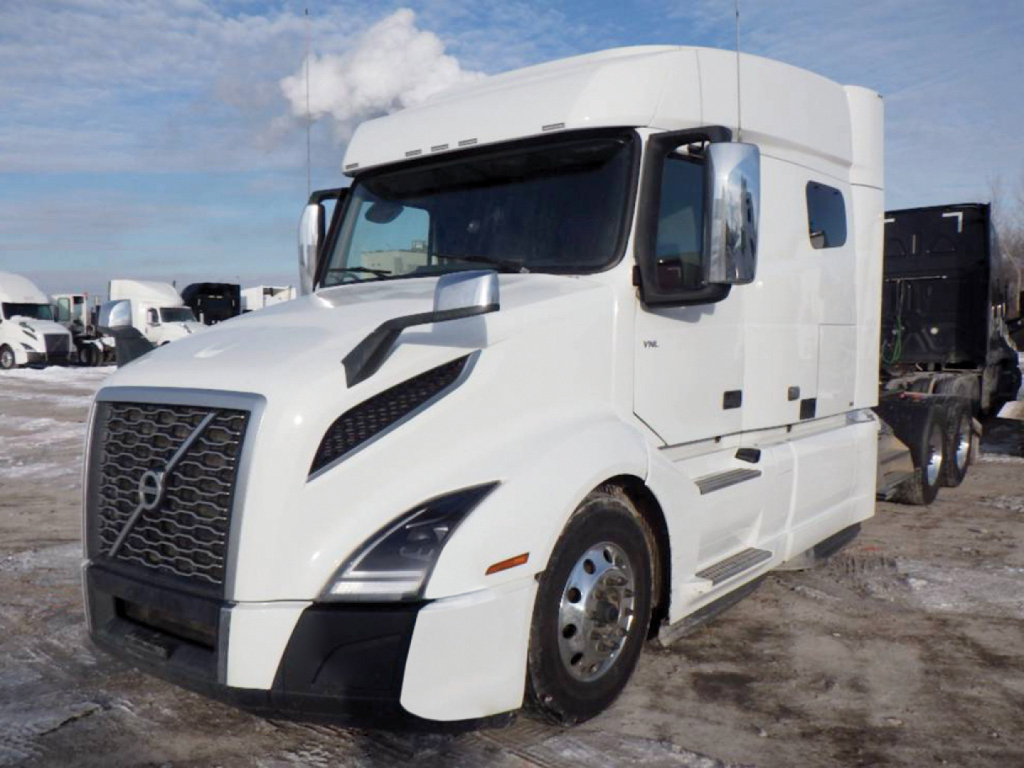
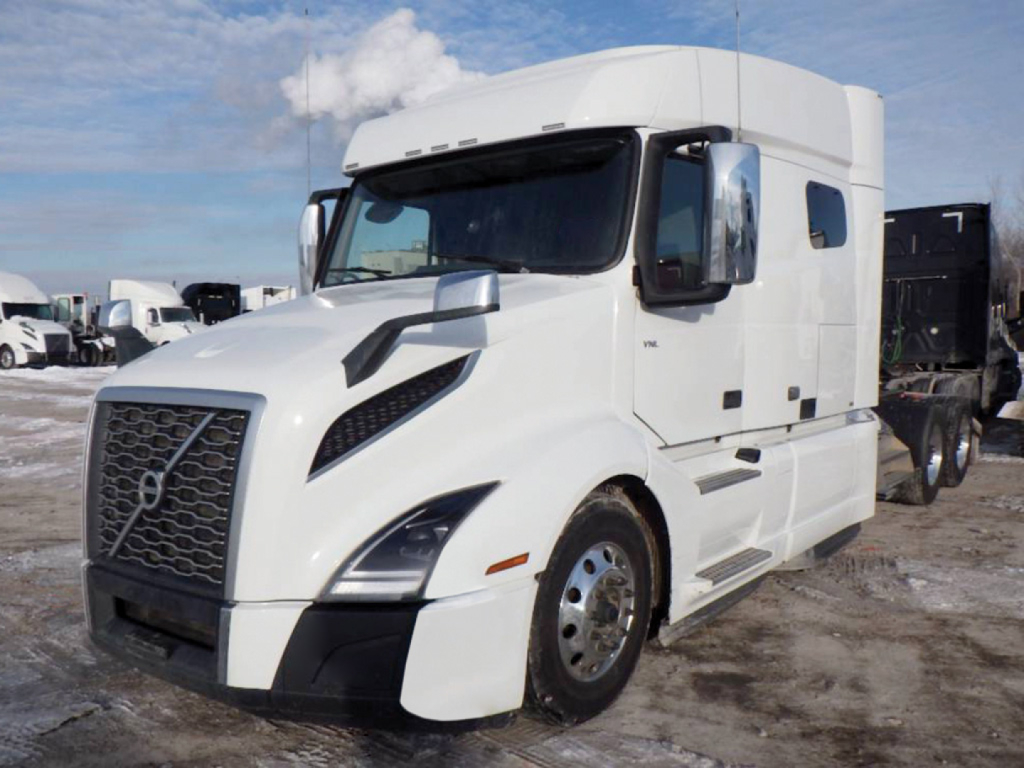
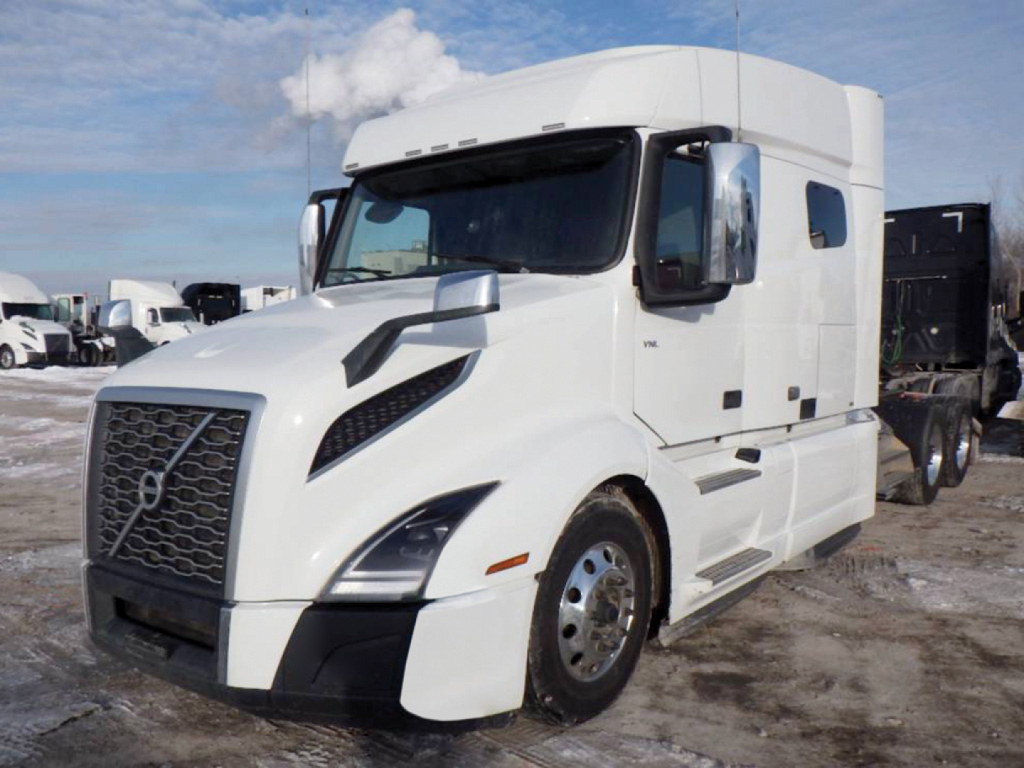
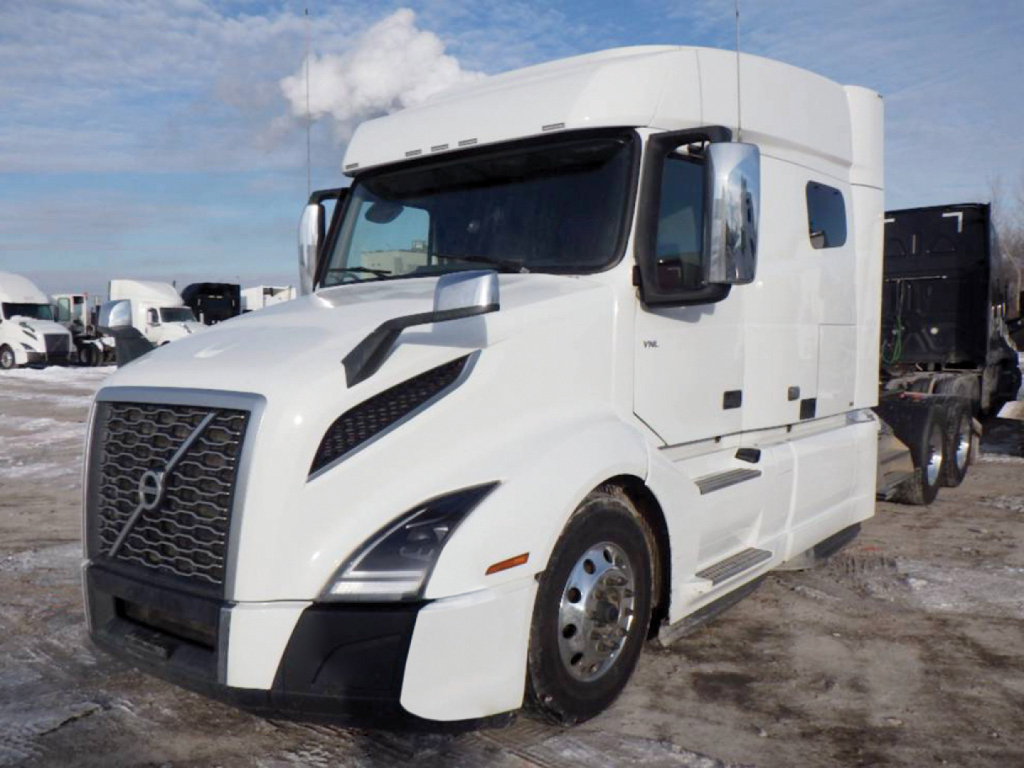
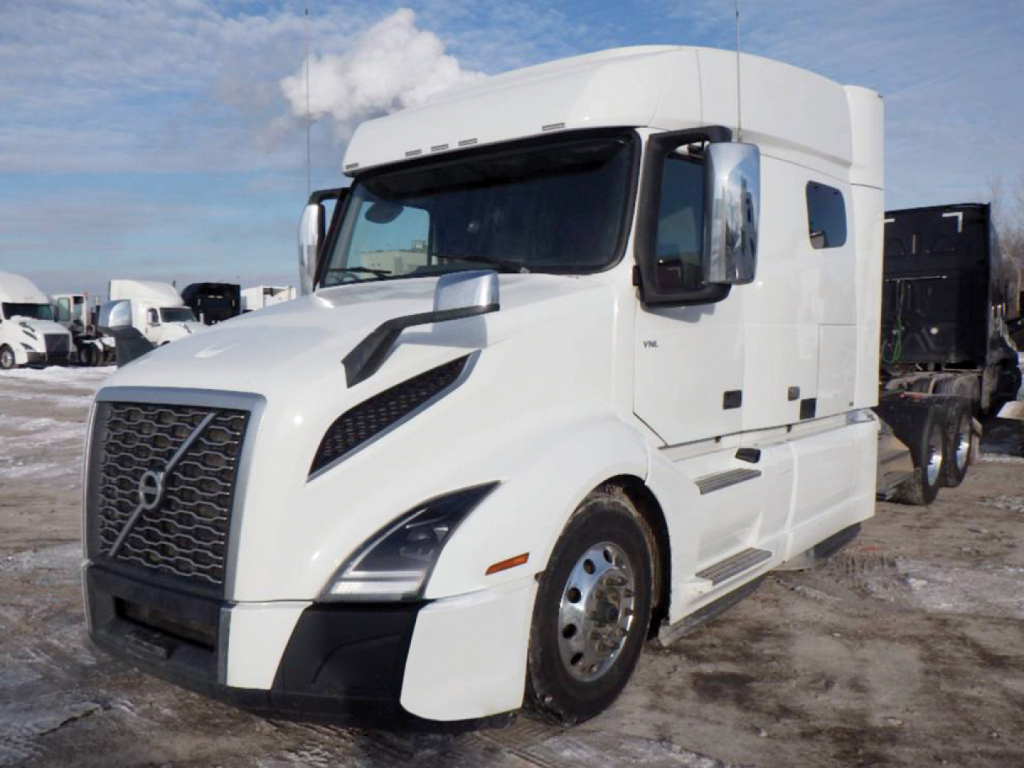
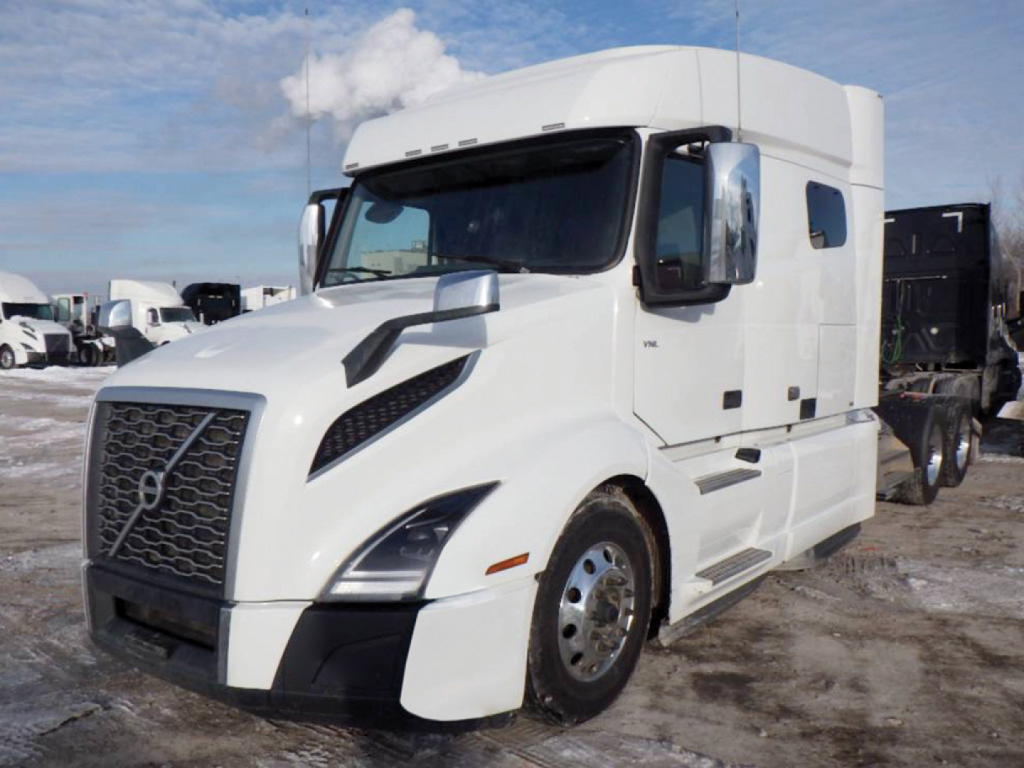
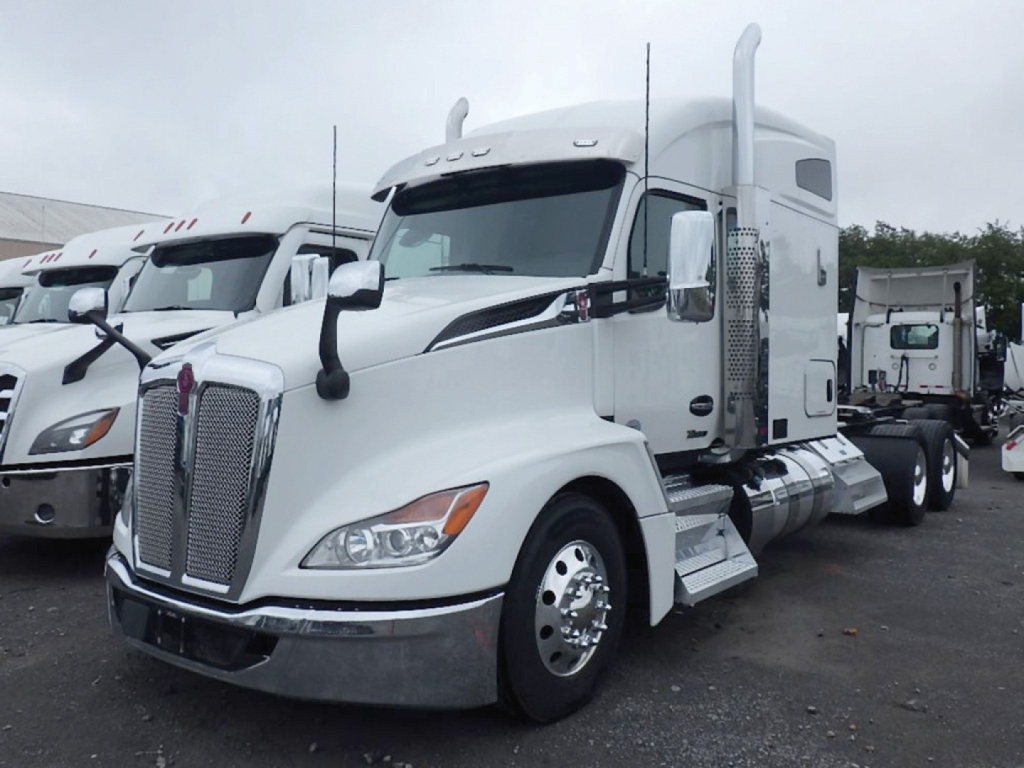
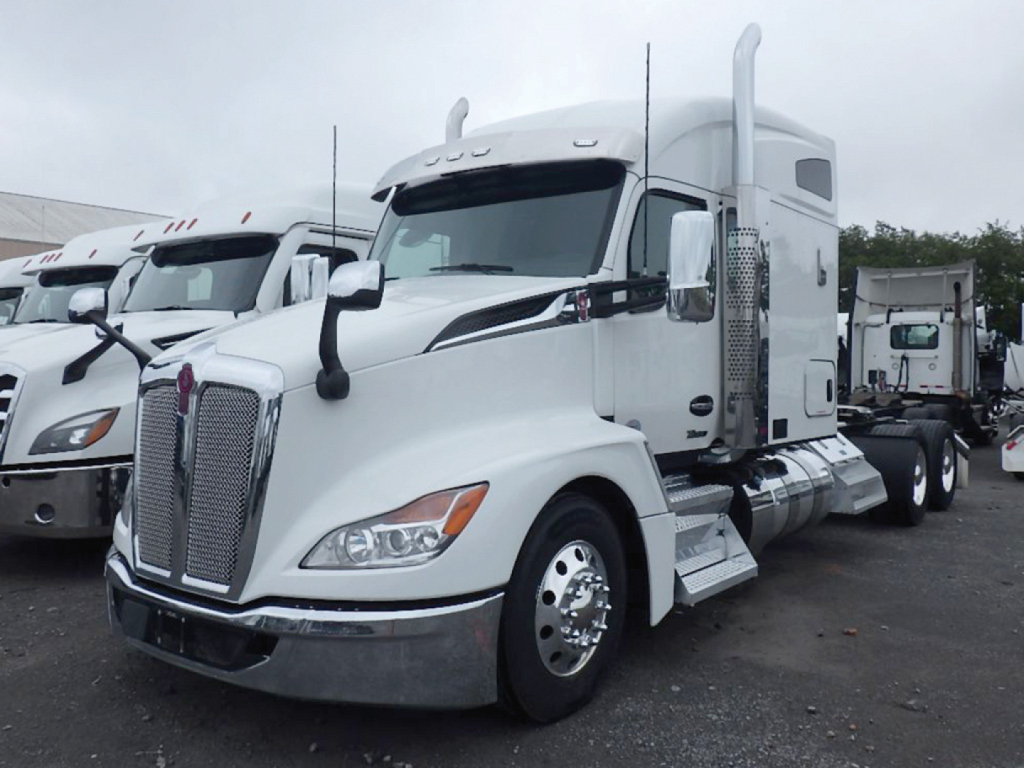
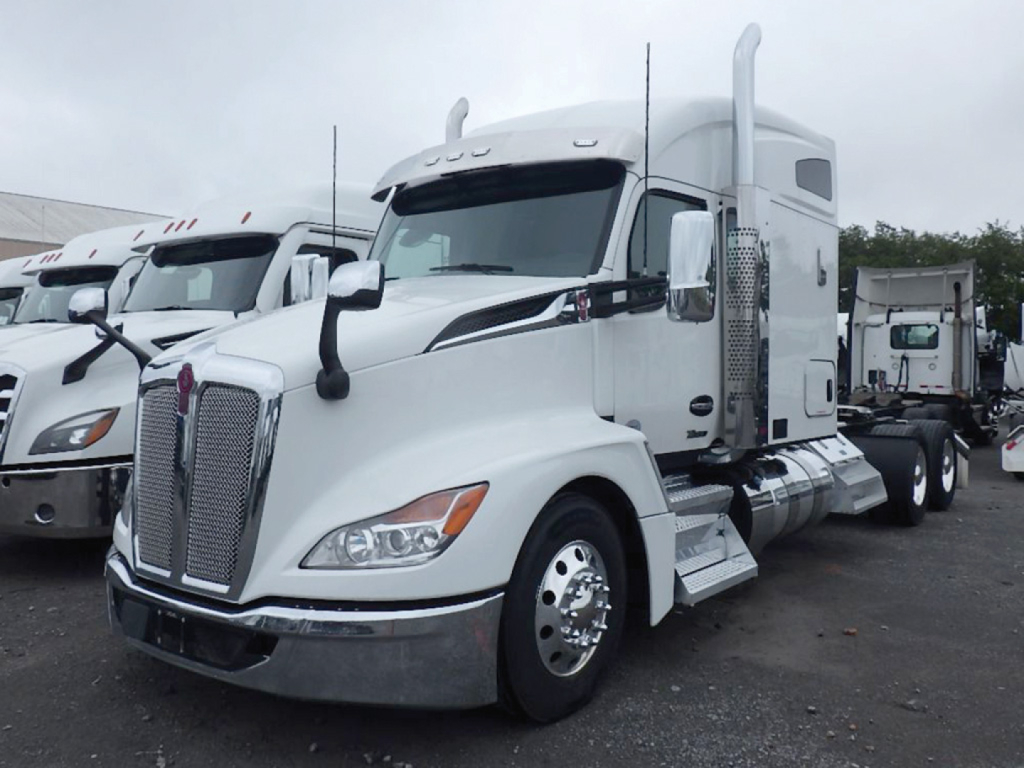
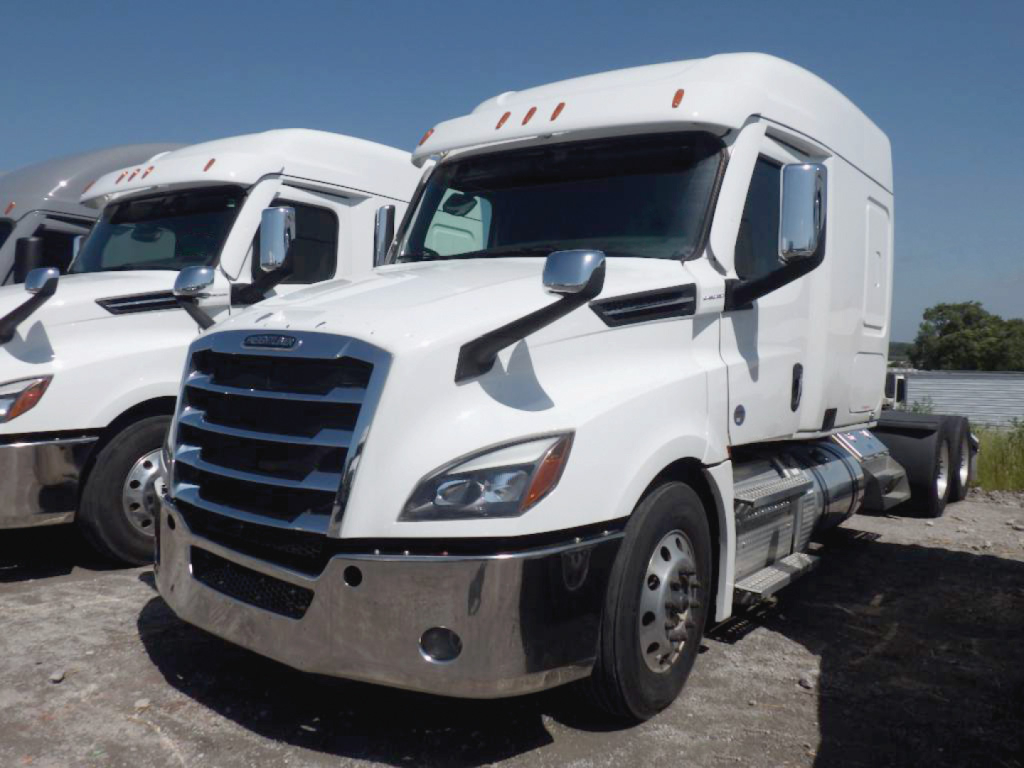
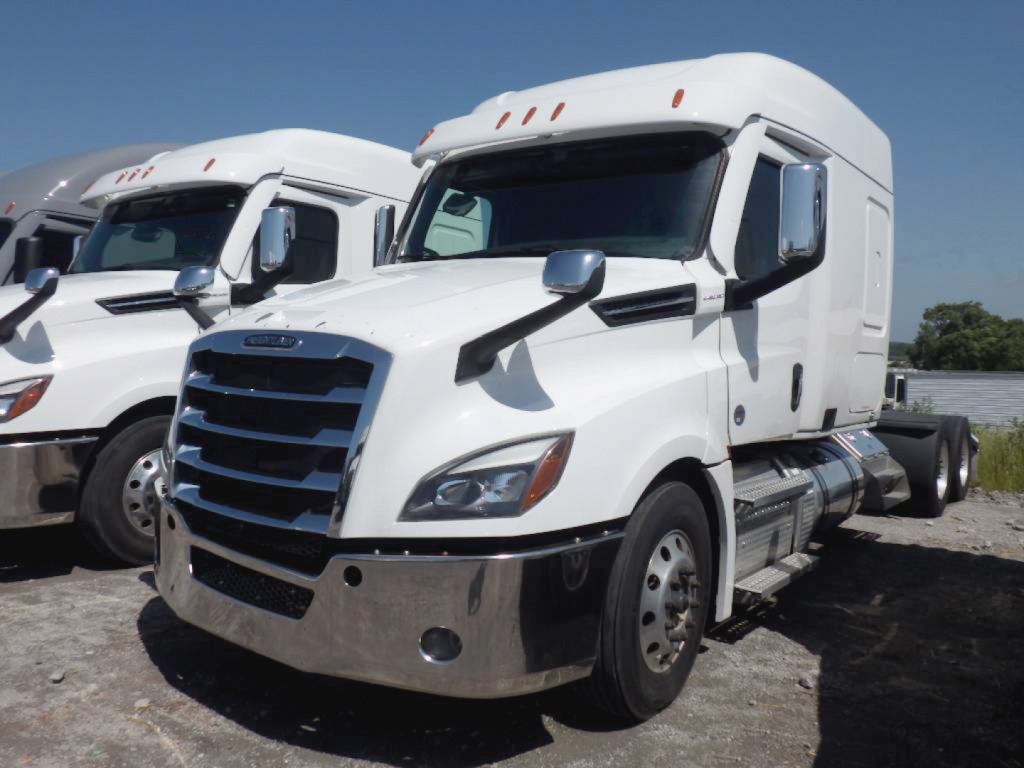
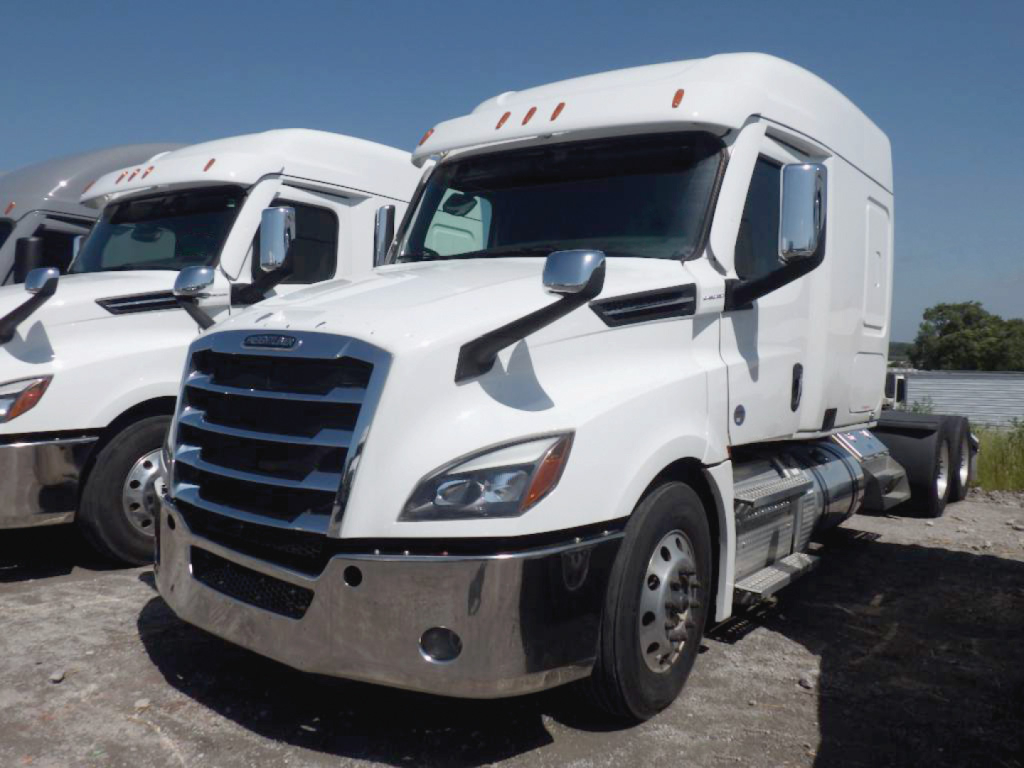
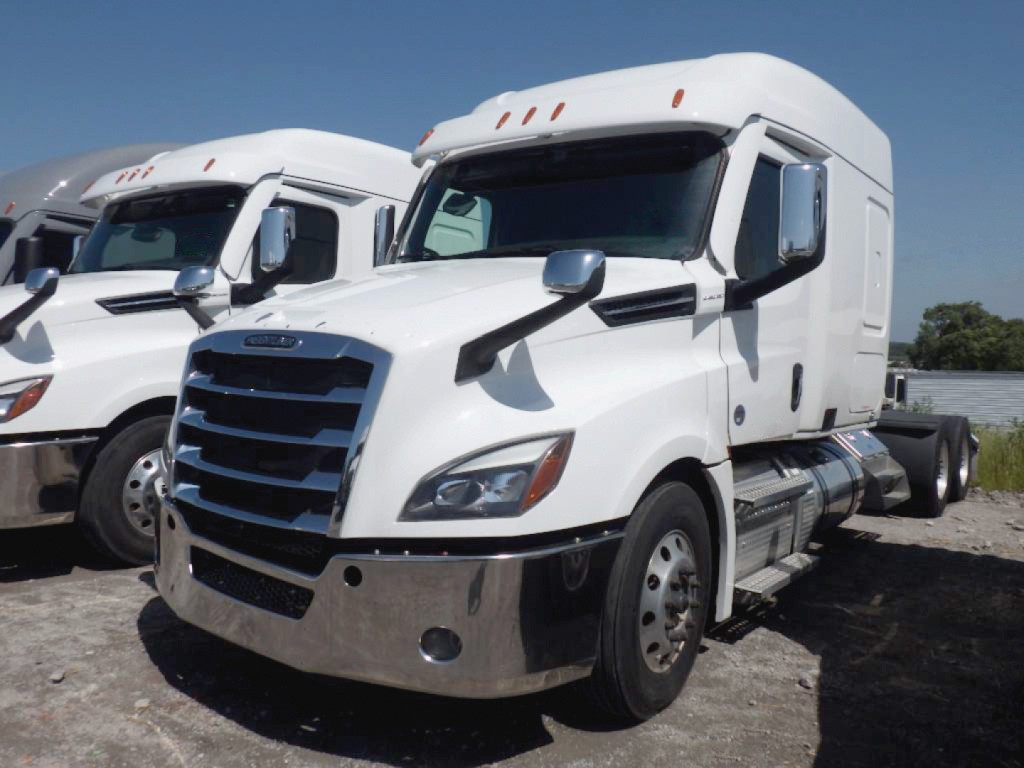
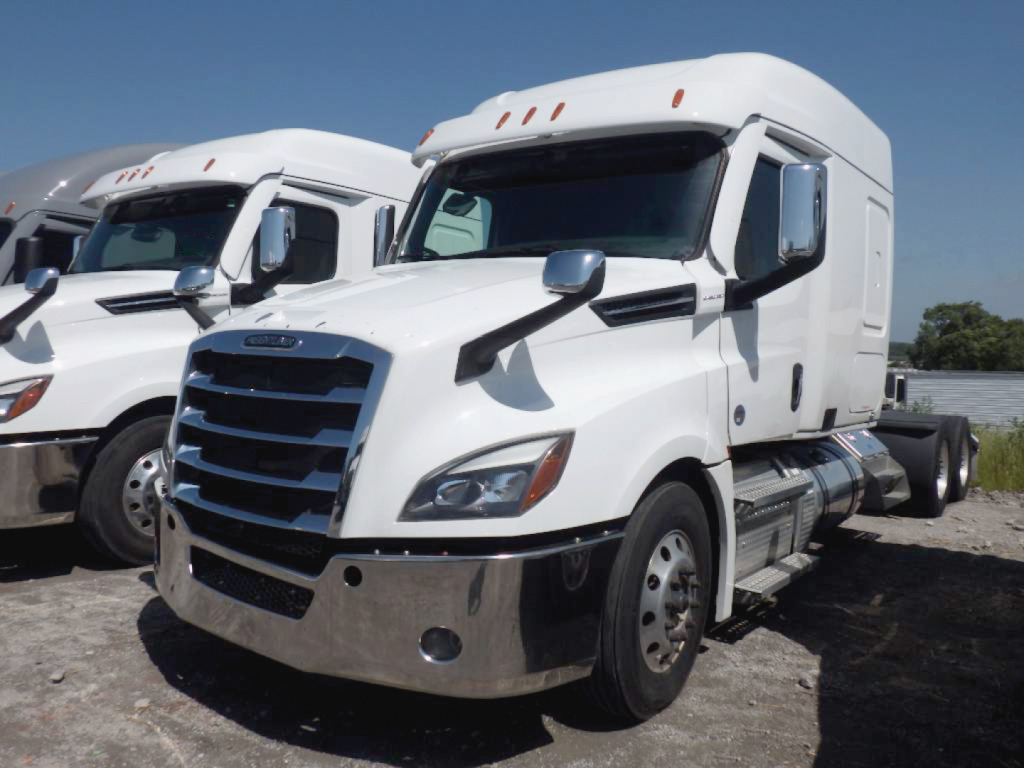
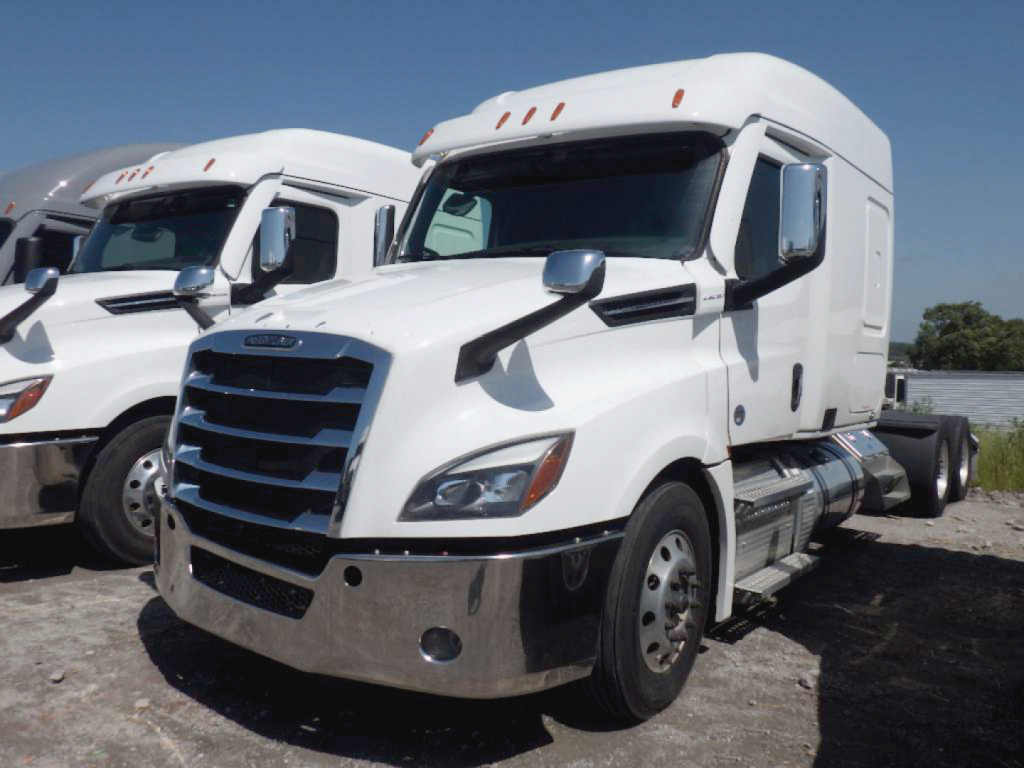
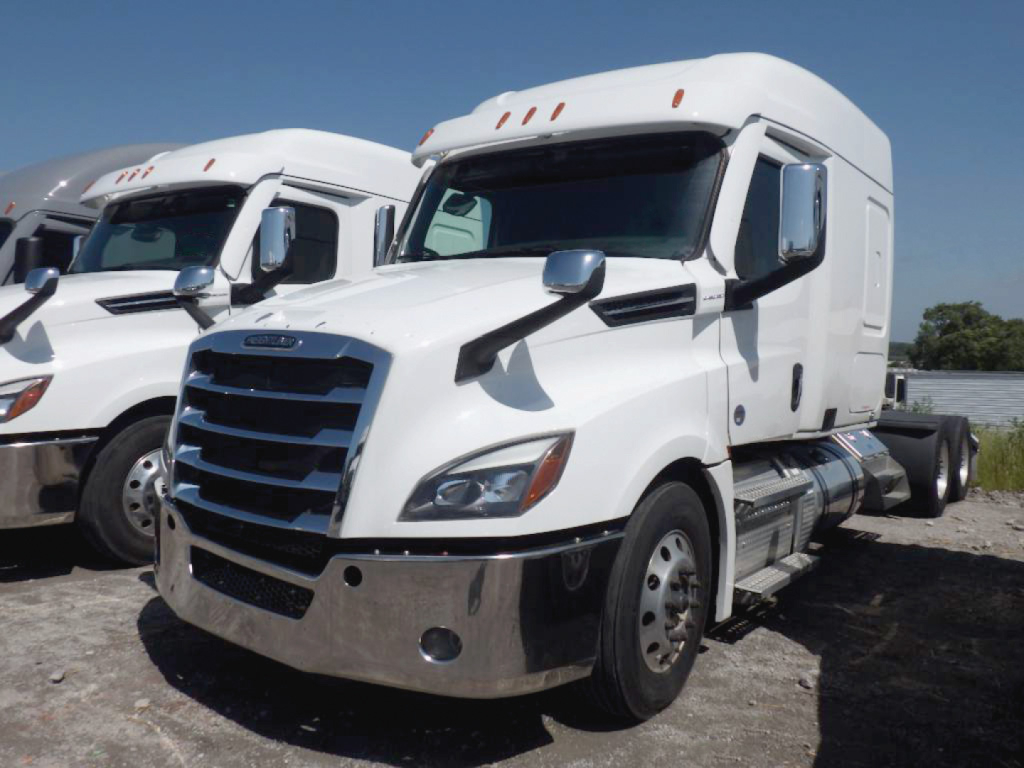
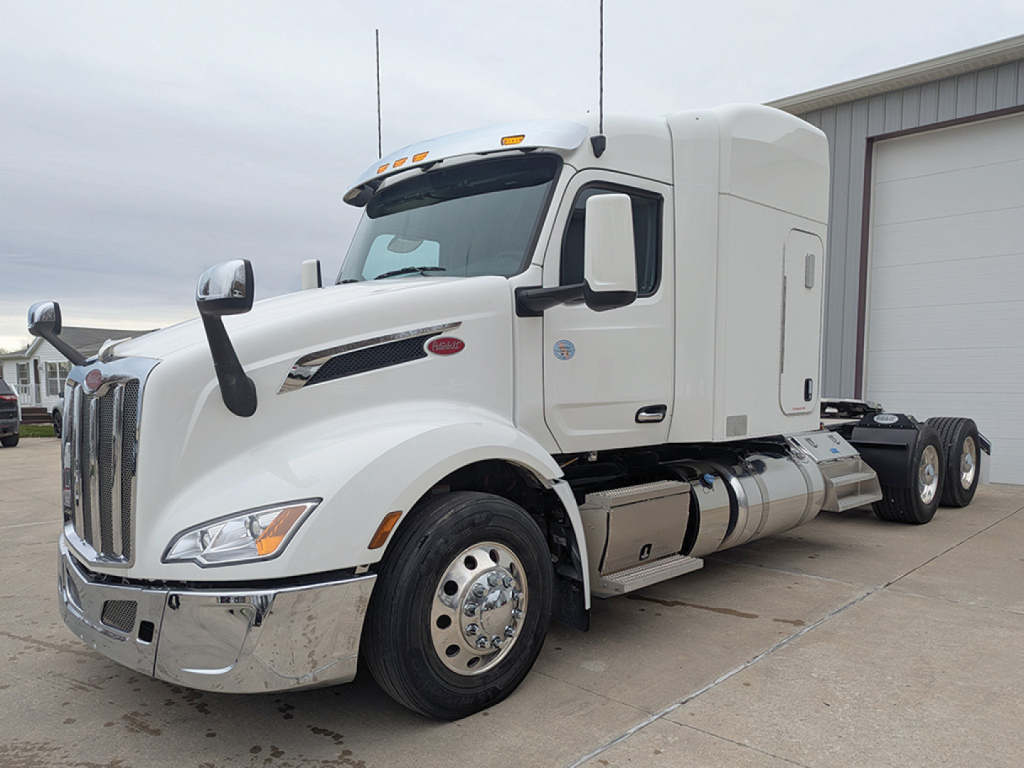
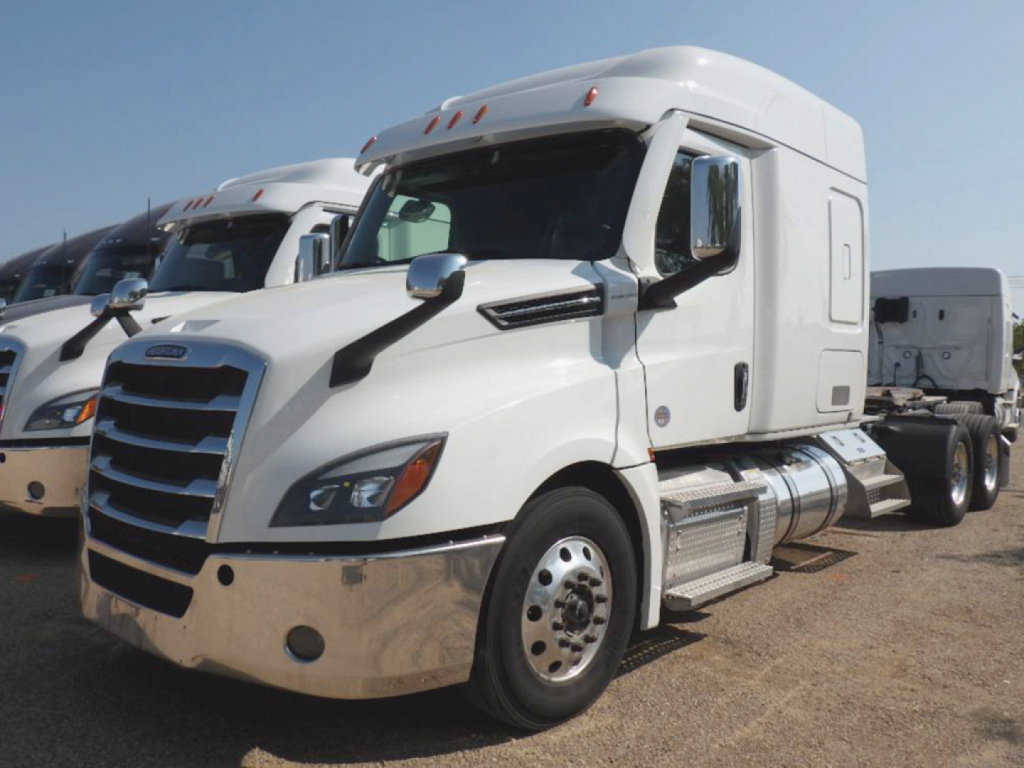

Showing 1 to 28 of 31 results
Have 2024 conventional sleeper truck to sell? List it here to reach thousands of buyers.
2024 Conventional Sleeper Trucks in Illinois
Powertrain choice is usually the first decision point. Most 2024 conventional sleepers on the market are spec'd with engines in the 400 to 500 horsepower range, commonly paired with automated manual transmissions and fuel-efficient rear axle ratios such as 2.47, 2.64, or 3.08 depending on duty cycle. Buyers should match horsepower, torque, and axle ratio to average gross weight, terrain, and cruise speed instead of shopping by horsepower alone. A truck running Midwest linehaul may be well served by a downsped drivetrain focused on fuel economy, while heavier or more variable freight may justify a more aggressive ratio or higher torque engine brake package. Wheelbase, 5th wheel travel, and tandem configuration also matter if the truck will pull different trailer lengths or needs flexibility in kingpin settings.
Sleeper configuration deserves close attention because it affects both resale value and daily usability. Common setups include 70 to 80 inch raised-roof sleepers with upper bunks, workstation-style storage, bunk heaters, and integrated climate controls. For teams or longer dwell times, the interior layout can matter as much as the engine spec. Look at bunk access, cabinet space, inverter or APU provisions, and the condition of seats, trim, and HVAC components. On the chassis side, many buyers prefer air ride suspension, collision mitigation systems, disc brakes, aluminum wheels, dual fuel tanks, and an air slide or adjustable 5th wheel. These features improve driver acceptance, help with safety and trailer compatibility, and can reduce wear in high-mile applications.
A strong 2024 conventional sleeper should be evaluated as a total operating package, not just a model and mileage number. Focus on emissions warranty status, service history, tire spec, brake type, fairing condition, aftertreatment access, and signs of proper preventive maintenance. For Illinois-based operations, cold-weather starting, bunk heat, and corrosion exposure from winter roads are practical inspection points. The best fit is the truck that aligns with your lane profile, loaded weight, maintenance strategy, and driver expectations while still leaving room for profitable miles.
Frequently Asked Questions about 2024 Conventional Sleeper Trucks in Illinois
What is a conventional sleeper truck?
A conventional sleeper truck is a highway tractor with a forward cab, long hood, and an integrated sleeping compartment behind the driver seats. It is designed for regional and long-haul freight where drivers need rest space between runs. Compared with a day cab, a conventional sleeper adds bunk space, more storage, and better support for multi-day trips.
What horsepower is common in a 2024 conventional sleeper?
Most 2024 conventional sleeper trucks are spec'd in the 400 to 500 horsepower range, often with torque ratings suited for linehaul freight and fuel-efficient cruising. The right choice depends on gross combination weight, terrain, and average road speed. Flat Midwest routes may favor a downsped 450 HP setup, while heavier freight or hillier lanes may call for more torque or a different axle ratio.
Are automated manual transmissions standard in 2024 sleeper tractors?
Automated manual transmissions are now the dominant spec in late-model conventional sleepers because they improve shift consistency, reduce driver fatigue, and can support better fuel economy. Many fleets prefer them for easier driver onboarding and lower clutch-related wear. Manual transmissions still appear in some applications, but they are less common in newer long-haul sleeper specs.
What sleeper size is best for long-haul work?
For long-haul applications, raised-roof sleepers in the 70 to 80 inch range are common because they provide enough room for a lower bunk, upper bunk or storage, and better overall livability. The best sleeper size depends on solo versus team use, time away from home, and the amount of onboard storage needed. A larger sleeper usually improves comfort but can add weight and wheelbase.
What should buyers inspect on a used 2024 conventional sleeper truck?
Key inspection points include engine and aftertreatment service records, transmission operation, axle ratio, suspension condition, tire wear, brake type and life remaining, fairings, fuel tanks, and 5th wheel condition. Buyers should also verify driver-assist systems, bunk HVAC, bunk heater operation, and signs of collision or corrosion damage. A newer model year does not replace the need for a full maintenance and fault-code review.