
2024 Peterbilt Conventional Sleeper Trucks For Sale
Shop 2024 Peterbilt conventional sleeper trucks. Compare 579 and 389 specs, sleeper sizes, powertrains, wheelbase, and long-haul features.
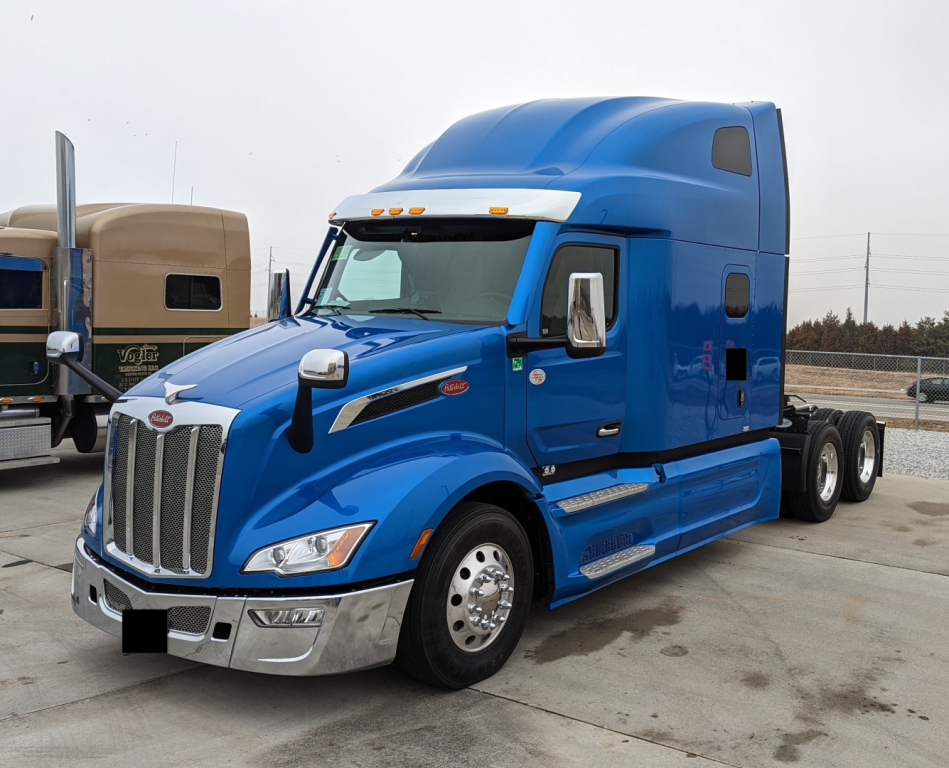
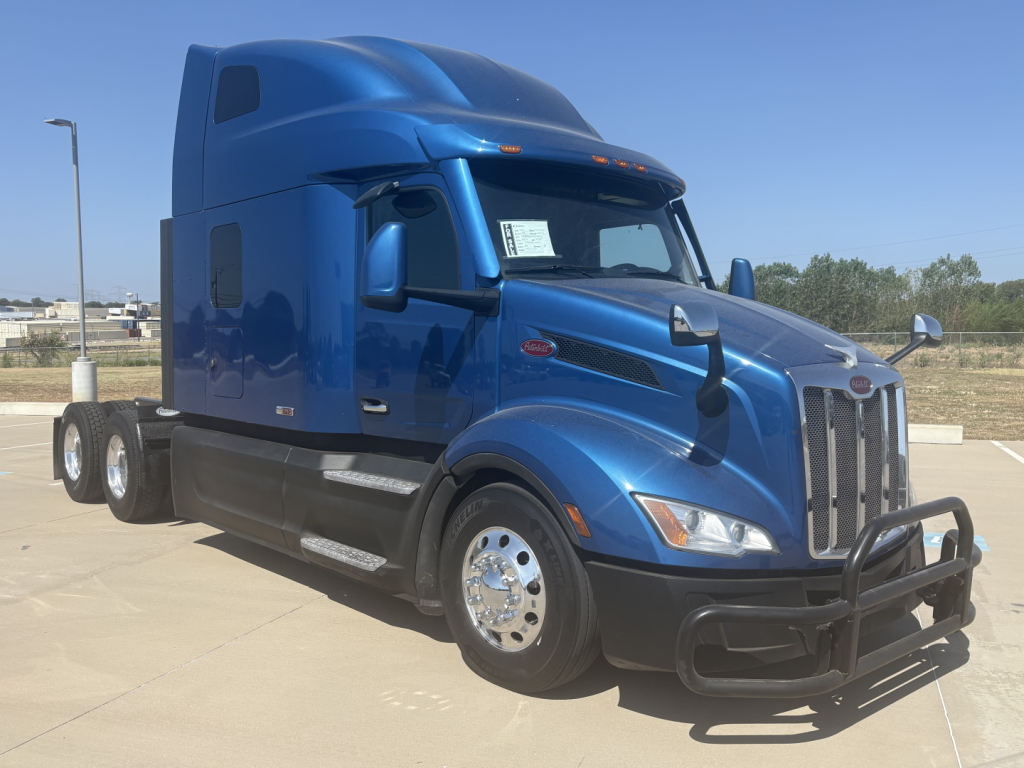
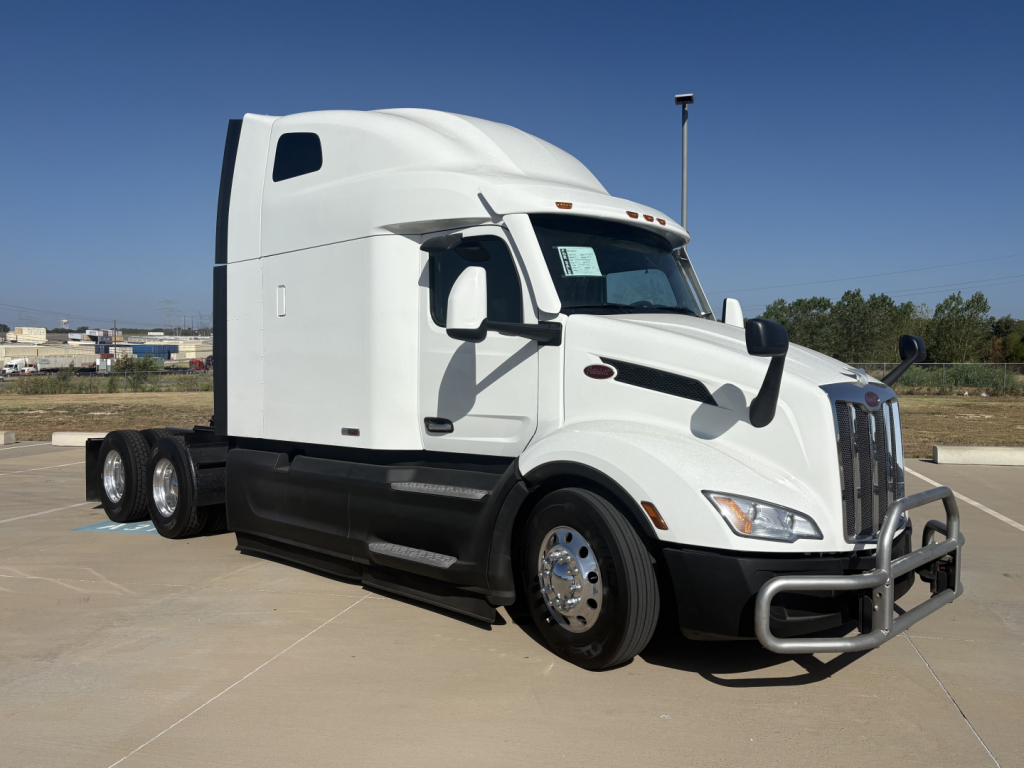
Selling a 2024 peterbilt conventional sleeper truck? List your 2024 peterbilt conventional sleeper truck for sale and reach thousands of commercial buyers.
2024 Peterbilt Conventional Sleeper Trucks
The main spec decisions usually start with engine, transmission, rear axle ratio, and wheelbase. A 2024 Peterbilt sleeper may be equipped with a PACCAR MX-13 or Cummins X15, commonly in the 400 to 510 horsepower range, paired with an automated manual transmission for fuel-efficient highway use. Rear axle ratios such as 2.85 or 3.25 are common on fleet-oriented highway tractors, while 3.42 and similar ratios may show up in heavier or more performance-focused specs. Wheelbase often falls in the low-220-inch to 245-inch range on aerodynamic sleepers, with longer setups on classic long-hood models. Buyers should match the axle ratio and transmission gearing to cruise speed, terrain, and gross combination weight, especially if the truck will spend time in mountains or pull heavier van, reefer, or specialized freight.
Sleeper spec matters as much as drivetrain on a truck that lives on the road. High-roof sleepers with upper bunks, refrigerators, bunk heaters, battery or diesel APUs, and integrated storage are common on 2024 Peterbilt conventional sleepers intended for extended runs. Interior layout, dash ergonomics, and visibility are strong points for Peterbilt buyers, but the real value is in day-to-day livability and reduced idle time. On the chassis side, air ride suspension, disc brakes, sliding fifth wheels, dual aluminum fuel tanks, and aerodynamic packages with roof fairings, cab extenders, and side fairings are frequent options. Tire spec also affects operating cost, with some trucks set up on standard duals and others on super singles depending on fleet preference.
A serious buyer should evaluate a 2024 Peterbilt sleeper truck by operating profile, not just badge or horsepower. For dry van and reefer lanes, an aero 579 with an automated transmission, efficient axle ratio, and full fairing package is usually the practical choice. For buyers who value appearance, longer wheelbase, and traditional styling, a 389 sleeper may still fit the job, but it is generally a different cost and fuel-economy conversation. Pay close attention to sleeper height, fuel capacity, front axle rating, rear suspension type, fifth wheel travel, and installed driver amenities. Those details determine how well the truck fits the freight, the driver, and the cost per mile over the life of the unit.
Frequently Asked Questions about 2024 Peterbilt Conventional Sleeper Trucks
What is the most common 2024 Peterbilt conventional sleeper model for long-haul freight?
The Peterbilt 579 is typically the most common 2024 conventional sleeper model for long-haul and fleet highway applications. It is an aerodynamic tractor designed to reduce fuel burn while still offering a full sleeper, modern safety systems, and a driver-focused interior. Buyers comparing 2024 Peterbilt sleepers will usually see the 579 as the standard linehaul choice, while the 389 serves a more traditional long-hood niche.
What engine and transmission options are common in a 2024 Peterbilt sleeper truck?
Most 2024 Peterbilt conventional sleeper trucks are spec'd with either a PACCAR MX-13 or a Cummins X15. Horsepower ratings commonly fall in the mid-400s to low-500s depending on the intended duty cycle. Automated manual transmissions are very common in this year range because they support fuel economy, driver recruitment, and easier operation in mixed terrain. Some trucks may still be ordered with manual transmissions, but they are less common in mainstream fleet sleeper specs.
What sleeper size should I look for in a 2024 Peterbilt conventional sleeper?
That depends on how the truck will be used and how long the driver stays out. A 72-inch mid-roof sleeper can work well for regional or shorter over-the-road runs where overall height and weight matter. A 78-inch or 80-inch high-roof sleeper usually makes more sense for long-haul work because it provides better stand-up room, storage, and space for features like an upper bunk, refrigerator, and bunk heater. The right sleeper size is a balance of comfort, weight, and packaging.
What axle ratio is best on a 2024 Peterbilt 579 sleeper?
For many highway applications, ratios such as 2.85 or 3.08 are chosen to keep engine rpm low at cruise speed and improve fuel economy. If the truck runs heavier loads, more mountainous routes, or vocationally demanding lanes, a numerically higher ratio such as 3.25 or 3.42 may be a better fit. The best ratio depends on the engine rating, transmission gearing, tire size, average gross weight, and the roads the truck will actually run.
Which specs matter most when comparing 2024 Peterbilt sleeper trucks?
The most important comparison points are engine model, horsepower, transmission type, rear axle ratio, wheelbase, sleeper size, suspension, brake type, and fuel capacity. Buyers should also check for practical over-the-road options such as an APU, refrigerator, bunk heater, navigation, fairings, and a sliding fifth wheel. These specs affect fuel economy, resale value, driver retention, and how well the truck matches van, reefer, or specialized trailer work.