
2024 Conventional Sleeper Trucks For Sale in Georgia
Shop 2024 conventional sleeper trucks in Georgia. Compare raised-roof sleepers, horsepower, wheelbase, safety tech, and spec choices.
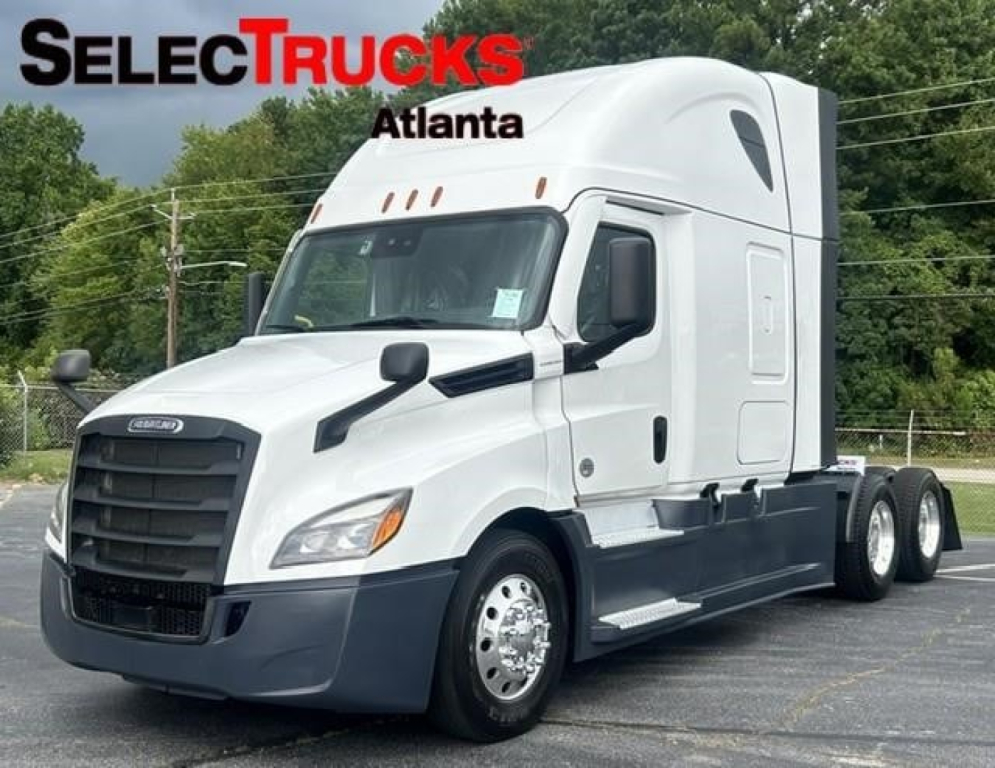
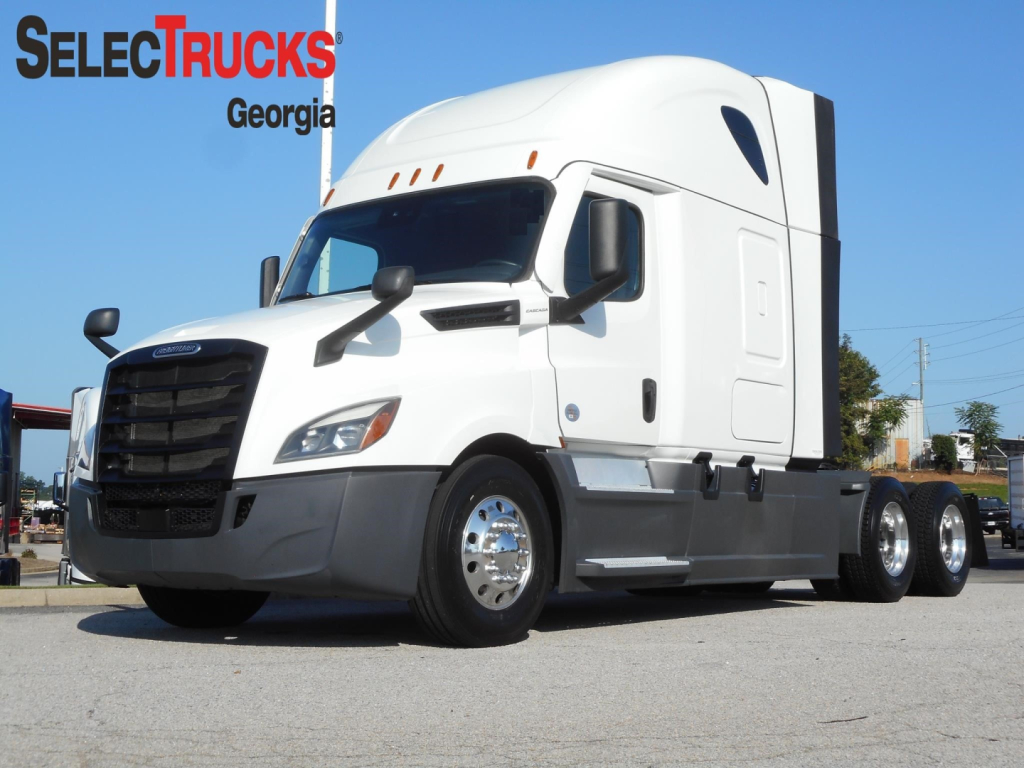
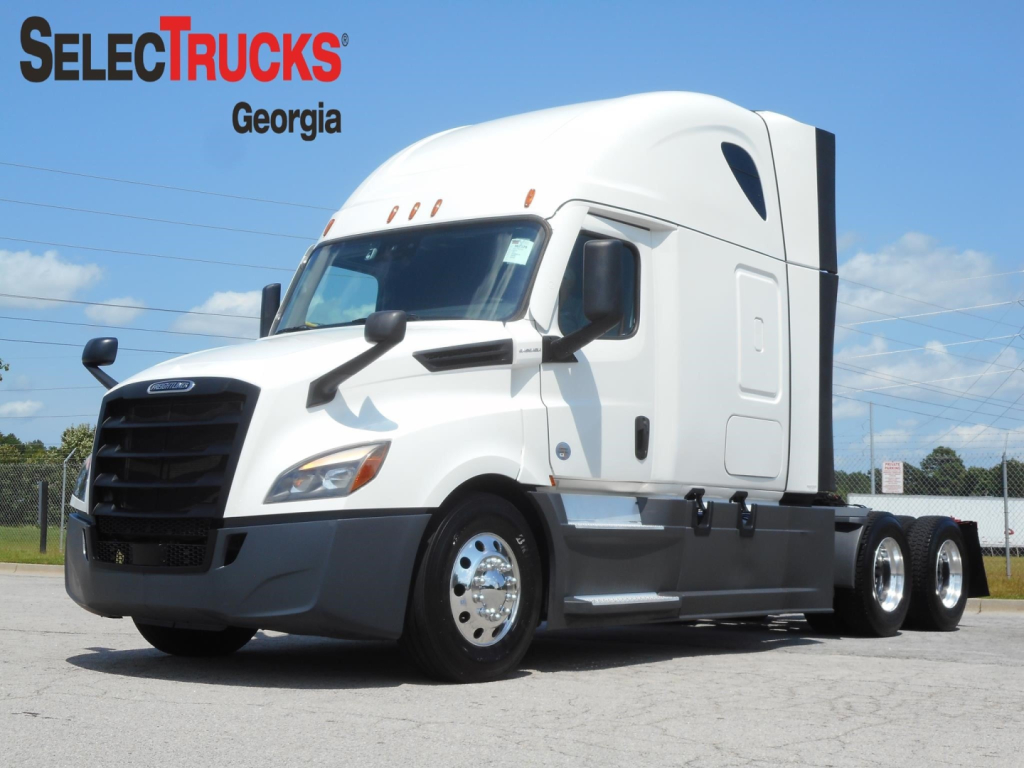
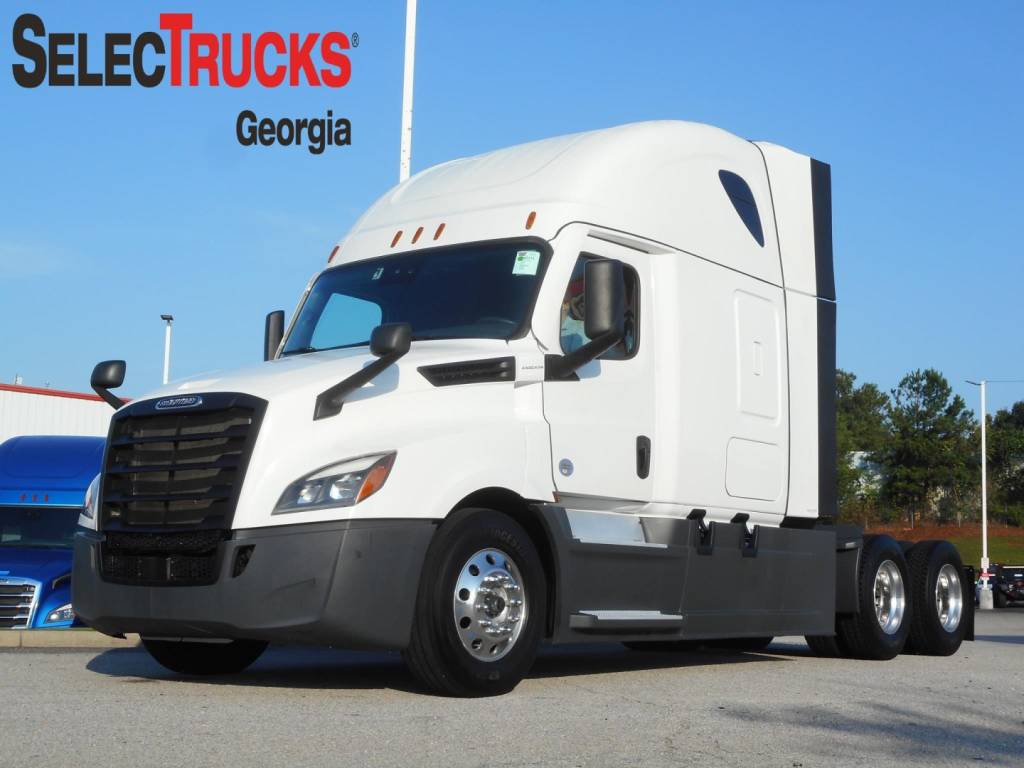
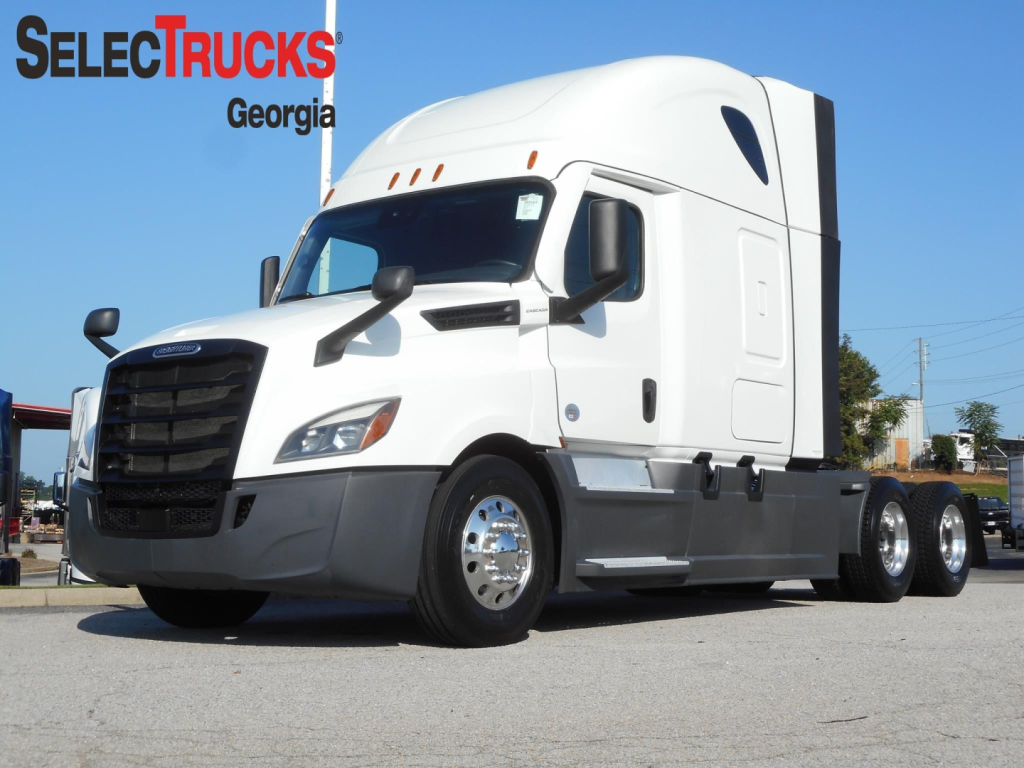
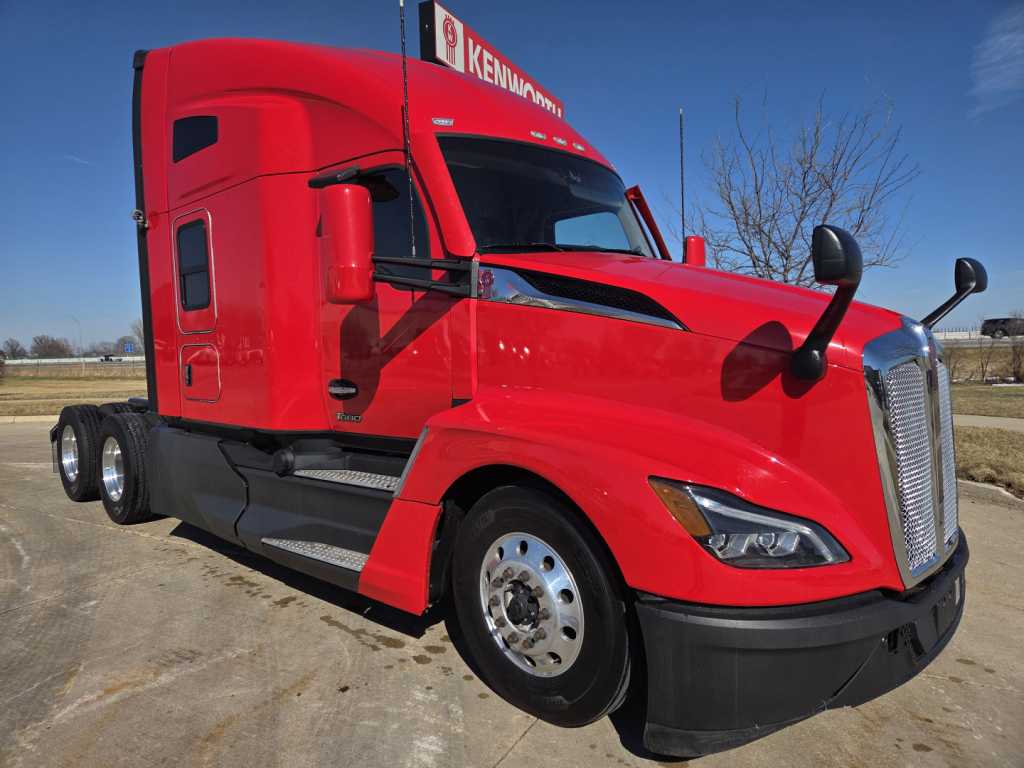
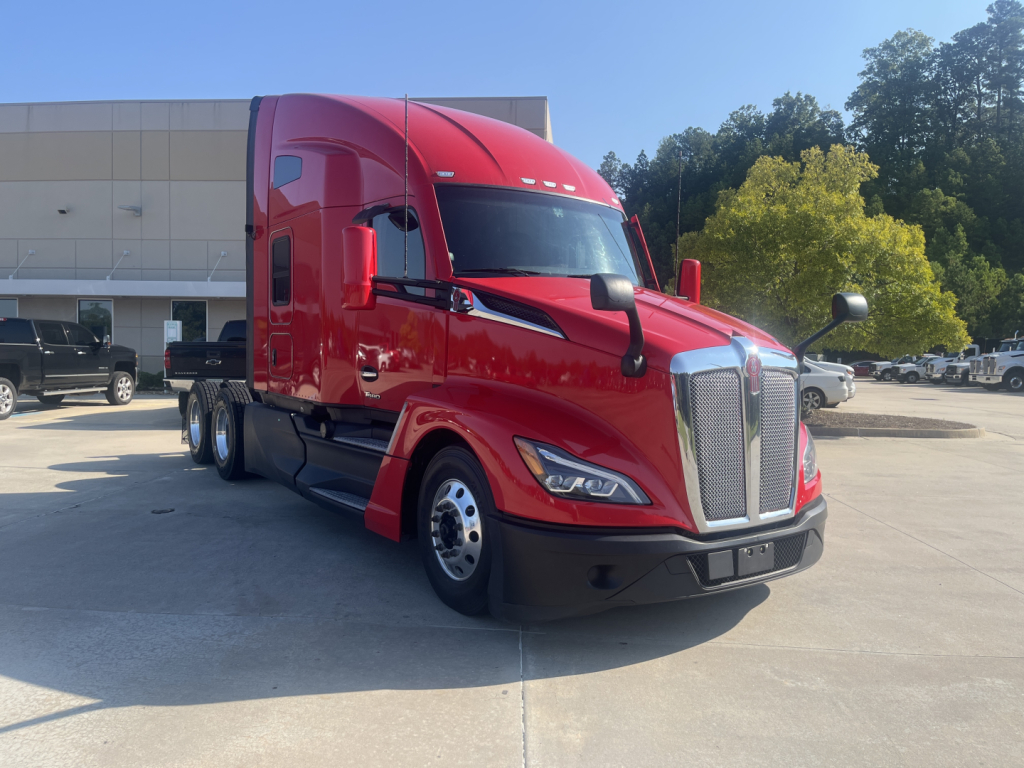

Selling a 2024 conventional sleeper truck? List your 2024 conventional sleeper truck for sale and reach thousands of commercial buyers.
2024 Conventional Sleeper Trucks in Georgia
The core spec decisions usually start with the engine and transmission. Many 2024 conventional sleeper trucks are built with 13-liter to 15-liter diesel engines in roughly the 400 to 505 horsepower range, paired with automated manual transmissions that balance fuel economy with driver acceptance. Common long-haul setups include a 6x4 tandem drive, a sliding fifth wheel, and rear axle ratios chosen to keep cruise rpm low at highway speed. Wheelbase matters more than many first-time buyers expect. A shorter wheelbase can improve maneuverability in tighter yards and crowded terminals, while a longer wheelbase can help with ride quality, side fairing packaging, and larger sleeper configurations. If the truck will spend time under heavier loads or in mixed terrain, pay attention to torque rating, locking differentials, suspension capacity, and brake spec, including the growing presence of air disc brakes.
Sleeper design is the other major divider in this category. Raised-roof sleepers in the 60-inch to 72-inch range are common because they provide enough room for stand-up access, storage, and double-bunk layouts without pushing the truck into a highly specialized application. Buyers should look closely at bunk count, cabinet configuration, factory refrigerator prep, inverter and shore power, diesel-fired bunk heaters, and idle-management features. For team operations or extended trips, these details directly affect uptime and driver retention. Aerodynamic packages, fairings, hood design, and integrated powertrain software also matter on 2024 models, especially for fleets watching fuel burn across high-mileage routes.
Safety and driver-assist technology now play a larger role in conventional sleeper truck buying than they did a few years ago. It is common to see collision mitigation, adaptive cruise control, lane departure warning, side object detection, and camera integrations on newer highway tractors. These systems do not replace a qualified driver, but they can reduce fatigue over long runs and support fleet safety goals. When comparing 2024 conventional sleeper trucks for sale in Georgia, it is smart to match the spec to the freight first. Dry van and refrigerated carriers often prioritize aero efficiency and sleeper comfort, while heavier specialized freight may call for more robust vocational-leaning components. The best truck in this category is usually the one with a sleeper, wheelbase, drivetrain, and safety package aligned to the lanes it will actually run.
Frequently Asked Questions about 2024 Conventional Sleeper Trucks in Georgia
What is a conventional sleeper truck used for?
A conventional sleeper truck is primarily used for long-haul and regional freight that requires overnight or multi-day operation. It combines a standard hooded tractor layout with an integrated sleeper compartment behind the cab, giving the driver space to rest, store gear, and stay productive between runs. This configuration is common in dry van, refrigerated, and general freight operations because it balances highway comfort, service access, and fuel-efficient aerodynamics.
What sleeper size is best in a 2024 conventional sleeper truck?
The best sleeper size depends on route length, driver schedule, and whether the truck will run solo or team. A mid-roof or raised-roof sleeper around 60 to 72 inches is a common choice because it offers a practical balance of interior room, storage, and weight control. Larger sleepers can improve comfort and onboard amenities, but they also affect wheelbase, tare weight, and maneuverability. For fleets with frequent overnight runs, a raised-roof double-bunk sleeper is often the most versatile spec.
What engine and transmission specs are common in this category?
Most 2024 conventional sleeper trucks are equipped with diesel engines in the 13-liter to 15-liter class, typically rated from about 400 to 505 horsepower with torque matched to the intended gross combination weight and terrain. Automated manual transmissions are widely used because they support fuel economy, easier driver onboarding, and consistent shift performance. Buyers should also review rear axle ratio, cruise rpm, and suspension rating because those specs have a direct impact on gradeability, fuel usage, and highway drivability.
Are 2024 conventional sleeper trucks good for Georgia freight lanes?
Yes. Conventional sleeper trucks are a strong fit for Georgia because the state supports a mix of port freight, regional distribution, and over-the-road traffic. Trucks running out of Savannah may need a spec that handles both terminal access and sustained highway miles, while Atlanta-based operations often prioritize maneuverability, fuel economy, and driver comfort for dense regional networks. A well-matched sleeper tractor can handle Southeast corridors efficiently while still giving the driver the amenities needed for overnight dispatch.
What features should buyers compare on newer sleeper tractors?
The most important features to compare are sleeper layout, wheelbase, engine rating, transmission type, axle ratio, brake package, and safety technology. Newer trucks may include air disc brakes, collision mitigation, adaptive cruise, lane departure warning, side object detection, idle-management systems, inverters, bunk heaters, and factory storage options. These details affect operating cost, driver satisfaction, maintenance planning, and the truck’s suitability for the freight it will haul.