
2020 Conventional Sleeper Trucks For Sale in Texas
Shop 2020 conventional sleeper trucks in Texas. Compare aero cabs, sleeper sizes, powertrains, axle specs, and long-haul driver comfort features.
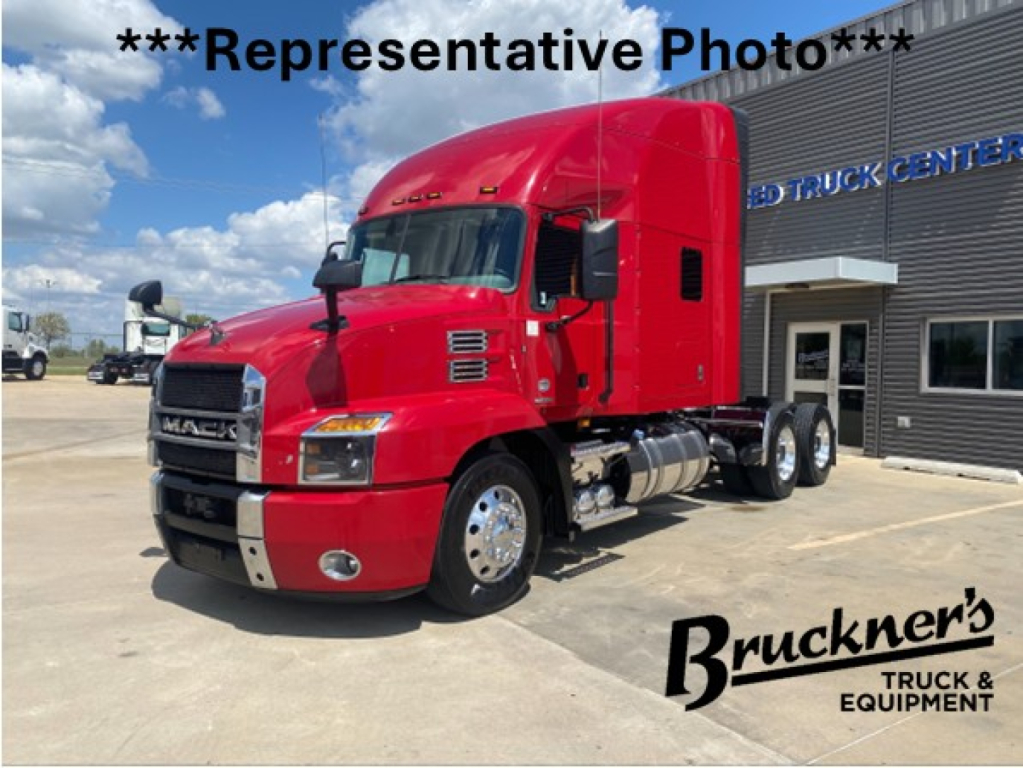
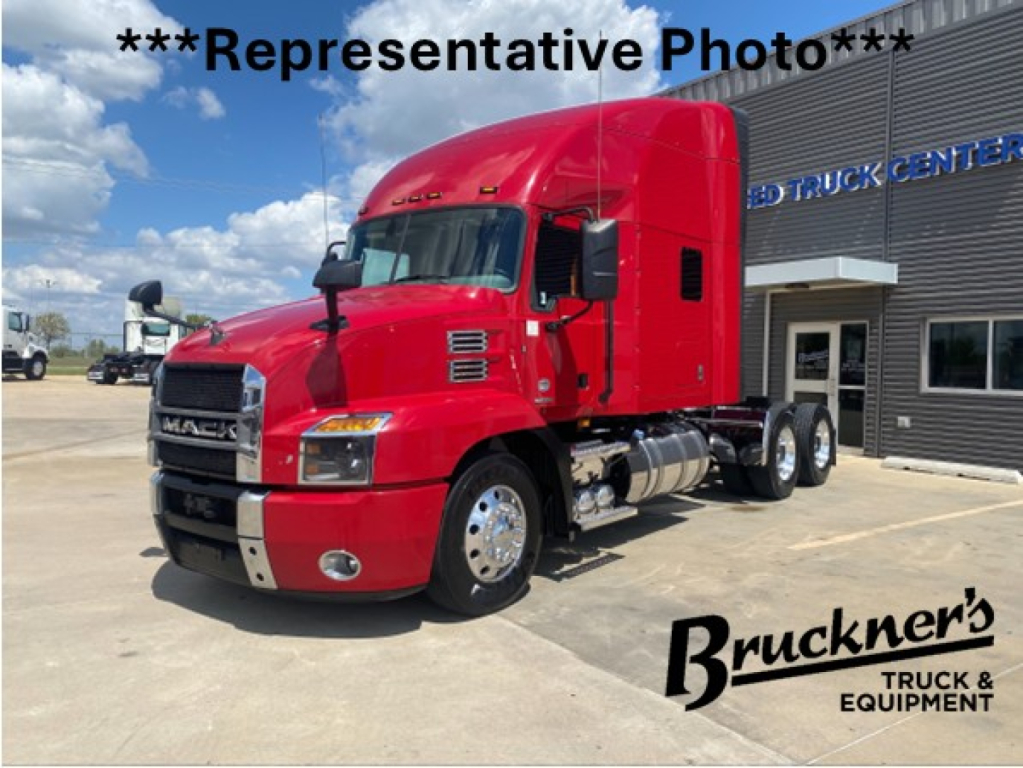
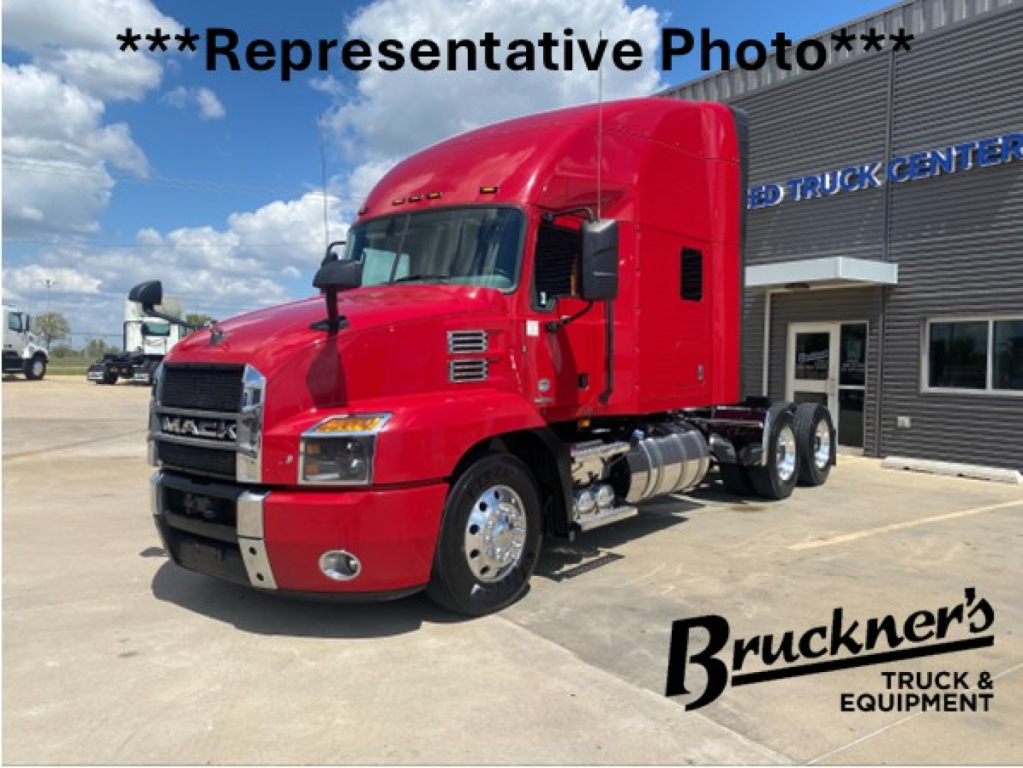
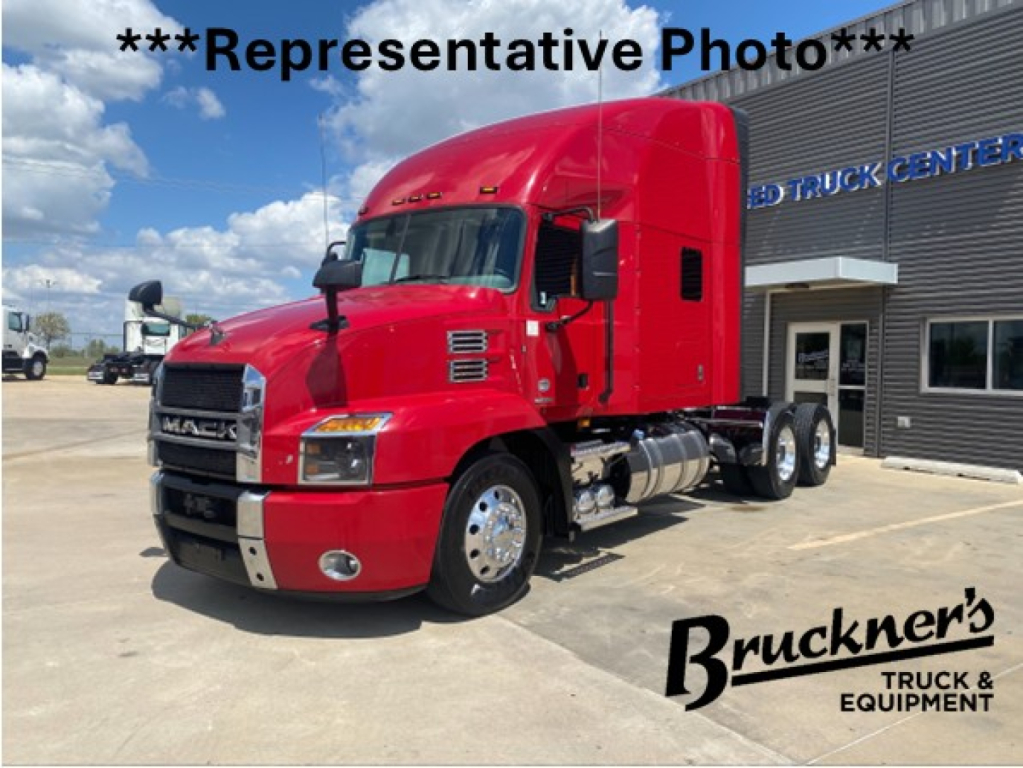
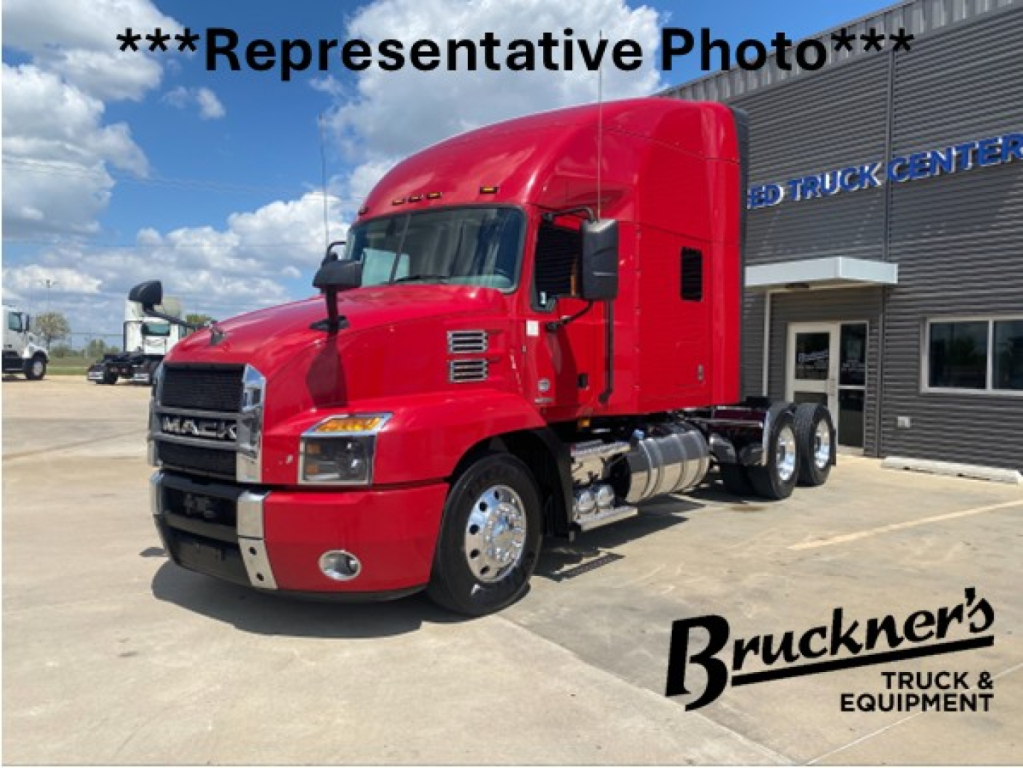
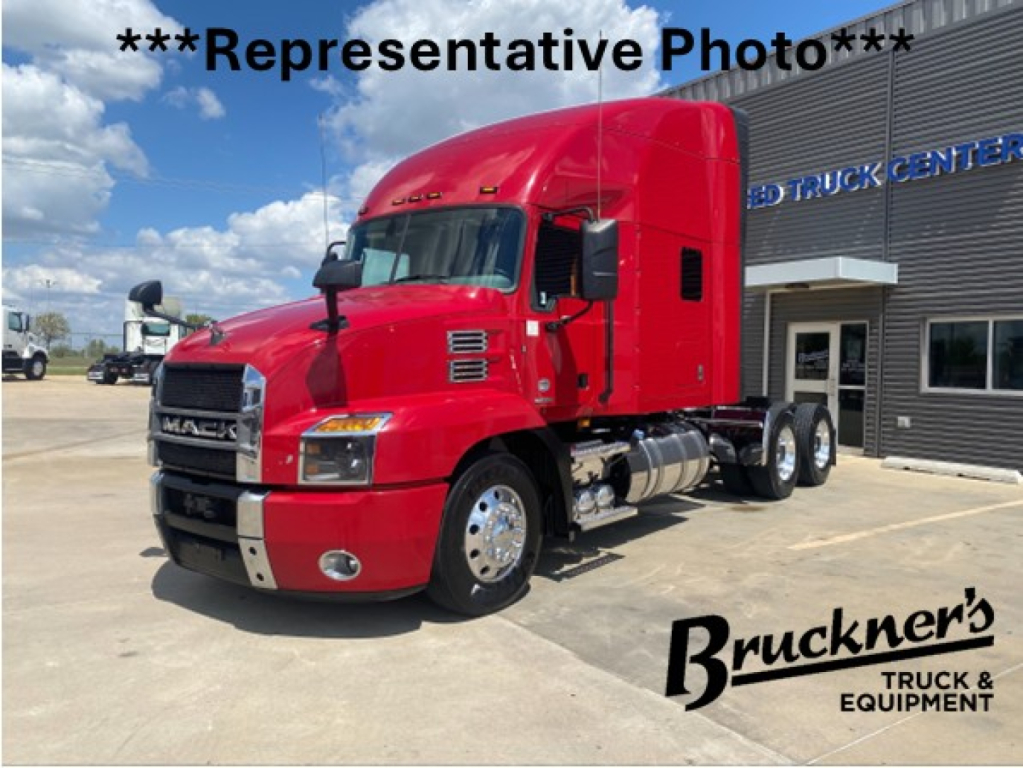
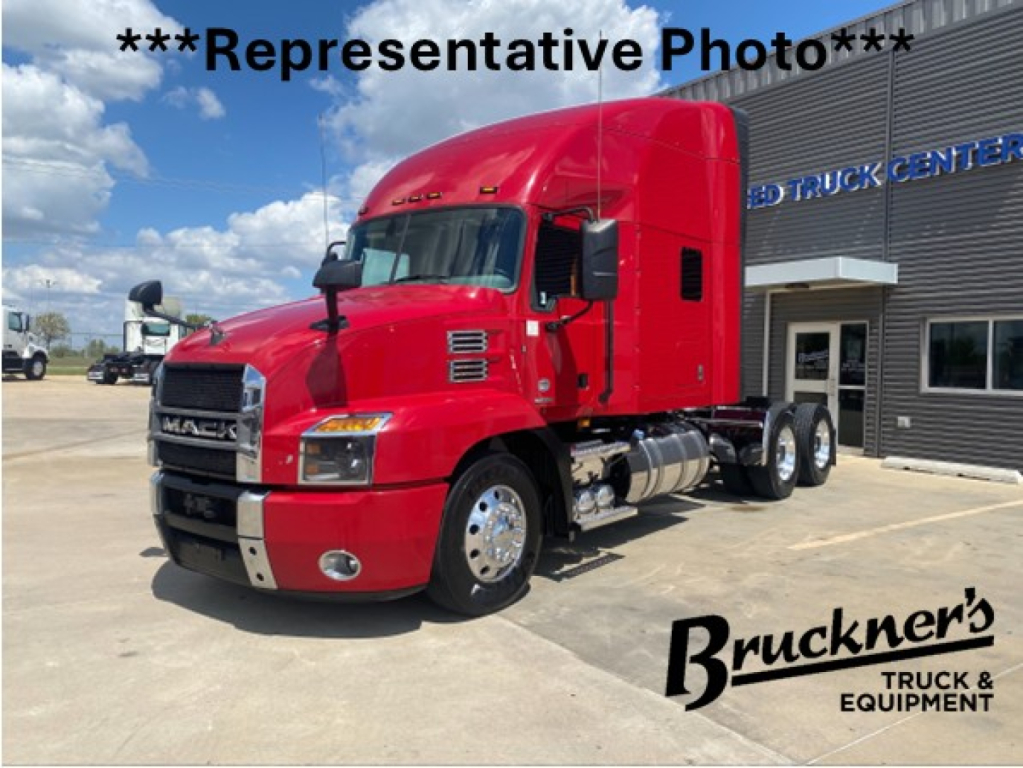
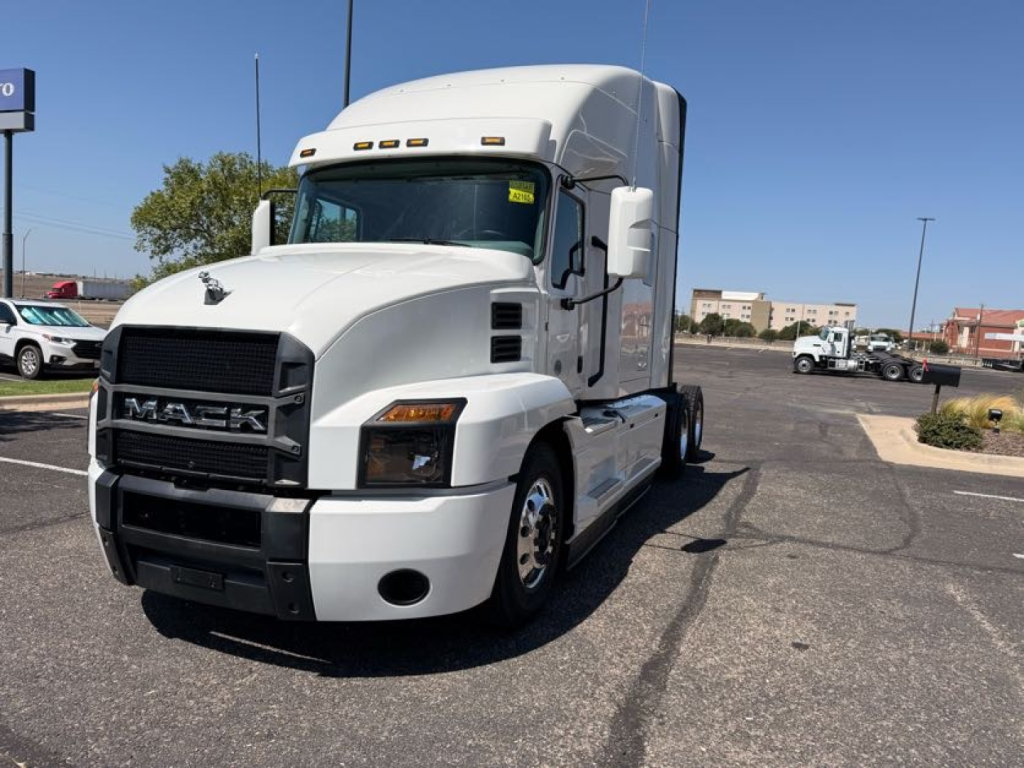
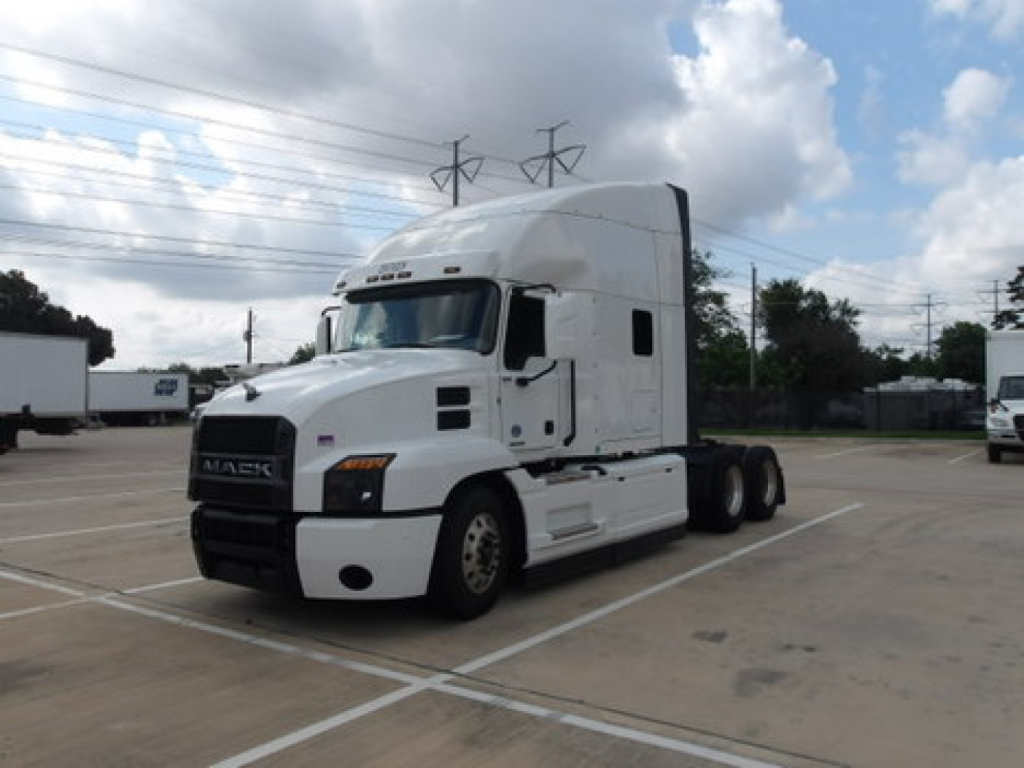
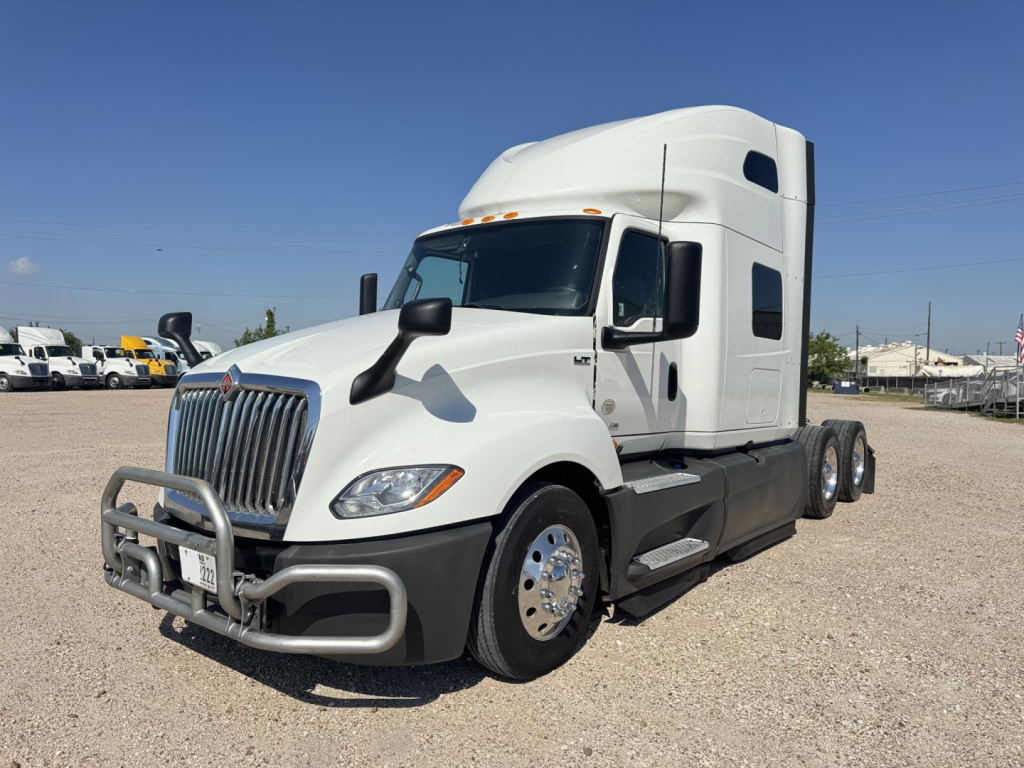
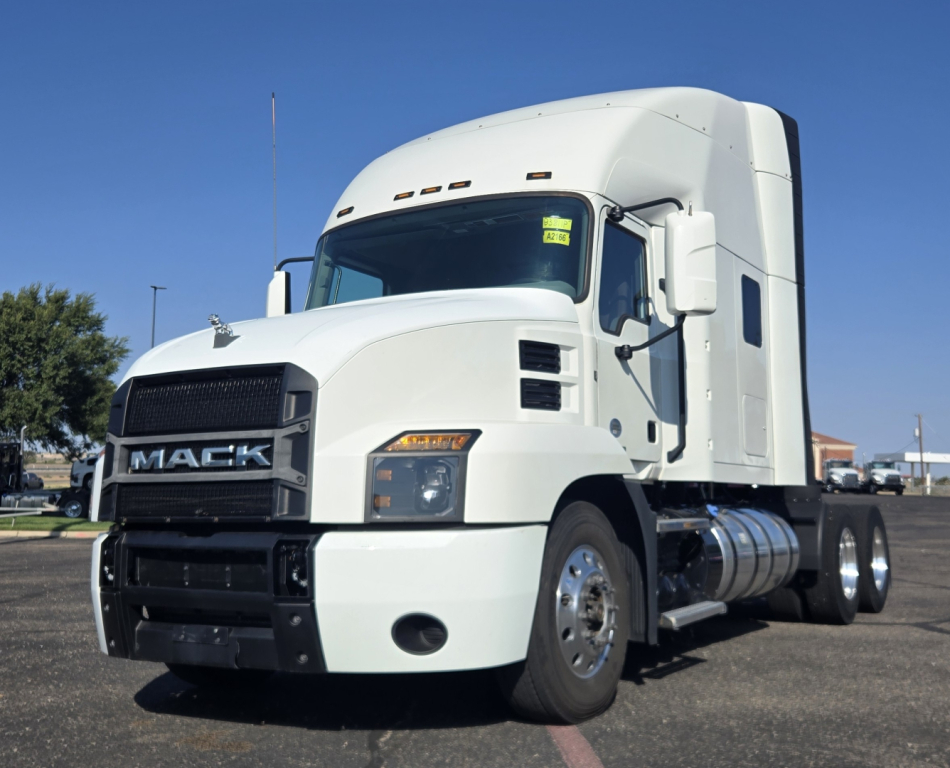
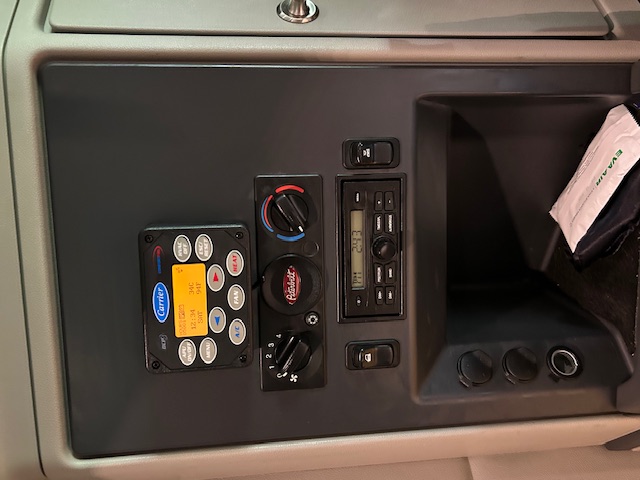

Selling a 2020 conventional sleeper truck? List your 2020 conventional sleeper truck for sale and reach thousands of commercial buyers.
2020 Conventional Sleeper Trucks in Texas
The main buying decisions usually start with the powertrain and axle package. Many 2020 conventional sleepers were spec'd with 12 to 13 liter diesel engines in the 400 to 500 horsepower range, paired with automated manual transmissions such as the Volvo I-Shift, Mack mDrive, Detroit DT12, or Eaton Endurant. Common tandem rear axle ratings land around 40,000 pounds, with front axles often in the 12,000 to 13,200 pound range. Rear axle ratios like 2.47, 2.64, or 3.08 can significantly change fuel economy and gradeability, so it helps to match the truck to the trailer weight and terrain. Wheelbase, fifth wheel slide travel, and fuel tank sizing also matter if the truck will switch between van, reefer, or specialized trailer work.
Sleeper design is just as important as the driveline. A 2020 model may include a mid-roof or high-roof cab with sleepers commonly ranging from 60 to 80 inches, plus options like double bunks, refrigerator space, inverter prep, bunk heater, workstation, and upgraded storage. For team operations or extended over-the-road use, interior layout can affect retention as much as the engine spec. Safety technology became much more common in this model year as well, including adaptive cruise control, collision mitigation, lane departure warning, backup cameras, and integrated telematics. Buyers comparing 2020 trucks should also look closely at brake type, suspension design, and steer axle tire size because those details affect ride quality, maintenance cost, and resale appeal.
For Texas applications, cooling system condition, APU or idle-reduction strategy, and emissions system service history deserve extra attention. A well-matched 2020 conventional sleeper can still deliver strong value if the ECM history, aftertreatment performance, and maintenance records support the miles. Popular models in this class include the Volvo VNL series, Freightliner Cascadia, Kenworth T680, Peterbilt 579, International LT, and Mack Anthem or Pioneer-style highway tractors. The best choice usually comes down to cab comfort, dealer support, engine-transmission pairing, and how closely the original spec matches the freight lanes the truck will actually run.
Frequently Asked Questions about 2020 Conventional Sleeper Trucks in Texas
What should I look for first on a 2020 conventional sleeper truck?
Start with the engine, transmission, axle ratio, and maintenance history. Those four items tell you most of what you need to know about how the truck was intended to run and what it may cost to operate. A 2020 sleeper with a fuel-efficient downsped spec can be excellent on highway freight, but it may feel under-matched for heavy loads or steep grades. Service records for the aftertreatment system, coolant system, and transmission calibration are especially important on a 2020 emissions-era truck.
Are 2020 conventional sleeper trucks good for owner-operators?
Yes, many 2020 conventional sleepers are well suited for owner-operators because they typically offer modern aerodynamics, automated transmissions, and better safety technology than older tractors. The key is matching the spec to the freight. An owner-operator pulling general dry van or reefer freight may prioritize fuel economy, sleeper comfort, and low idle options, while a heavier operation may need a different axle ratio, suspension rating, or wheelbase. A truck that is too lightly spec'd or too heavily spec'd can both hurt profitability.
What sleeper size is best in a conventional sleeper truck?
The right sleeper size depends on route length, number of drivers, and how much time is spent in the truck. A smaller sleeper can work for regional operations with occasional layovers, while a 70- to 80-inch high-roof sleeper is usually better for over-the-road work, team driving, and longer resets. Storage layout, bunk design, refrigerator space, inverter capacity, and stand-up room often matter more in day-to-day use than the sleeper measurement alone.
Do axle ratio and wheelbase really matter on a 2020 sleeper tractor?
They matter a great deal because both affect fuel economy, maneuverability, and trailer compatibility. A taller rear ratio such as 2.47 can reduce engine rpm and improve fuel mileage on steady highway lanes, but it may not be ideal for heavier or more demanding routes. Wheelbase affects ride quality and turning radius, and it also influences how the truck carries fuel tanks, fairings, and fifth wheel placement. Buyers should compare these specs against the trailer lengths and freight weights they expect to pull.
What are common signs of a well-spec'd highway sleeper for Texas freight?
A good Texas highway spec usually includes strong air conditioning performance, ample fuel capacity, an efficient automated transmission, and a sleeper with practical storage and idle-comfort features. Full fairings, aerodynamic mirrors, and a highway-focused axle ratio help on long interstate runs. Buyers should also pay attention to cooling system maintenance, tire condition, brake wear, and whether the truck has safety systems that support long-distance driving in heavy traffic and high-heat conditions.