
2020 Conventional Sleeper Trucks For Sale
Shop 2020 conventional sleeper trucks with aerodynamic cabs, integrated sleepers, and specs built for regional or long-haul freight.
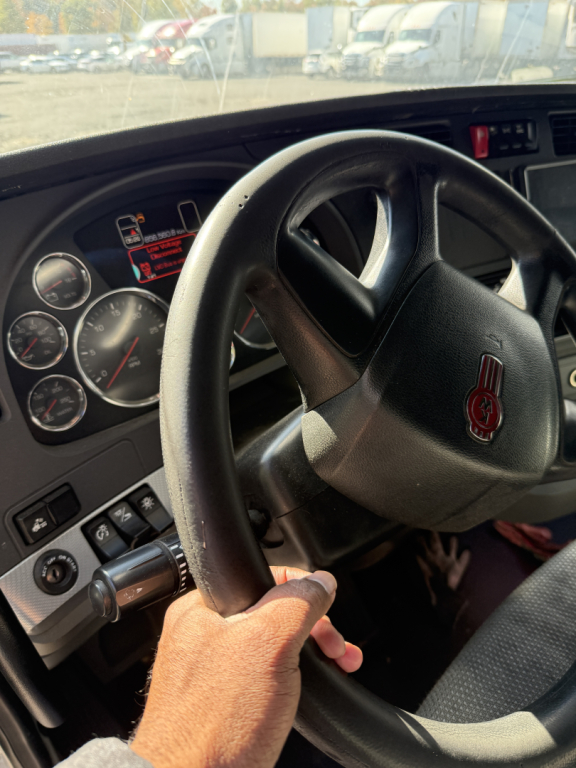
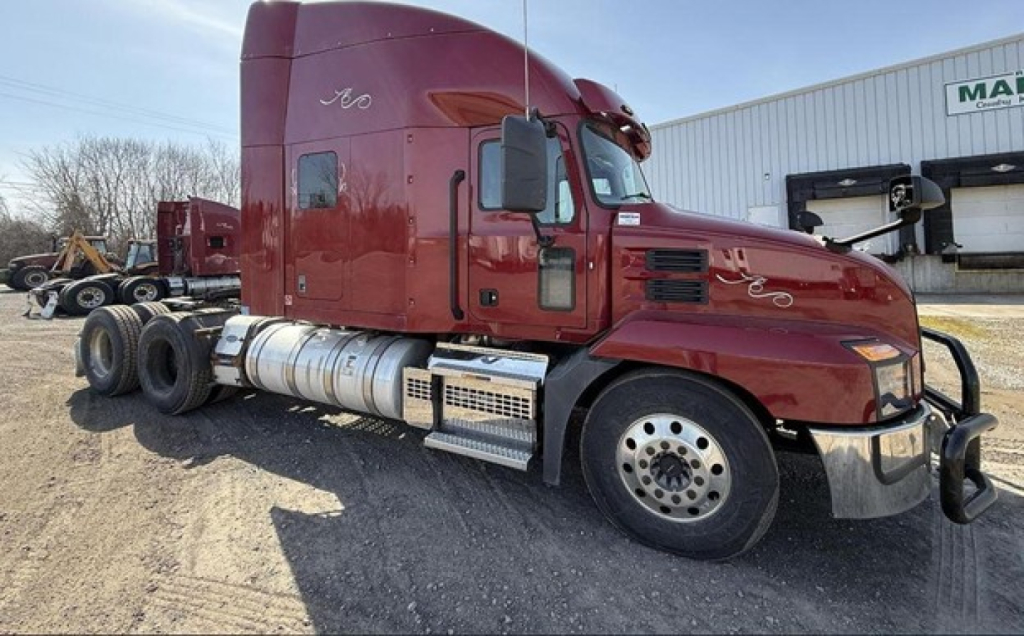
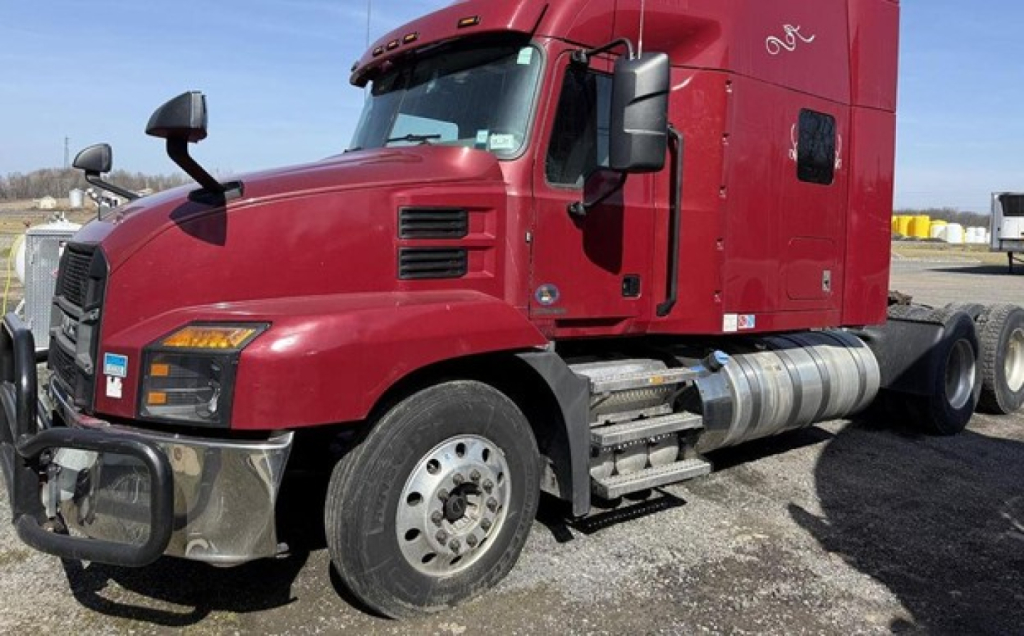
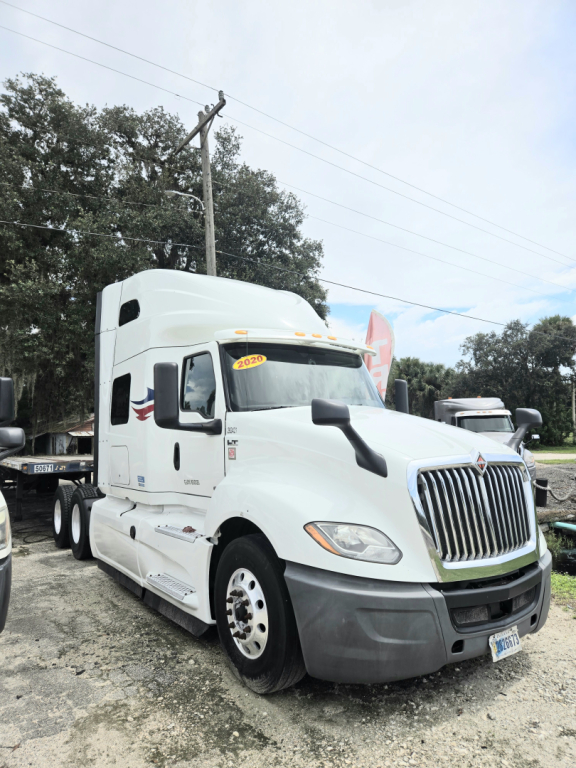
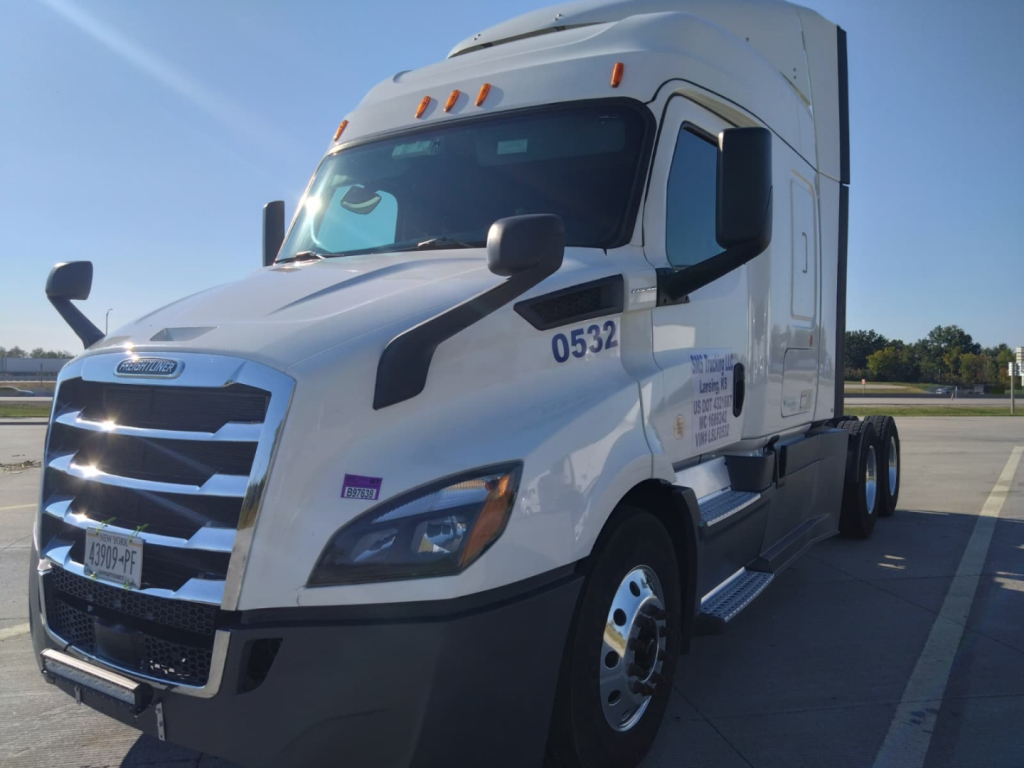
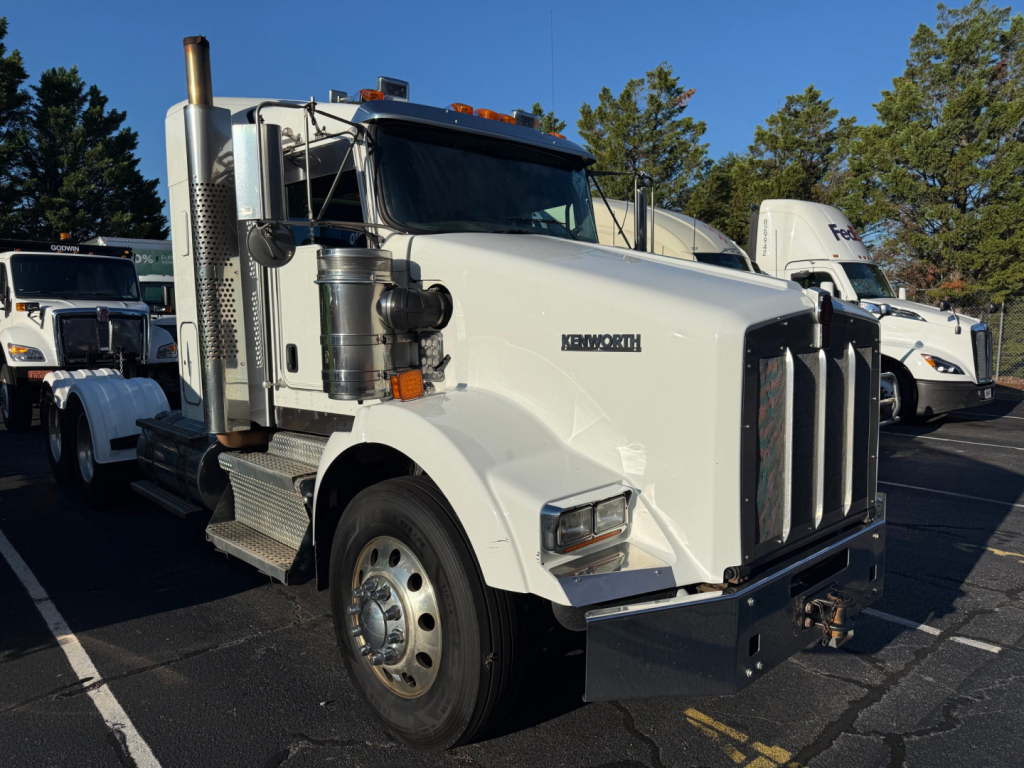
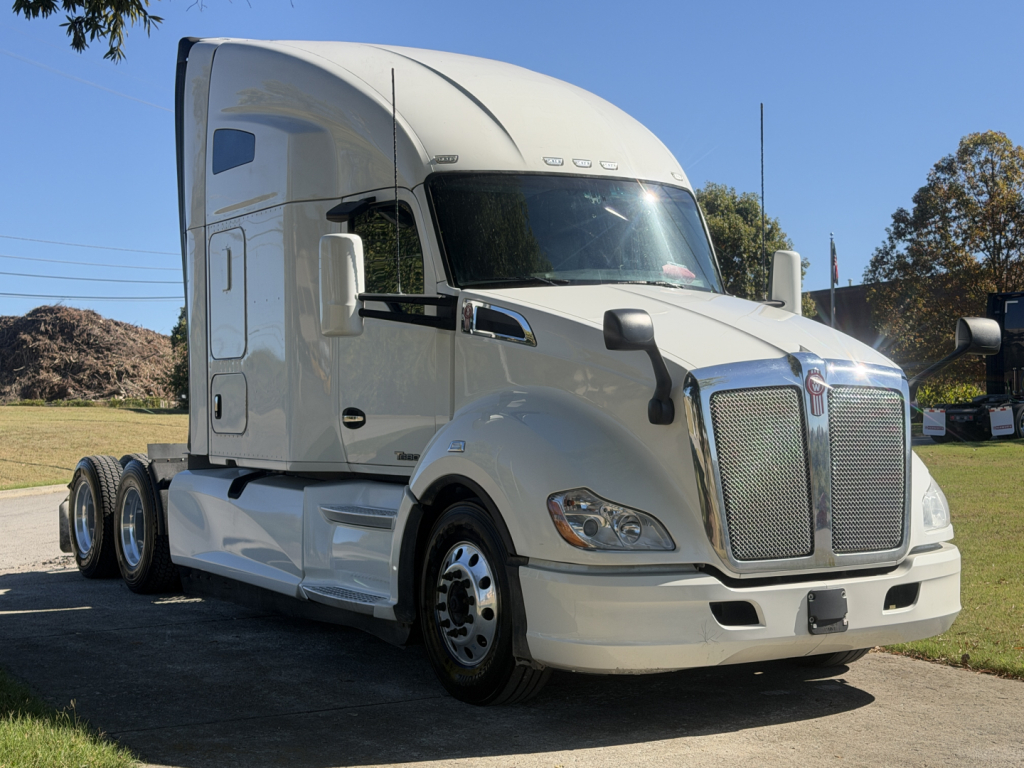
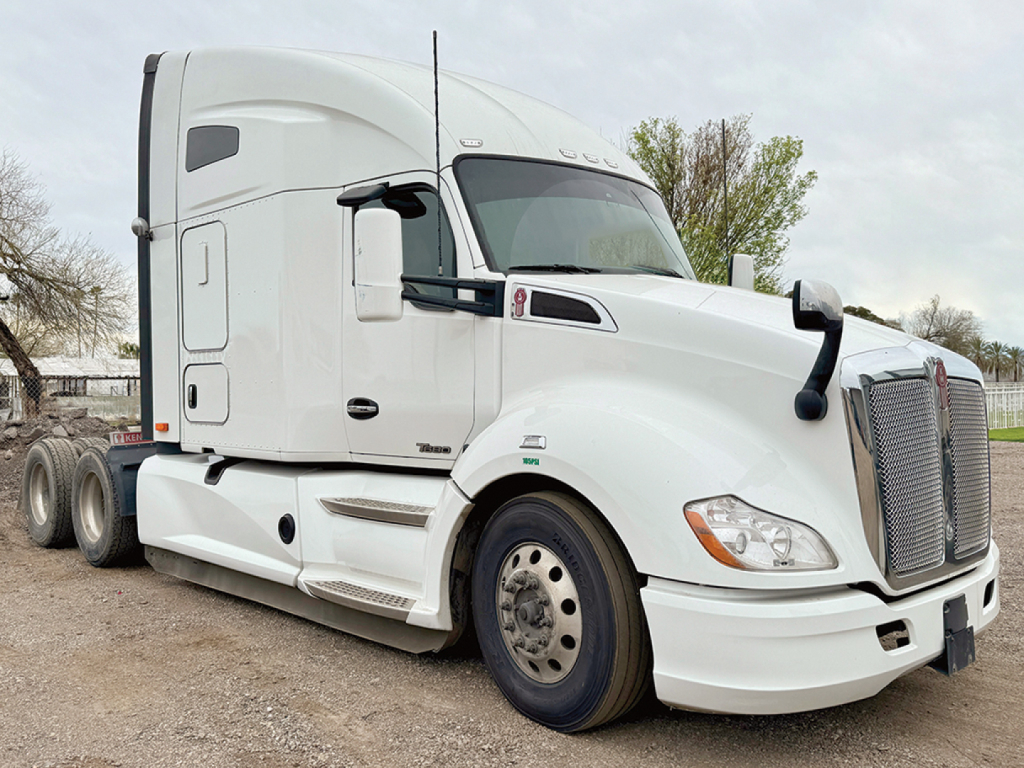
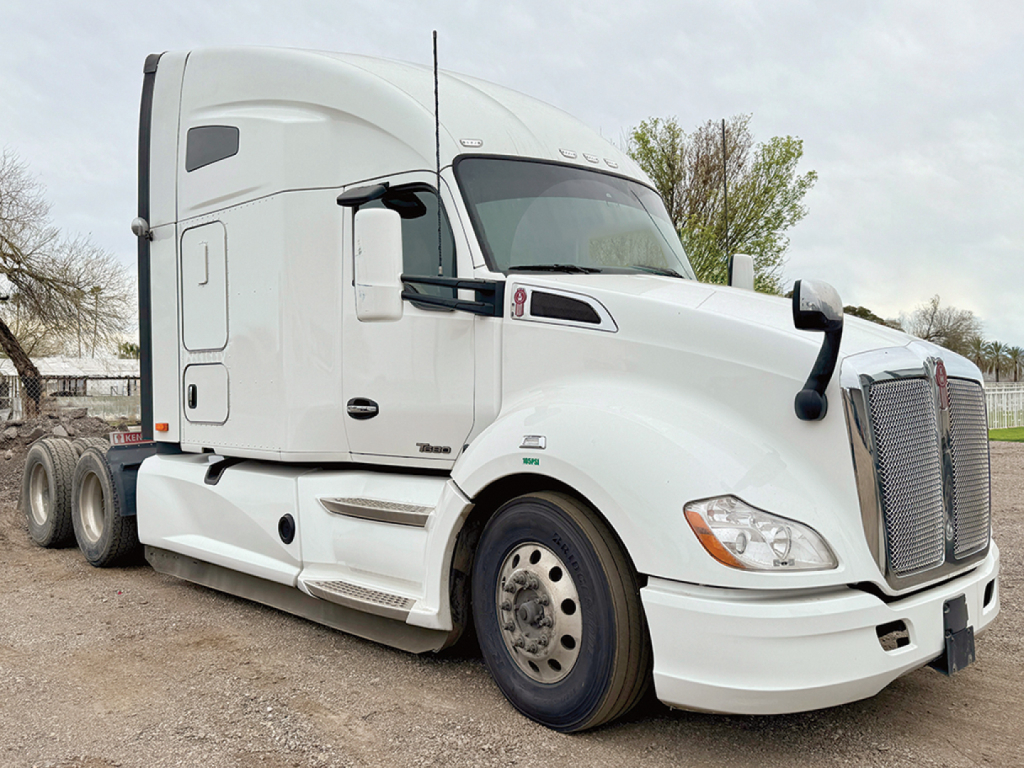
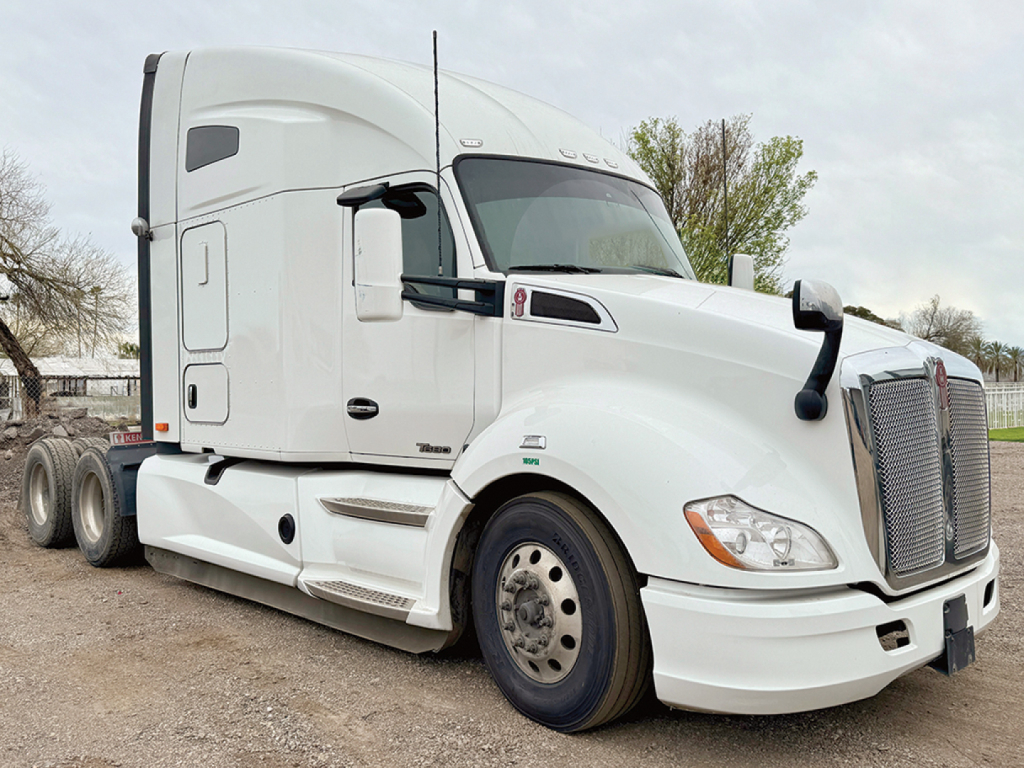
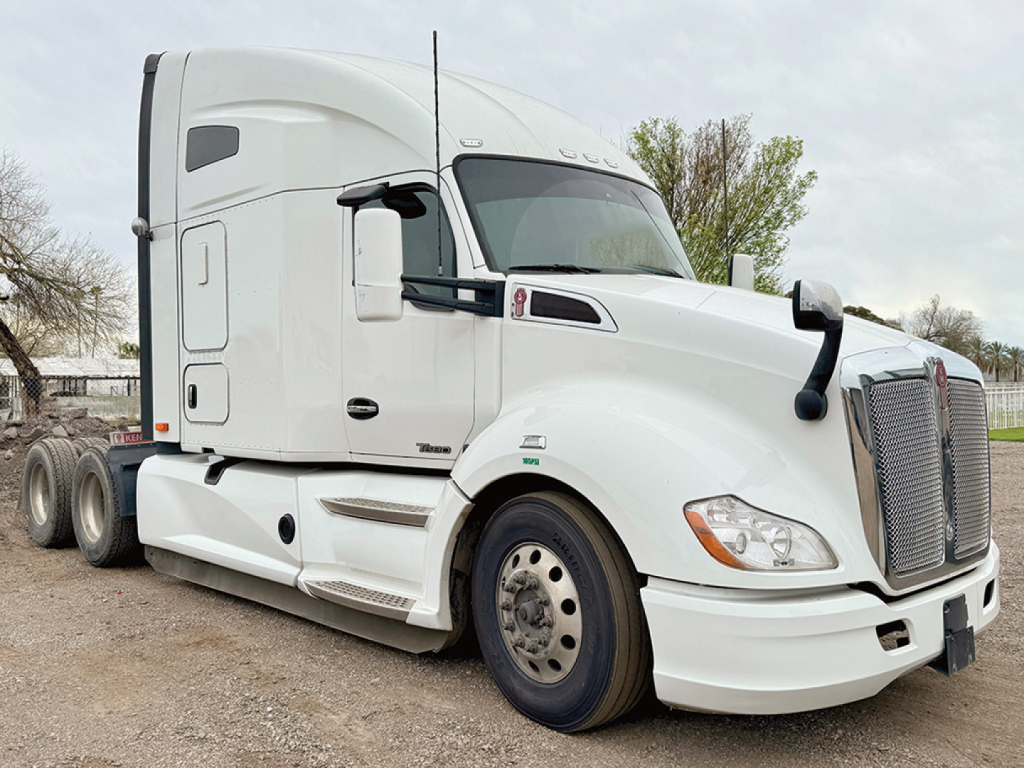
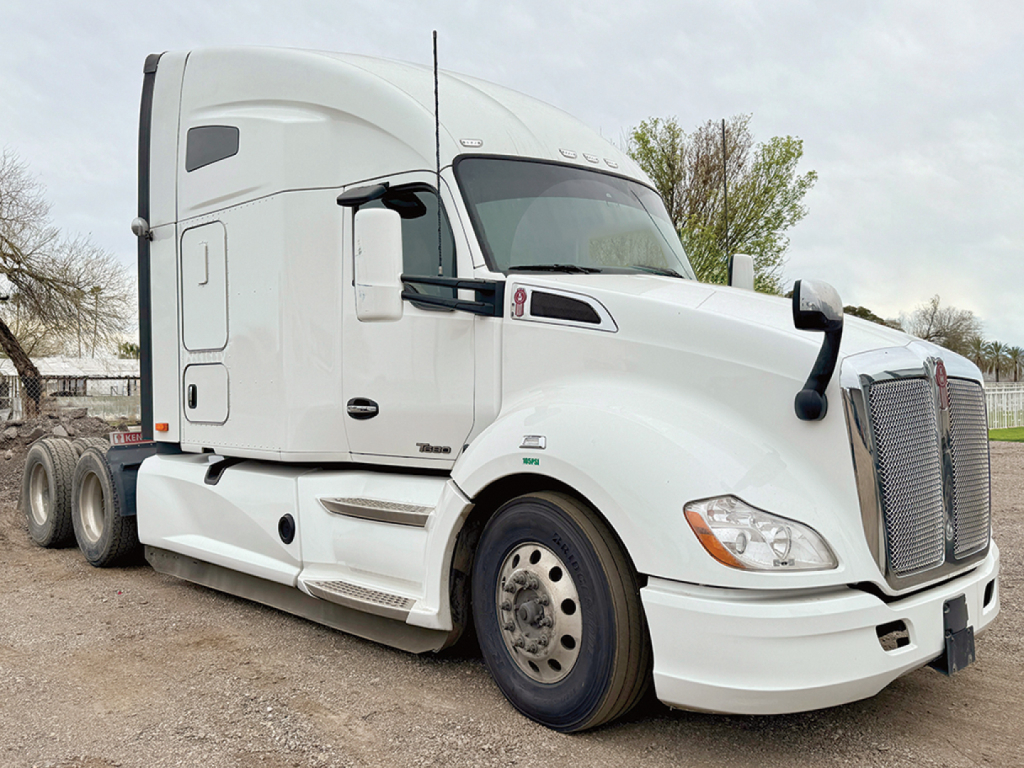
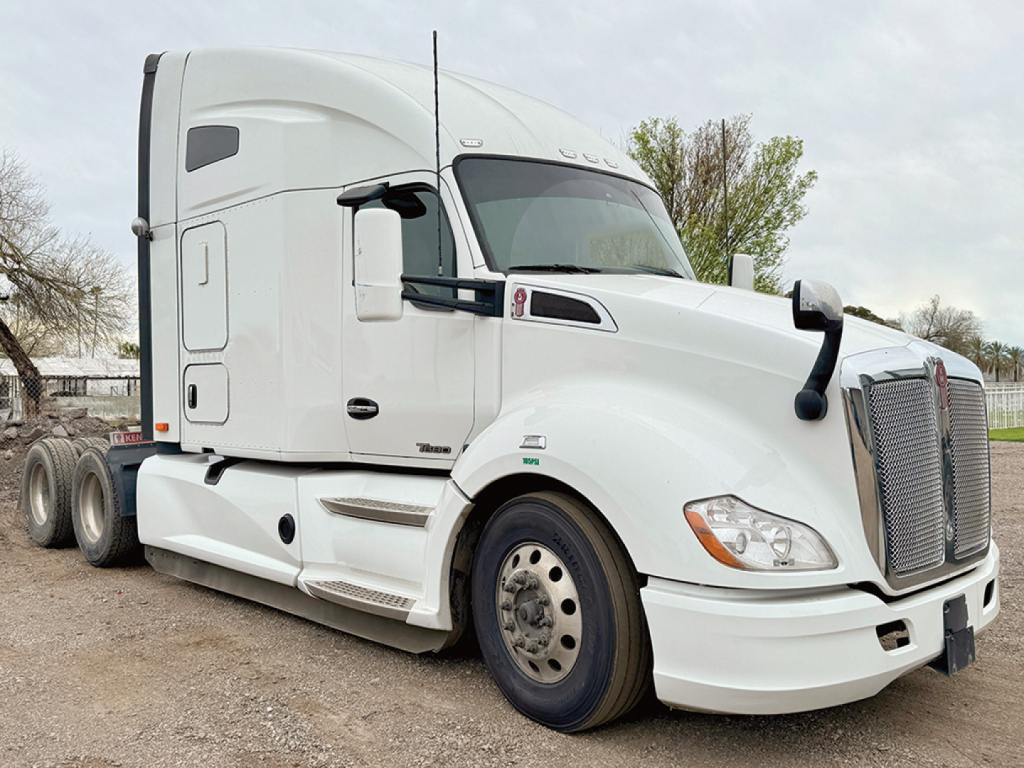
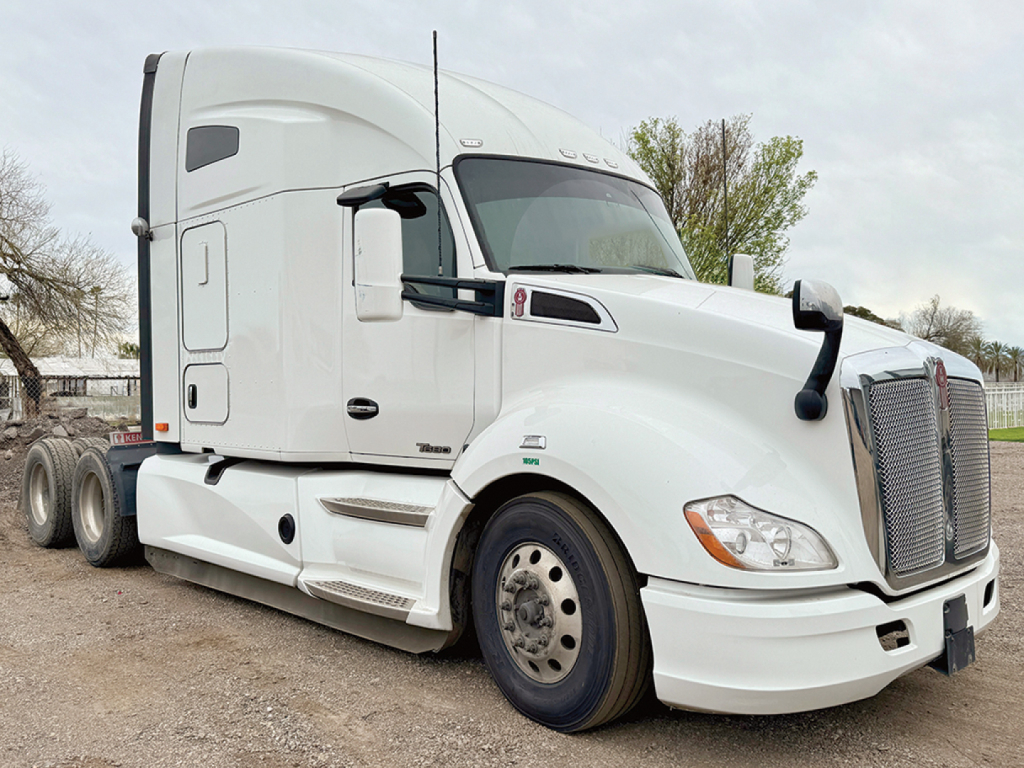
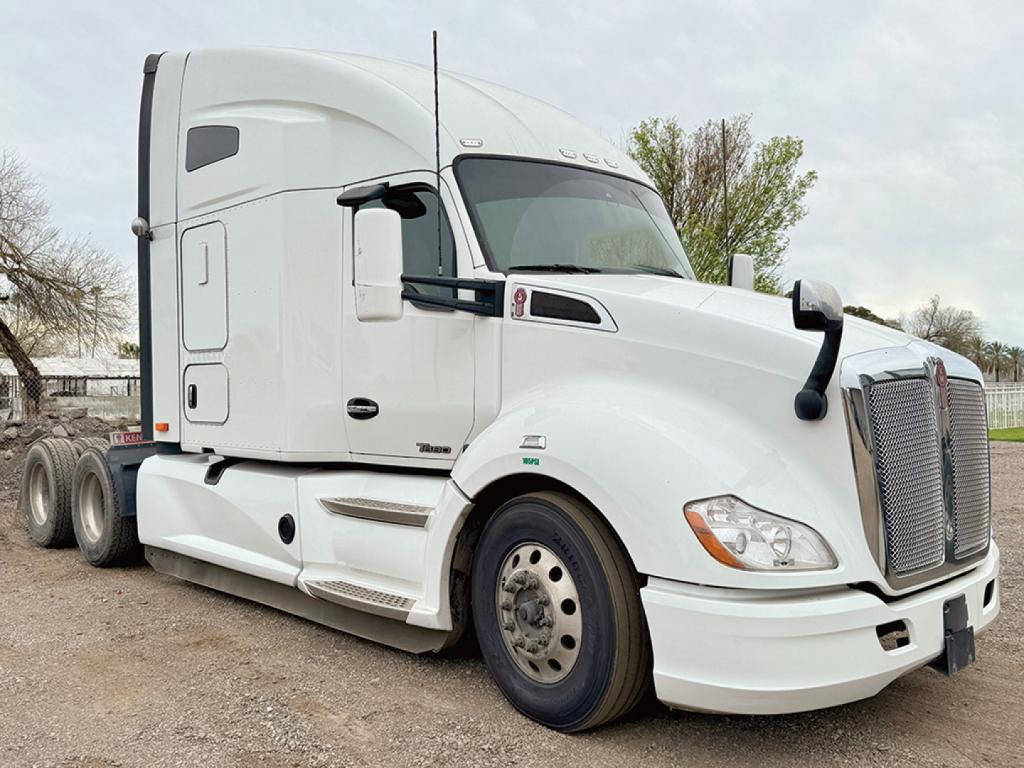
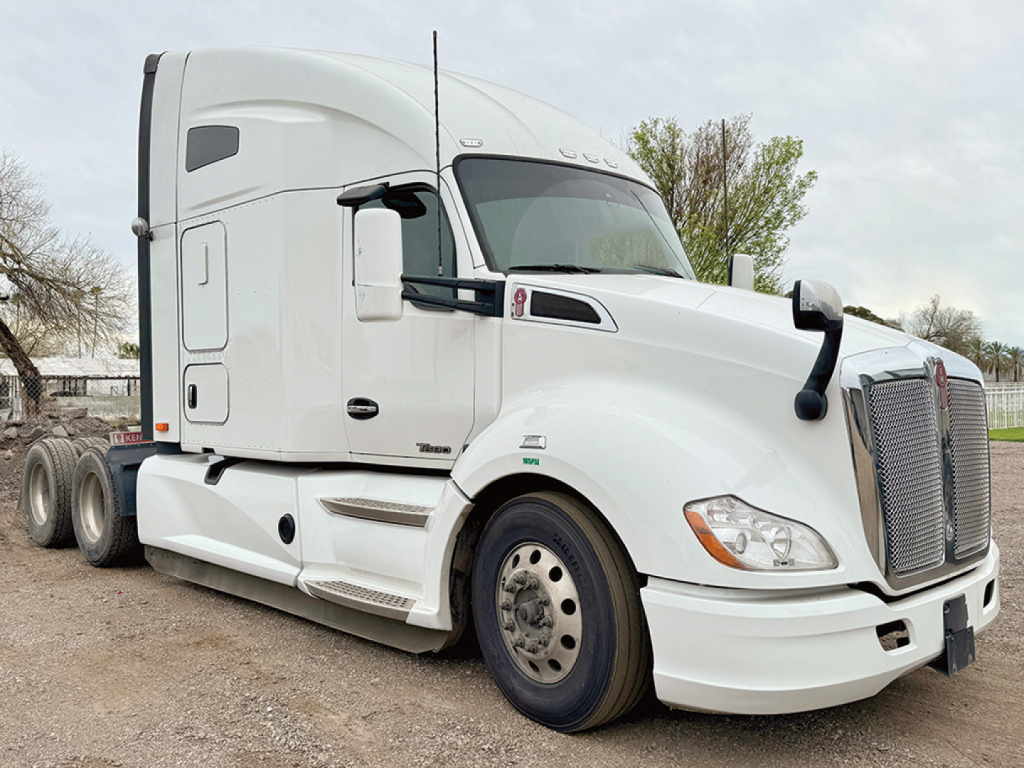
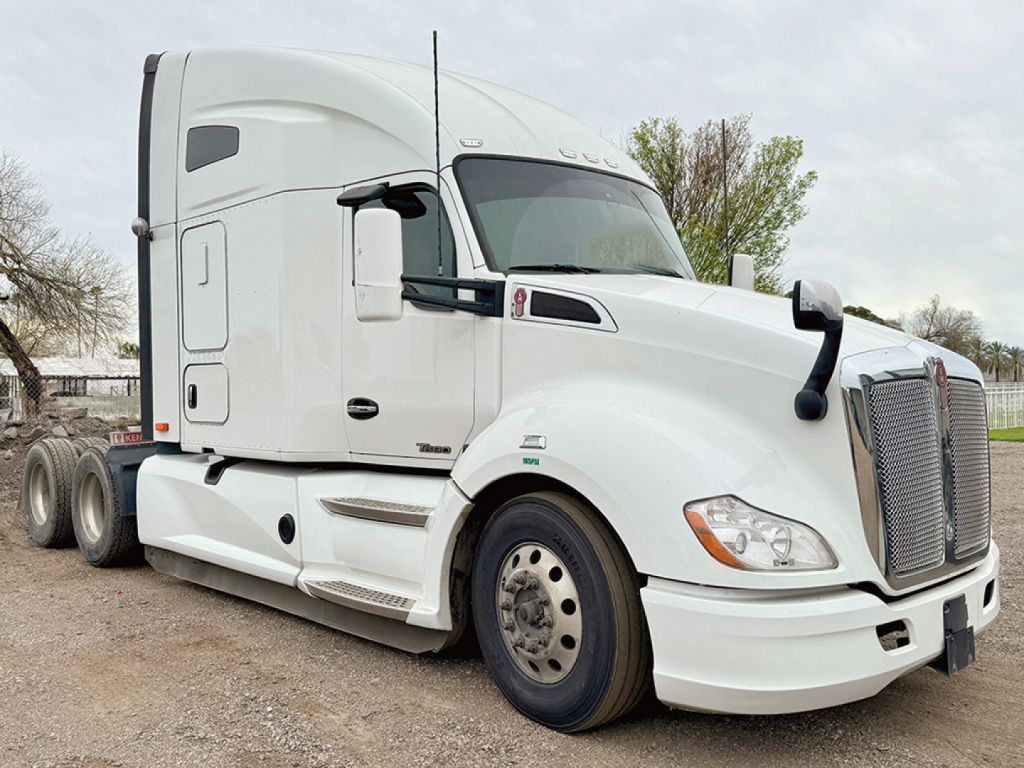
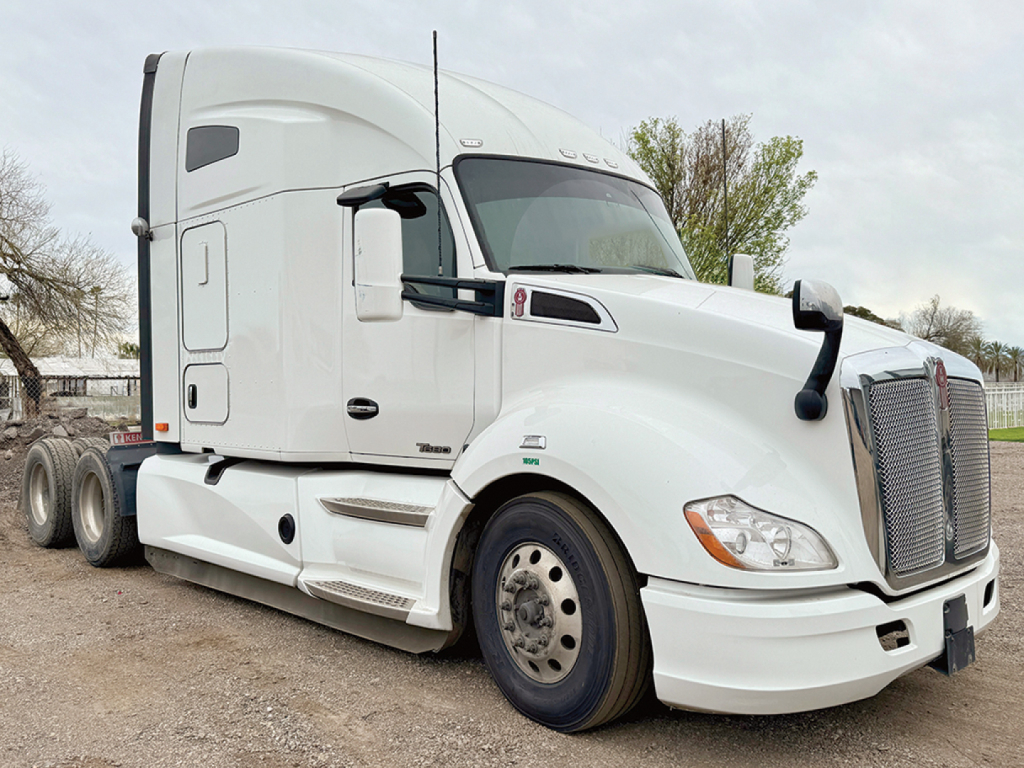
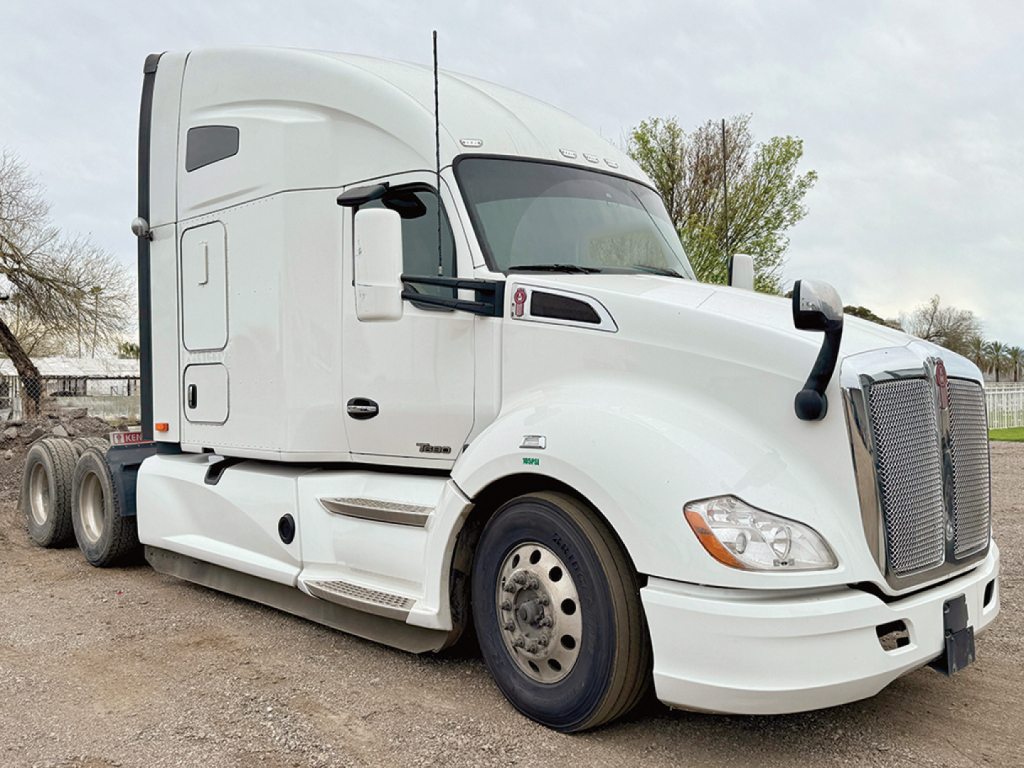
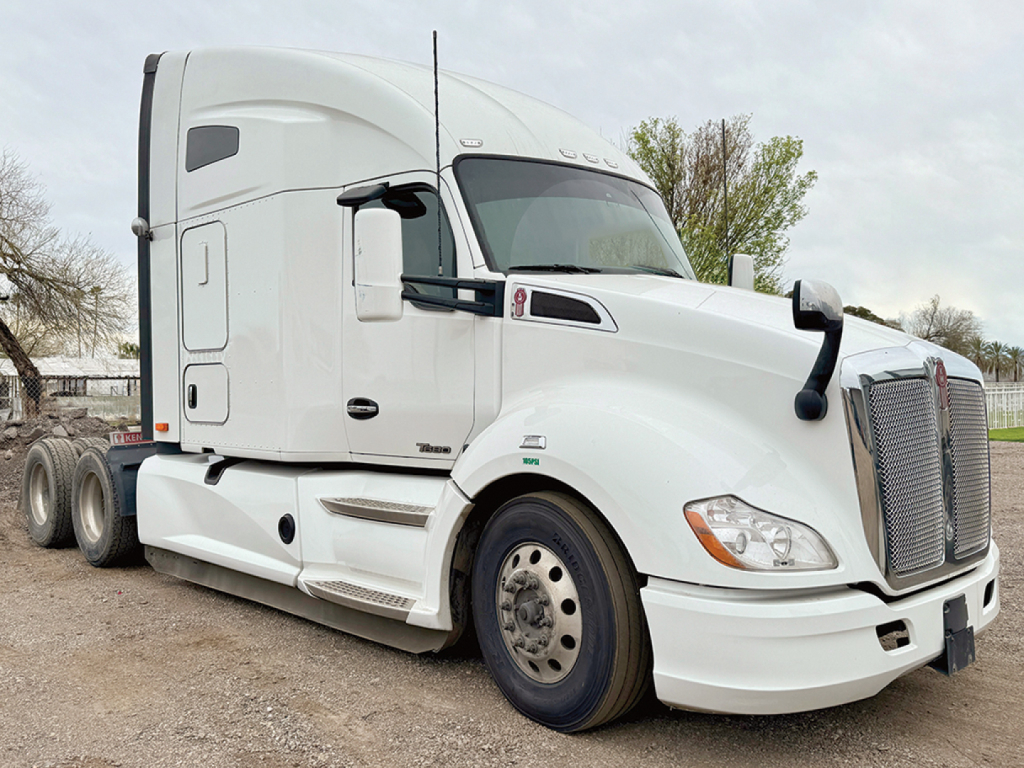
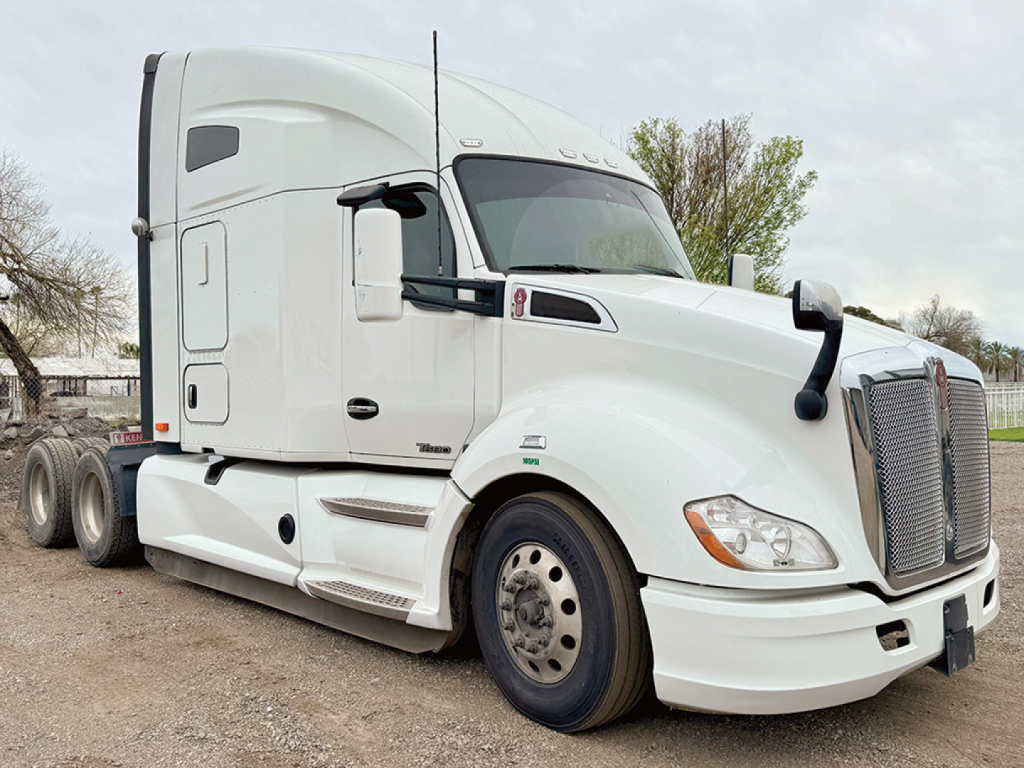
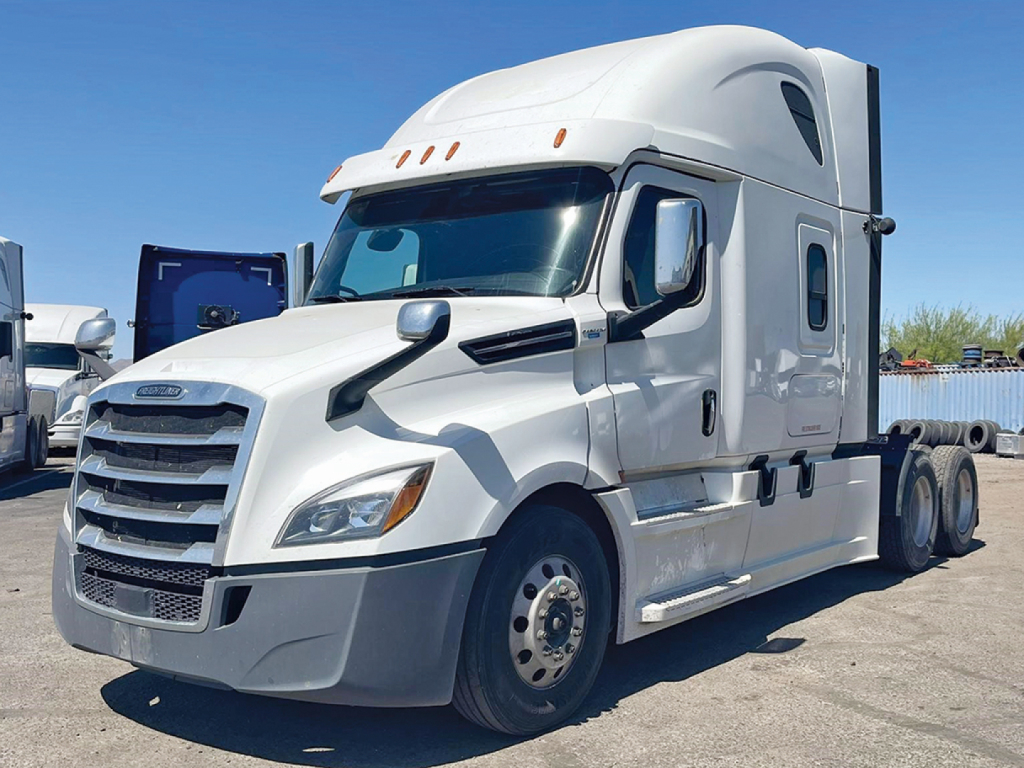
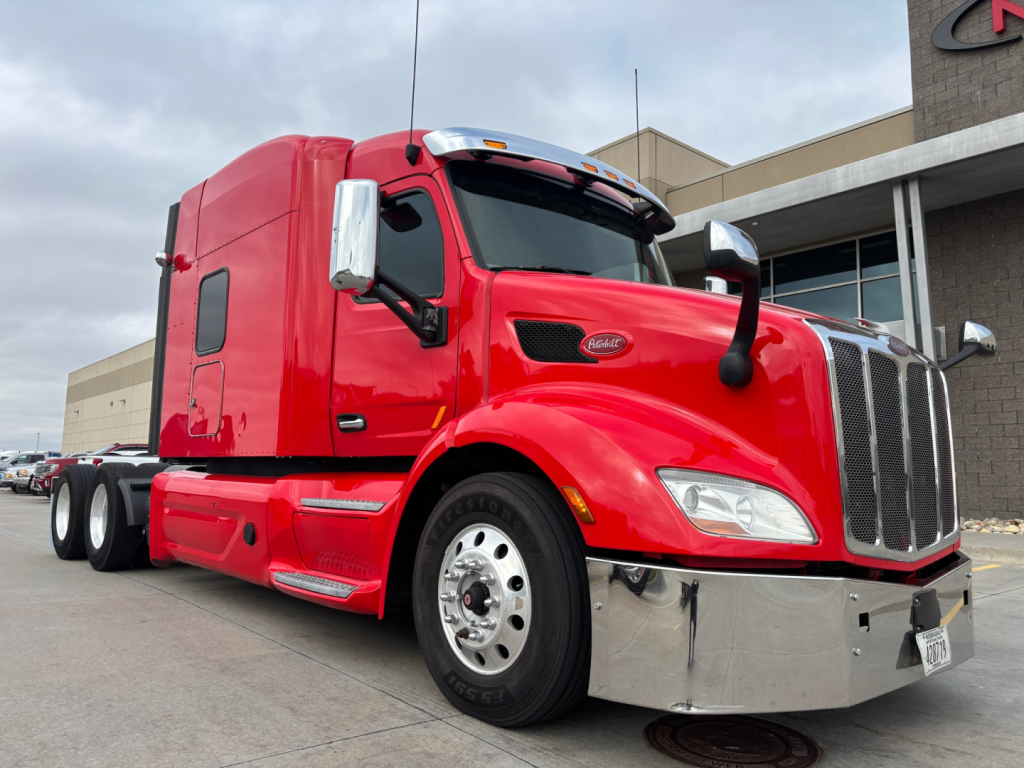
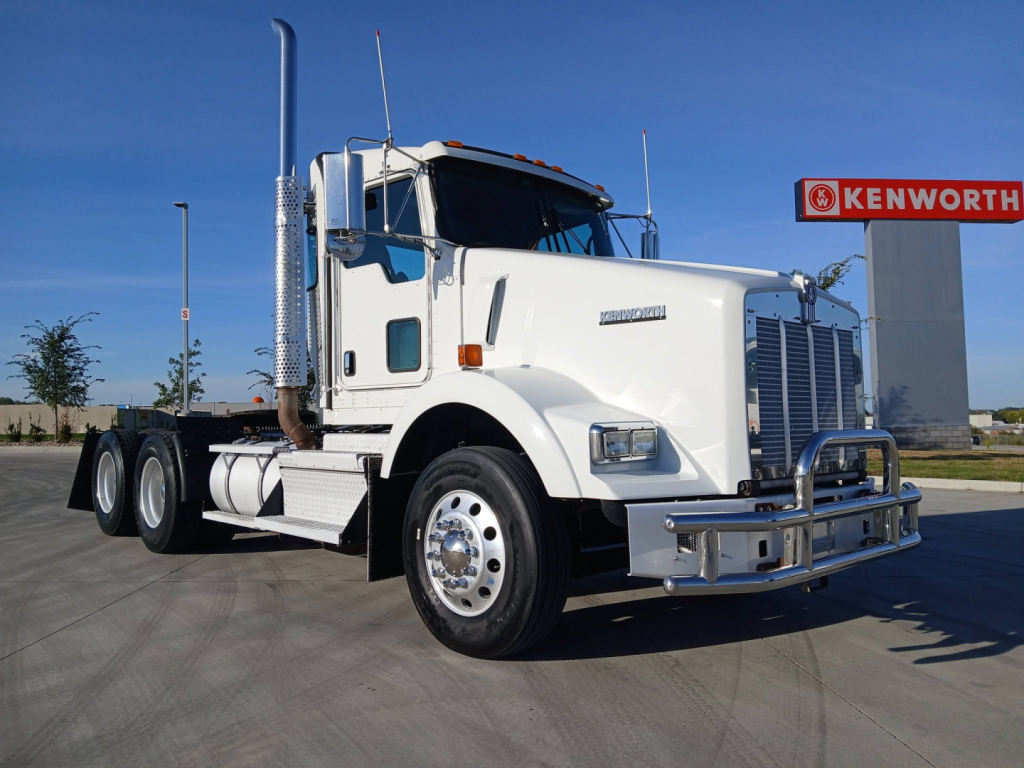
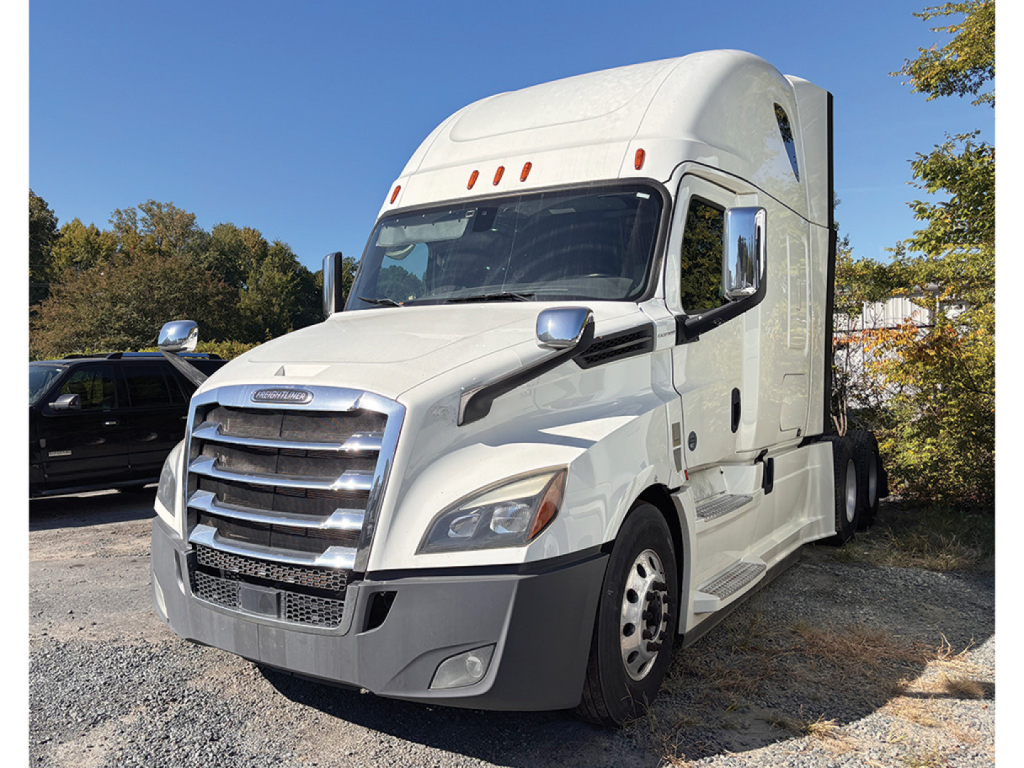
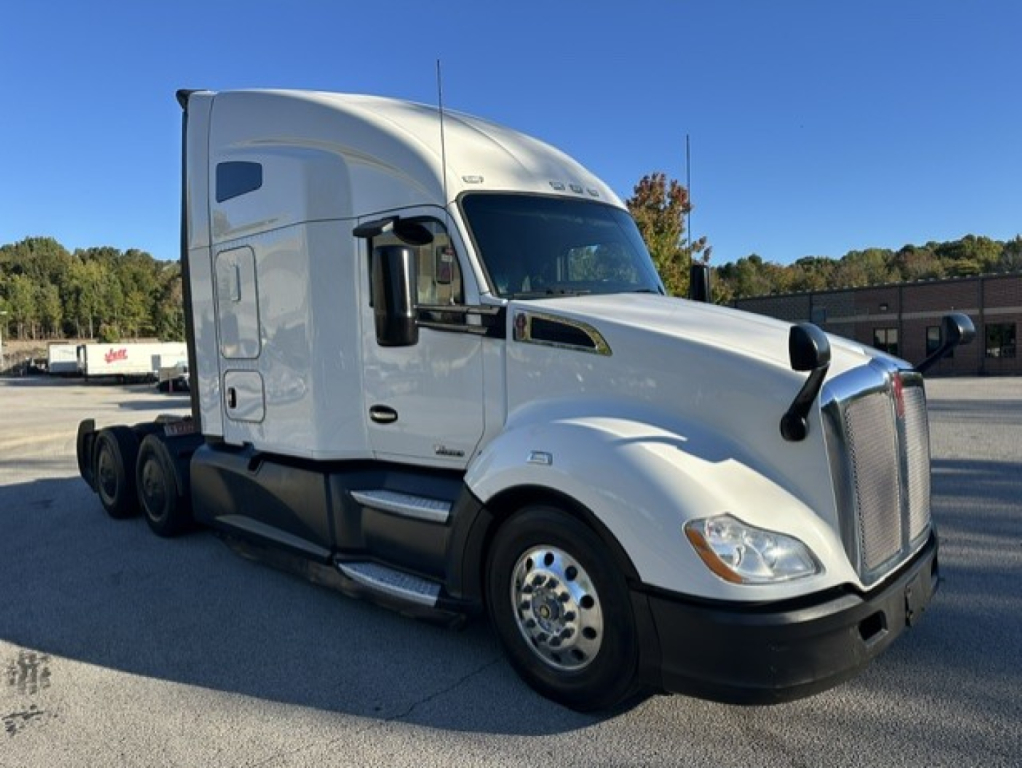
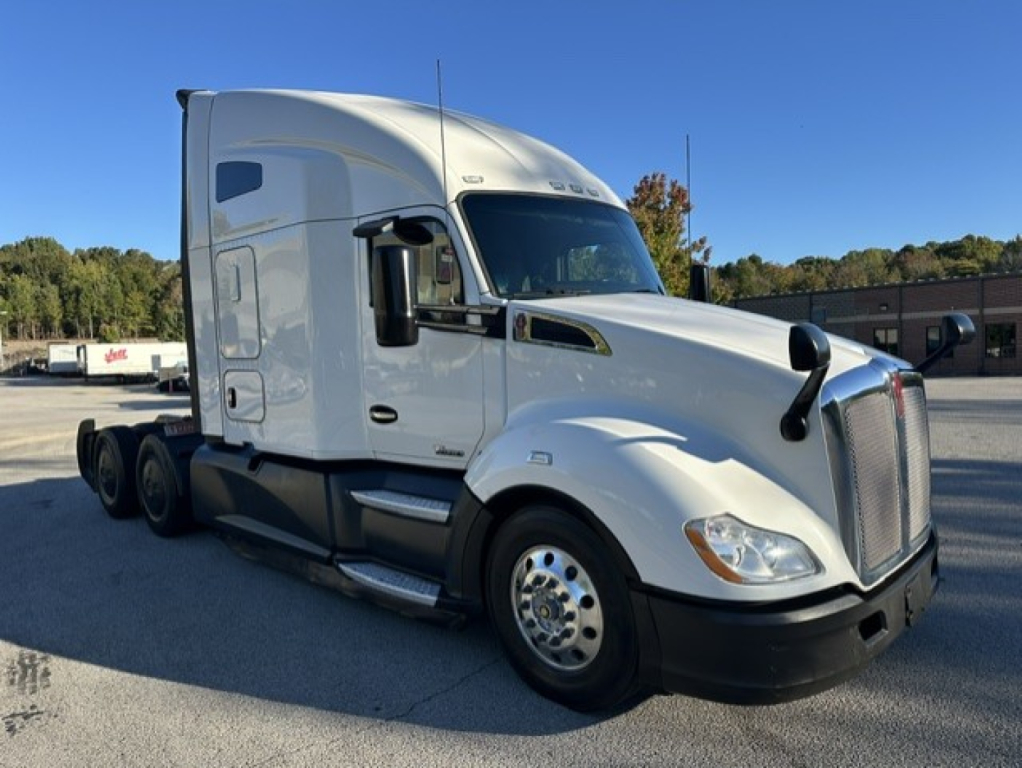
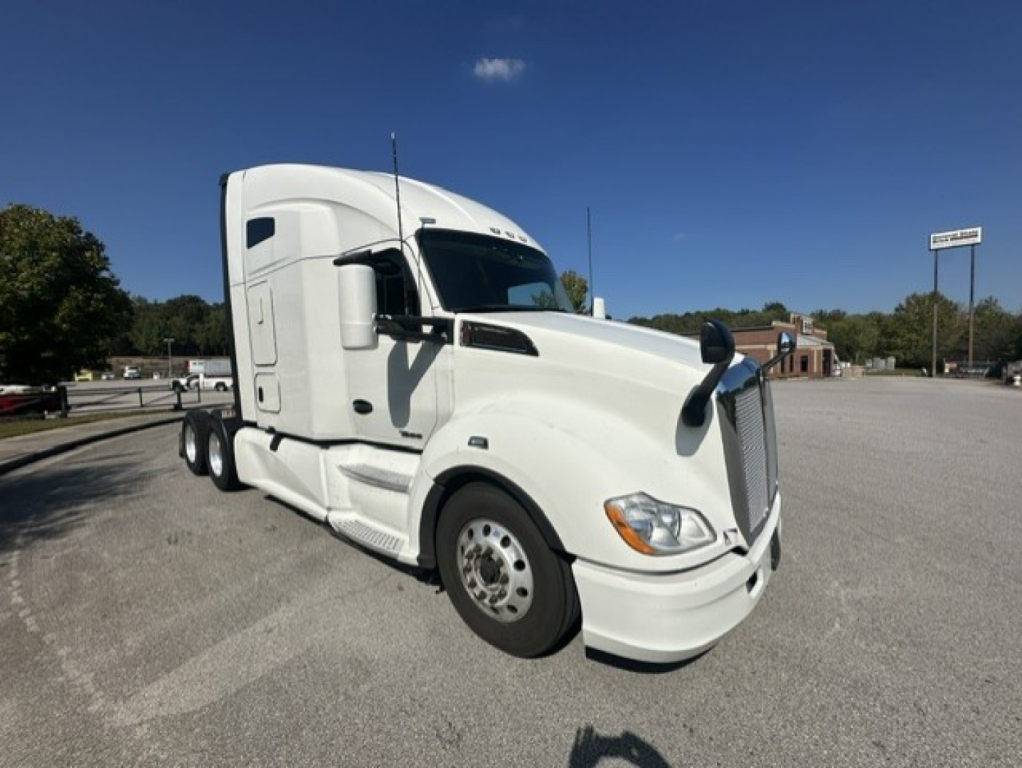
Showing 1 to 28 of 76 results
Selling a 2020 conventional sleeper truck? List your 2020 conventional sleeper truck for sale and reach thousands of commercial buyers.
2020 Conventional Sleeper Trucks
The biggest buying decision is the powertrain. Many 2020 sleepers were ordered with engines in the 400 to 505 horsepower range and automated manual transmissions, including Detroit DT12, Volvo I-Shift, Eaton Endurant, and PACCAR automated options. Rear axle ratios in the low 2s are common on fuel-mileage specs, especially for dry van and reefer lanes, while heavier or more specialized applications may carry a different ratio and suspension setup. Buyers should compare GCWR needs, engine brake performance, wheelbase, and fifth-wheel position against the freight they intend to pull. A truck that lived in high-cube van service may be spec'd very differently from one that handled heavier regional loads or more demanding terrain.
Sleeper configuration matters as much as horsepower. In this category, 60-inch to 80-inch sleepers are common, with raised-roof and double-bunk layouts appearing often in long-haul service. Features like bunk heaters, shore power, refrigerators, in-cab workstations, inverter prep, collision mitigation, and disc brakes became more common by 2020, especially on fleet-maintained trucks. Aerodynamic fairings, cab extenders, aluminum wheels, low-profile 22.5 tires, and larger dual fuel tank setups also show up regularly. For teams or extended-route operations, interior storage, bunk access, and HVAC performance are just as important as the driveline.
A good 2020 conventional sleeper should be evaluated on maintenance history, emissions system performance, idle strategy, and overall spec alignment, not just mileage. Look closely at DPF and SCR service records, transmission calibration history, tire wear patterns, suspension condition, and signs of collision repair around the hood, cab, and sleeper box. If the truck will stay in long-haul service, focus on fuel economy spec, driver amenities, and safety systems. If it is moving into regional or dedicated work, turning radius, axle ratio, and sleeper size may matter more than maximizing living space. The right 2020 sleeper truck is the one whose spec matches the lane, trailer, and operating cost target.
Frequently Asked Questions about 2020 Conventional Sleeper Trucks
What is considered a conventional sleeper truck?
A conventional sleeper truck is a highway tractor with a standard hooded engine layout and a built-in sleeper compartment mounted behind the cab. It is designed for over-the-road service where the driver needs rest space, onboard storage, and often room for appliances or a second bunk. This category is also commonly called a sleeper tractor or sleeper semi truck.
What engines and transmissions are common in 2020 conventional sleepers?
Many 2020 conventional sleeper trucks were spec'd with engines such as the Detroit DD13 and DD15, Volvo D13, PACCAR MX-13, Cummins X15, and similar heavy-duty platforms. Horsepower commonly falls between 400 and 505, depending on the intended lane and gross combination weight. Automated manual transmissions are very common in this model year, with units like the DT12, I-Shift, and Endurant showing up frequently because they support fuel economy, driver consistency, and easier fleet training.
Is a 2020 conventional sleeper good for long-haul trucking?
Yes, the 2020 model year is well suited for long-haul use because many trucks from this period were ordered with aerodynamic packages, integrated sleepers, advanced safety systems, and fuel-efficiency-focused drivetrains. Raised-roof sleepers, larger fuel capacity, bunk heaters, refrigerators, and driver comfort features are common. The key is confirming that the truck's sleeper size, wheelbase, axle ratio, and maintenance history match the miles and terrain it will be asked to cover.
What should buyers inspect first on a used 2020 sleeper truck?
Start with the engine and aftertreatment history, including DPF cleaning intervals, SCR repairs, fault codes, and any repeat emissions issues. Then review transmission operation, clutch calibration if applicable, axle ratio, suspension wear, brake type, and tire condition. On the cab and sleeper, inspect fairings, roof seams, bunk HVAC, and signs of water intrusion or collision repair. Service records and fault-code scans usually tell more about a 2020 sleeper's value than the odometer alone.
What sleeper size is best in a 2020 conventional truck?
The best sleeper size depends on route length and driver needs. A 60-inch class sleeper can work well for regional, dedicated, or shorter over-the-road runs where space matters less than weight and maneuverability. A 72-inch to 80-inch raised-roof sleeper is more common in long-haul service because it gives more room for standing height, storage, appliances, and team-driver layouts. Buyers should balance interior comfort against wheelbase, payload sensitivity, and the type of trailer being pulled.