
2020 Kenworth Conventional Sleeper Trucks For Sale
Shop 2020 Kenworth conventional sleeper trucks. Compare T680 specs, sleeper sizes, powertrain options, aerodynamics, and long-haul features.
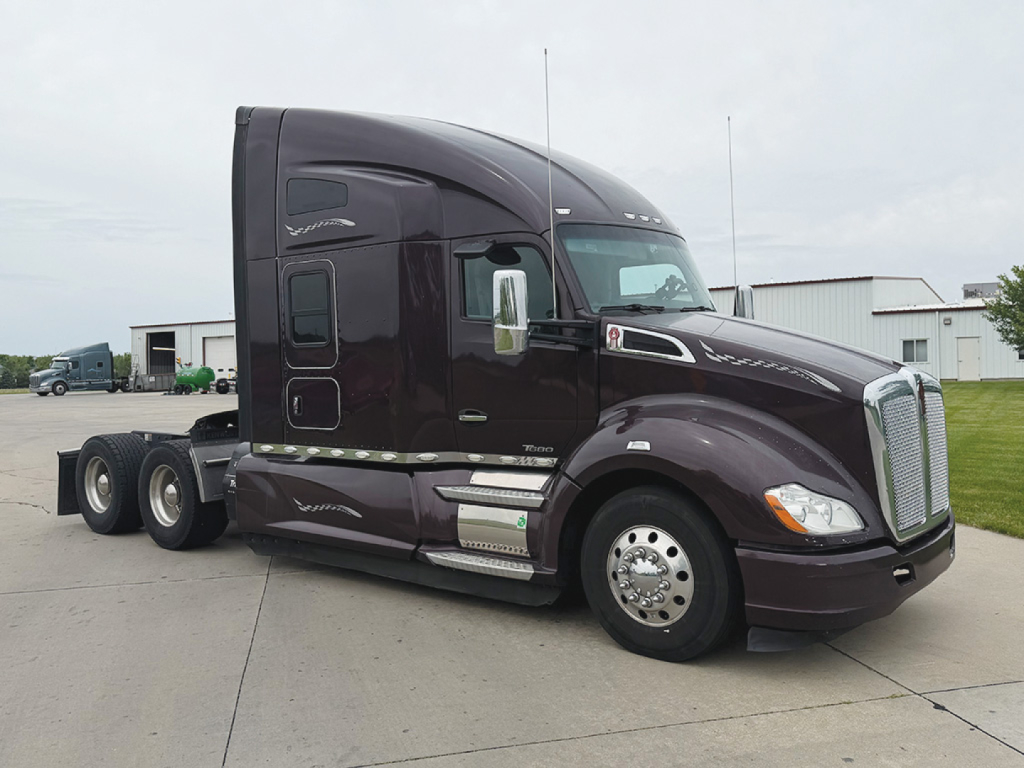
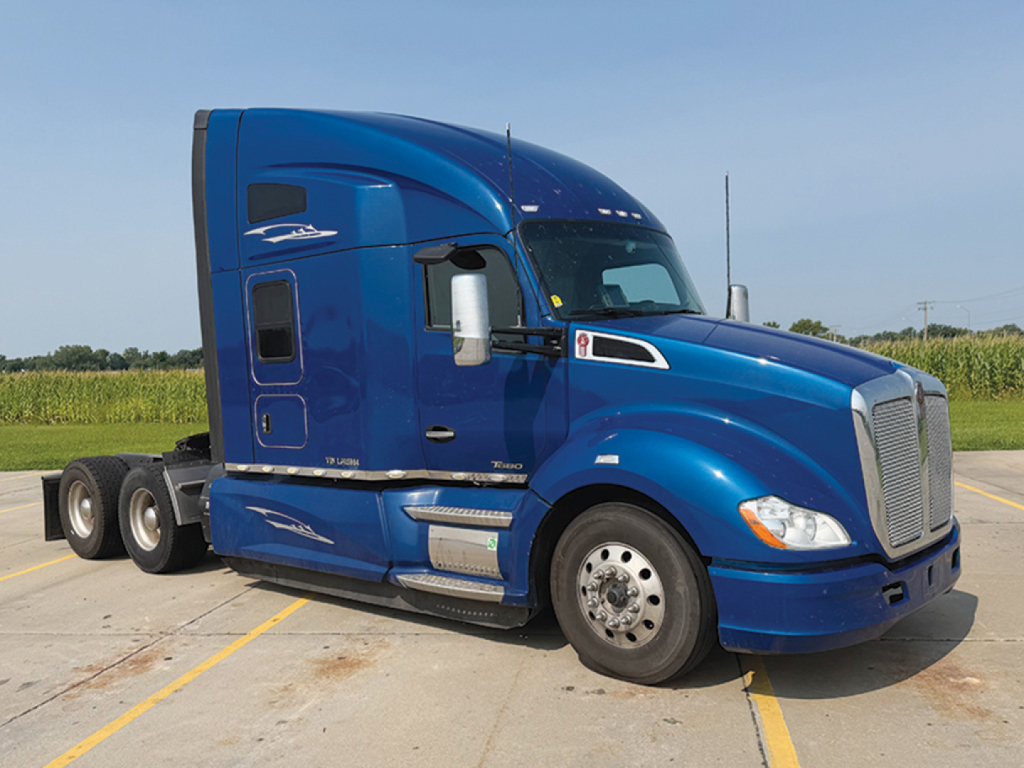
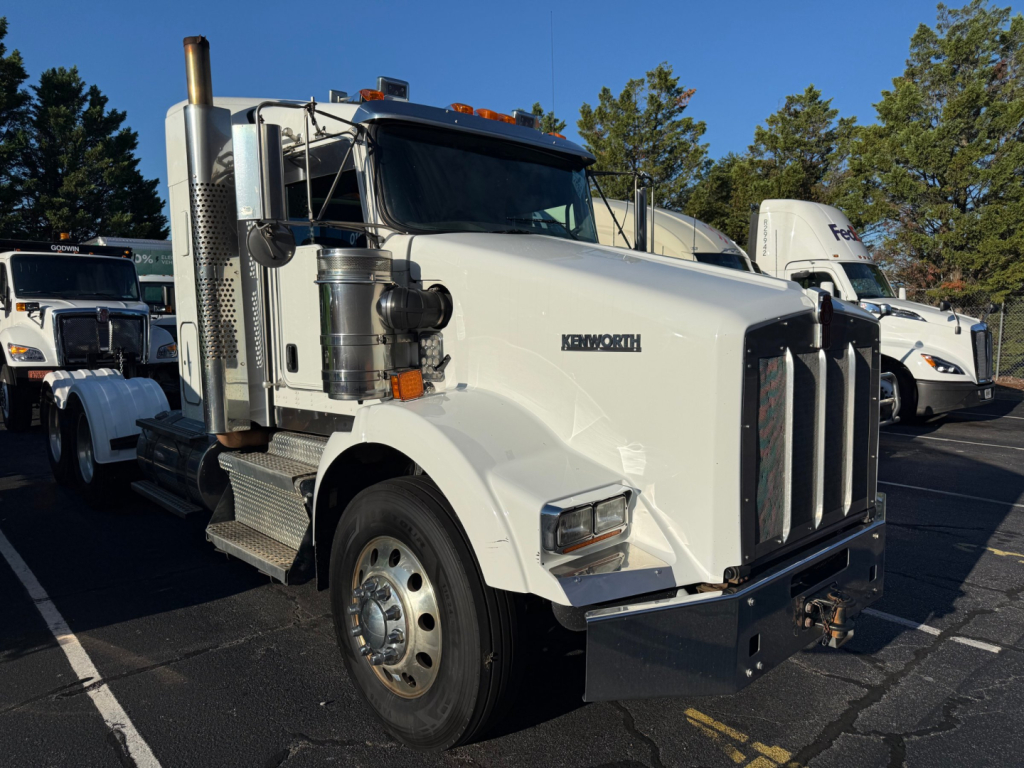
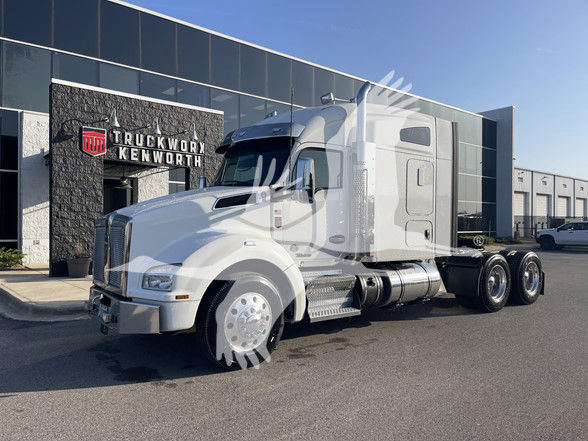

Selling a 2020 kenworth conventional sleeper truck? List your 2020 kenworth conventional sleeper truck for sale and reach thousands of commercial buyers.
2020 Kenworth Conventional Sleeper Trucks
Powertrain is the first place to focus. A 2020 Kenworth sleeper commonly carries a PACCAR MX-13 or Cummins X15, usually paired with an automated manual transmission such as the Eaton Endurant or PACCAR automated setup, though some fleets still spec manual gearboxes. Horsepower ratings often land in the 400 to 510 range depending on application, with torque and rear end ratio doing just as much work as headline horsepower. For van, reefer, and general highway freight, a fuel-minded spec with a downsped drivetrain can make sense. For heavier pulls, mountain lanes, or buyers that want broader resale appeal, a stronger mid-to-upper horsepower spec and a more versatile ratio may be the better fit. Check gross combined weight rating, suspension rating, and whether the truck has disc or drum brakes if your operation has specific maintenance or stopping-performance preferences.
Sleeper layout and cab equipment matter more than many first-time buyers expect. A 2020 Kenworth conventional sleeper may be found with mid-roof or high-roof configurations, often around 76 inches in the larger setups, with features such as upper bunks, bunk heaters, refrigerators, inverters, workstation packages, and upgraded storage. Kenworth has long been known for a driver-friendly interior, and that shows up in the T680 with a quiet cab, good sightlines, and a layout that works well for multi-day trips. On the chassis side, details like dual aluminum fuel tanks, fairings, cab extenders, air-slide fifth wheels, and wheelbase length affect both everyday usability and what trailers the truck can handle efficiently. Buyers running tight terminals or regional drop-and-hook freight may prefer a shorter wheelbase, while teams or long-haul operators often prioritize larger sleeper space and fuel capacity.
Condition still comes down to how the truck was specified and maintained. On a 2020 model, emissions system history, service records, tire wear pattern, suspension condition, and signs of idle-heavy use deserve close attention. It is also smart to review software campaign status, engine brake operation, transmission calibration, and any evidence of aftertreatment work. A well-kept Kenworth conventional sleeper can be a strong choice for carriers hauling dry van, refrigerated, dedicated contract, and other highway freight where aerodynamics and livability pay back every week. Also known as a highway sleeper tractor or conventional road tractor, this category remains one of the core choices for buyers who need a truck that can stay productive across long distances without giving up driver comfort.
Frequently Asked Questions about 2020 Kenworth Conventional Sleeper Trucks
What engine options are common in a 2020 Kenworth conventional sleeper?
The most common engines in a 2020 Kenworth conventional sleeper are the PACCAR MX-13 and the Cummins X15. Both are widely used in long-haul service, but they appeal to different buyers depending on maintenance strategy, dealer support, and driver preference. The MX-13 is often chosen in fleet fuel-economy specs, while the X15 remains popular for broad service familiarity, strong parts support, and flexible horsepower ratings. The best choice depends on your route profile, shop experience, and resale goals.
Is a 2020 Kenworth T680 a good truck for long-haul freight?
Yes. The 2020 Kenworth T680 is one of the better-known aerodynamic sleeper tractors in long-haul service. It is designed for highway efficiency, reduced driver fatigue, and a more livable sleeper environment than older fleet tractors. That makes it a strong fit for dry van, reefer, and dedicated route work where trucks spend most of their time at highway speeds. The right spec still matters, especially engine rating, rear axle ratio, wheelbase, and sleeper equipment.
What sleeper size should a buyer look for in this category?
A larger high-roof sleeper is usually the preferred setup for over-the-road work because it provides better stand-up room, more storage, and space for features like an upper bunk, refrigerator, or inverter system. Mid-roof configurations can still work well for regional or shorter-duration runs where overall height, weight, or cost matters more than interior space. The right sleeper size depends on how many nights the driver spends in the truck and whether the operation uses solo or team drivers.
What should buyers inspect on a used 2020 Kenworth sleeper tractor?
The most important inspection points are service history, engine and aftertreatment health, transmission performance, suspension wear, brake condition, and tire wear across all positions. Buyers should also check for excessive idle hours, signs of coolant or oil leaks, proper operation of the engine brake, and any fault codes related to emissions components. Inside the cab, inspect sleeper accessories, HVAC performance, bunk equipment, and electrical systems. A pre-purchase inspection with an ECM review is worth the cost on this category.
Are automated transmissions common in 2020 Kenworth conventional sleepers?
Yes. Automated manual transmissions are very common in this category and were heavily adopted by fleets by 2020. They help with fuel consistency, reduce driver fatigue, and can lower training barriers across a mixed driver pool. Many buyers prefer them for highway freight, especially in T680 specs. Manual transmissions still have a place with some owner-operators and specialty applications, but automated units dominate most late-model conventional sleeper listings.