
2020 Peterbilt Conventional Sleeper Trucks For Sale
Shop 2020 Peterbilt conventional sleeper trucks. Compare 579 and similar specs, sleeper sizes, powertrains, wheelbases, and long-haul features.
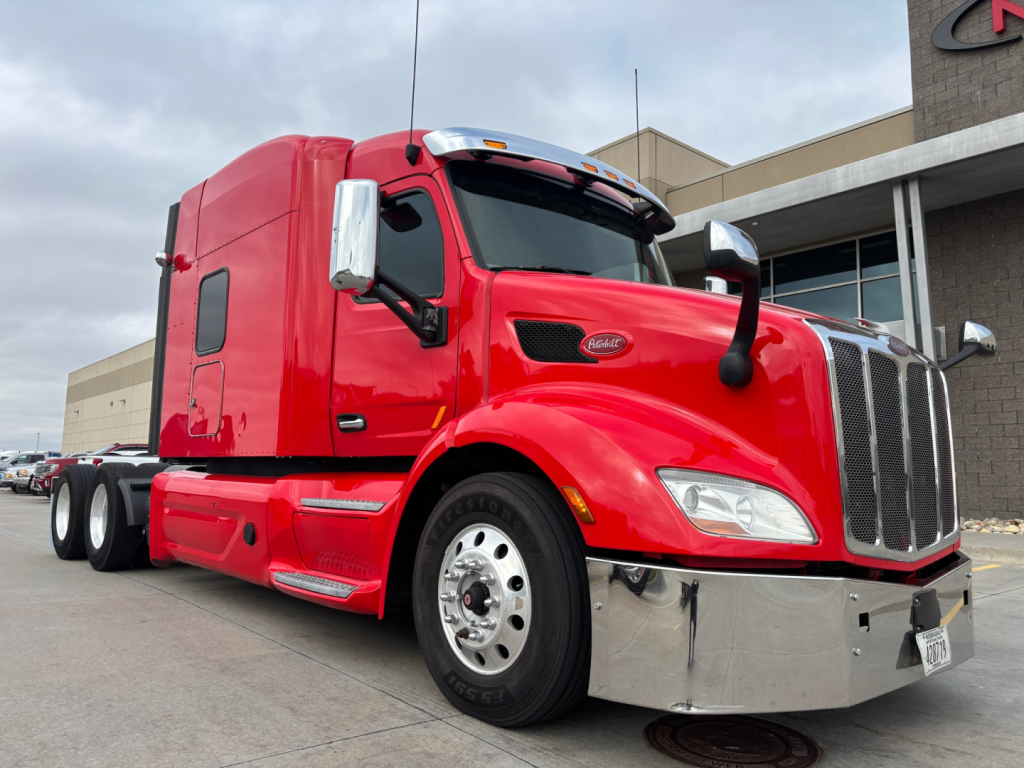
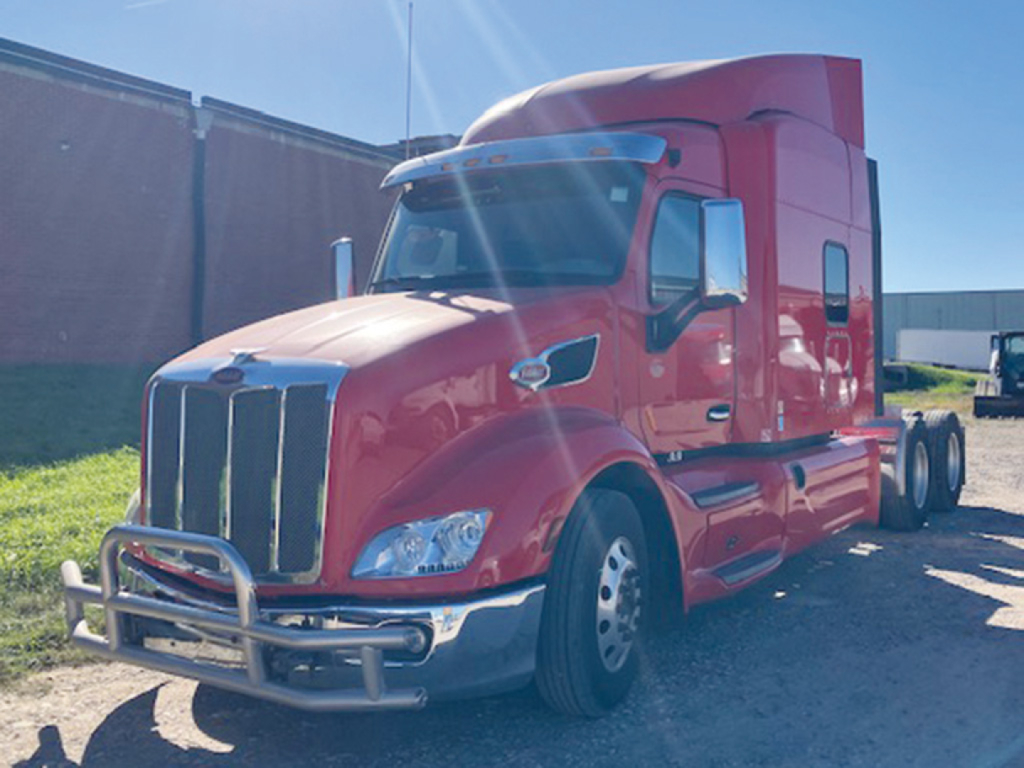
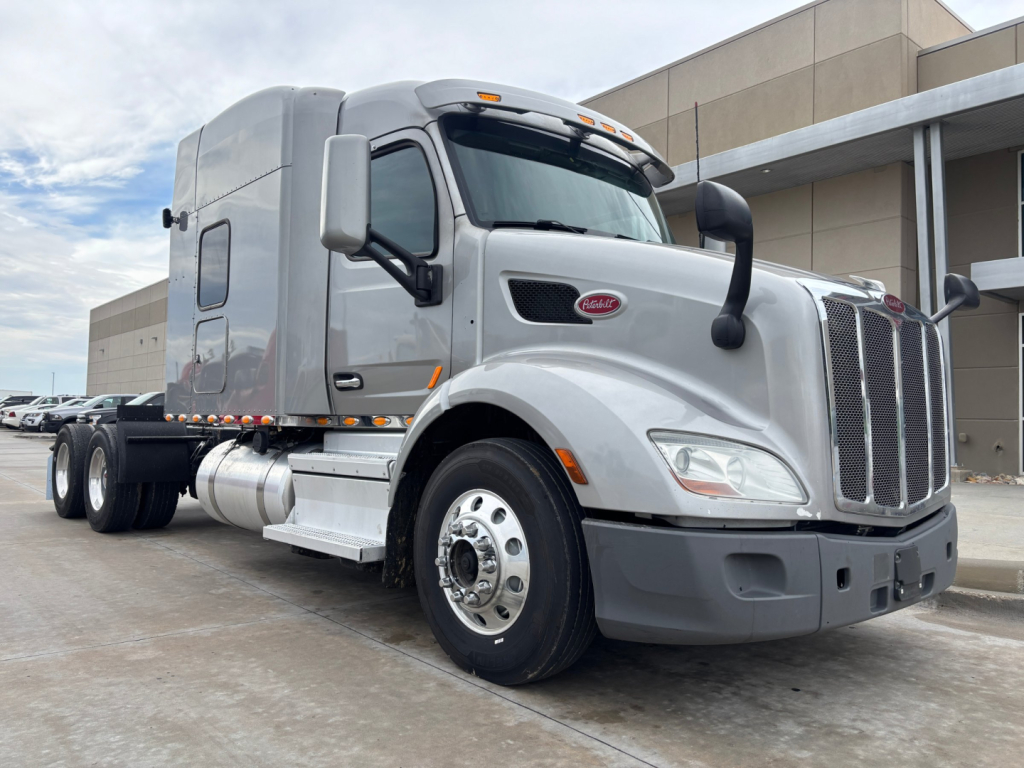
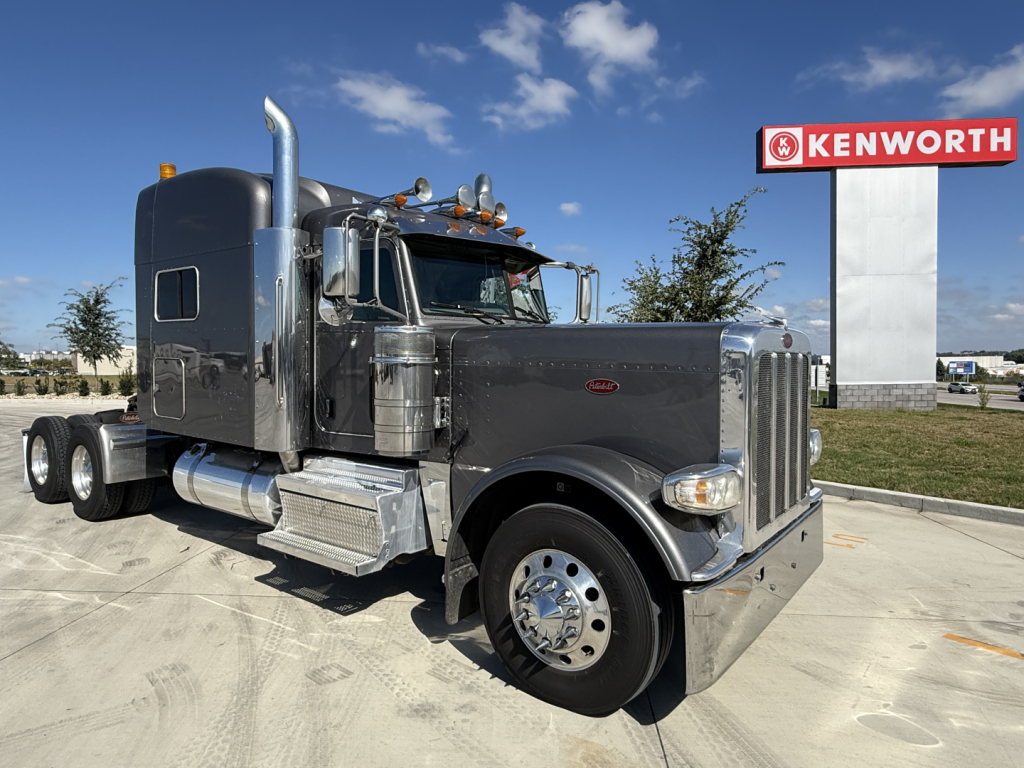
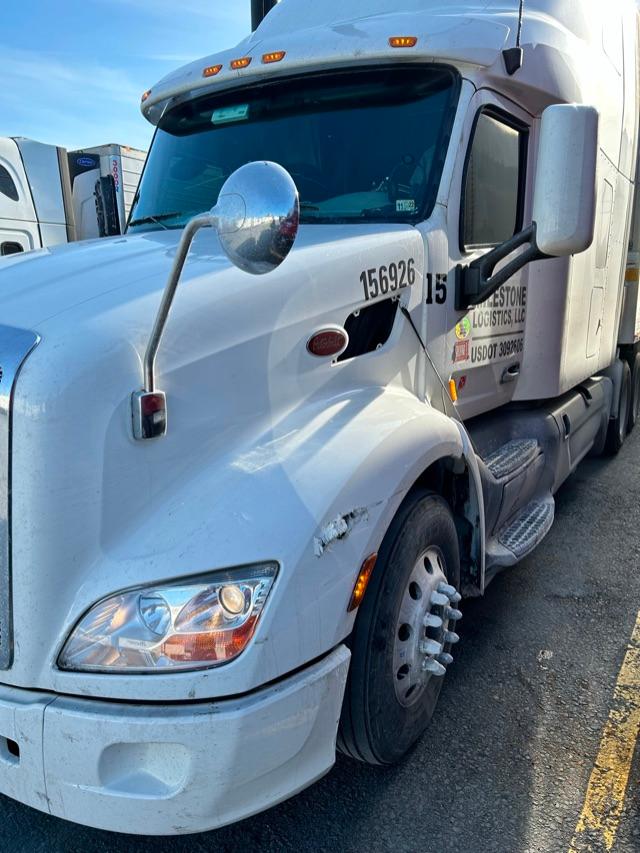

Selling a 2020 peterbilt conventional sleeper truck? List your 2020 peterbilt conventional sleeper truck for sale and reach thousands of commercial buyers.
2020 Peterbilt Conventional Sleeper Trucks
The biggest buying decision usually starts with the powertrain. Many 2020 Peterbilt sleeper trucks were spec'd with the PACCAR MX-13, while some buyers may prefer Cummins X15 power depending on the application, service network preference, and resale strategy. Horsepower ratings commonly fall in the 400 to 510 HP range, with torque matched to freight type and operating terrain. Automated manuals are common in this class, though some trucks were ordered with manual transmissions for buyers who want direct control and simpler driver preference alignment. Rear axle ratios, often in the 2.64 to 3.55 range, matter as much as horsepower because they affect cruise RPM, fuel economy, gradeability, and how the truck feels under heavy gross weights.
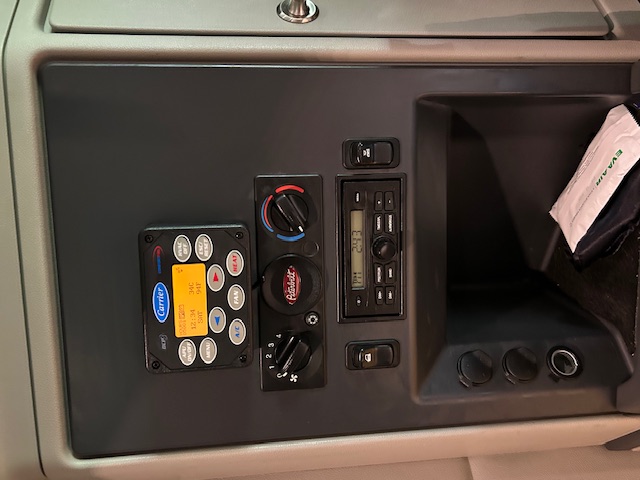
Sleeper size and chassis layout deserve close attention because they change the truck’s day-to-day value. A 2020 Peterbilt conventional sleeper may be equipped with a mid-roof or high-roof sleeper, often around 58 to 80 inches, with single-bunk or double-bunk layouts. Long wheelbase specs can improve ride quality and fuel capacity, while shorter wheelbases may fit tighter regional or dedicated operations. Common features in this category include dual aluminum fuel tanks, air slide fifth wheels, air ride suspension, bunk heaters, refrigerator prep or installed refrigerators, APUs or battery-based idle reduction systems, and premium interiors. Buyers comparing trucks should look at front axle ratings, suspension type, brake spec, tire size, and whether the truck has low air leaf, Flex Air, or another ride package that matches the intended freight.
For a working buyer, condition and maintenance history matter more than chrome or trim level. A 2020 Peterbilt sleeper should be evaluated for emissions system service history, clutch or automated transmission calibration history, brake wear, tire age, bunk HVAC operation, and signs of excess idle time. If the truck will run coast to coast, fuel capacity, fairing condition, and sleeper comfort are not small details. If it will stay on shorter lanes, maneuverability, weight, and driveline gearing may matter more. The right 2020 Peterbilt conventional sleeper truck is the one whose engine, sleeper, wheelbase, and axle spec match the freight instead of forcing the operation to adapt to the truck.
Frequently Asked Questions about 2020 Peterbilt Conventional Sleeper Trucks
What engine options are common in a 2020 Peterbilt conventional sleeper truck?
The most common engine in a 2020 Peterbilt conventional sleeper is the PACCAR MX-13, though some trucks may be equipped with a Cummins X15 depending on the original order spec. Both engines are used in over-the-road service, but buyers often compare them based on dealer support, parts familiarity, fuel economy expectations, and maintenance preference. The right choice depends on route profile, average gross weight, and how the truck will be serviced over time.
What sleeper size should I look for in a 2020 Peterbilt 579?
Sleeper size should match the operation. Mid-roof sleepers work well for regional and shorter overnight lanes where weight and cost control matter. Larger 72-inch to 80-inch sleepers are better suited for long-haul and team use because they provide more storage, more living space, and a better setup for extended time on the road. Buyers should also confirm bunk count, cabinet layout, HVAC performance, and whether the truck has an APU or battery HVAC system.
Are 2020 Peterbilt sleeper trucks good for long-haul freight?
Yes, this category is built primarily for highway use and long-haul work. A 2020 Peterbilt conventional sleeper typically offers aerodynamic bodywork, a comfortable air ride cab and suspension, and sleeper amenities that support extended runs. The truck’s usefulness for long-haul freight depends on the exact wheelbase, fuel capacity, gearing, engine rating, and sleeper configuration, so the spec matters as much as the badge.
What should I inspect first on a used 2020 Peterbilt conventional sleeper?
Start with the engine and aftertreatment service history, then move to the transmission, axle ratio, suspension, brakes, and tire condition. After that, inspect the sleeper systems including bunk heater, air conditioning, refrigerator, inverter, and idle reduction equipment if installed. Fairings, hood alignment, fifth wheel condition, and frame rail integrity also deserve a close look because they affect operating cost, aerodynamics, and signs of prior damage or hard use.
Is an automated transmission a good choice in this category?
For many fleets and owner-operators, yes. Automated manual transmissions are common in 2020 highway sleepers because they can help with fuel efficiency, driver recruitment, and consistency across different operators. A manual transmission may still appeal to buyers with specific driver preferences or certain heavy-haul habits, but most over-the-road buyers in this category focus on automated specs that are matched correctly to engine torque and rear axle ratio.