
2020 Conventional Sleeper Trucks For Sale in Nevada
Browse 2020 conventional sleeper trucks in Nevada with specs, sleeper sizes, engine options, axle ratings, and highway-ready features.
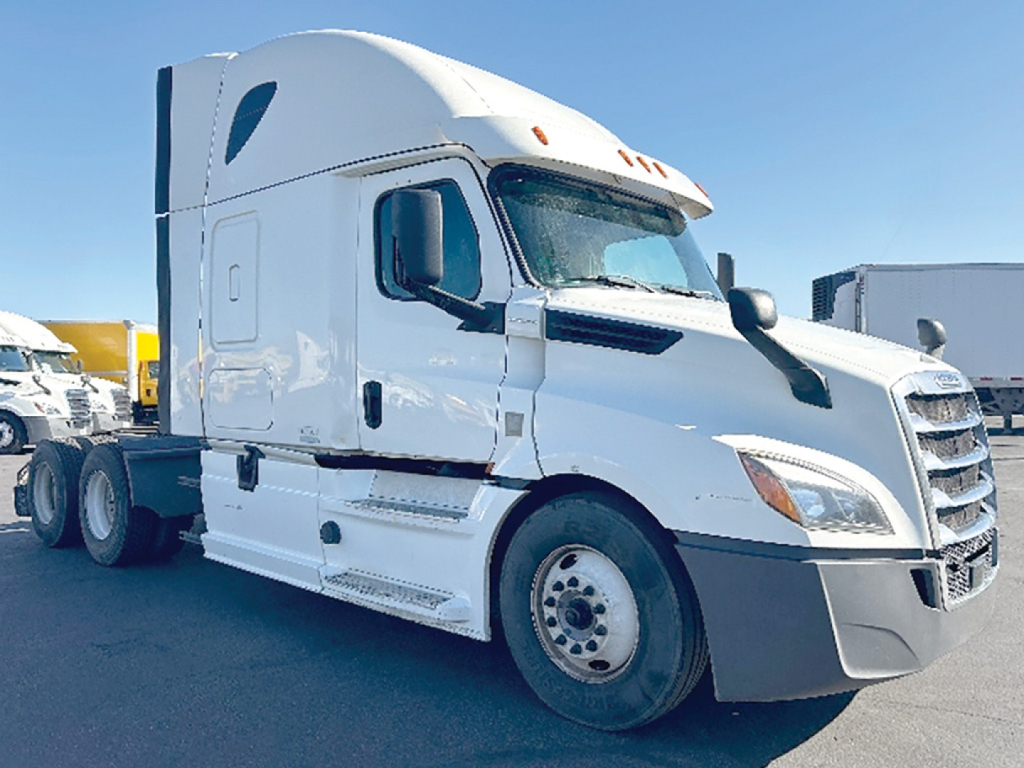
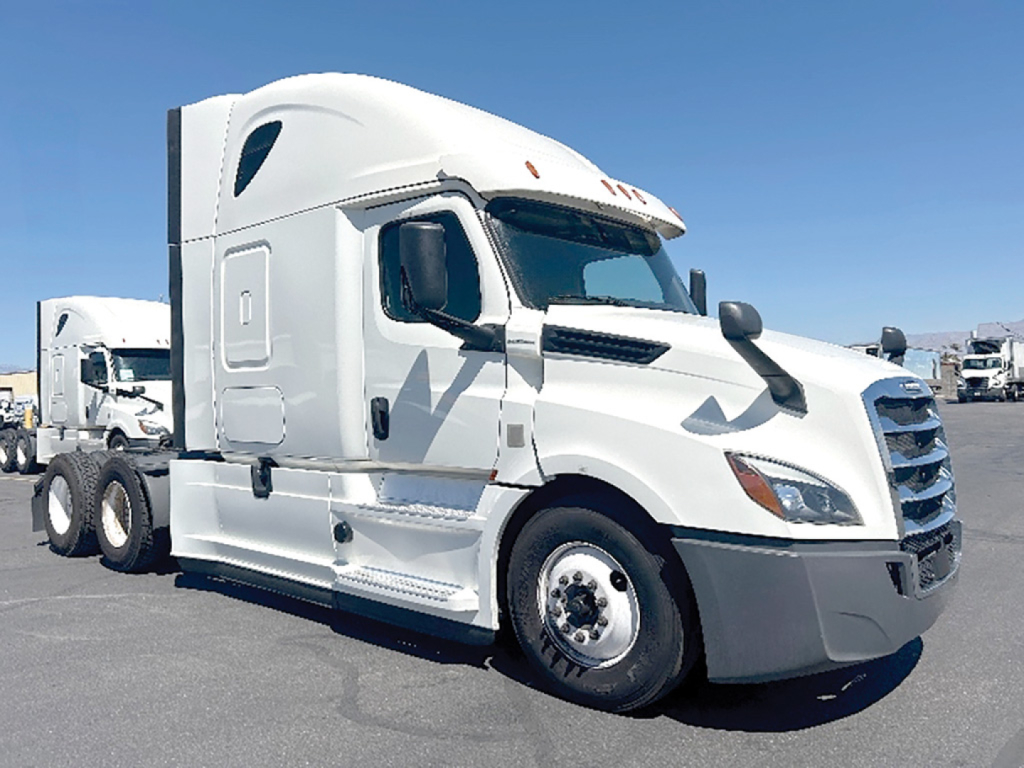
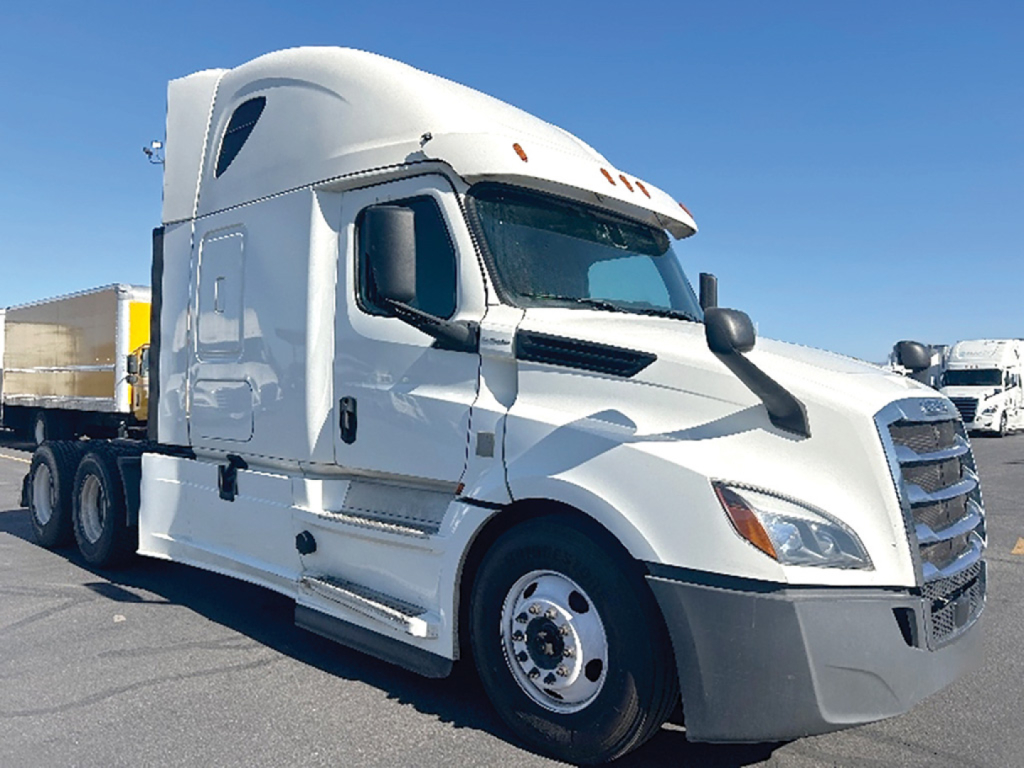
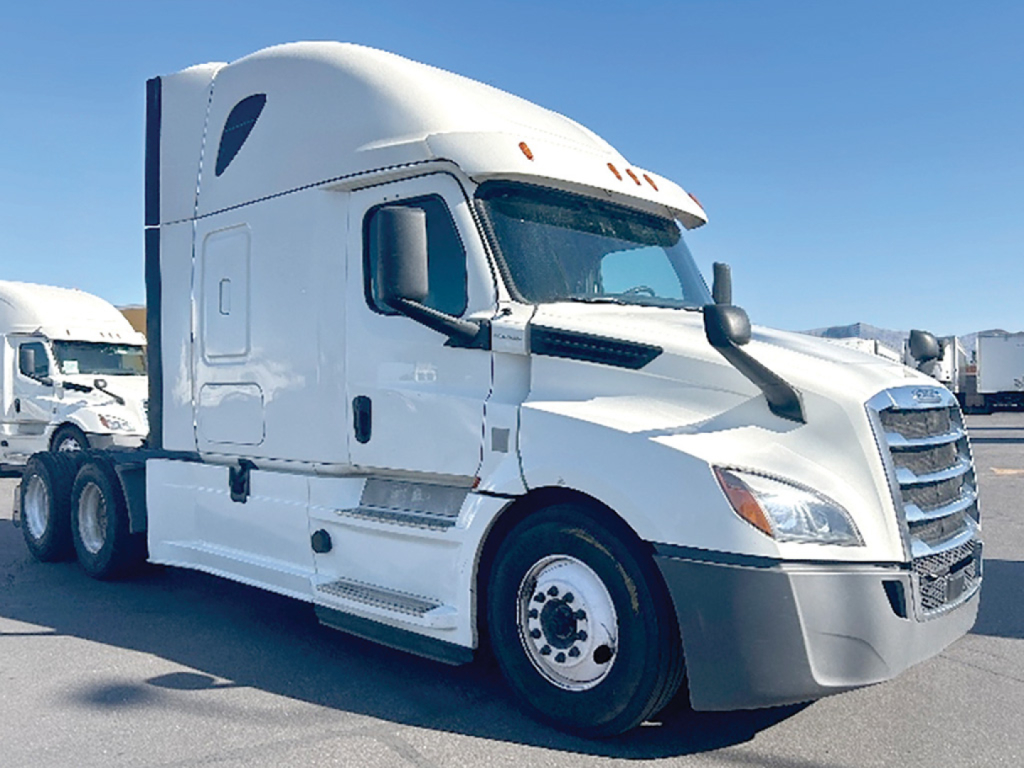
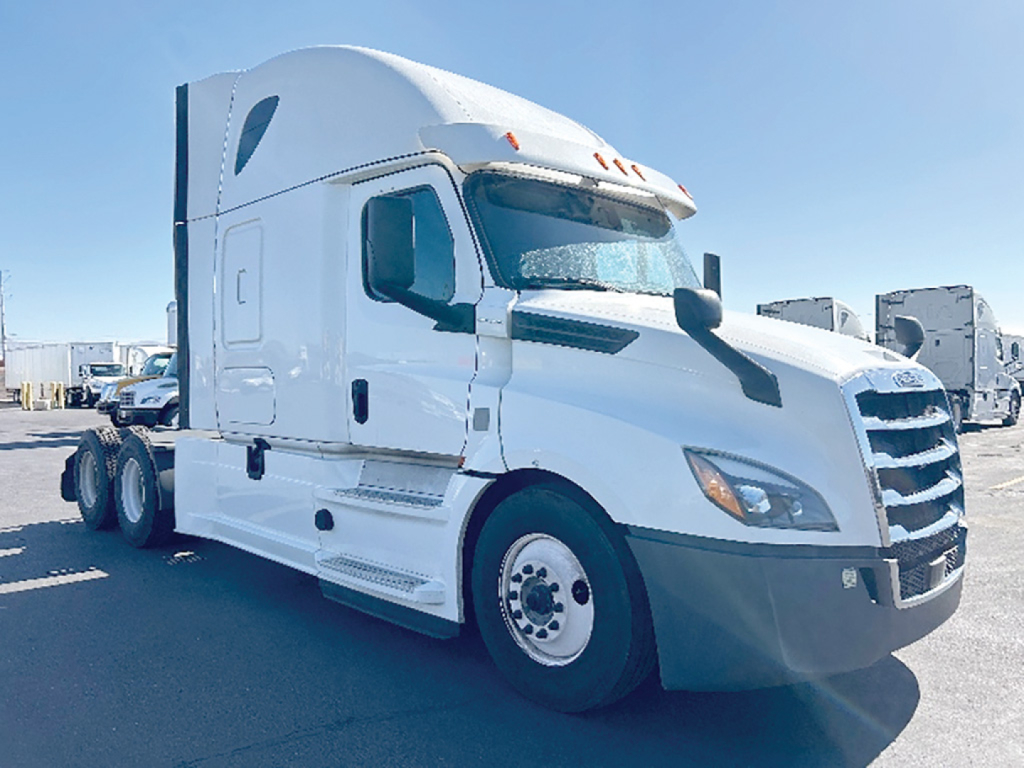
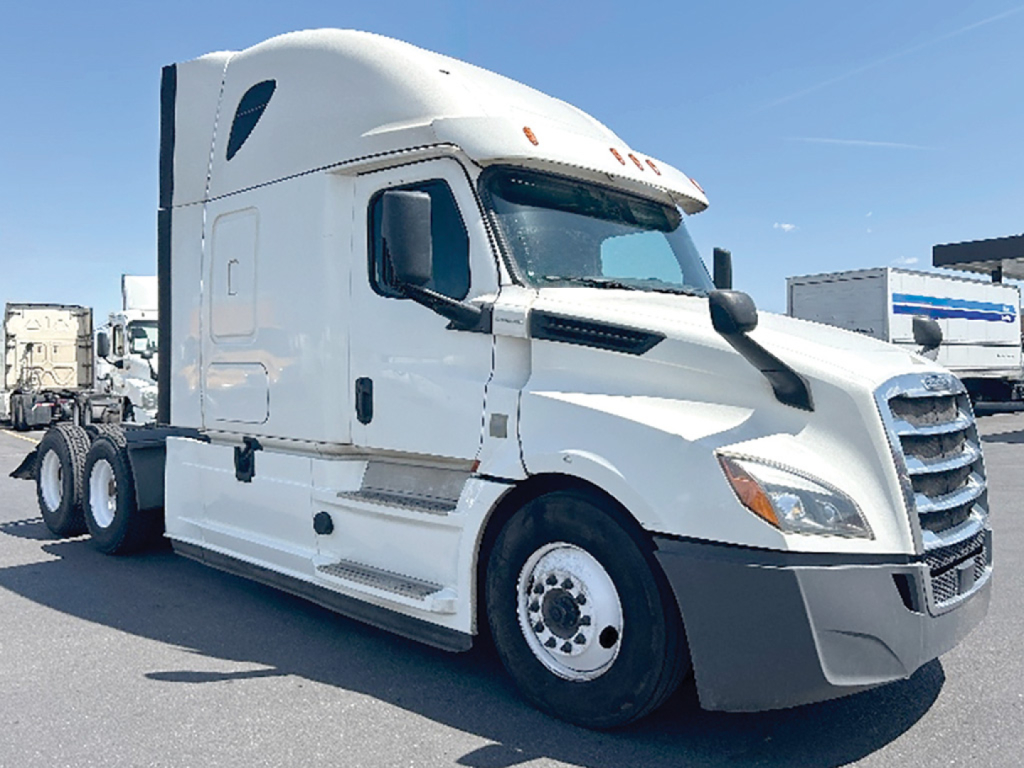
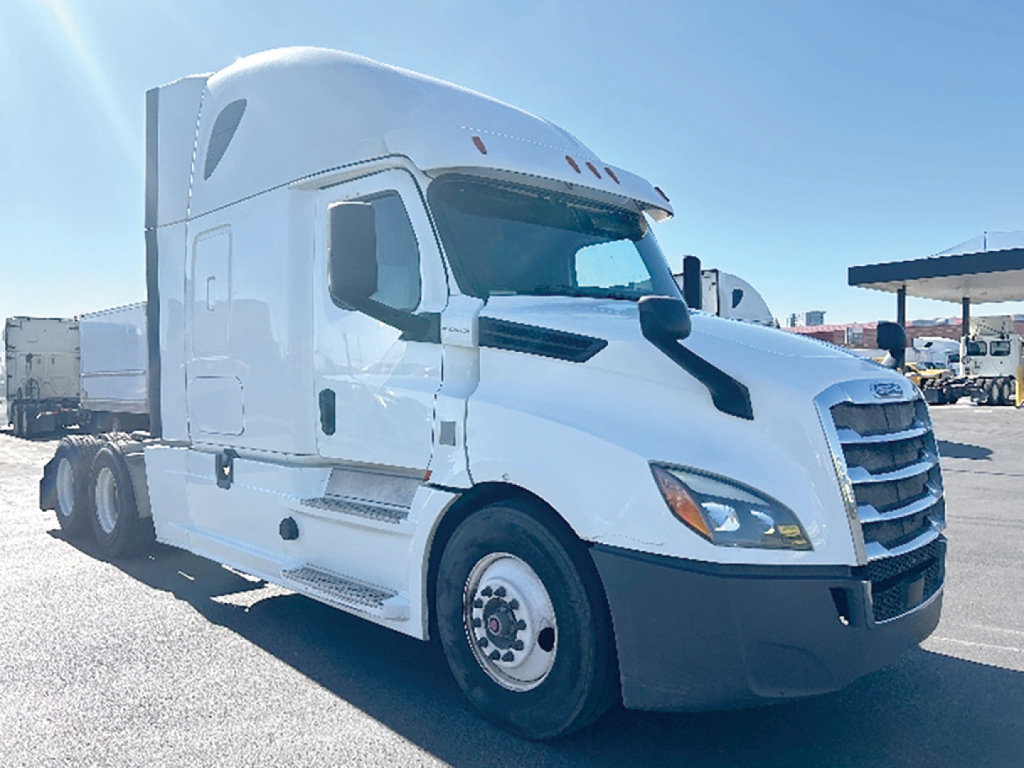
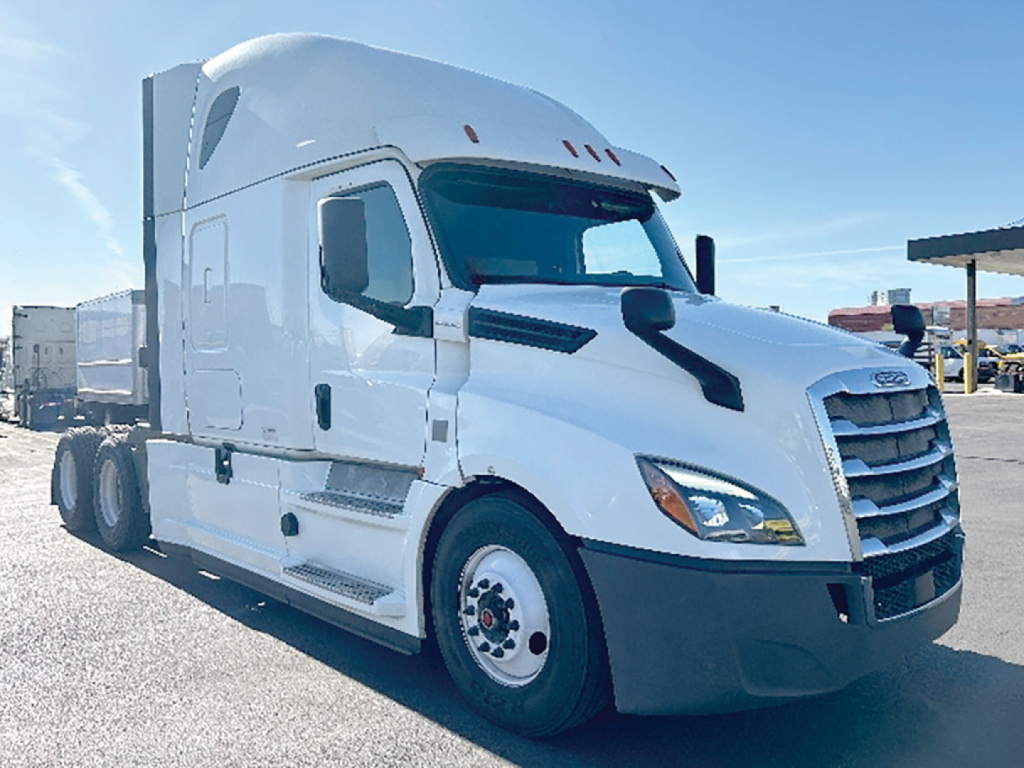

Selling a 2020 conventional sleeper truck? List your 2020 conventional sleeper truck for sale and reach thousands of commercial buyers.
2020 Conventional Sleeper Trucks in Nevada
The biggest buying decisions usually come down to engine, transmission, rear axle ratio, and sleeper configuration. Many 2020 conventional sleepers were built with Detroit DD15, Cummins X15, Paccar MX-13, Volvo D13, or Mack MP8 engines, commonly in the 400 to 505 horsepower range. Most are paired with automated manuals such as the DT12, Endurant, I-Shift, or mDRIVE, though some fleets still ordered manual transmissions. A 40,000-pound tandem rear axle setup is common, with ratios like 2.64, 2.79, 3.08, or 3.23 depending on the intended duty cycle. Lower numerical ratios generally favor fuel economy on open highway runs, while deeper gearing can help in mountain terrain or heavier gross weights. Wheelbases in this segment often land around the low-220 to 240-inch range, and sleeper sizes commonly run from 60 to 80 inches with mid-roof or raised-roof layouts.
For a buyer comparing listings, the best value is rarely just the lowest price. Look closely at maintenance history, idle hours, aftertreatment service records, transmission calibration history, and signs of uneven tire wear that may point to alignment or suspension issues. Check the condition of the bunk HVAC, inverter setup, APU or bunk heater if equipped, and cab electronics including collision mitigation, adaptive cruise, lane departure, and telematics hardware. Disc brakes, air slide fifth wheels, dual aluminum fuel tanks, fairings, and cab extenders are common on aerodynamic highway specs and can make a real difference in operating cost and trailer compatibility. Interior layout also matters more than many buyers expect, especially for teams or drivers spending multiple nights out.
In Nevada, a 2020 sleeper tractor often makes the most sense when the truck will spend time on I-15, I-80, and other long western corridors where fuel range, stability at highway speed, and driver comfort affect uptime. Dry van, reefer, and general freight applications are the most common, but many of these tractors can also transition into flatbed or dedicated contract work if the gearing, fifth wheel placement, and weight spec are right. The right truck in this category is one that matches the freight lane first, then the driver, then the budget. A well-spec'd 2020 conventional sleeper can still deliver modern aerodynamics, strong safety technology, and a comfortable living space without moving into the higher acquisition cost of newer model years.
Frequently Asked Questions about 2020 Conventional Sleeper Trucks in Nevada
What should I look for first when buying a 2020 conventional sleeper truck?
Start with the powertrain spec and service history. Engine make, horsepower, transmission type, rear axle ratio, and sleeper size should match the freight and terrain the truck will actually see. After that, review maintenance records for DPF and SCR work, clutch or transmission service on automated manuals, cooling system repairs, and any history of fault codes or derates. Mileage matters, but documented upkeep and a correct spec usually matter more than odometer reading alone.
Is a 2020 conventional sleeper good for long-haul work in Nevada and the western states?
Yes, this model year is well suited for western over-the-road use when spec'd correctly. Buyers often prioritize high-roof sleepers, larger fuel capacity, strong engine brakes, and axle ratios that keep engine rpm efficient at highway speed. Nevada routes can mean long distances between stops, hot weather, and mountain grades, so cooling performance, bunk climate control, and aftertreatment health deserve extra attention during inspection.
What engines and transmissions are common in 2020 conventional sleeper trucks?
Common engine choices in this category include the Detroit DD15, Cummins X15, Paccar MX-13, Volvo D13, and Mack MP8. Horsepower ratings often fall between 400 and 505 hp depending on fleet or owner-operator spec. Most 2020 highway sleepers were ordered with automated manual transmissions such as the Detroit DT12, Eaton Endurant, Volvo I-Shift, or Mack mDRIVE because they help with fuel economy, driver consistency, and resale appeal in the linehaul market.
How important is sleeper size on a 2020 conventional sleeper tractor?
Sleeper size affects comfort, storage, and suitability for the route more than many first-time buyers expect. A 60-inch sleeper may be adequate for regional overnights, while 72-inch to 80-inch raised-roof sleepers are more practical for long-haul or team operations. Beyond the dimensions, buyers should look at bunk layout, cabinet space, mattress condition, bunk heater operation, inverter capacity, and whether the HVAC system cools and heats the sleeper properly.
Are 2020 conventional sleepers typically set up for dry van and reefer work?
Yes, most are built primarily for dry van, reefer, and general highway freight. Typical specs include tandem drive axles, air ride suspension, sliding fifth wheels, aerodynamic body panels, and fuel-efficient drivetrain combinations. Many can also handle flatbed or dedicated route work, but buyers should verify wheelbase, fifth wheel travel, frame layout, and gearing to make sure the tractor fits trailer swing clearance, bridge laws, and gross combination weight needs.