
2020 Freightliner Conventional Sleeper Trucks For Sale in Nevada
Browse 2020 Freightliner conventional sleeper trucks in Nevada. Compare Cascadia specs, sleeper sizes, powertrain options, and road-ready features.
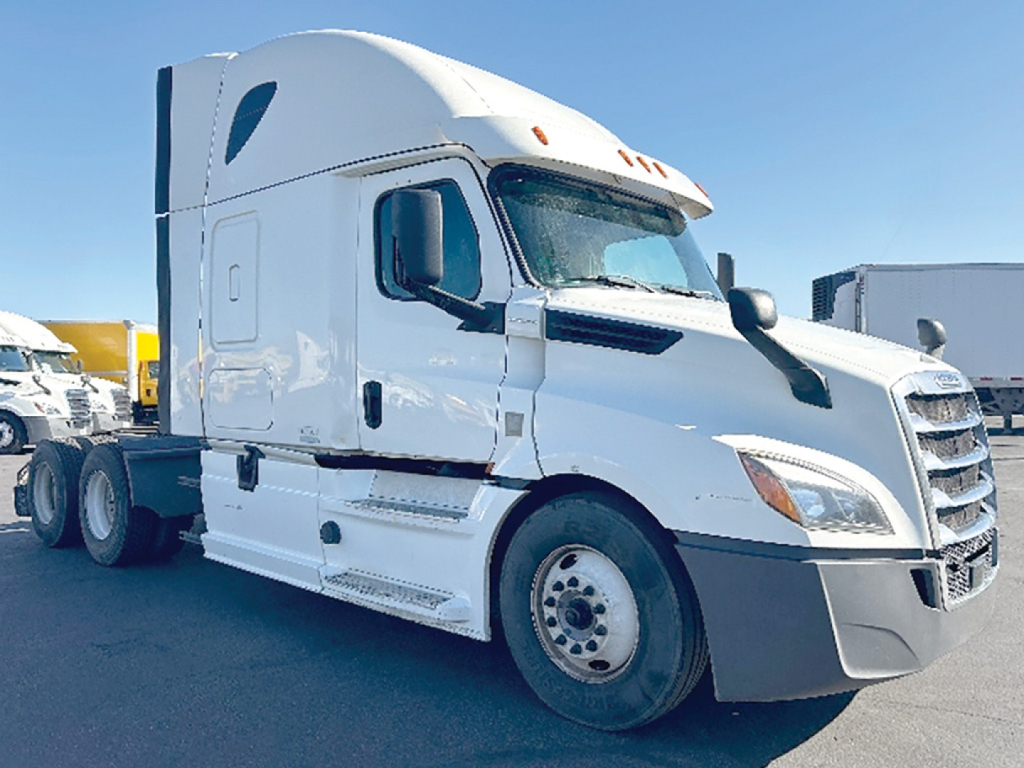
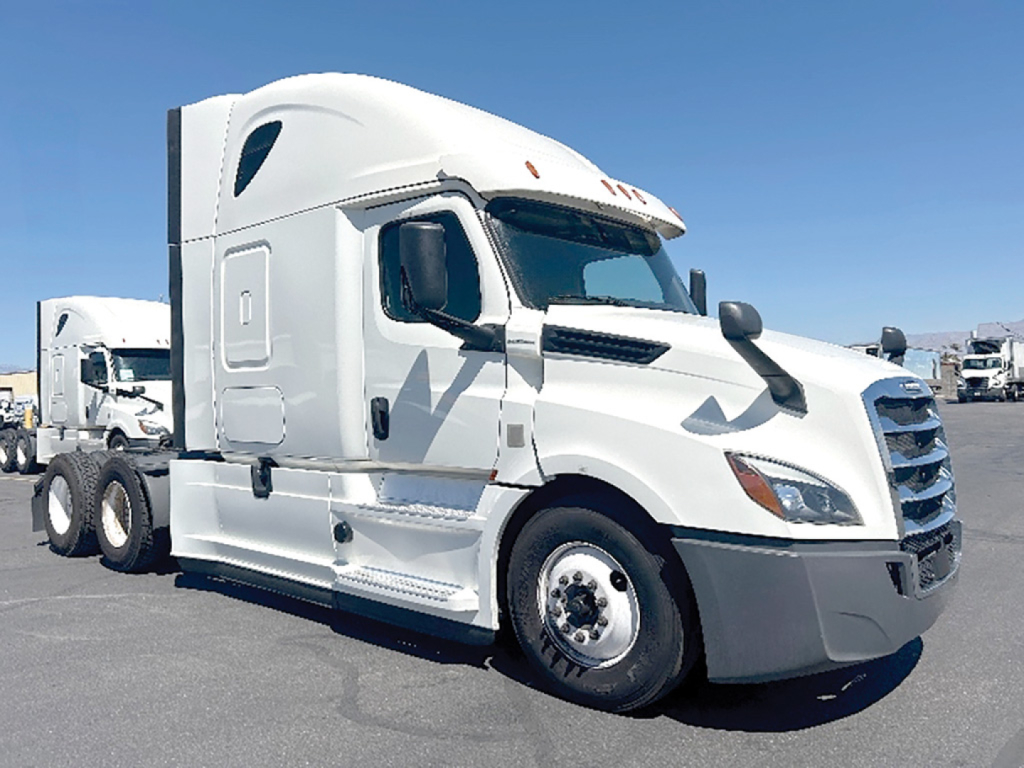
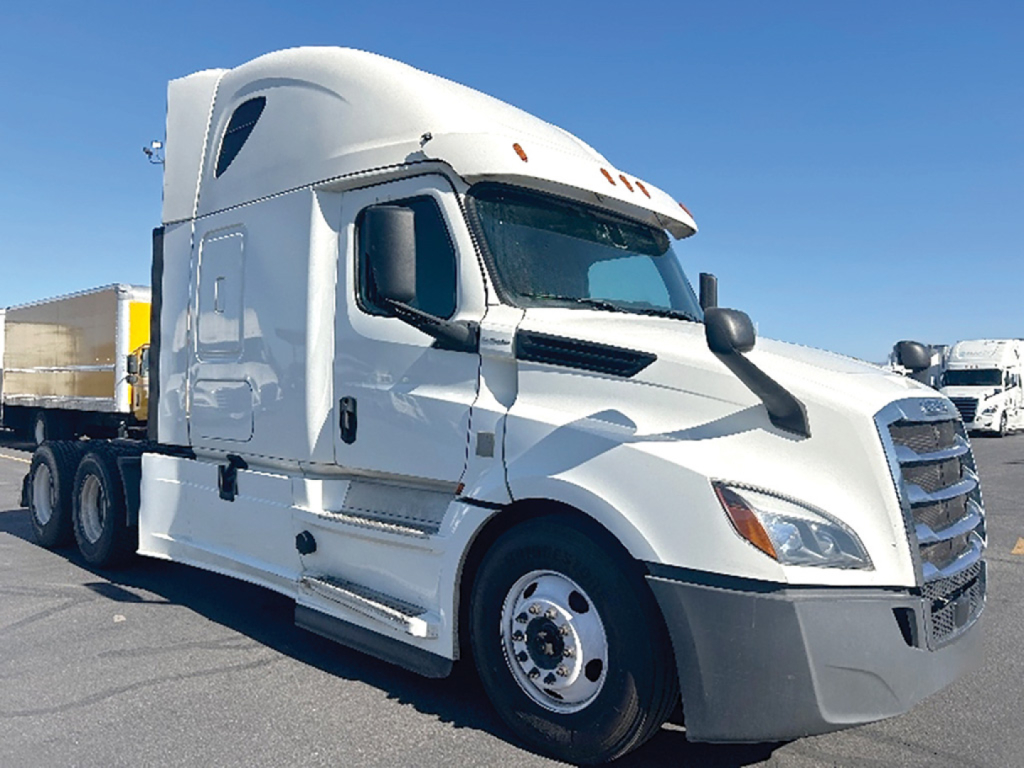
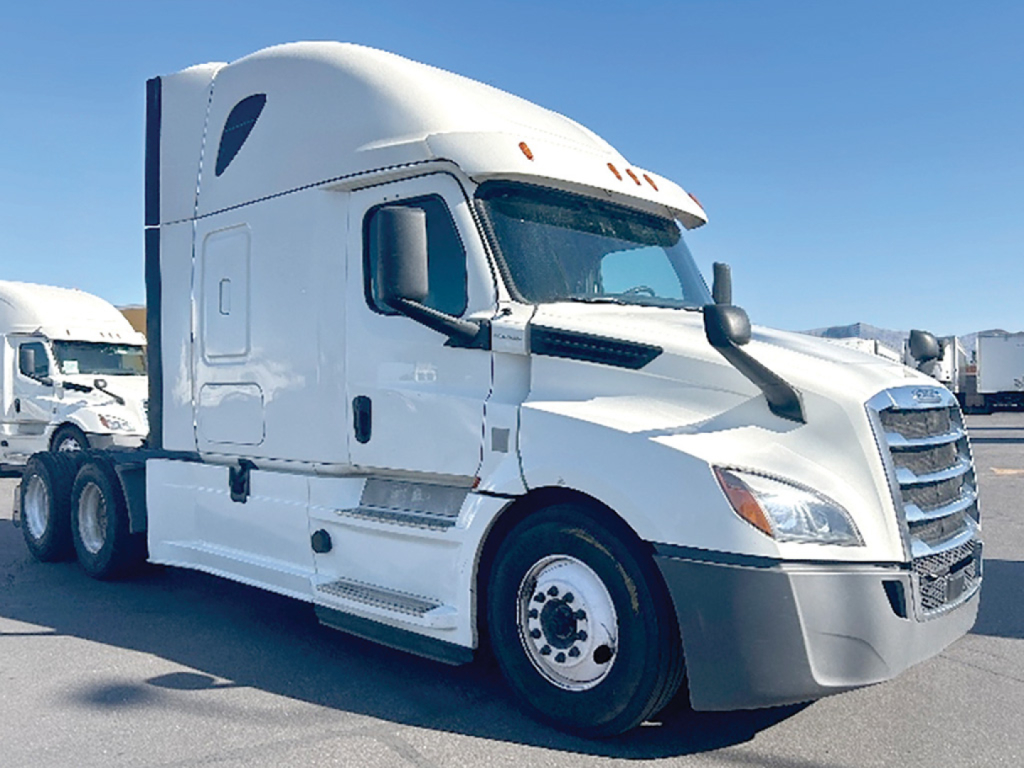
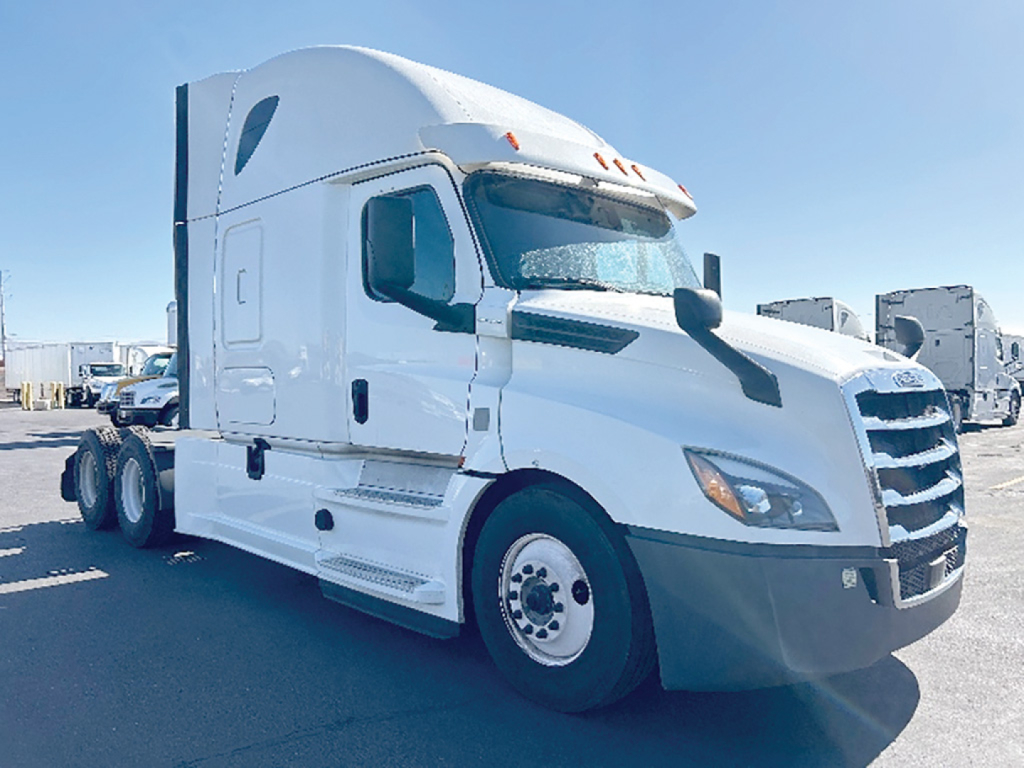
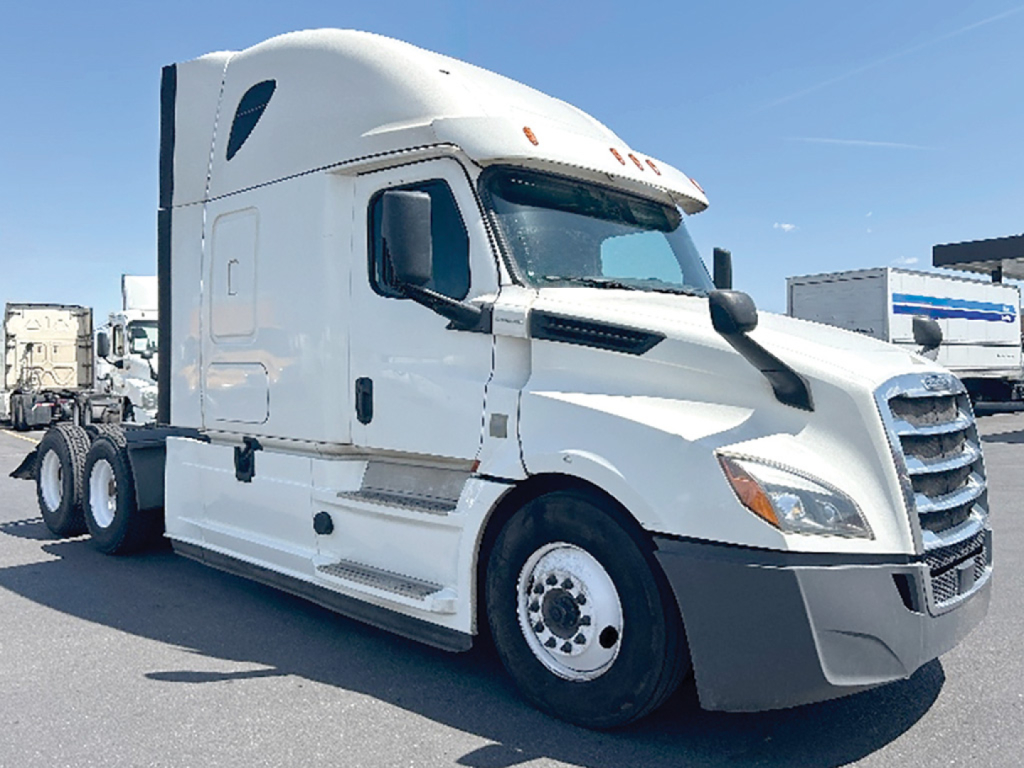
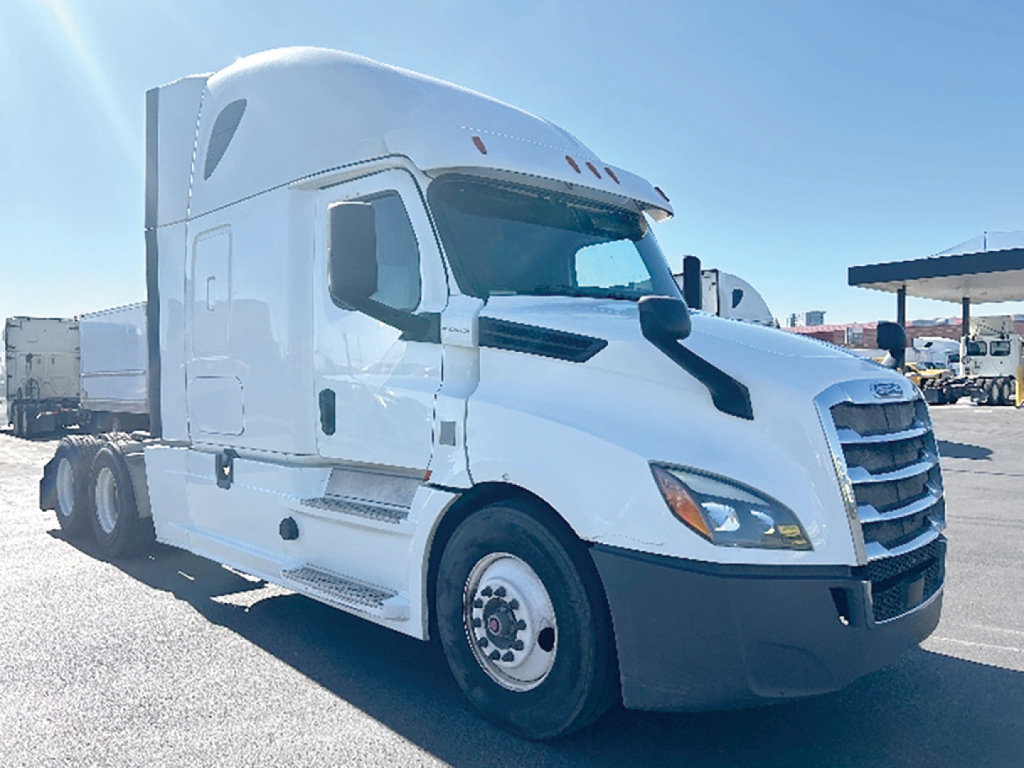
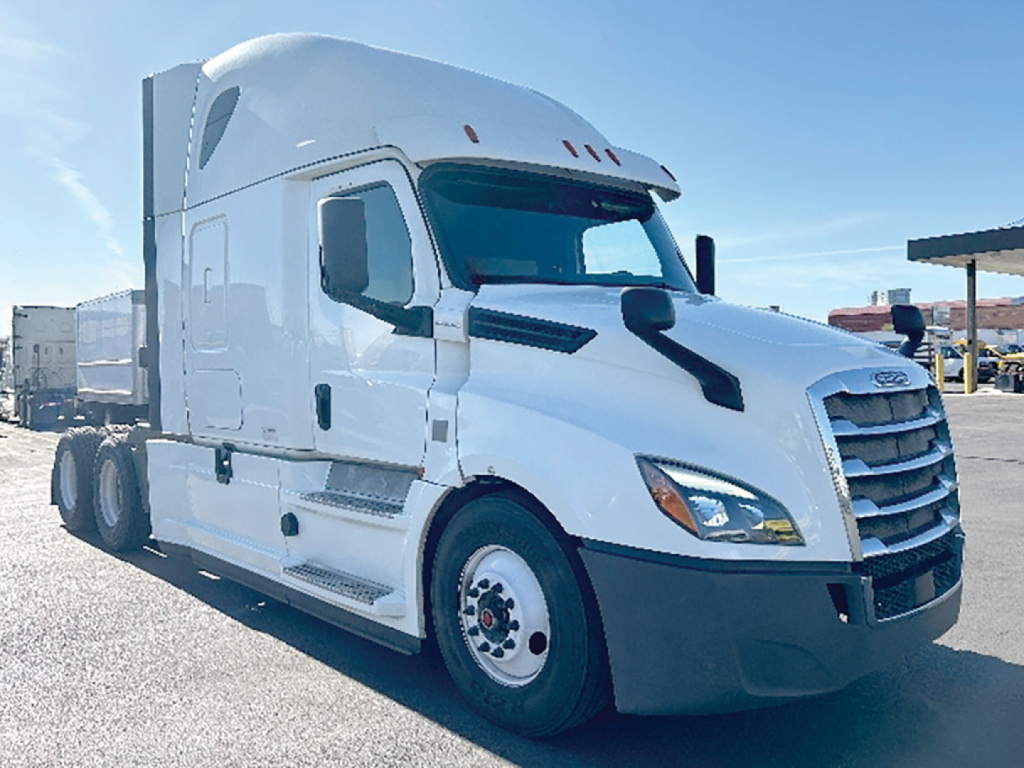

Selling a 2020 freightliner conventional sleeper truck? List your 2020 freightliner conventional sleeper truck for sale and reach thousands of commercial buyers.
2020 Freightliner Conventional Sleeper Trucks in Nevada
Powertrain selection is a major buying point on 2020 Freightliner sleepers. Typical engine choices include the Detroit DD15 and Cummins X15 in the 450 to 455 horsepower range, usually paired with automated manual transmissions such as the DT12 or Eaton Endurant family. Rear axle ratings around 40,000 pounds are common, along with ratios like 2.85 or 3.23 depending on the intended balance between fuel mileage and gradeability. Buyers should look closely at wheelbase, fifth wheel travel, engine brake performance, and tire setup, especially when comparing low-profile duals versus super singles for payload, ride, and operating cost.
Spec details on these sleepers can make a real difference in day-to-day use. Many 2020 units are equipped with air ride suspension, disc brakes, dual aluminum fuel tanks, collision mitigation systems, cab extenders, side fairings, and air slide fifth wheels. Inside the sleeper, features like bunk heaters, refrigerators, climate control, power windows, and tilt-telescoping steering add value for fleets trying to support driver retention or owner-operators spending extended time on the road. In a dry, high-heat market like Nevada, buyers should pay extra attention to A/C performance, cooling system condition, and the state of fairings, seals, and interior components exposed to sun and long highway miles.
A 2020 Freightliner conventional sleeper is usually a smart match for van, reefer, and general freight work where efficiency and uptime drive profitability. The Cascadia platform is also known for strong dealer coverage and familiar diagnostics, which helps reduce downtime when compared with less common sleeper tractors. When comparing listings, the best value often comes from matching the truck’s axle ratio, sleeper layout, safety equipment, and maintenance history to the lane it will actually run, not just choosing the lowest purchase price.
Frequently Asked Questions about 2020 Freightliner Conventional Sleeper Trucks in Nevada
What engine and transmission combinations are common in 2020 Freightliner conventional sleeper trucks?
The most common setups in 2020 Freightliner conventional sleepers are Detroit DD15 or Cummins X15 engines paired with automated manual transmissions such as the Detroit DT12 or an Eaton Endurant-spec unit. Horsepower commonly falls in the 450 to 455 HP range for highway freight. This combination is popular because it supports strong fuel economy, reduced driver fatigue, and easier fleet standardization compared with older manual transmission specs.
Is a 72-inch raised roof sleeper a good fit for long-haul work?
Yes. A 72-inch raised roof sleeper is one of the most common long-haul configurations because it provides enough room for an upper bunk, storage, and comfort features like a refrigerator or bunk heater. That extra living space matters on multi-day trips and can improve driver comfort and retention. For team operations or extended over-the-road service, this sleeper size is often a practical minimum.
What axle ratio should I look for in a 2020 Freightliner sleeper?
Axle ratio depends on the freight, terrain, and cruising speed you expect. Ratios like 2.85 are generally chosen for fuel-efficient highway operation on lighter or average long-haul loads, while a 3.23 ratio can offer better launch and grade performance in heavier work or more demanding terrain. The right choice should match the engine, transmission overdrive, tire size, and the lanes the truck will actually run.
Are disc brakes and collision mitigation worth having on a used 2020 Freightliner Cascadia sleeper?
For many buyers, yes. Disc brakes can improve stopping consistency, simplify certain maintenance tasks, and perform well in repeated highway braking situations. Collision mitigation systems add a layer of driver-assist safety that many fleets now expect, and they may also help with insurability or customer requirements. On a used truck, the key is confirming the systems are functioning properly and have been maintained correctly.
What should a buyer inspect first on a Nevada-based sleeper tractor?
On a Nevada truck, start with cooling system performance, air conditioning output, and any signs of heat-related wear in hoses, seals, and interior materials. Then check the condition of fairings, windshield area seals, tires, and brake components, since long highway service and heat can accelerate wear. Maintenance records, fault codes, aftertreatment history, and the condition of the sleeper HVAC equipment are especially important on a 2020 long-haul tractor.