
2020 Freightliner Conventional Sleeper Trucks For Sale
Shop 2020 Freightliner conventional sleeper trucks, including Cascadia sleepers with DD15 power, DT12 transmission, and fuel-efficient specs.
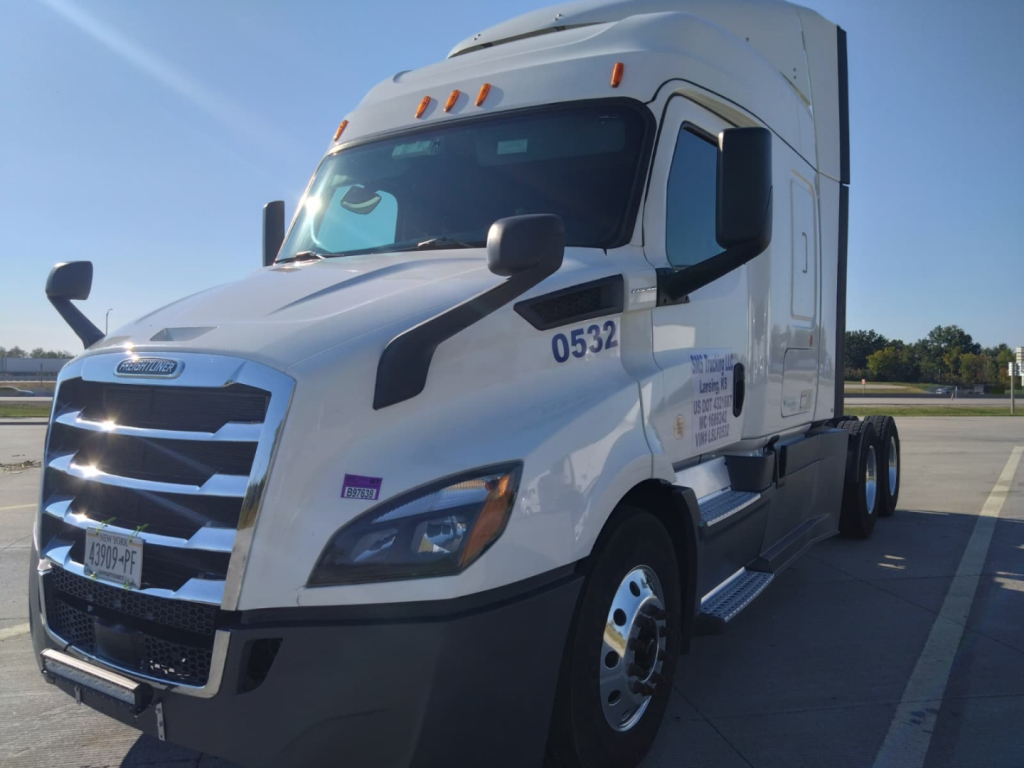
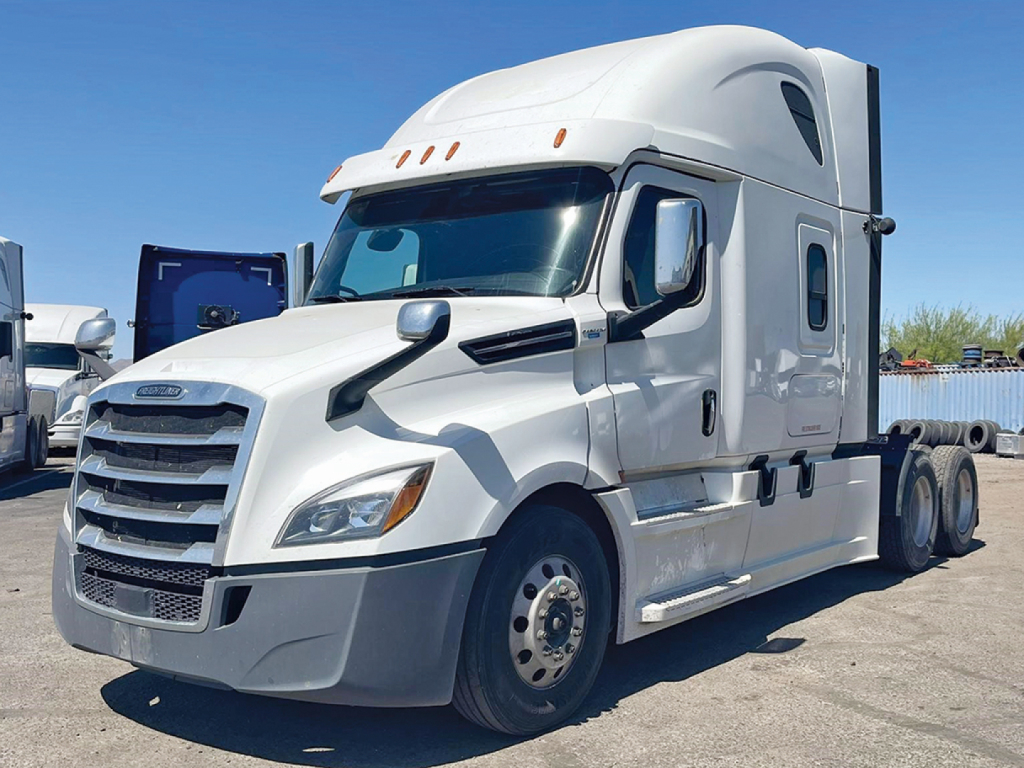
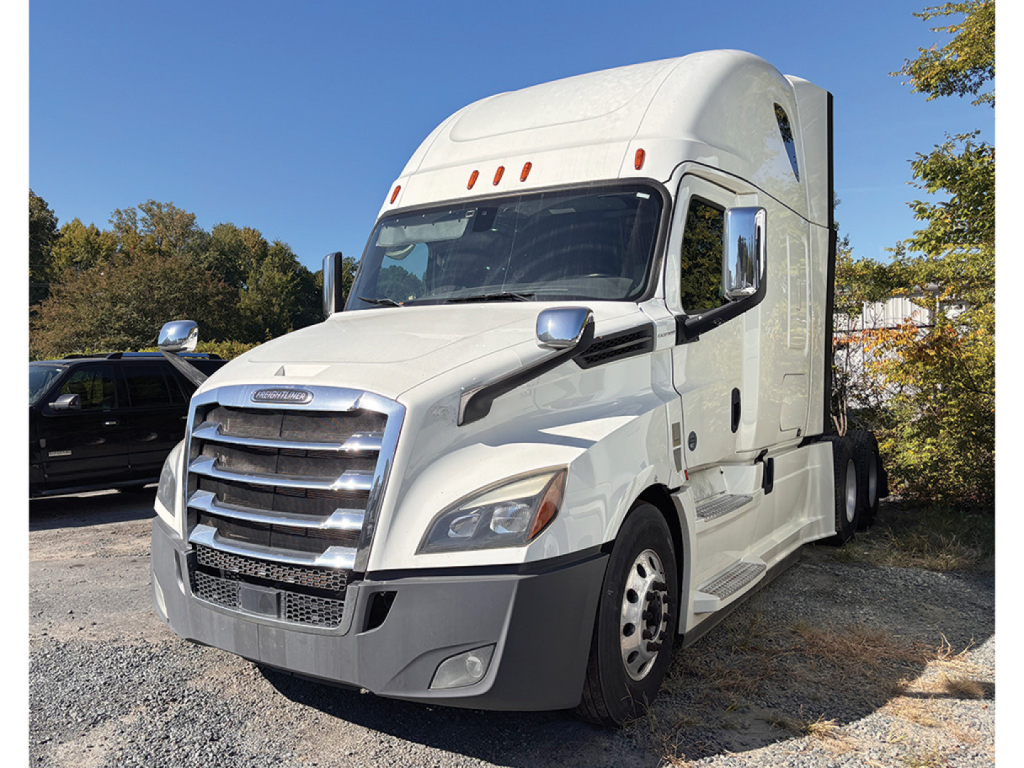
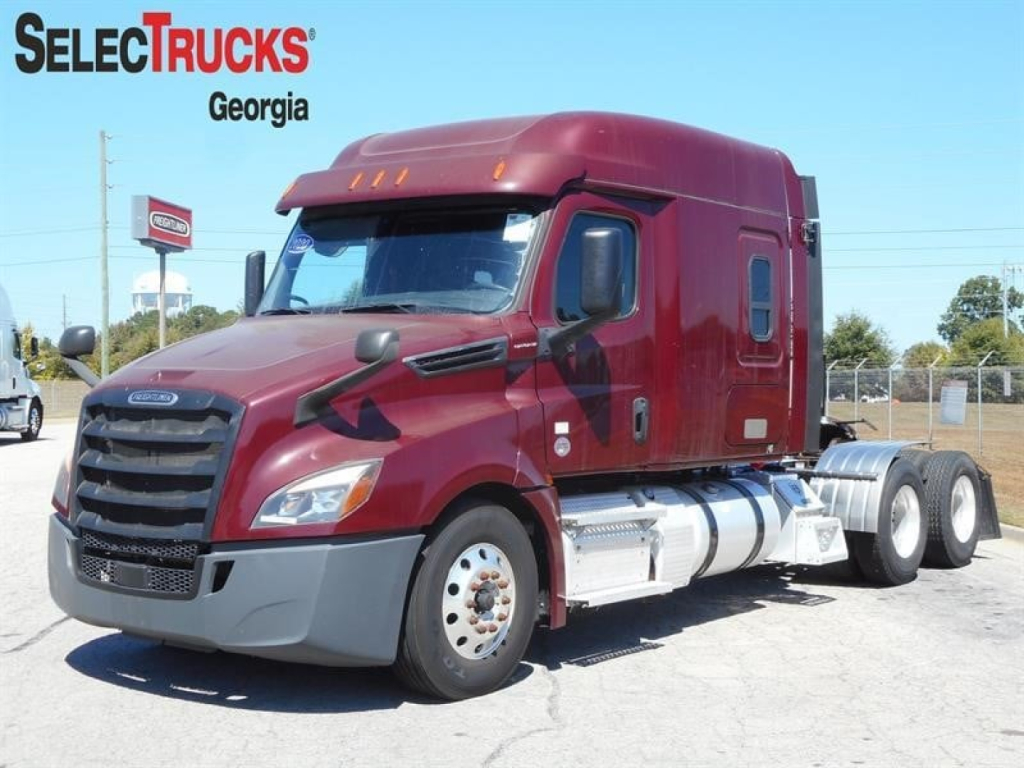
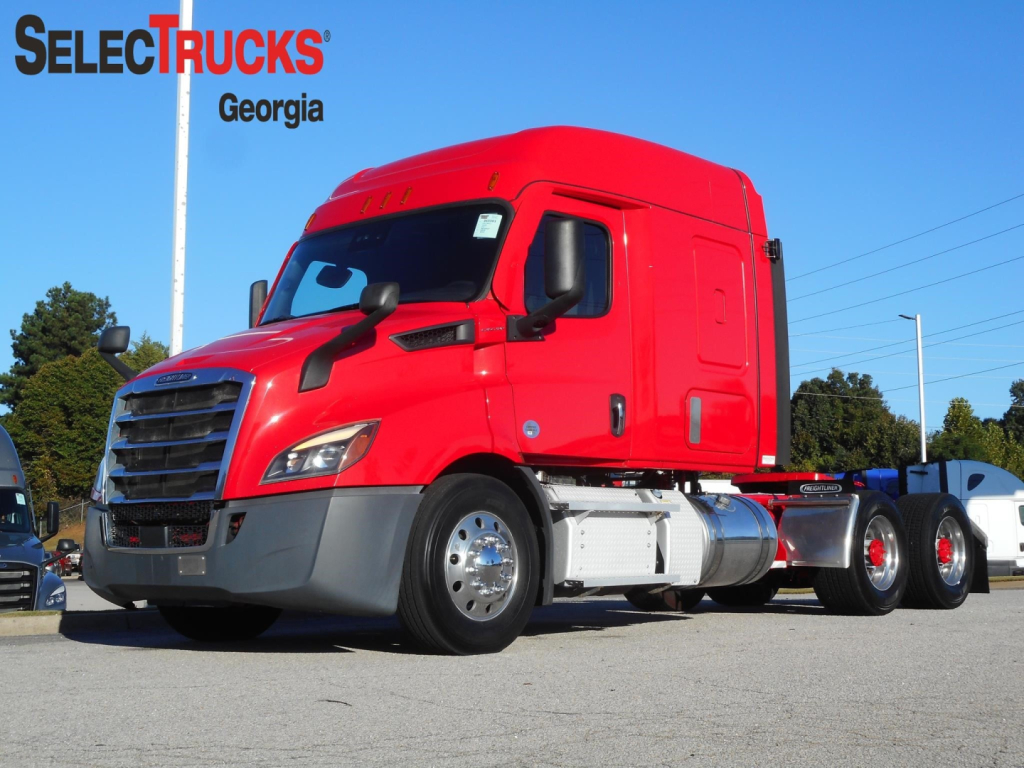
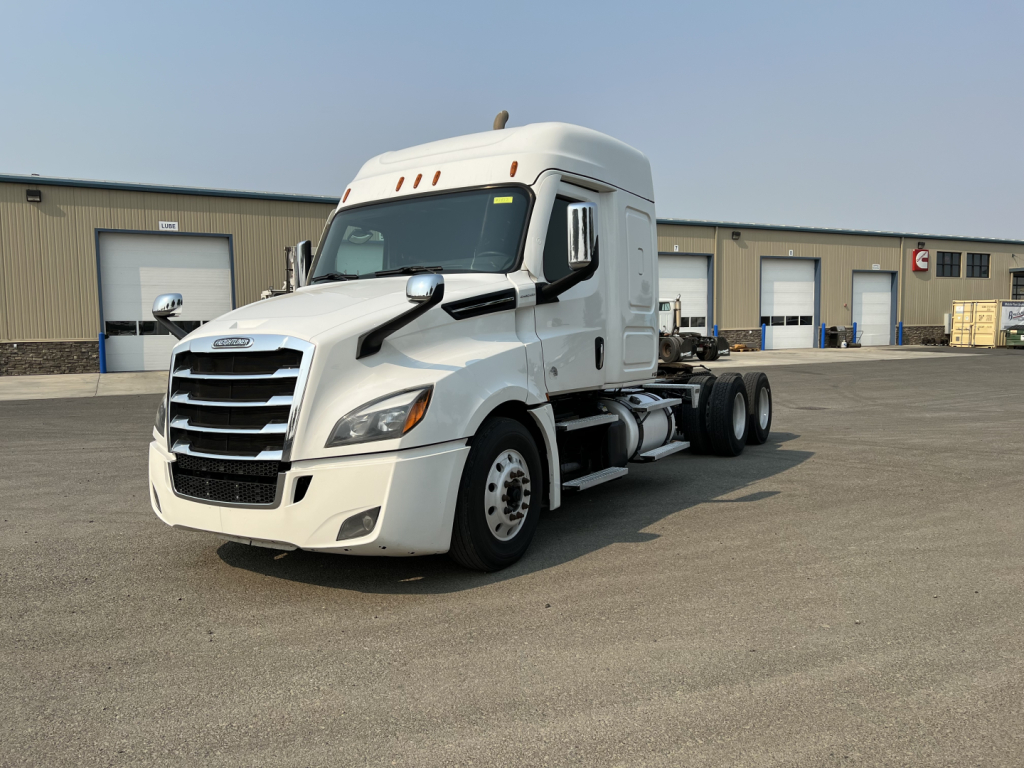
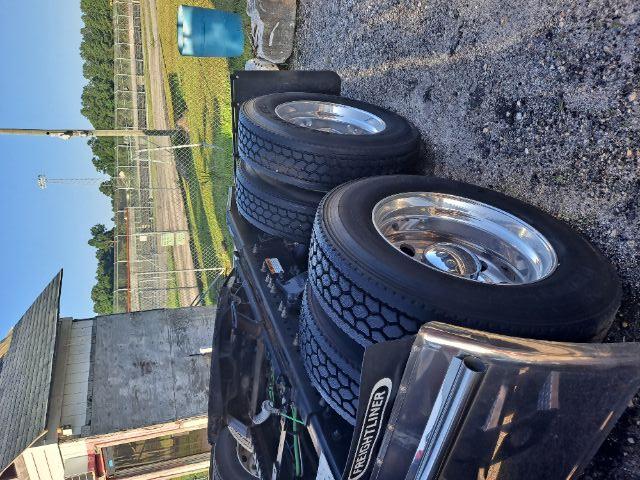
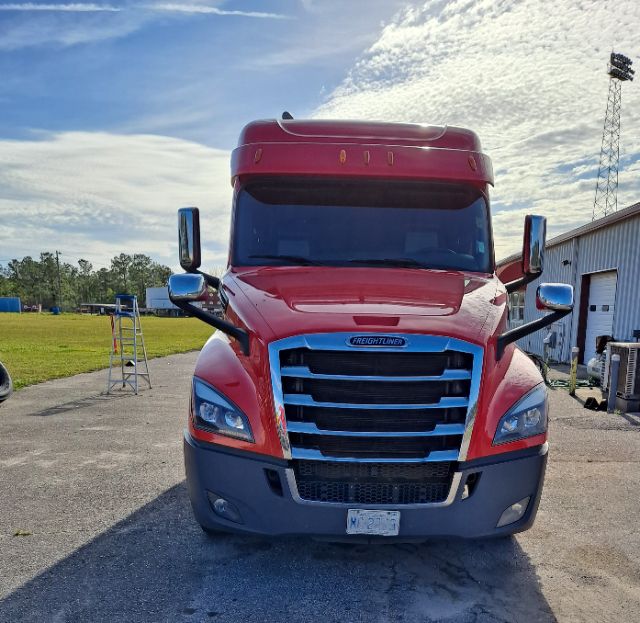
Selling a 2020 freightliner conventional sleeper truck? List your 2020 freightliner conventional sleeper truck for sale and reach thousands of commercial buyers.
2020 Freightliner Conventional Sleeper Trucks
The key buying decisions usually come down to sleeper size, rear axle ratio, wheelbase, and overall fuel-economy spec. A 2020 Freightliner sleeper may be found with a mid-roof or raised-roof cab, often with a 60-inch to 72-inch sleeper. Many over-the-road trucks in this class carry tandem 40,000 lb rears, air ride suspension, low-profile 22.5 tires, and an air slide fifth wheel. Buyers running van, reefer, or general dry freight often prefer a 2.64 to 2.85 rear ratio for highway efficiency, while heavier or more demanding routes may call for a different balance of startability and cruise RPM. Dual aluminum fuel tanks, side fairings, cab extenders, engine brake, and aerodynamic trim are common on this generation.
Condition and lifecycle costs matter more than badge appeal in this category. On a 2020 Freightliner conventional sleeper, pay close attention to mileage, idle hours, maintenance history, emissions system service, and transmission calibration history. A clean used sleeper tractor should be evaluated for DPF and SCR performance, coolant and oil service intervals, brake wear, suspension bushing condition, and any signs of uneven tire wear that could point to alignment or axle issues. Buyers comparing sleeper tractors should also look at interior condition, bunk configuration, inverter or refrigerator provisions, and driver comfort features such as tilt and telescoping steering, cruise control, and cab HVAC performance.
This category fits regional-expedited and true over-the-road applications, especially fleets and owner-operators looking for a modern aerodynamic sleeper with broad resale appeal. Freightliner conventional sleepers are also known simply as sleeper tractors or highway sleepers. A well-matched 2020 spec can lower fuel burn, simplify driver recruiting, and reduce downtime when compared with older pre-aero platforms. The best choice depends on lane length, trailer type, average payload, and how much emphasis you place on fuel economy versus heavier-duty driveline gearing.
Frequently Asked Questions about 2020 Freightliner Conventional Sleeper Trucks
What engine and transmission are most common in a 2020 Freightliner conventional sleeper?
Most 2020 Freightliner conventional sleeper trucks are spec'd with a Detroit DD15 engine and DT12 automated manual transmission. Horsepower commonly falls in the mid-400s, though some trucks are rated higher for heavier freight or more demanding duty cycles. This combination is popular because it balances fuel economy, drivability, and serviceability across linehaul applications.
Is a 2020 Freightliner Cascadia sleeper a good truck for over-the-road use?
Yes. The 2020 Cascadia sleeper is widely used in over-the-road service because it combines an aerodynamic cab, efficient powertrain options, and a driver-friendly sleeper layout. It is especially well-suited for dry van, reefer, and general freight operations where fuel economy, parts access, and nationwide service support are important.
What should I inspect on a used 2020 Freightliner sleeper tractor?
Focus on maintenance records, engine hours, fault code history, emissions system condition, and transmission operation. Also inspect tire wear, suspension components, brake condition, fifth wheel wear, and signs of prior collision repair. Inside the cab and sleeper, check bunk condition, HVAC function, dash electronics, and any wear that may indicate hard fleet use or excessive idle time.
What rear axle ratio works best on a 2020 Freightliner conventional sleeper?
The best rear axle ratio depends on the freight and terrain. Highway fuel-economy specs often use ratios around 2.64 to 2.85, especially with a DT12 and direct-drive or overdrive setup. Buyers hauling heavier loads, running mountain routes, or prioritizing launch performance may prefer a different ratio that keeps the engine in a stronger torque band.
How important is sleeper size on a 2020 Freightliner conventional sleeper truck?
Sleeper size affects driver comfort, storage, and the type of runs the truck can cover efficiently. A 60-inch sleeper may work well for shorter regional overnight lanes, while a 72-inch raised-roof sleeper is more common for long-haul teams or solo drivers spending extended time on the road. The right choice depends on trip length, driver expectations, and available payload and wheelbase limits.