
2020 Conventional Sleeper Trucks For Sale in Illinois
Shop 2020 conventional sleeper trucks in Illinois. Compare sleeper sizes, engine specs, drivetrain options, and long-haul features.
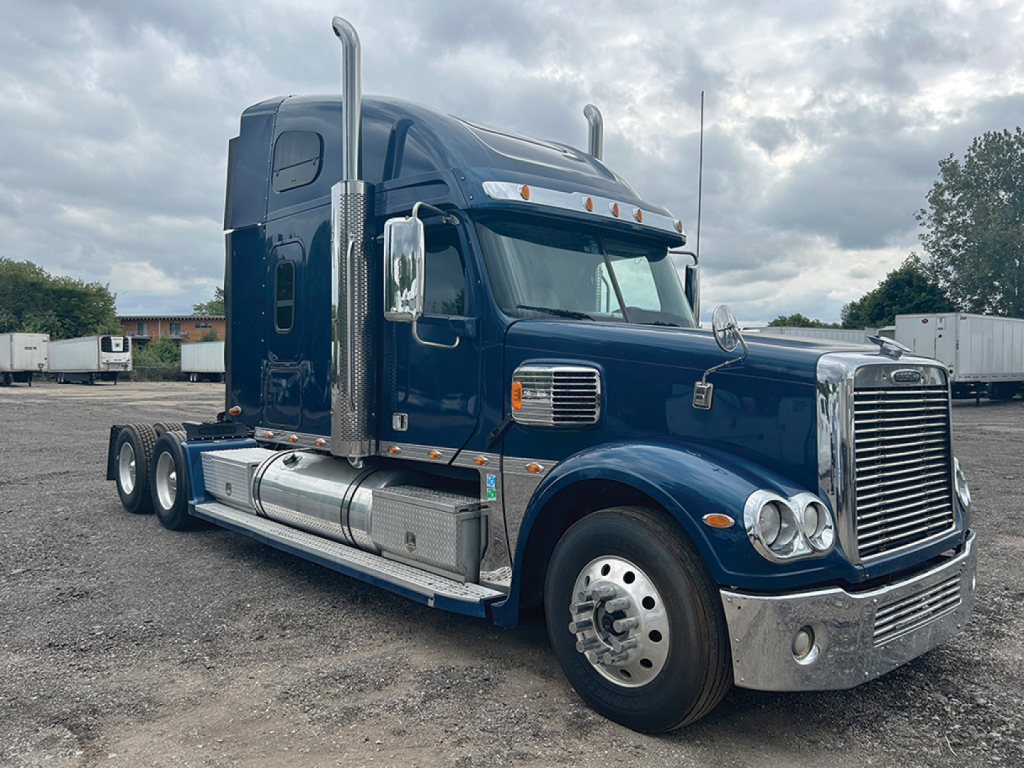
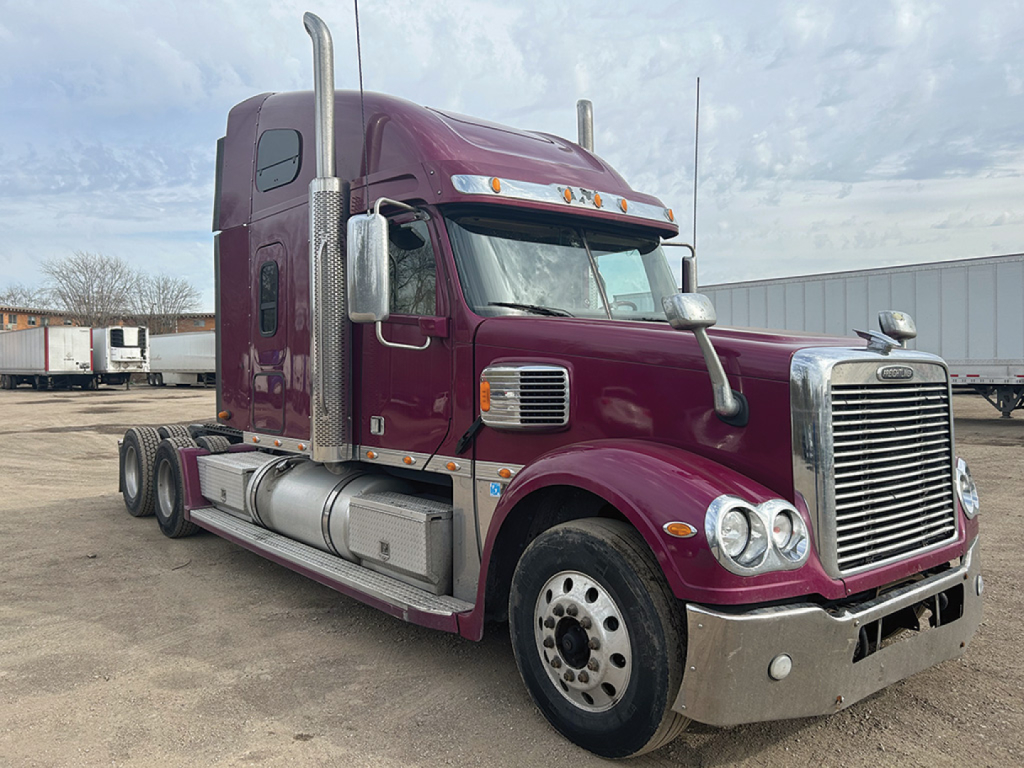
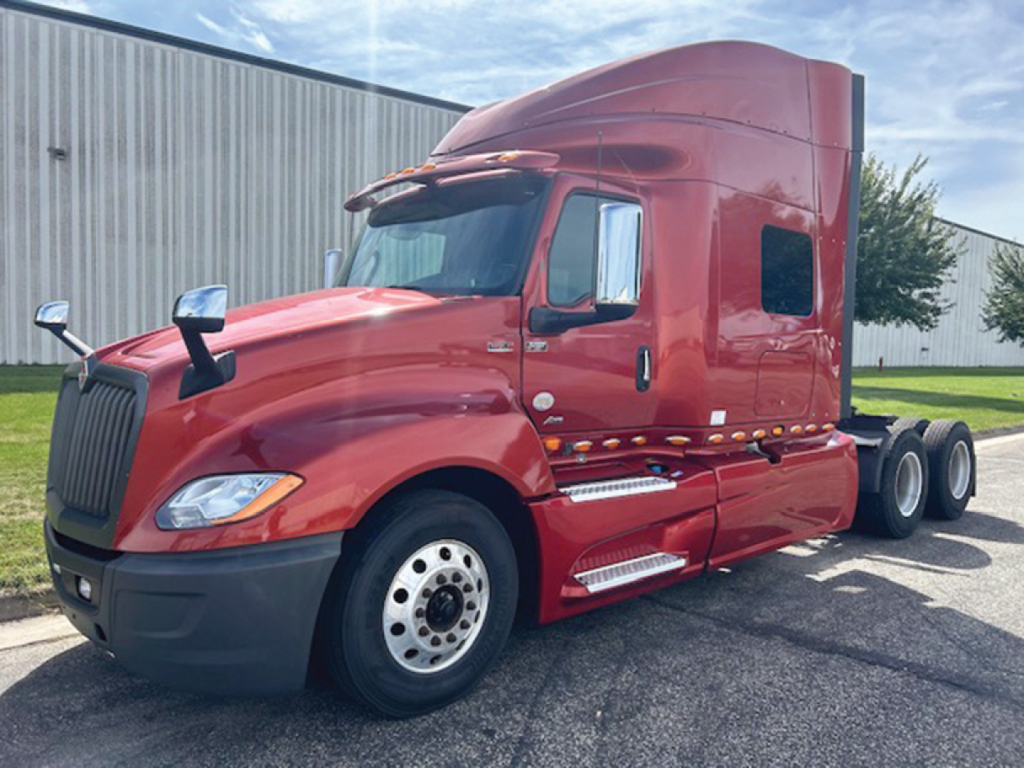
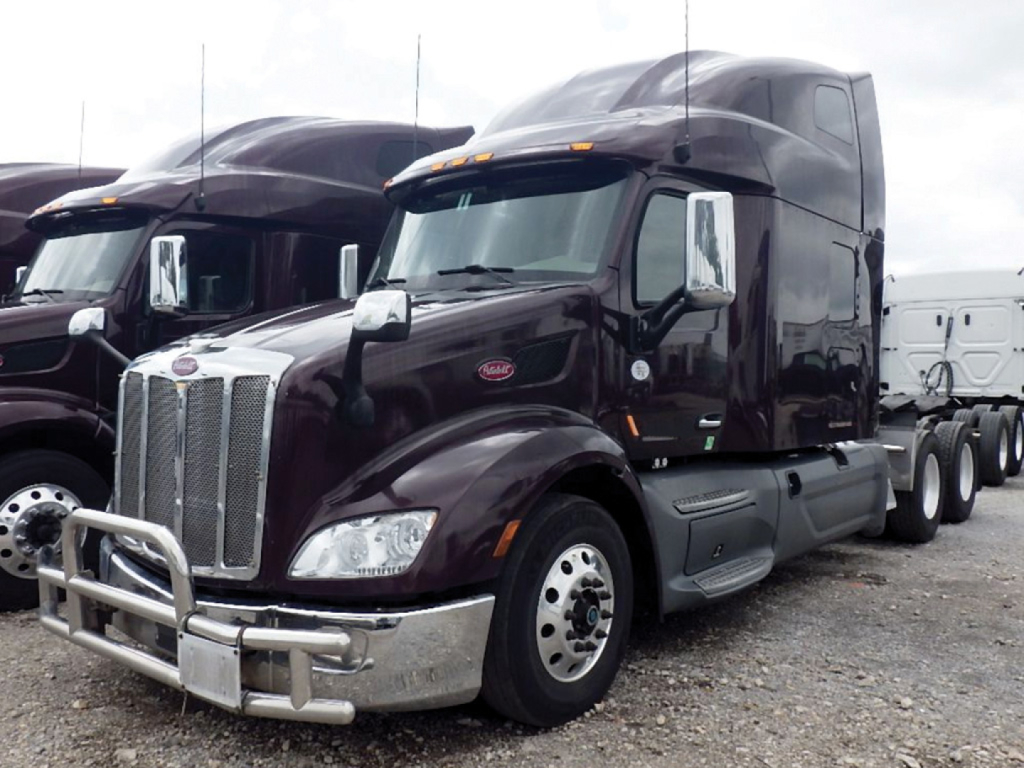
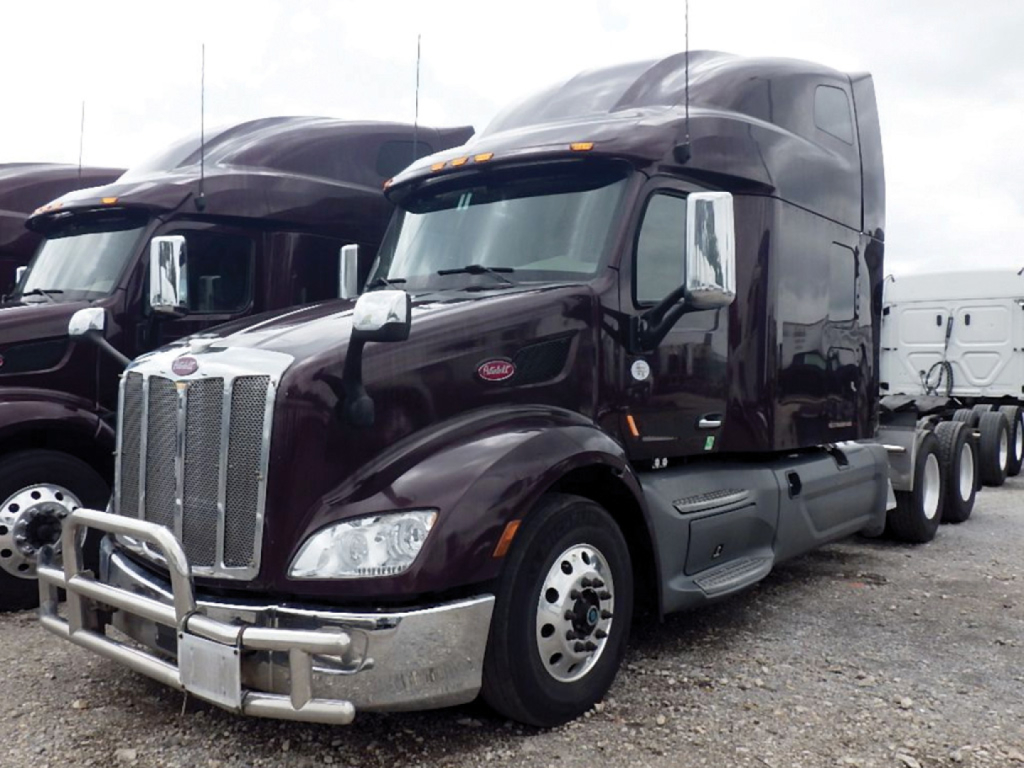
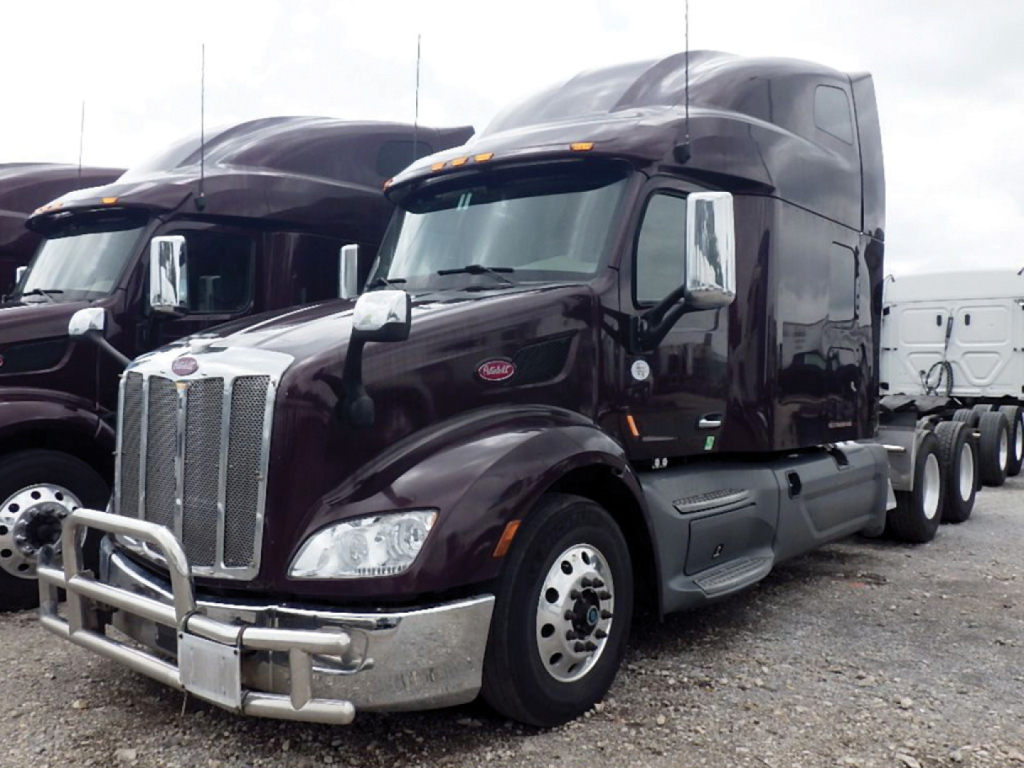
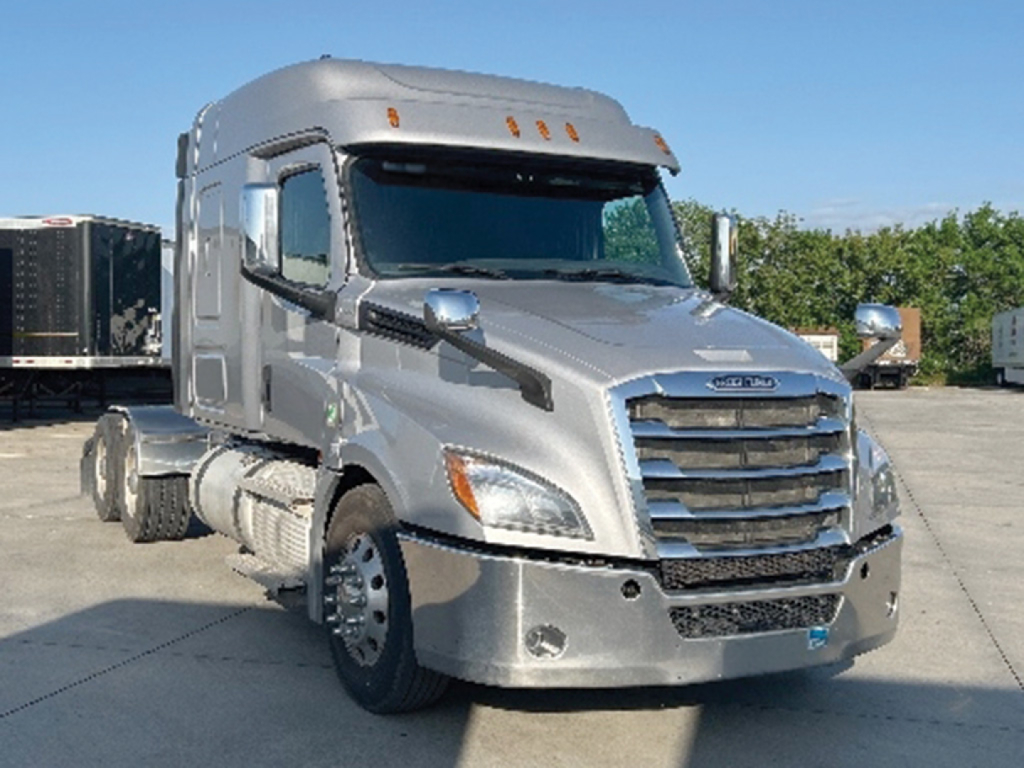
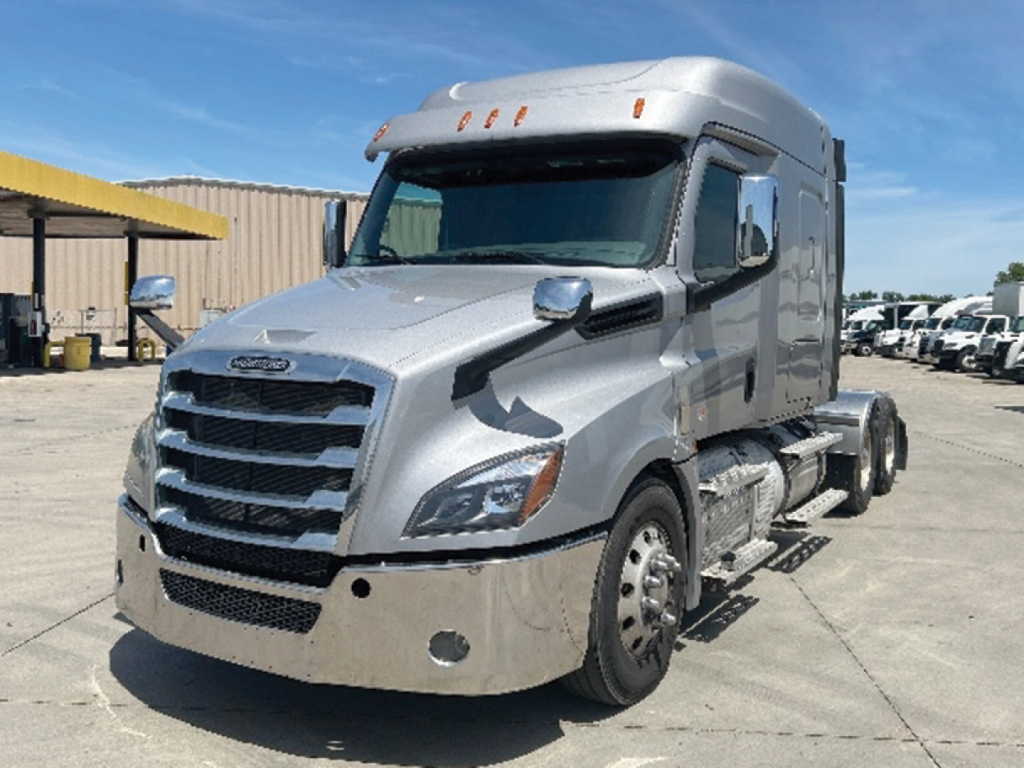

Selling a 2020 conventional sleeper truck? List your 2020 conventional sleeper truck for sale and reach thousands of commercial buyers.
2020 Conventional Sleeper Trucks in Illinois
The biggest buying decisions usually start with the powertrain. Most 2020 conventional sleepers were spec'd with engines in the 400 to 500 horsepower range, commonly paired with 12-speed automated manuals or traditional manual transmissions. Popular engines in this class include the Detroit DD15, Cummins X15, Paccar MX-13, and Mack MP8, depending on make. Rear axle ratios such as 2.64, 2.79, or 3.08 are common and directly affect cruise RPM, fuel economy, and gradeability. Buyers pulling general dry van freight often prefer a fuel-economy spec with a downsped drivetrain, while heavier or more varied loads may justify a deeper ratio and higher horsepower. A 40,000 lb tandem rear axle setup remains typical, along with air ride suspension and an air slide fifth wheel for flexibility across trailer types.
Sleeper configuration matters more than many buyers expect. In the 2020 market, conventional sleepers commonly range from about 60 inches to 80 inches, with mid-roof and raised-roof options available. A 70-inch or 72-inch raised roof sleeper is a common sweet spot for over-the-road work, balancing storage, stand-up room, and wheelbase. Double bunks are important for team operations, while a single bunk or larger cabinet layout may work better for solo drivers. Wheelbase, fairings, fuel tank capacity, and frame layout should all be checked against the freight you plan to haul. A truck built for van or reefer service may differ significantly from one previously set up for flatbed, heavy haul, or specialized regional work.
For Illinois buyers, condition and maintenance history should carry as much weight as brand preference. A 2020 sleeper may still have the advantages of newer cab interiors, improved driver-assist systems, and better NVH control, but uptime depends on emissions system health, transmission calibration, tire condition, brake life, and documented service intervals. Look closely at APU presence, bunk HVAC performance, fairing condition, kingpin-to-axle compatibility, and signs of excessive idle time. If the truck will run Chicago traffic, I-80, I-55, or long Midwest lanes, focus on a spec that balances maneuverability, fuel range, and driver retention. The right 2020 conventional sleeper truck should lower fatigue, match your trailer fleet, and deliver the right combination of fuel economy, reliability, and resale value.
Frequently Asked Questions about 2020 Conventional Sleeper Trucks in Illinois
What is a 2020 conventional sleeper truck best suited for?
A 2020 conventional sleeper truck is best suited for over-the-road freight, regional overnight routes, dedicated contract lanes, and team operations that require an onboard sleeping compartment. Compared with a day cab, a sleeper offers rest space, storage, and often better long-distance driver comfort. In practical use, these trucks are commonly paired with dry vans, reefers, and many flatbed applications, depending on wheelbase, fifth wheel placement, and overall spec.
What engine and transmission specs are common in 2020 conventional sleepers?
Most 2020 conventional sleeper trucks were built with 13-liter to 15-liter diesel engines rated around 400 to 500 horsepower, with torque and rear axle ratio matched to the intended duty cycle. Automated manual transmissions were very common by 2020, especially in fleet specs focused on fuel economy and driver recruitment, although some trucks were still ordered with manual gearboxes. A buyer should evaluate horsepower, torque, transmission type, and axle ratio together rather than looking at any one spec in isolation.
How do I choose the right sleeper size?
The right sleeper size depends on route length, driver count, and storage needs. Mid-roof sleepers can work well for regional service or solo drivers who do not need maximum interior height, while raised-roof sleepers are more common in long-haul operations because they provide better stand-up room and more cabinet space. Double bunks are important for team use, and larger sleepers may add comfort but also increase wheelbase and weight, which can affect maneuverability and payload.
What should I inspect on a used 2020 sleeper truck before buying?
A buyer should inspect emissions system history, engine fault records, transmission performance, suspension wear, brake condition, tire wear patterns, and maintenance documentation. On sleeper units, it is also important to check bunk HVAC operation, APU condition if equipped, interior wear, fairings, fuel tanks, and fifth wheel function. Since 2020 trucks often include more electronic safety and aftertreatment systems than older models, a full diagnostic scan and service history review can be just as important as a visual inspection.
Are 2020 conventional sleeper trucks a good choice for Illinois operations?
Yes, 2020 conventional sleeper trucks can be a very good fit for Illinois operations because they are modern enough for efficient interstate work and common enough to offer good parts and service support. Buyers running the Chicago market or broader Midwest lanes should pay attention to turning radius, winter traction, idle management, and fuel capacity. A well-matched 2020 spec can handle long interstate miles, distribution center traffic, and seasonal weather without giving up driver comfort or highway efficiency.