
2020 Conventional Sleeper Trucks For Sale in California
Shop 2020 conventional sleeper trucks in California. Compare high-roof highway tractors with diesel power, sleeper cabs, and fleet-ready specs.
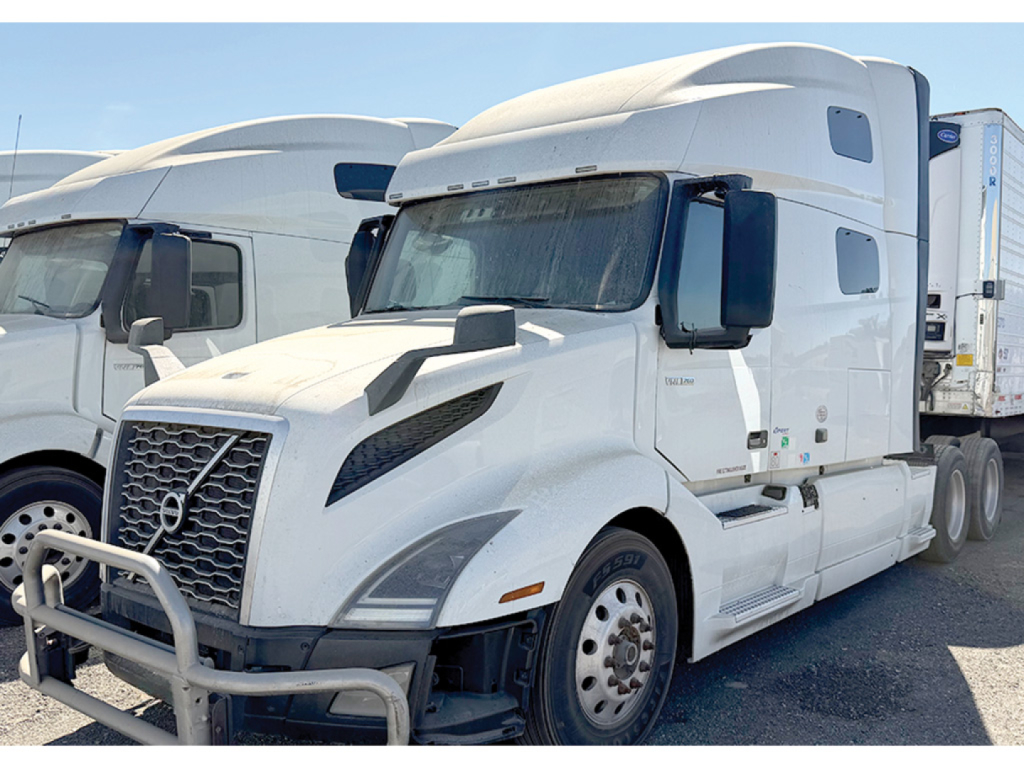
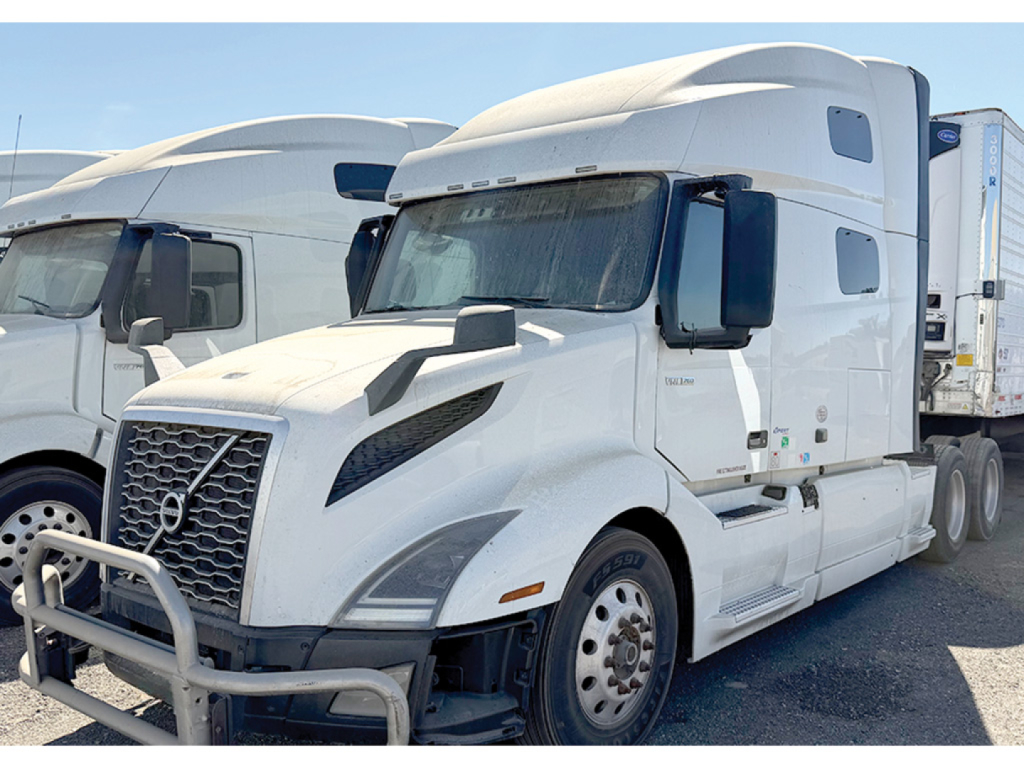
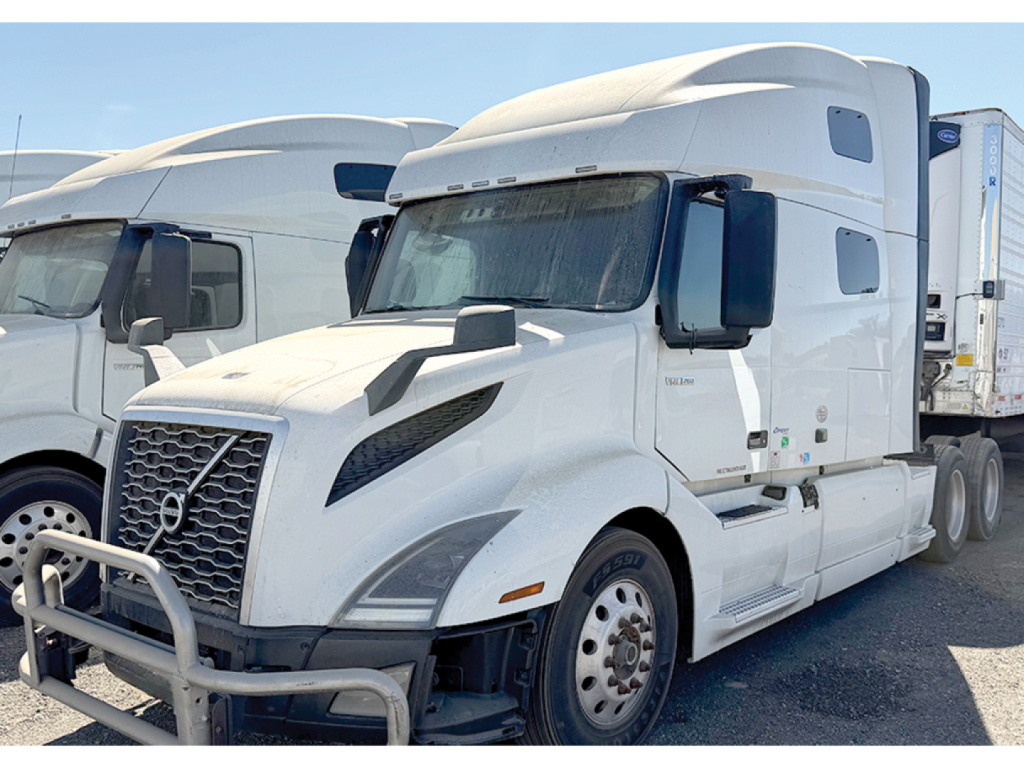
Selling a 2020 conventional sleeper truck? List your 2020 conventional sleeper truck for sale and reach thousands of commercial buyers.
2020 Conventional Sleeper Trucks in California
The core buying decisions usually start with the sleeper size, powertrain, and rear axle ratio. Common 2020 specs include 70-inch to 80-inch raised-roof sleepers, automated manual transmissions, 400 to 505 horsepower diesel engines, and 40,000-pound rear axles on air ride suspension. Popular engines in this segment include the Detroit DD15, Volvo D13, Cummins X15, and PACCAR MX series, typically paired with direct-drive or overdrive automated transmissions. Wheelbases often fall in the 228-inch to 240-inch range, with dual aluminum fuel tanks, air slide fifth wheels, and aerodynamic packages that include side fairings, cab extenders, and quarter fenders. For linehaul work, a 2.64 to 3.08 rear ratio is common when the goal is lower cruise RPM and better fuel economy.
Cab and sleeper configuration matters more than many buyers expect. A true highway sleeper should be evaluated for bunk layout, workstation space, storage, HVAC performance, bunk heater operation, inverter setup, and overall interior condition. Features often found on 2020 models include upper bunks, climate control, digital dash layouts, collision mitigation systems, and improved insulation over older tractors. If the truck will stay out for multiple nights, details like mattress platform design, refrigerator cabinet space, and headroom in a high-roof sleeper can affect driver retention as much as engine brand or paint condition.
For a 2020 conventional sleeper in California, service history is just as important as mileage. Buyers should look closely at DPF and SCR maintenance, transmission calibration history, engine brake performance, tire wear patterns, and any signs of excessive idle time. It also makes sense to confirm axle ratings, kingpin setting, wheelbase, and fifth wheel travel against the trailer mix the truck will pull. A well-spec'd 2020 sleeper tractor can be a strong fit for dry van, refrigerated, and general freight fleets that need a balance of comfort, efficiency, and highway durability.
Frequently Asked Questions about 2020 Conventional Sleeper Trucks in California
What is a conventional sleeper truck used for?
A conventional sleeper truck is designed for over-the-road hauling where the driver needs both a road tractor and an onboard sleeping area. It is commonly used for dry van, reefer, and general freight lanes, especially on multi-day trips. Compared with a day cab, the sleeper adds living space, more storage, and better suitability for team driving or long regional routes with overnight stops.
What specs matter most on a 2020 conventional sleeper truck?
The most important specs are engine make and horsepower, transmission type, rear axle ratio, sleeper size, wheelbase, and axle ratings. Buyers should also check the fuel tank capacity, suspension type, fifth wheel setup, and tire size. On a 2020 model, emissions system condition and any driver-assist features are especially important because they affect uptime, compliance, and resale value.
Are automated manual transmissions common in 2020 sleeper tractors?
Yes. By 2020, automated manual transmissions had become standard across much of the long-haul sleeper market. Systems like the Detroit DT12 and Volvo I-Shift were widely used because they improve shift consistency, reduce driver fatigue, and can help with fuel economy when properly spec'd. A buyer should still confirm software updates, clutch life where applicable, and maintenance records before purchase.
What should California buyers check before purchasing a 2020 sleeper truck?
California buyers should verify emissions compliance first, then review the truck's maintenance records for the DPF, SCR, EGR, and aftertreatment system. It is also smart to check idle history, cooling system service, and any fault code history tied to emissions or transmission performance. If the truck will operate heavily in the state, aerodynamics, idle-reduction equipment, and fuel economy specs can have a major effect on long-term operating cost.
How do I choose the right sleeper size for my operation?
Sleeper size should match trip length, driver count, and the level of onboard comfort your operation requires. A 70-inch to 76-inch raised-roof sleeper is common for long-haul applications because it provides standing room, better storage, and space for an upper bunk or workstation. Shorter sleepers can work for regional runs, but fleets that expect multi-night trips usually benefit from the added livability and retention advantages of a full high-roof configuration.