
2020 Volvo Conventional Sleeper Trucks For Sale
Shop 2020 Volvo conventional sleeper trucks, including VNL models with D13 power, I-Shift transmissions, and long-haul sleeper specs.
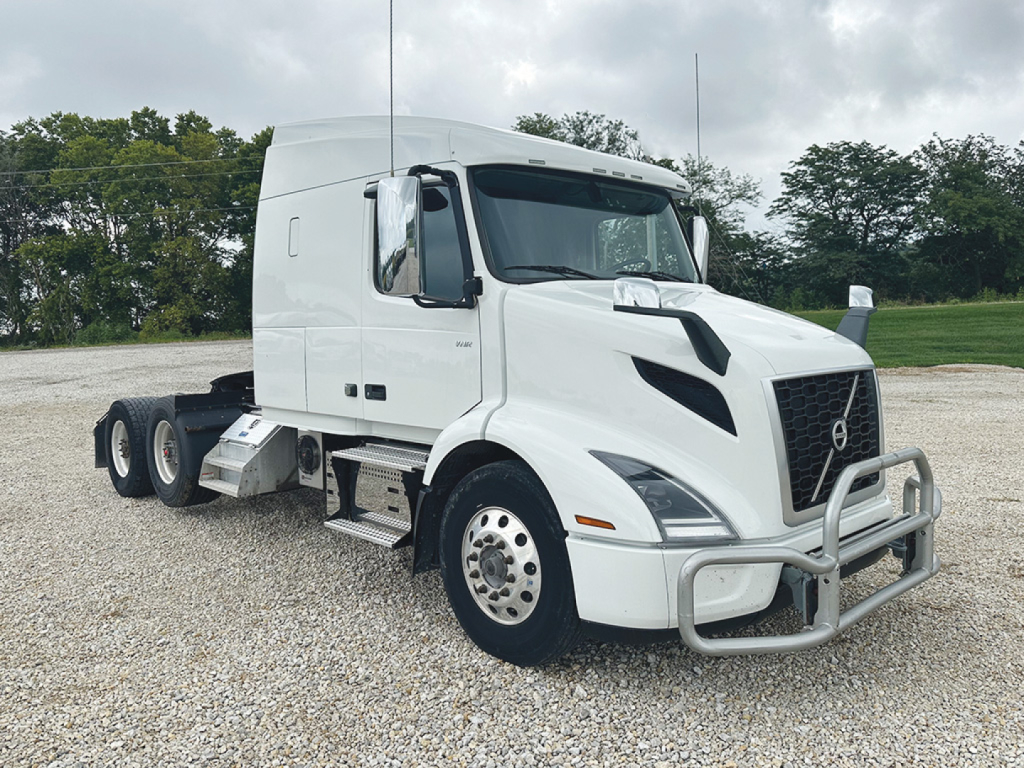
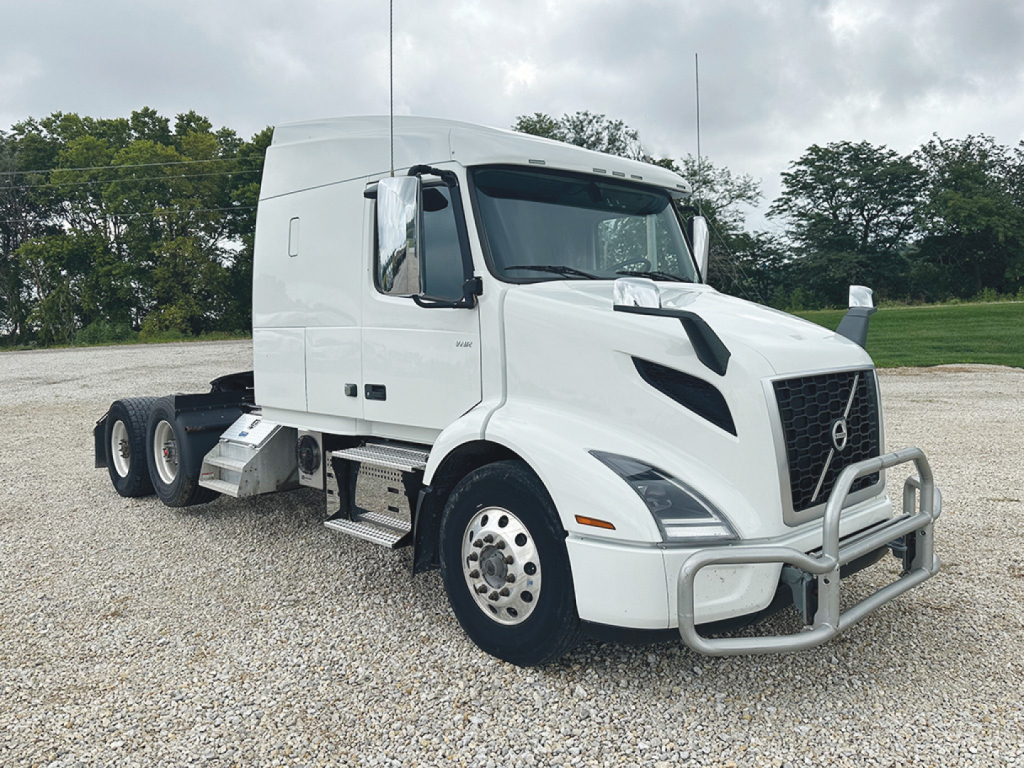
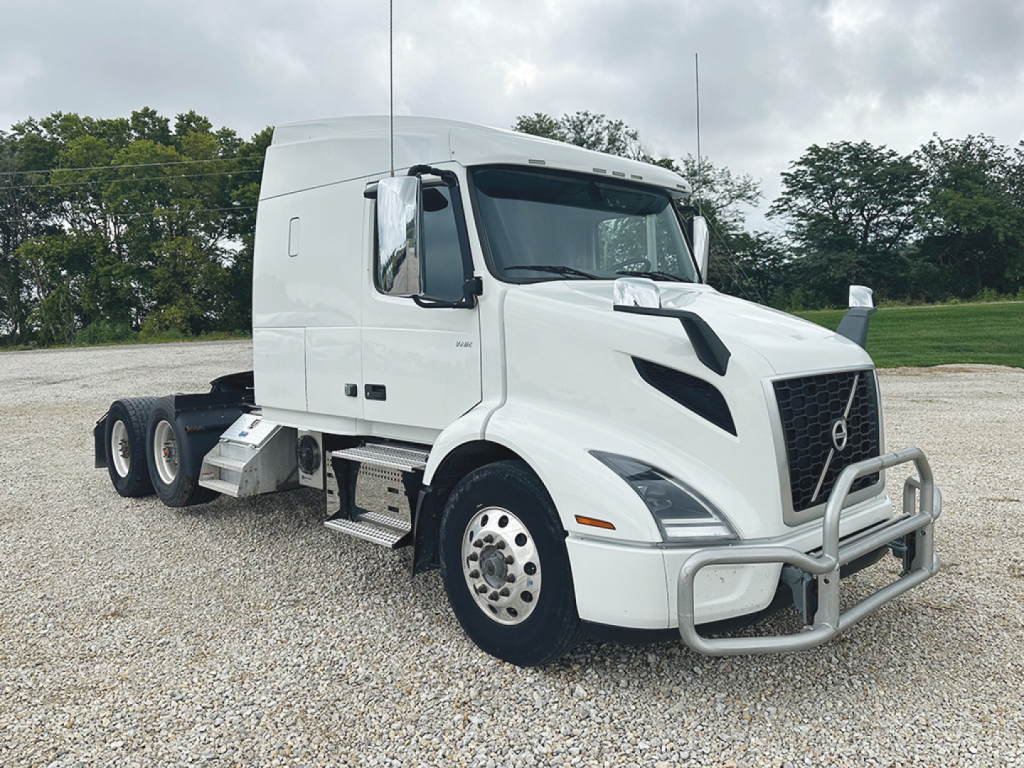
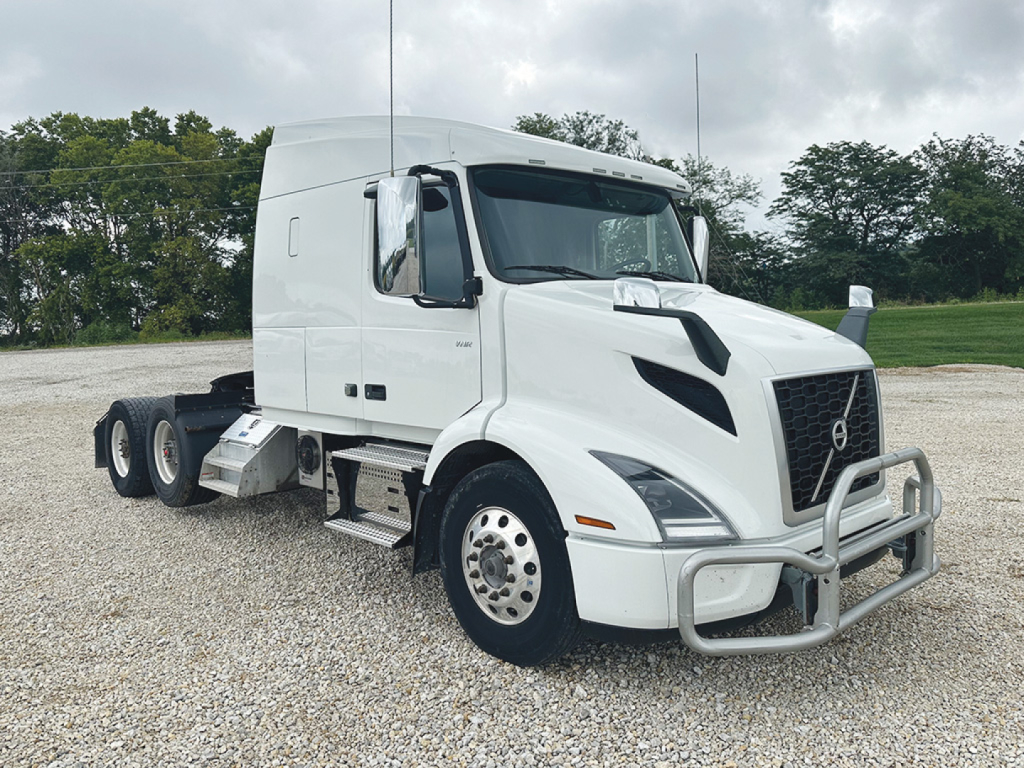

Selling a 2020 volvo conventional sleeper truck? List your 2020 volvo conventional sleeper truck for sale and reach thousands of commercial buyers.
2020 Volvo Conventional Sleeper Trucks
Powertrain specs are usually the first place to look. Many 2020 Volvo conventional sleepers are equipped with the Volvo D13, commonly rated around 425 to 455 horsepower, backed by the Volvo I-Shift automated manual transmission. Rear axle ratios such as 2.64, 2.79, or 3.08 are common depending on the intended cruise speed and load profile. A 6x4 tandem axle setup is typical, with ratings around 40,000 pounds on the rears and wheelbases often tailored for sleeper size, fairing package, and fifth wheel placement. Buyers should compare engine brake performance, transmission software calibration, and whether the truck has disc or drum brakes, because those details affect both driver acceptance and maintenance planning.
Sleeper configuration matters just as much as the drivetrain. Volvo conventional sleepers from this era are often spec'd with mid-roof or high-roof cabs and can include single or double bunk layouts, storage cabinetry, bunk heater or APU provisions, and driver-assist features like collision mitigation and adaptive cruise. Interior condition is especially important on a sleeper tractor because trim wear, bunk use, HVAC performance, and electrical accessory function tell you a lot about how the truck was operated. On the chassis side, details like air ride suspension, sliding fifth wheel, aluminum fuel tanks, fairings, and tire condition can make a major difference in lane suitability and operating cost.
A buyer comparing 2020 Volvo sleeper trucks should pay close attention to service history, idle hours, emissions system maintenance, and software updates. The DPF, DEF system, sensors, and aftertreatment components are critical checkpoints on any late-model highway tractor. It also helps to verify if the truck was fleet maintained, what its average gross combination weight use looked like, and whether it spent most of its life in flat interstate service or heavier stop-and-go freight. For buyers seeking a modern aero sleeper with a strong comfort reputation and a widely recognized automated transmission, a 2020 Volvo conventional sleeper remains a serious choice in the used semi truck market.
Frequently Asked Questions about 2020 Volvo Conventional Sleeper Trucks
What engine and transmission are common in a 2020 Volvo conventional sleeper truck?
The most common setup is a Volvo D13 diesel engine paired with a Volvo I-Shift automated manual transmission. Horsepower ratings often fall in the 425 to 455 horsepower range, and that combination is popular for linehaul freight because it balances fuel economy, drivability, and broad service familiarity. Some trucks may be spec'd differently, so buyers should confirm horsepower, torque rating, transmission model, and axle ratio before comparing units.
What should I check on a used 2020 Volvo sleeper before buying?
The most important areas are maintenance history, emissions system condition, and overall driveline spec. Review DPF and DEF service records, fault code history, clutch and transmission calibration history on I-Shift-equipped trucks, and any documentation on injectors, turbo, or EGR work. Also inspect bunk and cab condition, tire wear, brake type, fifth wheel wear, suspension components, and total idle hours, because those items can reveal how the truck was used and how much expense may be coming next.
Is a 2020 Volvo VNL sleeper good for long-haul work?
Yes. The Volvo VNL sleeper is widely used in over-the-road applications because it emphasizes aerodynamics, cab comfort, and integrated powertrain efficiency. A properly spec'd 2020 VNL can fit dry van, reefer, and general freight operations well, especially on interstate lanes where cruise efficiency matters. The right sleeper size, axle ratio, and bunk setup should match the freight network and how many nights the driver is expected to stay out.
Are 2020 Volvo conventional sleepers mostly automatic?
Many are equipped with the Volvo I-Shift automated manual, which is one of the most common transmission choices in this category. That does not make every truck identical, because software programming, rear axle ratio, and engine rating all influence road speed, shift behavior, and grade performance. Buyers used to manual transmissions should still test drive the truck and confirm the calibration suits their operation.
What axle ratio is best in a 2020 Volvo sleeper truck?
The best axle ratio depends on cruise speed, terrain, and gross weight. Ratios like 2.64 or 2.79 are often chosen for fuel-efficient highway use, while a 3.08 ratio may better suit heavier loads, more varied terrain, or fleets that want a different balance between startability and engine speed. The correct ratio should be evaluated with the transmission gearing, tire size, and target operating speed rather than as a standalone number.