
2020 Conventional Sleeper Trucks For Sale in North Carolina
Shop 2020 conventional sleeper trucks in North Carolina. Compare popular specs, sleeper sizes, powertrains, mileage, and regional hauling fit.
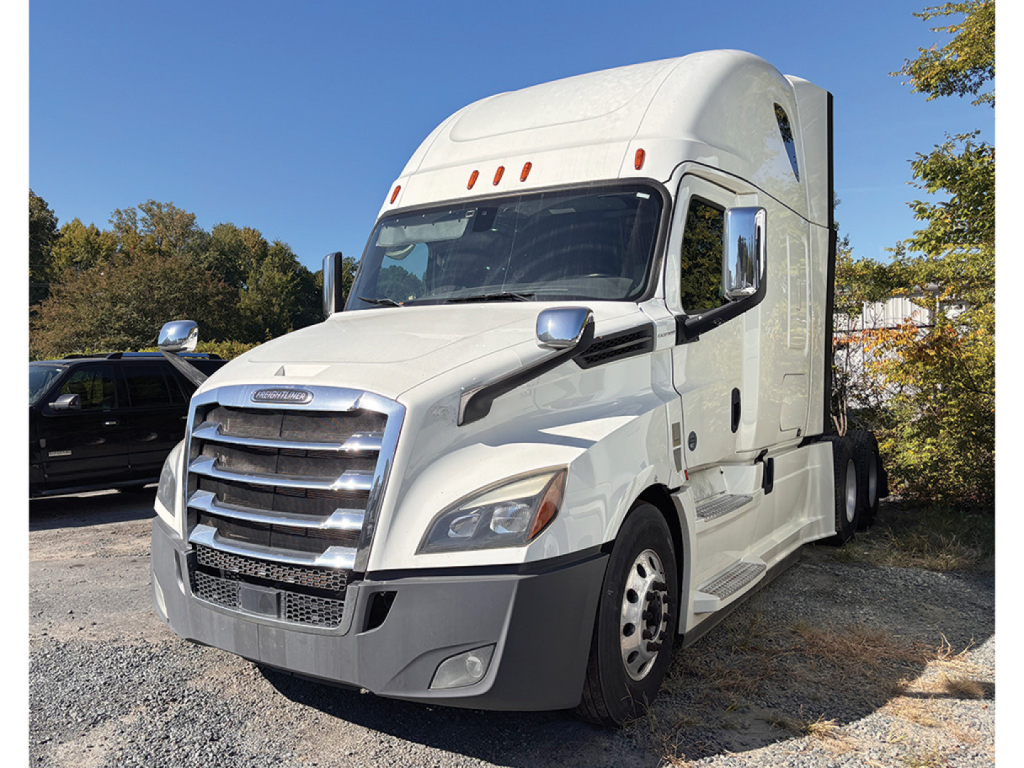
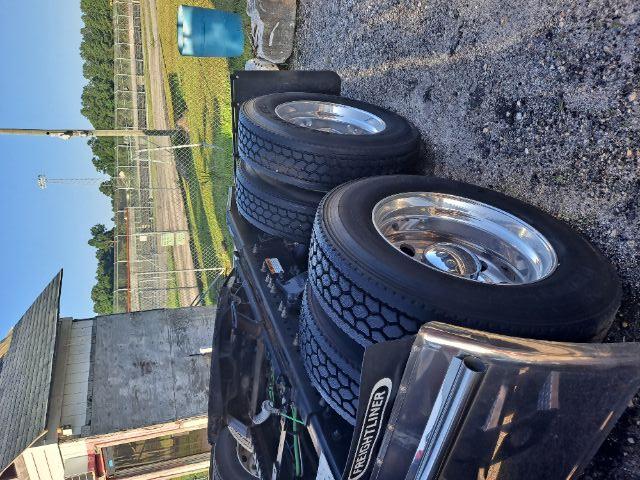
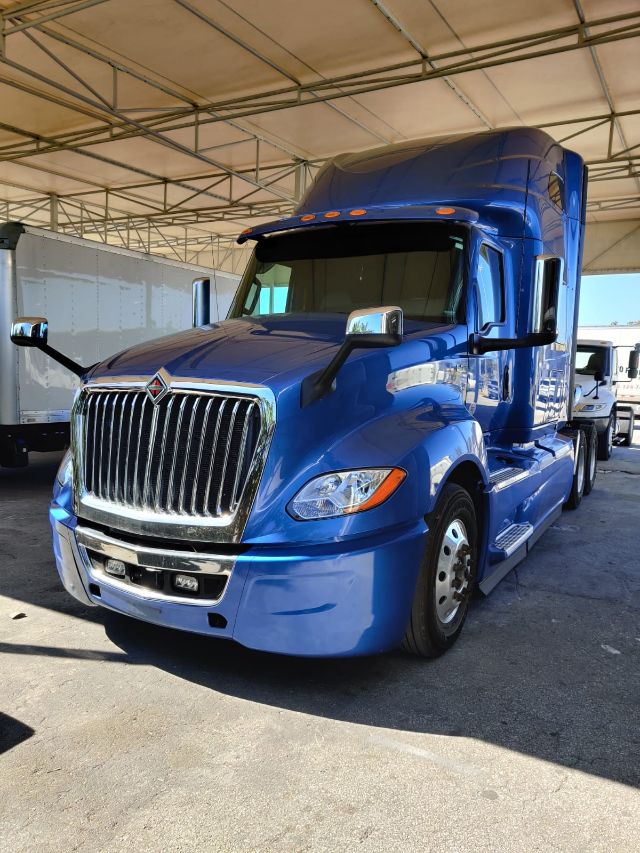
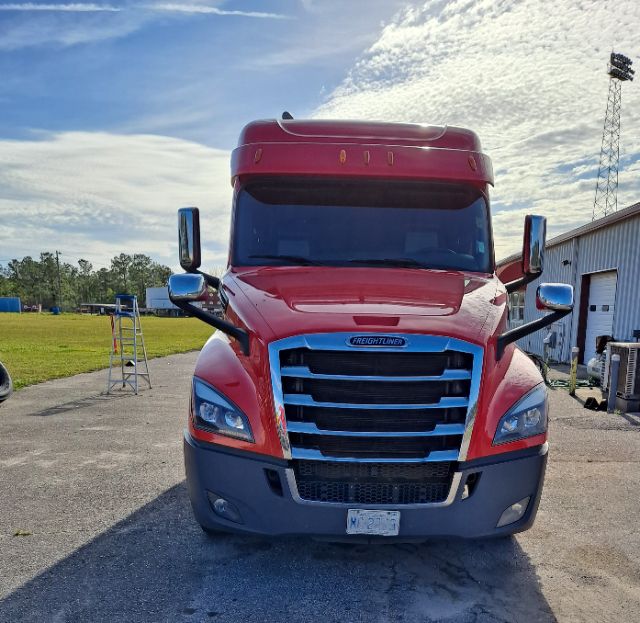

Selling a 2020 conventional sleeper truck? List your 2020 conventional sleeper truck for sale and reach thousands of commercial buyers.
2020 Conventional Sleeper Trucks in North Carolina
The first decision is usually sleeper size and drivetrain spec. A 2020 conventional sleeper may have a mid-roof or high-roof cab and a bunk ranging from a basic fleet sleeper to larger double-bunk configurations. For buyers running longer lanes, an APU, inverter, bunk heater, refrigerator prep, and good cabinet layout can reduce idle time and improve driver retention. On the chassis side, check rear axle ratio, engine horsepower, and torque rating against your freight and terrain. A 400 to 455 hp spec with downsped rears is common for fuel-focused van and reefer work, while heavier or time-sensitive operations may lean toward higher horsepower and different gearing. Suspension type, wheelbase, fifth wheel placement, and fuel capacity also affect how well the truck fits its intended trailer and route profile.
For a 2020 model, emissions and electronics deserve close attention. These trucks use more integrated aftertreatment and software controls than earlier generations, so service history matters. Buyers should review DPF, DOC, SCR, and DEF system records, along with fault code history, idle hours, and any warranty coverage that may remain on major components. A truck with moderate mileage but excessive engine hours can tell a different story than the odometer suggests. In North Carolina, where trucks may cycle between port freight, distribution lanes, and longer interstate runs on I-40, I-77, I-85, and I-95, cooling system condition, tire wear pattern, alignment, and brake health are worth a careful look. If the truck has collision mitigation, lane departure warning, adaptive cruise, or a tire pressure monitoring system, verify those systems are active and calibrated.
A strong 2020 conventional sleeper should match the job before it matches the badge. For fleet buyers, that usually means standardized powertrains, telematics compatibility, and predictable maintenance costs. For owner-operators, comfort, warranty position, APU spec, and fuel economy often carry more weight. Cab condition, bunk wear, steering play, service documentation, and signs of emissions tampering all matter on a truck in this age range. When properly spec'd, a 2020 sleeper tractor can still offer the right balance of operating efficiency, driver comfort, and resale strength for regional or long-haul service.
Frequently Asked Questions about 2020 Conventional Sleeper Trucks in North Carolina
What engines are common in 2020 conventional sleeper trucks?
Common engines in 2020 conventional sleeper trucks include the Detroit DD15, Cummins X15, PACCAR MX-13, and Volvo D13. Horsepower ratings often fall in the 400 to 455 hp range for general highway freight, though higher-output specs are available. The right engine depends on gross combination weight, terrain, cruise speed, and maintenance preference. Buyers should compare not just horsepower, but torque rating, emissions service history, and dealer support in their operating area.
Is an APU important on a 2020 sleeper tractor?
An APU can be a major advantage on a sleeper truck used for overnight or multi-day runs. It reduces main engine idle time, lowers fuel burn, and can help limit wear on the emissions system caused by excessive idling. For many buyers, an APU also improves driver comfort by supplying cab heat, air conditioning, and hotel loads without running the engine. Its value depends on your lanes, idle policy, and how often the truck is used for extended rest periods.
What should I inspect on a used 2020 conventional sleeper before buying?
Focus on maintenance records, engine hours, fault codes, aftertreatment history, transmission operation, and tire and brake condition. On a 2020 truck, the DPF, SCR, DEF system, and associated sensors are important because repairs can be expensive if maintenance was deferred. Check for coolant leaks, uneven tire wear, steering looseness, suspension wear, and signs of prior collision repair. Inside the cab and sleeper, inspect bunk equipment, HVAC performance, switches, dash warnings, and overall wear relative to the stated mileage.
Are 2020 conventional sleepers good for both regional and long-haul work?
Yes, many 2020 conventional sleeper trucks are versatile enough for either regional or long-haul service, but the exact spec determines how well they fit each job. Regional operations may prioritize maneuverability, lower weight, and shorter wheelbase, while long-haul applications often need larger sleepers, more fuel capacity, and stronger driver comfort features. Rear axle ratio, wheelbase, sleeper size, and storage layout all influence suitability. A truck spec'd for fuel-efficient van freight may not be ideal for heavier or specialized loads.
Why does mileage alone not tell the full story on a 2020 sleeper truck?
Mileage is only one part of the truck’s operating history. Engine hours, idle time, maintenance intervals, and route profile can change the condition of a truck significantly. A lower-mileage unit that spent long periods idling may show more emissions-related wear than a higher-mileage truck that ran steady highway miles. That is why buyers should review ECM data, service records, and component condition instead of relying on odometer reading alone.