
2025 Conventional Sleeper Trucks For Sale in Texas
Shop 2025 conventional sleeper trucks in Texas. Compare sleeper sizes, powertrains, wheelbases, fuel capacity, and long-haul specs.
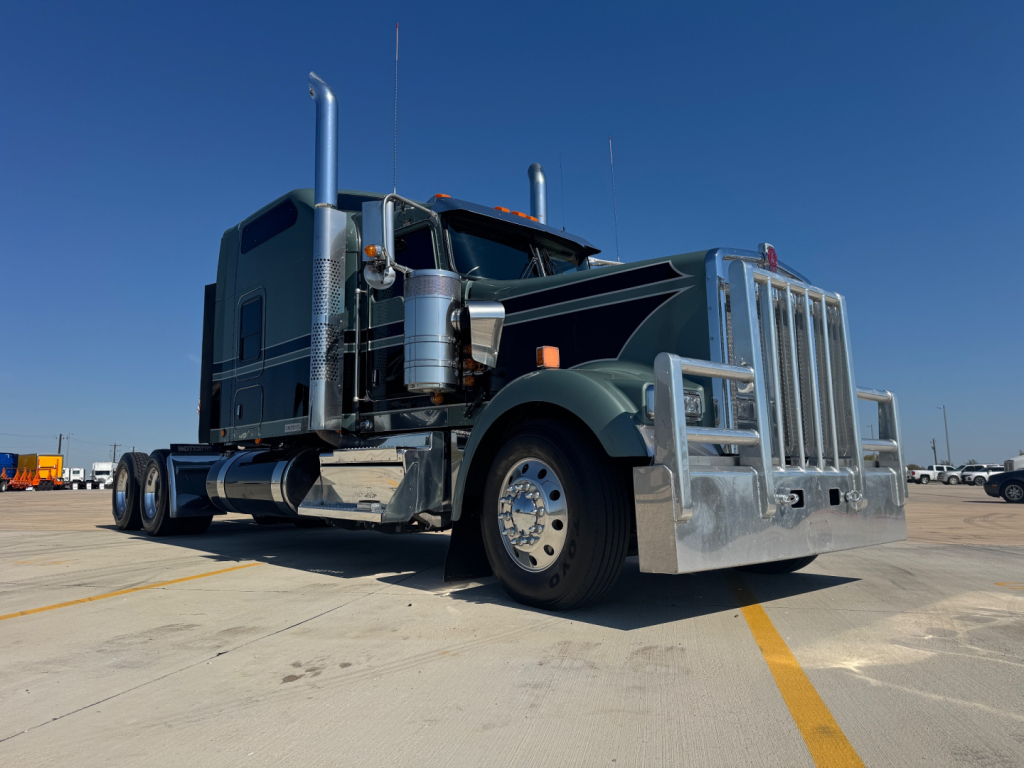
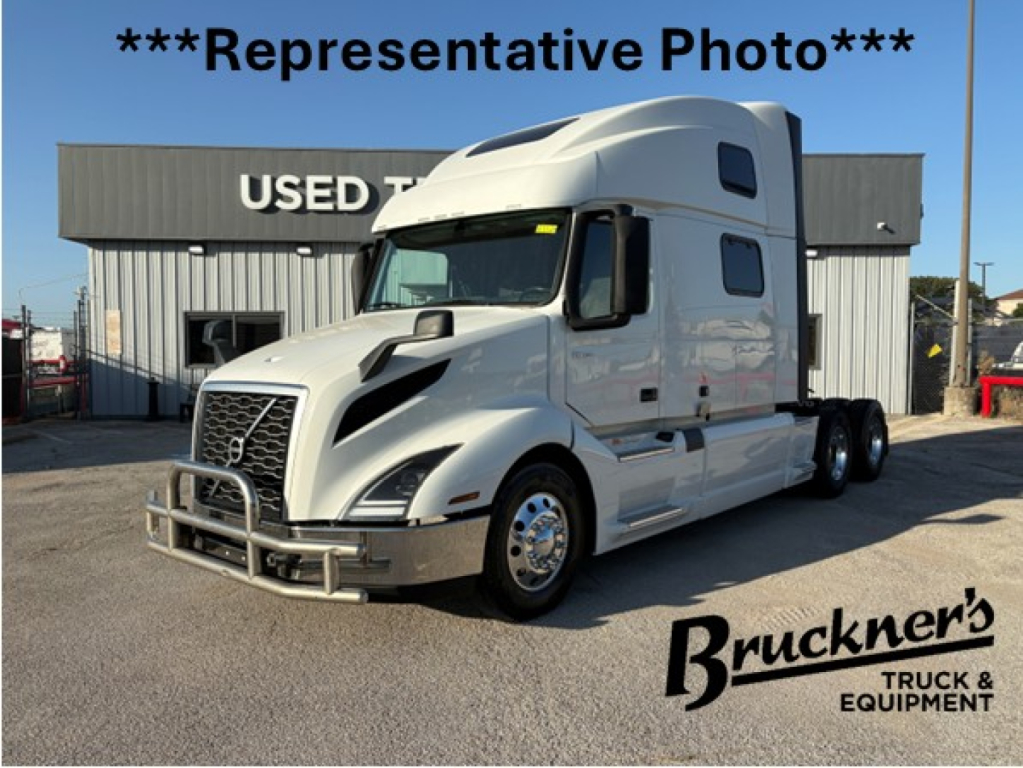
Selling a 2025 conventional sleeper truck? List your 2025 conventional sleeper truck for sale and reach thousands of commercial buyers.
2025 Conventional Sleeper Trucks in Texas
Most conventional sleeper trucks in this class are tandem axle highway tractors with raised-roof sleepers, fairings, and aero packages designed to improve fuel economy at highway speed. Common sleeper sizes run from around 60 inches to 80 inches, with larger sleepers giving more storage and better livability for teams or longer dispatch cycles. Typical specs include 400 to 515 horsepower, 12-speed automated transmissions, 40,000 lb rear axles, and wheelbases in the low-220-inch to mid-230-inch range depending on fuel tank capacity and fifth wheel position. A sliding fifth wheel, full locking differentials, disc brakes, collision mitigation, and adaptive cruise control are increasingly common on newer trucks, especially for fleets focused on uptime, safety scoring, and driver retention.
The best spec depends on the freight. A fuel-economy build for dry van or reefer work may use a downsped driveline, tall rear ratio, and lighter sleeper configuration. A heavier haul profile or more mountainous lanes may justify more horsepower, a different axle ratio, and a spec that prioritizes gradeability over pure MPG. Interior packages matter more than many buyers expect. Factory APUs, battery HVAC, parking heaters and coolers, inverters, premium bunks, and upgraded storage can materially improve driver satisfaction and reduce idle time. On used-market comparisons, pay close attention to emissions history, service records, tire condition, brake type, and any signs of sleeper wear, because those items can affect total cost much more than appearance alone.
For Texas buyers, practical ownership details deserve as much attention as drivetrain numbers. Dealer support, engine brand familiarity in your shop network, and parts access across major freight corridors can influence uptime as much as the truck’s original spec. Check front axle rating if you plan to add accessories or carry heavier steer loads, and confirm the wheelbase will work with your trailer mix and kingpin settings. Conventional sleeper trucks are also known simply as sleeper tractors or road tractors with sleepers, and the strongest values usually come from units with a clear vocational fit, a well-matched powertrain, and a sleeper layout that supports the miles the truck is expected to run.
Frequently Asked Questions about 2025 Conventional Sleeper Trucks in Texas
What is the typical sleeper size on a conventional sleeper truck?
Most conventional sleeper trucks use sleepers ranging from about 60 inches to 80 inches. A 70-inch to 76-inch raised-roof sleeper is common for long-haul operations because it provides a practical mix of bunk space, storage, and cab access without pushing wheelbase too far. Smaller sleepers can work well for regional routes with occasional overnights, while larger sleepers are better suited to teams or extended time on the road.
Which powertrain specs matter most on a 2025 conventional sleeper truck?
The most important powertrain decisions are engine displacement, horsepower, torque rating, transmission type, and rear axle ratio. For highway freight, many buyers focus on 13-liter or 15-liter diesel engines paired with a 12-speed automated manual transmission and a ratio chosen for downsped cruising. That combination affects fuel economy, launch feel, gradeability, and maintenance cost. The right spec depends on trailer weight, terrain, cruise speed, and how often the truck will run at maximum GCW.
Are automated transmissions standard in newer sleeper tractors?
Automated manual transmissions are now the dominant spec in newer sleeper tractors because they improve consistency, reduce driver fatigue, and help protect the driveline from poor shifting habits. They also integrate well with predictive cruise, collision mitigation, and fuel-efficiency software. Manual transmissions still appeal to some owner-operators and specialty applications, but most late-model fleet sleeper trucks are equipped with AMTs.
What should a buyer inspect first on a used conventional sleeper truck?
Start with engine and aftertreatment history, transmission operation, mileage, idle hours, and maintenance records. Then inspect tires, brakes, suspension, frame condition, sleeper interior wear, and signs of coolant, oil, or air system issues. On emissions-equipped trucks, documented repairs and fault history are especially important because DPF, SCR, and EGR problems can become expensive quickly. A well-documented truck with average cosmetics is often a better buy than a cleaner-looking unit with weak service history.
Why does wheelbase matter on a sleeper truck?
Wheelbase affects trailer gap, ride quality, fuel tank capacity, turning radius, and compatibility with different trailers and kingpin settings. A longer wheelbase can help with tank capacity and highway stability, but it can limit maneuverability in tighter yards or urban deliveries. A shorter wheelbase improves turning but may reduce room for tanks, battery boxes, and other equipment. The correct wheelbase should match the trailer lengths, loading docks, and lane profile the truck will actually see.