
2025 Conventional Sleeper Trucks For Sale
Shop 2025 conventional sleeper trucks with modern aerodynamics, high-roof cabs, efficient powertrains, and long-haul driver comfort.
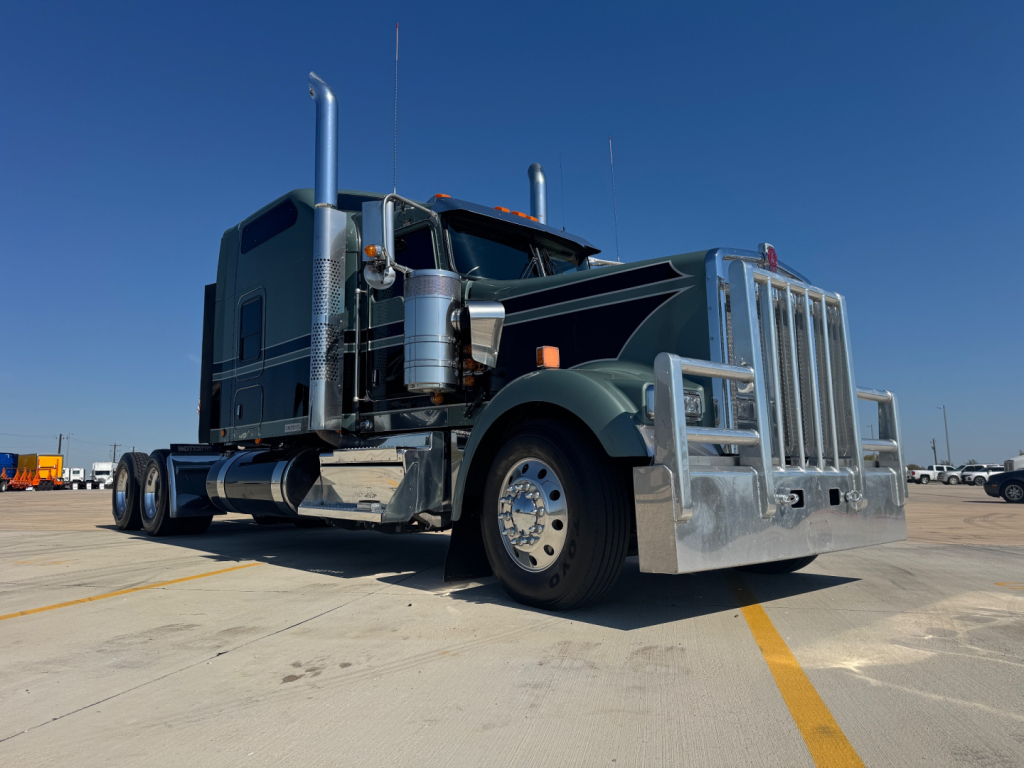
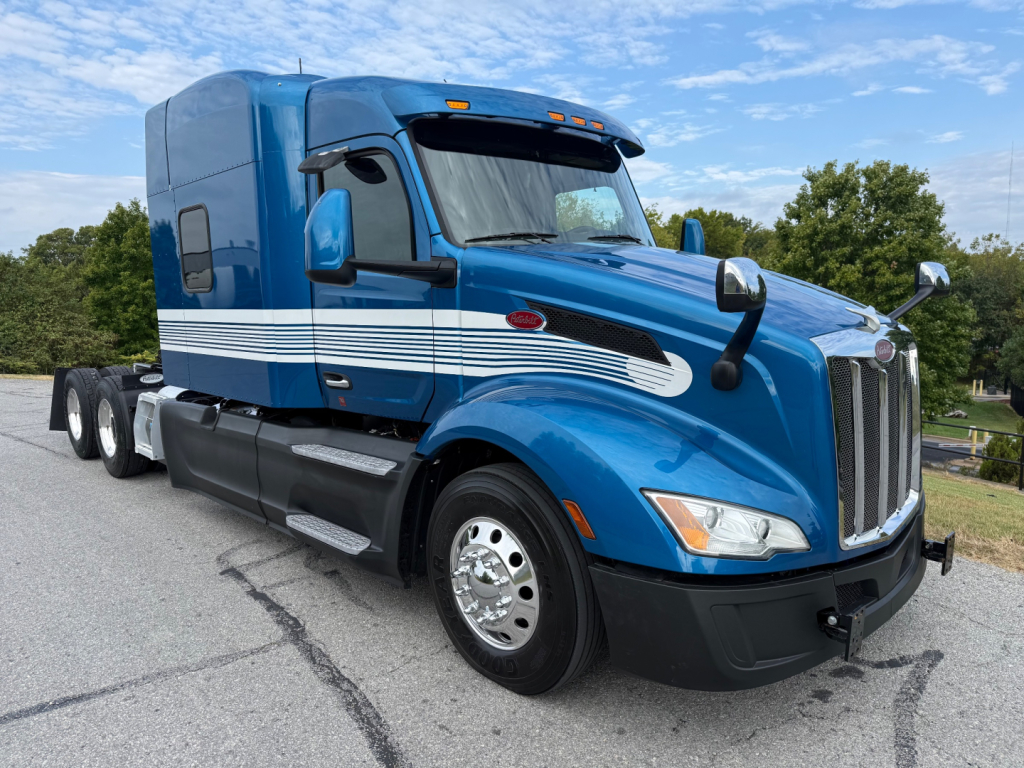
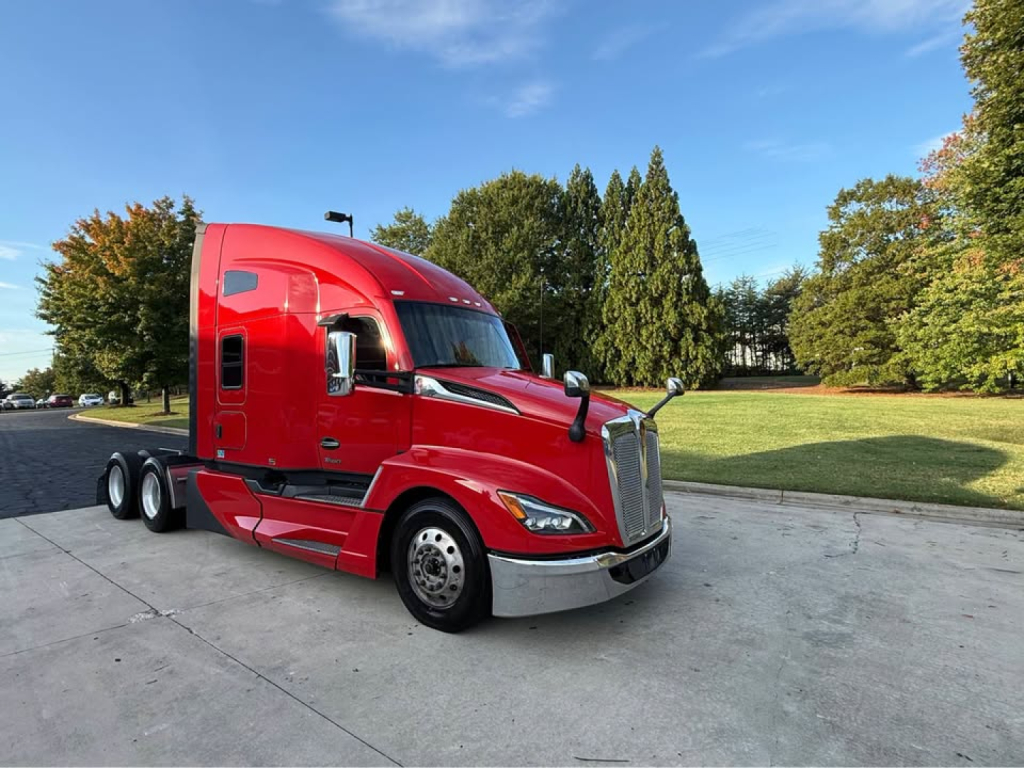
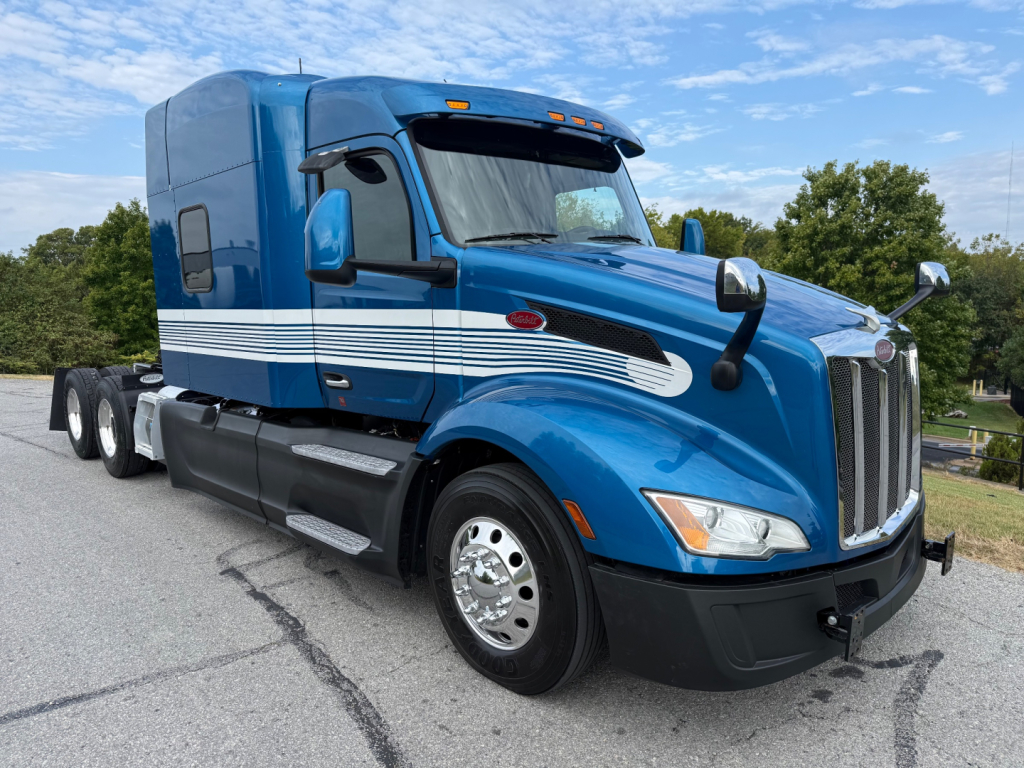
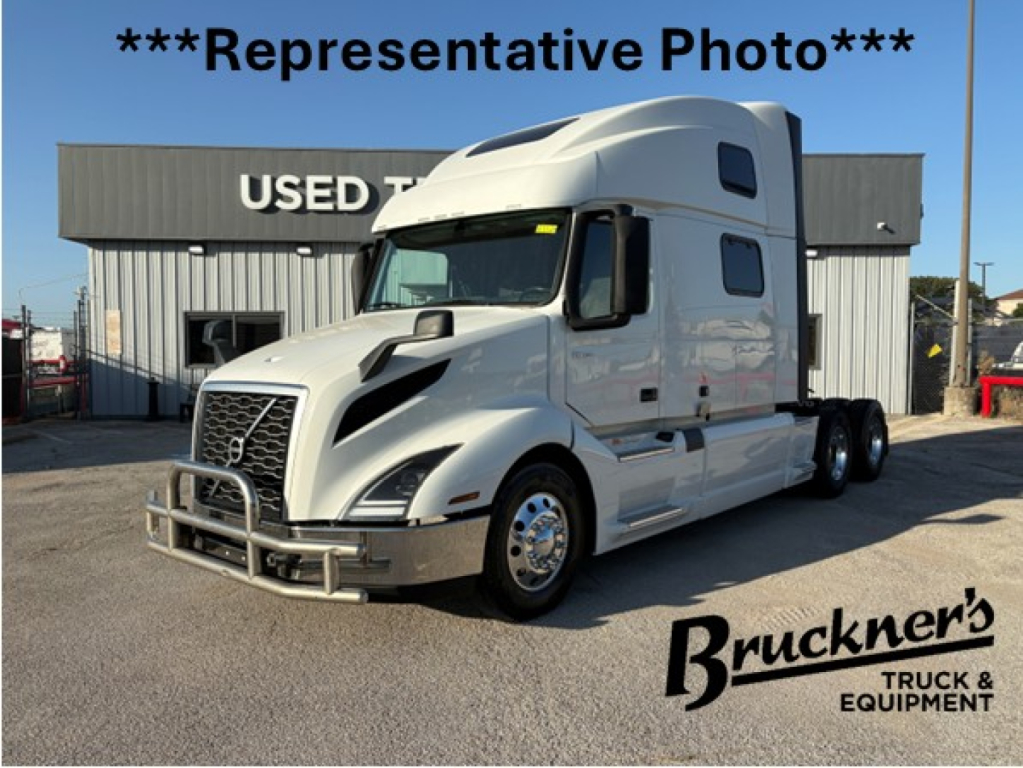
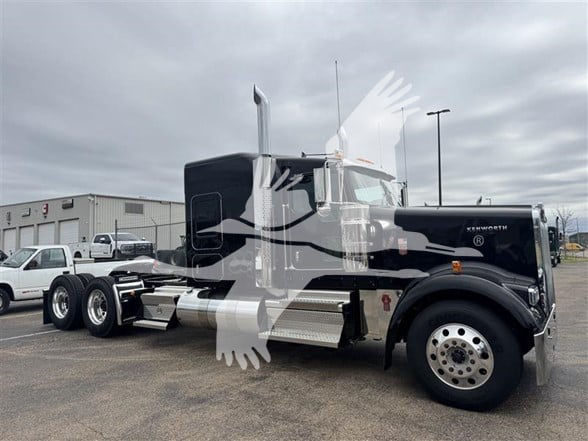
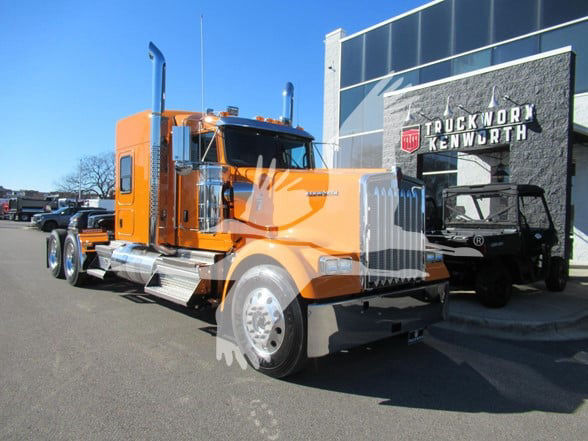
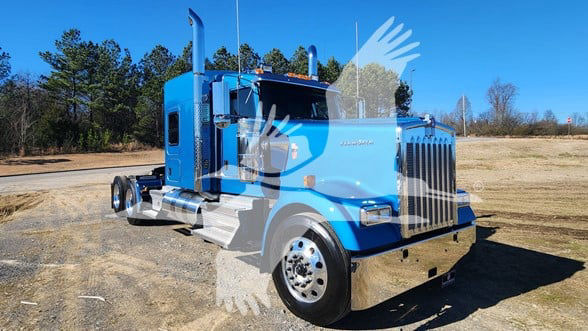
Selling a 2025 conventional sleeper truck? List your 2025 conventional sleeper truck for sale and reach thousands of commercial buyers.
2025 Conventional Sleeper Trucks
The most common 2025 specs center around 6x4 tandem-drive tractors with 12-speed or 13-speed automated manual transmissions, though some buyers still prefer manual gearboxes in specialized applications. Engine ratings typically fall in the 400 to 515 horsepower range, often paired with 1,650 to 1,850 lb-ft of torque for van, reefer, tanker, and general freight work. Rear axle ratings around 40,000 pounds are standard, and buyers should pay close attention to rear ratio selections like 2.64, 2.79, or 3.08 depending on cruise speed, terrain, and payload profile. Wheelbases commonly land in the 228-inch to 240-inch range, and fuel capacity can vary widely, often from 200 to 275 gallons or more depending on fairing package, weight targets, and run length.
A major difference in late-model conventional sleeper trucks is the depth of onboard technology. Many 2025 highway tractors are equipped with adaptive cruise control, collision mitigation, active braking, lane departure systems, and digital dash layouts that improve driver visibility and fleet data access. Disc brakes are increasingly common, and buyers comparing trucks should look closely at suspension type, fifth wheel configuration, and idle-reduction strategy. Features like an air-slide fifth wheel, bunk heater, battery HVAC, inverter, refrigerator prep, and auxiliary power solutions can make a measurable difference in driver retention and hoteling costs. Interior trim matters too, but practical details like storage layout, bunk access, insulation, and HVAC performance usually matter more over a full duty cycle.
For most fleets and owner-operators, the right 2025 conventional sleeper truck comes down to matching the cab and driveline to the lane. A lighter aero spec with a downsped powertrain suits dry van and reefer freight on interstate routes. Higher horsepower, more aggressive gearing, and premium cooling or braking packages make more sense for heavy haul, mountain service, or higher average gross weights. Buyers should also verify emissions warranty coverage, telematics compatibility, tire size, fairing condition, and service network support by make. In this category, the best purchase is rarely the highest horsepower truck. It is the sleeper tractor with the right roof height, wheelbase, fuel capacity, and powertrain calibration for the freight it will pull every week.
Frequently Asked Questions about 2025 Conventional Sleeper Trucks
What is a conventional sleeper truck?
A conventional sleeper truck is a highway tractor with an engine mounted ahead of the cab and a built-in sleeper compartment behind the seats. It is designed for regional and long-haul operations where the driver needs overnight accommodations, extra storage, and better ride comfort than a day cab can provide. Conventional sleeper tractors are the standard choice for van, reefer, flatbed, and many tanker operations because they balance serviceability, aerodynamics, and driver livability.
What sleeper size is best for long-haul work?
For long-haul freight, 72-inch to 76-inch high-roof sleepers are among the most practical choices because they provide enough room for standing height, bunk space, storage, and hoteling equipment. Smaller sleepers can work for shorter regional runs, but drivers spending multiple nights on the road usually benefit from the added space and comfort of a larger sleeper. Team operations and premium over-the-road applications often favor the biggest sleeper options for better living space and onboard amenities.
How much horsepower does a 2025 conventional sleeper truck need?
Most 2025 conventional sleeper trucks used in general highway freight are spec'd between 400 and 515 horsepower. Around 450 horsepower is a common target because it covers a wide range of van and reefer applications without adding unnecessary fuel burn. Higher horsepower can be justified for mountain routes, heavier average gross weights, or specialized freight, but engine torque, transmission calibration, and rear axle ratio are just as important as the headline horsepower number.
What specs matter most when comparing sleeper tractors?
The most important specs are sleeper length, engine torque, transmission type, rear axle ratio, wheelbase, axle ratings, and fuel capacity. Those items determine how the truck will perform at highway speed, how efficiently it will pull its typical load, and how comfortable it will be for the driver. Buyers should also compare safety systems, brake type, suspension, fifth wheel setup, idle-reduction equipment, and service support because those factors affect uptime and operating cost over the life of the truck.
Are automated manual transmissions standard in modern conventional sleepers?
Automated manual transmissions are now the dominant choice in modern conventional sleeper trucks because they improve shift consistency, reduce driver fatigue, and help fleets manage fuel economy and clutch life. They are especially common in over-the-road applications paired with downsped drivelines and predictive cruise features. Manual transmissions still have a place in some specialized operations, but most buyers in the 2025 sleeper tractor market will be comparing automated options first.