
2025 Conventional Sleeper Trucks For Sale in Alabama
Shop 2025 conventional sleeper trucks for long-haul and regional freight, with popular specs, sleeper sizes, and highway-focused setups.
Selling a 2025 conventional sleeper truck? List your 2025 conventional sleeper truck for sale and reach thousands of commercial buyers.
2025 Conventional Sleeper Trucks in Alabama
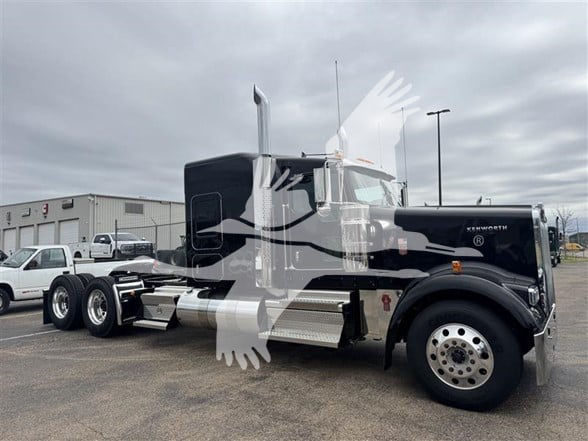
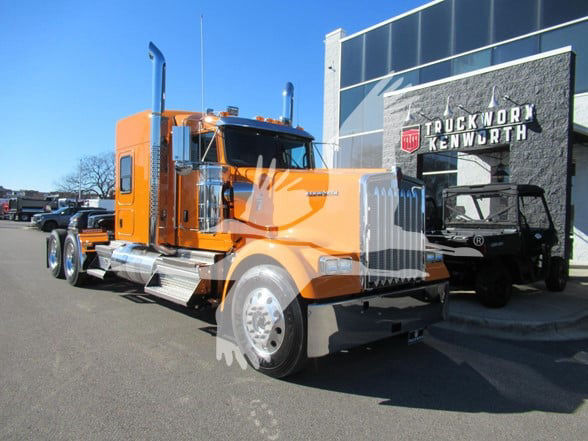
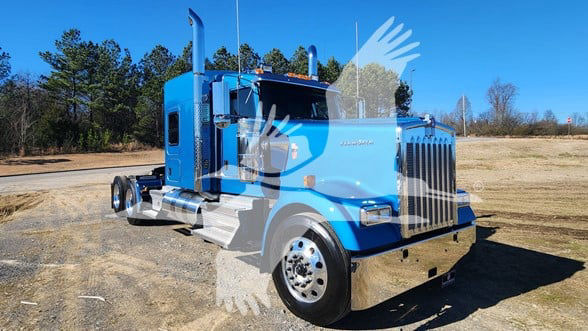
For 2025 model year trucks, the biggest buying decision usually comes down to balancing fuel economy against application. Aerodynamic models such as the Freightliner Cascadia, Volvo VNL, and similar highway tractors are often spec'd with automated manual transmissions, downsped rear axle ratios, and engines in the 400 to 500 horsepower range for linehaul efficiency. Long-hood conventionals such as the Kenworth W900L or W990 appeal to buyers who want a traditional platform, heavier vocational feel, or owner-operator presence, often paired with 18-speed manuals and higher-horsepower engines like the Cummins X15. In Alabama and across the Southeast, where freight lanes can mix interstate mileage with port, industrial, and construction-related hauling, it pays to match the wheelbase, 5th wheel setup, and suspension to the trailers you actually pull.
A serious buyer should look closely at sleeper configuration, drivetrain, and serviceability. Mid-roof sleepers can keep weight down and improve aerodynamics, while raised-roof sleepers give more comfort for multi-day trips and team driving. On the chassis side, 6x4 tandem axle setups dominate this category, with air ride suspensions, 40,000-pound rears, and air slide 5th wheels commonly found on fleet and owner-operator specs. Tire size, wheel material, fuel capacity, and APU or idle management equipment all matter because they directly affect payload, driver comfort, and operating cost. Interior condition, bunk layout, inverter setup, refrigerator prep, and storage capacity also deserve attention if the truck will spend most of its life on the road.
The best 2025 conventional sleeper truck is the one spec'd for your freight and cost structure, not just the one with the biggest sleeper or highest horsepower. Buyers focused on fuel economy usually favor aero packages, automated transmissions, predictive cruise, and lower RPM highway gearing. Buyers hauling heavier loads or running specialized lanes may prioritize a manual transmission, higher torque rating, locking differentials, or a longer wheelbase. Maintenance access, emissions warranty coverage, and dealer support in your operating region should be part of the decision, especially for trucks expected to stay in service for several years. A well-matched sleeper tractor can improve driver retention, reduce downtime, and hold stronger resale value over the life of the unit.
Frequently Asked Questions about 2025 Conventional Sleeper Trucks in Alabama
What is the difference between a mid-roof sleeper and a raised-roof sleeper on a conventional truck?
A mid-roof sleeper usually offers a lower overall height, lighter weight, and better aerodynamic efficiency, which can help on regional and solo long-haul routes. A raised-roof sleeper provides more interior space, better stand-up room, and often supports double bunk layouts, making it the better fit for team driving, extended over-the-road work, or operators who place a premium on cab comfort.
What engine and transmission specs are common in 2025 conventional sleeper trucks?
Most 2025 conventional sleeper trucks are spec'd with diesel engines in the 400 to 500 horsepower range, with popular platforms including the Detroit DD15, Volvo D13, PACCAR MX series, and Cummins X15. Automated manual transmissions remain common in fleet and fuel-economy applications, while 13-speed and 18-speed manuals still show up in owner-operator, heavy-haul, and traditional long-hood specs where control and application flexibility matter more.
Are conventional sleeper trucks good for regional hauling, or only long-haul work?
Conventional sleeper trucks are primarily built for long-haul work, but they are also a strong fit for regional operations that include overnight runs, irregular dispatch, or dedicated lanes with driver layovers. A sleeper adds flexibility that a day cab does not provide, and many fleets use mid-roof sleeper tractors in regional service to give drivers rest space without stepping up to a larger raised-roof configuration.
What should I check when comparing 2025 sleeper tractors for sale?
Focus on sleeper size, engine rating, transmission type, axle ratio, suspension, wheelbase, and 5th wheel configuration first because those determine how the truck will perform with your trailers and freight. After that, review fuel capacity, APU or idle reduction equipment, bunk layout, storage, tire condition, and service access. The right spec is the one that supports your route profile, payload targets, and maintenance plan.
Why do some buyers choose long-hood conventional sleepers instead of aerodynamic models?
Long-hood conventional sleepers are often chosen for driver preference, appearance, service access, and applications that call for higher horsepower or manual transmission specs. Aerodynamic trucks usually win on fuel economy and fleet efficiency, but long-hood models continue to attract owner-operators and specialized haulers who want a traditional truck platform, premium ride feel, and strong resale appeal in certain segments.