
2025 Peterbilt Conventional Sleeper Trucks For Sale
Shop 2025 Peterbilt conventional sleeper trucks with specs, sleeper options, drivetrain details, and long-haul features buyers compare most.
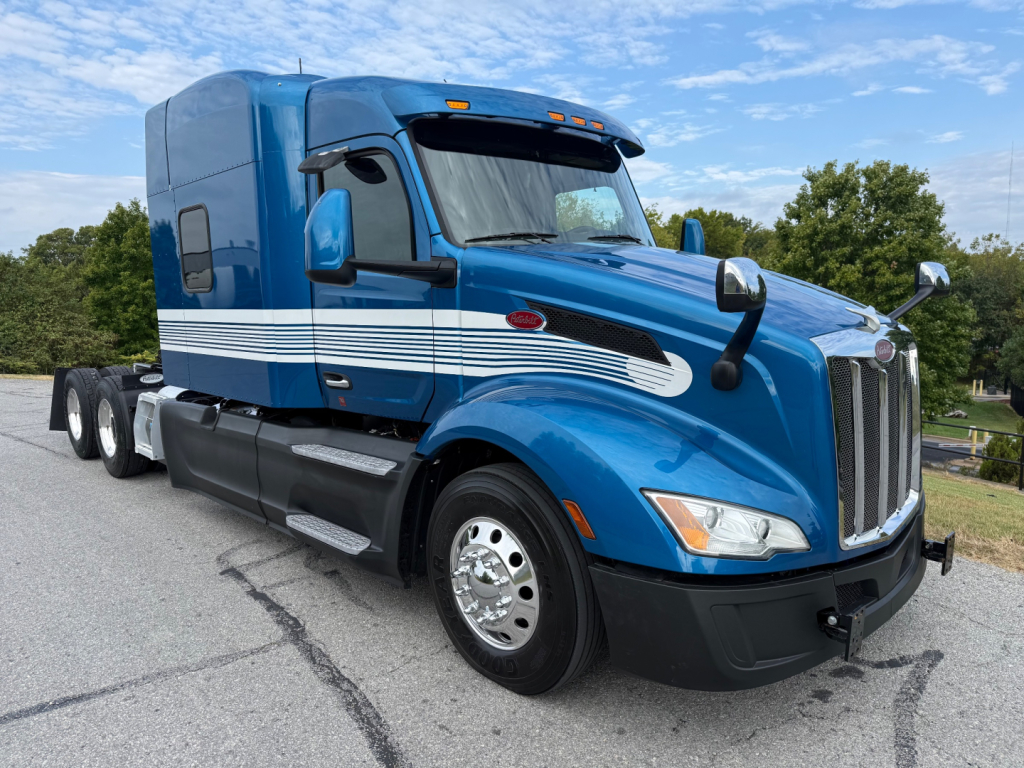
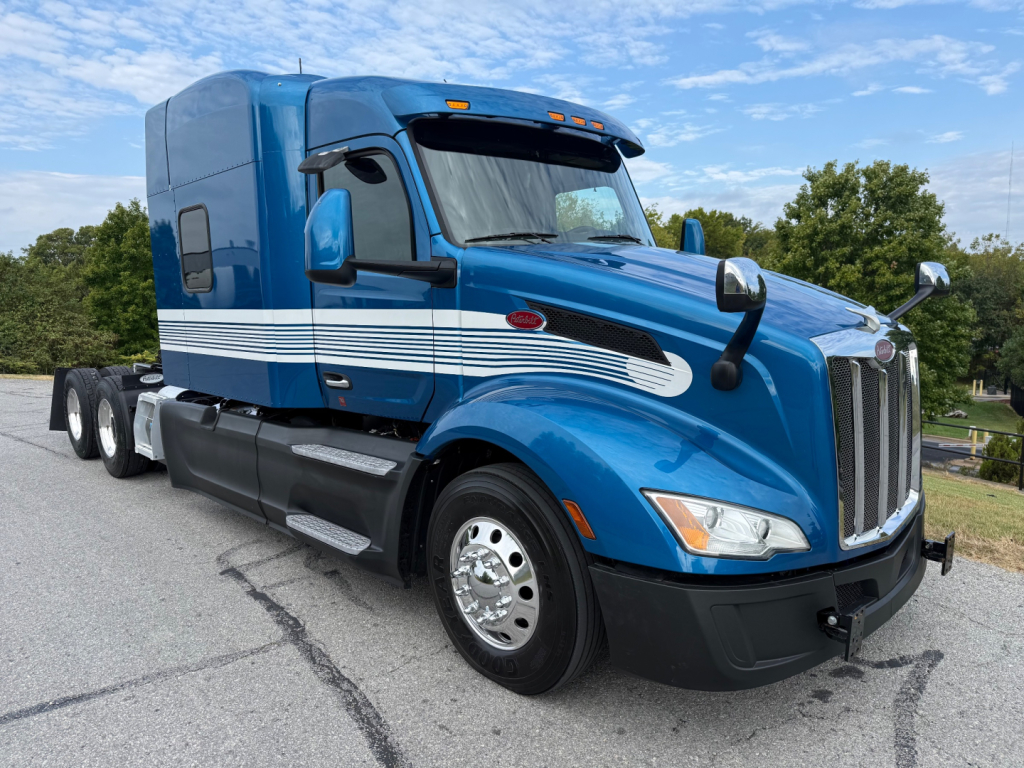
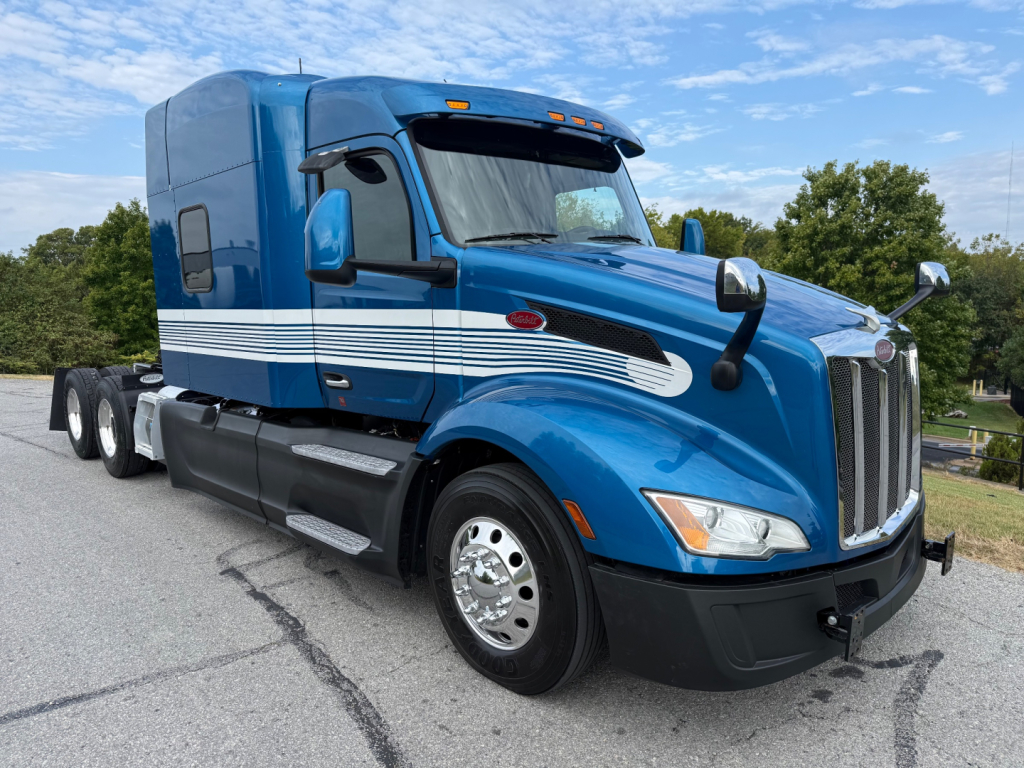
Selling a 2025 peterbilt conventional sleeper truck? List your 2025 peterbilt conventional sleeper truck for sale and reach thousands of commercial buyers.
2025 Peterbilt Conventional Sleeper Trucks
The main buying decisions usually start with the powertrain. Many 2025 Peterbilt sleeper trucks are spec’d with PACCAR MX-13 or Cummins X15 engines, often in ratings suited to 80,000-pound GCW highway service. Automated manual transmissions such as the Eaton Endurant are common, though some buyers still prefer manual gearboxes for certain lanes or driver preferences. Rear axle ratios like 2.64, 2.79, 3.08, or 3.25 can significantly change fuel burn, launch feel, and cruise RPM, so the transmission and ratio need to match the freight profile. Wheelbase, fuel capacity, and fifth wheel placement also matter because they affect bridge compliance, trailer gap, ride quality, and how the truck handles with different trailer lengths.
For operating cost, aerodynamic spec choices are a major part of the value equation. Fairings, bumper design, hood profile, mirror style, and roof height all influence fuel economy at highway speed. Buyers should also look closely at suspension type, disc versus drum brakes, tire size, and the use of super singles or duals on the drives. Inside the sleeper, common features include bunk heaters, inverters, refrigerators, premium seats, storage packages, and battery APU prep. On newer Peterbilt sleepers, driver-assist and safety technology may include collision mitigation, lane departure warning, adaptive cruise control, and tire pressure monitoring, depending on how the truck was ordered.
A strong 2025 conventional sleeper spec is one that matches the lane, not just the badge. Dry van and reefer operations often prioritize aerodynamic efficiency and lighter tare weight, while heavy or mountainous routes may call for higher horsepower, deeper gearing, and more robust cooling or braking specs. Buyers comparing Peterbilt sleeper trucks should pay close attention to sleeper size, engine rating, transmission model, rear ratio, wheelbase, and maintenance history if used. Those details will tell you more about how the truck will perform in real service than appearance alone.
Frequently Asked Questions about 2025 Peterbilt Conventional Sleeper Trucks
What is the most common application for a Peterbilt conventional sleeper truck?
Peterbilt conventional sleeper trucks are primarily used for over-the-road freight, including dry van, refrigerated, and general long-haul trailer work. The sleeper cab allows the driver to stay with the truck for multi-day runs, making this configuration standard for freight lanes that involve overnight stops, team driving, or irregular dispatch patterns. They are also common in dedicated regional operations where drivers may spend several nights per week in the truck.
Which engine and transmission combinations are common in newer Peterbilt sleeper trucks?
Common powertrain combinations in newer Peterbilt sleeper trucks include the PACCAR MX-13 or Cummins X15 paired with an automated manual transmission such as the Eaton Endurant. These setups are popular because they balance fuel economy, highway drivability, and reduced driver fatigue. Some trucks are still ordered with manual transmissions, but automated manuals have become the mainstream choice for fleets and many owner-operators due to easier operation and better consistency across drivers.
How do I choose the right sleeper size in a conventional truck?
The right sleeper size depends on route length, time away from home, and driver expectations. A shorter mid-roof sleeper can work well for regional or occasional overnight use, while a larger high-roof sleeper is usually better for long-haul operations that need more storage, stand-up room, and space for amenities like a refrigerator or bunk heater. Sleeper size also affects overall wheelbase, tare weight, and aerodynamics, so it should be matched to both driver comfort needs and freight requirements.
What specs matter most when comparing 2025 Peterbilt conventional sleeper trucks?
The most important specs are engine rating, transmission type, rear axle ratio, wheelbase, sleeper configuration, fuel capacity, and suspension setup. These determine how the truck will pull on grades, what RPM it will turn at cruise speed, how it fits different trailer lengths, and how comfortable it will be on long runs. Safety equipment, brake type, and interior options also matter, but the drivetrain and chassis spec usually have the biggest effect on operating cost and daily performance.
Are aerodynamic Peterbilt sleeper trucks a good fit for owner-operators?
Yes, aerodynamic Peterbilt sleeper trucks are often a strong fit for owner-operators, especially in van and reefer service where highway fuel economy directly affects profit per mile. Models spec’d with efficient engines, automated transmissions, and properly matched rear ratios can reduce fuel cost while still delivering solid performance. Many owner-operators also value Peterbilt for driver comfort, appearance, and resale strength, but the real advantage comes from choosing a spec that fits the actual freight and terrain.