
2025 Conventional Sleeper Trucks For Sale in Kansas
Have 2025 conventional sleeper truck to sell? List it here to reach thousands of buyers.
2025 Conventional Sleeper Trucks in Kansas
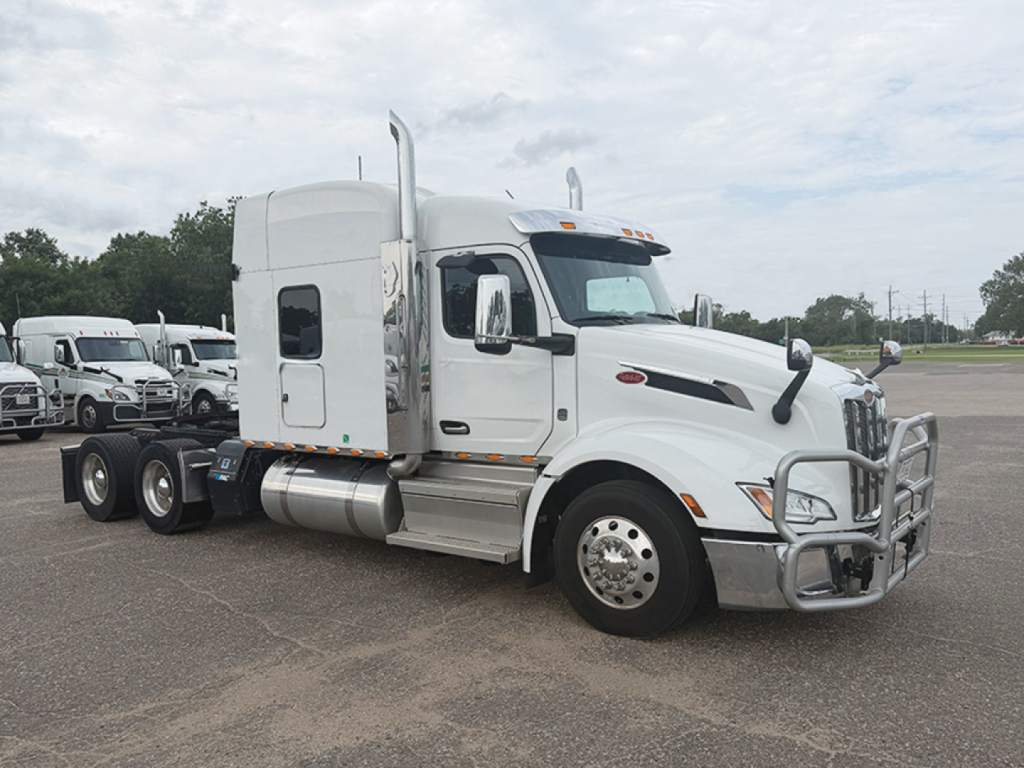
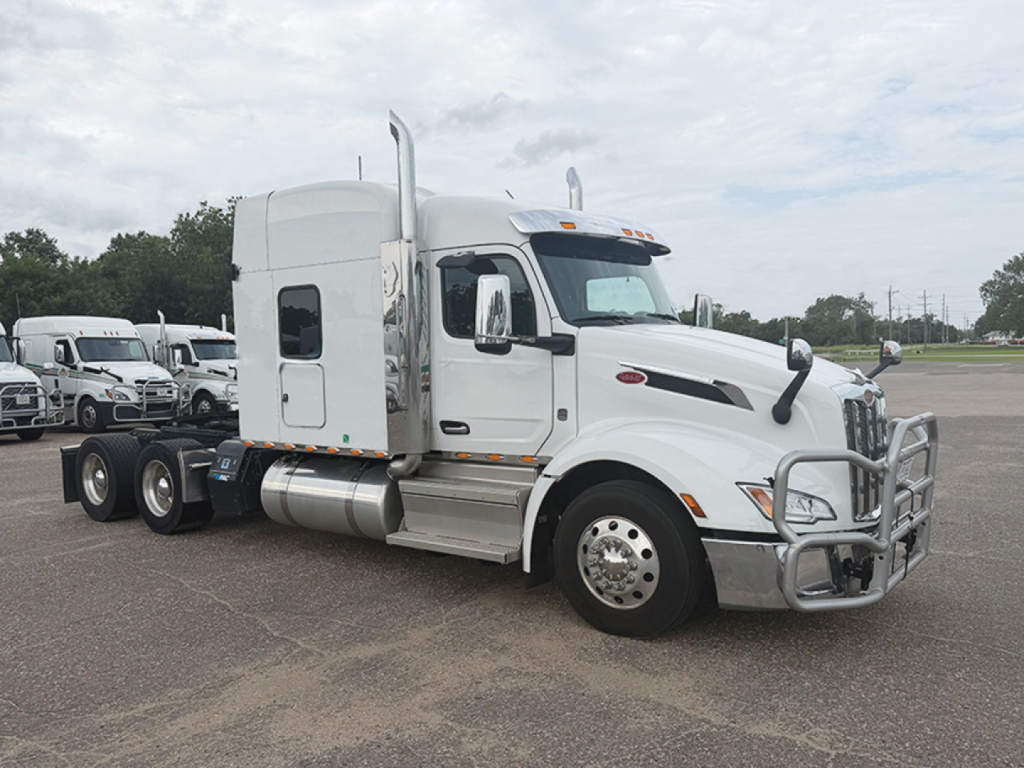
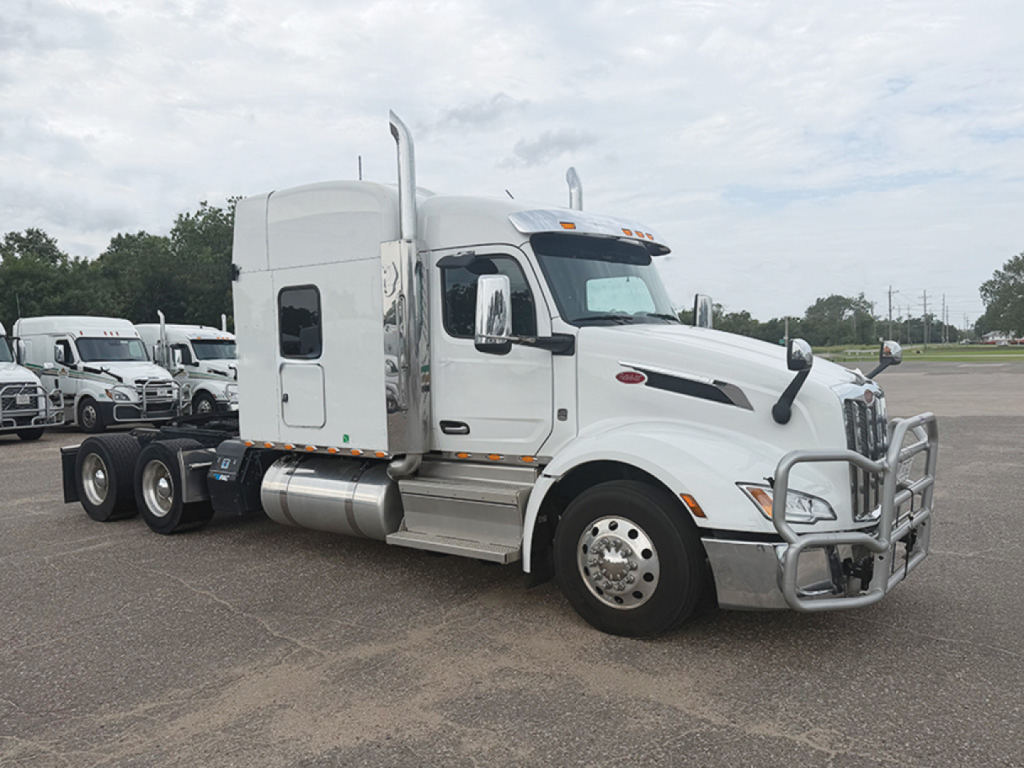
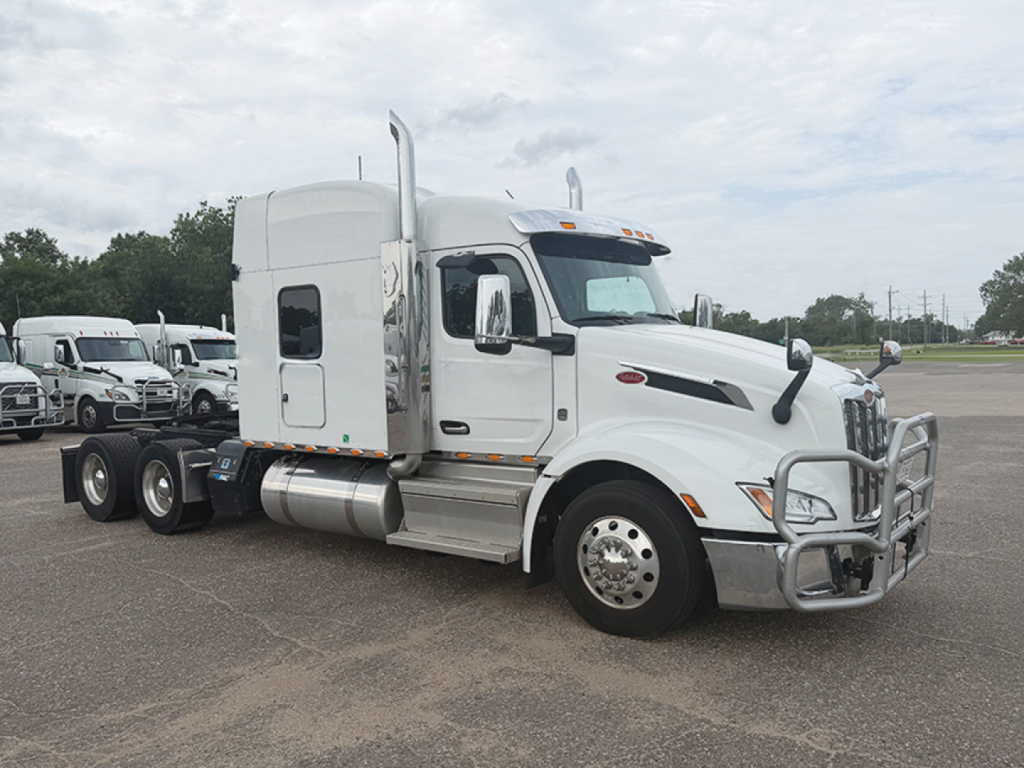
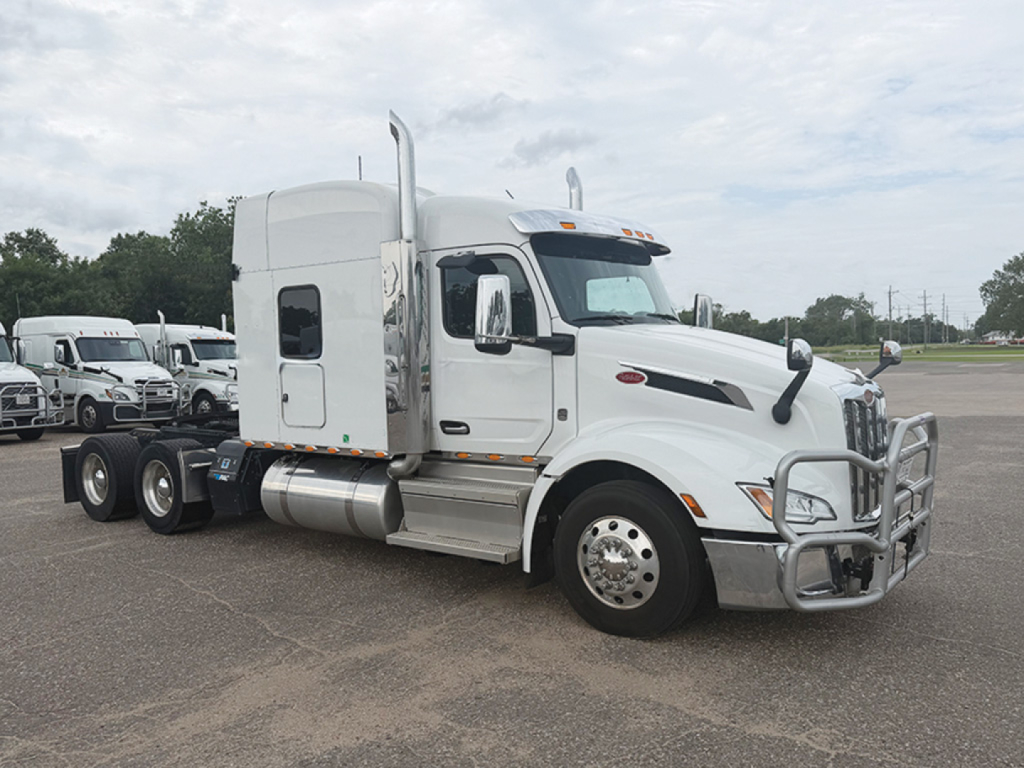
Most 2025 conventional sleepers are designed around aerodynamic highway performance. Common platforms in this segment include models like the Volvo VNL, Peterbilt 579, Kenworth T680, Freightliner Cascadia, International LT, and Mack Anthem. Typical engine ratings fall in the 400 to 500 horsepower range with torque from roughly 1,450 to 1,850 lb-ft, depending on intended gross combination weight and route profile. Buyers comparing specs should look closely at transmission type, engine brake performance, fuel tank capacity, fairings, axle ratio, and 5th wheel placement. A truck geared for maximum fuel mileage on I-70 is not always the same truck you want for heavier regional work, high cube loads, or frequent grades.
The sleeper itself matters as much as the powertrain for many operations. Stand-up sleepers in the 70 to 80 inch range are common for long haul use, often paired with upper bunks, bunk heaters, inverters, refrigerators, and APU setups to reduce idle time. Interior storage, HVAC performance, insulation, and mattress layout all affect driver retention on multi-day routes. If the truck will spend nights in western Kansas wind or summer heat on extended runs, details like battery capacity, parking climate control, and noise insulation become more than comfort items. They affect uptime and how easily a truck can stay productive on the road.
For a buyer comparing 2025 conventional sleeper trucks, the best value usually comes from matching the spec to the lane, not simply choosing the highest horsepower or biggest sleeper. Check gross vehicle weight rating, front axle capacity, suspension type, brake spec, tire size, and emissions warranty coverage. Also confirm how the truck is set up for your trailer mix, including air slide 5th wheel position, frame space for auxiliary equipment, and any tire inflation or safety systems your fleet requires. A well-spec'd conventional sleeper truck can deliver the right balance of comfort, resale strength, and low-cost highway performance for Kansas-based long haul operations.
Frequently Asked Questions about 2025 Conventional Sleeper Trucks in Kansas
What is a conventional sleeper truck used for?
A conventional sleeper truck is used primarily for long haul and regional freight where the driver needs an integrated sleeping compartment behind the cab. This category is common in dry van, refrigerated, and general freight operations. The conventional hood design allows easier engine access for service, and the sleeper section supports multi-day trips with space for rest, storage, and onboard amenities.
What sleeper size is best for a 2025 highway tractor?
The right sleeper size depends on trip length, driver preference, and payload needs. Mid-roof and raised-roof sleepers are common, with stand-up sleepers in the 70 to 80 inch range often preferred for over-the-road work. Larger sleepers add comfort and storage, but they can also affect wheelbase, weight, and maneuverability. For teams or extended runs, buyers usually prioritize stand-up room, bunk layout, refrigerator space, and idle reduction equipment.
What specs matter most when buying a conventional sleeper in Kansas?
For Kansas-based operations, buyers usually focus on fuel economy, crosswind stability, drivetrain gearing, and comfort over long interstate miles. Engine horsepower, torque, rear axle ratio, transmission type, fuel capacity, wheelbase, and suspension all need to match the freight and route. Trucks running lighter van freight on flatter lanes may benefit from downsped highway specs, while heavier or more varied routes may need a different ratio and torque package.
Are automated manual transmissions common in 2025 conventional sleeper trucks?
Yes. Automated manual transmissions are standard or very common in modern conventional sleeper trucks because they improve shift consistency, reduce driver fatigue, and can support better fuel economy when properly spec'd. They are widely accepted in long haul fleets and owner-operator applications. Buyers should still confirm gear ratios, low-speed maneuverability, and how the transmission calibration fits the engine and axle ratio.
How do I choose between fuel economy and heavier-duty performance in a sleeper truck?
The decision comes down to the lane and the load. A fuel economy spec usually includes an aerodynamic package, lower engine rpm at cruise, and a rear axle ratio optimized for highway speeds. A heavier-duty spec may use more horsepower, higher torque, different gearing, and sometimes a different suspension or axle capacity to handle weight and grades more comfortably. The best truck is the one whose engine, transmission, and axle setup match your trailer type, average gross weight, and operating terrain.