
2019 Conventional Sleeper Trucks For Sale in Texas
Shop 2019 conventional sleeper trucks in Texas. Compare specs, sleeper sizes, powertrain options, mileage, and long-haul operating value.
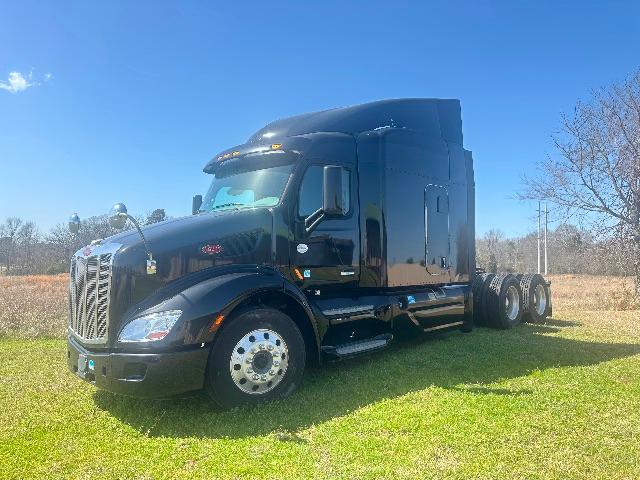
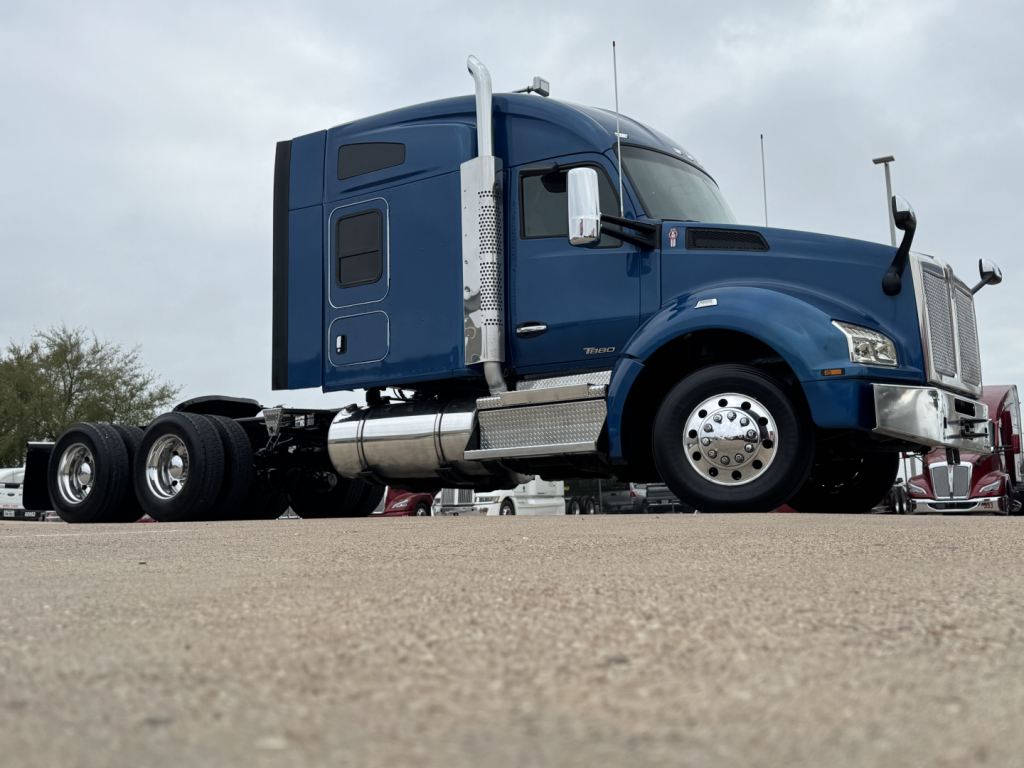
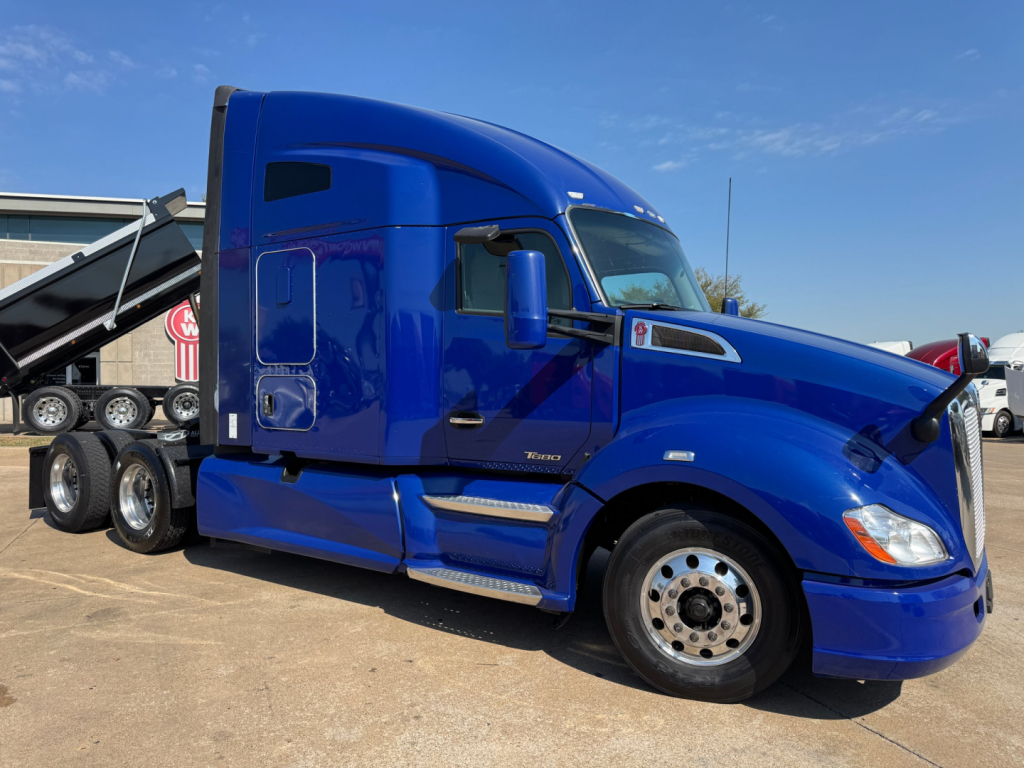
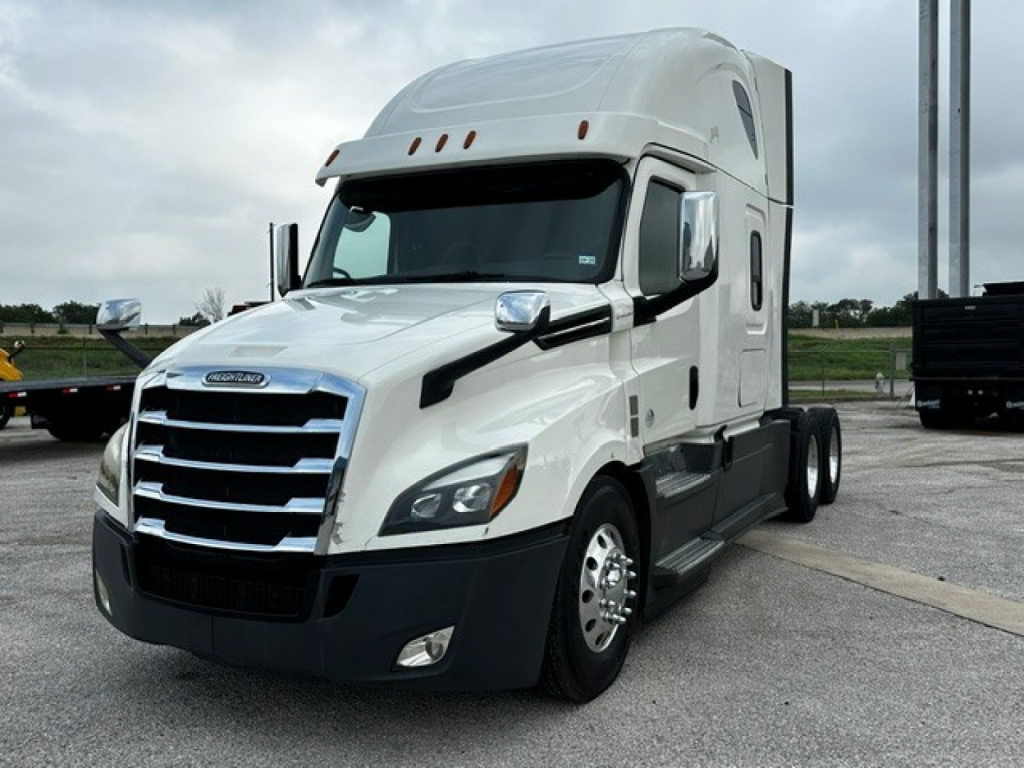
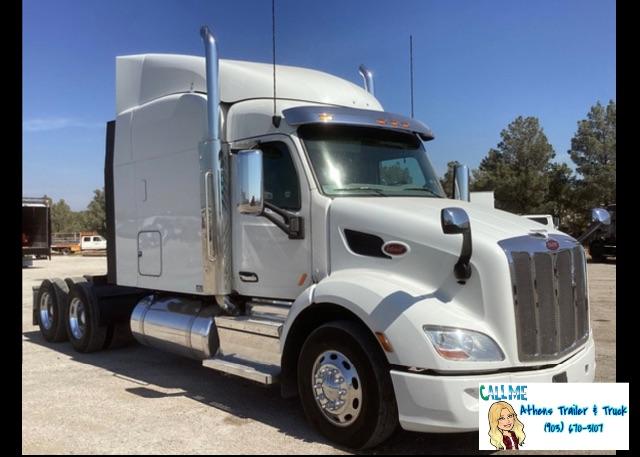
Selling a 2019 conventional sleeper truck? List your 2019 conventional sleeper truck for sale and reach thousands of commercial buyers.
2019 Conventional Sleeper Trucks in Texas
The first decision is usually sleeper size and powertrain. Many 2019 conventional sleepers were spec'd with 60-inch to 80-inch sleepers, with stand-up and mid-roof configurations both common depending on route length and driver preference. Engines in this year range often include 13-liter platforms such as the PACCAR MX-13, Cummins X15 in fuel-efficiency or performance ratings, Detroit DD13 and DD15, Volvo D13, and Mack MP8. Horsepower typically falls in the 400 to 505 HP range, with torque matched to rear axle ratios often between roughly 2.47 and 3.08 for highway service. Automated manuals are very common in 2019 units, though some buyers still look for 10-speed or 12-speed manual and automatic options based on driver pool, terrain, and maintenance preference.
Buyers comparing 2019 sleeper trucks should pay close attention to mileage, emissions history, and fleet spec details rather than badge alone. A well-maintained fleet truck can offer strong value if service records show consistent PM intervals, aftertreatment work, and clutch or transmission calibration history where applicable. Check the DPF, DOC, SCR, and EGR service record closely, especially on trucks that spent time idling or running short regional cycles. Wheelbase, fifth wheel slide length, fuel capacity, bunk layout, inverter setup, and tire condition all affect day-to-day usability. In Texas, cooling performance matters, so radiator condition, APU or battery HVAC setup, and cab insulation are worth reviewing if the truck will spend time parked in hot weather.
For linehaul and dedicated freight, 2019 conventional sleeper tractors often balance driver comfort with operating efficiency better than older pre-aero designs. Look for air ride suspension, disc or drum brake preference, collision mitigation systems, lane departure technology, and interior layouts that support extended time on the road. A lower rear end ratio may help fuel economy on open interstate lanes, while a slightly deeper ratio can make more sense for heavy haul segments, hill country, or frequent starts with higher gross weights. The right truck in this class is the one with a documented maintenance background, a drivetrain matched to your freight, and a sleeper configuration that supports the routes you actually run.
Frequently Asked Questions about 2019 Conventional Sleeper Trucks in Texas
What should I look for first on a 2019 conventional sleeper truck?
Start with maintenance history, engine hours, mileage, and aftertreatment records. On a 2019 sleeper tractor, the condition of the DPF, SCR, EGR system, transmission calibration history, and cooling system often matters more than brand preference. Then review sleeper size, wheelbase, rear axle ratio, fuel tank capacity, and bunk configuration to confirm the truck fits the lanes and trailer lengths you run.
Are 2019 conventional sleeper trucks good for long-haul work in Texas?
Yes. A 2019 conventional sleeper is well suited for Texas long-haul and regional operations because this model year commonly includes aerodynamic packages, downsped drivelines, automated transmissions, and modern driver comfort features. Those specs help on long interstate runs, while the sleeper cab adds flexibility for overnight freight, oilfield-related work, and multi-day dispatches across large service areas.
What engines are common in 2019 sleeper trucks?
Common engine options include the PACCAR MX-13, Cummins X15, Detroit DD13, Detroit DD15, Volvo D13, and Mack MP8. Most are spec'd for highway use in the 13-liter class, with horsepower generally ranging from around 400 to 505 and torque matched to fuel-economy or performance axle ratios. The best choice depends on dealer support, your maintenance strategy, gross weight, and whether the truck will stay mostly on interstate lanes or see more demanding terrain.
Is an automated manual transmission a good choice on a 2019 sleeper tractor?
For many operations, yes. Automated manual transmissions became very common by 2019 because they help with fuel economy, reduce driver fatigue, and simplify hiring in fleets that do not want to depend on manual-transmission drivers. Buyers should still confirm service history, clutch wear data where available, and software calibration updates, because shift quality and durability depend heavily on proper maintenance and operating conditions.
How much sleeper size do I really need?
That depends on route length and how the truck is assigned. A mid-roof or smaller sleeper may be enough for regional work with occasional overnights, while a 70-inch to 80-inch stand-up sleeper makes more sense for teams, extended linehaul, or drivers who spend several nights per week in the truck. Bunk layout, storage, APU setup, inverter capacity, and HVAC support can matter just as much as sleeper length when you compare day-to-day livability.