
2019 Conventional Sleeper Trucks For Sale
Shop 2019 conventional sleeper trucks with specs that matter for long-haul use, including sleeper size, powertrain, wheelbase, and axle setup.
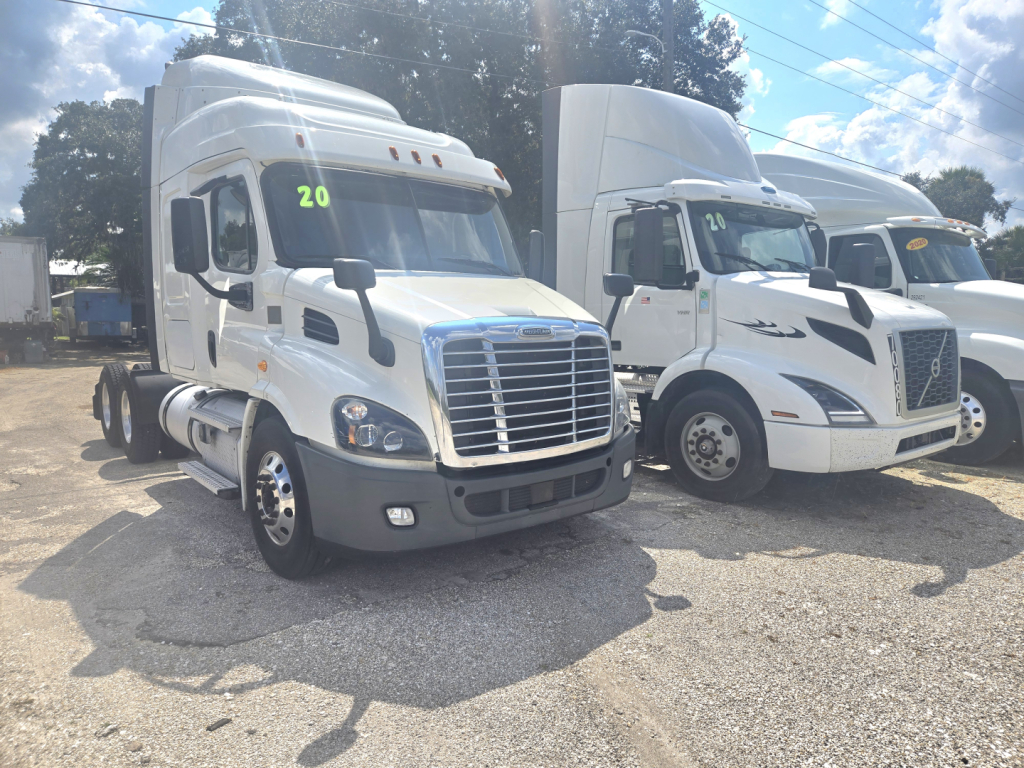
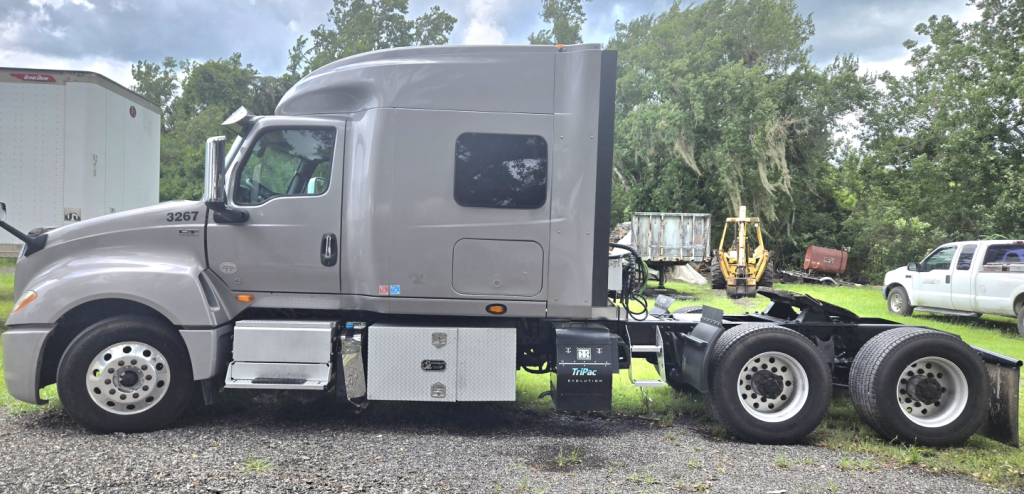
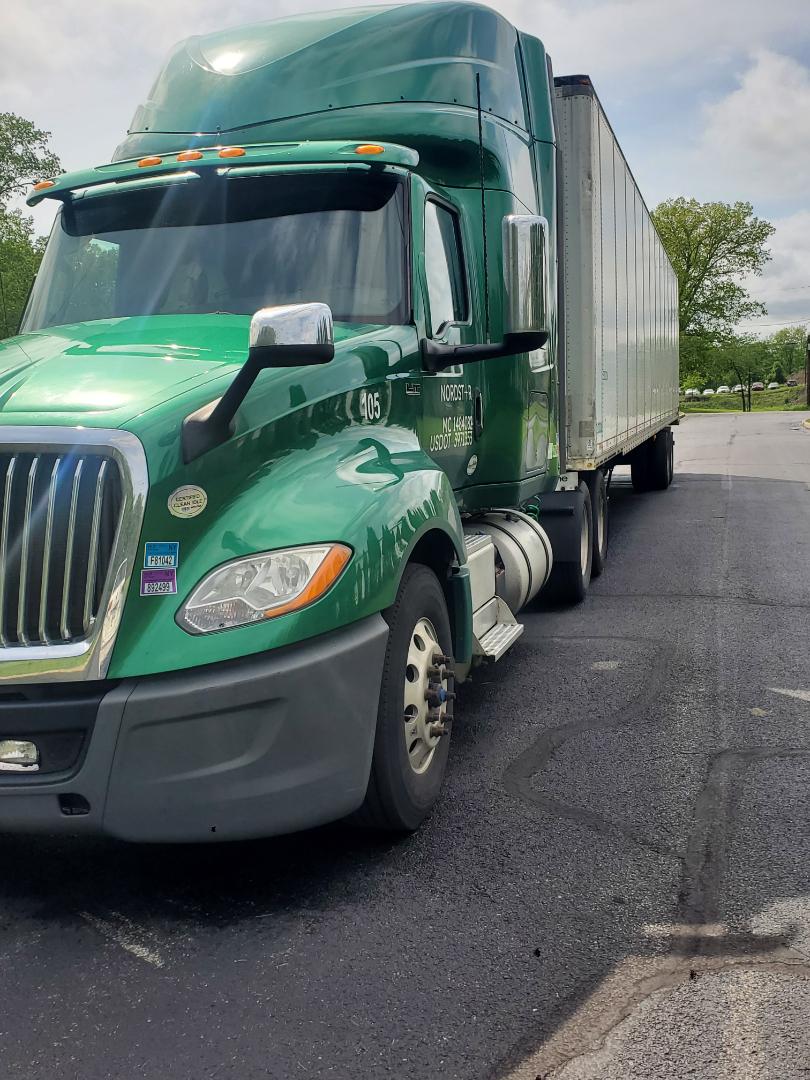
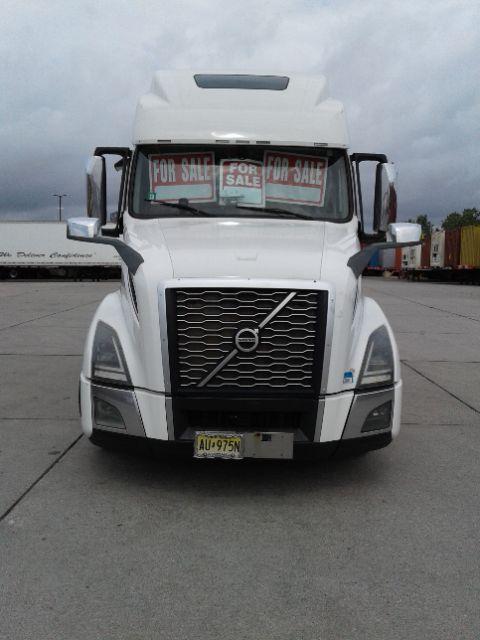
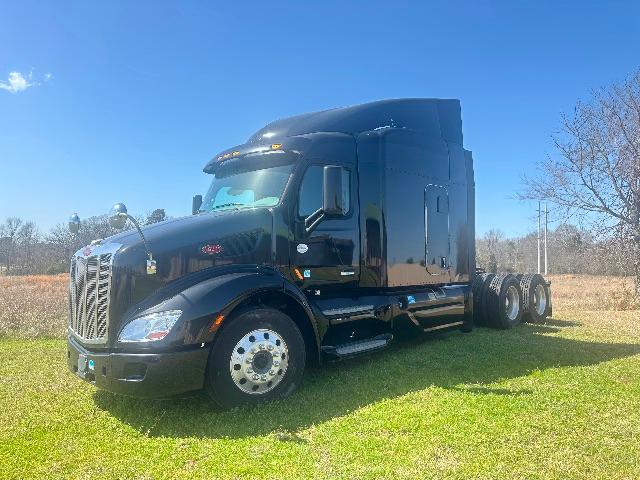

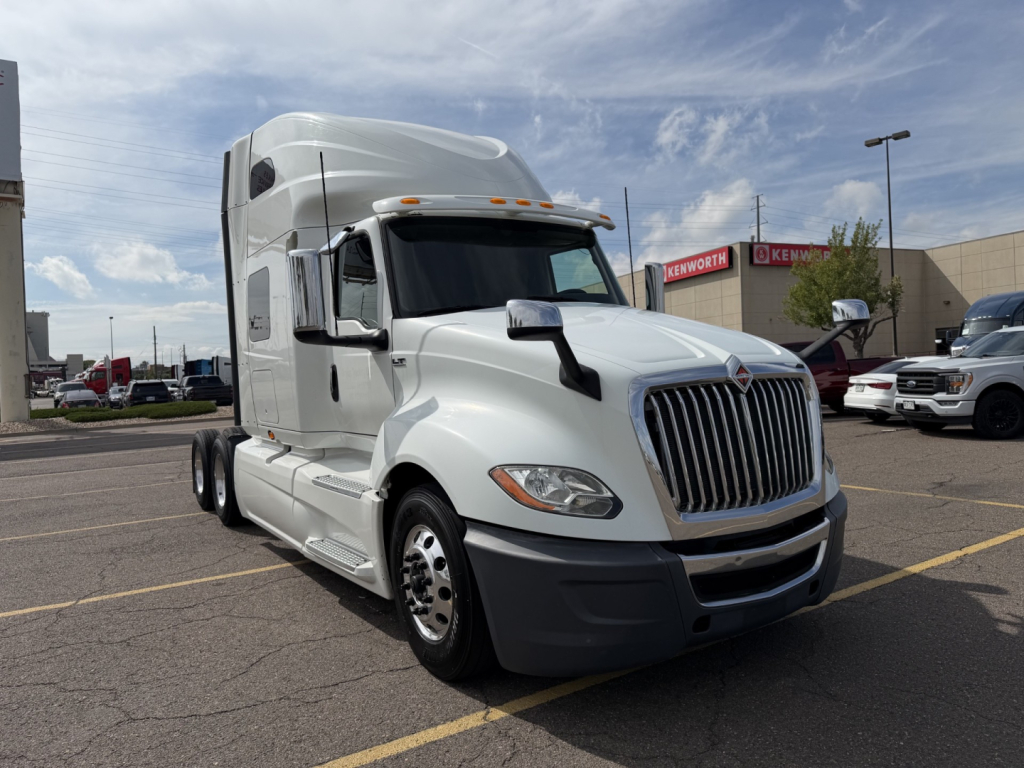
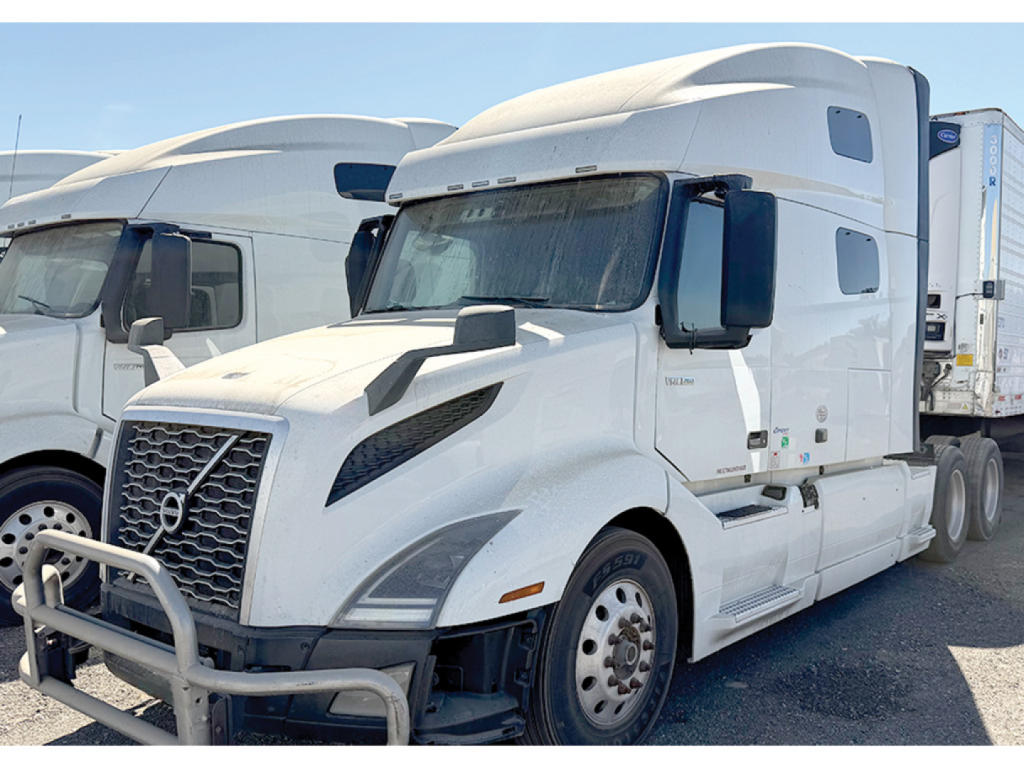
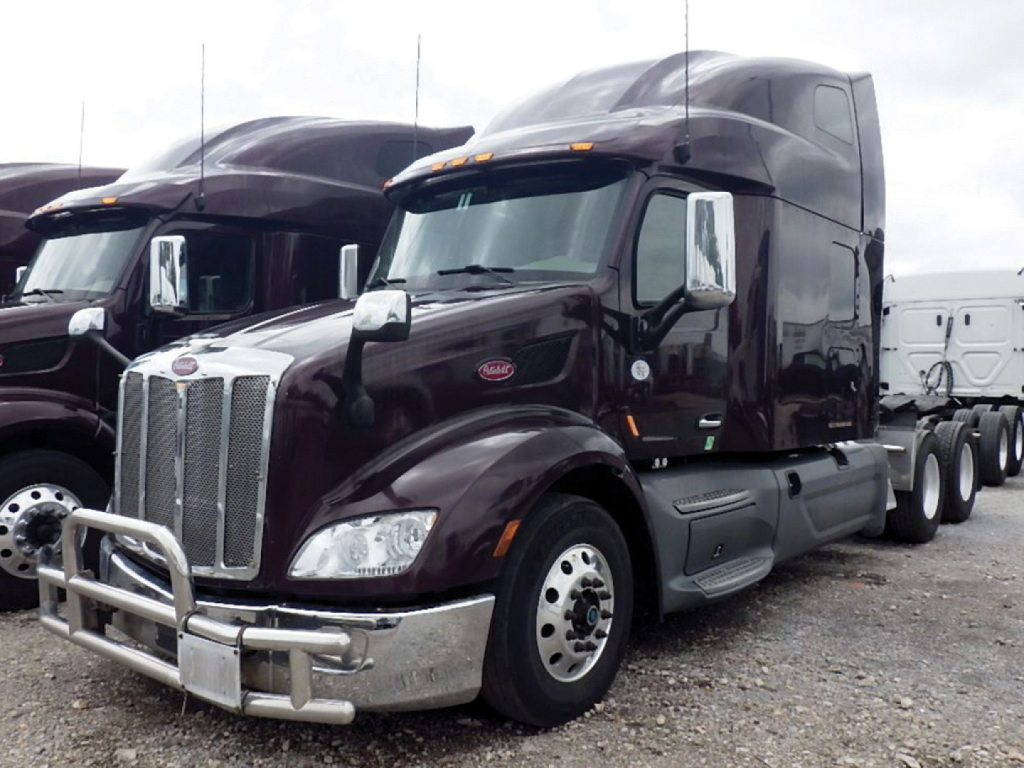
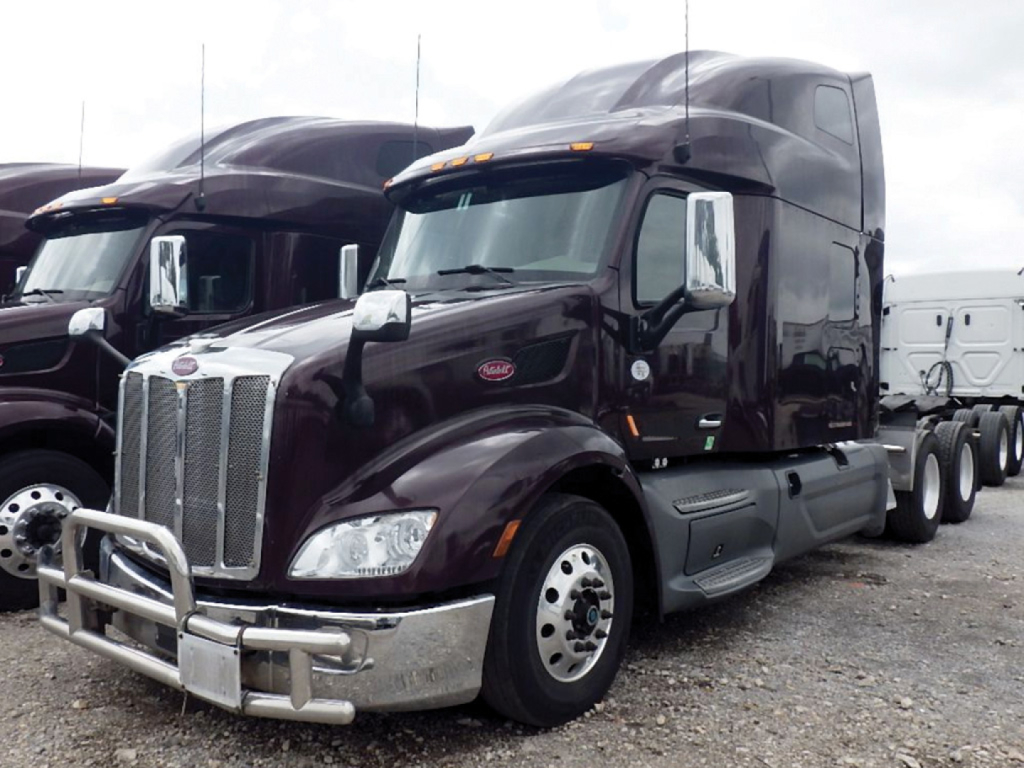
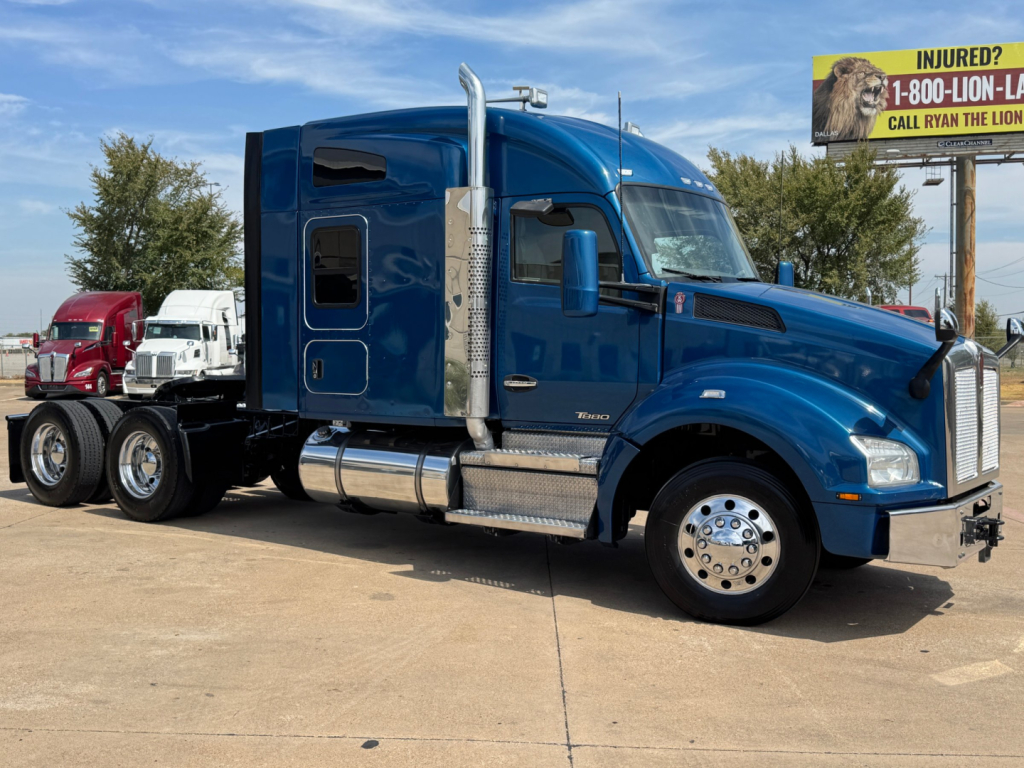
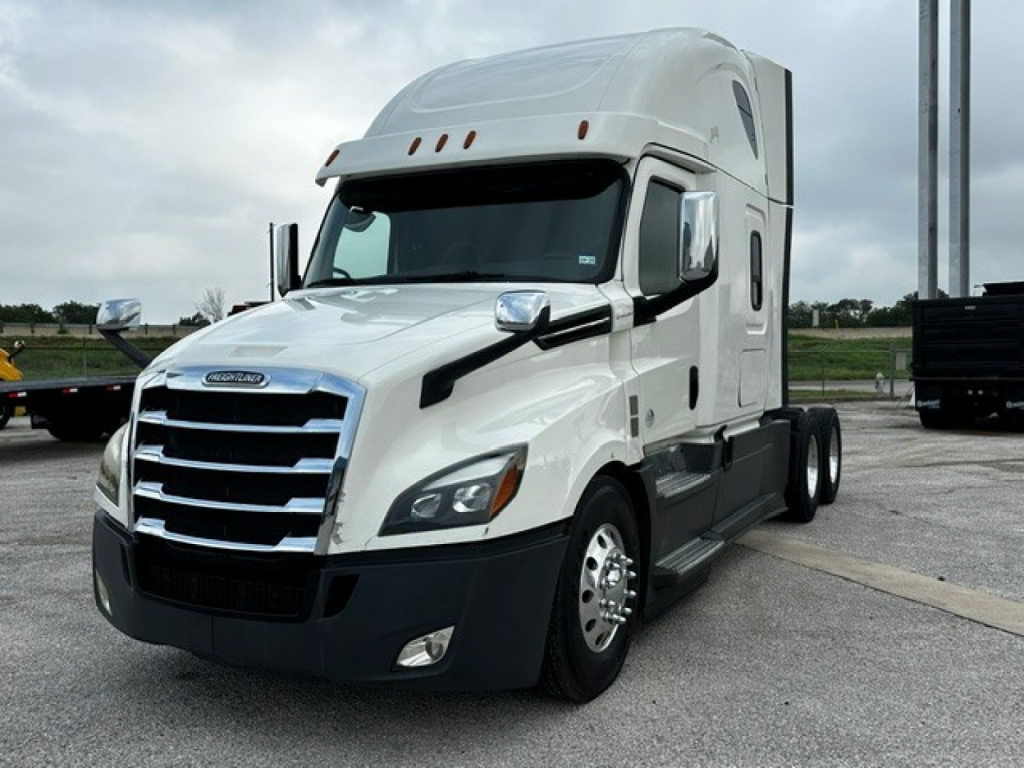
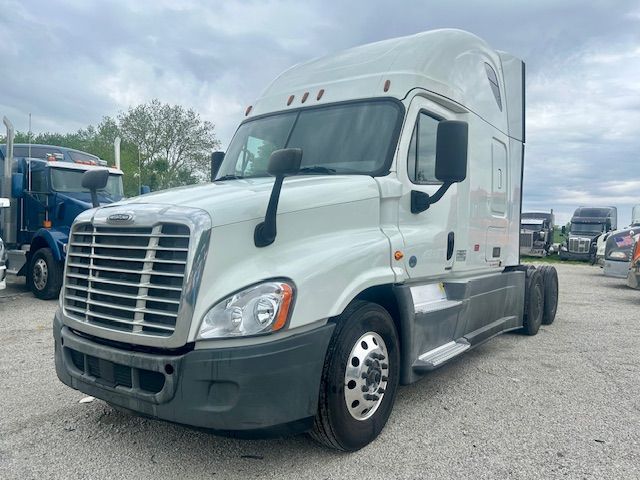
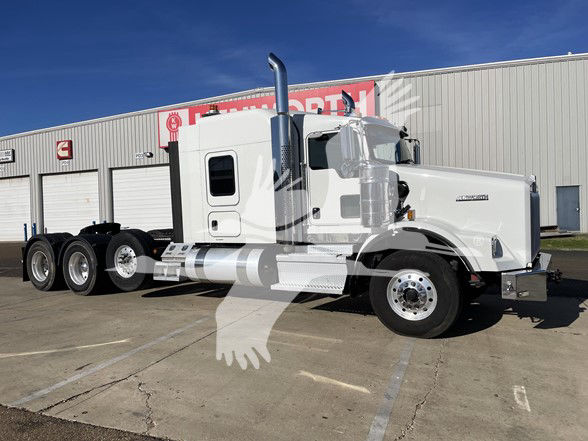
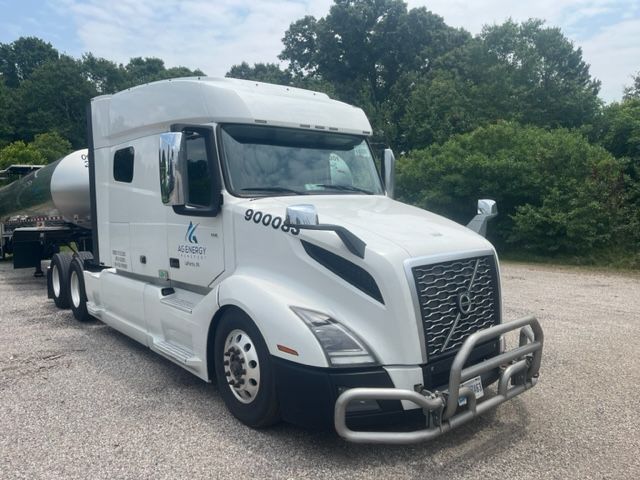
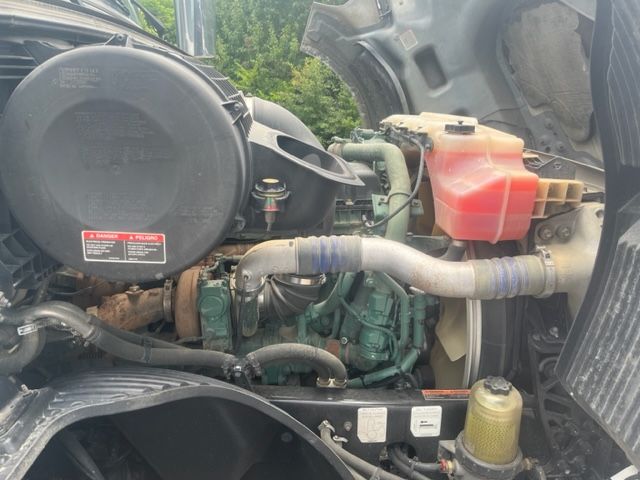
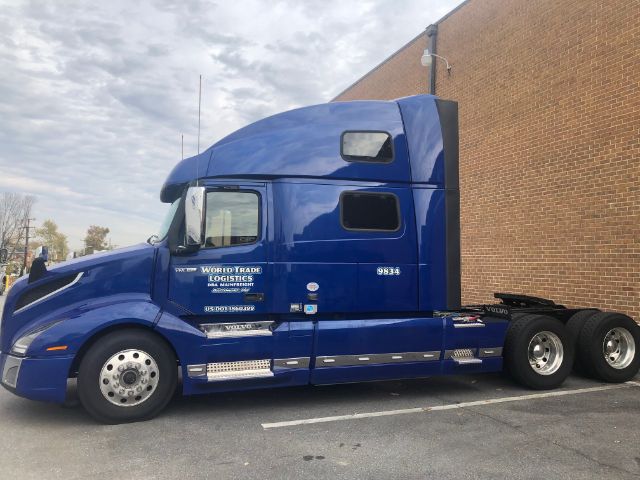
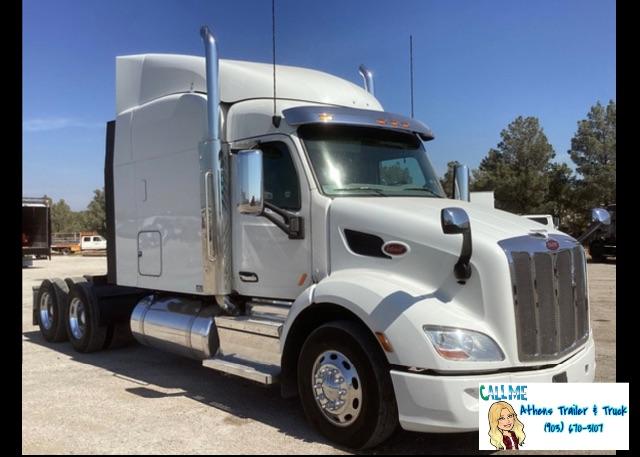

Showing 1 to 28 of 52 results
Selling a 2019 conventional sleeper truck? List your 2019 conventional sleeper truck for sale and reach thousands of commercial buyers.
2019 Conventional Sleeper Trucks
Most 2019 conventional sleepers are spec'd with 6x4 tandem drive axles, raised-roof sleepers, and diesel engines in the 400 to 565 horsepower range with torque commonly between 1,650 and 1,850 lb-ft. Popular combinations from this model year include automated manual transmissions, 12-speed and 13-speed options, and rear axle ratios selected for either fuel economy or heavier pulling. Wheelbases vary widely depending on sleeper length, fuel capacity, and fifth wheel position, but the big decision is still application-driven. A fleet-focused highway spec may prioritize a lighter chassis, aerodynamic fairings, and a downsped driveline, while an owner-operator spec may lean toward larger sleepers, polished tanks, longer wheelbase, and more storage or premium interior trim.
For a buyer, the important 2019-specific checkpoint is emissions and maintenance history. These trucks sit in the late-generation diesel emissions era, so service records for the DPF, DEF system, EGR components, sensors, and aftertreatment repairs are worth reviewing closely. Mileage, idle hours, and whether the truck was operated with an APU or hotel load system can tell you a lot about engine wear and sleeper usage. It also pays to check brake type, suspension design, tire size, fuel tank capacity, inverter setup, bunk configuration, and safety technology such as adaptive cruise, collision mitigation, and cameras, because 2019 trucks often marked a transition into more advanced driver-assist packages.
The best 2019 conventional sleeper truck depends on how the truck will earn. Regional long-haul fleets often want aerodynamic models with efficient powertrains and shorter downtime intervals. Expedited and team operations may focus on larger mid-roof or high-roof sleepers with better climate control and inverter capacity. Heavy haul or specialized open-deck operations may need a different ratio, locking differentials, heavier front axle ratings, or a set-forward axle configuration. When comparing listings, look beyond make and model and match the truck's axle ratings, sleeper layout, transmission, and gearing to the freight, terrain, and annual miles you expect to run.
Frequently Asked Questions about 2019 Conventional Sleeper Trucks
What should I look for first on a 2019 conventional sleeper truck?
Start with the powertrain, mileage, idle hours, and maintenance records. On a 2019 truck, aftertreatment service history is especially important, including DPF cleaning intervals, DEF system repairs, sensor replacements, and any EGR or SCR work. After that, check sleeper size, wheelbase, rear axle ratio, fifth wheel setup, and axle ratings to make sure the truck matches the freight and trailer types you plan to pull.
Are 2019 conventional sleeper trucks good for long-haul operations?
Yes, 2019 conventional sleepers are a strong fit for long-haul work because this model year commonly offers mature aerodynamic designs, efficient automated transmissions, and better driver comfort features than older trucks. Many were spec'd for highway service with raised-roof sleepers, large fuel capacity, and integrated fairings. The real difference between a good and bad fit comes down to prior maintenance, emissions reliability, and whether the original spec was built for fuel economy, driver retention, or heavier vocational use.
What engine and transmission specs are common in 2019 sleeper semis?
Many 2019 conventional sleeper trucks use 11-liter to 15-liter diesel engines rated around 400 to 565 horsepower, with torque commonly ranging from 1,650 to 1,850 lb-ft. Automated manual transmissions are very common in this year, although manual transmissions are still found in certain owner-operator and vocational-oriented specs. Rear axle ratios are often chosen to support downsped highway cruising, but some trucks are geared more aggressively for heavier loads or mountain operation.
How important is sleeper size on a 2019 conventional truck?
Sleeper size matters because it affects driver comfort, storage, wheelbase, and truck weight. Shorter sleepers can improve maneuverability and reduce overall length, while larger raised-roof sleepers support team driving, longer dispatch cycles, and better living space with room for refrigerators, inverters, cabinets, and larger bunks. Buyers should balance comfort needs against payload sensitivity, turning radius, and the type of freight lanes the truck will cover.
Do 2019 conventional sleeper trucks usually have modern safety and driver comfort features?
Many do. By 2019, it was common to see conventional sleepers equipped with features such as collision mitigation, adaptive cruise control, lane departure warning, disc brakes on some specs, improved infotainment, and more refined sleeper climate systems. Availability varies by make, trim level, and original buyer spec, so it is worth checking each truck for the exact safety package, seating, bunk layout, and onboard electrical features rather than assuming all 2019 models are equipped the same way.