
2019 Kenworth Conventional Sleeper Trucks For Sale
Shop 2019 Kenworth conventional sleeper trucks, including T680 specs, engine options, sleeper sizes, driveline setups, and long-haul features.
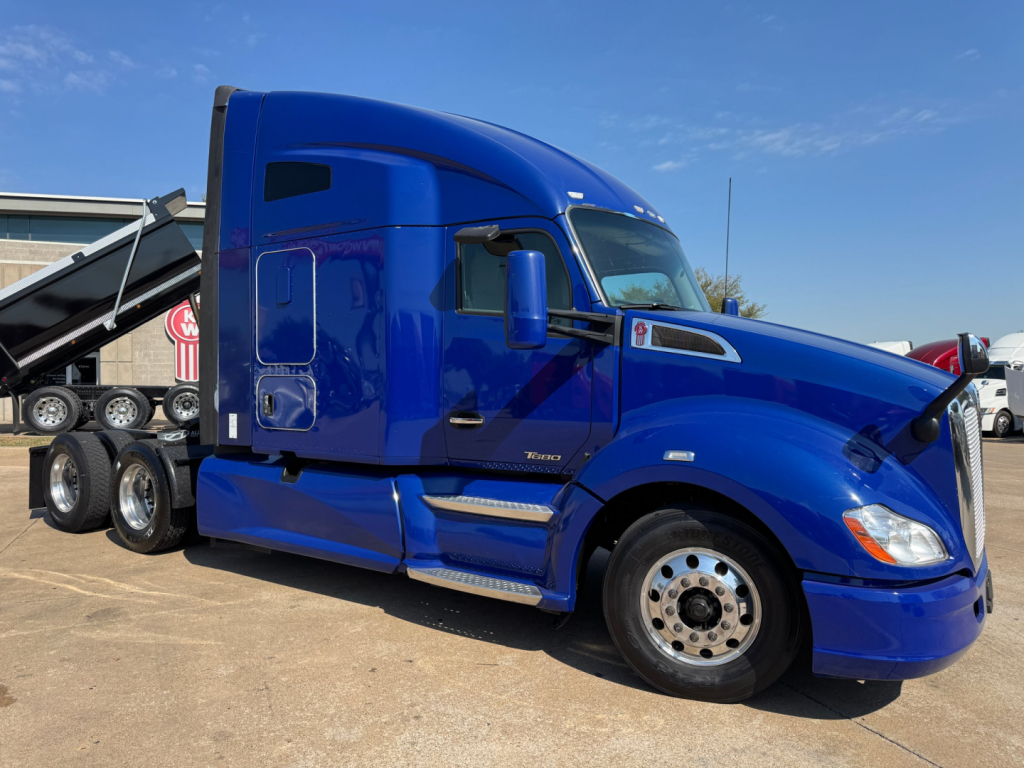
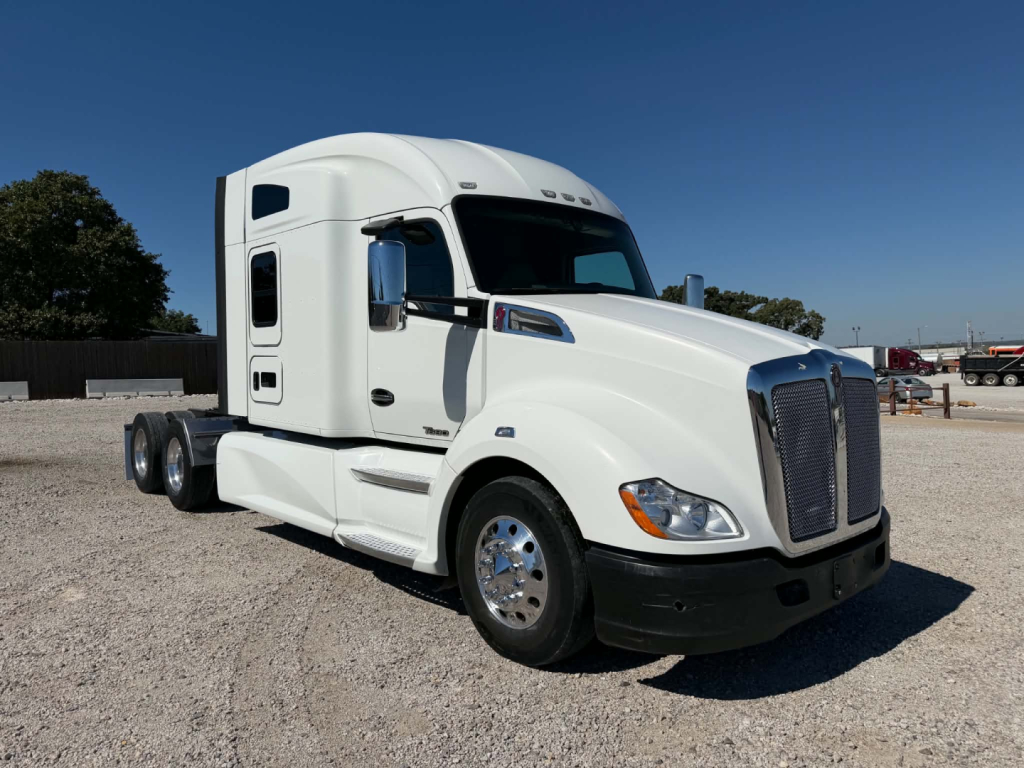
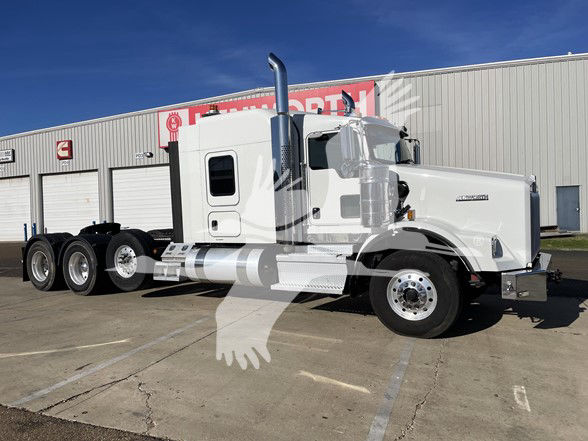

Selling a 2019 kenworth conventional sleeper truck? List your 2019 kenworth conventional sleeper truck for sale and reach thousands of commercial buyers.
2019 Kenworth Conventional Sleeper Trucks
The biggest buying decision is usually under the hood and behind it. Many 2019 Kenworth sleeper trucks are spec'd with the Cummins X15, while some are equipped with PACCAR MX-series engines depending on the original buyer. Horsepower often falls in the 400 to 500 HP range, with 10-speed, 12-speed automated, 13-speed manual, and 18-speed manual transmissions all seen in the market. Rear axle ratings around 40,000 lbs are common, along with 2.79, 3.25, 3.36, or 3.70 ratios depending on whether the truck was built for fuel economy, mixed terrain, or heavier pulling. Buyers comparing listings should match axle ratio, tire size, transmission type, and wheelbase to the freight they actually haul. A tall overdrive spec can be excellent on flat interstate lanes and disappointing in heavy start-stop or mountain work.
Cab and sleeper equipment can vary widely even within the same model year. Many 2019 Kenworth conventional sleepers include air ride suspension, dual fuel tanks, side fairings, cab extenders, air-slide or adjustable fifth wheels, engine brakes, and upgraded interiors such as VIT or other premium trim packages. Higher-spec trucks may add an APU, bunk heater, refrigerator, workstation, navigation, disc brakes, full locking differentials, or super singles. These details matter because they affect idle reduction, driver retention, serviceability, and total operating cost. A truck set up with a bunk heater and APU can make a real difference for teams or drivers spending extended time out on the road.
Condition and prior application are just as important as the badge on the hood. On a used 2019 Kenworth sleeper, smart buyers look closely at emissions history, maintenance records, clutch or automated transmission calibration history, suspension wear, sleeper HVAC performance, and signs of uneven tire wear that can point to alignment or axle issues. It also helps to verify whether the truck was used in general dry van service, tanker work, dedicated regional hauling, or specialized applications with wet kits or PTO equipment. A well-matched 2019 Kenworth conventional sleeper can still be a strong platform for long-haul operations, especially when the wheelbase, sleeper size, engine rating, and rear-end ratio fit the route profile.
Frequently Asked Questions about 2019 Kenworth Conventional Sleeper Trucks
What engine options are common in a 2019 Kenworth conventional sleeper truck?
The most common engines in a 2019 Kenworth conventional sleeper are the Cummins X15 and, in some specs, PACCAR MX-series engines. The Cummins X15 is widely recognized for broad service support and is often found in 450 to 500 HP ratings for over-the-road use. PACCAR MX engines can also be a solid fit for fleet applications focused on efficiency and integrated driveline specs. The best choice depends on your maintenance preferences, dealer support in your region, and whether the truck will run flat highway miles or more demanding terrain.
Is a 2019 Kenworth T680 a good choice for long-haul freight?
Yes, the 2019 Kenworth T680 is one of the stronger long-haul conventional sleeper platforms in this model year. It is known for aerodynamic efficiency, a quiet cab, and a driver-focused interior that works well for extended runs. High-roof sleeper options, APUs, bunk heaters, and premium interior packages make it especially suitable for operations where the truck doubles as a living space. The truck is most effective when the sleeper size, engine rating, transmission, and axle ratio are matched to the lane and weight profile.
What should I check first on a used 2019 Kenworth sleeper truck?
Start with the service history, engine hours, mileage, emissions system records, and any documentation showing major repairs or updates. After that, inspect transmission operation, engine brake performance, suspension condition, steer and drive tire wear, and the sleeper components such as HVAC, bunk heater, refrigerator, and electrical accessories. If the truck has an APU, wet kit, PTO, or super singles, verify that those components were maintained properly and still fit your application. A pre-purchase inspection and ECM review are well worth the cost on this class of truck.
What sleeper size is most common on a 2019 Kenworth conventional sleeper?
The 76-inch high-roof sleeper is one of the most common configurations because it gives drivers more standing room, storage, and space for long trips. Mid-roof sleepers are also available and can be a practical choice for regional work or operations trying to balance comfort with overall height and weight. The right sleeper size depends on haul length, team versus solo operation, and how much onboard storage or living space the driver needs.
How do axle ratio and transmission choice affect a 2019 Kenworth sleeper?
Axle ratio and transmission selection have a major impact on fuel economy, startability, grade performance, and driver satisfaction. Lower numerical ratios such as 2.79 are typically chosen for fuel-efficient highway use, while deeper ratios like 3.36 or 3.70 can improve pulling power and drivability in hills, heavier loads, or frequent stop-start work. Automated transmissions can help standardize operation across multiple drivers, while manual 13-speed or 18-speed setups may appeal to buyers hauling specialized freight or running varied terrain. The most desirable spec is the one that fits the truck's actual route and load profile.