
2019 Conventional Sleeper Trucks For Sale in Nevada
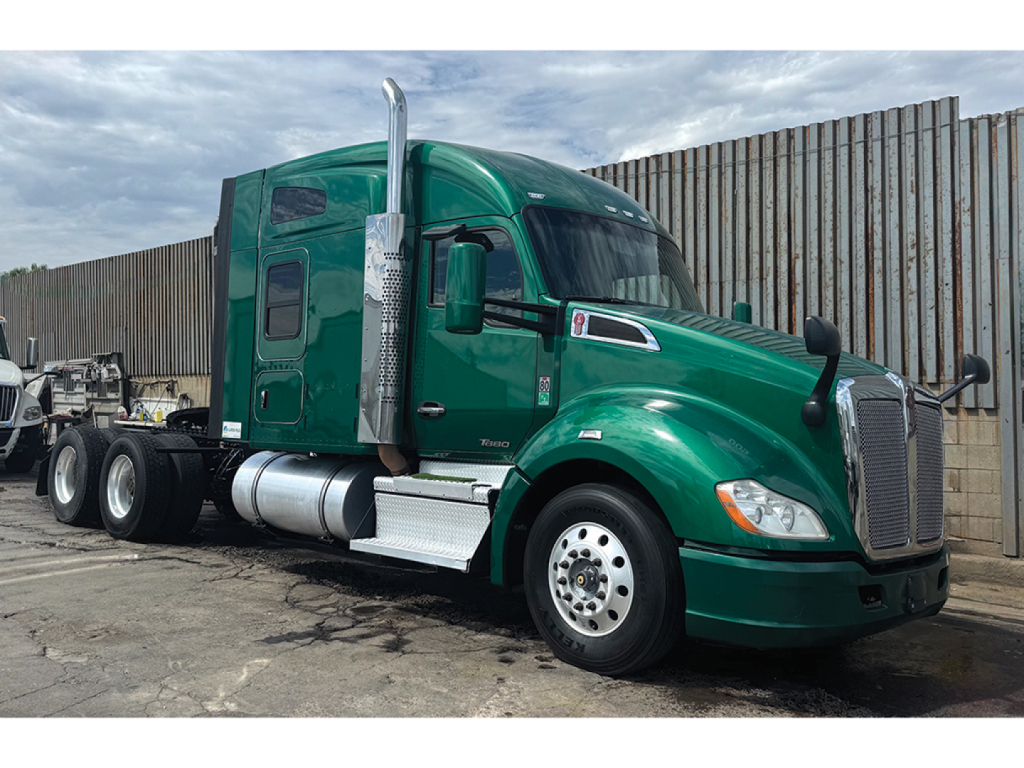
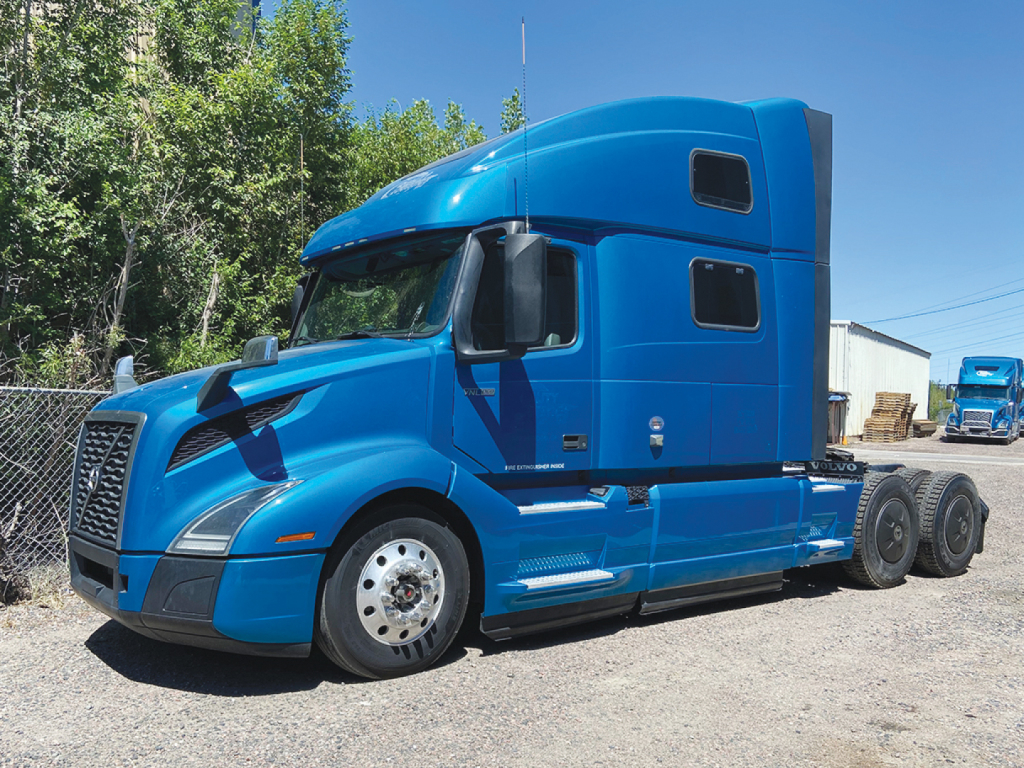

Have 2019 conventional sleeper truck to sell? List it here to reach thousands of buyers.
2019 Conventional Sleeper Trucks in Nevada
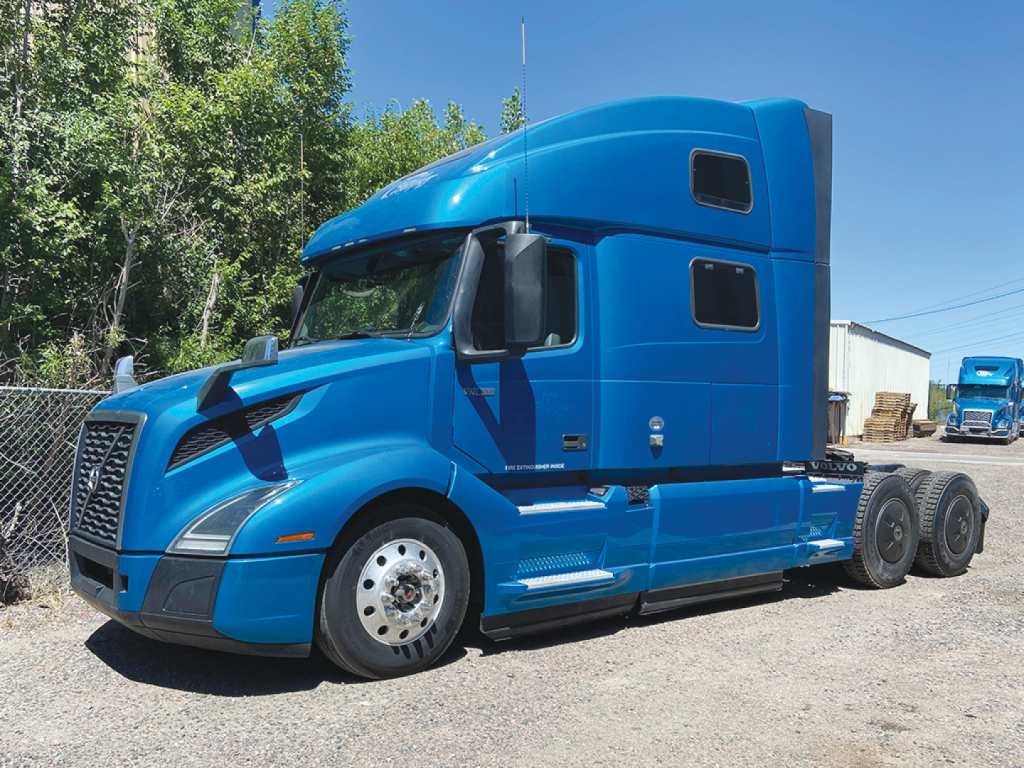
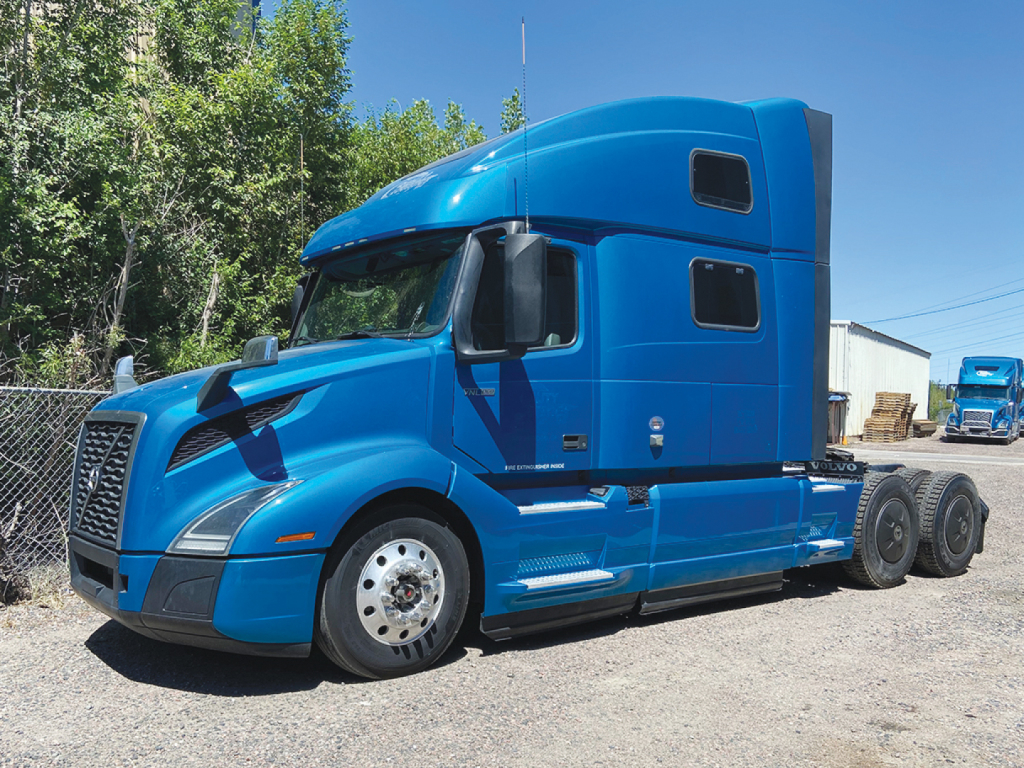
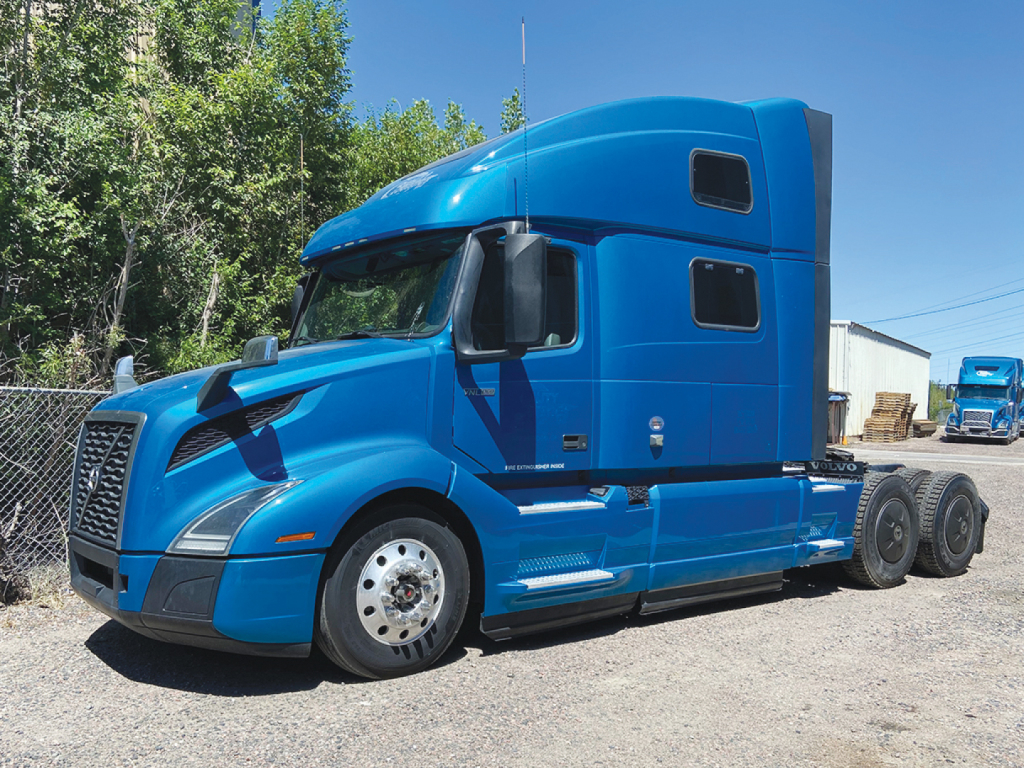
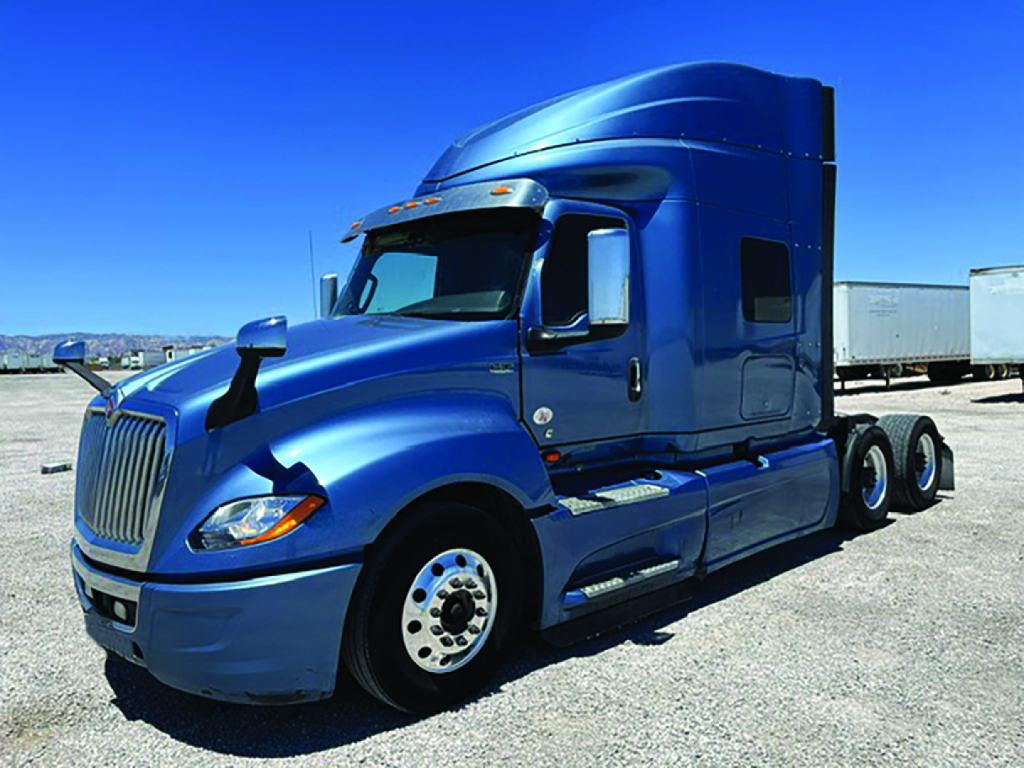
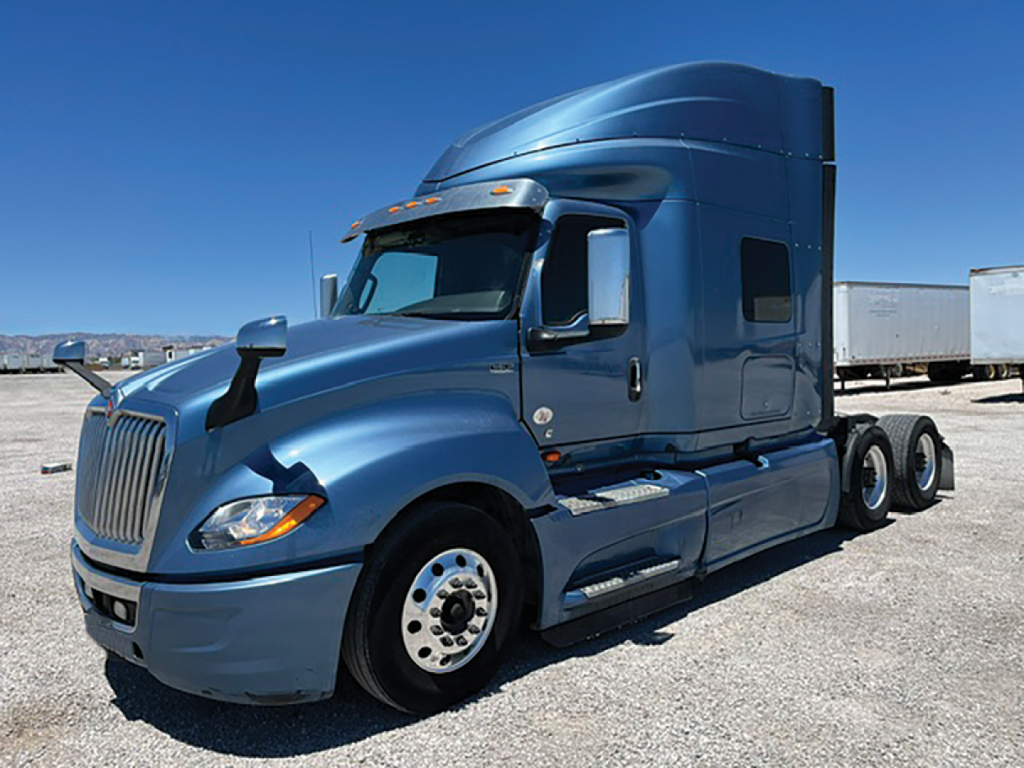
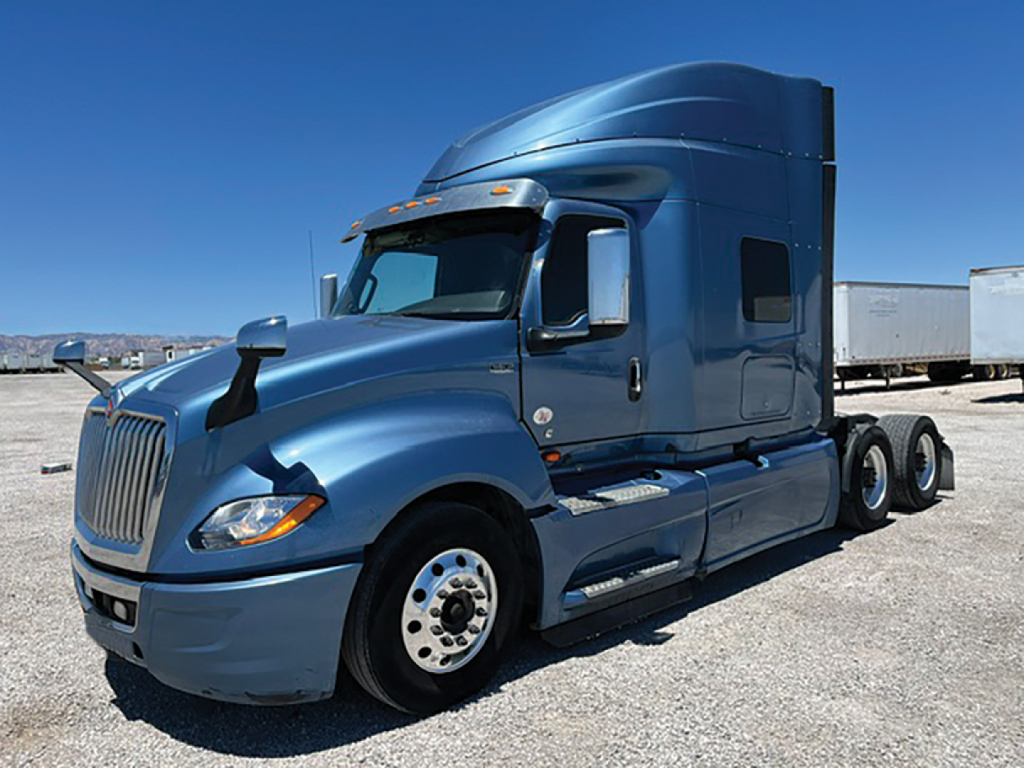
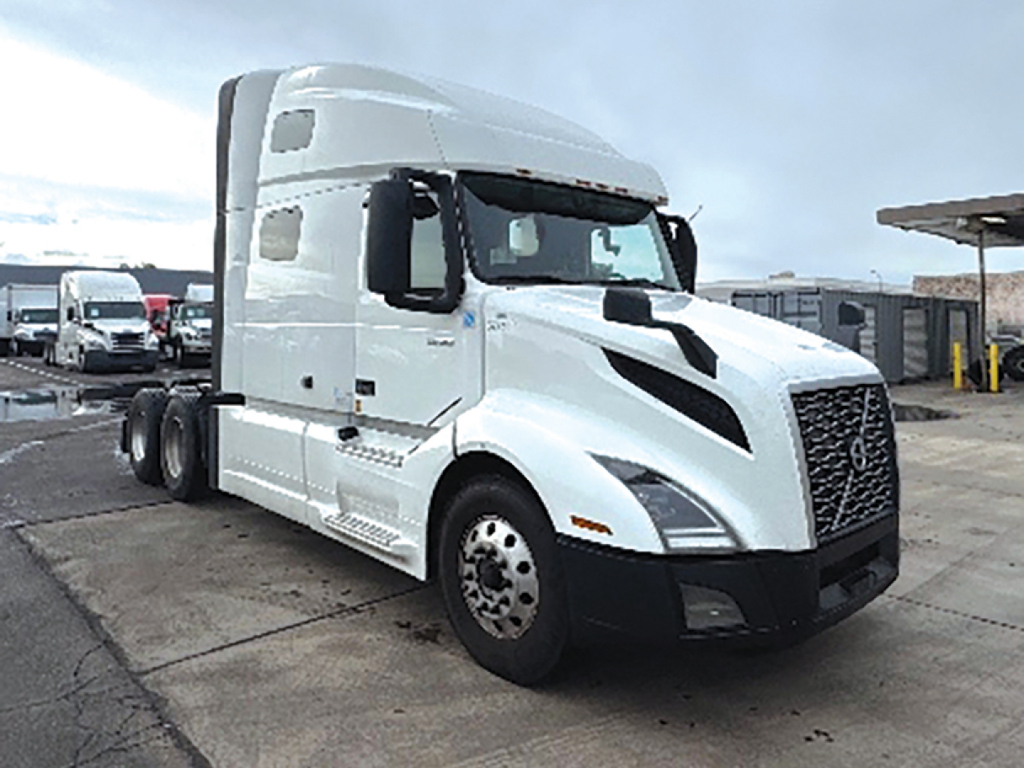
The biggest buying decision is usually sleeper size and powertrain spec. A raised-roof sleeper with upper bunk, workstation, bunk heater, and larger storage package makes more sense for team service or longer OTR cycles. A mid-roof or smaller sleeper can reduce weight and keep the truck simpler for regional operations. On 2019 trucks, automated transmissions such as Volvo I-Shift, Detroit DT12, and Eaton Endurant were already common and generally preferred for fuel economy, driver turnover, and clutch-related maintenance savings. Rear axle ratios in the 2.47 to 3.08 range are typical on fuel-conscious linehaul tractors, while higher ratios may suit heavier freight or more demanding terrain.
Nevada buyers should pay close attention to cooling system condition, APU or bunk HVAC spec, and the state of the cab climate controls. Desert heat is hard on air conditioning performance, batteries, wiring, and interior materials, especially on trucks that spent time in the Southwest. Disc brakes, collision mitigation, cruise control, and modern aerodynamics are common value points in 2019 highway sleepers, and they matter for both safety and operating cost. Dual aluminum fuel tanks, side fairings, cab extenders, and well-matched tire sizes all support range and efficiency on western lanes where distance between stops can be a factor.
A good 2019 conventional sleeper should be evaluated as a total operating package, not just by engine make or odometer. Check engine brake performance, transmission service history, DPF and SCR maintenance records, suspension wear, kingpin and fifth wheel condition, and signs of uneven tire wear that may point to alignment or axle issues. Interior condition matters too, because seat wear, bunk trim damage, and switchgear problems often tell you how the truck was treated. For buyers comparing multiple listings, the best unit is usually the one with a proven maintenance file, the right sleeper configuration for the lane, and a drivetrain spec that matches the freight instead of chasing the highest horsepower number.
Frequently Asked Questions about 2019 Conventional Sleeper Trucks in Nevada
What engine and transmission specs are common in a 2019 conventional sleeper truck?
Most 2019 conventional sleeper trucks were spec'd for highway freight with 11 to 13 liter engines, though some buyers chose 15 liter platforms for heavier or more demanding applications. Horsepower commonly falls between 400 and 455, paired with an engine brake and an automated manual transmission such as Volvo I-Shift or Detroit DT12. Tandem rear axles rated at 40,000 lbs and fuel-economy-oriented axle ratios are typical in this category.
Is a 2019 conventional sleeper truck a good choice for long-haul work?
Yes. The 2019 model year sits in a useful range for buyers who want a modern aerodynamic sleeper with current emissions hardware, better driver-assist features, and the comfort needed for multi-day trips without paying late-model pricing. Many 2019 trucks include raised-roof sleepers, upper bunks, collision mitigation, cruise control, and efficient drivetrains that make them well suited for over-the-road service.
What should I inspect on a used 2019 sleeper truck before buying?
Focus on maintenance history first, then verify the condition of the emissions system, transmission, cooling system, suspension, brakes, and fifth wheel assembly. Look closely at DPF and SCR service records, signs of coolant leaks, brake wear, tire wear patterns, and driveline vibration issues. Inside the cab, test HVAC performance, sleeper accessories, bunk heater operation, power windows, and dash electronics, because these items affect both uptime and driver retention.
What sleeper size is best on a 2019 conventional truck?
The right sleeper size depends on how the truck will run. A raised-roof sleeper with an upper bunk and more cabinet space is better for team operations, extended OTR routes, and drivers who spend multiple nights in the truck. A smaller mid-roof or flat-top sleeper can be the better business choice for regional freight because it may save weight, simplify the spec, and still provide enough rest space for occasional overnight use.
Are 2019 conventional sleeper trucks in Nevada any different to shop for?
Nevada and other Southwest markets make heat-related condition especially important. Air conditioning performance, bunk cooling, battery condition, plastic trim wear, and cooling system health deserve extra attention because long exposure to desert temperatures can accelerate wear. Trucks built for western routes may also have useful specs such as larger fuel capacity, aerodynamic fairings, and driver comfort options that support longer distances between stops.