
2019 Volvo Conventional Sleeper Trucks For Sale in Nevada
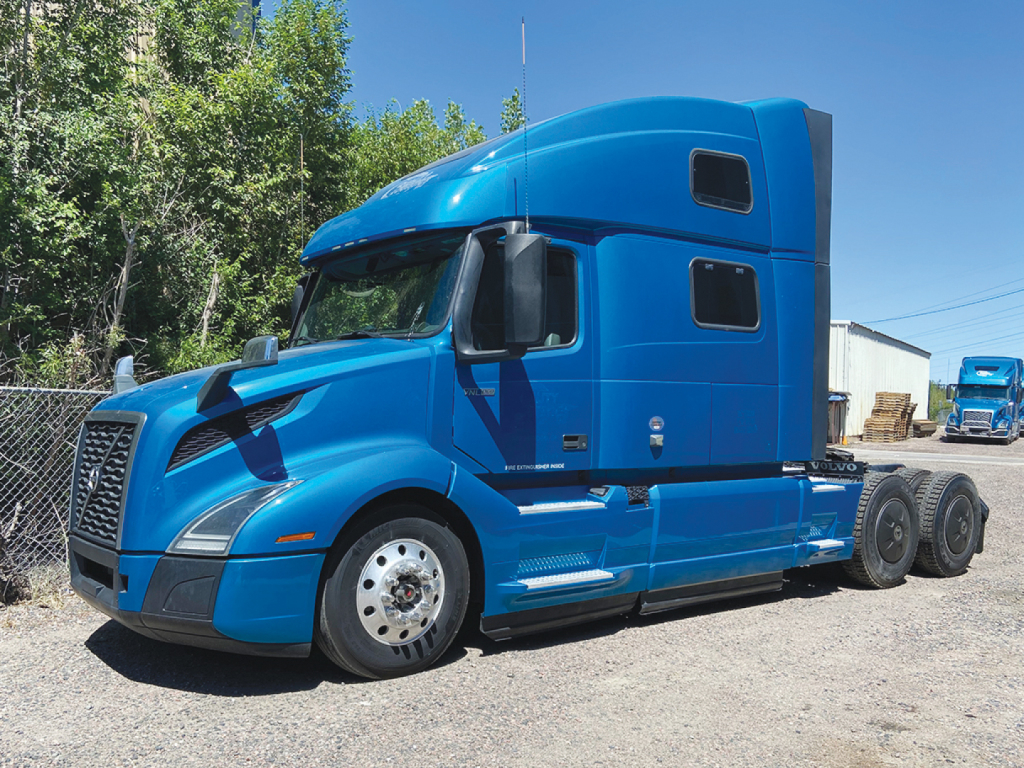
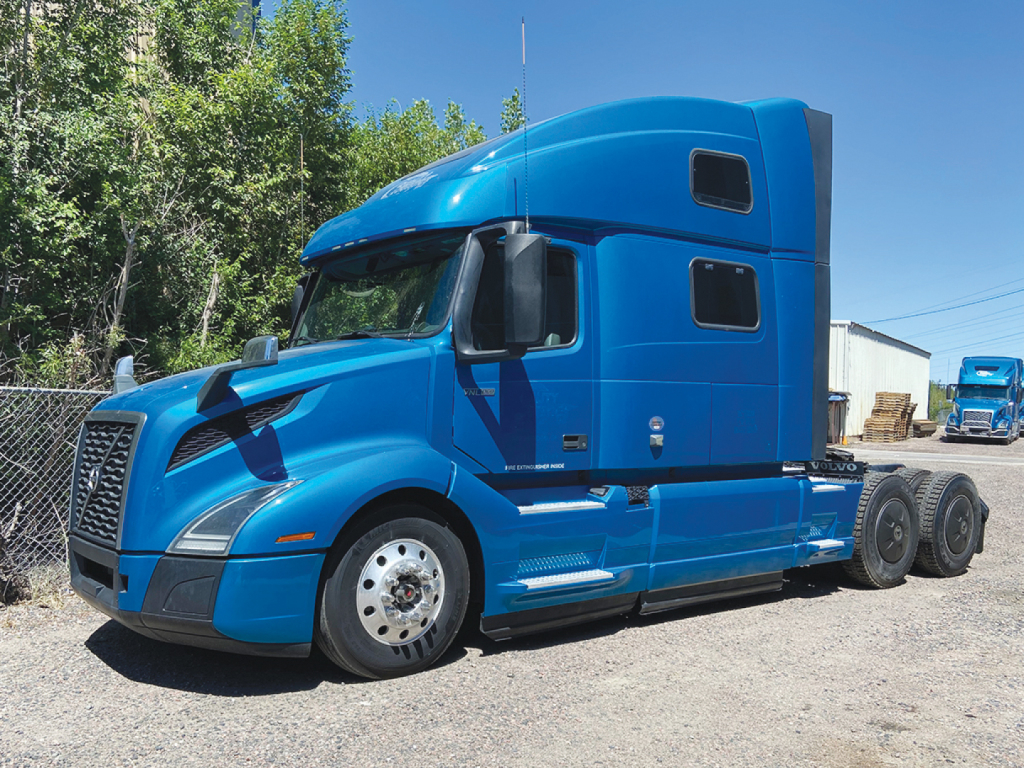
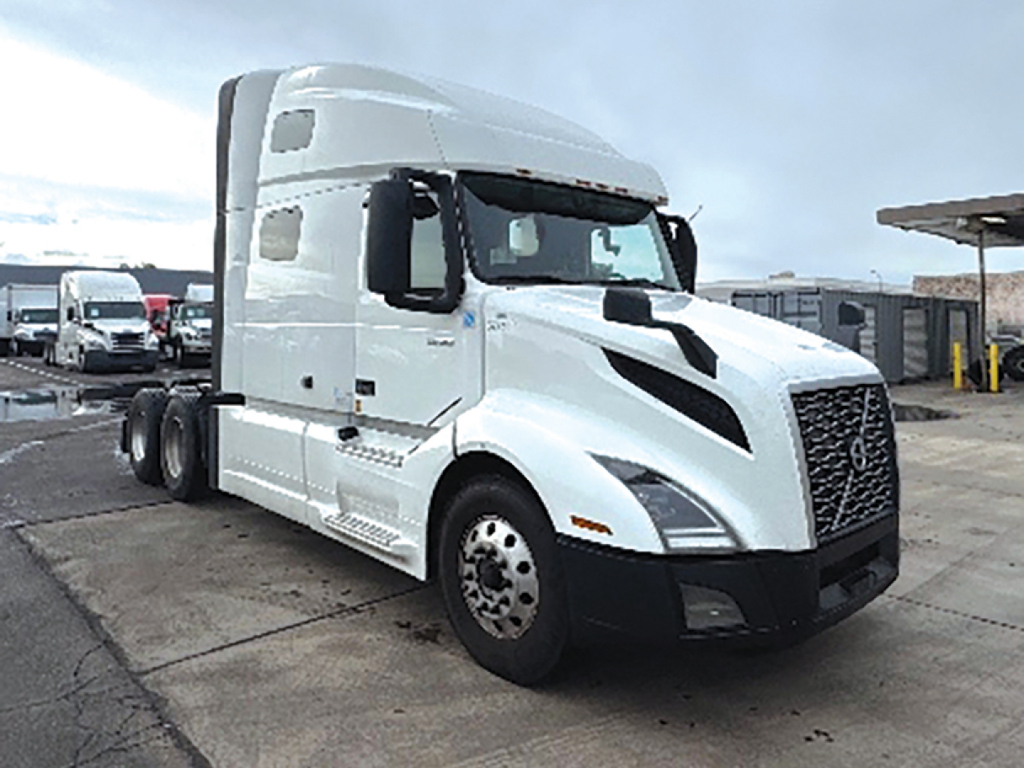
Have 2019 volvo conventional sleeper truck to sell? List it here to reach thousands of buyers.
2019 Volvo Conventional Sleeper Trucks in Nevada
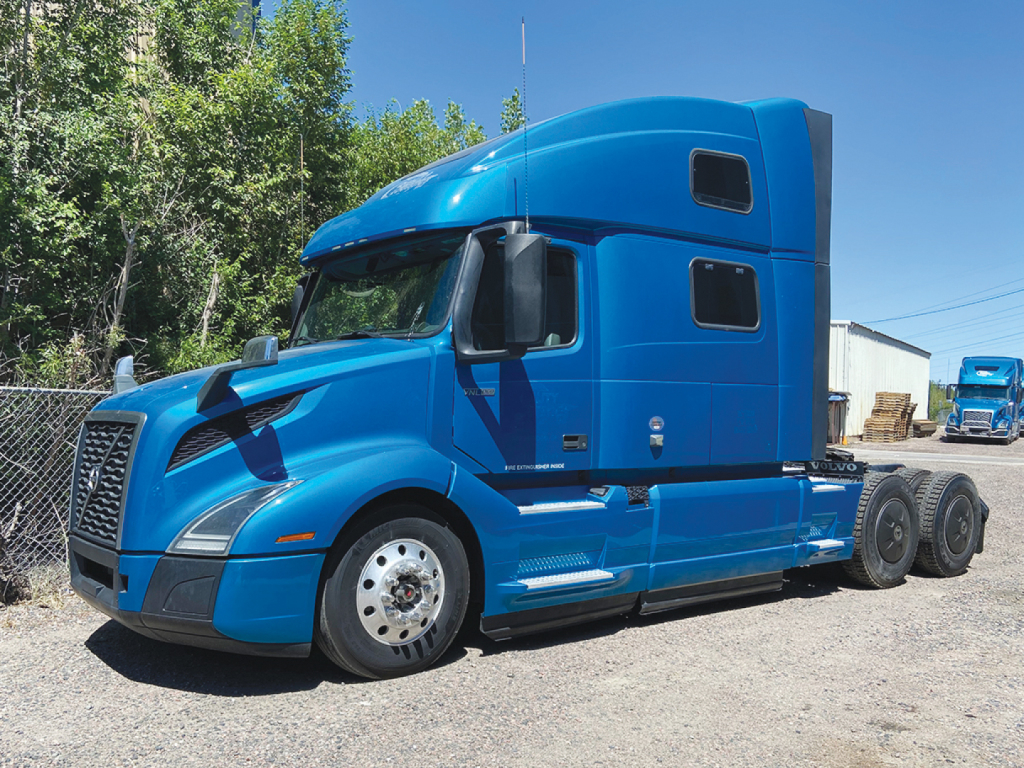
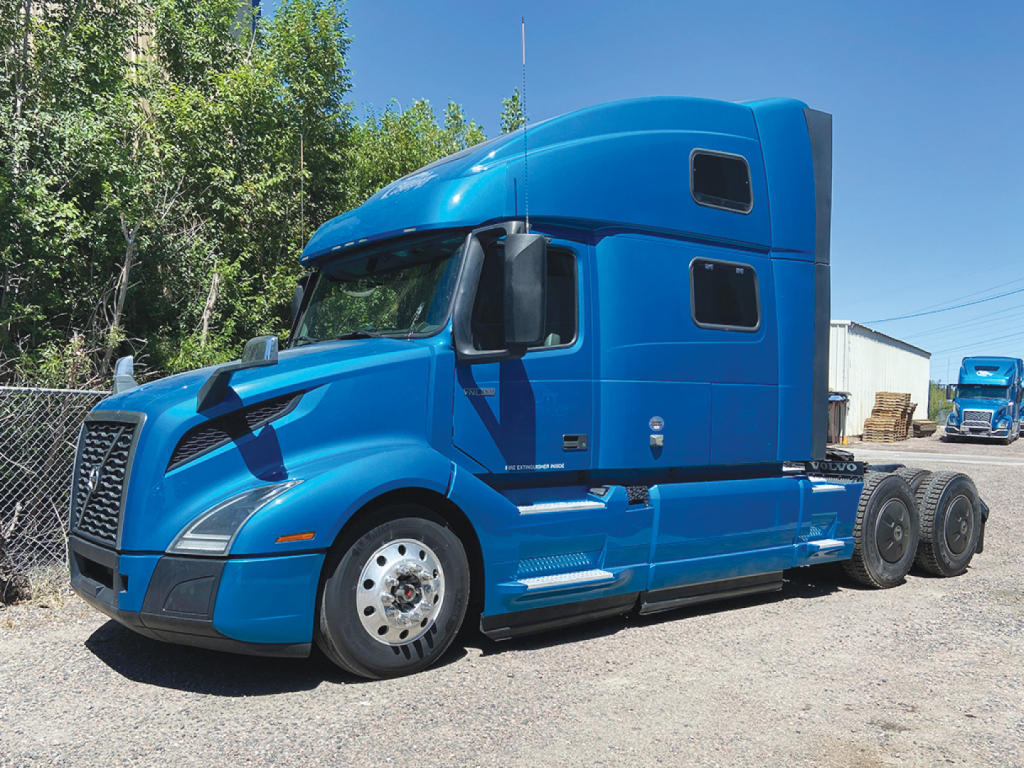
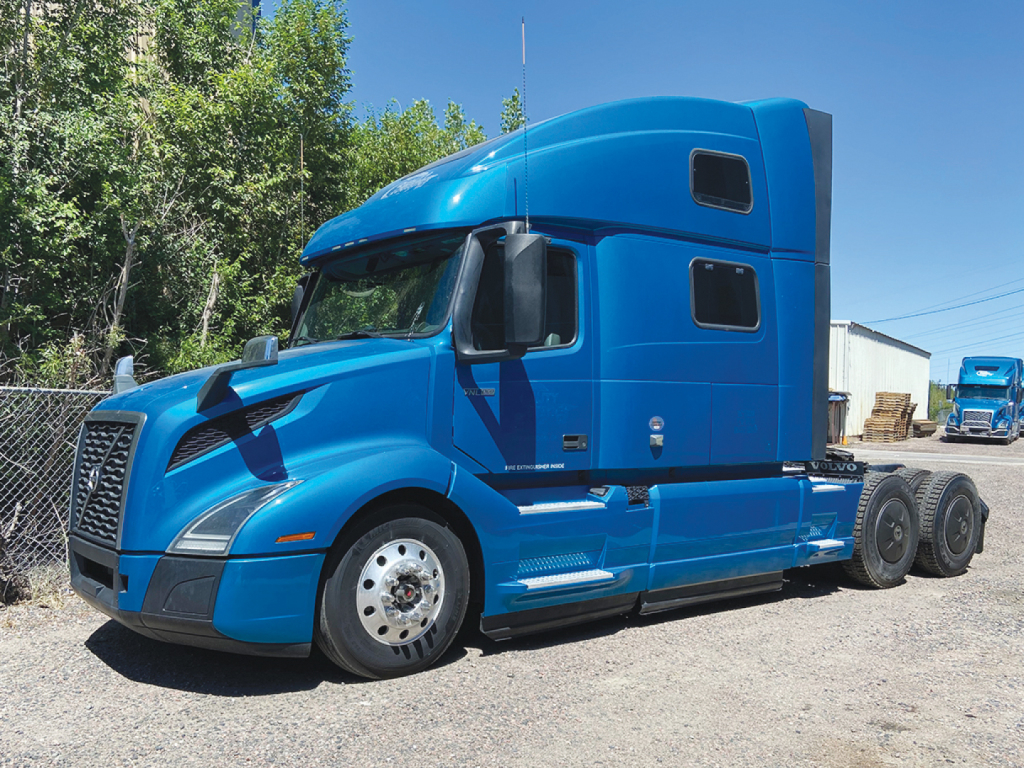
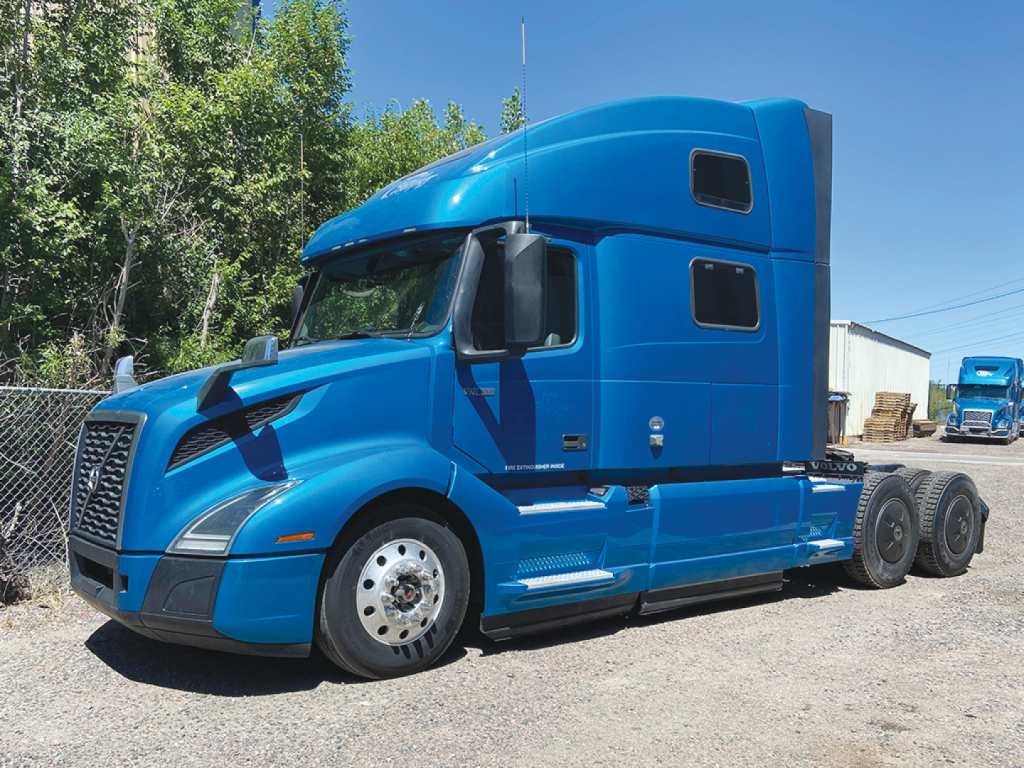
The 2019 Volvo sleeper market commonly includes D13 ratings around 425 to 455 horsepower, paired with 12-speed I-Shift transmissions such as the ATO2612F. Rear axles are often 40,000 pounds with ratios like 2.64 or 3.08, and that choice matters. A 2.64 ratio generally points to fuel-minded over-the-road operation at highway speeds, while a 3.08 ratio can offer a better balance for mixed terrain or heavier average gross weights. Buyers should also pay attention to wheelbase, fifth wheel type, and fuel capacity, especially if the truck will be assigned to dry van, refrigerated, or team-driving service. Air ride suspension, dual aluminum tanks, cab extenders, and side fairings are common on these trucks because the VNL was built to reduce drag and improve ride quality over long distances.
Sleeper layout is a major buying point on a 2019 Volvo conventional sleeper. The larger VNL 860, for example, is often chosen for team operations or drivers who want more living space, a workstation, and an upper bunk. The VNL 760 usually gives a more compact balance of maneuverability and sleeper room. Interior details such as bunk heaters, tilt and telescoping steering, power windows, and upgraded storage can make a real difference in retention and day-to-day usability. Nevada buyers should also think about cooling performance, idle strategy, and route profile, since trucks running through Las Vegas, Reno, and the I-80 and I-15 corridors may see high ambient temperatures, long grades, and wide seasonal swings.
Condition and maintenance history matter more than badge appeal on any used sleeper, and that is especially true with a 2019 model that may have accumulated substantial highway miles. Review engine hours, aftertreatment service records, transmission behavior, brake type, tire wear pattern, and signs of alignment or suspension issues. On Volvo sleepers, it is also smart to verify software updates, emissions system history, and the operation of driver-assist features if equipped. A well-spec'd 2019 Volvo conventional sleeper can still be a highly efficient road tractor with strong resale appeal, especially when the spec matches the freight, terrain, and duty cycle it is expected to handle.
Frequently Asked Questions about 2019 Volvo Conventional Sleeper Trucks in Nevada
What engines and transmissions are common in a 2019 Volvo conventional sleeper truck?
Most 2019 Volvo conventional sleeper trucks are built around the Volvo D13 diesel engine and the Volvo I-Shift automated manual transmission. Common horsepower ratings are in the 425 to 455 horsepower range, and many units use a 12-speed I-Shift such as the ATO2612F. This combination is popular because it balances fuel economy, drivability, and integration between the engine, transmission, and cruise logic.
What is the difference between a Volvo VNL 760 and VNL 860 sleeper?
The main difference is sleeper size and interior space. The VNL 860 is a larger sleeper that is often preferred for team operations, extended over-the-road use, and drivers who want more room for storage, an upper bunk, or a workstation. The VNL 760 offers sleeper capability with a slightly more compact overall package, which can be attractive for fleets that want a balance between comfort and maneuverability.
How important is rear axle ratio on a 2019 Volvo sleeper?
Rear axle ratio has a direct effect on cruising rpm, fuel economy, gradeability, and how the truck feels under load. A 2.64 ratio is commonly used in fuel-efficient highway applications where the truck spends most of its time at steady interstate speeds. A 3.08 ratio may be a better choice for mixed routes, mountain terrain, or operations that regularly pull heavier loads. The best ratio depends on average gross weight, tire size, transmission programming, and route profile.
Are 2019 Volvo conventional sleepers a good choice for Nevada operations?
They can be a very good choice for Nevada because the Volvo VNL platform is designed for highway efficiency and long-distance comfort, both of which matter on western routes. Buyers should evaluate cooling system performance, air conditioning output, and maintenance history carefully because Nevada service often means heat, long grades, and extended interstate miles. Specs such as fuel capacity, bunk heater, and axle ratio also become more important when the truck is expected to run long stretches between stops or through variable elevation.
What should I inspect first on a used 2019 Volvo sleeper truck?
Start with the maintenance records, engine hours, and any documented emissions or aftertreatment repairs. Then inspect transmission operation, fault codes, brake condition, tire wear, suspension components, and the condition of the sleeper interior. On a Volvo, it is also smart to confirm that the I-Shift shifts cleanly, the engine brake works properly, and any collision mitigation or other electronic systems are functioning as intended. A clean spec sheet is helpful, but service history usually tells the more important story.