
2019 Volvo Conventional Sleeper Trucks For Sale
Shop 2019 Volvo conventional sleeper trucks. Compare VNL cab sizes, D13 power, I-Shift specs, sleeper features, and highway-ready options.
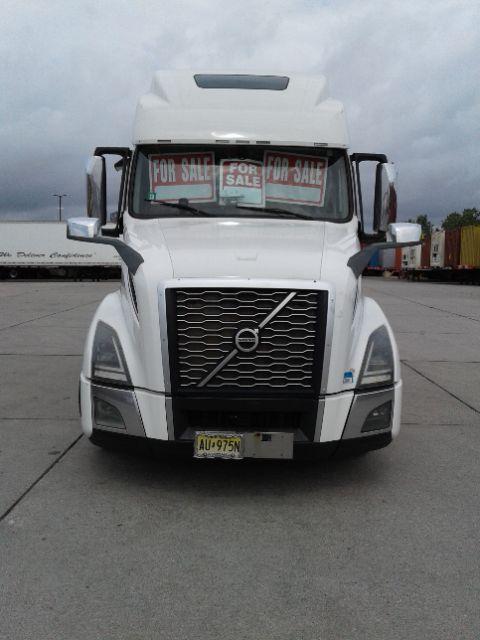
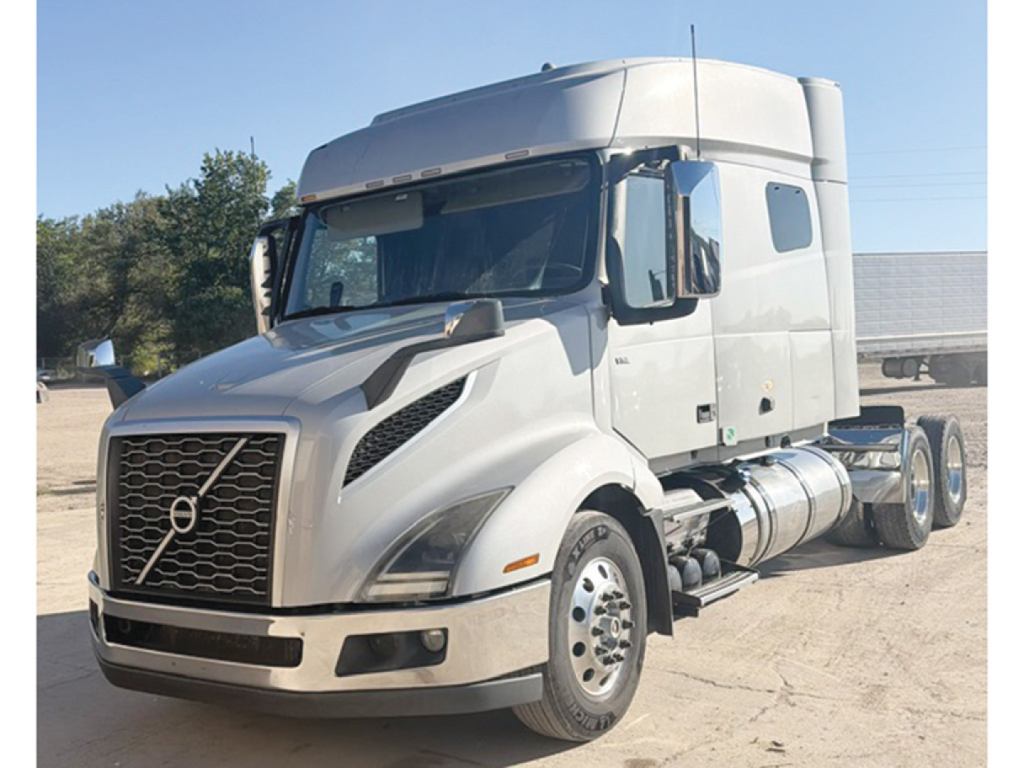
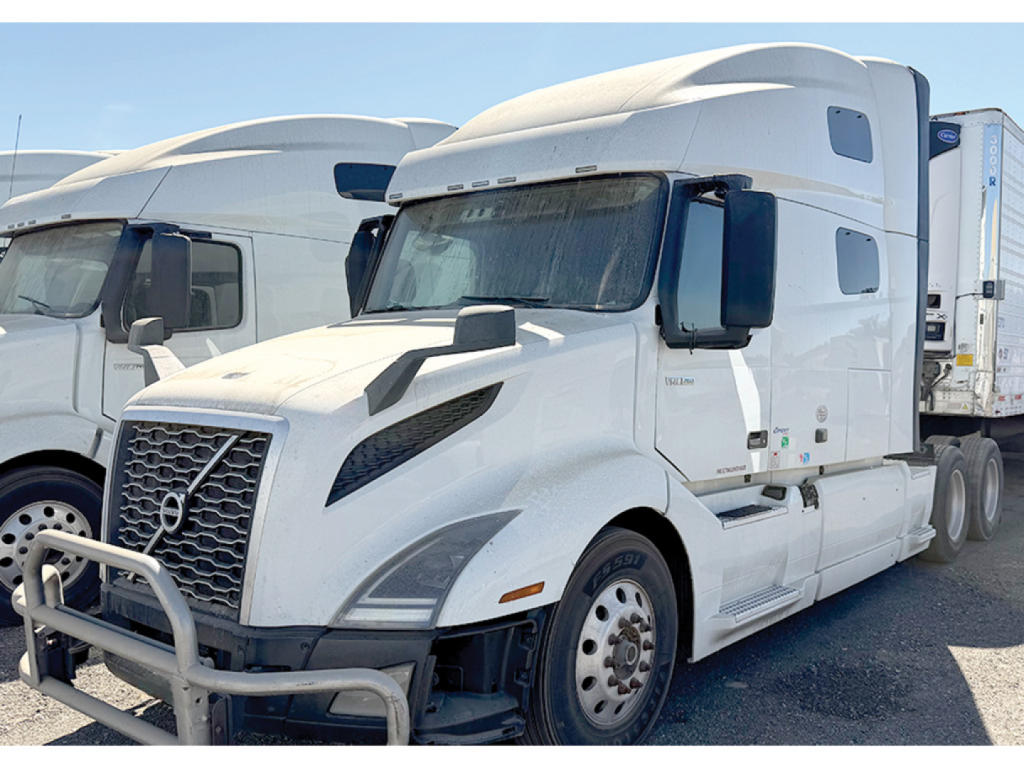
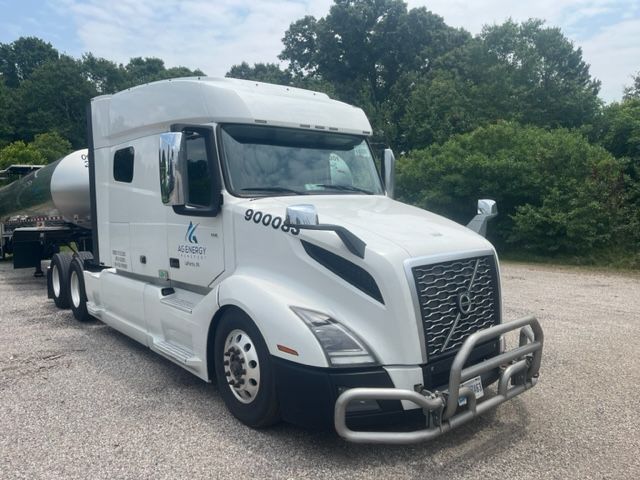
Selling a 2019 volvo conventional sleeper truck? List your 2019 volvo conventional sleeper truck for sale and reach thousands of commercial buyers.
2019 Volvo Conventional Sleeper Trucks
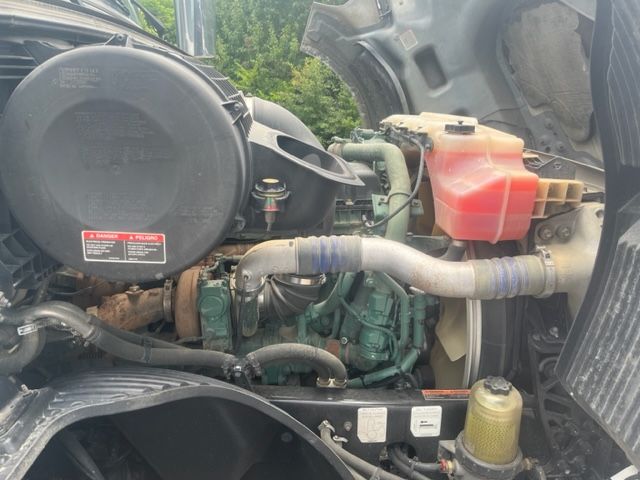
The main spec decisions usually start with engine and transmission. A 2019 Volvo sleeper will often be powered by a Volvo D13 in ratings that commonly fall around 405 to 455 horsepower, paired with Volvo's I-Shift automated manual transmission. That combination is popular because it balances fuel efficiency with easy drivability and consistent shift logic in mixed terrain. Rear axle ratios, wheelbase, and fuel capacity can change the truck's role quite a bit, so buyers should match the spec to the freight. A lighter, fuel-focused setup may fit dry van or reefer work, while heavier axle ratings and locking differentials may be more useful in severe weather, bulk, or higher GCW applications.
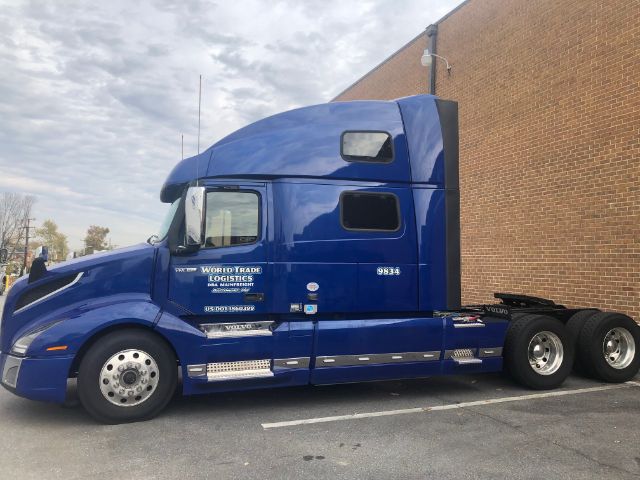
Sleeper size and interior layout are just as important as drivetrain specs on this category. Volvo's conventional sleeper trucks are well regarded for bunk access, storage, dash ergonomics, and visibility. Depending on the configuration, a 2019 truck may include a mid-roof or high-roof sleeper, cabinet packages, workstation features, refrigerator prep or installed fridge, auxiliary bunk heater, inverter, and idle-reduction equipment such as an APU. Buyers comparing listings should also look closely at safety and chassis equipment, including collision mitigation, adaptive cruise, lane support systems, air disc brakes versus drum brakes, suspension type, and tire condition. Those details can affect both operating cost and driver acceptance.
For used-truck buyers, service history and emissions condition are critical on a 2019 model. Verify maintenance records for the DPF, SCR, EGR system, and aftertreatment sensors, along with clutch and transmission calibration history on I-Shift-equipped units. Check for signs of excessive idle time, inspect the bunk HVAC performance, and confirm the sleeper amenities still support the route profile you run. A well-spec'd 2019 Volvo conventional sleeper can be a strong fit for fleets and owner-operators who want a highway tractor with modern aerodynamics, a comfortable living space, and a proven powertrain for long-distance work.
Frequently Asked Questions about 2019 Volvo Conventional Sleeper Trucks
What engine and transmission are most common in a 2019 Volvo conventional sleeper truck?
Most 2019 Volvo conventional sleeper trucks are equipped with the Volvo D13 diesel engine and Volvo I-Shift automated manual transmission. Common horsepower ratings are typically in the low-to-mid 400s, with 425 HP and 455 HP among the more common specs. This combination is widely used in highway service because it delivers strong fuel economy, smooth shifting, and good drivability for both fleet and owner-operator applications.
What is the difference between Volvo VNL sleeper models like the 740, 760, and 860?
The main differences are sleeper size, interior layout, and overall living space. A VNL 740 generally provides a practical sleeper for long-haul work with less overall length than larger configurations, while a VNL 760 or 860 typically offers more room, more storage, and a more premium bunk environment. Buyers should compare bunk length, roof height, cabinet configuration, and wheelbase because those factors affect driver comfort, payload flexibility, and maneuverability.
Is a 2019 Volvo sleeper truck a good choice for long-haul freight?
Yes, a 2019 Volvo conventional sleeper is a strong long-haul platform when it is properly spec'd and well maintained. The aerodynamic VNL design, D13 engine, and I-Shift transmission are widely chosen for over-the-road operations focused on fuel economy and driver comfort. Sleeper amenities, large fuel capacity, and available safety systems also make this model year attractive for carriers running extended routes and multi-day trips.
What should buyers inspect on a used 2019 Volvo conventional sleeper?
The most important areas are aftertreatment health, maintenance records, transmission operation, and overall sleeper condition. Buyers should review DPF and SCR service history, check for active fault codes, confirm proper I-Shift calibration, and inspect for excessive idle-related wear. It is also smart to evaluate tires, brakes, suspension, bunk HVAC, and any idle-reduction equipment because those items have a direct effect on repair cost and driver satisfaction.
Are 2019 Volvo conventional sleeper trucks only for over-the-road use?
No. While they are primarily associated with over-the-road applications, they also work well in regional sleeper service, dedicated contract freight, refrigerated operations, and some specialized lanes that require overnight capability. The right fit depends on axle ratings, wheelbase, fuel capacity, and sleeper size, so the same basic truck category can support several different operating profiles.