
2019 Peterbilt Conventional Sleeper Trucks For Sale
Shop 2019 Peterbilt conventional sleeper trucks with specs buyers want, including sleeper sizes, MX-13 power, drivetrain options, and long-haul features.
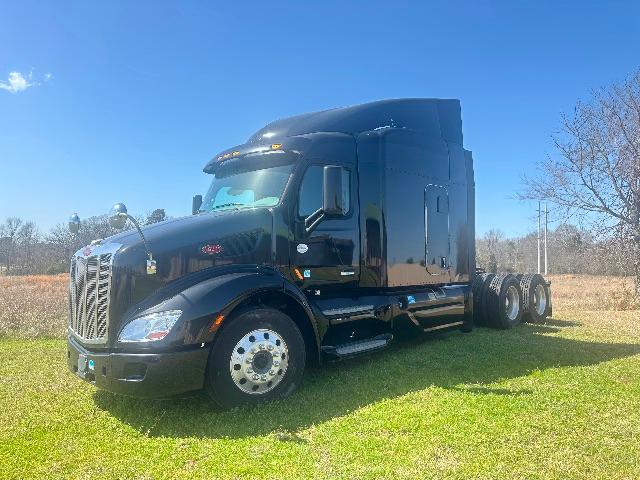
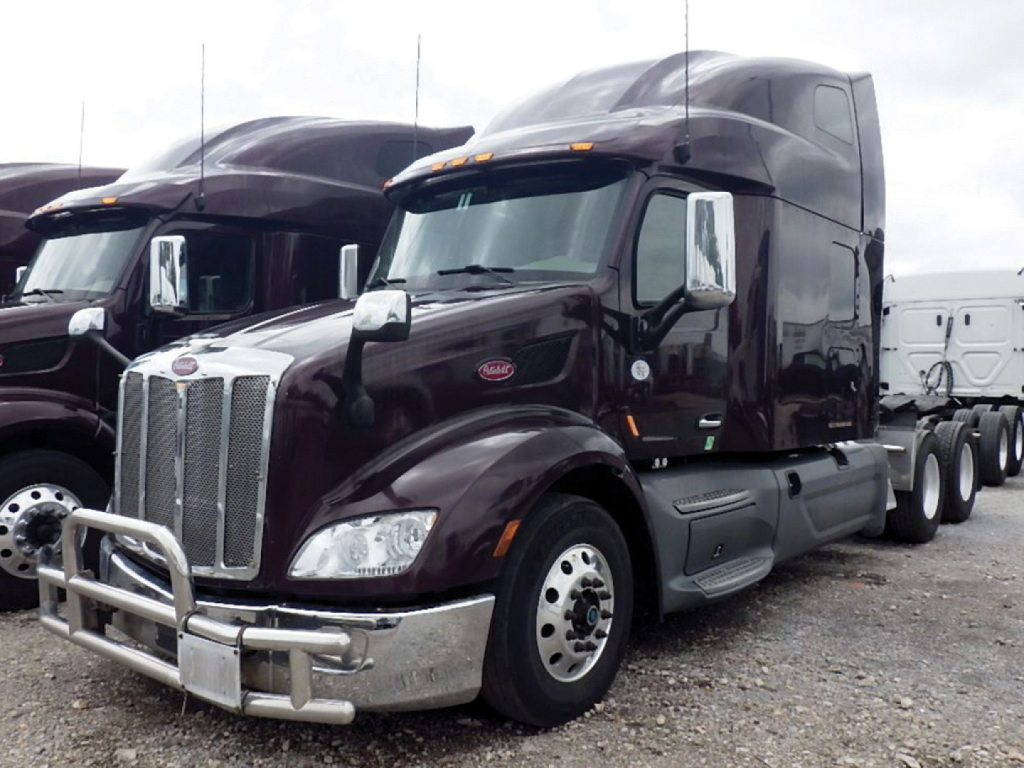
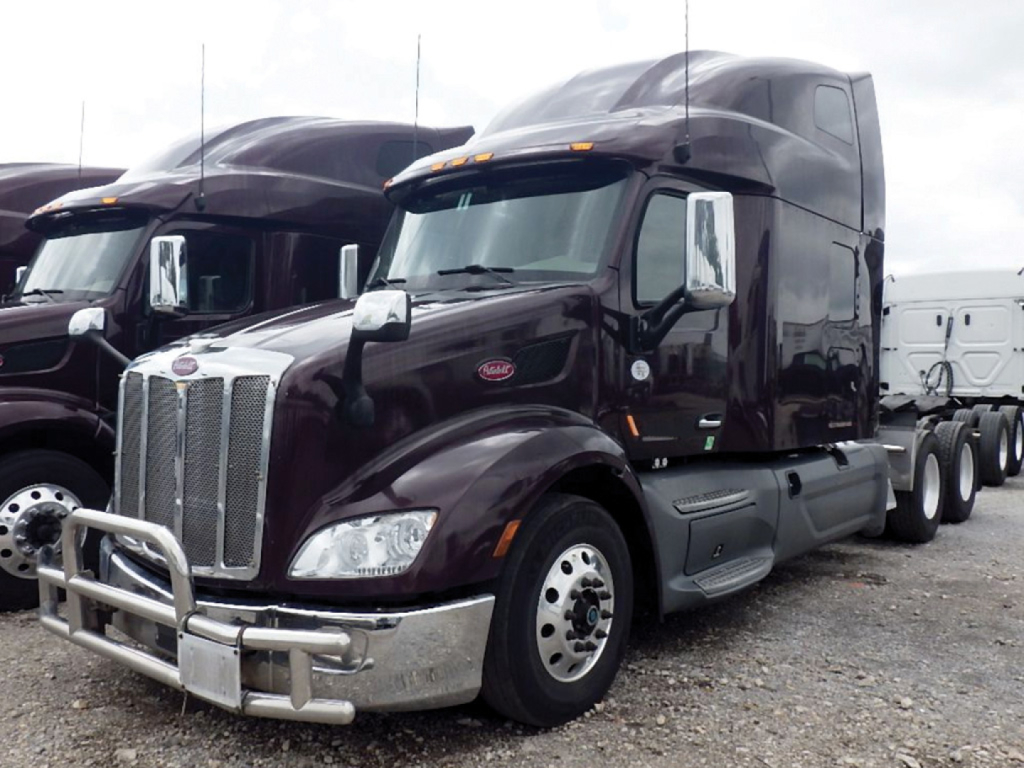
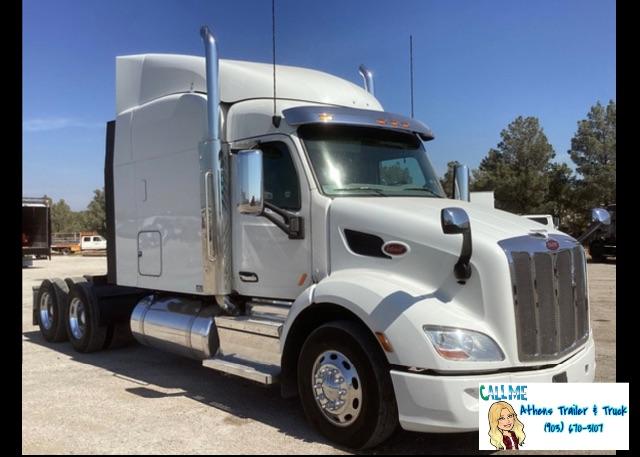

Selling a 2019 peterbilt conventional sleeper truck? List your 2019 peterbilt conventional sleeper truck for sale and reach thousands of commercial buyers.
2019 Peterbilt Conventional Sleeper Trucks
Frequently Asked Questions about 2019 Peterbilt Conventional Sleeper Trucks
What engine and transmission setups are common in a 2019 Peterbilt conventional sleeper?
A 2019 Peterbilt conventional sleeper commonly appears with a PACCAR MX-13 rated around 455 to 510 horsepower, depending on application and original spec. Buyers will also see manual transmissions such as 10-speed, 13-speed, and 18-speed Fuller units, along with automated options in some highway tractors. Rear axle ratings often land around 40,000 pounds, and gear ratios like 3.08, 3.25, or 3.36 are typical depending on whether the truck was built for fuel mileage, general freight, or heavier pulling.
What sleeper sizes are typical on a 2019 Peterbilt sleeper truck?
Sleeper configurations on 2019 Peterbilt conventional models usually range from about 63 inches to 78 inches, including flat-top, mid-roof, and stand-up Unibilt designs. The right size depends on trip length, driver preference, and payload priorities. A smaller sleeper can save weight and wheelbase, while a larger stand-up sleeper adds storage, livability, and room for features such as a refrigerator, bunk heater, inverter, and APU.
What should I look for when comparing a 2019 Peterbilt 579 to a 2019 Peterbilt 567 sleeper?
The biggest difference is intended use. A Peterbilt 579 sleeper is usually spec'd as a road tractor for long-haul van, reefer, or general freight work, with aerodynamic body lines and fuel-efficiency-focused components. A Peterbilt 567 sleeper is more likely to show vocational influences such as tougher front-end spec, different wheelbase choices, heavier drivetrain combinations, and setups better suited to heavy haul, regional work, or mixed on-highway and jobsite operation. The right choice depends on route profile, trailer type, loaded weight, and how much emphasis you place on fuel economy versus durability and versatility.
Are 2019 Peterbilt conventional sleepers good for team or long-haul operations?
Yes, many 2019 Peterbilt sleeper tractors are well suited for long-haul and team service when they are equipped with the right cab and sleeper package. Buyers should pay close attention to sleeper height, bunk layout, storage, HVAC performance, APU presence, inverter capacity, fuel tank size, and wheelbase. A truck assigned to extended over-the-road use benefits from a stand-up sleeper, larger fuel capacity, and driver comfort features that reduce idle time and improve uptime.
What chassis and spec details matter most on a used 2019 Peterbilt sleeper?
Focus on wheelbase, fifth wheel type, suspension, brake spec, tire size, and fuel capacity because these details determine trailer compatibility and operating cost. Air ride suspension is common and preferred for highway work, while disc brakes, low-profile tires, and aluminum wheels may be part of a lighter, efficiency-oriented build. Also verify rear axle ratio, engine brake, maintenance history, and emissions system service records, since those items affect performance, road speed, and long-term ownership cost more than cosmetic features do.