
2019 Freightliner Conventional Sleeper Trucks For Sale
Shop 2019 Freightliner conventional sleeper trucks, including Cascadia models with DD15 power, DT12 automation, and long-haul sleeper specs.
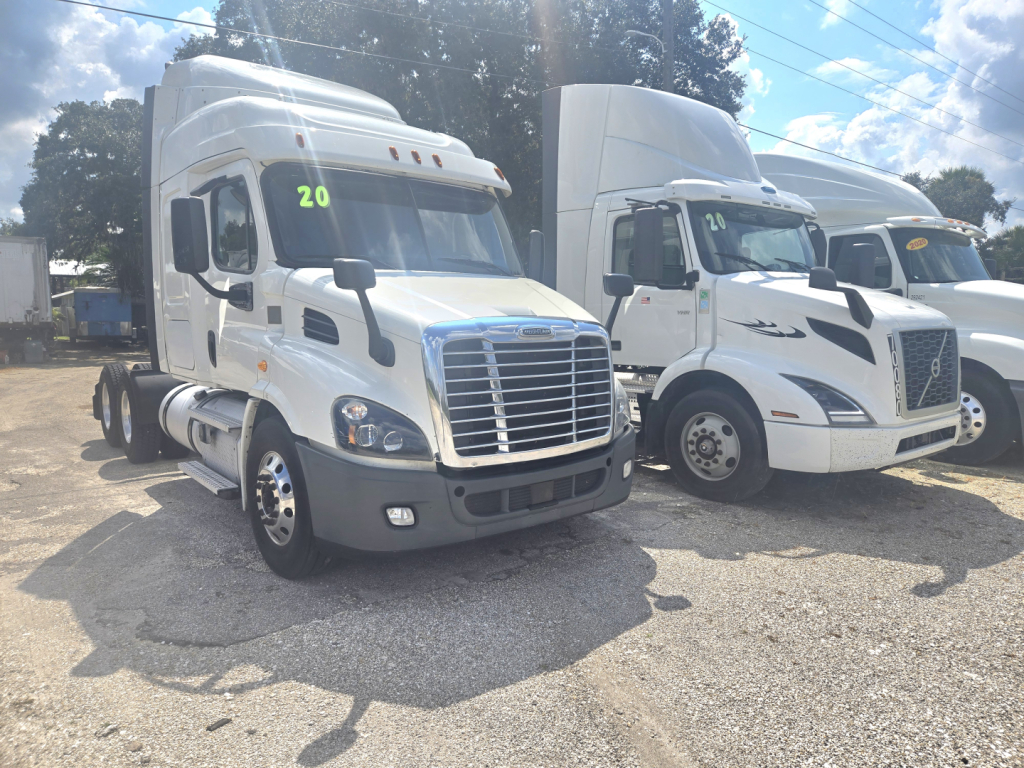
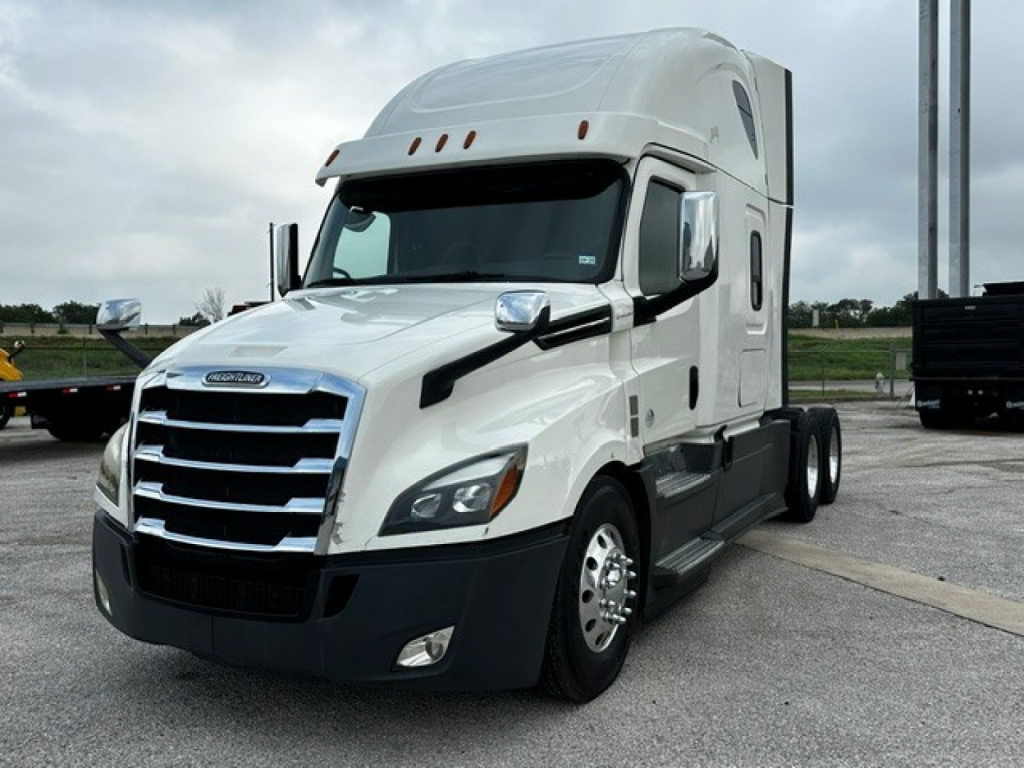
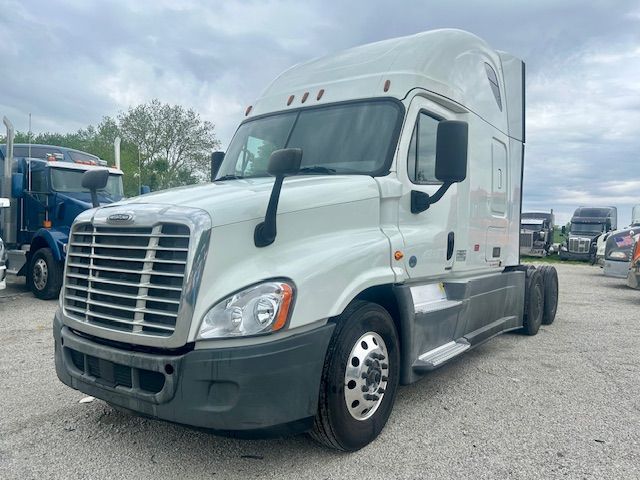

Selling a 2019 freightliner conventional sleeper truck? List your 2019 freightliner conventional sleeper truck for sale and reach thousands of commercial buyers.
2019 Freightliner Conventional Sleeper Trucks
Most 2019 Freightliner sleeper trucks are equipped with Detroit power, commonly a DD15, paired to a DT12 automated manual transmission. Horsepower ratings often fall in the 400 to 505 hp range, with rear axle ratios commonly chosen to balance cruise RPM and gradeability. A 72-inch raised roof sleeper is a common setup, often with options like upper bunk, refrigerator prep or installed refrigerator, bunk heater, and air slide fifth wheel. Buyers should also look at wheelbase, fuel tank capacity, front axle and rear axle ratings, and whether the truck has disc or drum brakes. On a used conventional sleeper, those specs matter just as much as mileage because they determine where the truck fits best in regional freight, long-haul van service, refrigerated work, or dedicated contract lanes.
Freightliner conventional sleepers are known for driver comfort and aerodynamic efficiency, but condition still comes down to maintenance and prior application. A truck that spent its life in dry van freight may present differently than one that ran heavier loads, mountain states, or high idle operations. It is worth checking emissions system service history, transmission calibration updates, aftertreatment performance, and signs of wear in the sleeper and cab mounts. If the truck has collision mitigation, lane departure, or other driver-assist features, verify that those systems are functional and not showing inactive faults. Tire condition, suspension wear, fifth wheel travel, and fairing condition also affect operating cost more than many buyers expect.
For a buyer narrowing down 2019 Freightliner conventional sleeper trucks for sale, the smartest approach is to match the spec to the lane. A lower-RPM highway spec with an aero package and automated transmission can be a strong fit for fuel-sensitive long-haul operation. A higher-horsepower setup with the right axle ratio may be better for heavier freight or more demanding terrain. Because the 2019 Freightliner sleeper platform is so widely used, resale appeal tends to remain solid when the truck is well maintained and sensibly spec'd. That makes it an important category for buyers who need a road-ready sleeper with predictable support and broad application across the freight market.
Frequently Asked Questions about 2019 Freightliner Conventional Sleeper Trucks
What engine and transmission are most common in a 2019 Freightliner conventional sleeper?
The most common combination is a Detroit DD15 engine with a DT12 automated manual transmission. In 2019 Freightliner Cascadia sleeper trucks, this setup was widely spec'd for over-the-road use because it offers a good balance of fuel efficiency, drivability, and service support. Horsepower can vary, so buyers should confirm the exact rating, torque setting, and rear axle ratio to understand how the truck will perform on their freight lanes.
Is a 2019 Freightliner Cascadia sleeper a good choice for long-haul trucking?
Yes, a 2019 Freightliner Cascadia sleeper is commonly used in long-haul and regional linehaul operations. It is built around aerodynamic fuel-saving design, a comfortable raised-roof sleeper layout, and a powertrain package that suits highway miles well. The best units for long-haul work usually have the right fuel capacity, bunk amenities, driver-assist features, and a maintenance record that shows consistent attention to the engine, aftertreatment system, and transmission.
What sleeper size is typical on a 2019 Freightliner conventional sleeper truck?
A 72-inch raised roof sleeper is one of the most common configurations in this category. That size gives enough room for an over-the-road driver to carry gear and operate comfortably on multi-day runs. Some trucks also include an upper bunk, refrigerator, bunk heater, storage cabinets, and other factory sleeper options, so interior spec can vary significantly from one listing to another.
What should buyers inspect first on a used 2019 Freightliner sleeper truck?
Start with the maintenance history and fault code status, then move to the emissions system, transmission operation, engine brake performance, and overall chassis wear. A used highway tractor should also be checked for suspension condition, steer tire wear, brake type and remaining life, fifth wheel movement, fairing damage, and signs of excessive idle hours. On a sleeper model, the condition of the bunk area, HVAC performance, and sleeper accessories also matter because they affect both driver comfort and resale value.
Why do rear axle ratio and wheelbase matter on a 2019 Freightliner conventional sleeper?
Rear axle ratio and wheelbase have a direct effect on fuel economy, maneuverability, ride quality, and how the truck handles specific freight applications. A taller highway ratio can lower cruise RPM and improve fuel economy on flat interstate lanes, while a different ratio may be better for heavier loads or hillier routes. Wheelbase affects turning radius, trailer gap, and ride balance, so it is important to compare those specs against the type of trailer, freight, and operating region the truck will serve.