
2027 Conventional Sleeper Trucks For Sale in Texas
Shop 2027 conventional sleeper trucks in Texas. Compare specs, sleeper sizes, powertrains, wheelbases, and long-haul features for fleet use.
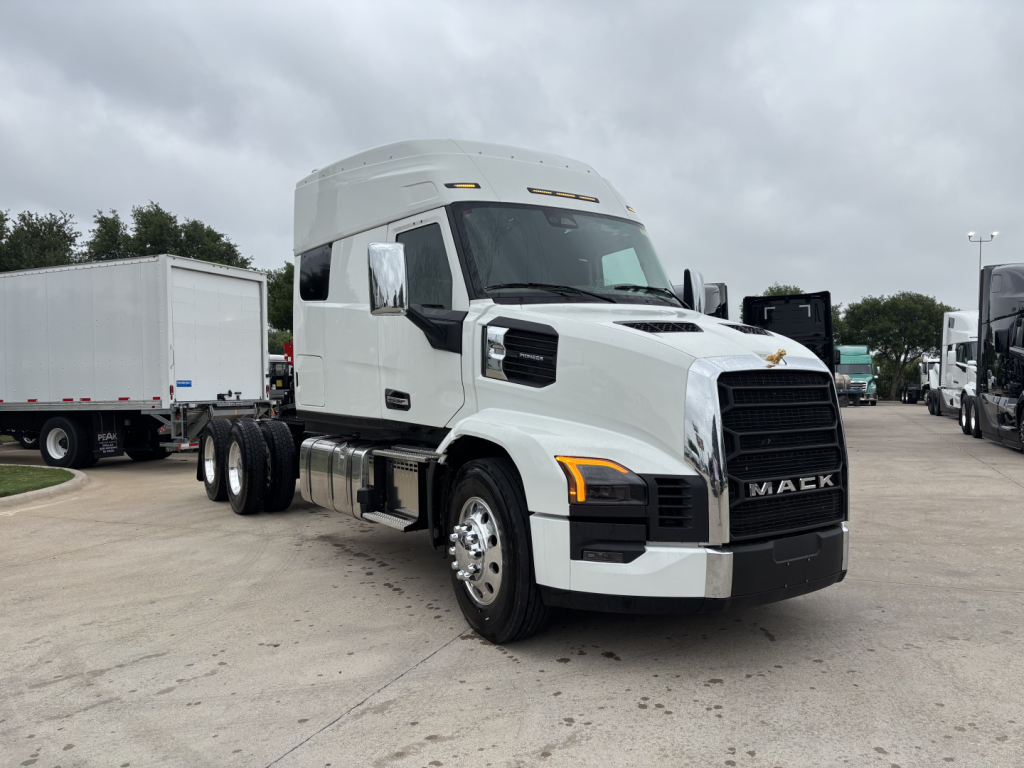
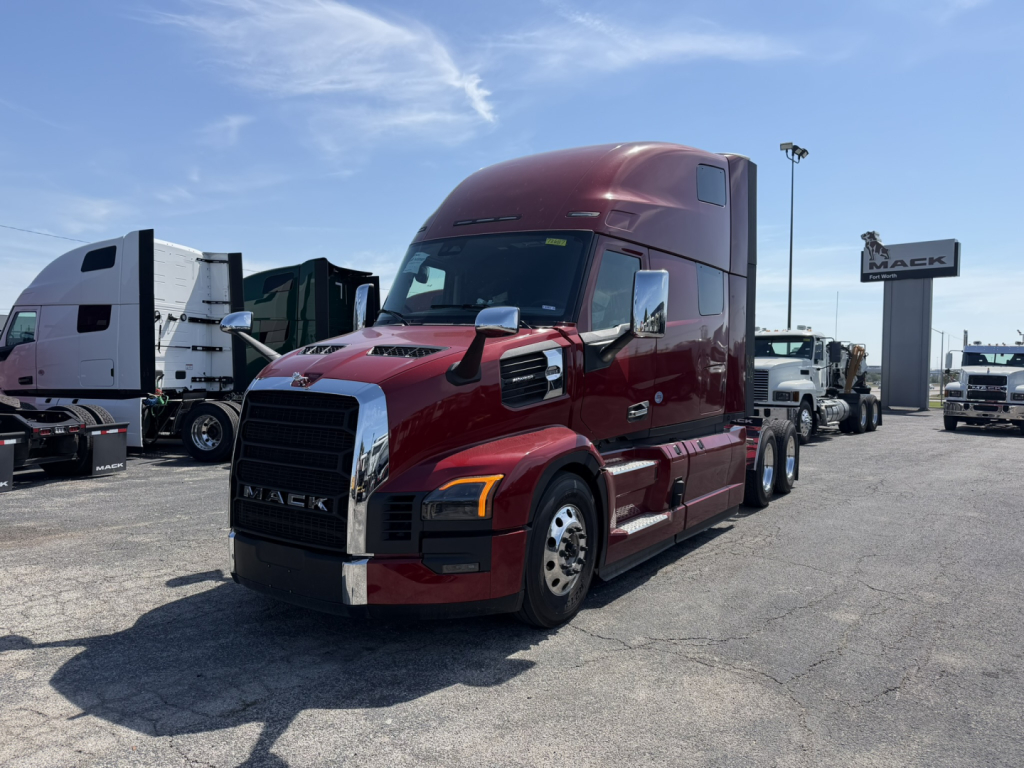
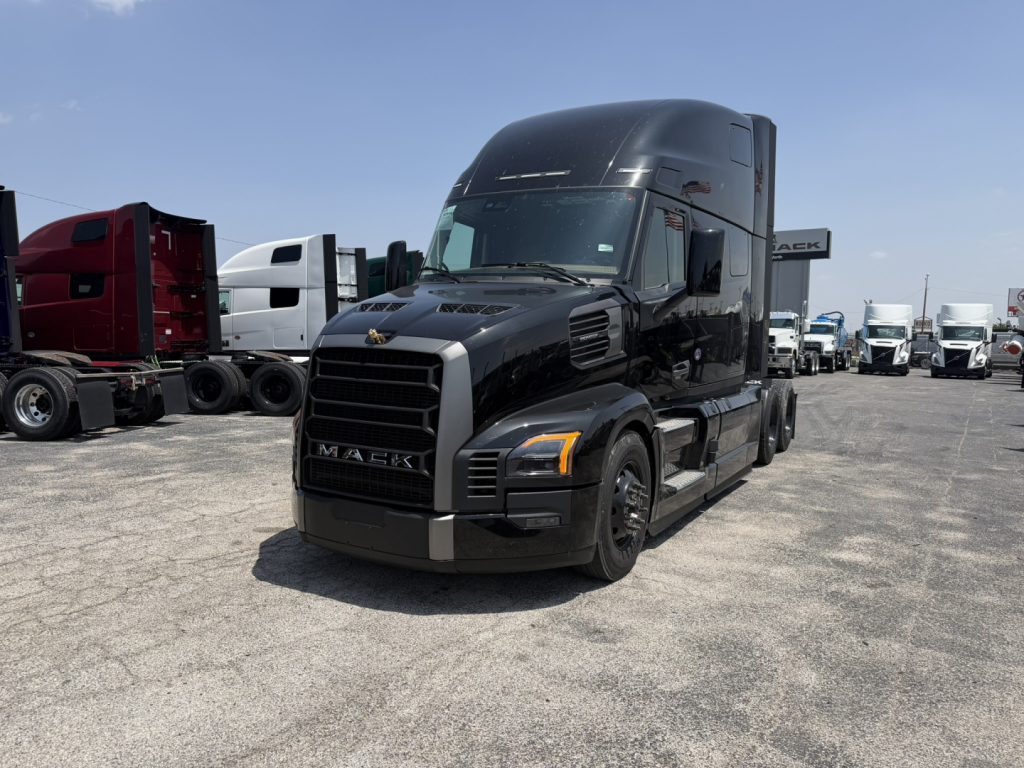
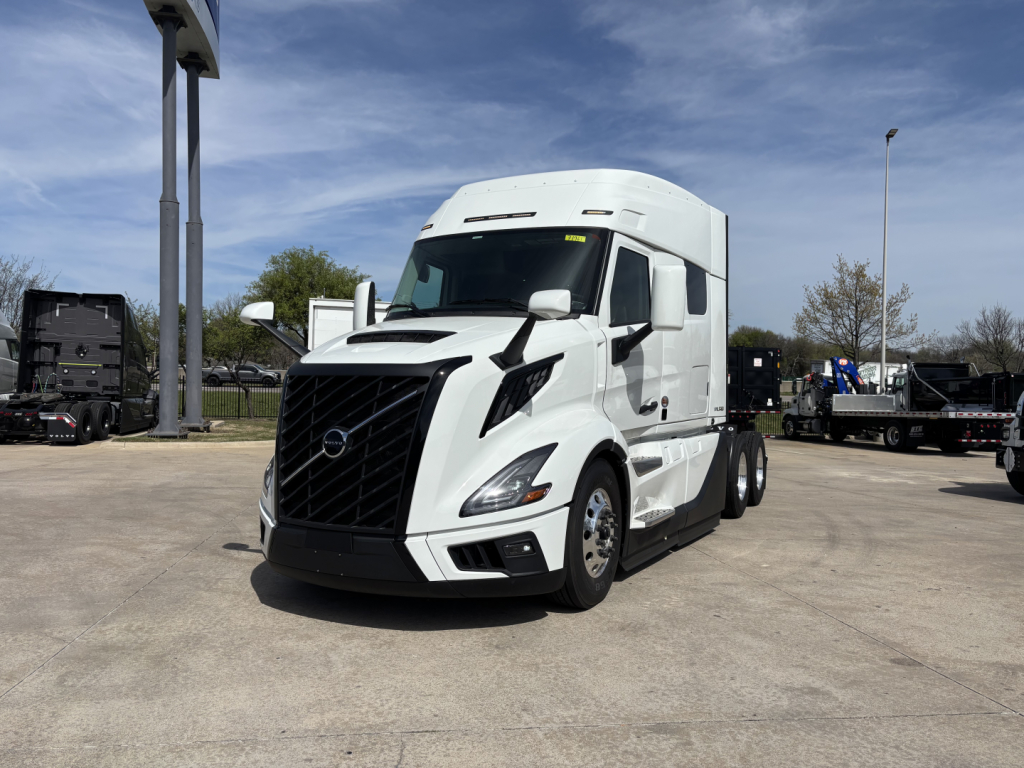
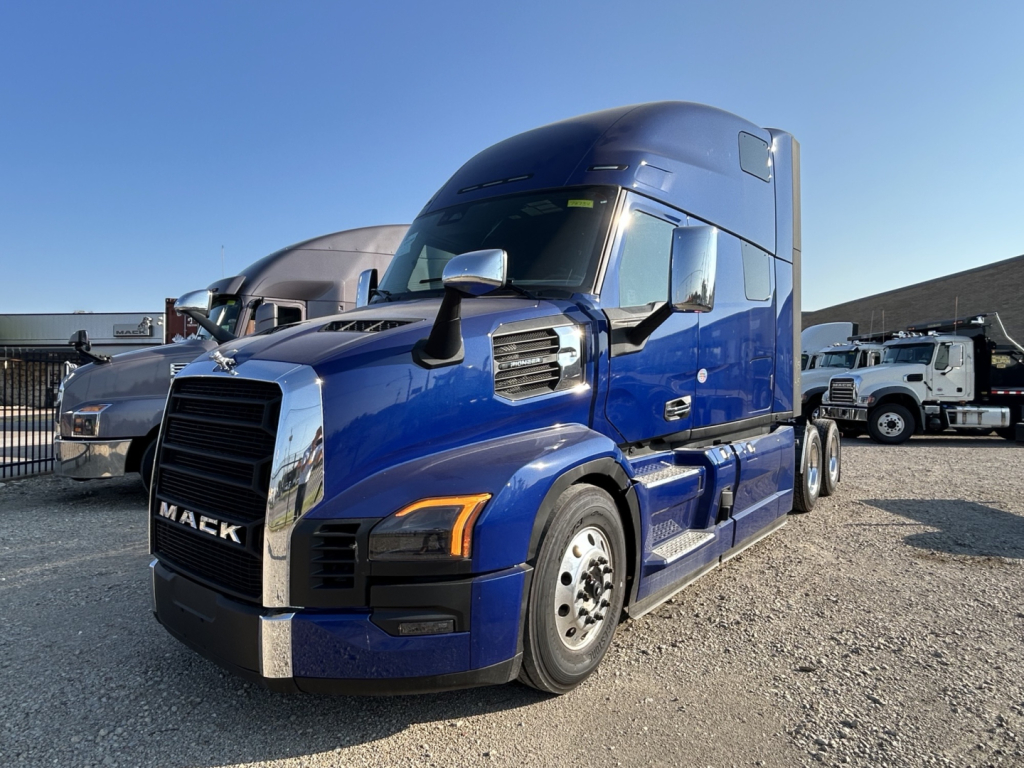
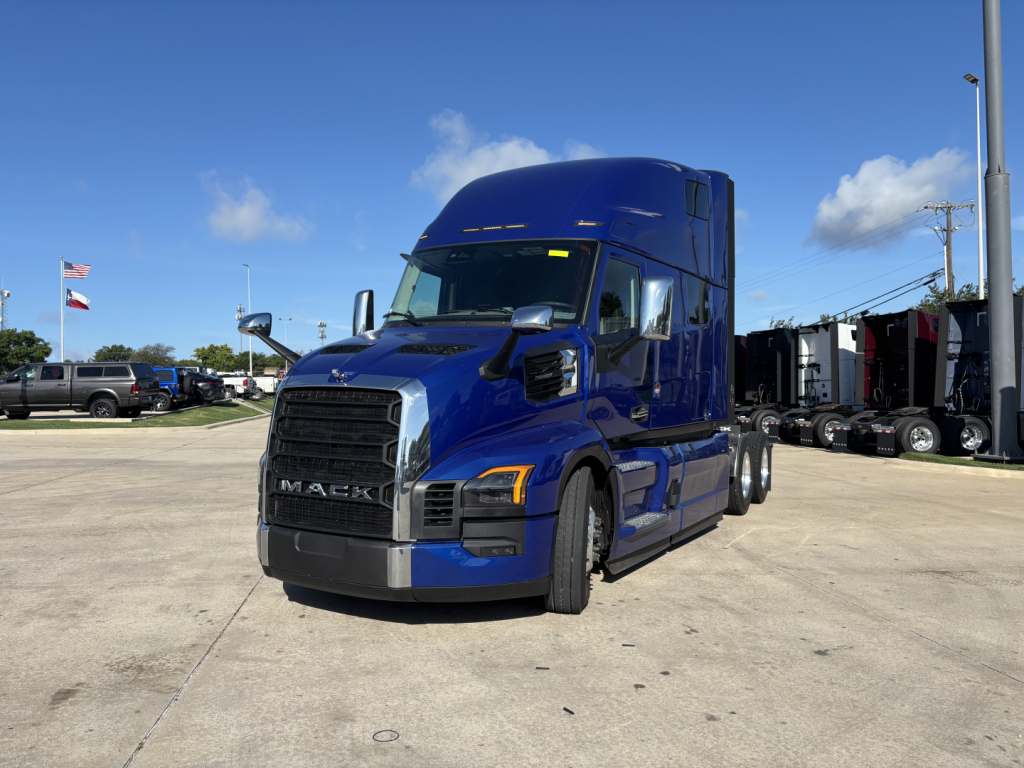
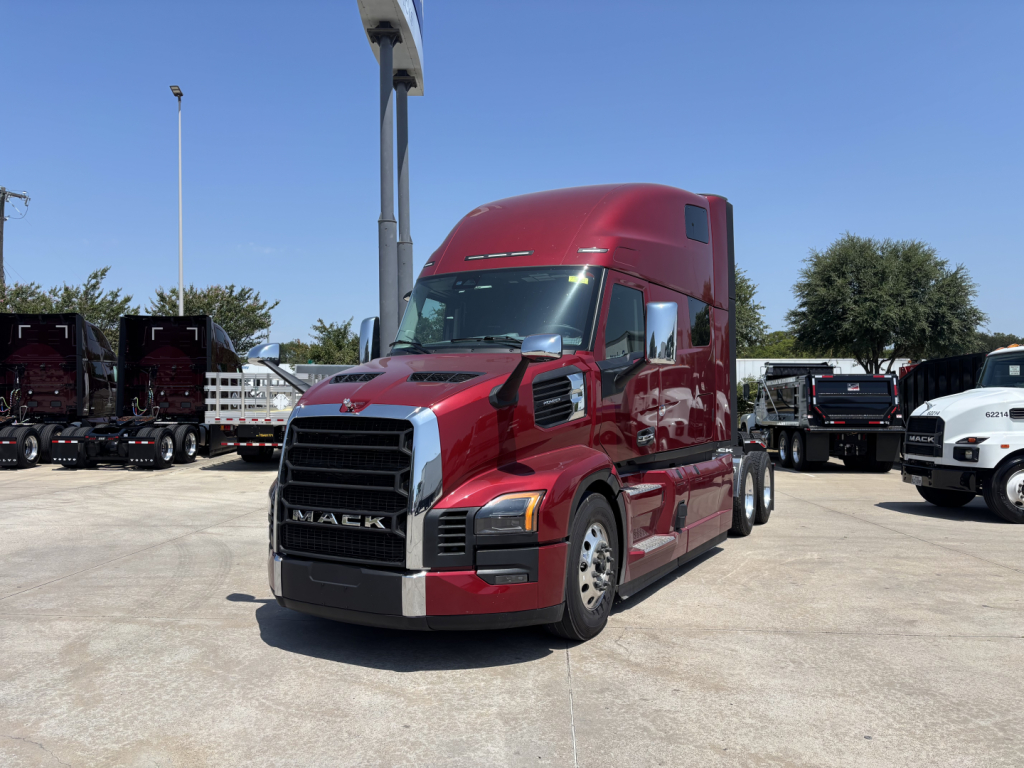
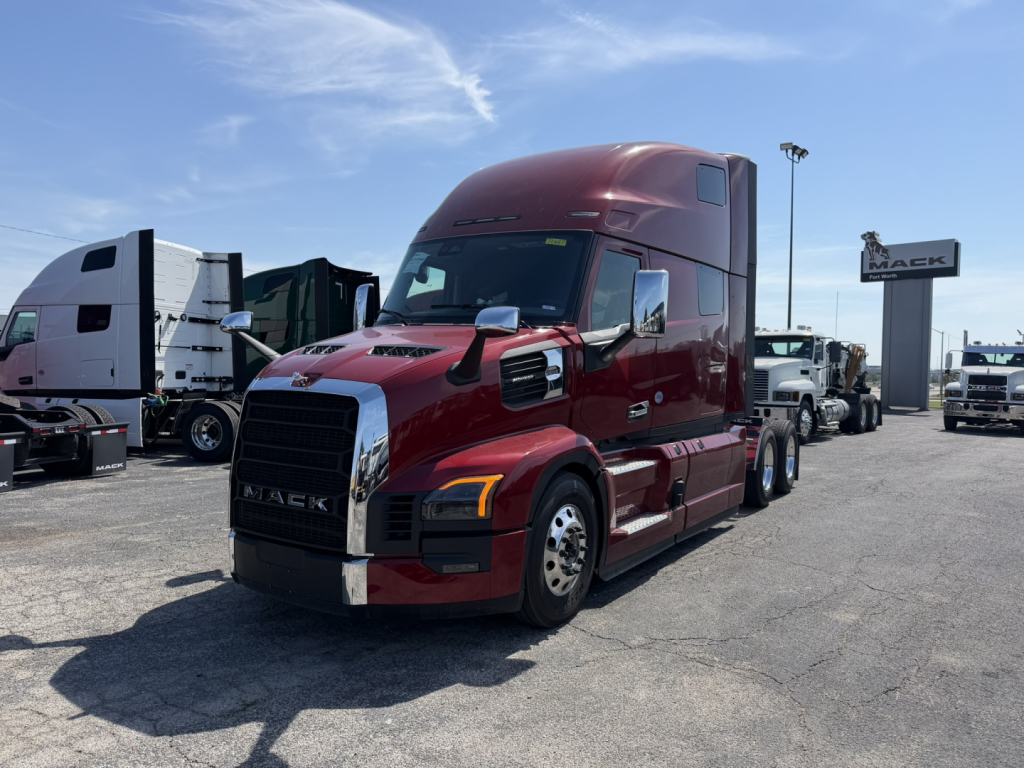
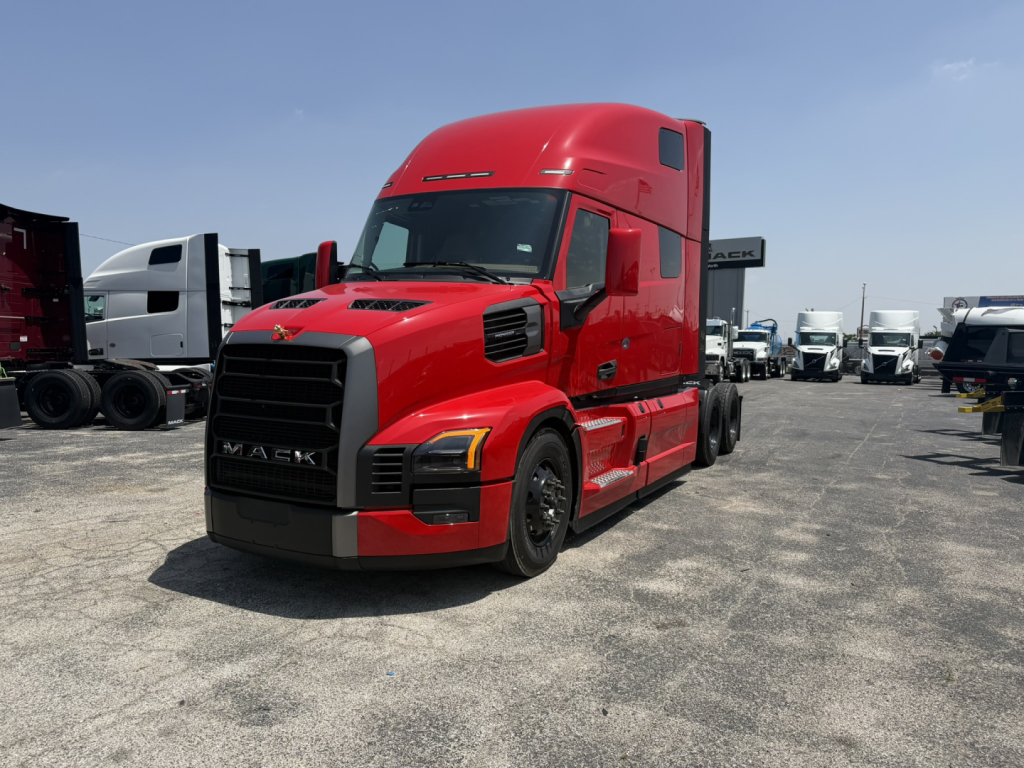
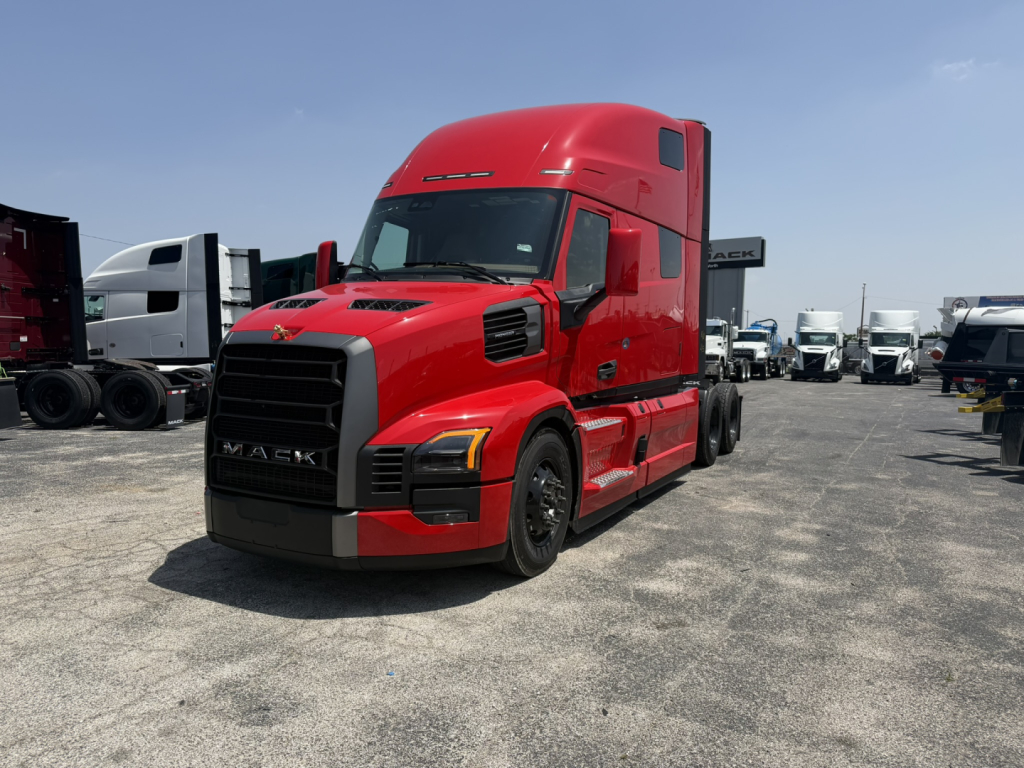
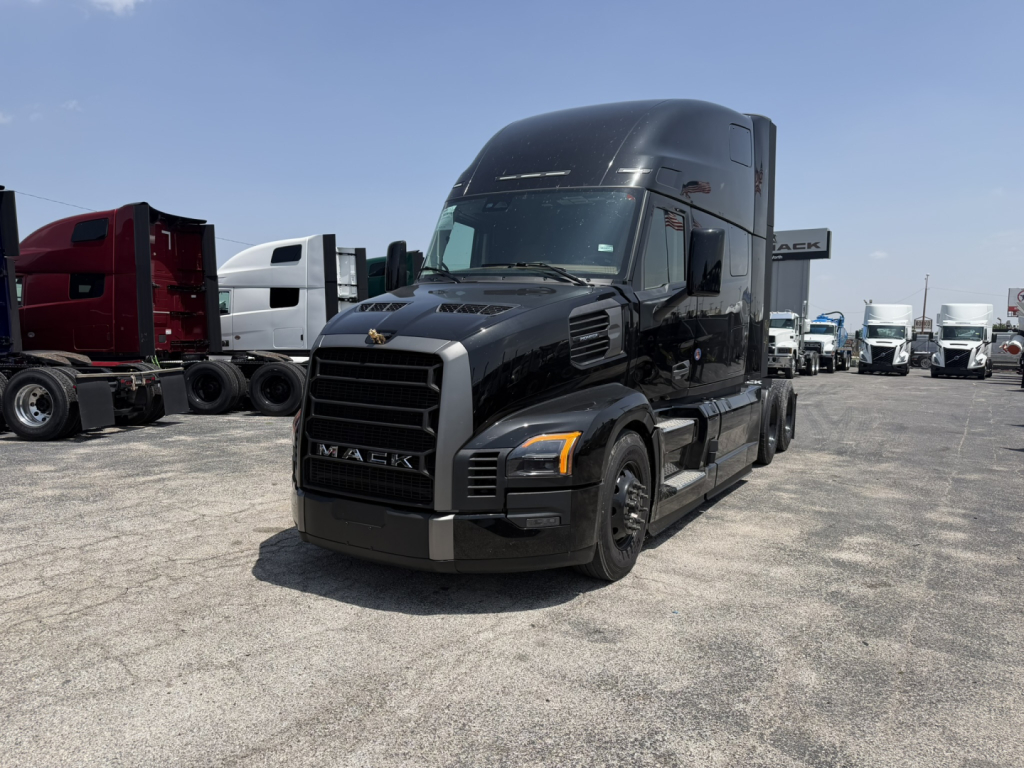
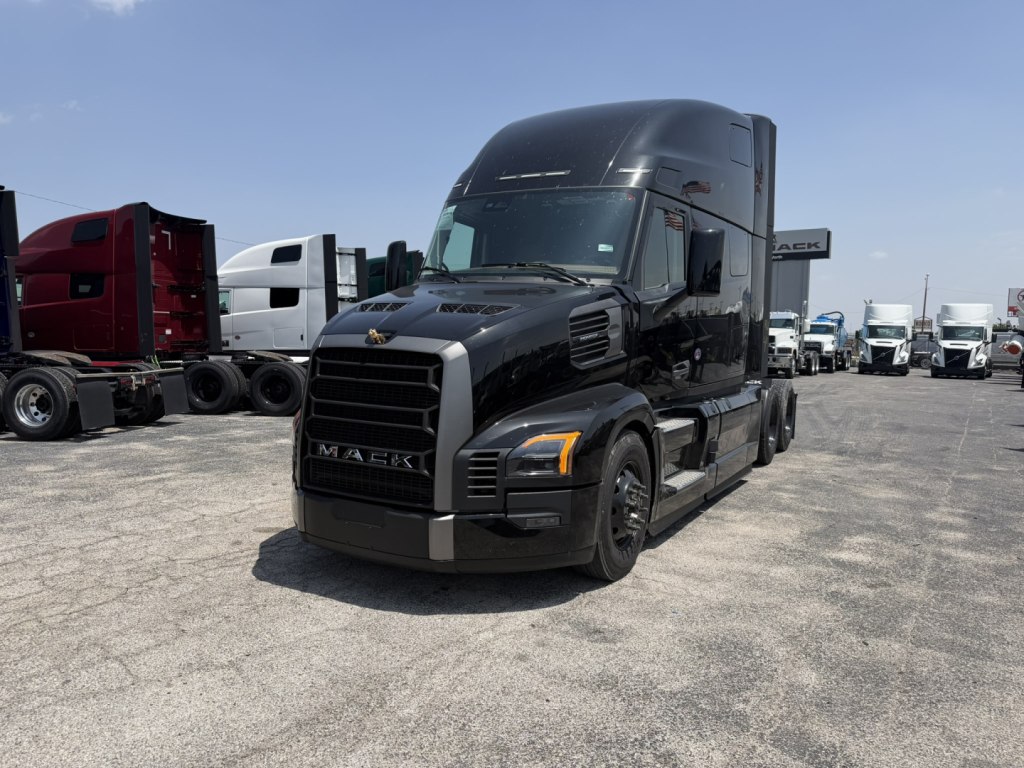
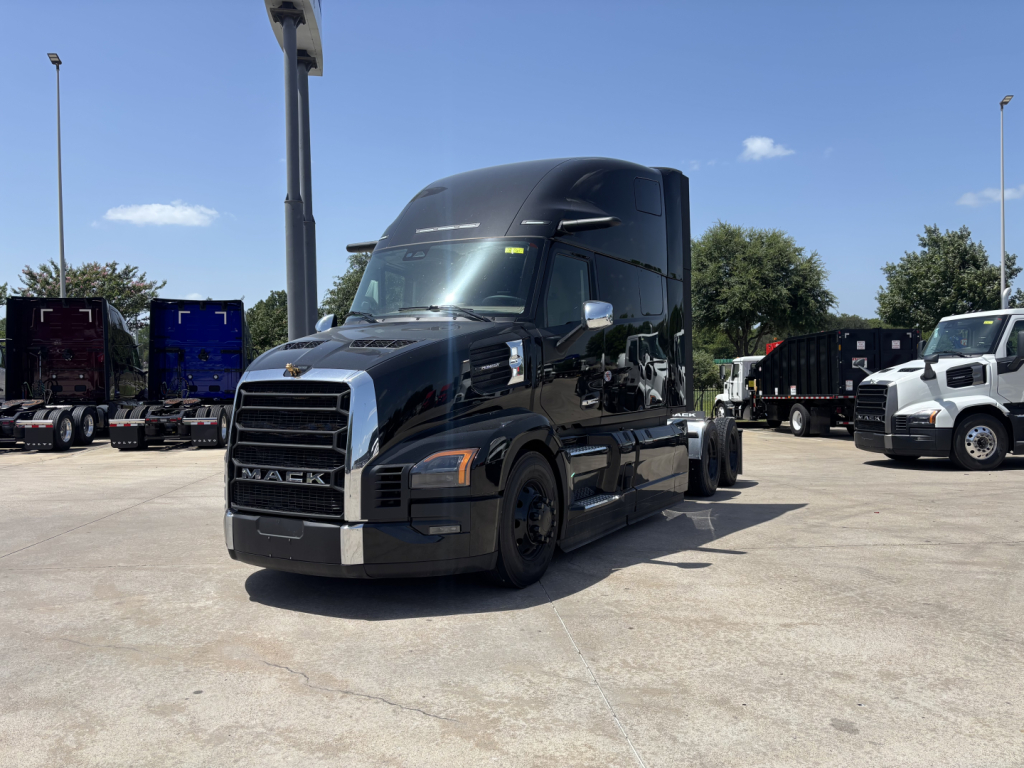
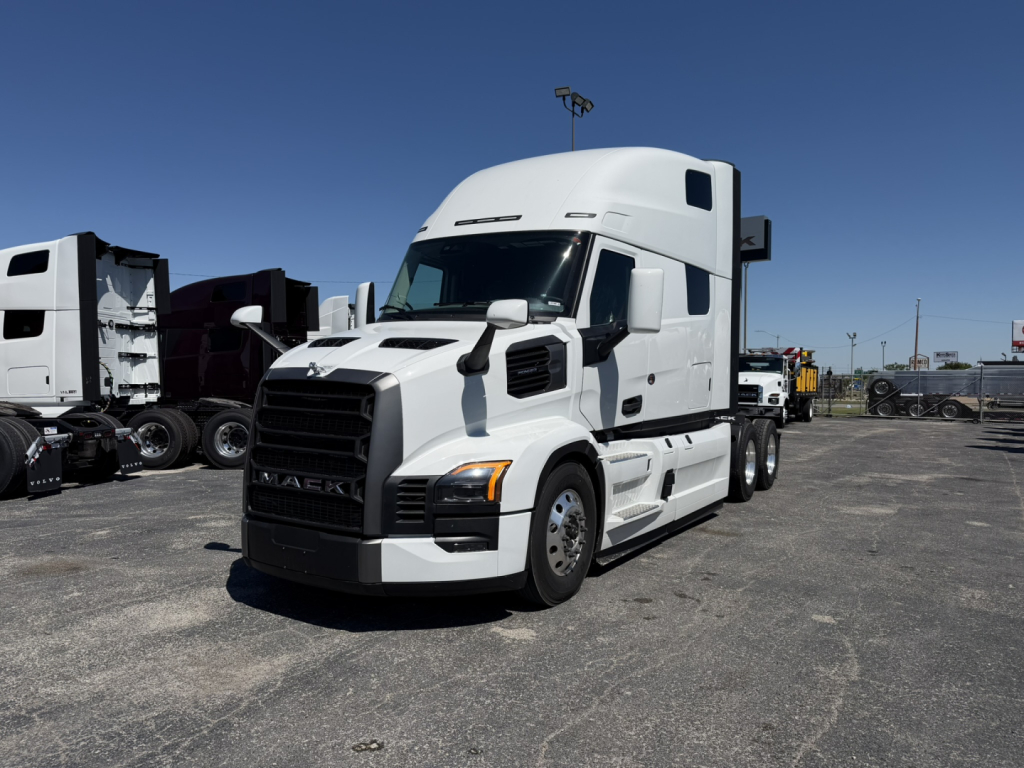
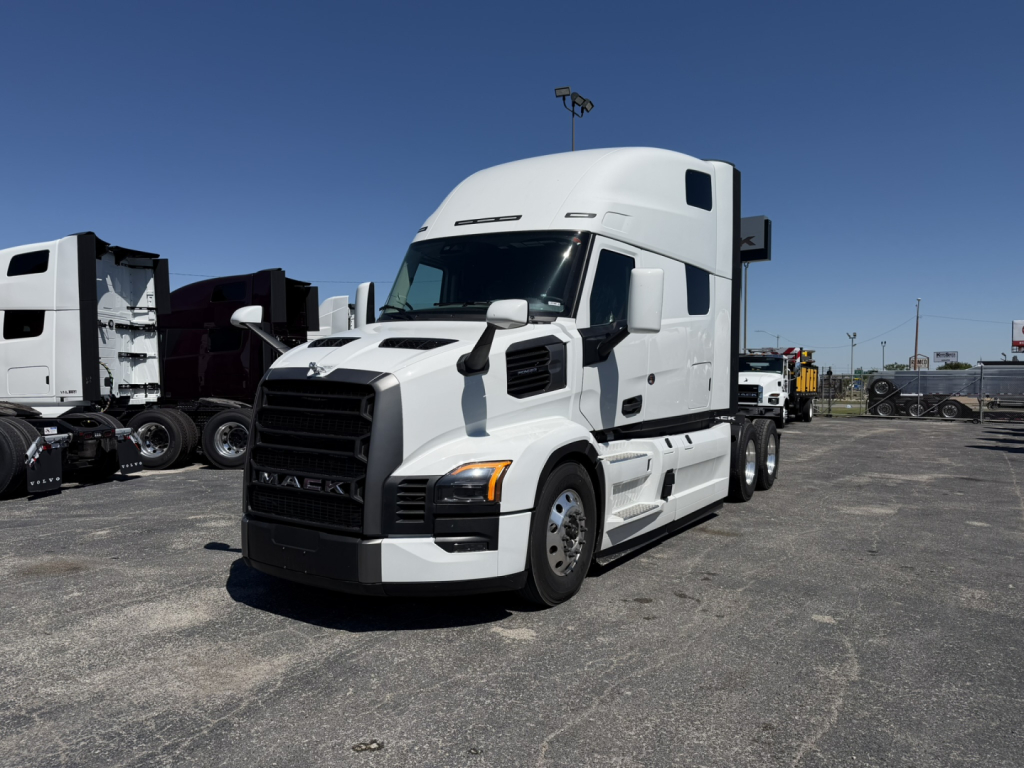
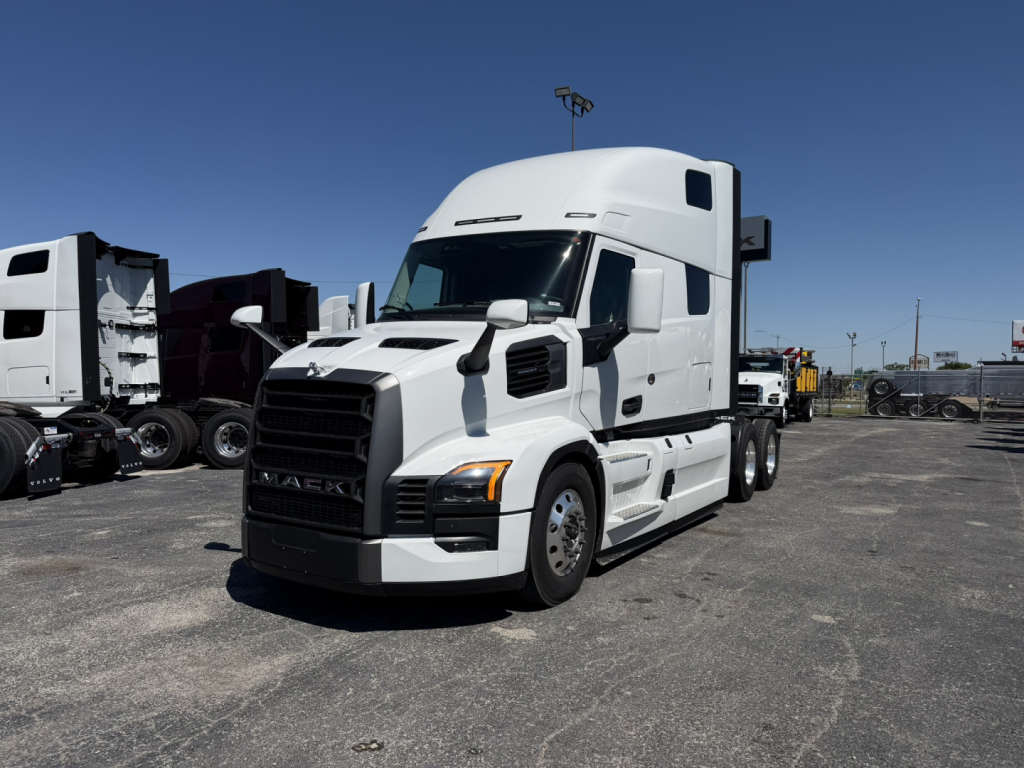
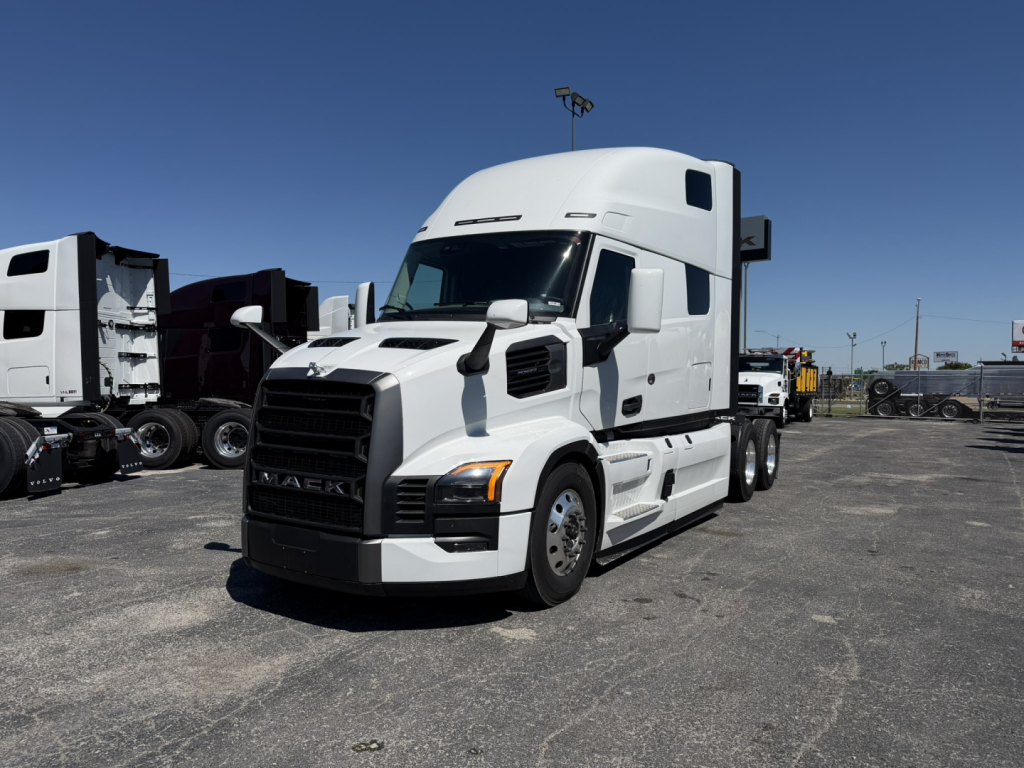
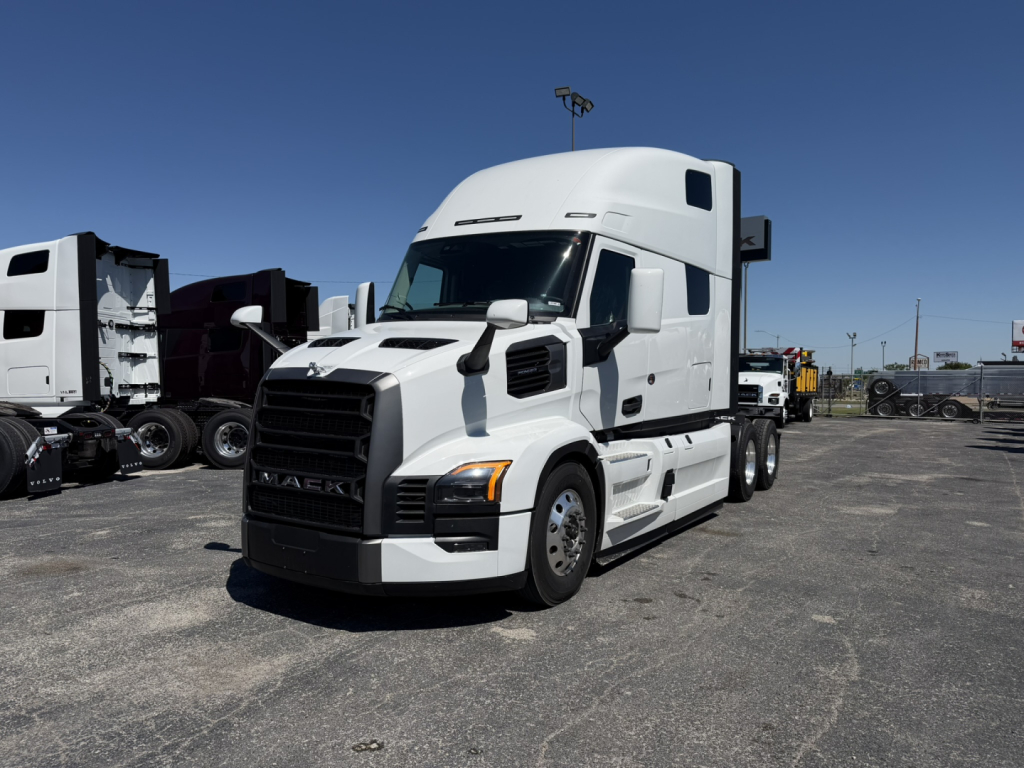
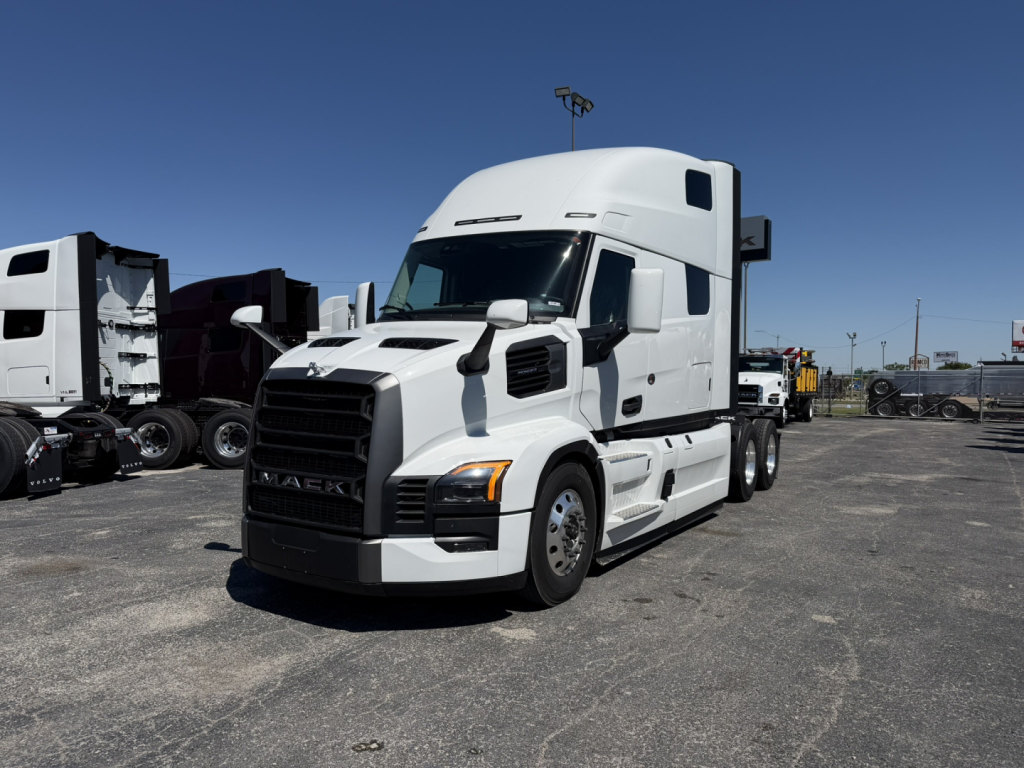
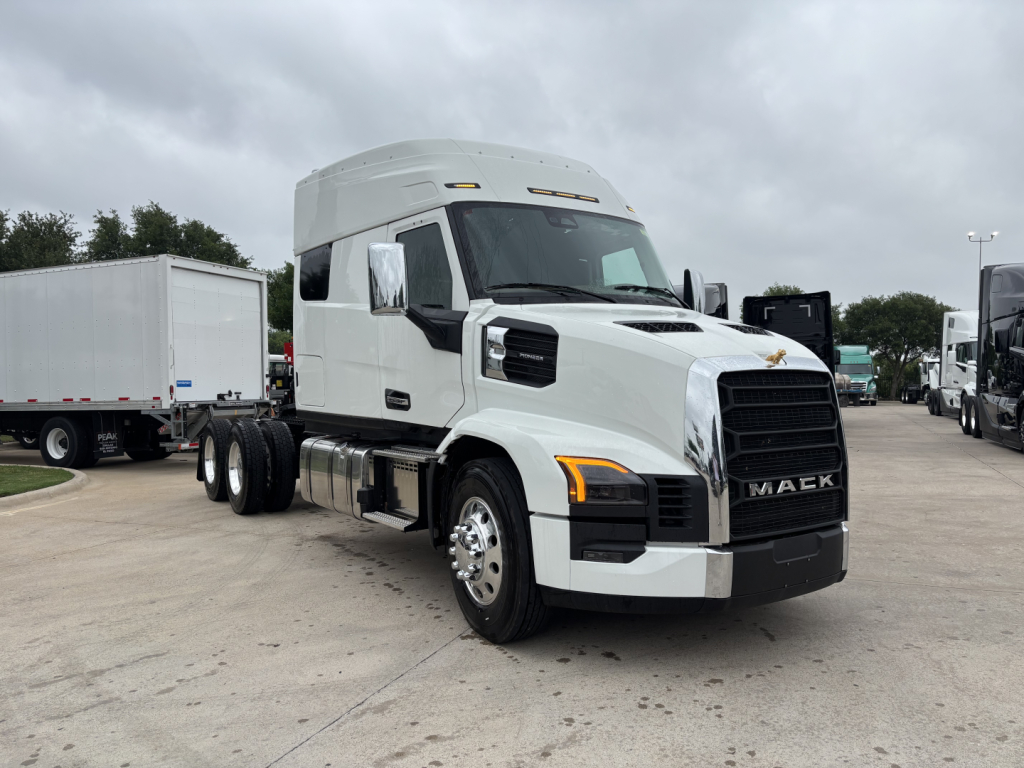

Showing 1 to 28 of 30 results
Selling a 2027 conventional sleeper truck? List your 2027 conventional sleeper truck for sale and reach thousands of commercial buyers.
2027 Conventional Sleeper Trucks in Texas
Powertrain selection matters more than brand loyalty in this category. Most conventional sleeper trucks are spec'd with 13-liter to 15-liter diesel engines, generally from about 425 to 500 horsepower, paired with torque ratings suited for van, reefer, tanker, or general freight use. Automated transmissions such as Volvo I-Shift, Mack mDRIVE, and Eaton Endurant are now common because they improve driver acceptance and help control fuel burn and clutch wear. Buyers should compare rear axle ratios, expected cruise speed, GCWR, and suspension spec along with horsepower. A truck hauling heavy freight in West Texas or running frequent grades will want a different setup than a fuel-mileage-focused sleeper pulling dry van between Dallas, Houston, San Antonio, and interstate lanes beyond Texas.
Cab and chassis details separate a good spec from an expensive mismatch. Sleeper layout, bunk count, cabinet storage, inverter prep, idle management, and APU compatibility affect retention and uptime just as much as engine choice. On the chassis side, wheelbase, fifth wheel travel, tank placement, fairing package, and frame layout influence trailer gap, bridge law flexibility, and service access. Air-ride front axles, disc brakes, collision mitigation, adaptive cruise, lane departure warning, and factory telematics are increasingly common in newer conventional sleepers and can be important for fleets trying to reduce claims and standardize maintenance data.
A conventional sleeper truck, also called a sleeper tractor or road tractor with sleeper, is usually the go-to choice for carriers that need one truck to cover multiple lanes and trailer types. The best buying approach is to match the truck to the freight, not just the payment or the badge on the hood. Look closely at sleeper height, interior space, emissions warranty coverage, engine brake performance, fuel tank capacity, and service network support in Texas and the surrounding states. A properly spec'd 2027 conventional sleeper should deliver a balance of driver comfort, legal payload capacity, aerodynamic efficiency, and predictable operating cost.
Frequently Asked Questions about 2027 Conventional Sleeper Trucks in Texas
What is the typical engine and transmission setup in a 2027 conventional sleeper truck?
Most 2027 conventional sleeper trucks use a 13-liter or 15-liter diesel engine rated roughly from 425 to 500 horsepower, usually paired with an automated manual transmission. Common pairings include OEM integrated powertrains such as Volvo I-Shift or Mack mDRIVE, along with options like Eaton Endurant in certain applications. The right setup depends on freight weight, terrain, cruise speed, and how much emphasis is placed on fuel economy versus pulling power.
What sleeper size is best for long-haul trucking in Texas?
For long-haul work, many buyers prefer a 70-inch to 80-inch sleeper because it provides enough room for a full bunk, storage, and better driver comfort on multi-day runs. Regional operators may choose a smaller sleeper to save weight and keep the wheelbase shorter. The right choice depends on trip length, team or solo operation, onboard storage needs, and whether the truck will be used primarily on Texas lanes or extended interstate routes.
Why does wheelbase matter on a conventional sleeper tractor?
Wheelbase affects ride quality, trailer gap, fuel tank capacity, maneuverability, and overall weight distribution. A longer wheelbase can support a larger sleeper and more fuel, but it may reduce maneuverability in tight yards or urban deliveries. A shorter wheelbase can improve turning radius and sometimes payload flexibility. Buyers should evaluate wheelbase alongside sleeper length, kingpin setting, fifth wheel travel, and the trailer types the truck will pull.
Are automated manual transmissions standard in newer sleeper trucks?
Automated manual transmissions are now very common in newer sleeper tractors because they improve consistency, reduce driver fatigue, and help fleets manage fuel economy and driveline wear. They are especially popular in over-the-road and regional fleet specs. Manual transmissions still exist in some heavy-haul or specialized applications, but most buyers in this category expect an AMT unless there is a specific operational reason to choose otherwise.
What should buyers in Texas pay attention to when comparing conventional sleeper trucks?
Texas buyers should pay close attention to cooling capacity, axle ratio, horsepower, sleeper insulation, fuel capacity, and service support across major freight corridors. The truck needs to handle heat, long distances, sustained highway speed, and varying load weights. It is also smart to compare safety systems, emissions coverage, idle management options, and OEM support in markets such as Dallas-Fort Worth, Houston, San Antonio, Laredo, and West Texas.