
2027 Mack Conventional Sleeper Trucks For Sale in Texas
Shop 2027 Mack conventional sleeper trucks in Texas. Compare MP13 power, mDRIVE specs, sleeper sizes, axle ratings, and highway features.
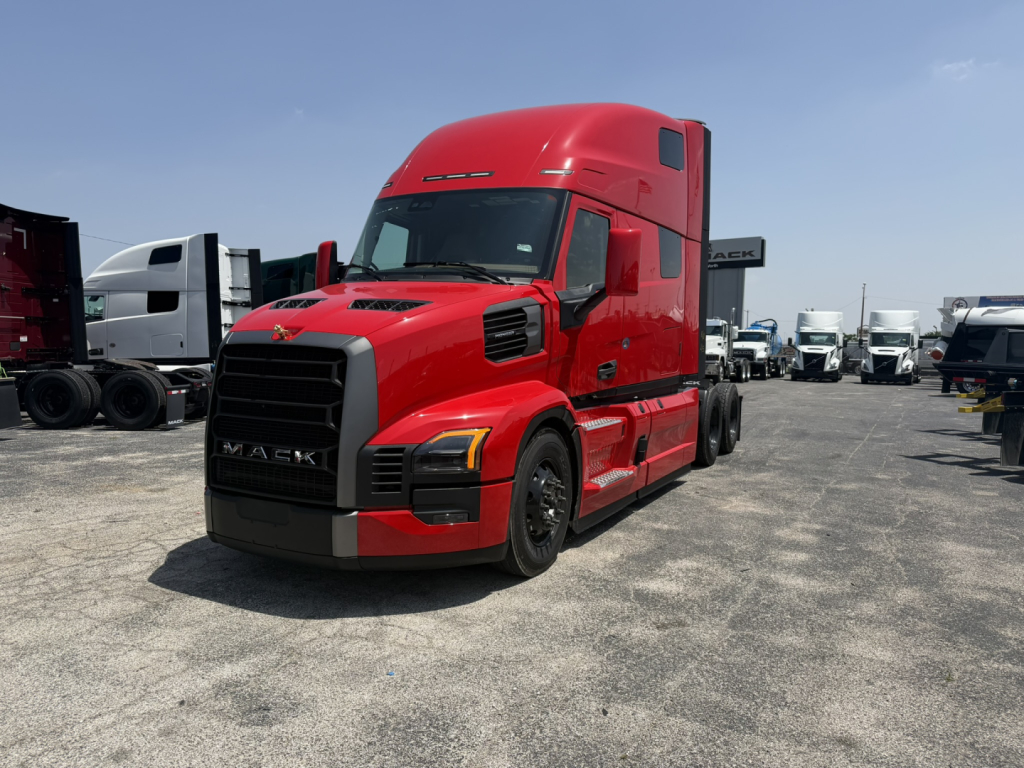
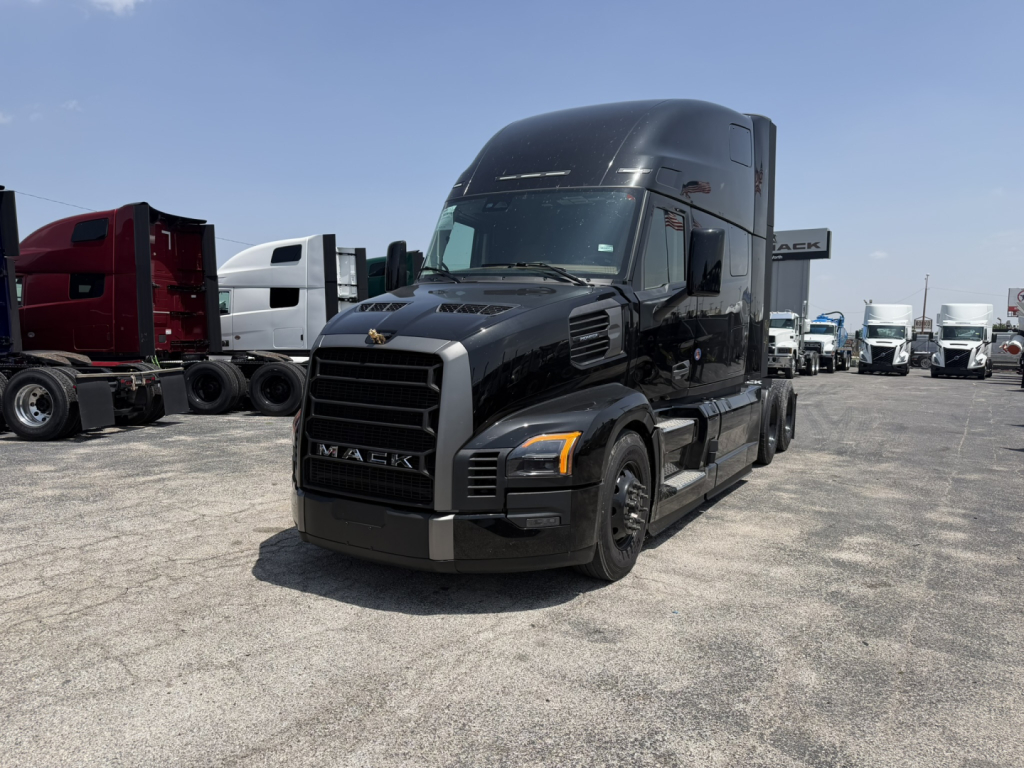
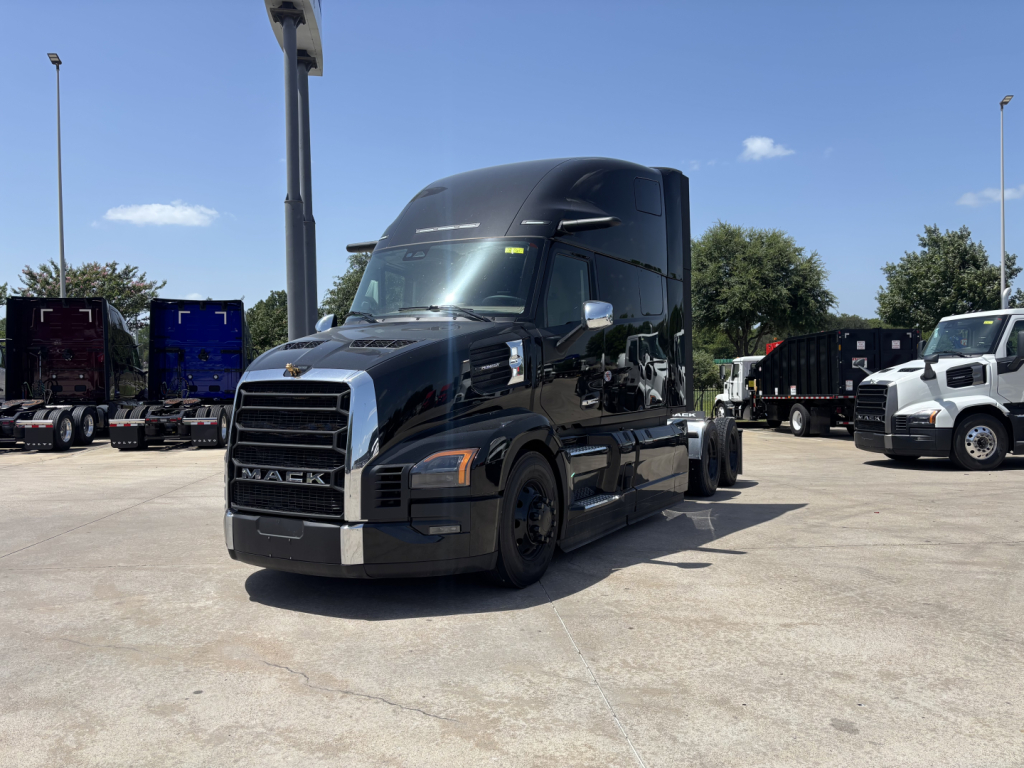
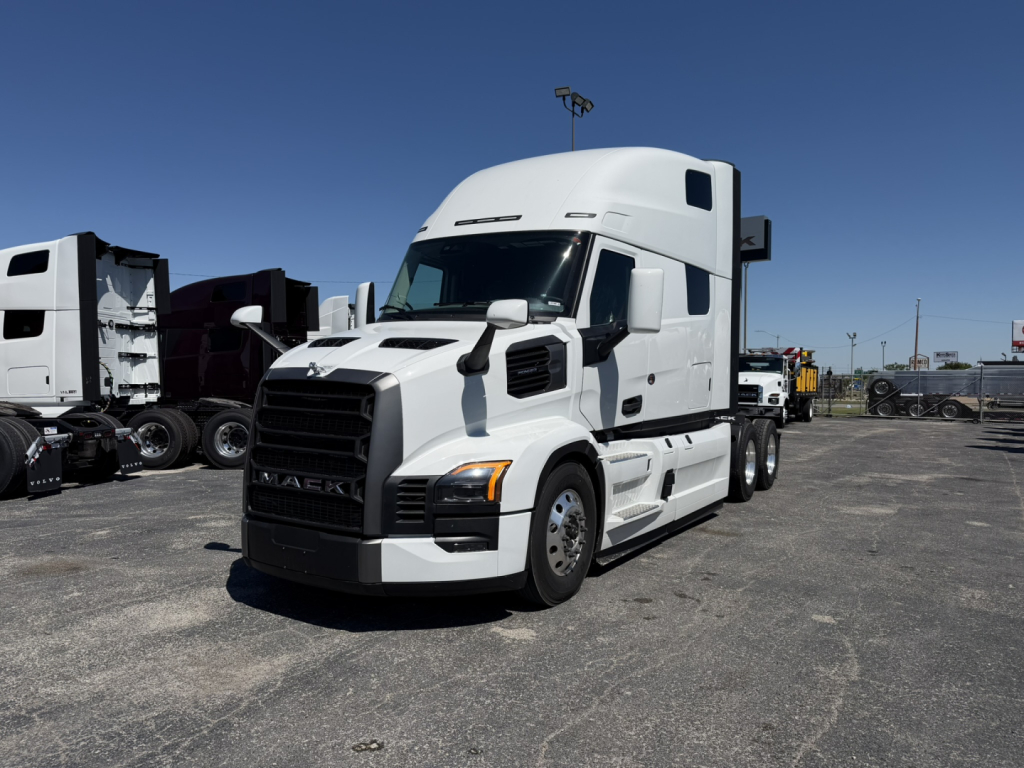
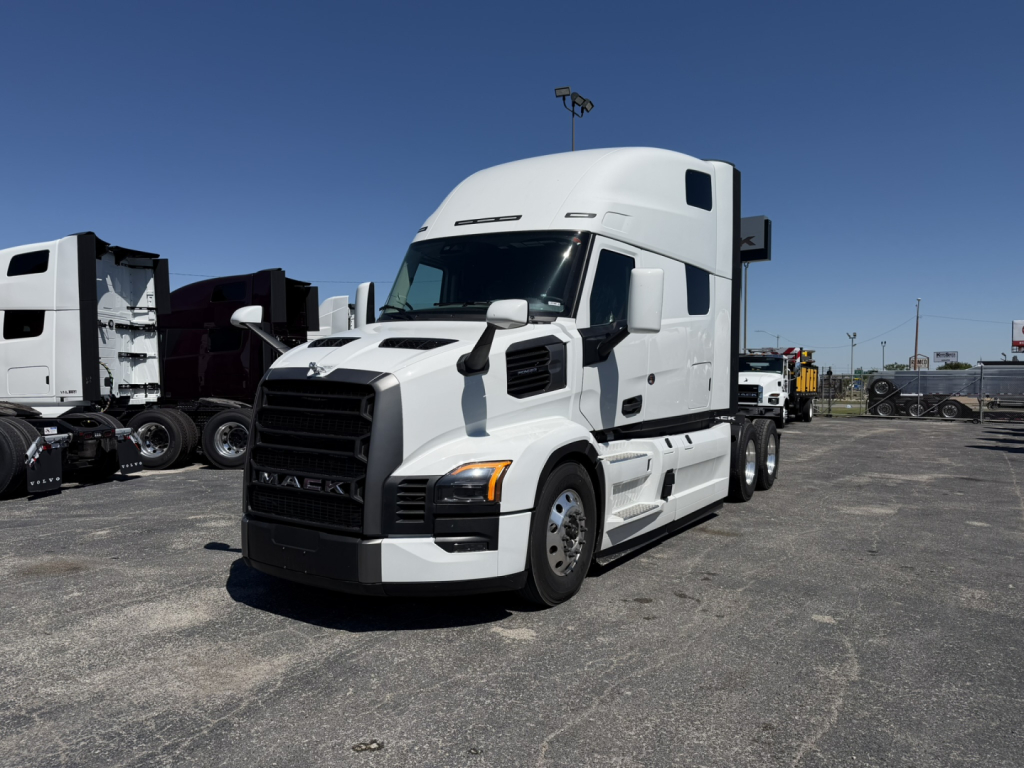
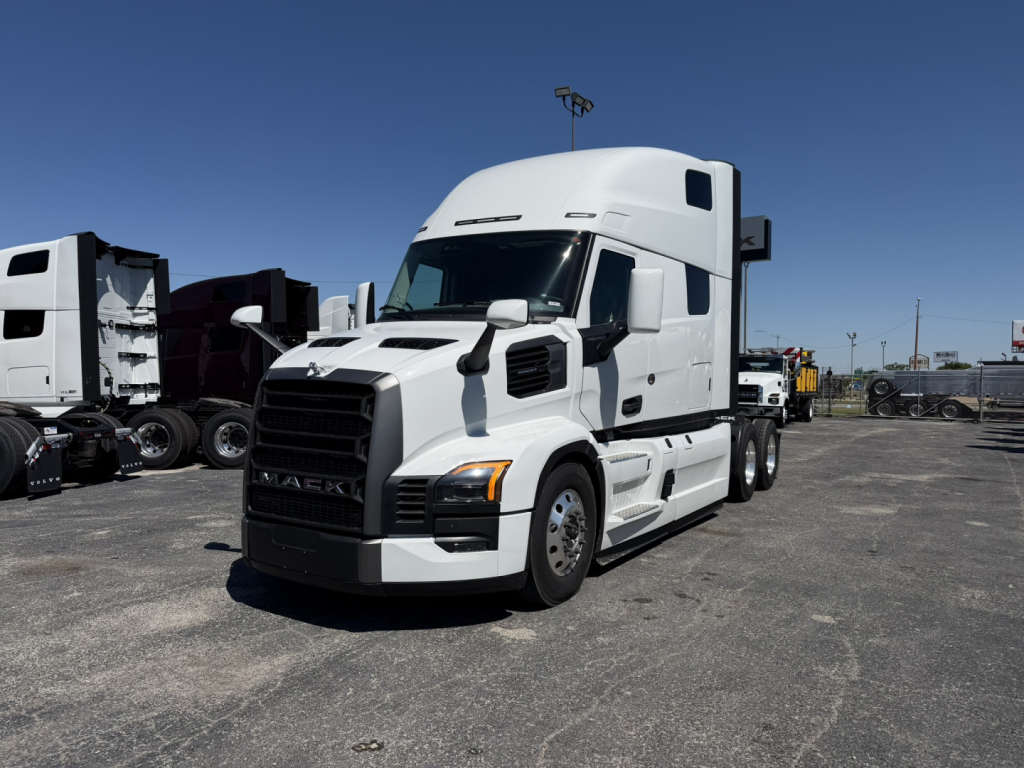
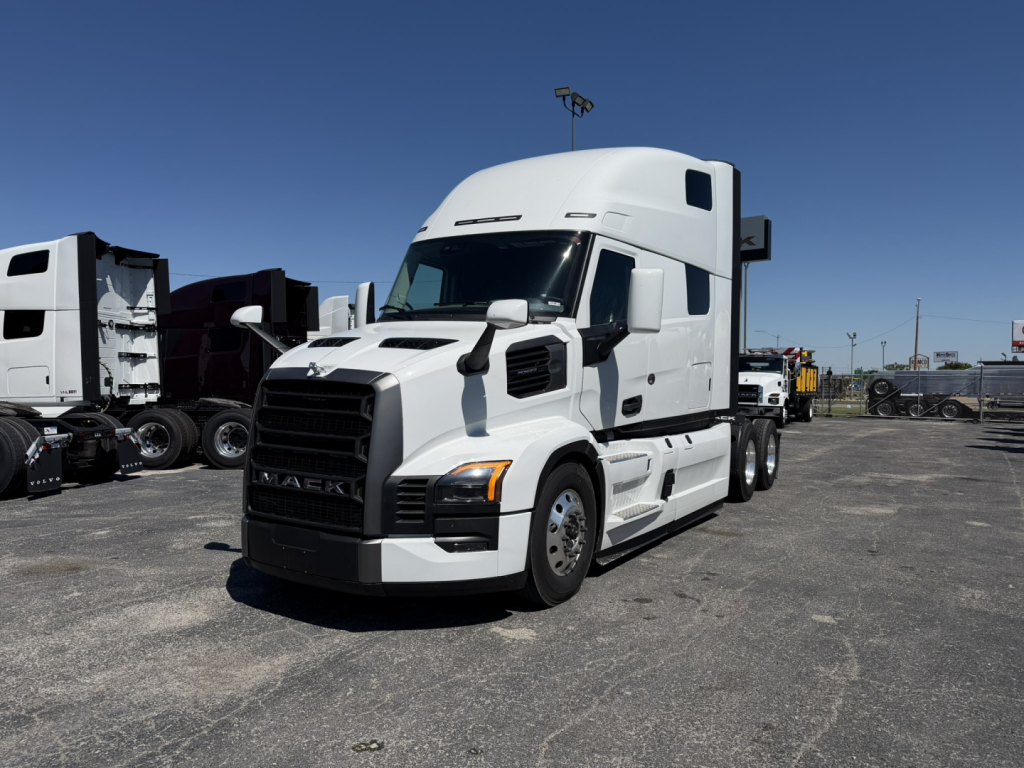
Selling a 2027 mack conventional sleeper truck? List your 2027 mack conventional sleeper truck for sale and reach thousands of commercial buyers.
2027 Mack Conventional Sleeper Trucks in Texas
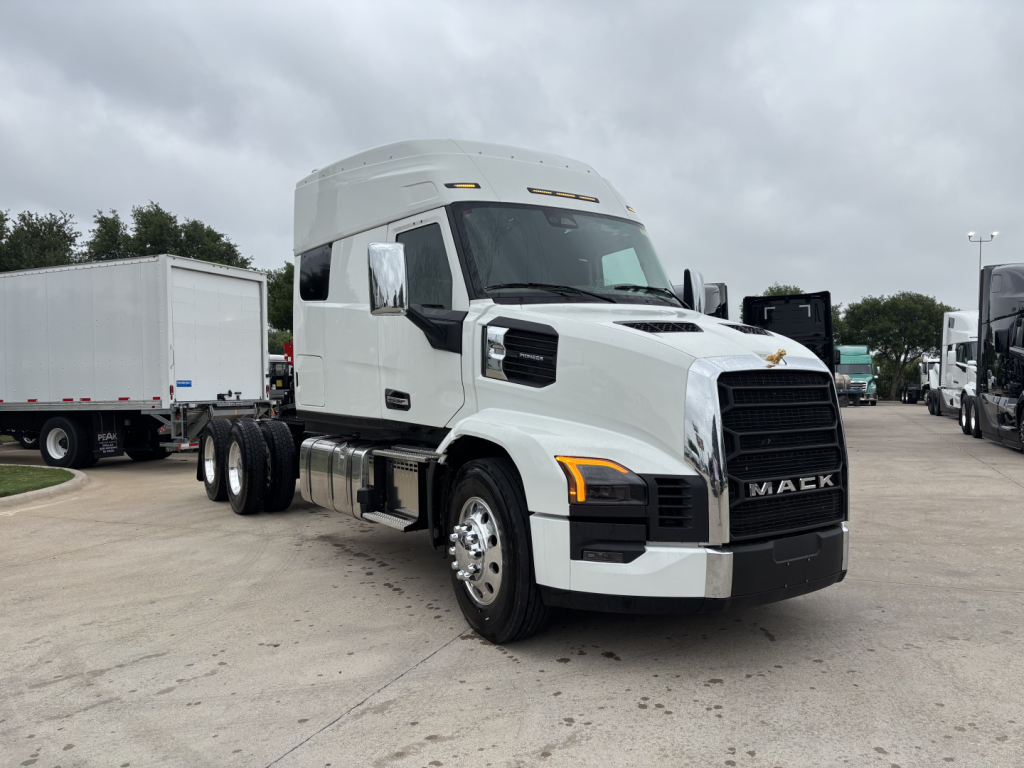
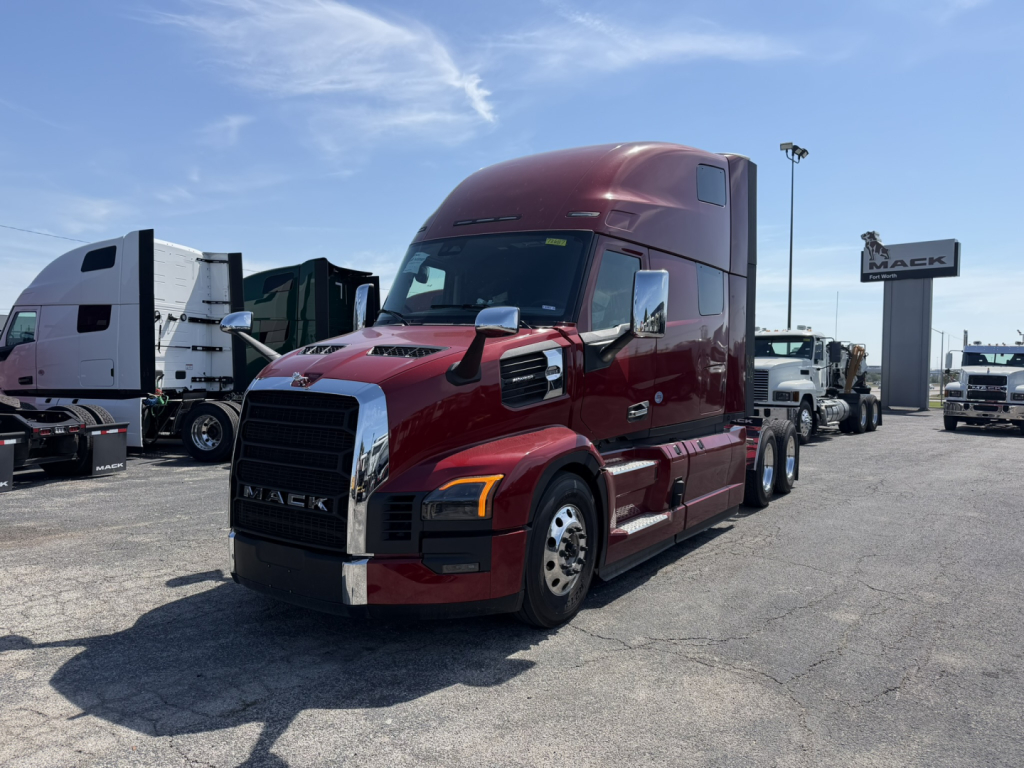
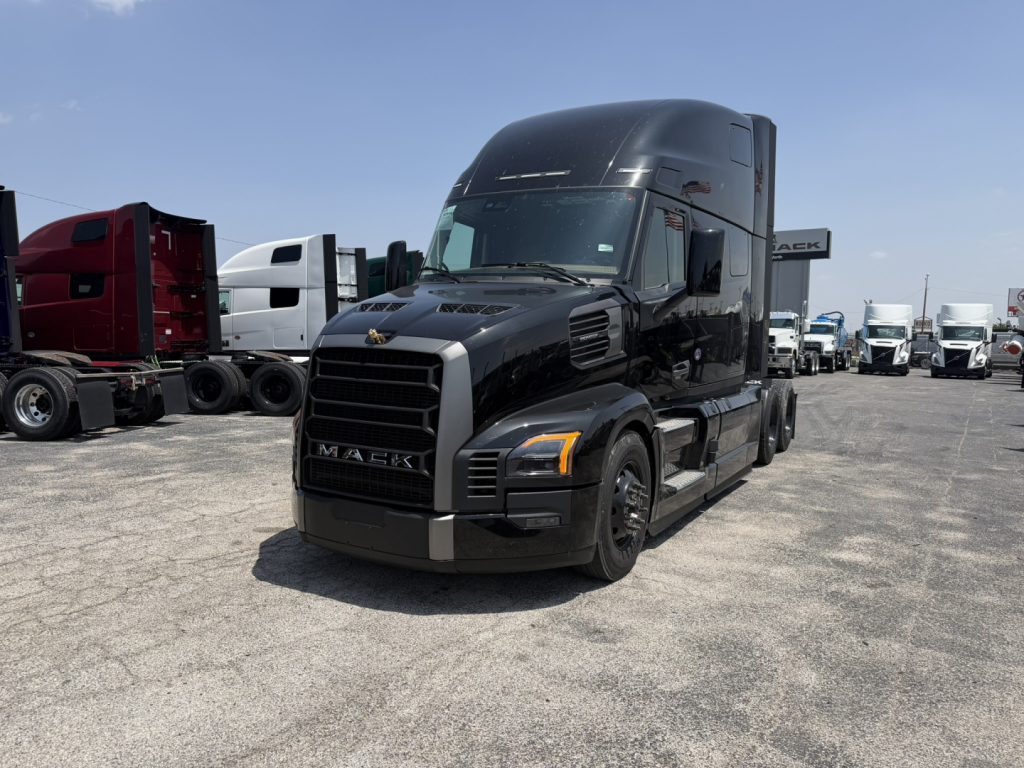
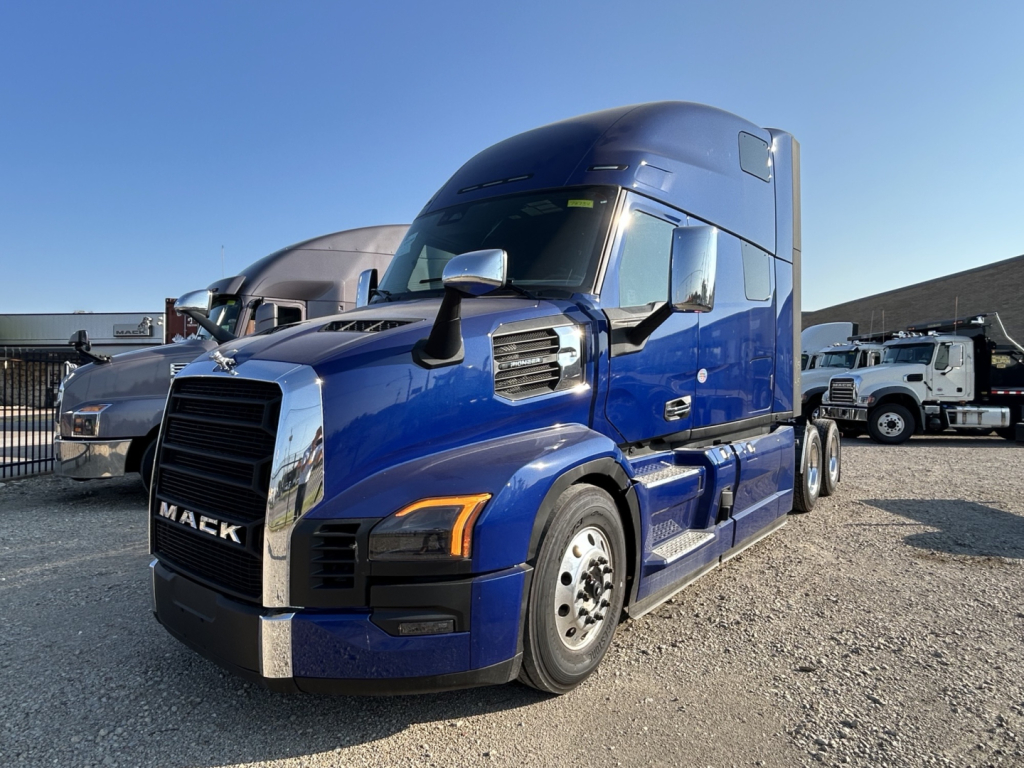
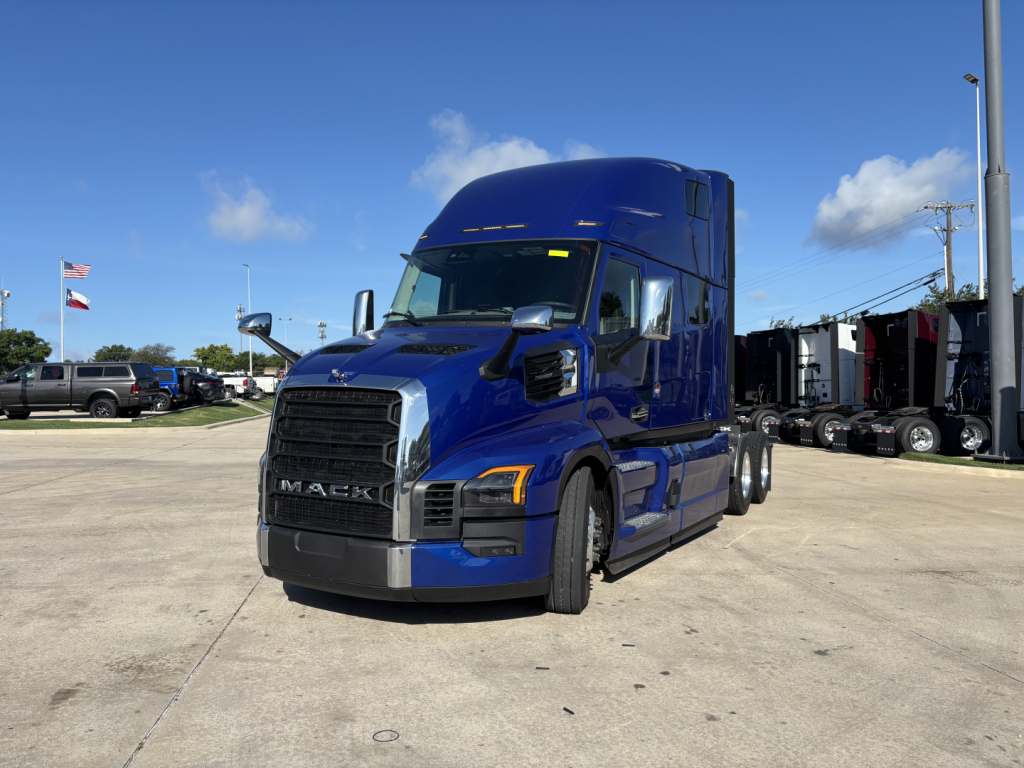
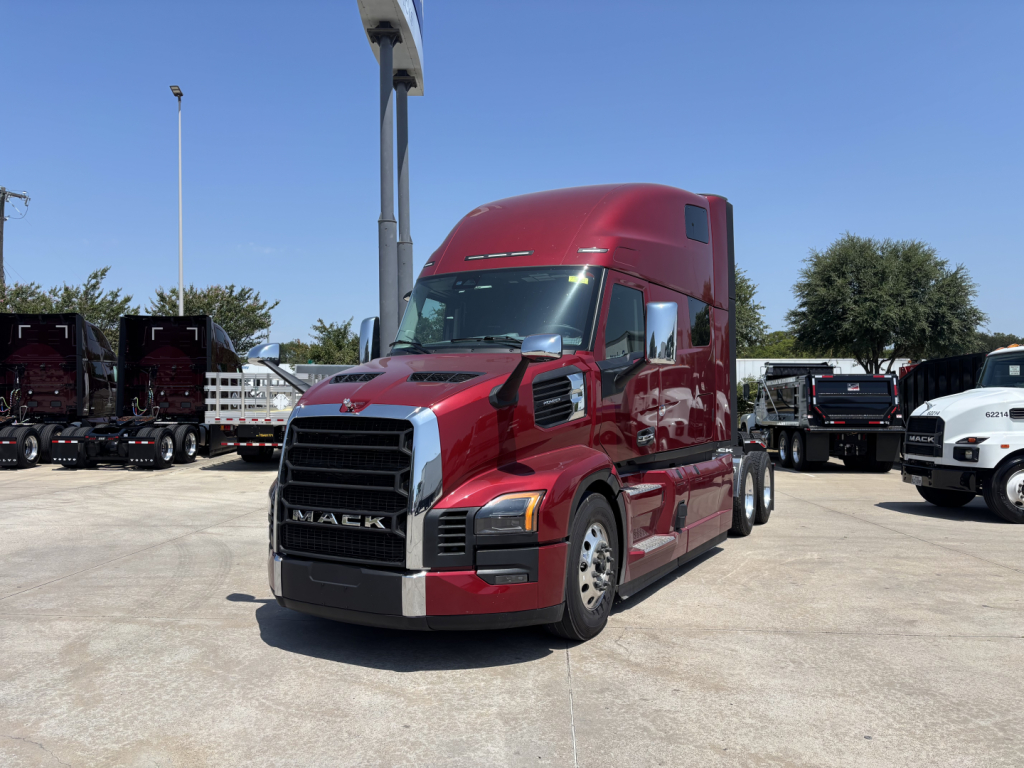
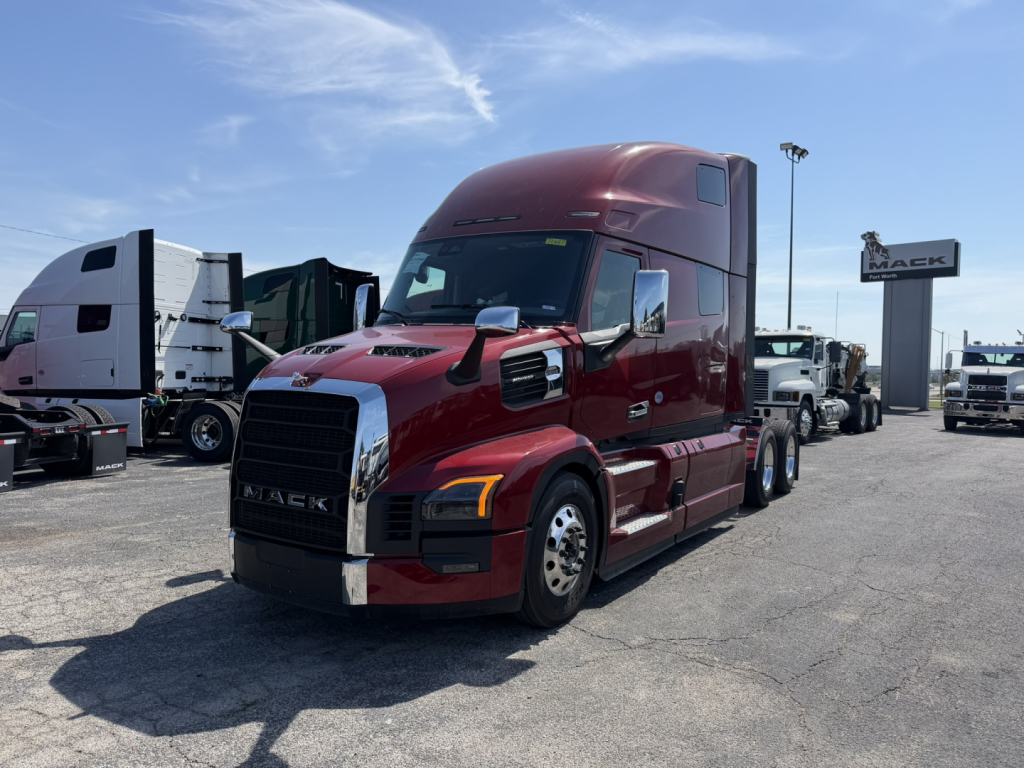
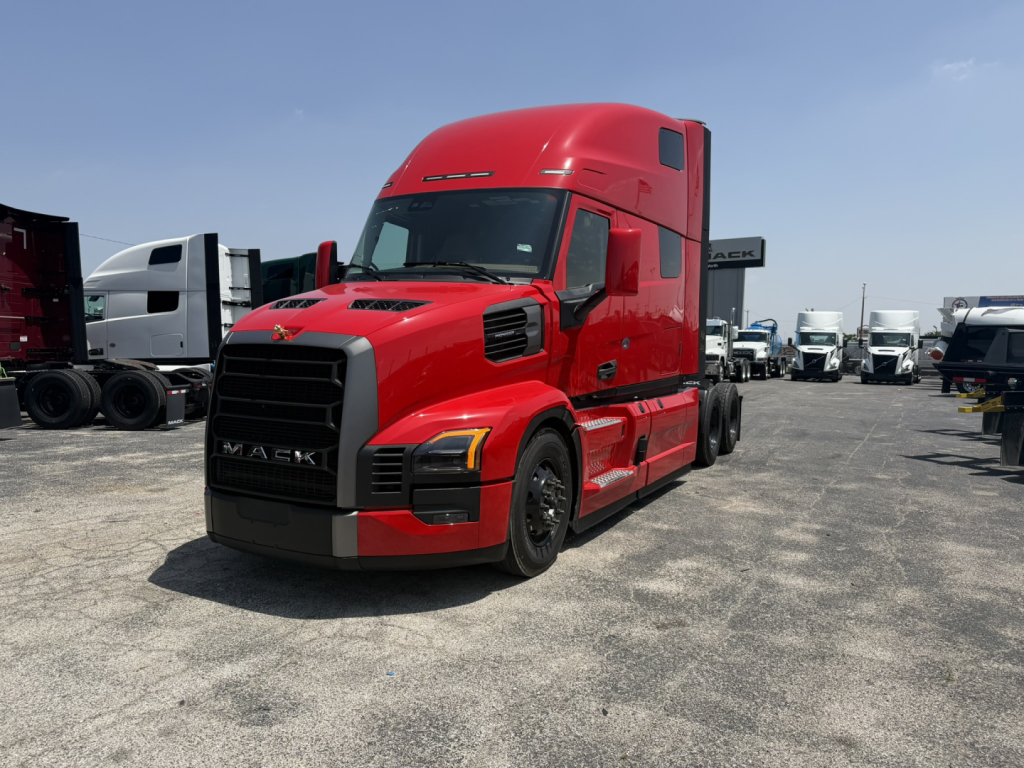
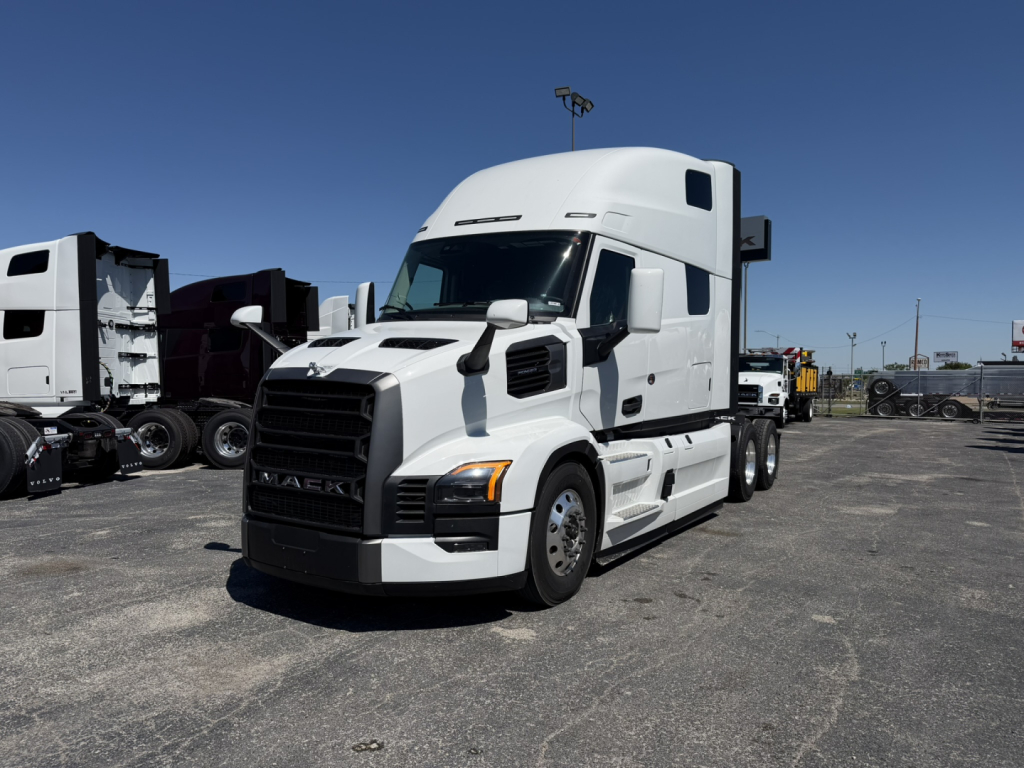
Sleeper configuration matters as much as horsepower. Many Mack conventional sleepers in this size range are built with 70-inch to 76-inch sleepers, dual bunks, inverter prep or installed inverters, refrigerator or microwave accommodations, and upgraded insulation for driver comfort on multi-day runs. Buyers comparing units in Texas often pay close attention to cooling capacity, idle management, and interior trim packages because hot-weather operation puts extra value on parking coolers, HVAC performance, and electrical capacity. Mid-roof sleepers can make sense for operations balancing aerodynamics with weight and maneuverability, while taller sleeper packages tend to favor team driving, longer dwell time, and more onboard storage.
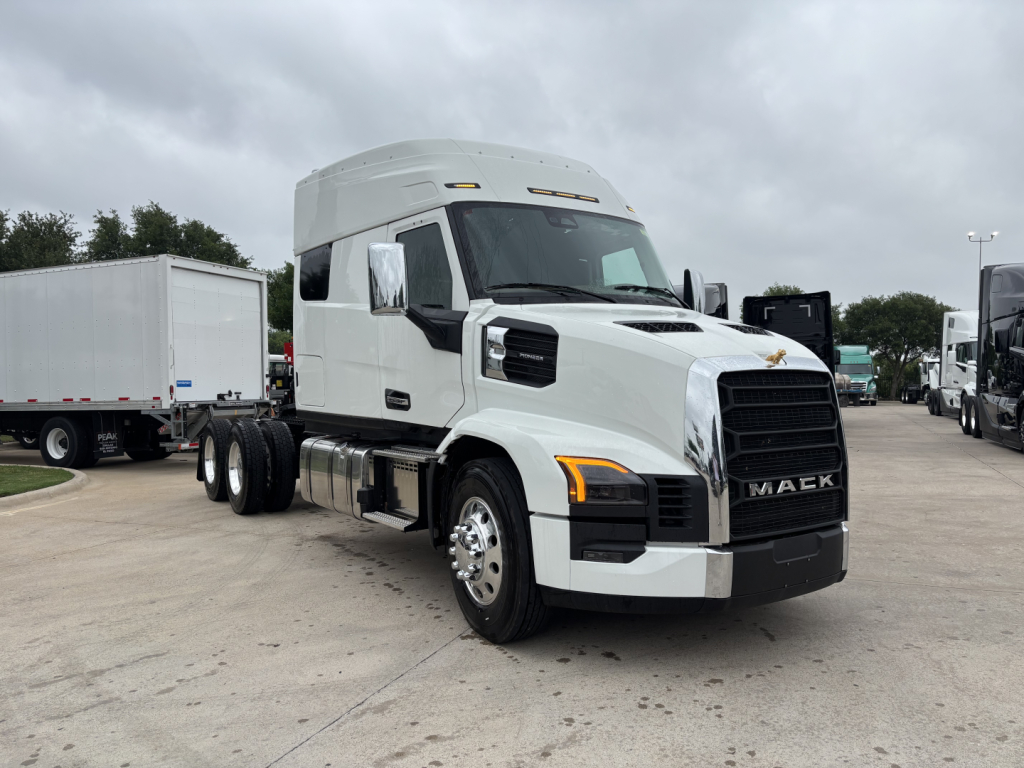
On the chassis side, common specs include a 6x4 tandem axle setup, front axle ratings around 12,000 to 13,200 pounds, and rear axle ratings near 40,000 pounds with air ride suspensions such as Mack MaxLite. Wheelbase, fifth wheel travel, and fuel capacity should match the freight lane. A 237-inch to 247-inch wheelbase is a common highway sleeper range, and dual fuel tanks in the 100 to 150 gallon range per side can be important for longer Texas lanes and fuel stop flexibility. Rear axle ratio is another key spec to review closely. A numerically lower ratio can help downspeeding and fuel economy on flatter interstate routes, while a shorter ratio may better suit heavier gross weights or more frequent grade changes.
Safety and uptime features are a major part of the value in late-model Mack sleeper trucks. Buyers should look for disc brakes, adaptive cruise, collision mitigation, differential locks, back-up camera provisions, and telematics or factory protection plans that help control operating cost. The best spec depends on the job: a fleet tractor running van or reefer freight across I-10 and I-35 may prioritize aero packages, overdrive gearing, and fuel efficiency, while a heavier regional application may lean harder on axle ratio, suspension durability, and driver retention features inside the bunk. When comparing 2027 Mack conventional sleeper trucks, the most useful approach is to match engine rating, sleeper size, fuel capacity, wheelbase, and safety technology to the exact freight, terrain, and dispatch pattern the truck will see.
Frequently Asked Questions about 2027 Mack Conventional Sleeper Trucks in Texas
What engine and transmission are common in a 2027 Mack conventional sleeper truck?
A common setup is the Mack MP13 diesel engine paired with the Mack mDRIVE 12-speed automated transmission. In highway sleeper applications, MP13 ratings often range from the mid-400 horsepower level up to 500-plus horsepower, depending on the intended gross weight, terrain, and cruise speed. The mDRIVE is widely chosen because it supports fuel-efficient shifting, reduces clutch wear, and helps standardize driver performance across a fleet.
What sleeper size is typical for a Mack conventional sleeper?
Many conventional sleeper specs in this category use a 70-inch to 76-inch sleeper, with some units configured as mid-roof and others built for more interior volume. A larger sleeper usually provides more storage, room for dual bunks, and better livability for long-haul or team operations. A mid-roof design can still offer strong comfort while keeping overall height, weight, and aerodynamic profile in a range that works well for regional over-the-road service.
Which specs matter most when comparing Mack sleeper trucks in Texas?
For Texas operation, fuel capacity, cooling performance, axle ratio, wheelbase, and safety technology are usually near the top of the list. Long distances between stops can make larger dual fuel tanks more practical, and high ambient temperatures increase the value of strong HVAC systems, battery management, and idle reduction features. Buyers also tend to focus on interstate-friendly gearing, aerodynamic packages, and driver comfort features that support retention in long-haul service.
Is a Mack conventional sleeper truck better for long-haul or regional work?
This truck class can handle both, but the exact spec determines where it performs best. A truck with a larger sleeper, higher fuel capacity, aero fairings, and overdrive gearing is usually aimed at long-haul freight. A shorter wheelbase unit with a simpler sleeper package and a ratio better suited to stop-and-go or mixed terrain can be a strong regional tractor. The category is flexible, so the right choice depends on route length, trailer type, payload, and how many nights the driver spends in the truck.
What axle and suspension setup is common on a Mack conventional sleeper?
A typical configuration is a 6x4 tandem drive tractor with a front axle around 12,000 to 13,200 pounds and rear axles rated at about 40,000 pounds. Air ride suspensions are common in highway service because they help ride quality and protect freight. Buyers should confirm not just axle rating, but also suspension model, wheelbase, and fifth wheel position, since those details affect bridge compliance, ride, trailer gap, and how the truck handles different trailer lengths and load distributions.