
2027 Mack Conventional Sleeper Trucks For Sale
Shop 2027 Mack conventional sleeper trucks with MP13 power, mDRIVE automation, high-roof cabs, and long-haul specs built for comfort and uptime.
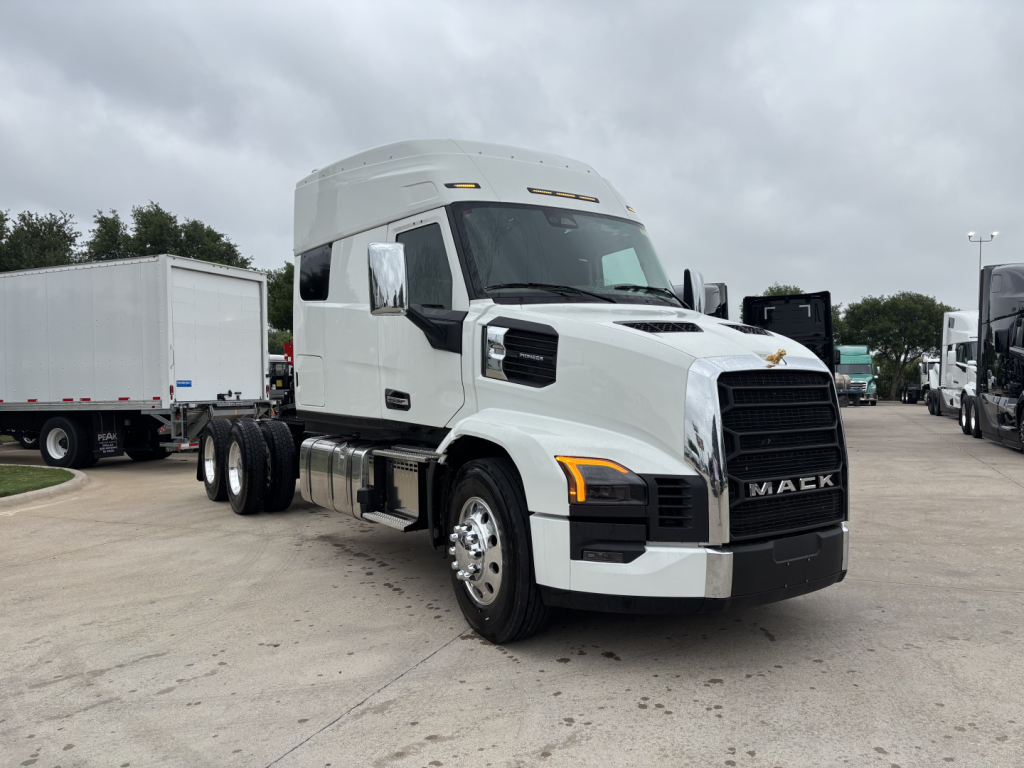
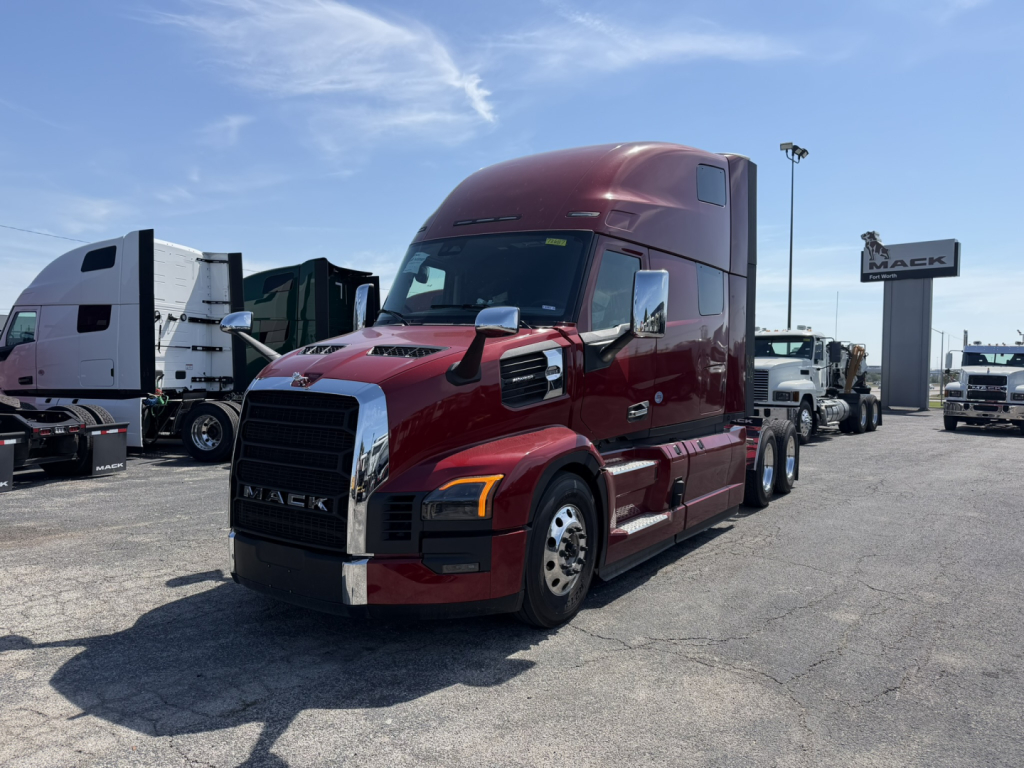
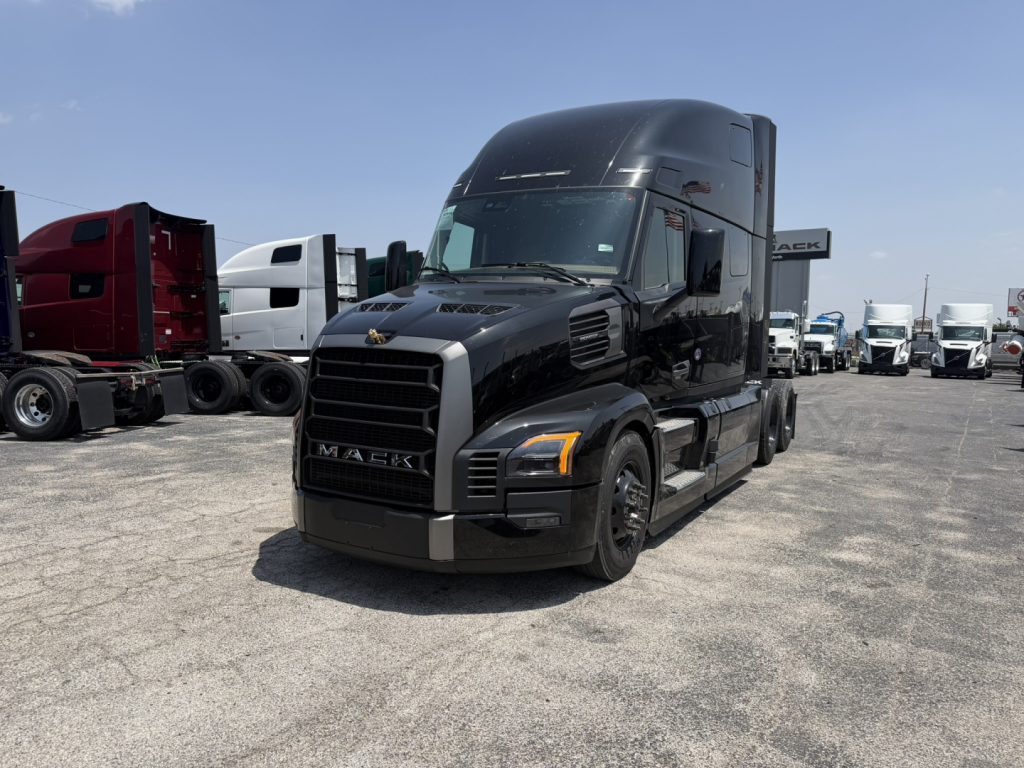
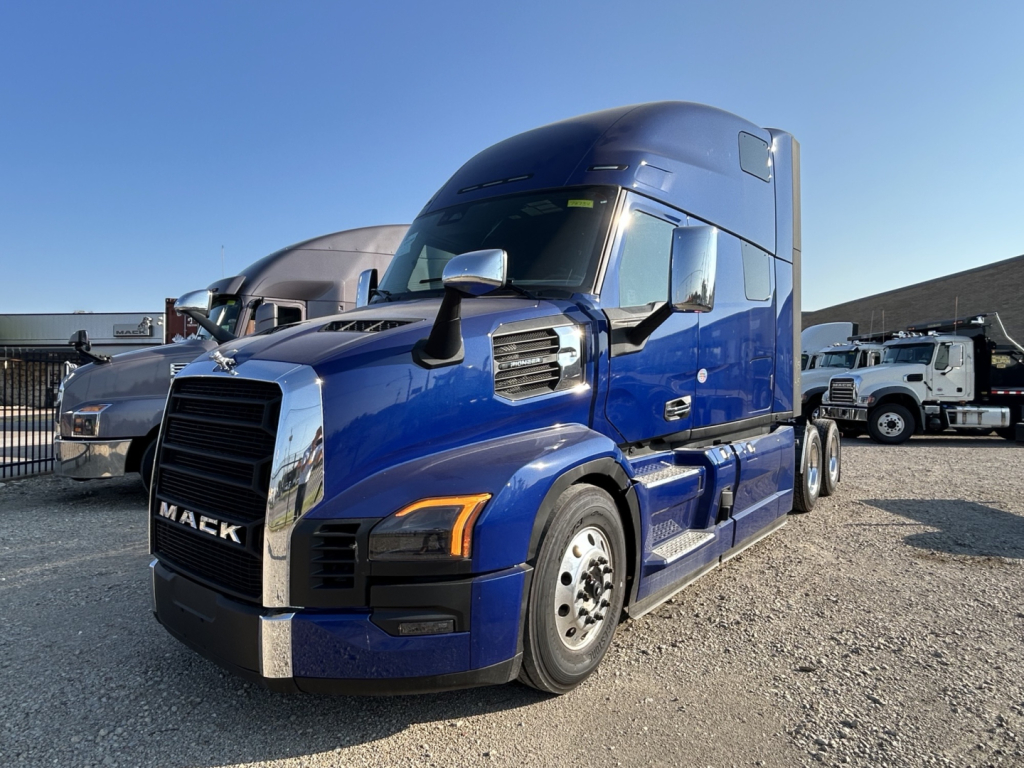
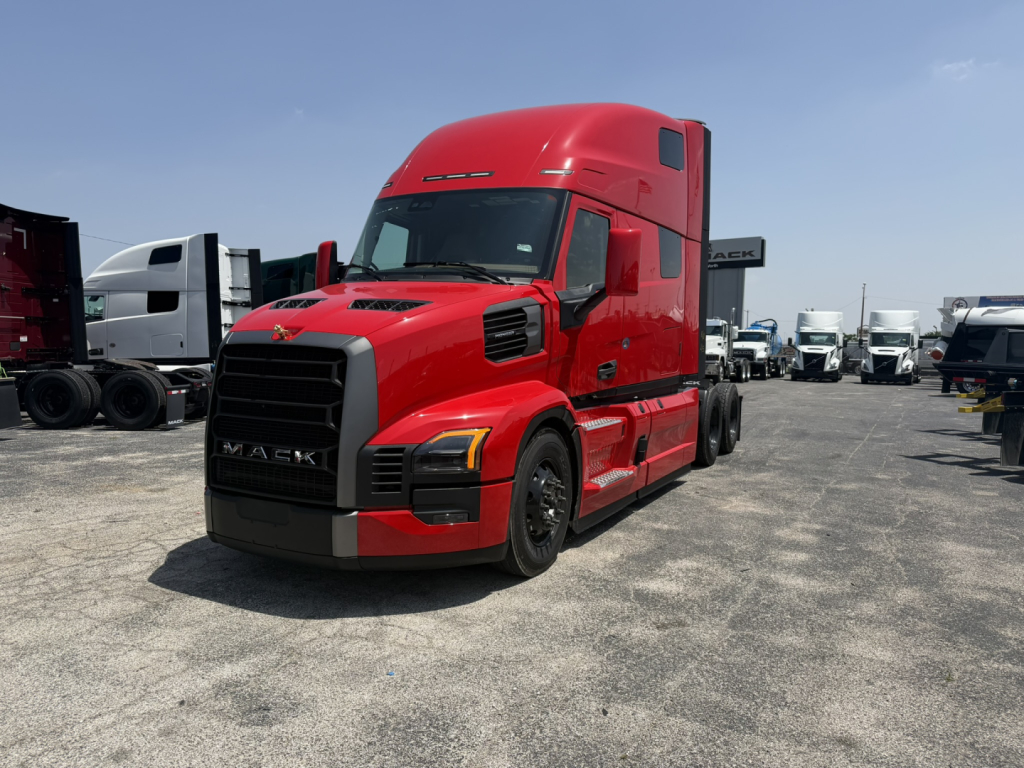
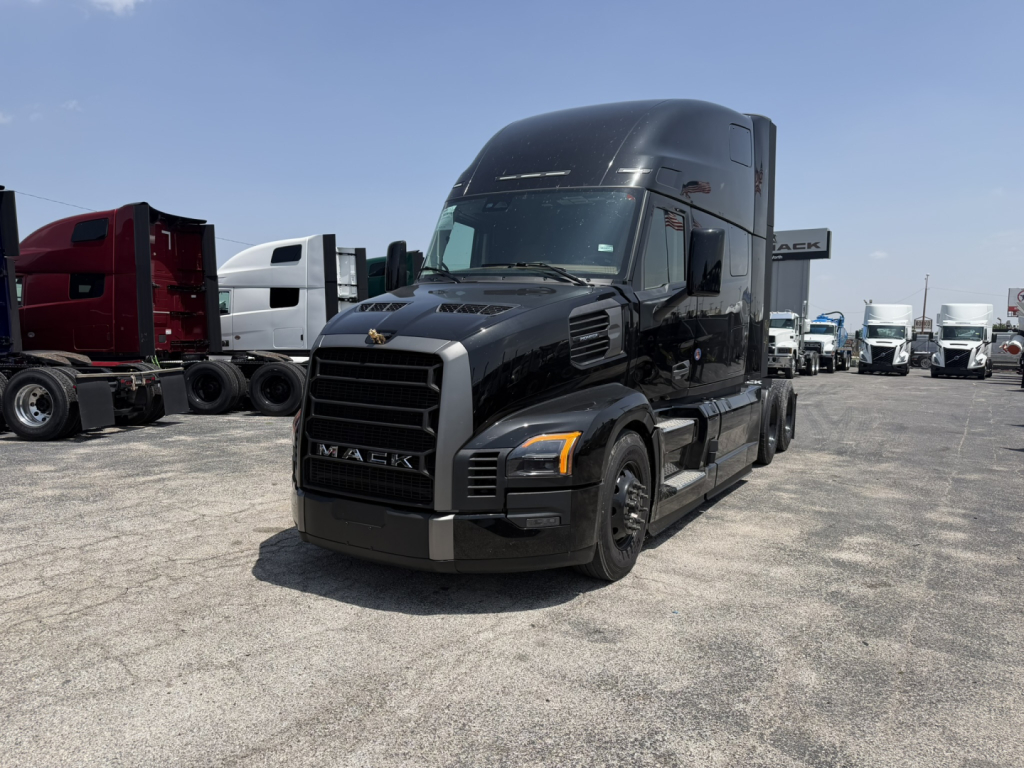
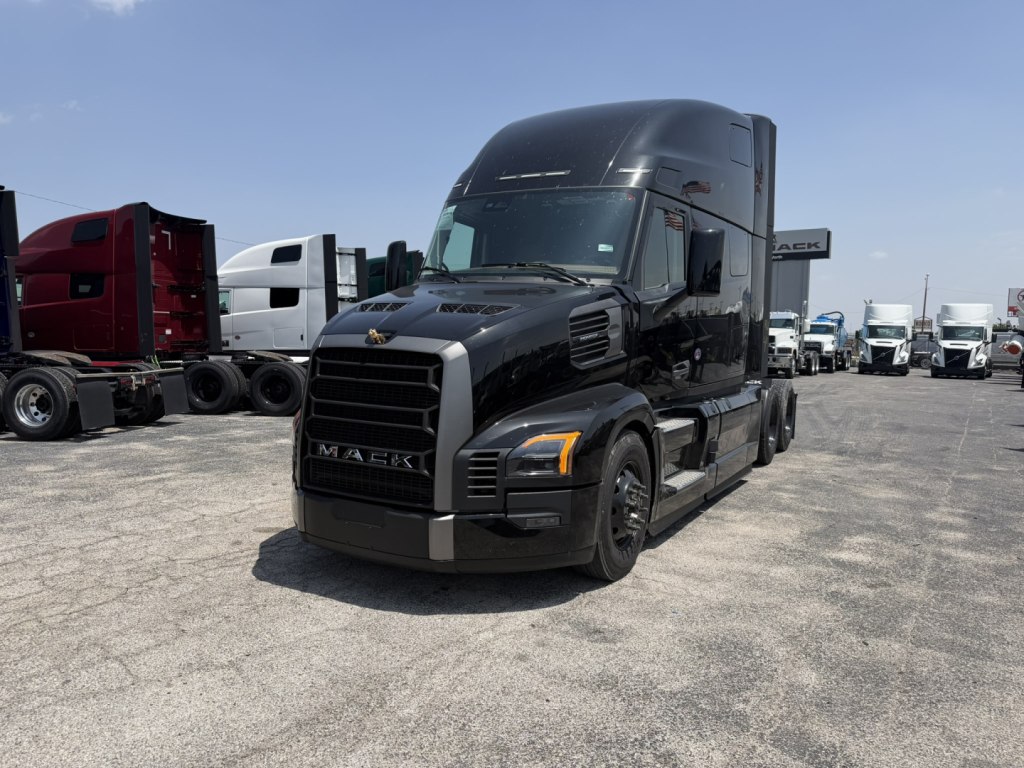
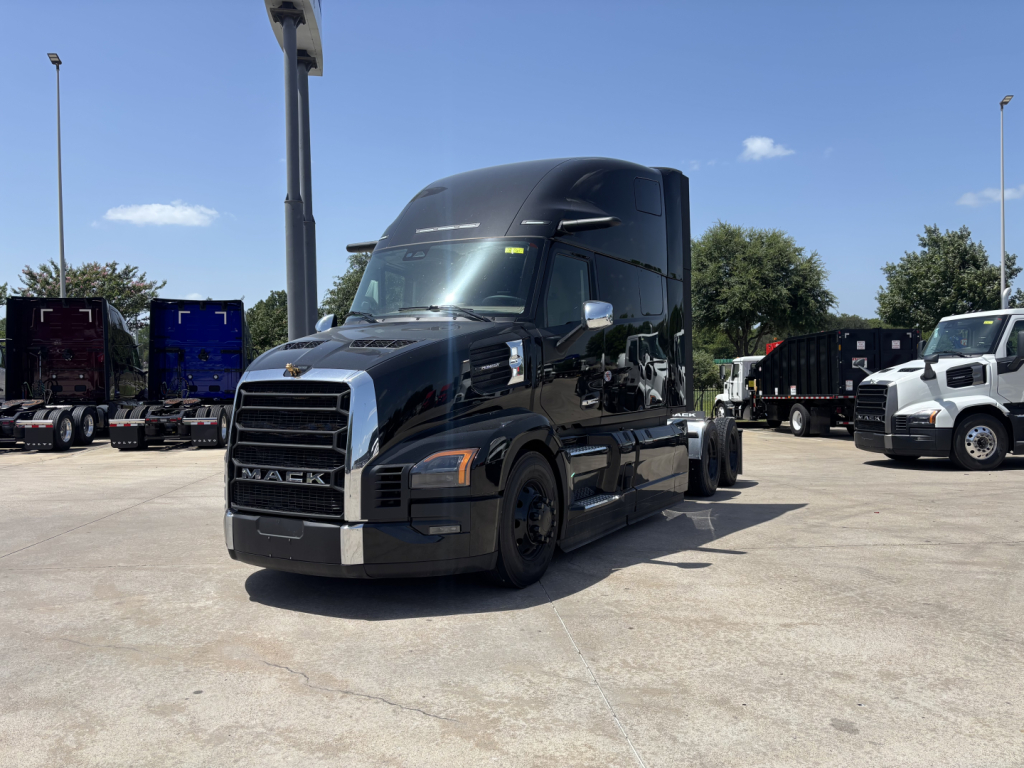
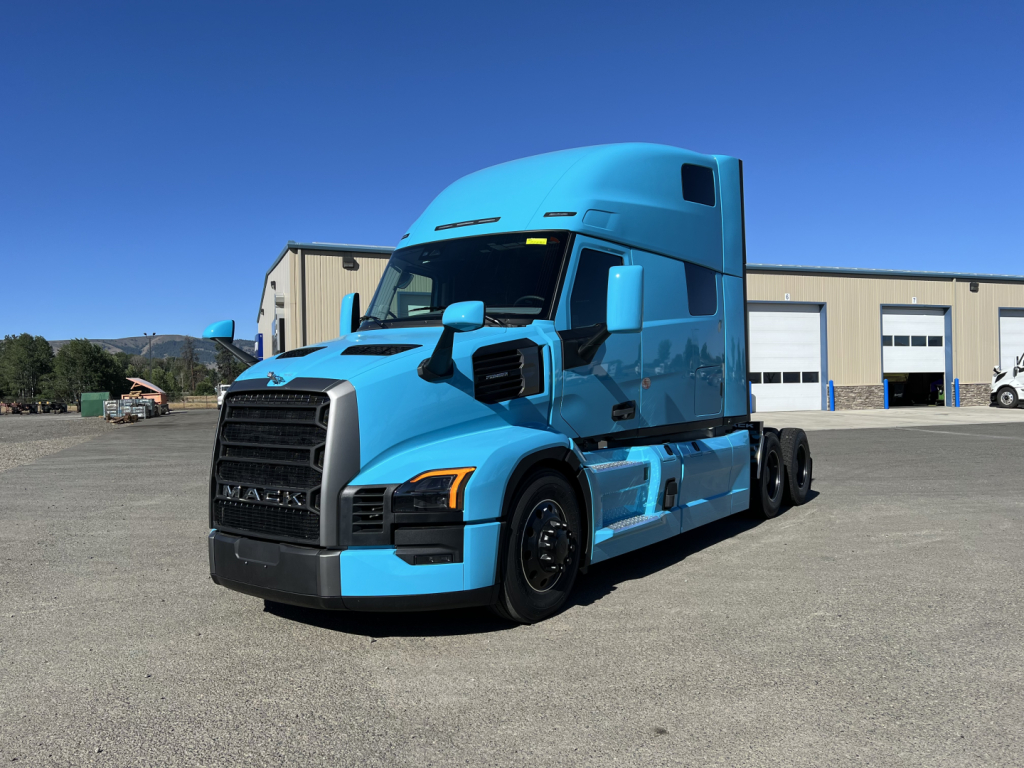
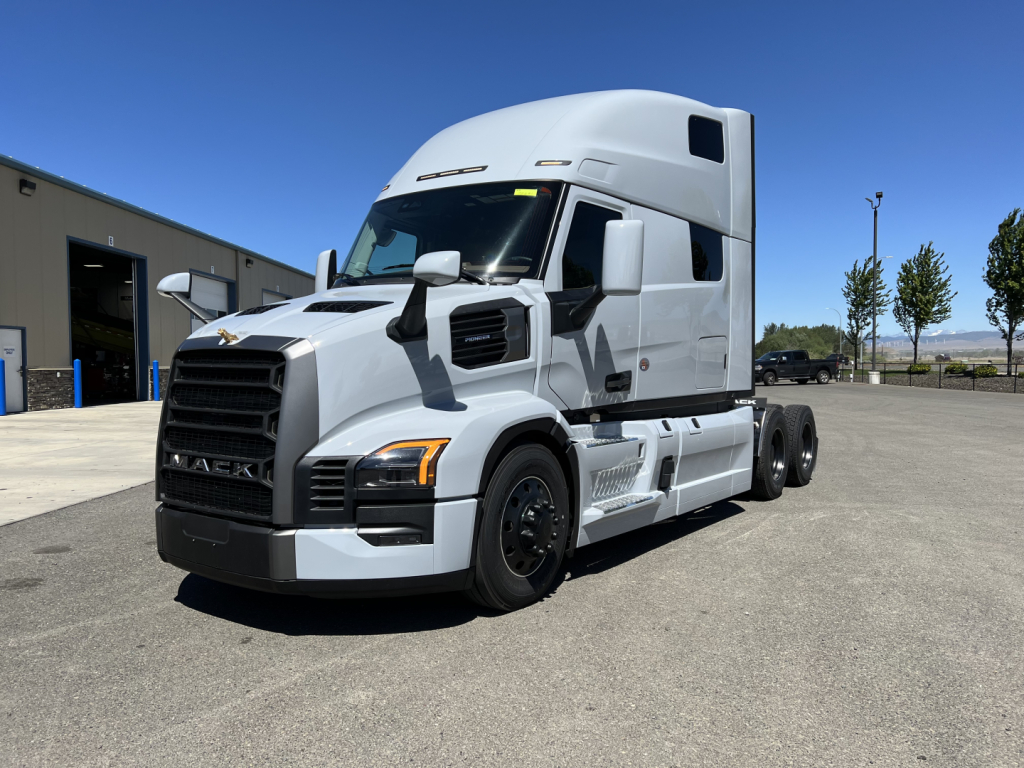
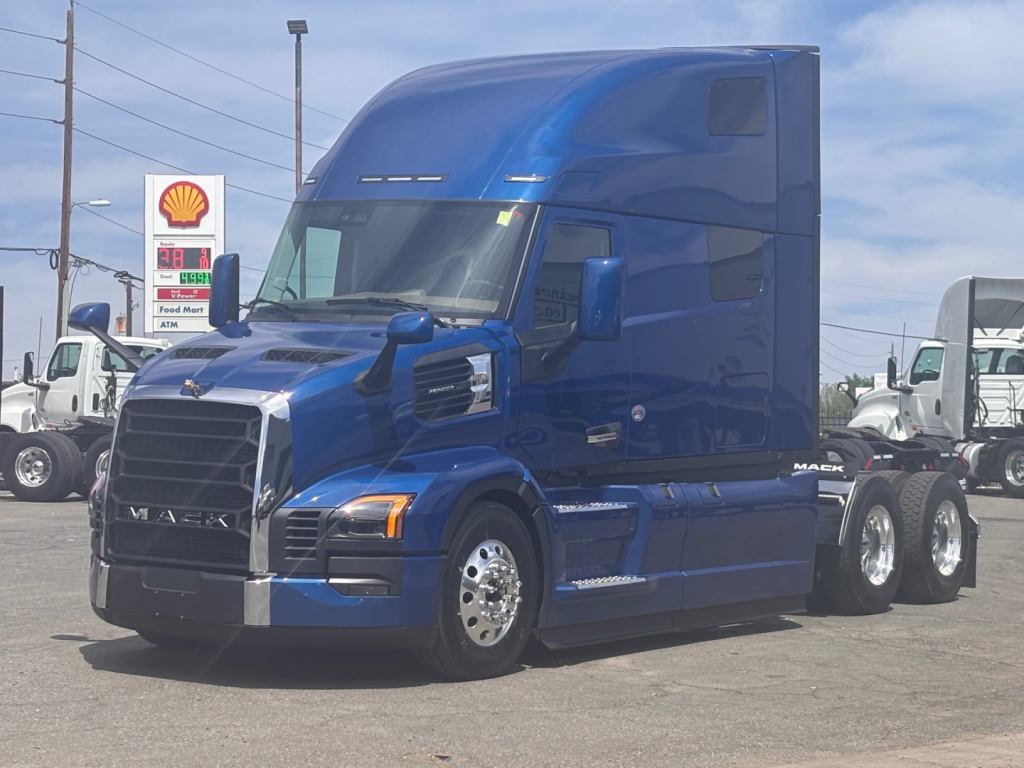
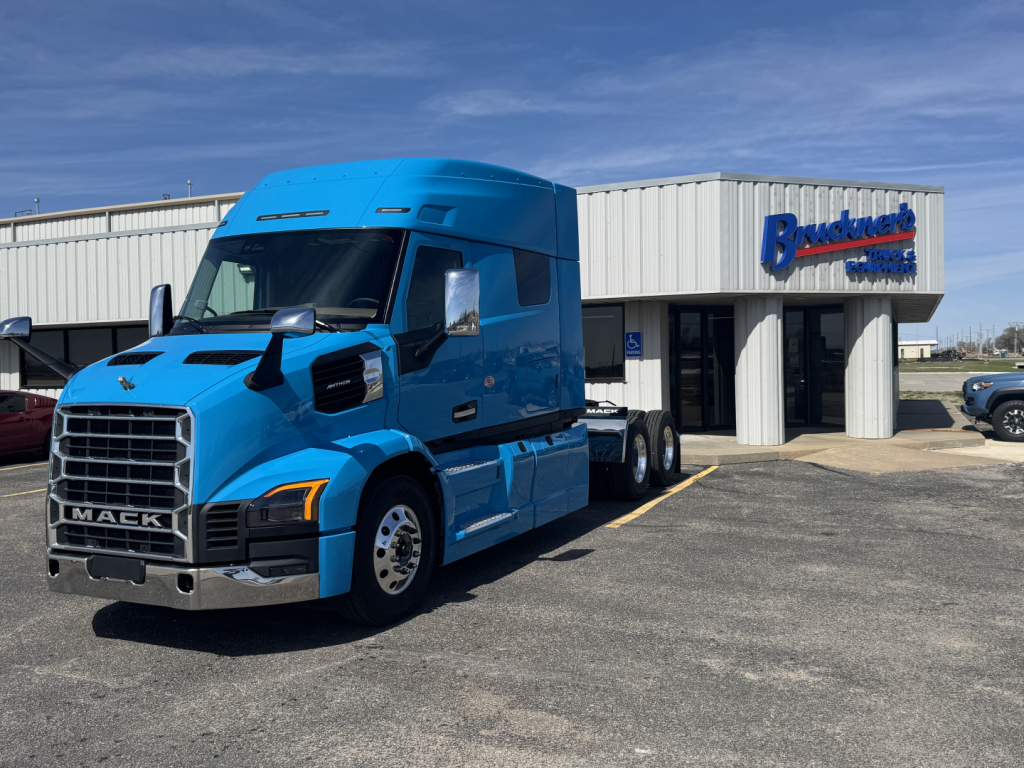
Showing 1 to 28 of 30 results
Selling a 2027 mack conventional sleeper truck? List your 2027 mack conventional sleeper truck for sale and reach thousands of commercial buyers.
2027 Mack Conventional Sleeper Trucks
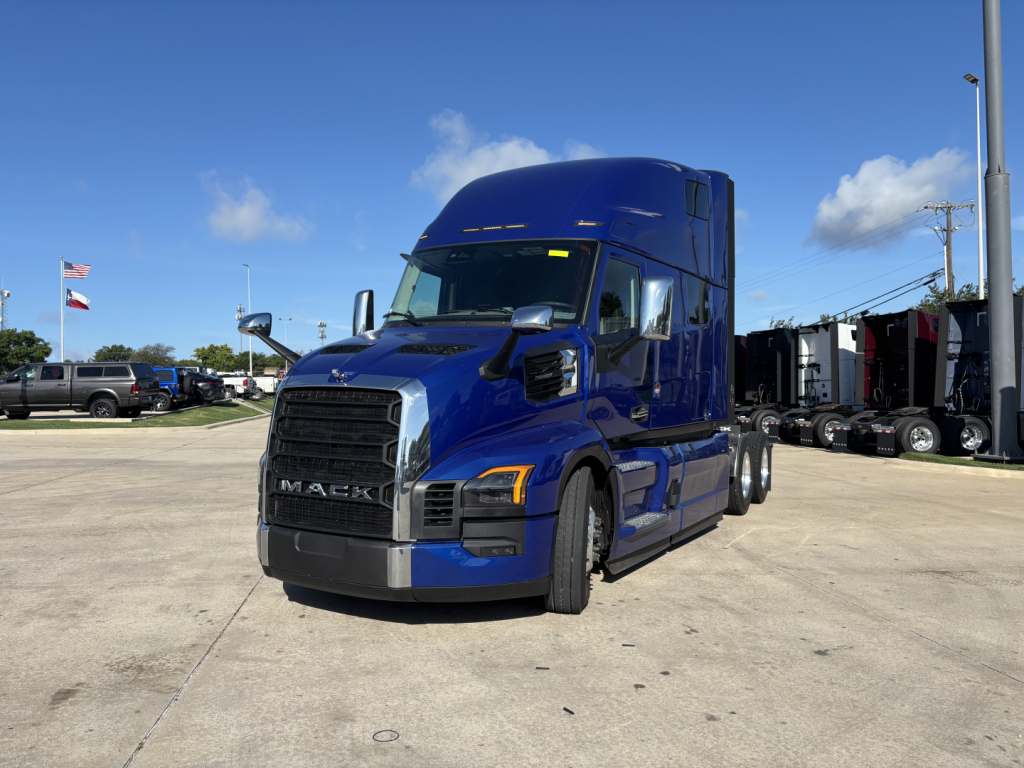
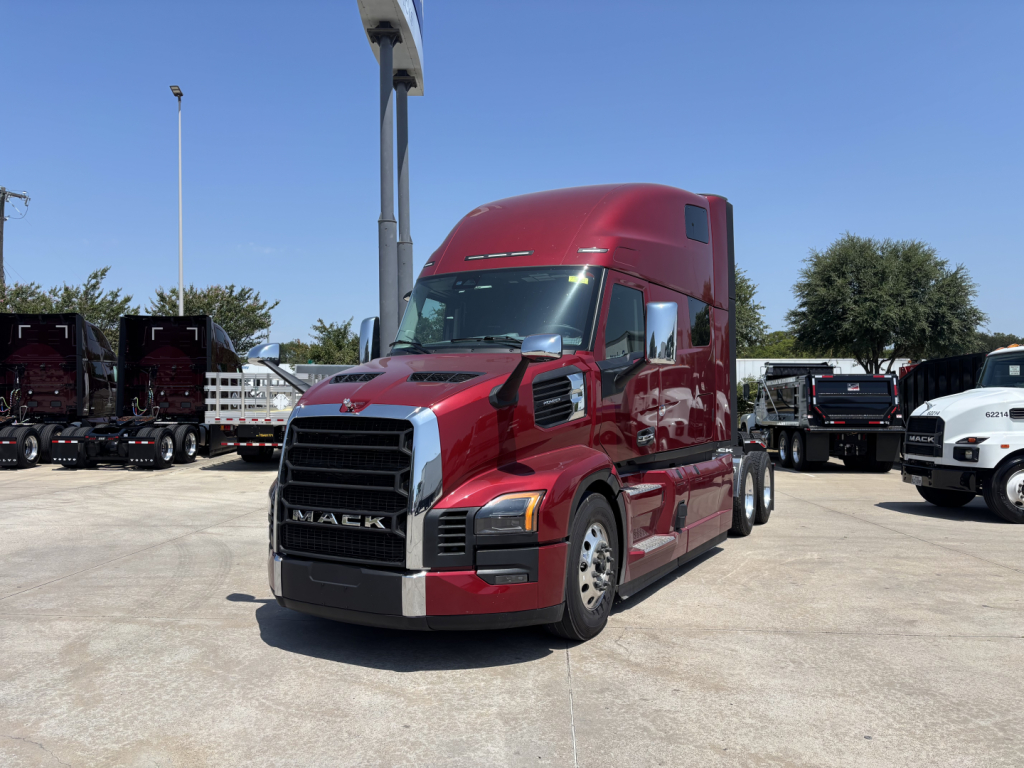
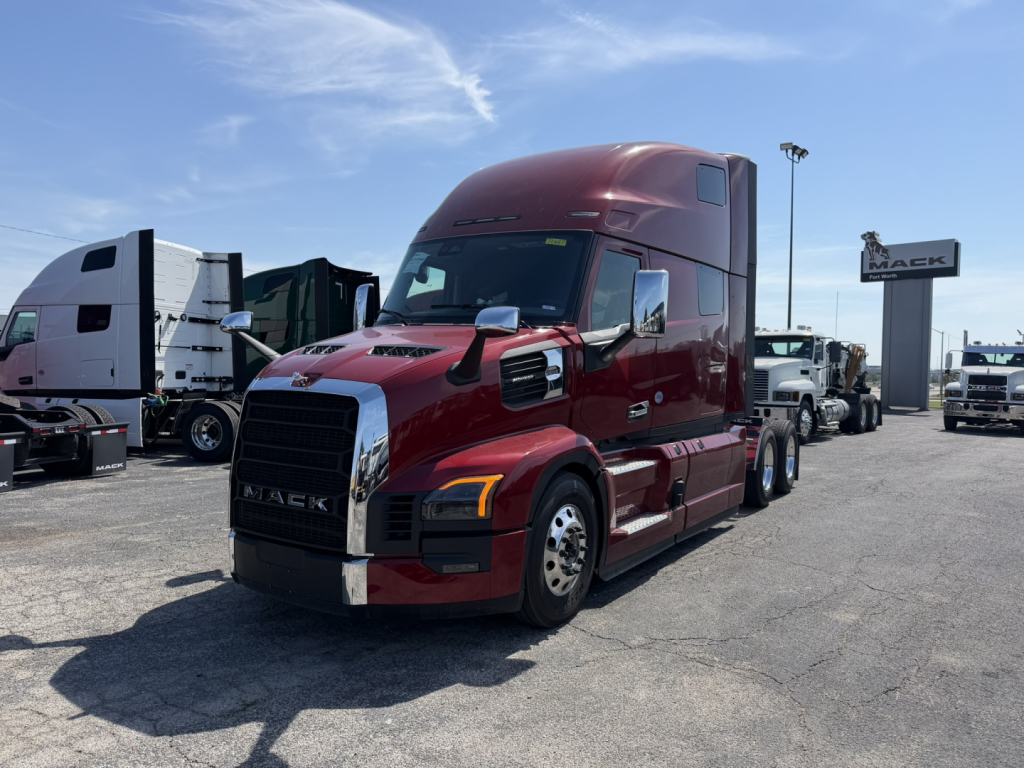
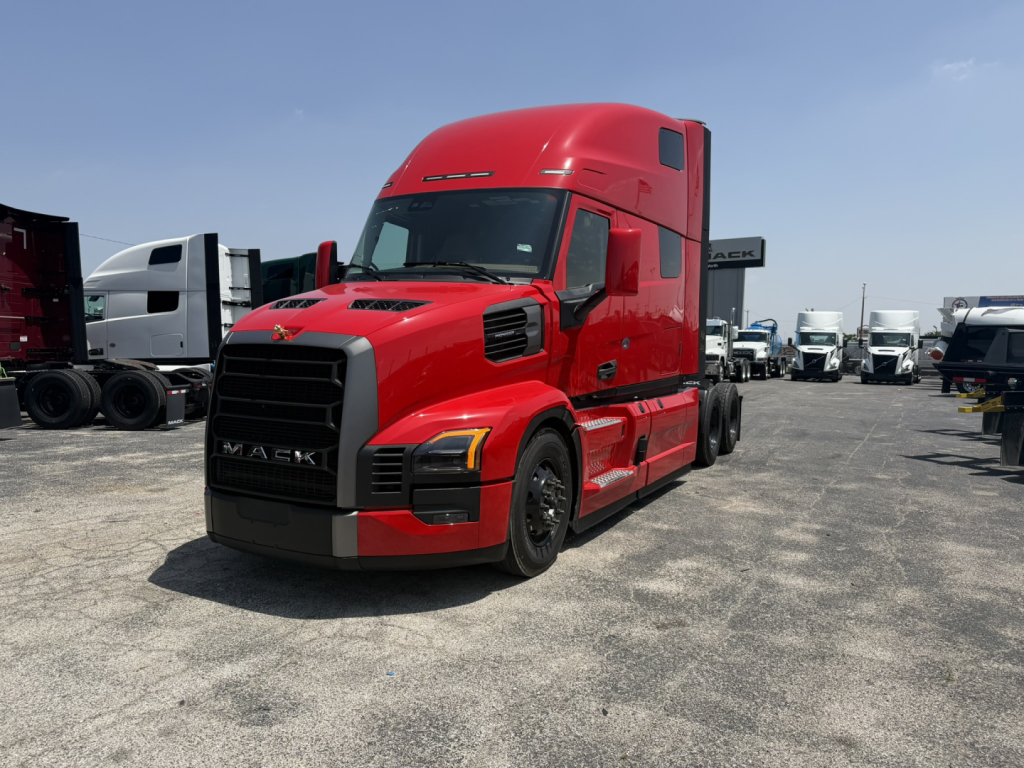
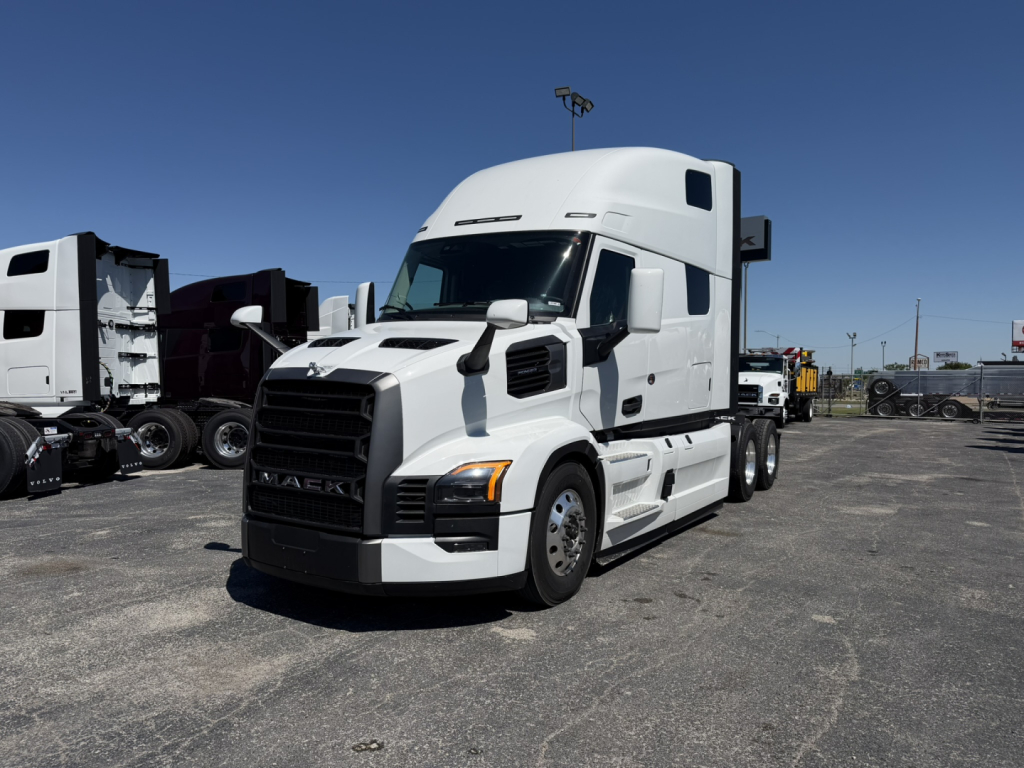
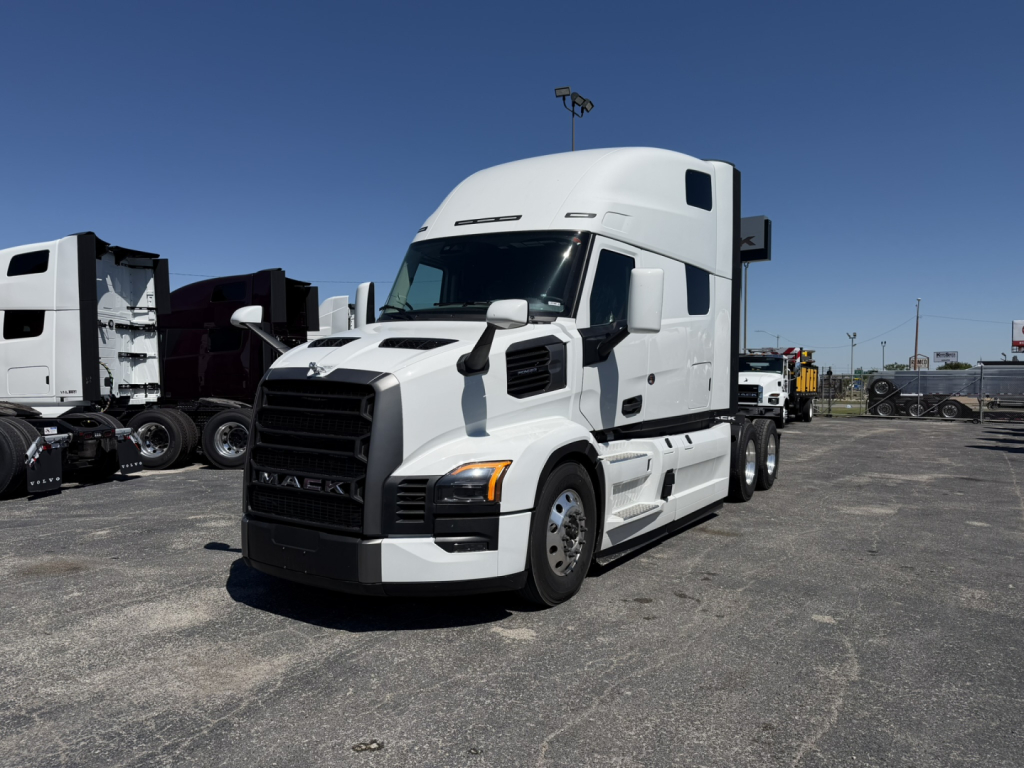
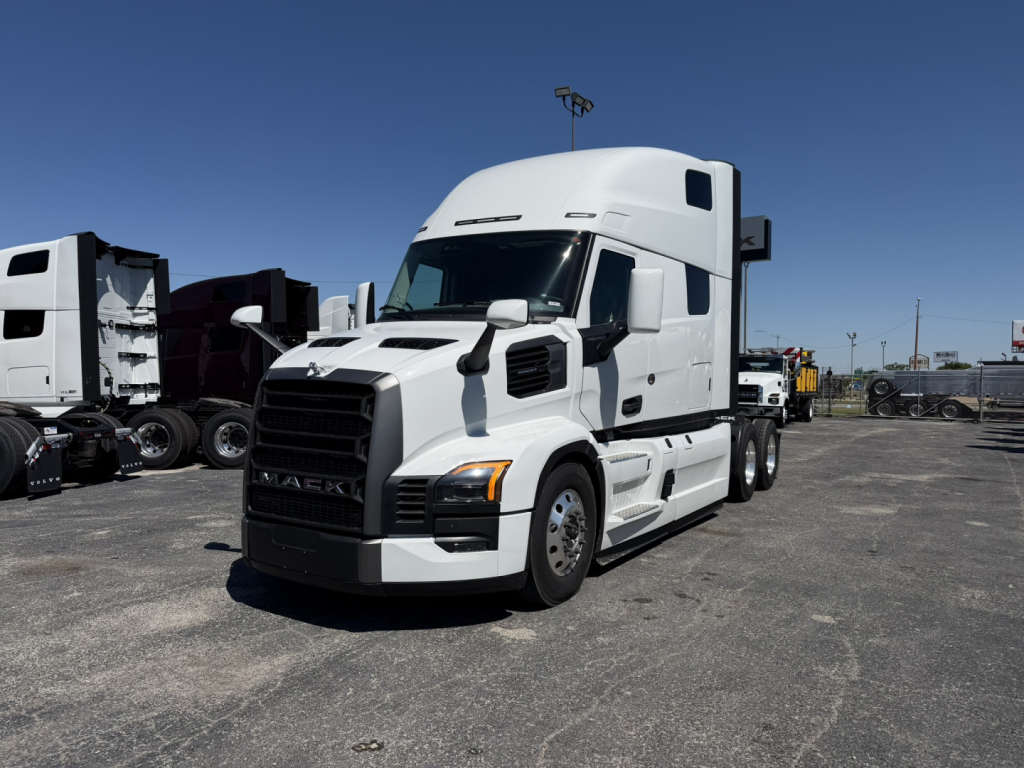
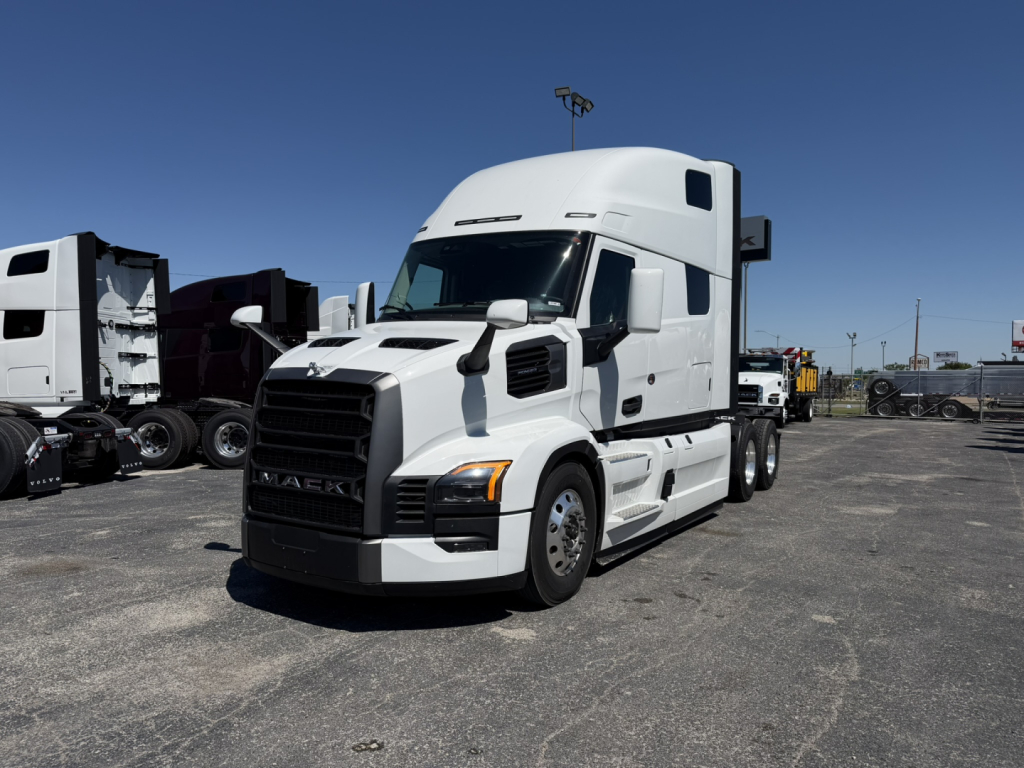
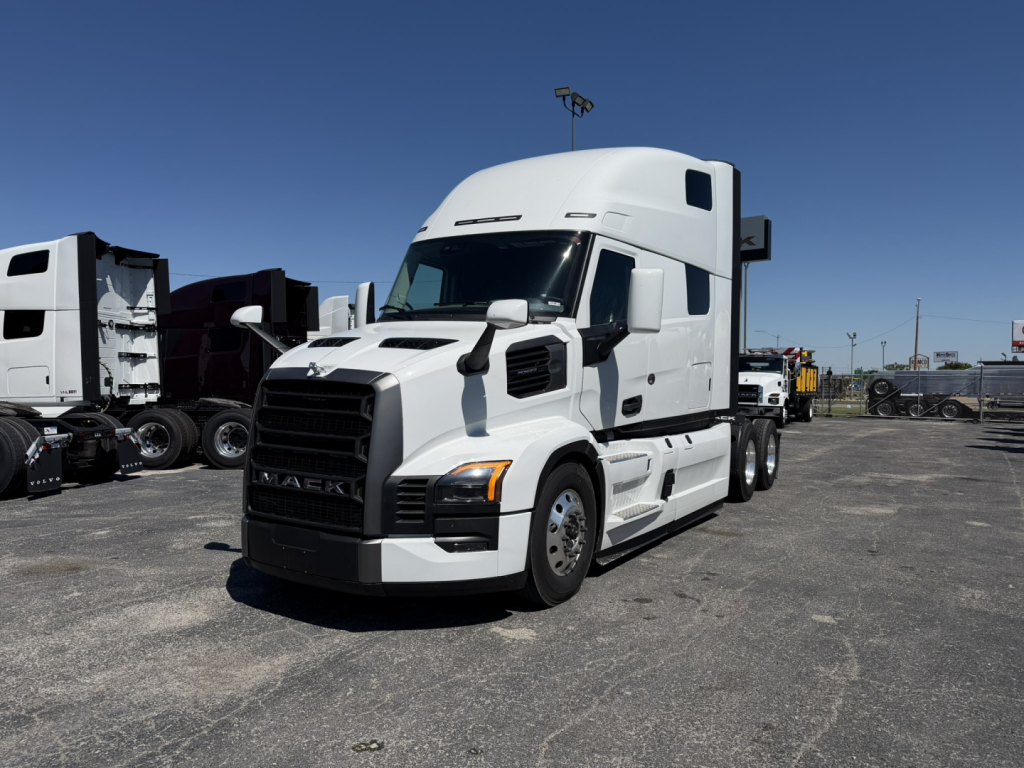
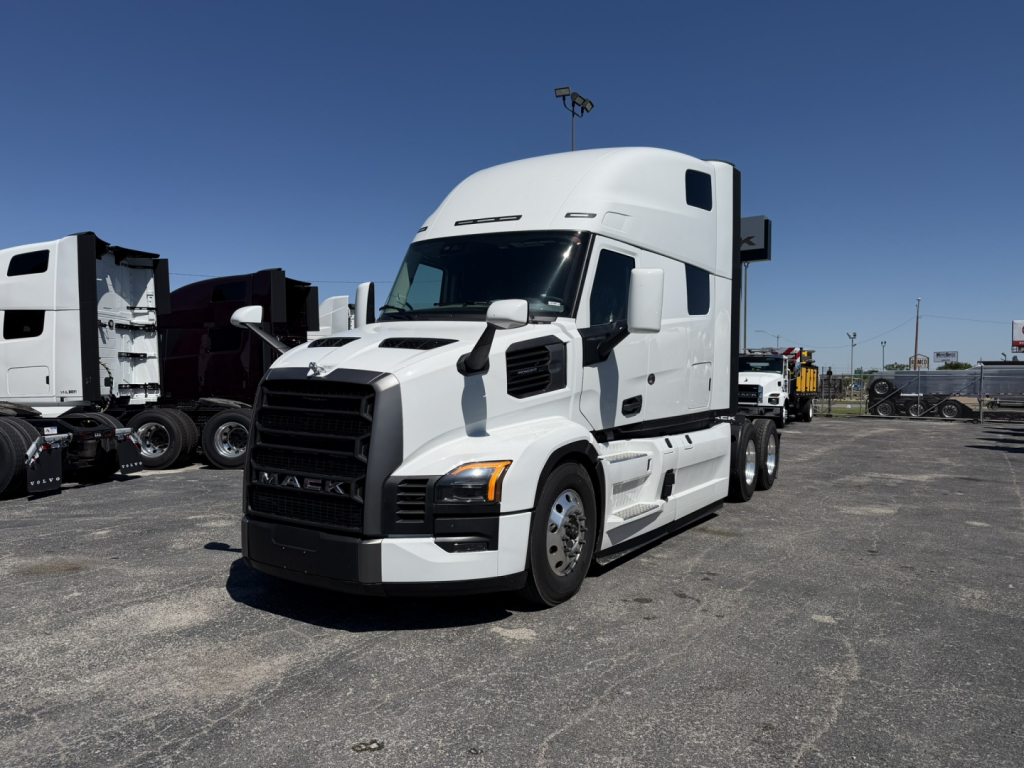
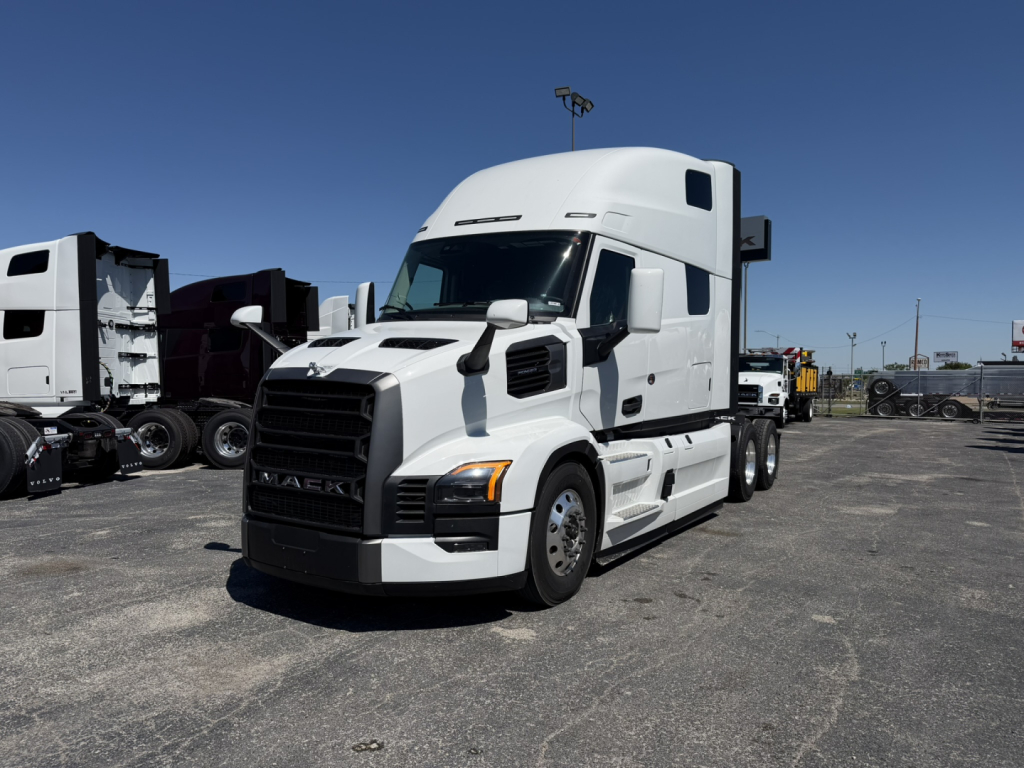
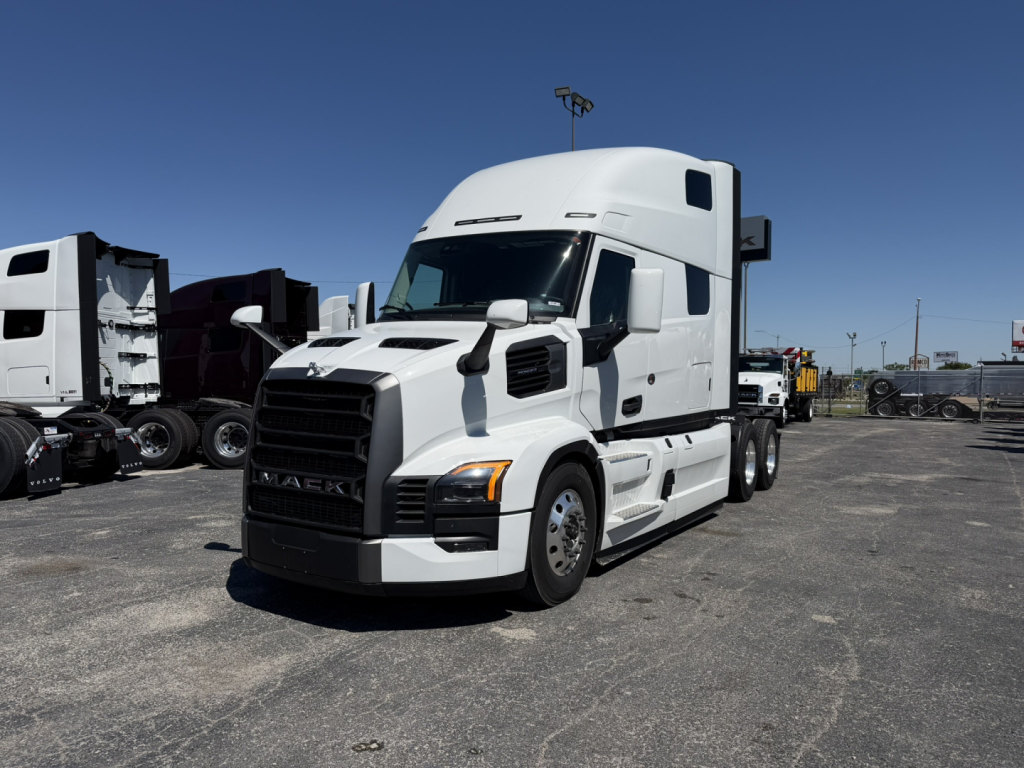
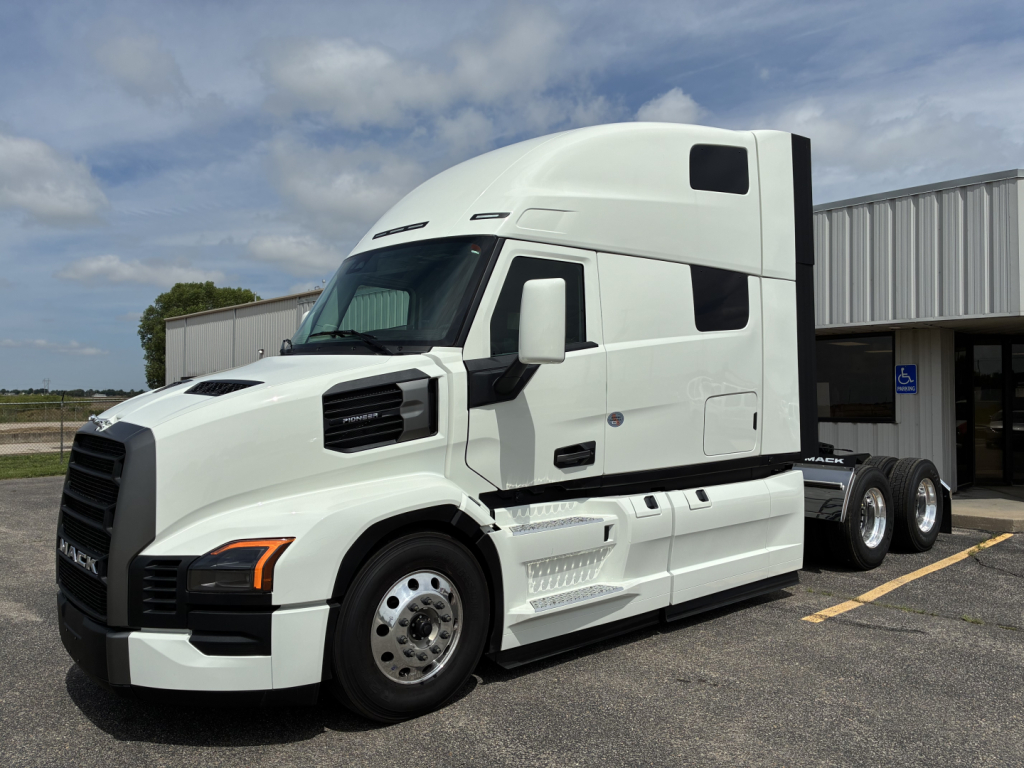
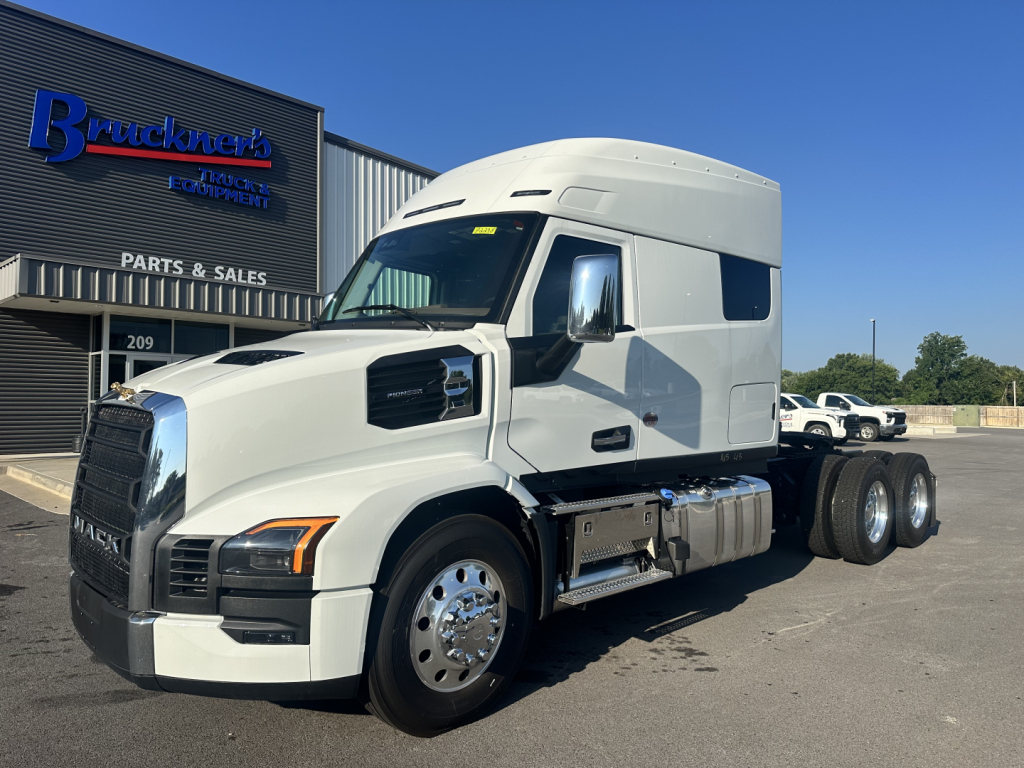
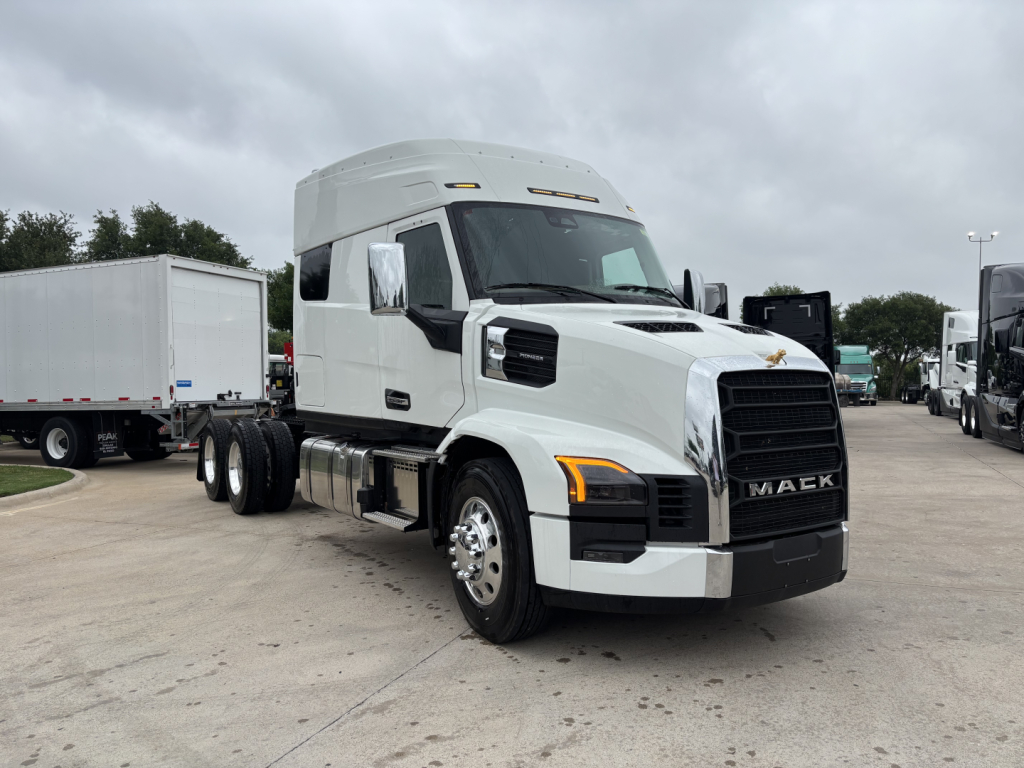
Sleeper configuration matters as much as horsepower in this class. Many Mack conventional sleepers are equipped with a 76-inch high-roof sleeper, which gives a driver enough room for true over-the-road use instead of short layovers only. Buyers should pay close attention to bunk layout, storage, inverter setup, parking heater and cooler, and whether the truck includes an APU or idle reduction package. Premium trims may add upgraded seats, expanded sleeper controls, high-output HVAC, and integrated comfort features that directly affect retention on long runs. On the chassis side, fuel capacity often lands in the 225 to 250 gallon range split across dual tanks, and wheelbase, fairings, and sliding fifth wheel position all play a role in trailer compatibility and aerodynamic performance.
Spec decisions on a Mack sleeper should start with the lane and the freight. A fleet pulling dry vans or reefers over long interstate routes may prioritize aero packages, adaptive cruise, and optimized rear axle ratios for fuel mileage. Heavy or mixed-freight operations may lean toward higher horsepower ratings, full locking differentials, and more aggressive driveline specs for gradeability and traction. Disc brakes are increasingly common in this category and can be a strong value point for stopping performance and service consistency. Buyers should also review suspension spec, front axle capacity, tire package, and driver-assist systems like lane support, collision mitigation, backup camera prep, and traffic sign recognition, especially if the truck will run high annual miles or operate under stricter fleet safety standards.
Mack conventional sleepers appeal to buyers who want a highway tractor with a durable vocational brand reputation behind it. They are also known as sleeper trucks, sleeper semis, or road tractors with sleepers. The best way to compare listings in this category is not by year and mileage alone, but by engine rating, transmission version, sleeper equipment, axle ratio, brake package, and total driver comfort spec. A well-matched 2027 Mack conventional sleeper can lower fatigue, improve fuel performance, and fit a fleet’s maintenance plan better than a cheaper truck with the wrong drivetrain or cab configuration.
Frequently Asked Questions about 2027 Mack Conventional Sleeper Trucks
What engine and transmission are common in a 2027 Mack conventional sleeper?
A common setup is the Mack MP13 diesel engine paired with the Mack mDRIVE automated transmission. In this category, horsepower often ranges from the mid-400s into the 500-horsepower range, depending on the intended application. That drivetrain is widely chosen for over-the-road freight because it offers strong torque, consistent shifting, and better fuel-efficiency management than many manually shifted specs in mixed-driver fleets.
Is a 76-inch high-roof sleeper the right choice for long-haul work?
For most over-the-road operations, a 76-inch high-roof sleeper is a strong fit because it provides enough living space for multi-day runs, rest breaks, and onboard storage. It also leaves room for features like upper bunks, integrated control panels, inverters, parking heaters, and parking coolers. Fleets running regional lanes may not need a large sleeper, but long-haul carriers usually see real value in the extra space and driver comfort.
What should buyers compare besides price on a Mack sleeper truck?
Price should be weighed against the full operating spec. Important comparison points include engine horsepower and torque, transmission model, rear axle ratio, wheelbase, fuel capacity, suspension, brake type, and fifth wheel setup. Driver-focused equipment also matters, including seat quality, bunk design, HVAC, idle reduction equipment, and safety systems. Two trucks that look similar on paper can have very different operating costs and driver acceptance depending on how they were ordered.
Are disc brakes and driver-assist systems worth it on a conventional sleeper?
For many fleets, yes. Full air disc brakes can improve stopping consistency, reduce brake fade concerns, and simplify some service planning compared with traditional drum setups. Driver-assist features such as adaptive cruise control, lane support, collision mitigation, and camera systems can also support safety goals and reduce fatigue on long interstate runs. These systems do not replace the driver, but they can add measurable value in high-mile applications.
What freight applications fit a Mack conventional sleeper best?
This category is best suited for highway freight such as dry van, refrigerated, and general tandem-axle tractor work. Depending on the exact powertrain and axle spec, a Mack sleeper can also handle heavier regional or mixed-freight applications where durability and traction matter. The key is matching the truck’s horsepower, torque, axle ratio, and sleeper equipment to the route length, trailer type, and payload profile instead of buying strictly by appearance or badge.