
2027 Mack Conventional Sleeper Trucks For Sale in Washington
Shop 2027 Mack conventional sleeper trucks in Washington. Compare Anthem and Pioneer specs, sleeper sizes, powertrain choices, and highway features.
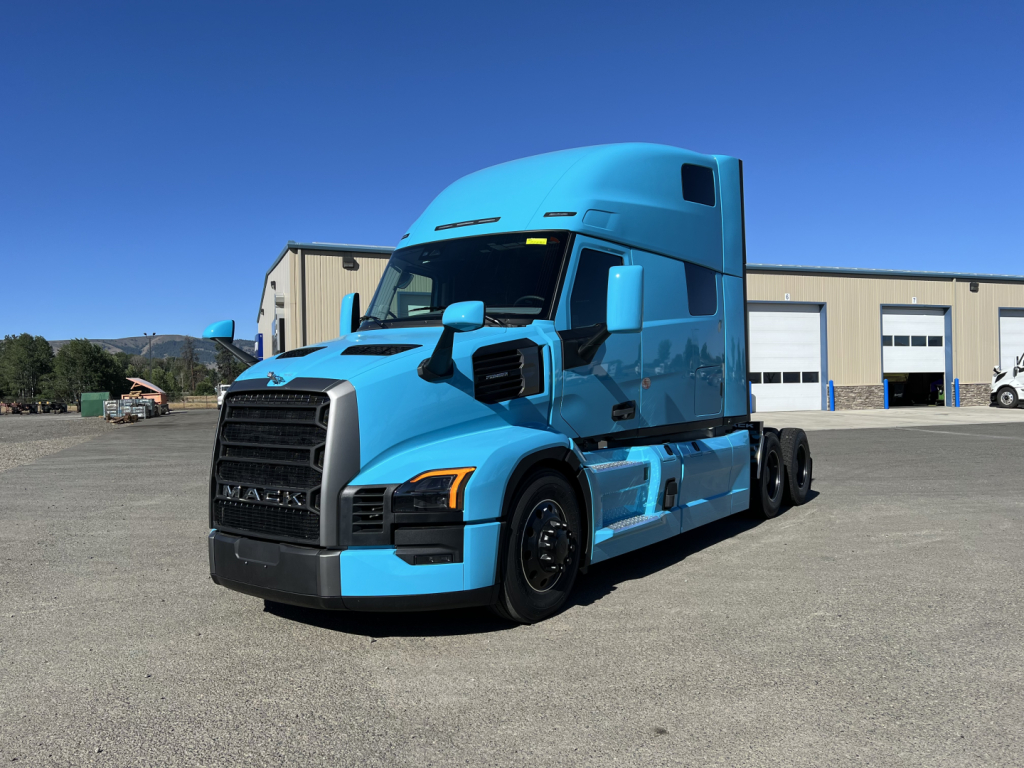
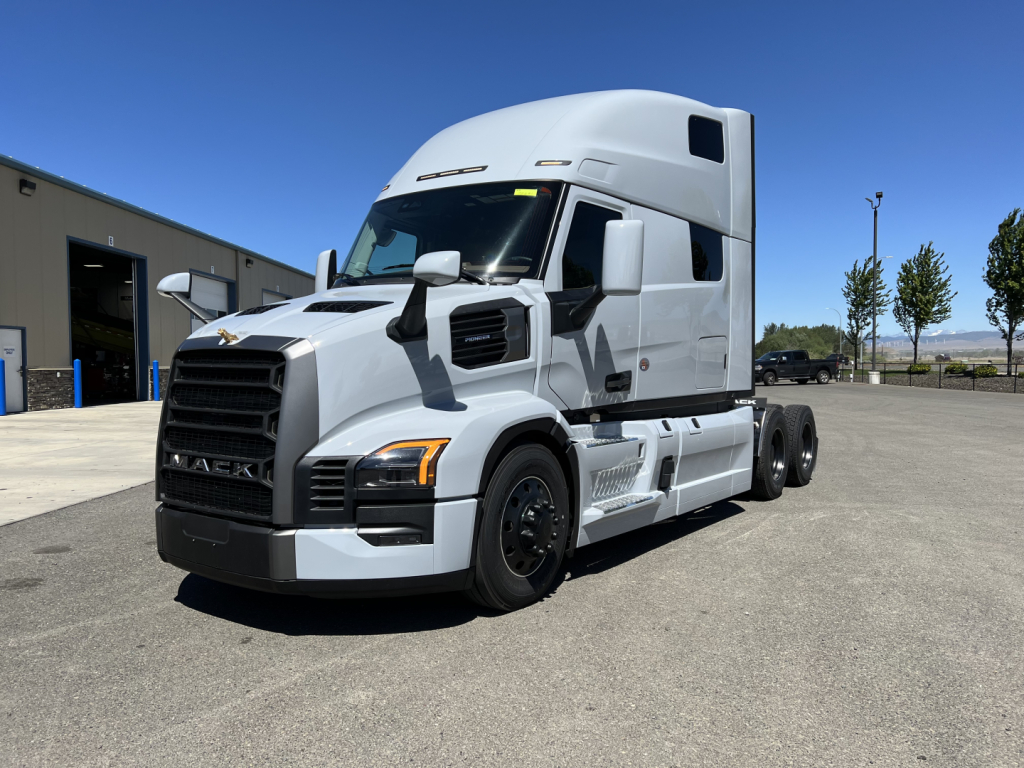
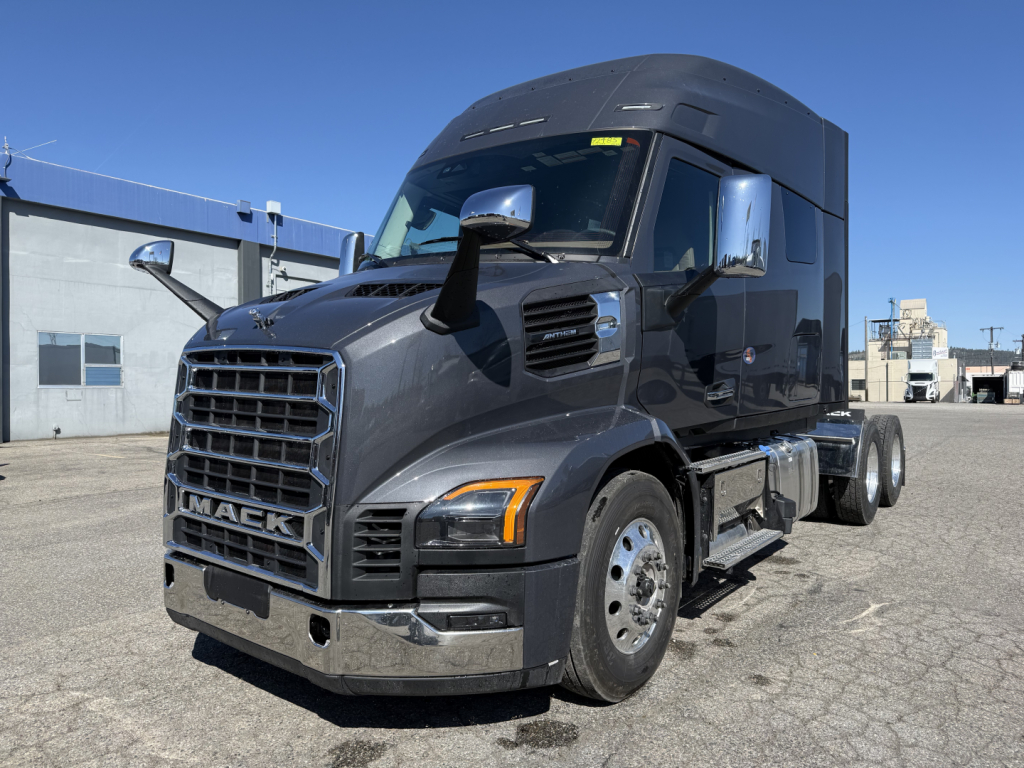
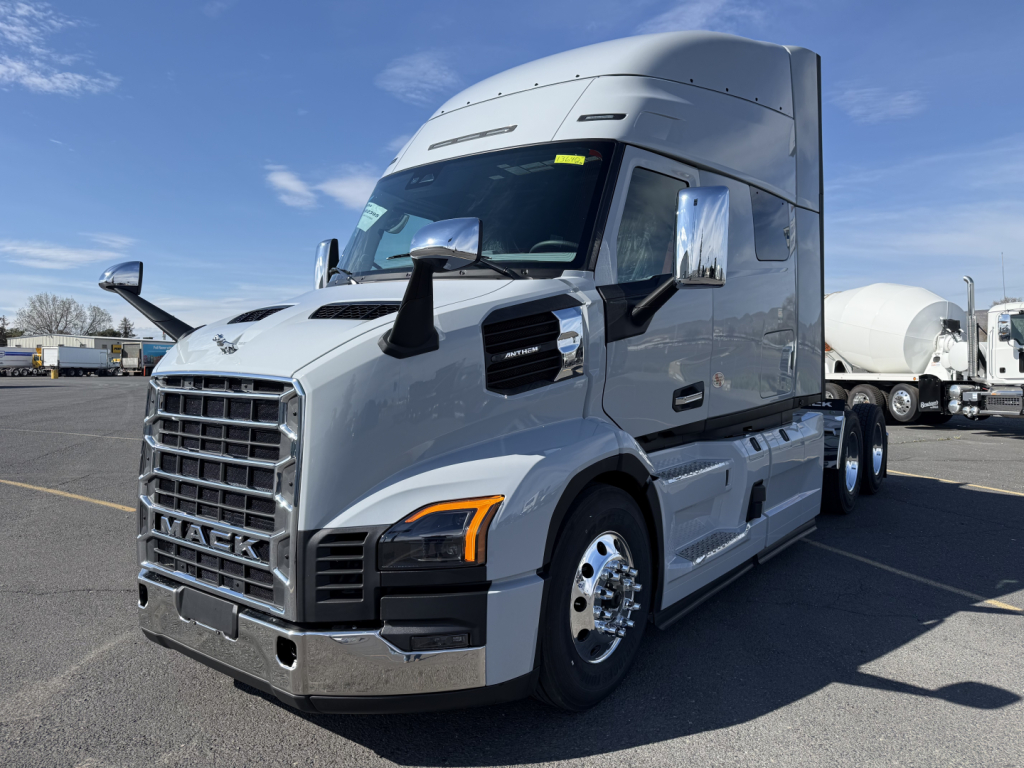
Selling a 2027 mack conventional sleeper truck? List your 2027 mack conventional sleeper truck for sale and reach thousands of commercial buyers.
2027 Mack Conventional Sleeper Trucks in Washington
Powertrain decisions carry most of the buying weight in this class. Many Mack sleeper tractors are spec'd with the MP13 engine in ratings that fit heavy interstate freight, often paired with the mDRIVE automated manual transmission. Buyers comparing listings should pay close attention to horsepower and torque ratings, rear axle ratio, wheelbase, and GCWR, because those numbers determine how the truck will perform with your trailer mix and operating terrain. For Washington buyers, mountain grades, cross-state linehaul, and mixed weather conditions make details like differential lock, engine brake performance, and fuel capacity especially relevant. Dual tanks in the 200-plus gallon range are common on sleeper specs intended for long stretches between fuel stops.
The sleeper itself is more than a comfort option. It affects route flexibility, driver acceptance, and resale. Common Mack conventional sleeper layouts include mid-roof and raised-roof cabs with single or double bunk arrangements, along with practical highway features such as refrigerators, inverters, parking heaters, shore power, and upgraded insulation packages. Interior spec can vary widely from a basic fleet trim to a premium owner-operator setup with leather seating, enhanced infotainment, and storage upgrades. If team driving or extended overnight use is part of the job, bunk design, HVAC performance, and cab room deserve as much attention as engine spec.
On the chassis side, buyers should evaluate suspension rating, front and rear axle capacities, tire size, and driver-assist equipment. Conventional sleeper tractors in this class are often ordered with features like air ride suspensions, command steering systems, backup cameras, collision mitigation technology, and premium seat packages to reduce fatigue on long runs. Mack’s appeal in the conventional sleeper segment comes from integrated components, straightforward serviceability, and strong vocational durability carried into a highway platform. A well-matched 2027 Mack sleeper should fit your freight lanes, trailer weights, and driver expectations without forcing compromises on comfort or operating cost.
Frequently Asked Questions about 2027 Mack Conventional Sleeper Trucks in Washington
What is a Mack conventional sleeper truck used for?
A Mack conventional sleeper truck is primarily used for long-haul and regional over-the-road freight where the driver needs an integrated sleeping compartment behind the cab. These tractors are commonly matched with dry vans, reefers, flatbeds, and other semitrailers for interstate freight movement. Compared with a day cab, a sleeper adds route flexibility for overnight trips and can improve driver retention on operations that spend multiple days away from the terminal.
What Mack models are common in the 2027 conventional sleeper category?
The most common Mack models in this category are the Anthem and the newer Pioneer-spec highway tractors, depending on how the truck is listed and configured. Both are conventional highway tractors with aerodynamic styling, tandem drive axles, and sleeper accommodations, but exact sleeper size, wheelbase, and equipment can vary significantly. Buyers should verify the model designation, cab configuration, and full chassis spec sheet rather than relying only on the badge.
What specs matter most when comparing Mack sleeper tractors?
The key specs are engine rating, transmission, axle ratio, wheelbase, axle capacities, suspension, and fuel capacity. A truck with an MP13 and mDRIVE may be ideal for heavy linehaul, but the right rear ratio and wheelbase still determine cruise RPM, turning radius, and trailer compatibility. Sleeper size, bunk setup, inverter, refrigerator, and parking HVAC are also important because they directly affect driver comfort and time on the road.
Are Mack conventional sleeper trucks a good fit for Washington operations?
They are a strong fit for Washington operations because many routes involve mountain grades, long interstate stretches, and variable weather that reward a stable chassis and a properly spec'd powertrain. Buyers running through the Cascades or hauling heavier freight should pay attention to horsepower, torque, engine brake strength, differential lock, and fuel range. Visibility, traction-related features, and cold-weather cab equipment can also be valuable for year-round service in the region.
How do I choose between a fleet-spec sleeper and a premium sleeper configuration?
A fleet-spec sleeper usually focuses on lower upfront cost, standardized maintenance, and core driver essentials, while a premium sleeper adds convenience and comfort features that can matter on longer runs. Items such as a double bunk, refrigerator, inverter, upgraded seats, enhanced audio, parking heater, and shore power may improve driver satisfaction and reduce idle time. The better choice depends on haul length, driver turnover, and whether the truck is assigned to one operator or rotated across a fleet.