
2027 Mack Conventional Sleeper Trucks For Sale in Kansas
Shop 2027 Mack conventional sleeper trucks in Kansas. Compare MP13 power, mDRIVE specs, sleeper sizes, aero packages, and highway setups.
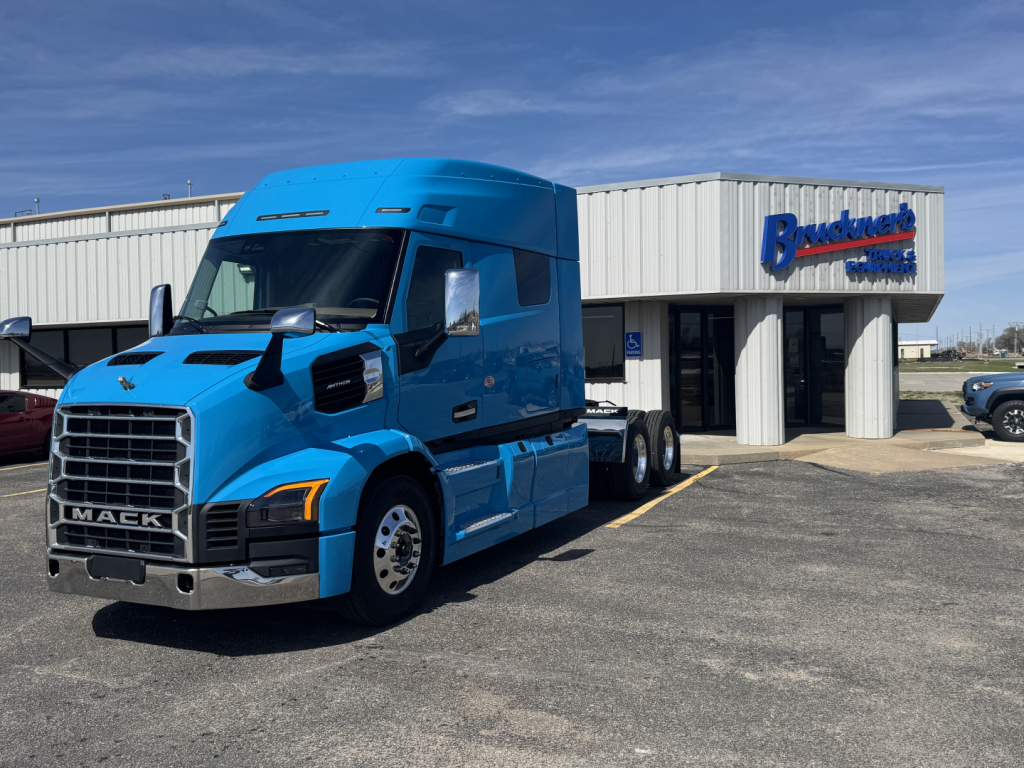
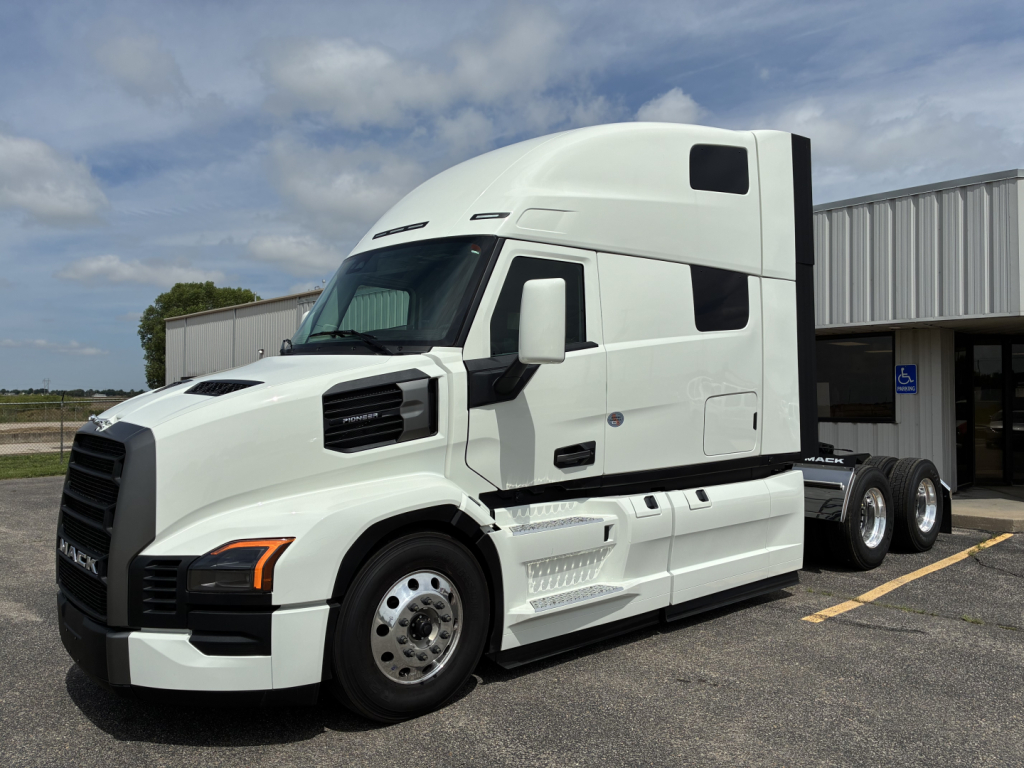
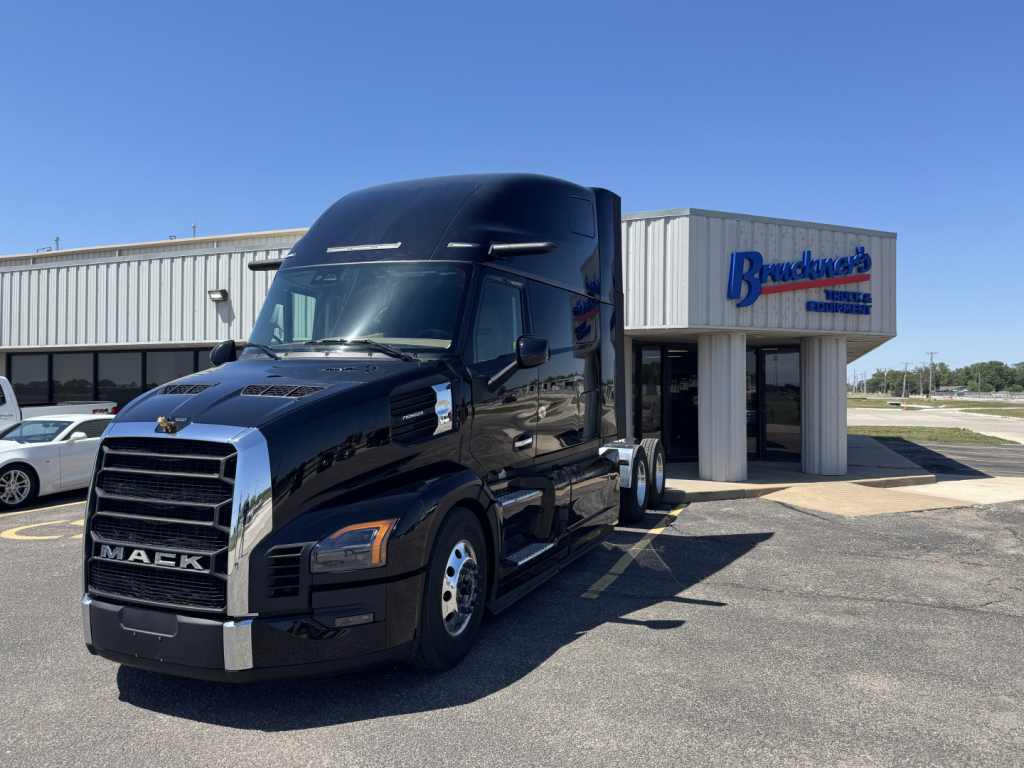
Selling a 2027 mack conventional sleeper truck? List your 2027 mack conventional sleeper truck for sale and reach thousands of commercial buyers.
2027 Mack Conventional Sleeper Trucks in Kansas
The main spec decision starts with the powertrain. Many 2027 Mack sleeper trucks in this class are equipped with the Mack MP13 diesel, often rated from the mid-400 HP range up to 515 HP, with torque around 1,850 lb-ft for highway pulling and fuel-conscious cruise speeds. Mack’s mDRIVE automated manual transmission is common in this segment, usually in a 12-speed overdrive setup designed to reduce driver fatigue and keep the engine in an efficient RPM band. Rear axle ratios such as 2.85 are typical for linehaul use, especially when paired with aerodynamic packages and full disc brakes. A buyer comparing listings should pay attention to axle ratings, suspension type, and exact drivetrain calibration, because two trucks with similar horsepower can behave very differently depending on gearing, tire spec, and software setup.
Sleeper layout and cab equipment matter just as much as the engine if the truck will stay on the road for multiple nights at a time. High-roof sleepers give better stand-up room, more storage, and a more livable bunk area for team or solo operations. Common features in late-model Mack conventional sleepers include diesel-fired bunk heaters, parking coolers, premium interior trim, air-ride seating, inverter prep, advanced infotainment, and safety technology such as adaptive cruise control, lane support, and collision mitigation features. On newer highway trucks, buyers should also look for details like dual fuel tanks, battery capacity, integrated idle-reduction equipment, and aerodynamic options that directly affect route range and operating cost.
For a buyer sorting through 2027 Mack conventional sleeper trucks for sale, the best value usually comes from matching the spec to the freight. A 445 HP to 515 HP MP13 with mDRIVE and a light, aero-focused 6x4 setup is a strong fit for dry van and reefer service at 80,000-pound GCW. Heavier or more demanding lanes may justify a different ratio or suspension package. Check front axle capacity, rear axle brand and rating, brake type, sleeper size, warranty status, and whether the truck is built for pure highway haul or a mixed regional duty cycle. Mack sleeper tractors are known for a solid balance of driver comfort, integrated powertrain control, and long-haul durability, but the small spec details are what determine fuel burn, drivability, and resale strength.
Frequently Asked Questions about 2027 Mack Conventional Sleeper Trucks in Kansas
What engine and transmission are common in a 2027 Mack conventional sleeper truck?
Most 2027 Mack conventional sleeper tractors in this category are spec'd with the Mack MP13 diesel and the Mack mDRIVE automated manual transmission. Horsepower often ranges from about 445 HP to 515 HP, with linehaul torque ratings around 1,850 lb-ft. The mDRIVE 12-speed overdrive setup is especially common on highway tractors because it helps with fuel economy, smoother shifting, and reduced driver fatigue on long runs.
What sleeper size is best for long-haul use?
For long-haul work, a high-roof sleeper in the 76-inch class is a popular choice because it gives the driver better standing room, more cabinet space, and a more usable bunk area for nights on the road. Smaller sleepers can still work well in regional service, but buyers running extended trips usually prefer the extra storage and comfort of a taller, larger sleeper. Interior trim level, bunk HVAC, and storage layout can matter as much as the listed sleeper length.
Is a 2.85 rear axle ratio good for a Mack sleeper tractor?
A 2.85 rear axle ratio is a common highway spec for fuel-efficient over-the-road service, especially when paired with an overdrive transmission and an aerodynamic tractor. It helps keep engine RPM lower at cruise speed, which can improve fuel economy on flatter lanes and steady interstate routes. The tradeoff is that buyers hauling heavier freight in hills or operating in more stop-and-go conditions may want to compare other ratios for better launch feel and grade performance.
What should buyers compare between similar Mack sleeper truck listings?
The most important comparison points are engine rating, transmission model, rear axle ratio, front and rear axle capacities, suspension type, brake package, wheelbase, and sleeper equipment. Two trucks can look nearly identical but have different operating costs and driver acceptance depending on their gearing, idle-reduction equipment, safety systems, and interior trim. Buyers should also review fuel tank capacity, tire spec, warranty coverage, and whether the truck was ordered for dedicated highway use or broader regional duty.
Are Mack conventional sleeper trucks a good fit for Kansas fleets and owner-operators?
They are a strong fit for Kansas operations because the spec commonly found in this category matches the freight profile many Midwest carriers run. Aerodynamic Mack sleepers with MP13 power and mDRIVE transmissions are well suited for interstate van and reefer lanes, where long stretches of highway reward fuel-efficient gearing and driver-comfort features. For fleets and owner-operators based in Kansas, that usually means a truck that can handle both regional freight and longer national runs without giving up highway efficiency.