
2026 Conventional Sleeper Trucks For Sale in Texas
Shop 2026 conventional sleeper trucks in Texas. Compare high-roof and mid-roof specs, powertrains, sleeper sizes, and long-haul features.
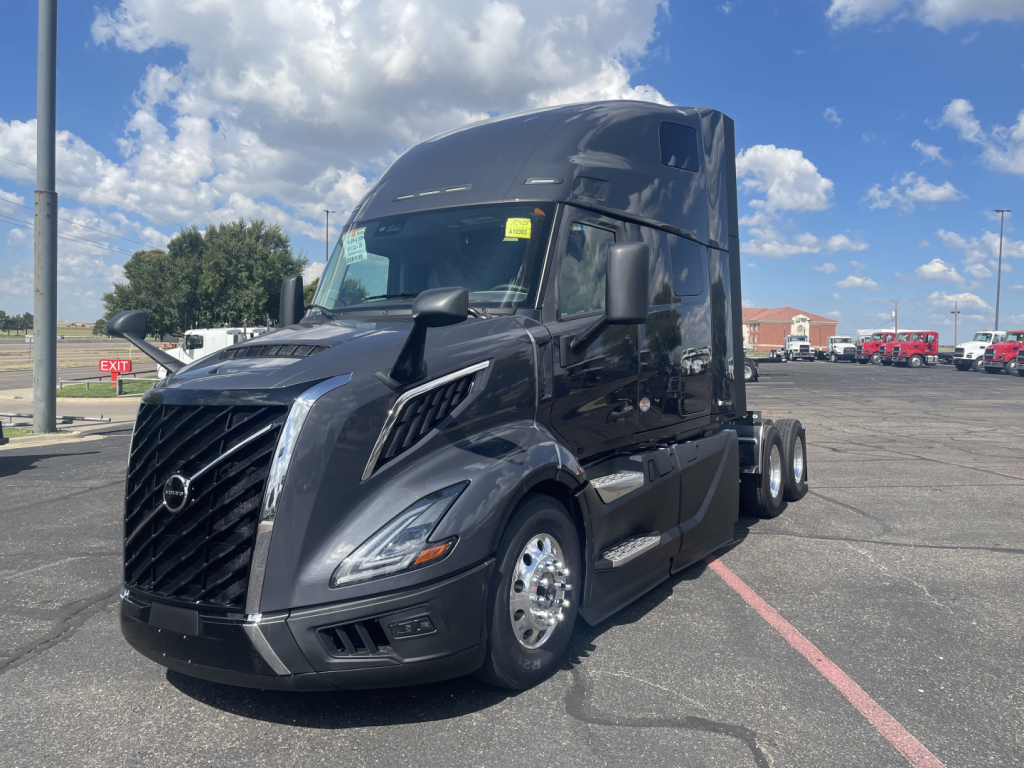
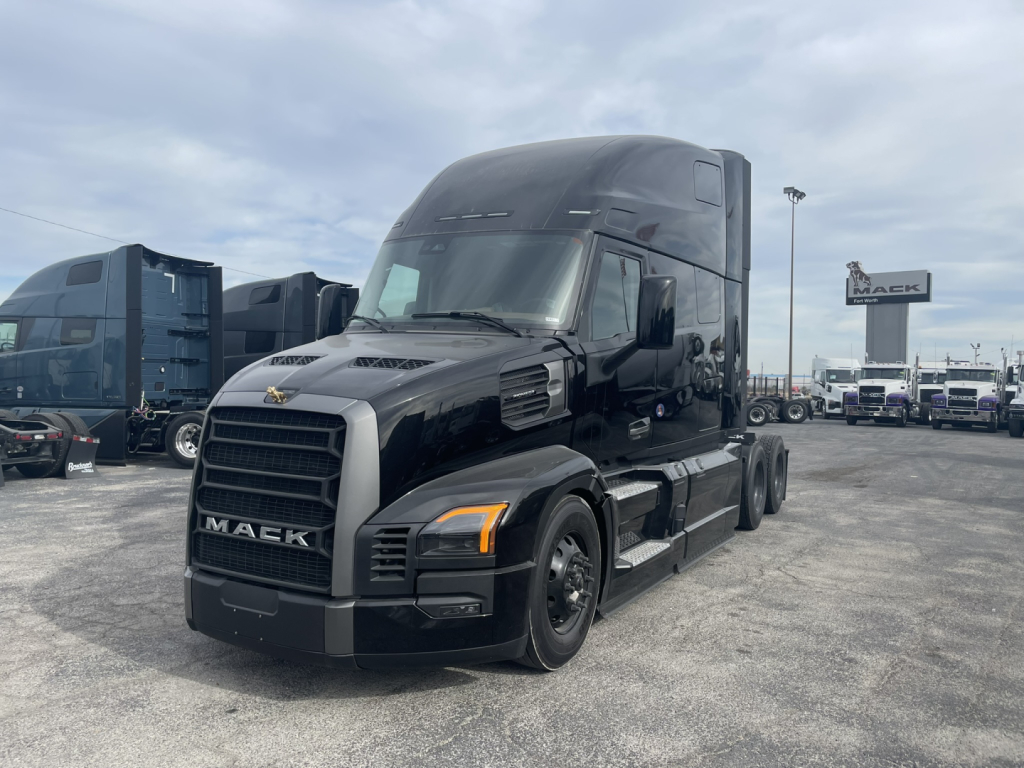
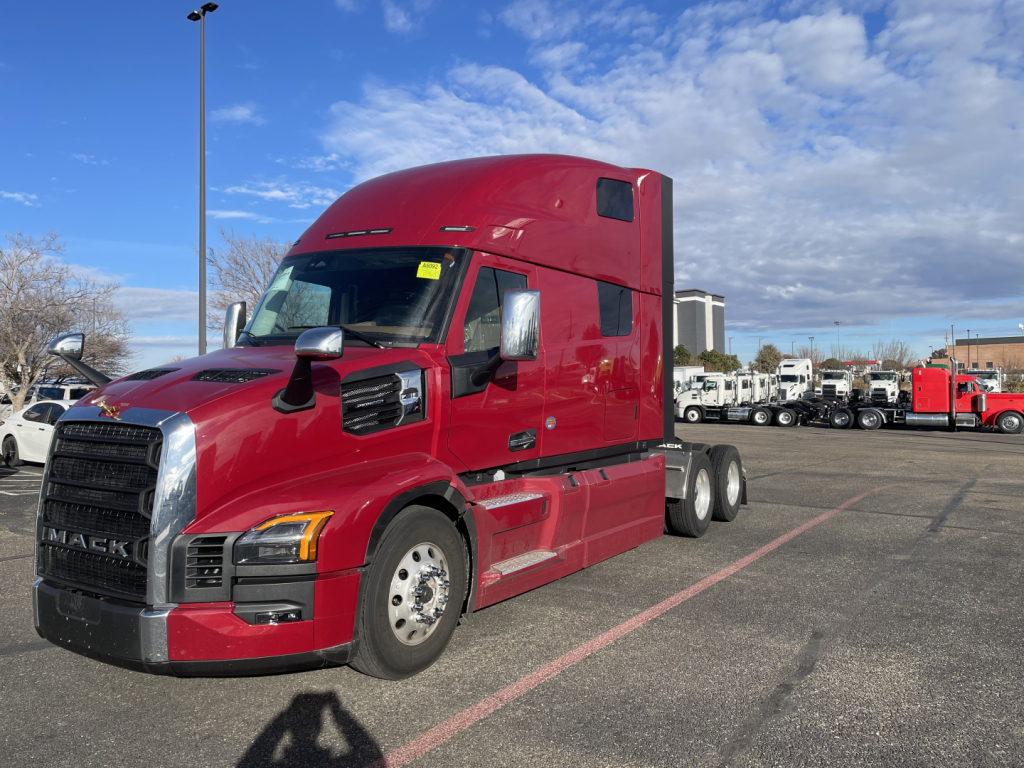
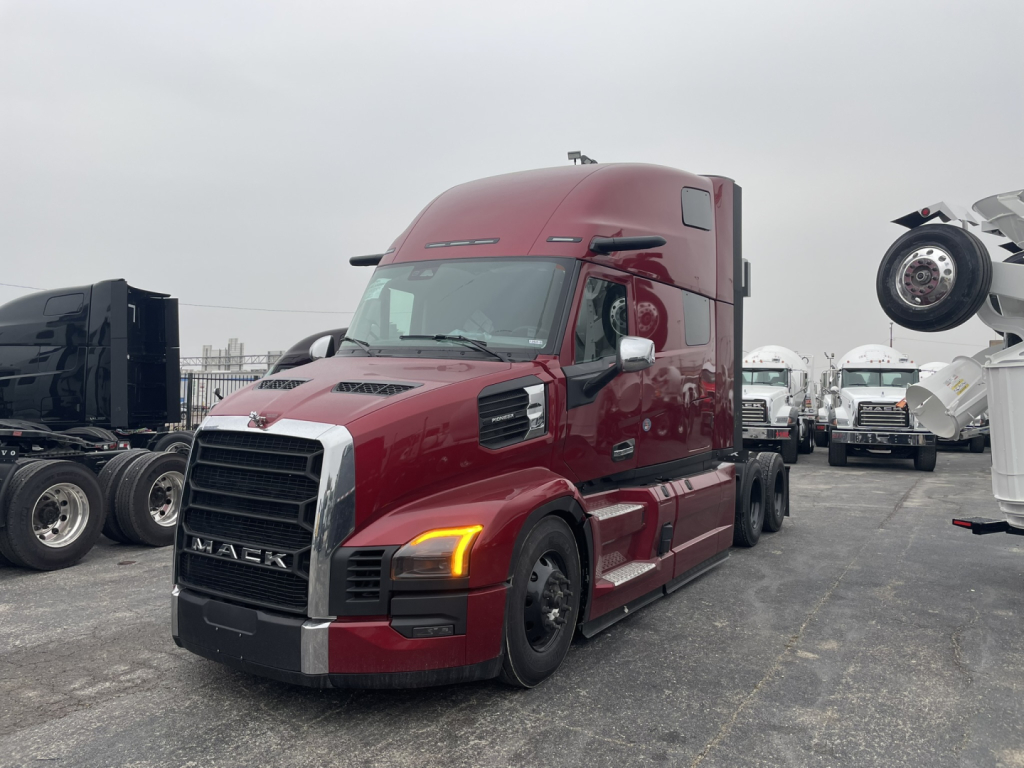
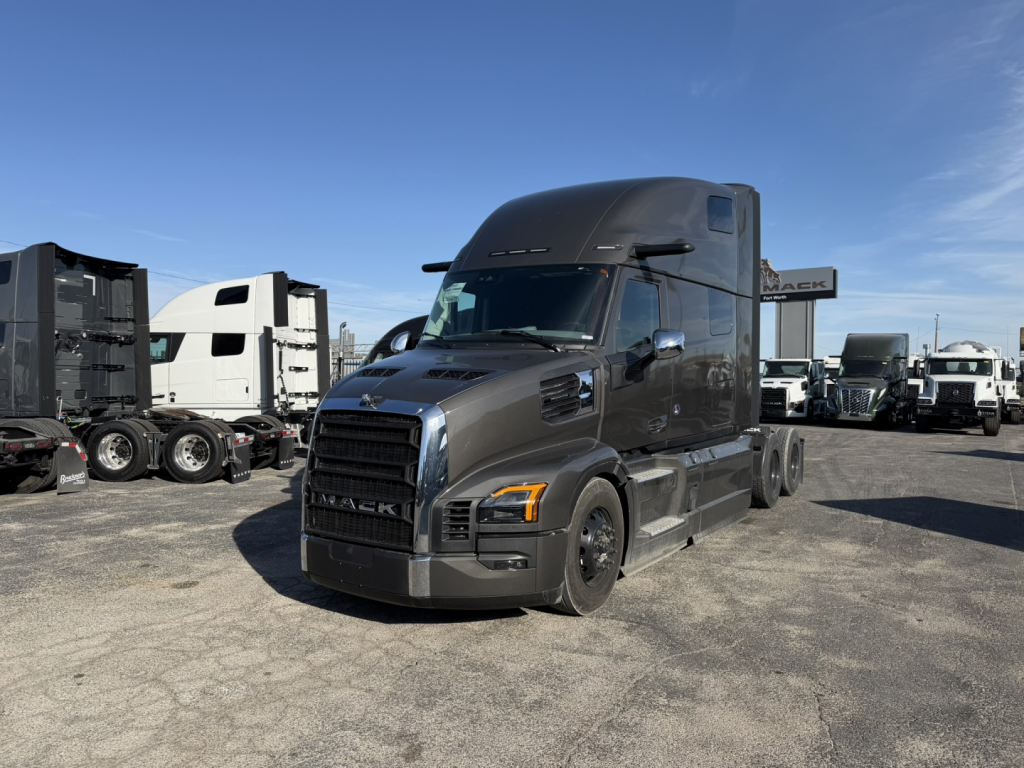
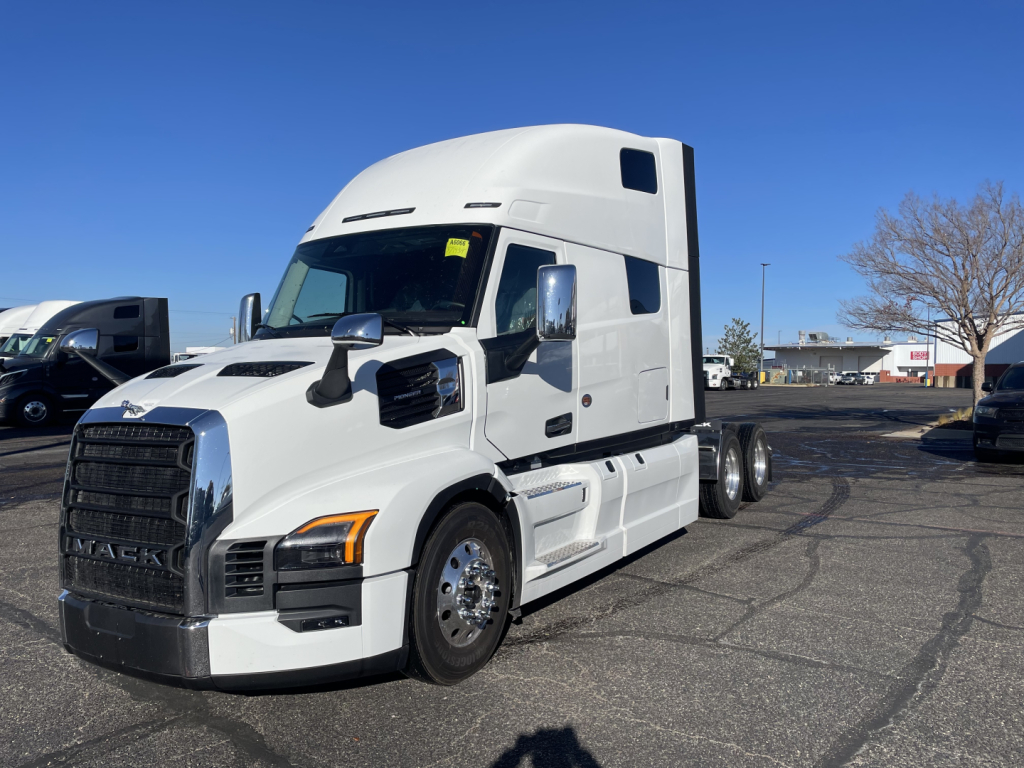
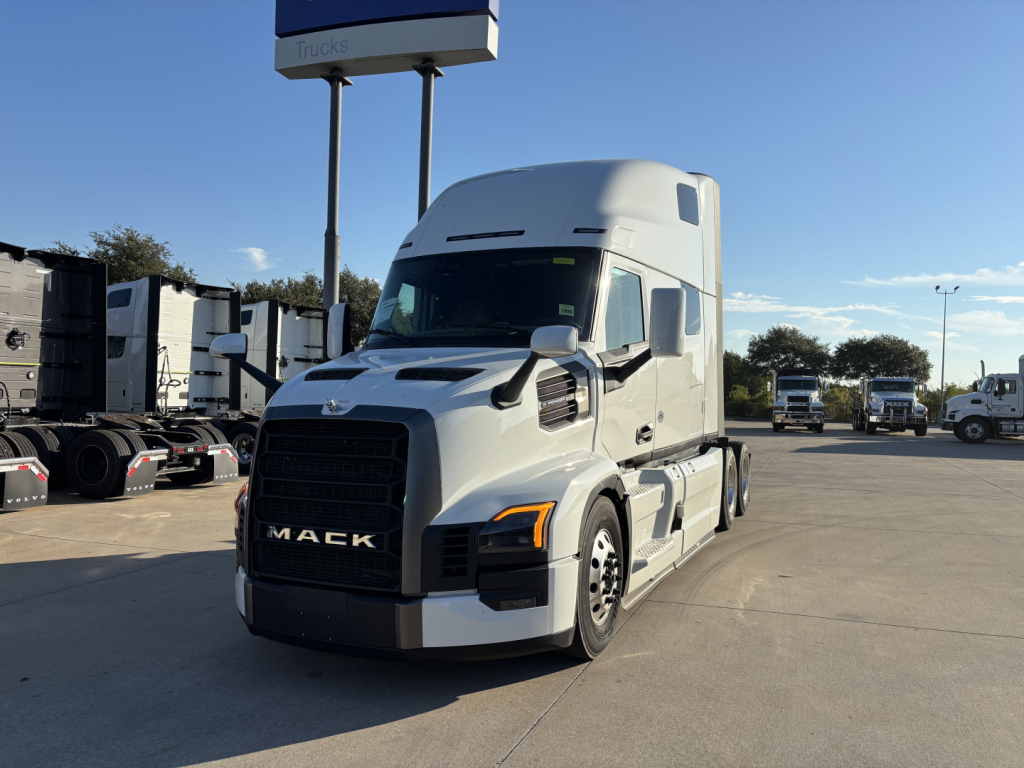
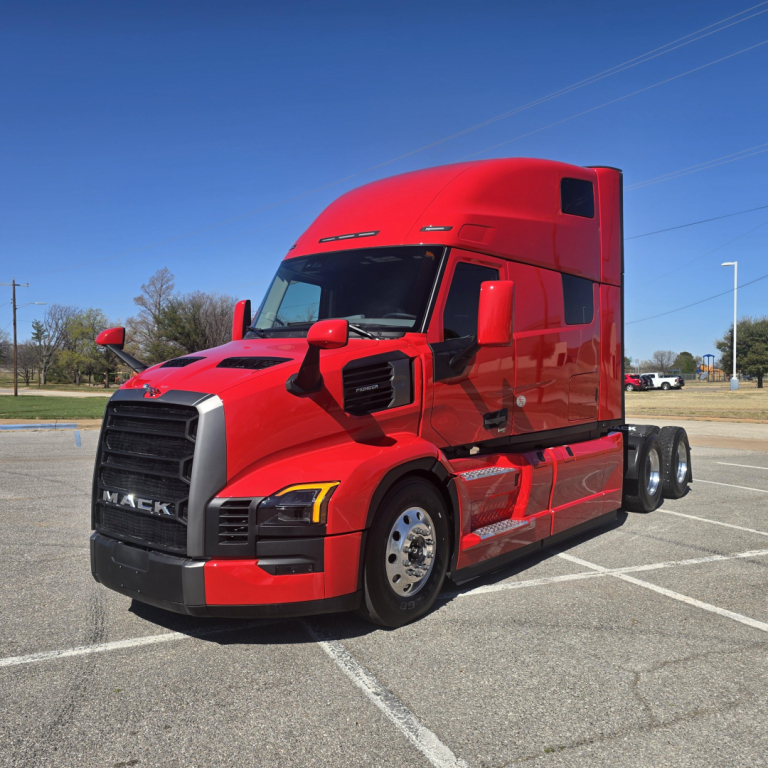
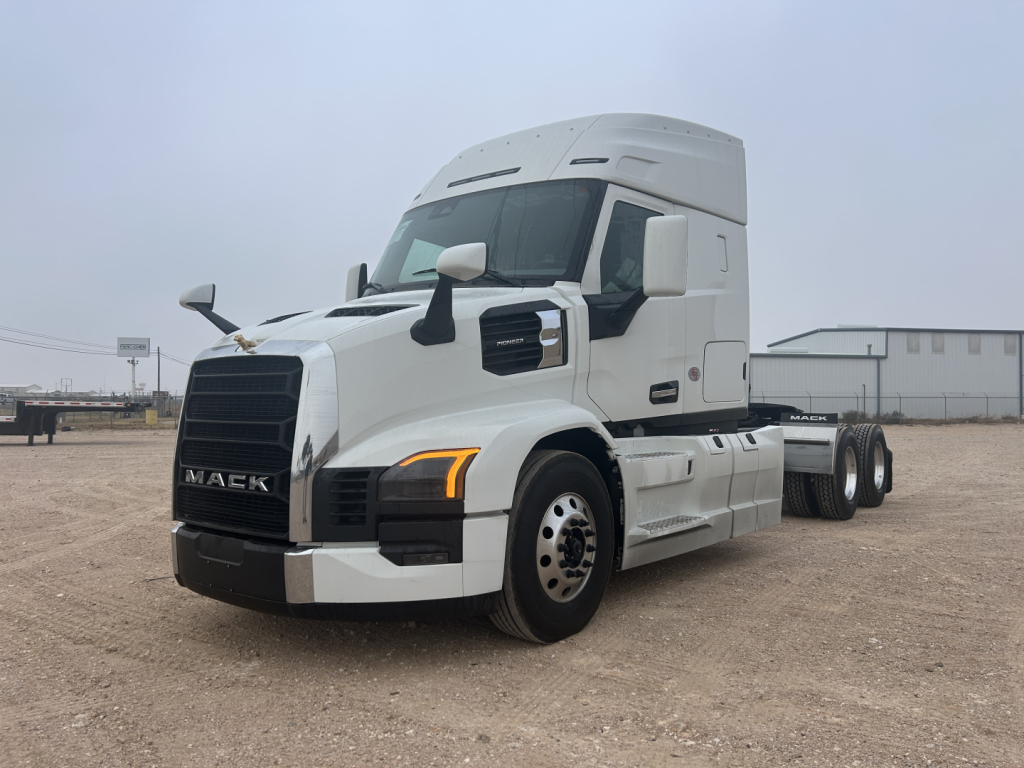
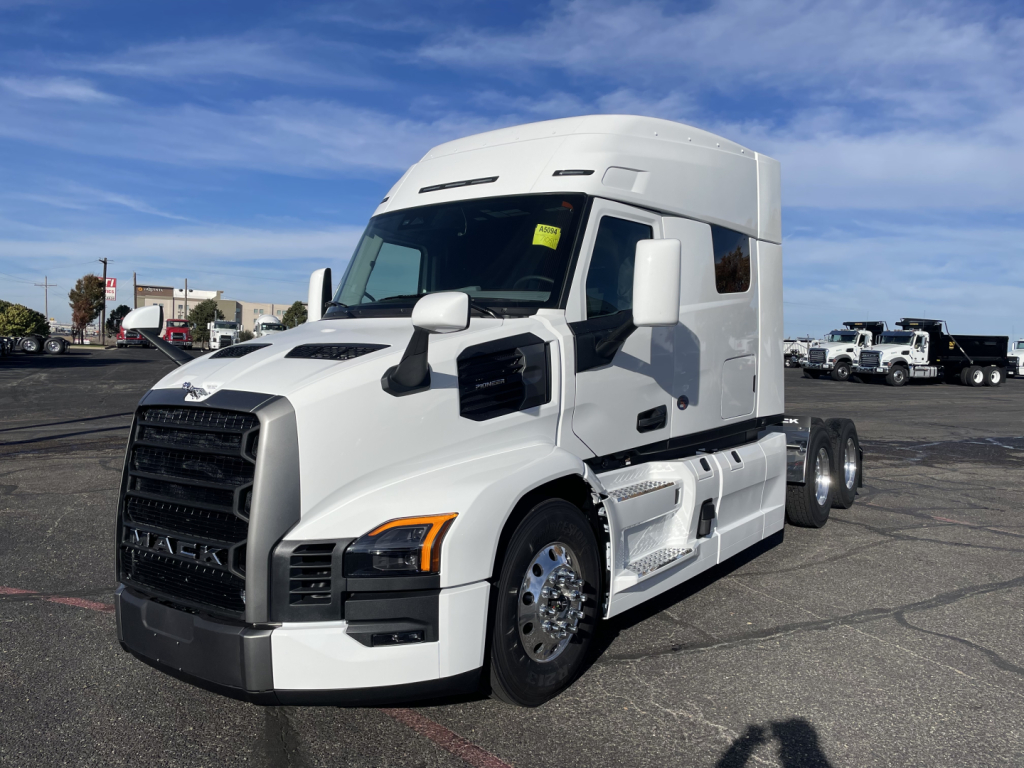
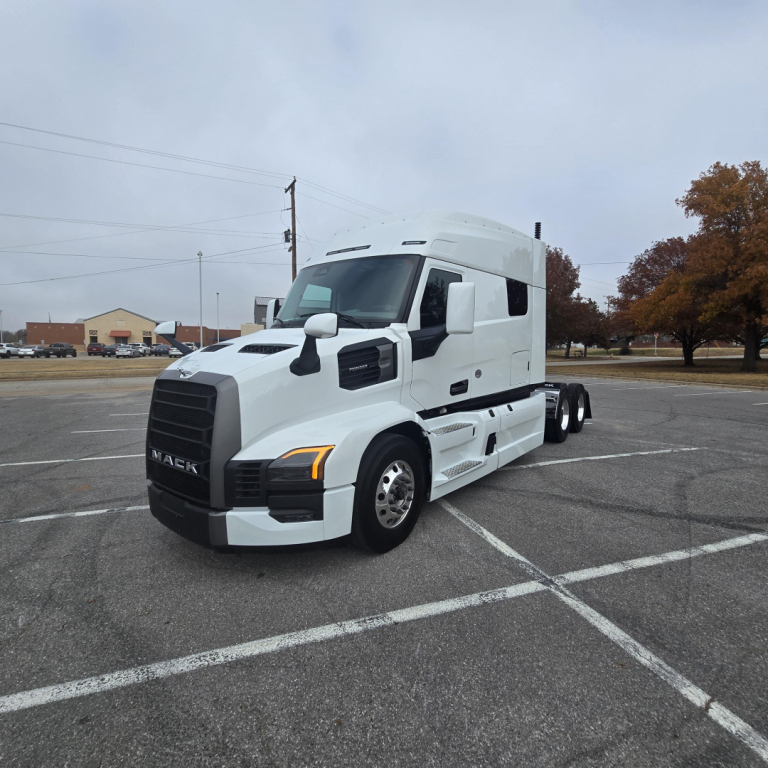
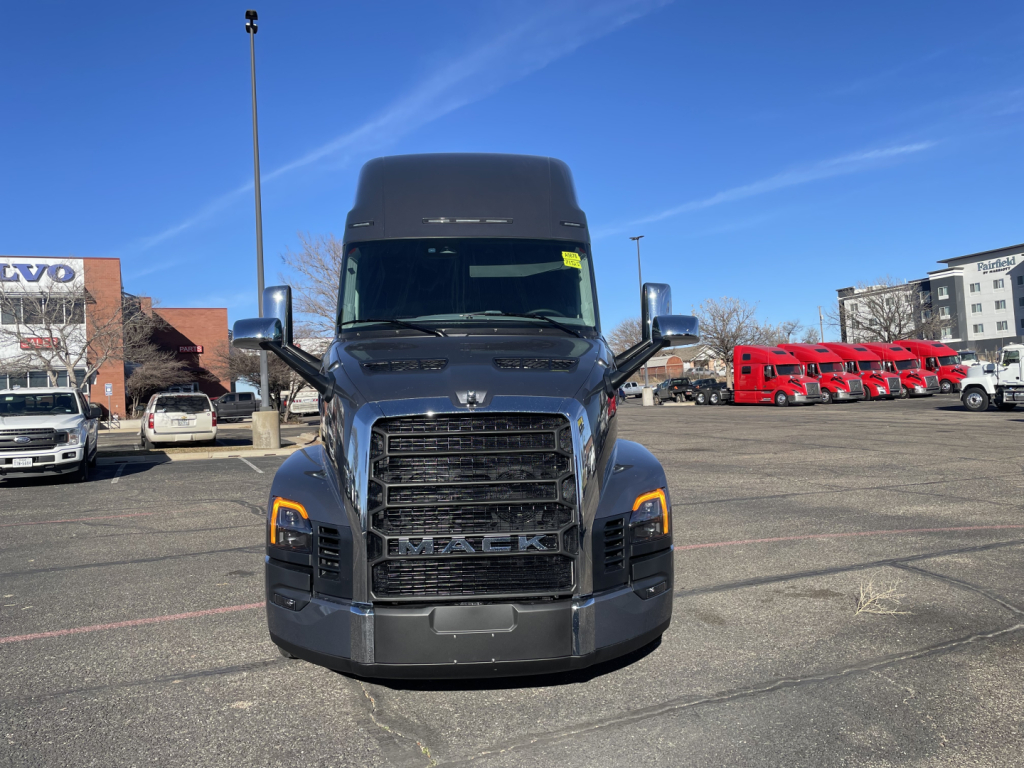
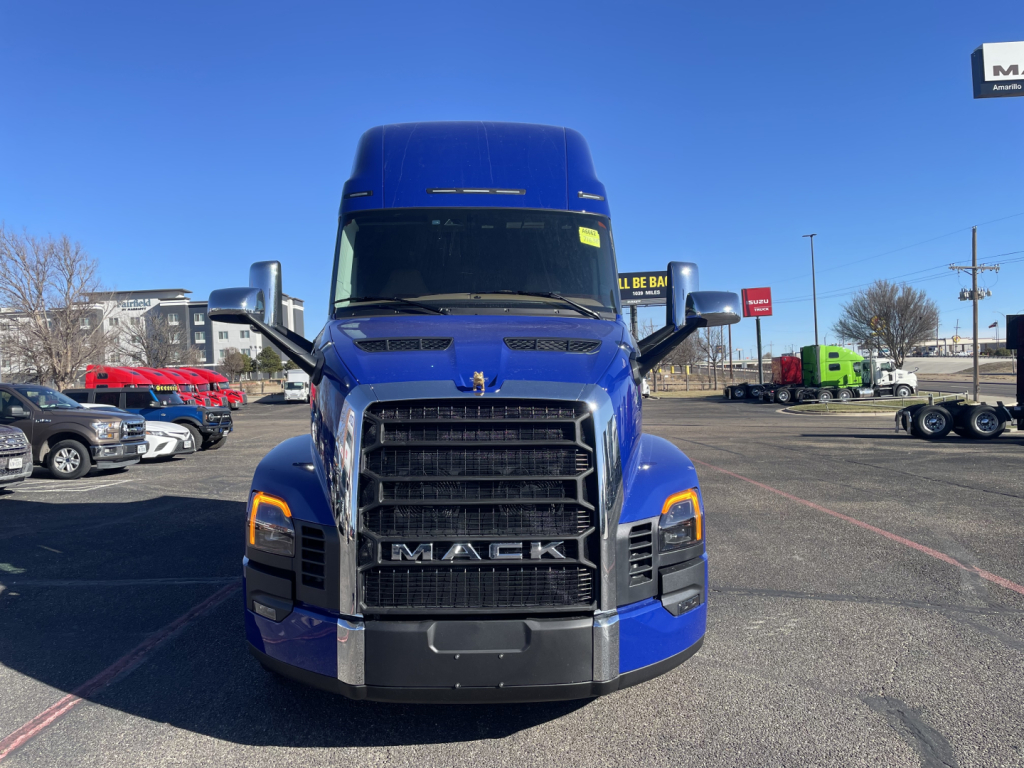
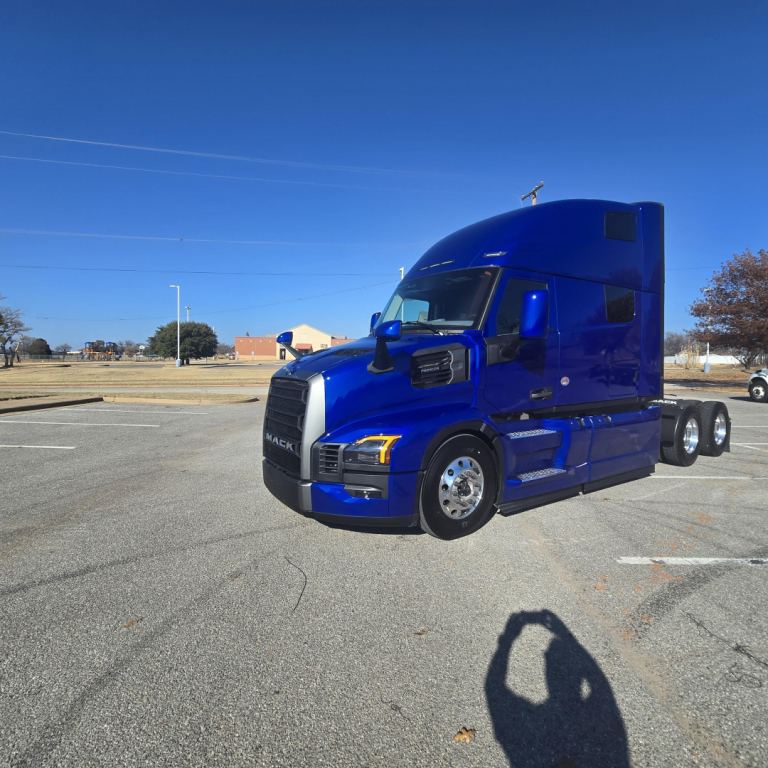
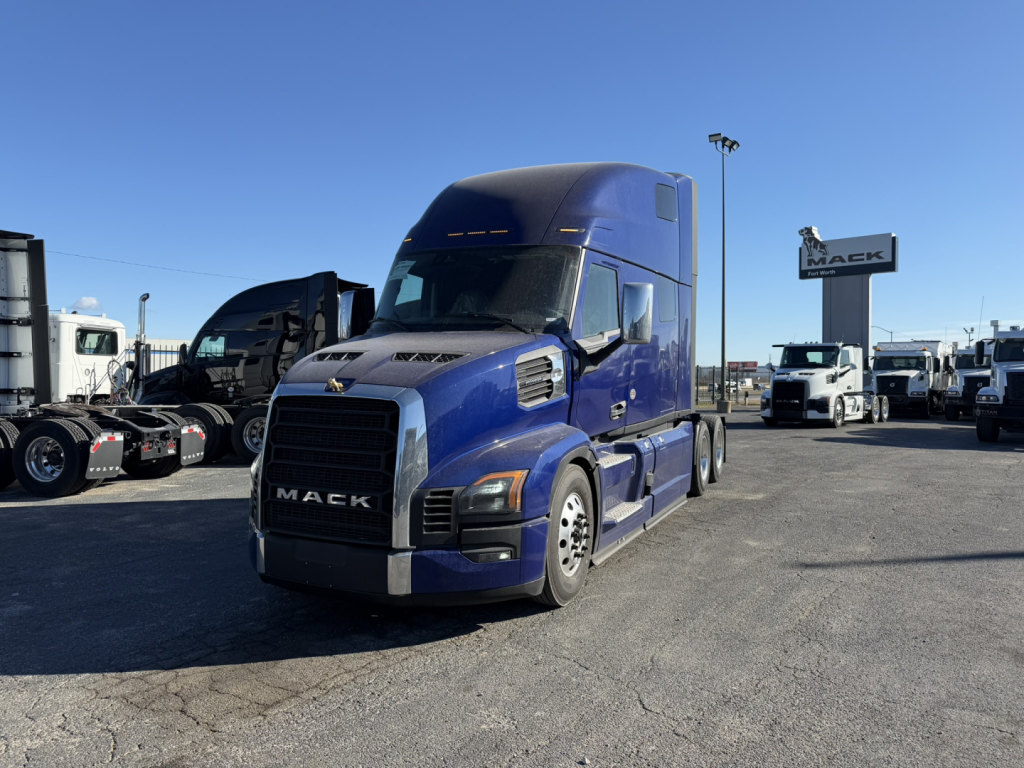
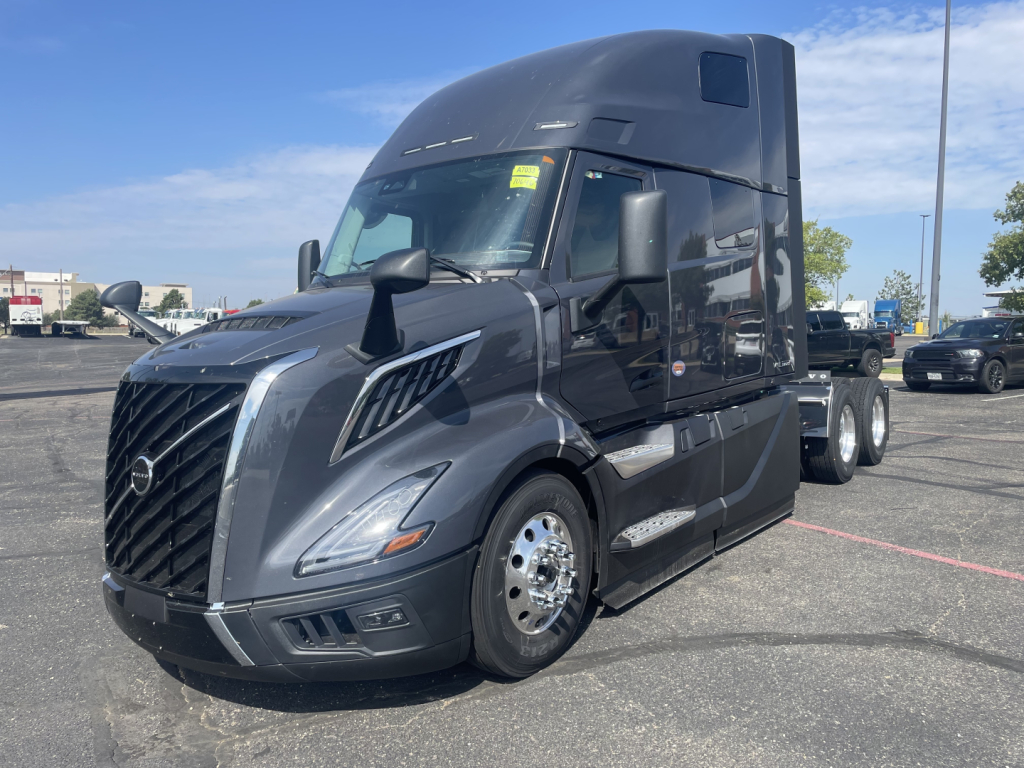
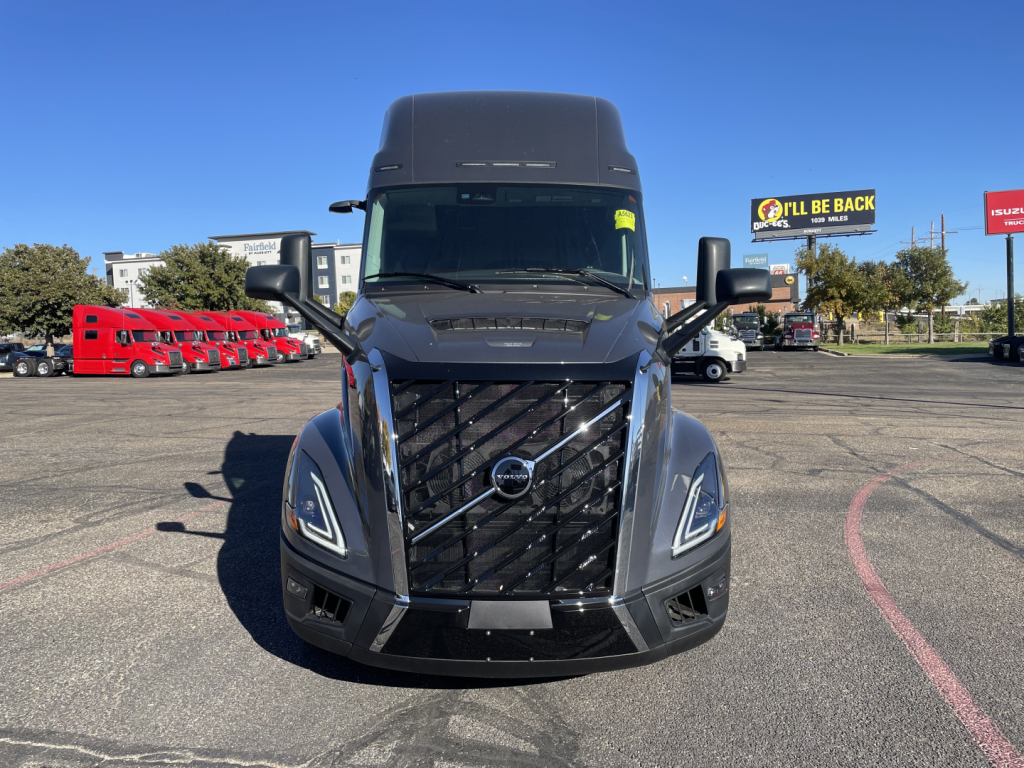
Selling a 2026 conventional sleeper truck? List your 2026 conventional sleeper truck for sale and reach thousands of commercial buyers.
2026 Conventional Sleeper Trucks in Texas
Sleeper layout is a major buying point, and the difference between a mid-roof and a high-roof truck affects both comfort and application. High-roof sleepers are usually preferred for long-haul operations, team driving, and fleets that want more standing room, cabinet space, larger bunks, and better hotel-load capability. Buyers comparing listings should look closely at sleeper length, bunk configuration, APU or battery HVAC setup, inverter capacity, and interior storage. Features such as cab parking heaters, battery-powered cooling systems, premium trim packages, refrigerator prep, and larger fuel tank combinations can make a real difference in idle reduction and driver retention. On newer highway sleepers, advanced safety systems are also common, including collision mitigation, adaptive cruise, lane support functions, and integrated camera packages.
Spec details matter because two conventional sleepers that look similar can perform very differently in service. Front axle ratings around 12,000 to 13,200 pounds and tandem rears at 40,000 pounds are standard for general van, reefer, and many dedicated freight applications, but wheelbase, fifth wheel position, and fuel capacity should match the trailer mix and bridge-law needs. Air ride suspensions remain the norm for ride quality and freight protection. Disc brakes are increasingly common on newer premium highway tractors because they improve stopping consistency and simplify certain maintenance routines. Buyers should also review differential lock configuration, tire size, fairing condition, telematics integration, and whether the truck uses a proprietary powertrain package such as Volvo I-Shift, Mack mDRIVE, or a comparable OEM automated setup. Those integrated drivetrains often deliver the best shift logic and fuel mapping when the truck is kept in its intended duty cycle.
For many operations, a conventional sleeper truck is the standard long-haul road tractor, also known simply as a sleeper semi truck or sleeper tractor. It is the right fit for dry van, refrigerated freight, general freight, dedicated lanes, and many irregular-route applications where the driver lives in the truck for extended periods. A 2026 model year generally brings updated aerodynamics, more advanced driver-assistance technology, cleaner dash layouts, and improved idle-management systems compared with older units. The best buying decision usually comes down to matching cab size, horsepower, axle ratio, transmission programming, and fuel capacity to the freight network instead of buying only on brand or appearance.
Frequently Asked Questions about 2026 Conventional Sleeper Trucks in Texas
What is a conventional sleeper truck used for?
A conventional sleeper truck is a highway tractor with a rear sleeping compartment designed for long-haul and regional over-the-road work. It is commonly used to pull dry vans, reefers, and other semi-trailers on lanes where the driver needs overnight accommodations, added storage, and better in-cab comfort than a day cab can provide.
What horsepower is typical in a 2026 conventional sleeper truck?
Most 2026 conventional sleeper trucks are spec'd in the 425 to 515 horsepower range, with torque selected based on trailer weight, terrain, cruise speed, and fuel economy goals. Lower horsepower fuel-mileage specs can work well for lighter highway freight, while 455 to 500 plus horsepower is common for fleets running heavier loads, higher average speeds, or more demanding terrain.
What should buyers compare besides price on a sleeper tractor?
The most important comparisons are sleeper size, fuel capacity, engine rating, transmission type, rear axle ratio, wheelbase, safety technology, and idle-reduction equipment. Buyers should also check axle ratings, brake type, suspension, fifth wheel setup, maintenance access, and whether the truck has features like an electric APU, inverter, parking heater, or battery HVAC system that reduce idling and improve driver comfort.
Are automated transmissions standard in newer conventional sleepers?
Automated transmissions are now very common in newer conventional sleeper trucks because they improve shift consistency, help fuel economy, and reduce driver fatigue. OEM systems such as Volvo I-Shift and Mack mDRIVE are especially popular in highway fleets because they are integrated with the engine and cruise controls for more efficient operation.
Why do Texas buyers often pay close attention to fuel tanks and cooling features?
Texas operations often involve long runs, wide temperature swings, and extended time away from terminals, so fuel range and cab climate control matter more than they might in shorter-haul markets. Larger dual fuel tanks, battery-powered HVAC, parking coolers, heaters, and APUs can improve driver comfort, reduce idle time, and support better trip planning across long highway routes.