
2026 Mack Conventional Sleeper Trucks For Sale in Texas
Shop 2026 Mack conventional sleeper trucks in Texas. Compare Anthem and Pioneer specs, sleeper sizes, MP engines, mDrive options, and axle setups.
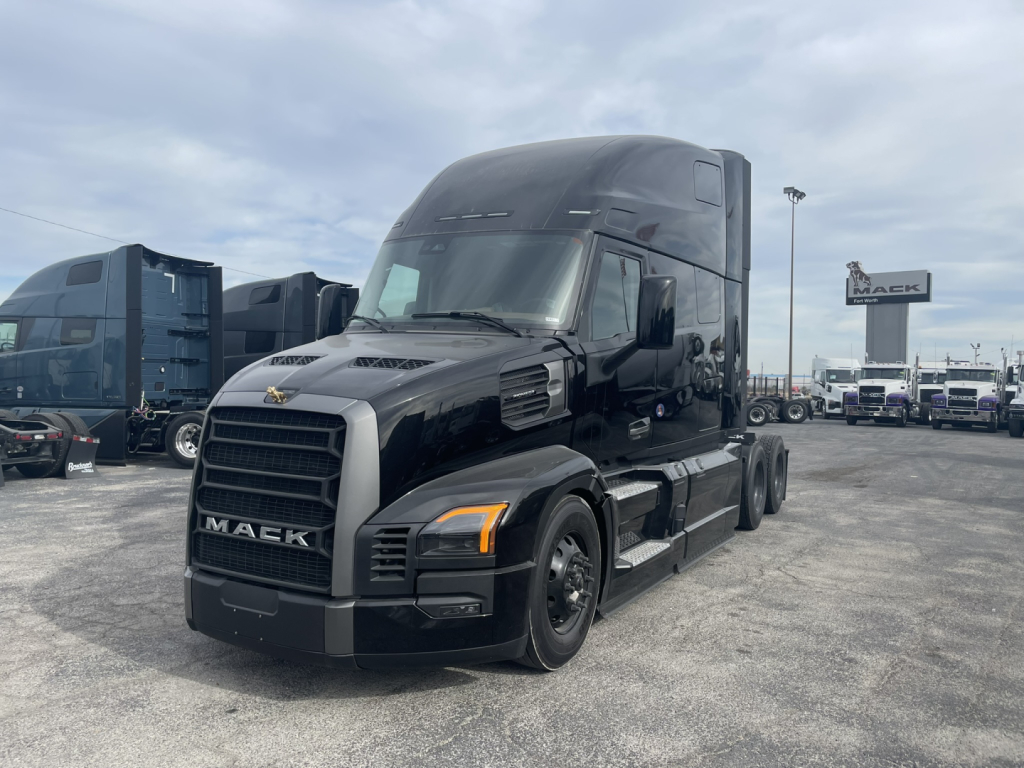
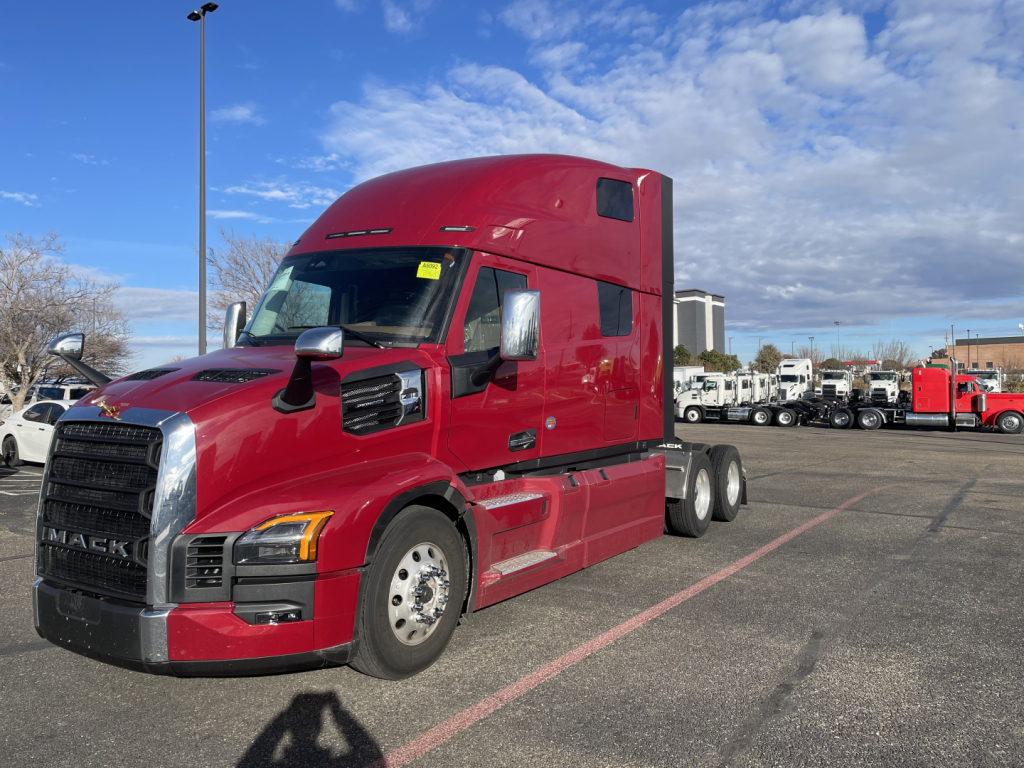
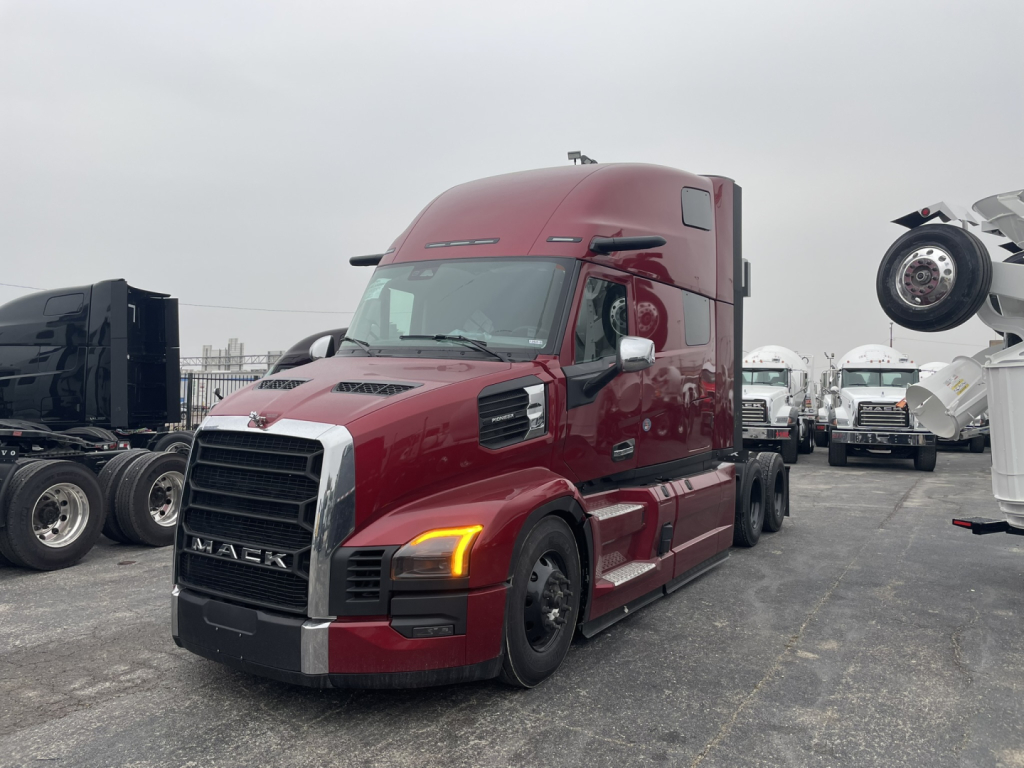
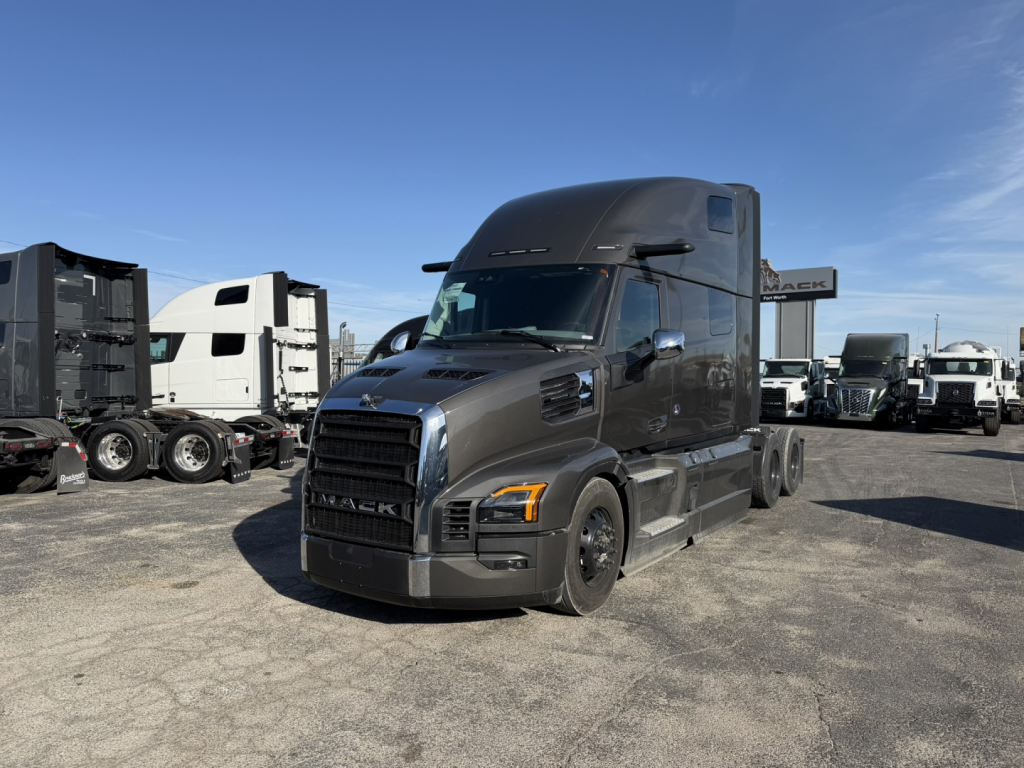
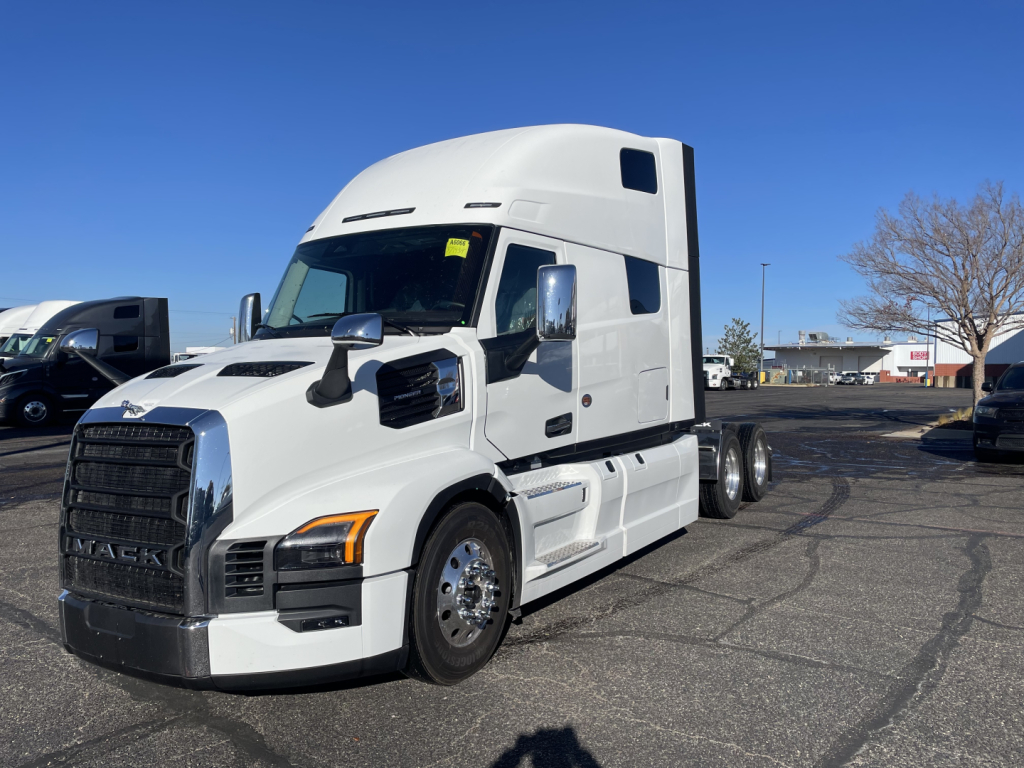
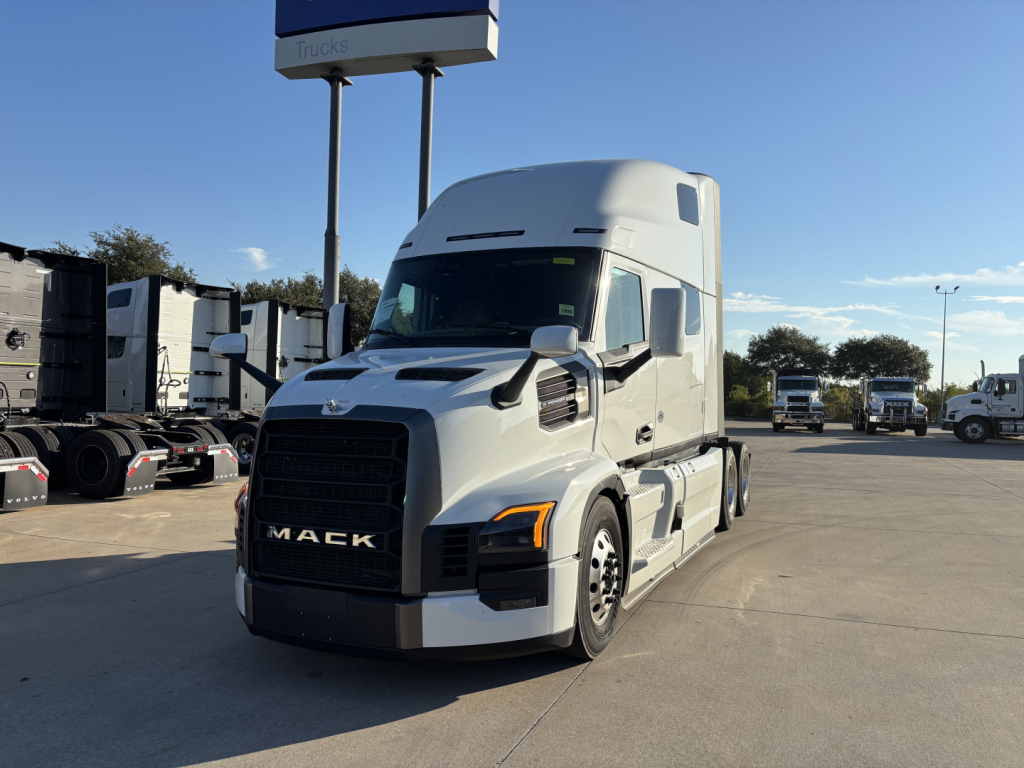
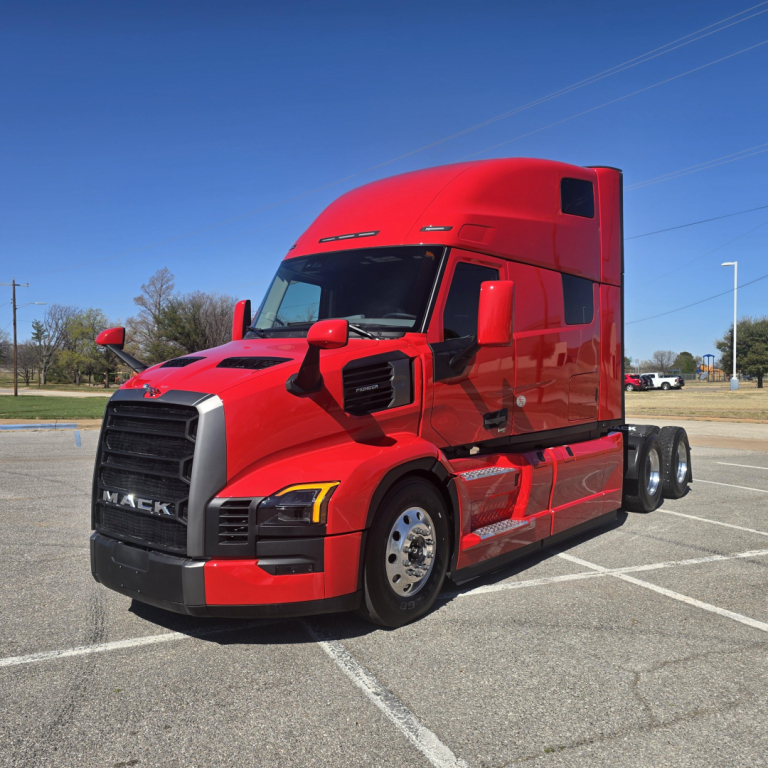
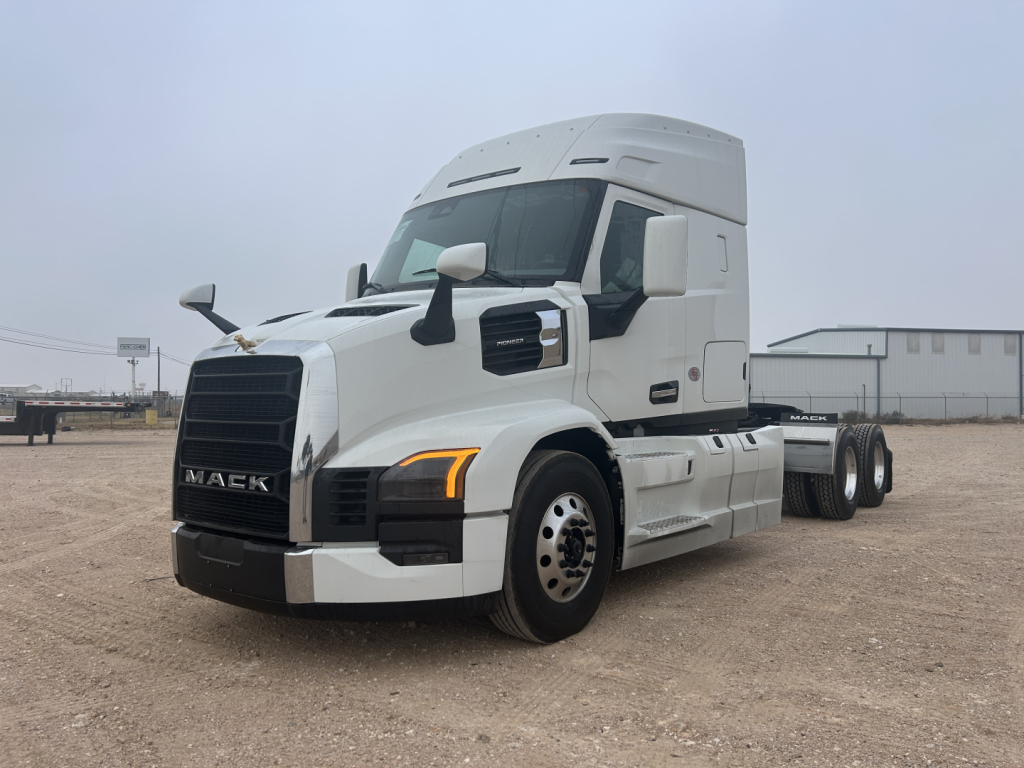
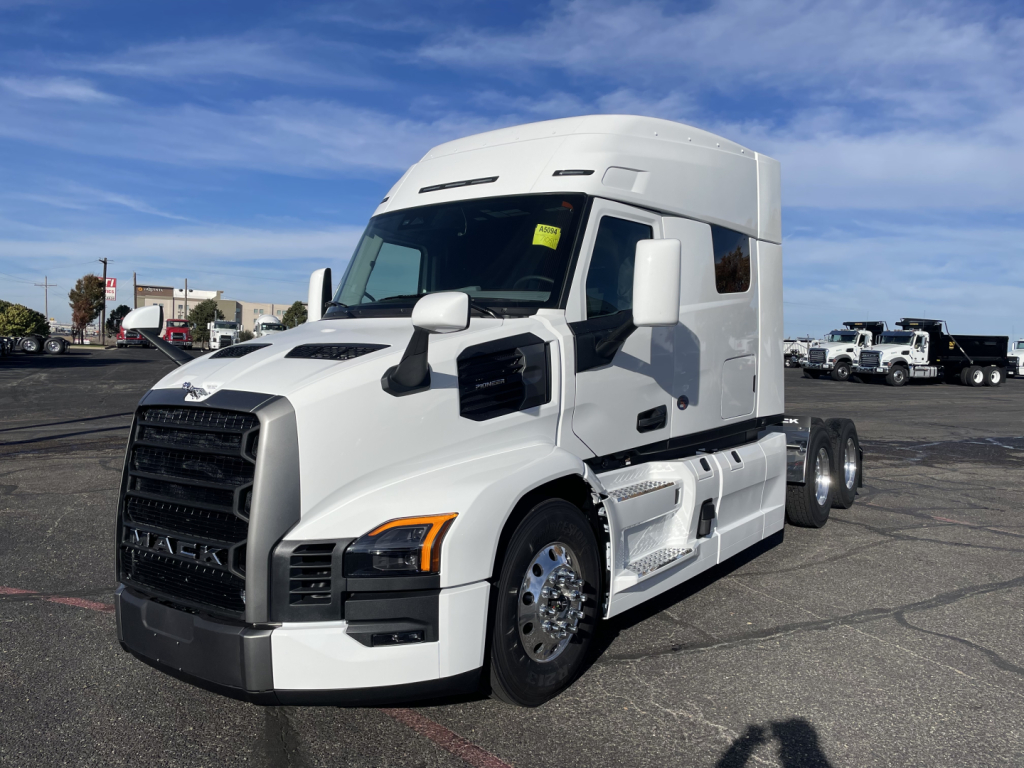
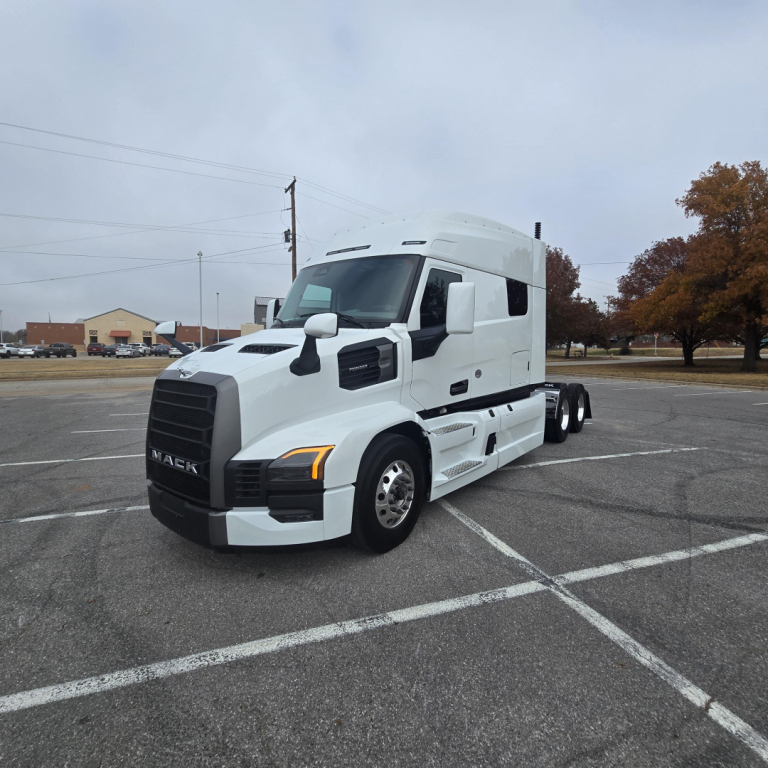
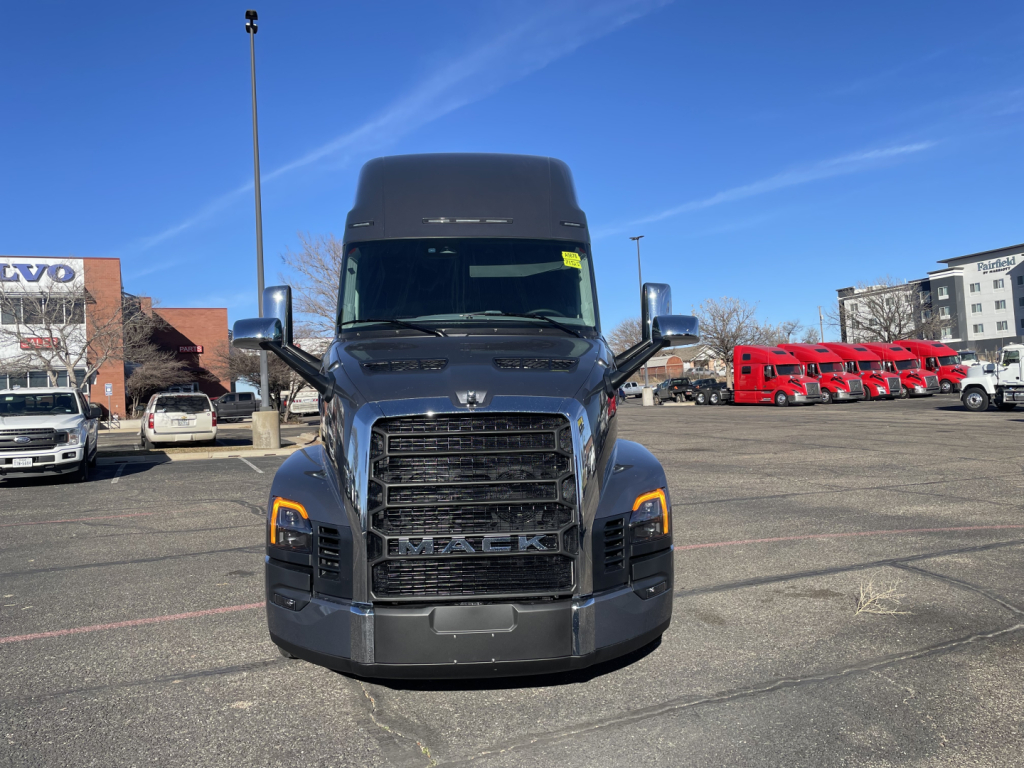
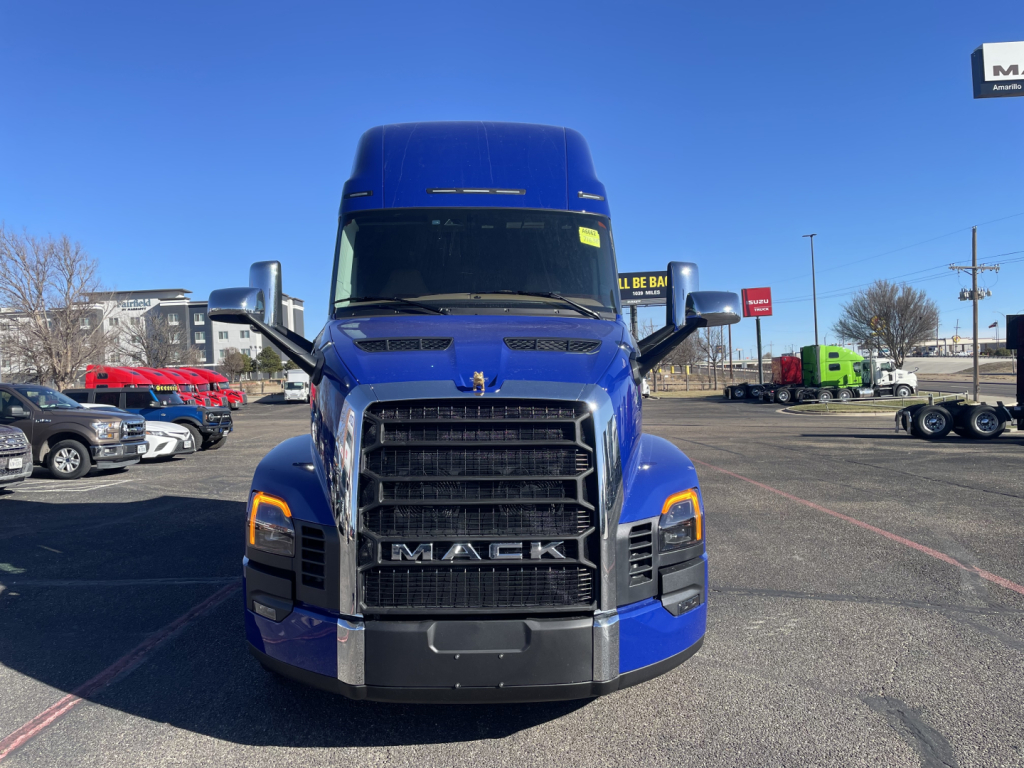
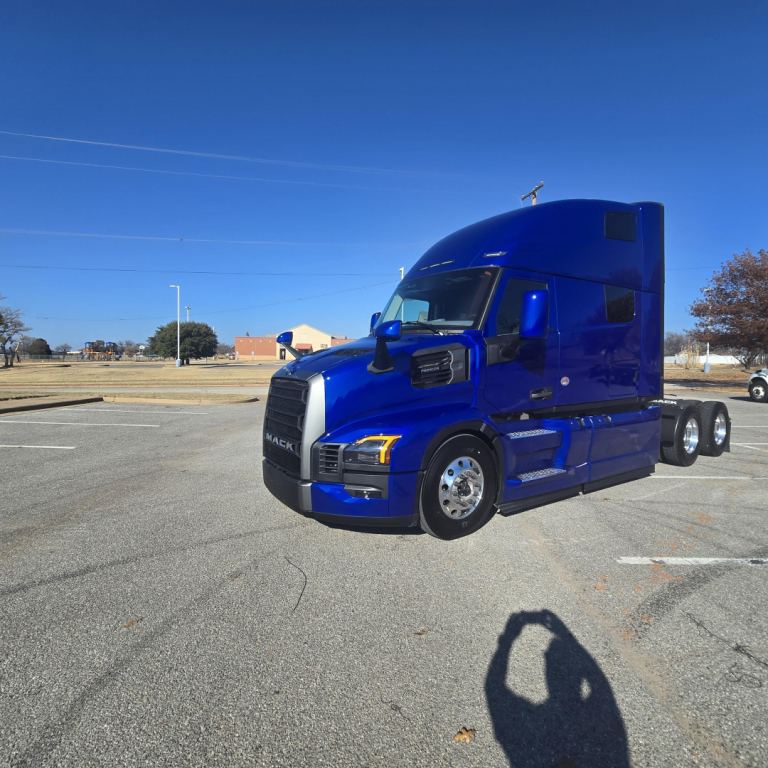
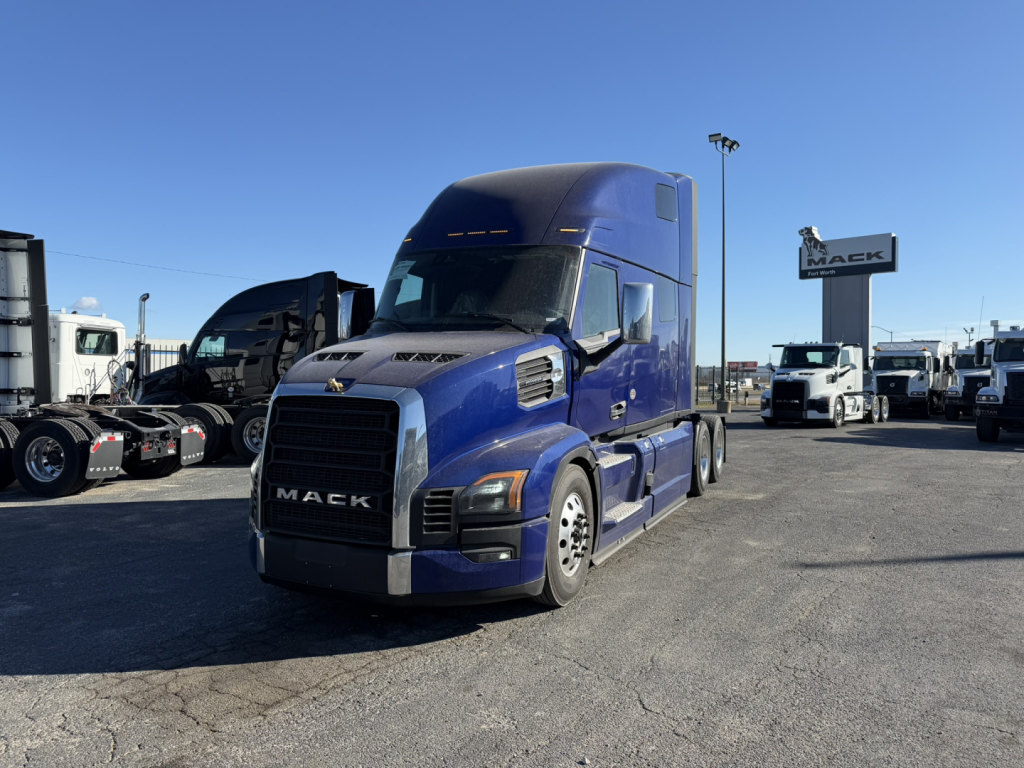
Selling a 2026 mack conventional sleeper truck? List your 2026 mack conventional sleeper truck for sale and reach thousands of commercial buyers.
2026 Mack Conventional Sleeper Trucks in Texas
The most important buying decision is matching the powertrain to the freight. A lighter dry van or reefer operation may prioritize a downsped setup with a taller rear ratio for lower cruise RPM, while heavier or more variable freight often benefits from higher horsepower, crawler gears, and more aggressive axle ratios. Many Mack sleeper tractors in this category are spec'd as 6x4 highway tractors with 13,000 to 14,600 lb front axles, 40,000 to 46,000 lb rears, air ride suspension, and sliding fifth wheel arrangements. Wheelbase, fifth wheel travel, and frame rail spec should be checked against trailer mix and bridge law requirements, especially for fleets working both Texas intrastate and broader over-the-road lanes. Buyers comparing units should also pay attention to suspension family, differential lock setup, PTO prep, and fuel capacity, since those details affect versatility and resale.
Sleeper configuration drives day-to-day usability. Mid-roof sleepers can be a strong fit for weight-sensitive fleets and regional applications, while 70-inch to 76-inch high-roof or raised-roof sleepers generally suit longer runs, team operations, and drivers who need more stand-up room and storage. Double bunk layouts, refrigerator packages, inverter or electric APU prep, and integrated infotainment systems are common on newer Mack conventional sleepers because retention and rest compliance are now operational issues, not just comfort upgrades. Safety and visibility features also deserve close attention, including collision mitigation, blind spot monitoring, backup cameras, heated mirrors, and factory telematics such as Mack Integrated Uptime and MyMack connectivity.
For Texas buyers, cooling performance, idle management, and dealer support footprint carry extra weight. Long stretches of highway, high ambient temperatures, and mixed freight cycles reward a sleeper tractor with a durable HVAC system, practical fairing design, and drivetrain specs that stay efficient at sustained highway speed. A good 2026 Mack conventional sleeper should be evaluated on service history if used, remaining warranty if applicable, emissions compliance, tire and brake life, and how well the spec aligns with the intended trailer and route profile. The best truck in this category is usually the one with the right sleeper size, axle and ratio package, and driver-focused features for the lanes it will actually run.
Frequently Asked Questions about 2026 Mack Conventional Sleeper Trucks in Texas
What engine and transmission setups are common in a 2026 Mack conventional sleeper truck?
Most 2026 Mack conventional sleeper trucks are built around Mack MP-series engines, commonly the MP8 or MP13, paired with the Mack mDrive automated transmission. Buyers will see a range of horsepower ratings depending on intended use, from fuel-economy highway specs to higher-output long-haul or heavier freight applications. The right setup depends on gross weight, cruise speed, terrain, and how much flexibility is needed for different trailer and load combinations.
What sleeper size is best for a Mack highway tractor?
Mid-roof sleepers usually fit regional routes, slip-seat operations, and fleets trying to control tare weight while still giving the driver overnight capability. Larger raised-roof or high-roof sleepers, often in the 70-inch to 76-inch range, are better suited for long-haul work, team driving, and operations that need more cabinet space, bunk room, and stand-up comfort. The best choice depends on length of haul, driver retention goals, and how much onboard storage the operation requires.
Are Mack conventional sleeper trucks good for Texas long-haul service?
Yes. Mack conventional sleepers are well suited for Texas highway work when the truck is spec'd correctly for heat, distance, and freight type. Buyers should focus on cooling system capacity, fuel tank size, axle ratio, aerodynamic package, and driver comfort features because Texas operations often involve sustained interstate speeds, high ambient temperatures, and long service intervals between stops. Dealer network access and uptime support also matter in a large state where breakdown distance can be costly.
What axle and suspension specs should buyers check on a 2026 Mack sleeper?
A typical highway setup is a 6x4 tractor with a 13,000 to 14,600 lb front axle and 40,000 to 46,000 lb rear axle rating on air ride suspension. The exact suspension type affects ride quality, traction, maintenance profile, and compatibility with the freight. Buyers should also review wheelbase, fifth wheel travel, rear ratio, and the presence of interaxle or interwheel differential locks, since those specs influence maneuverability, trailer positioning, and performance under load.
What features add value on a late-model Mack sleeper tractor?
The most valuable features are the ones that improve uptime, fuel efficiency, safety, and driver retention. Common examples include collision mitigation systems, blind spot monitoring, backup cameras, integrated telematics, premium seating, refrigerator packages, APU or electric idle-reduction equipment, dual fuel tanks, and modern in-dash controls. These options can improve daily usability and reduce operating friction, especially in fleet service where driver acceptance and maintenance planning affect total cost of ownership.