
2022 Conventional Sleeper Trucks For Sale in Texas
Browse 2022 conventional sleeper trucks in Texas. Compare raised-roof highway sleepers by engine, transmission, wheelbase, fuel capacity, and cab spec.
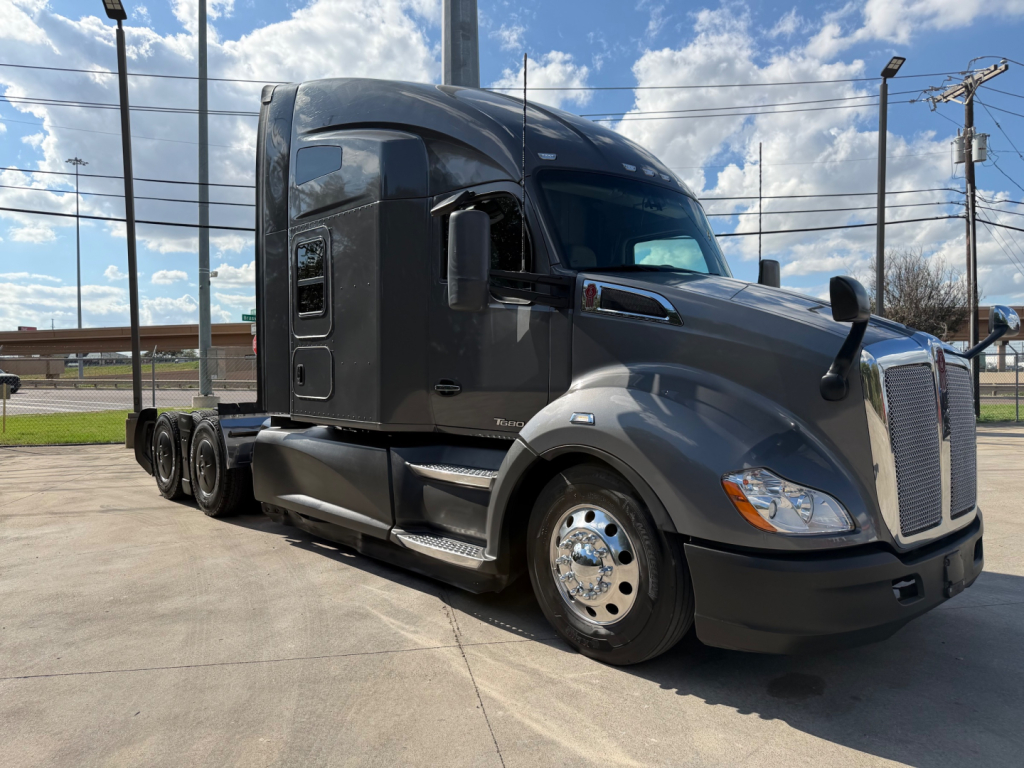
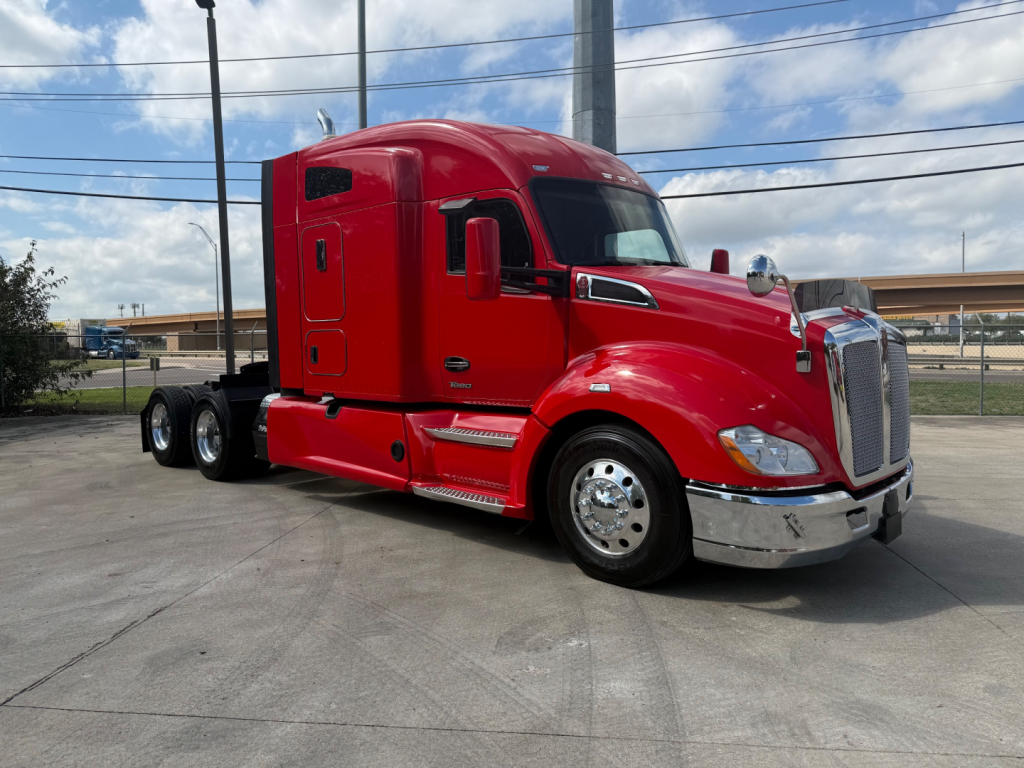
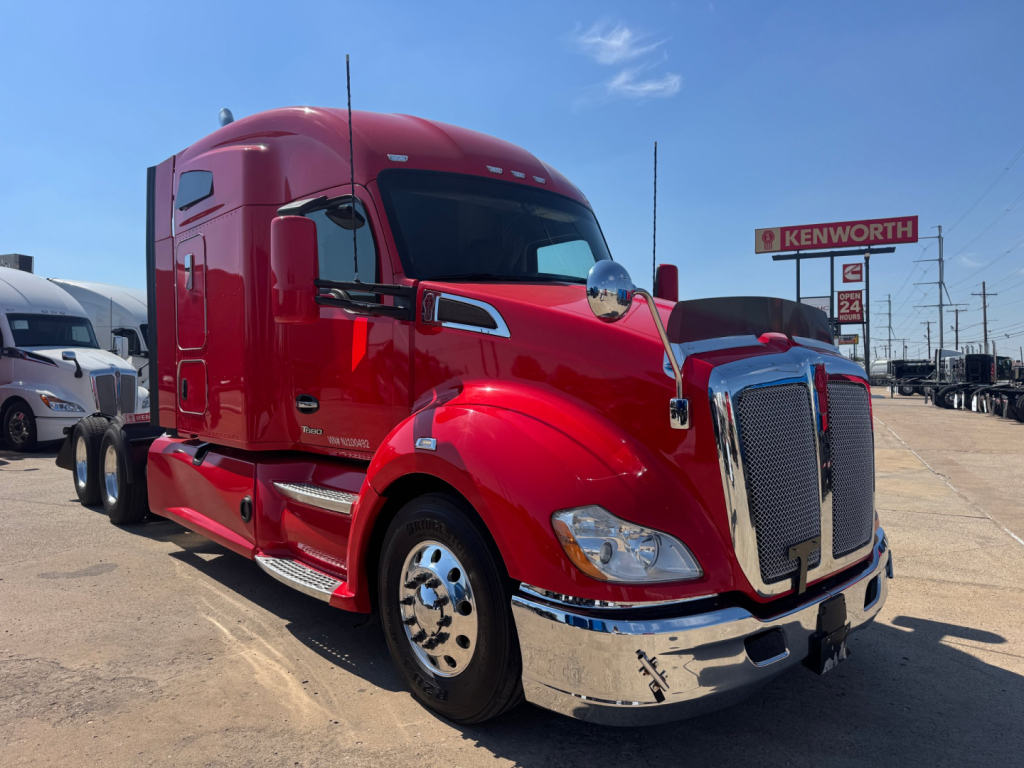
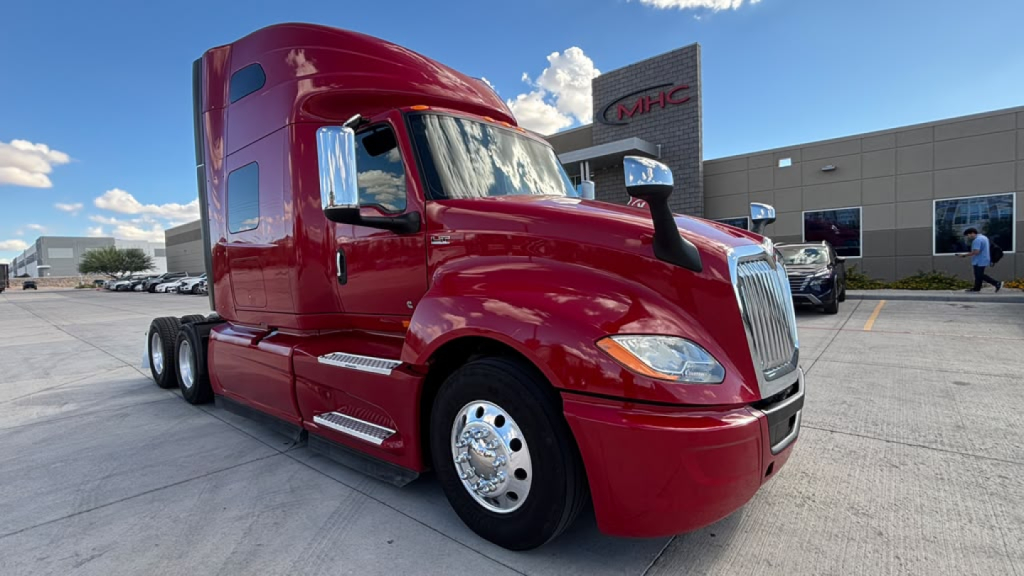
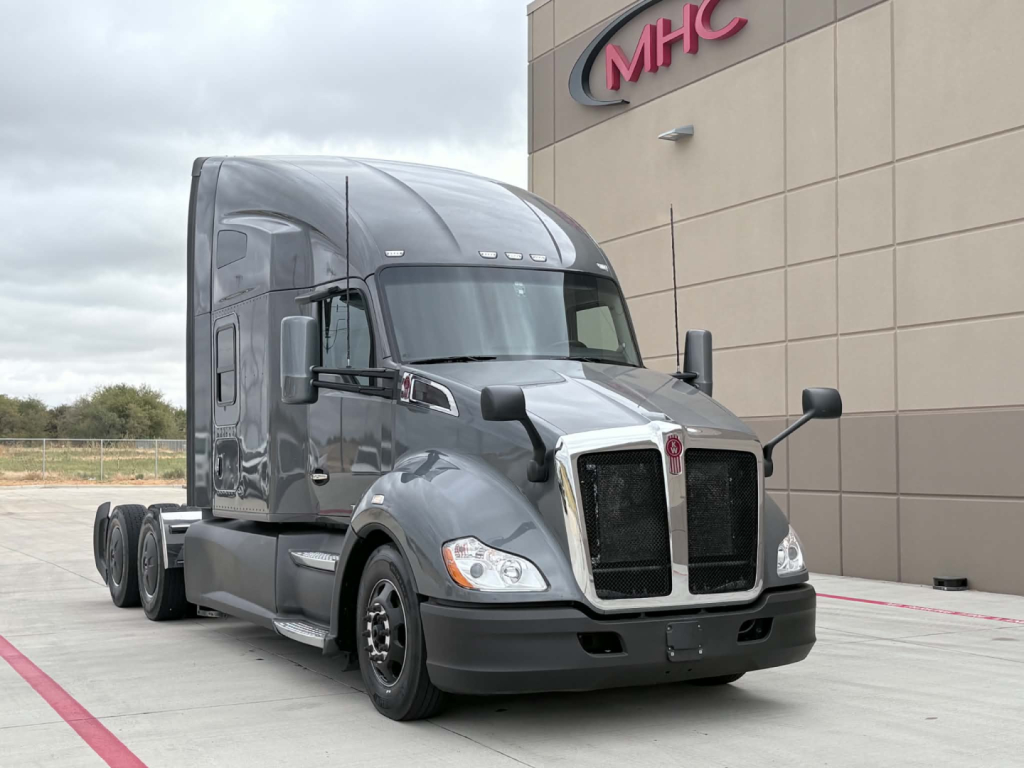
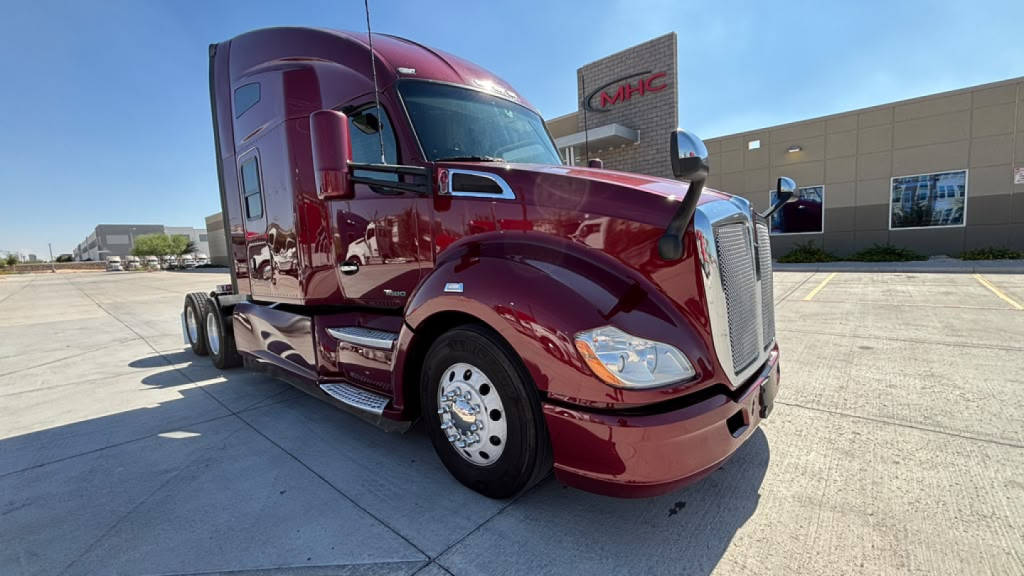
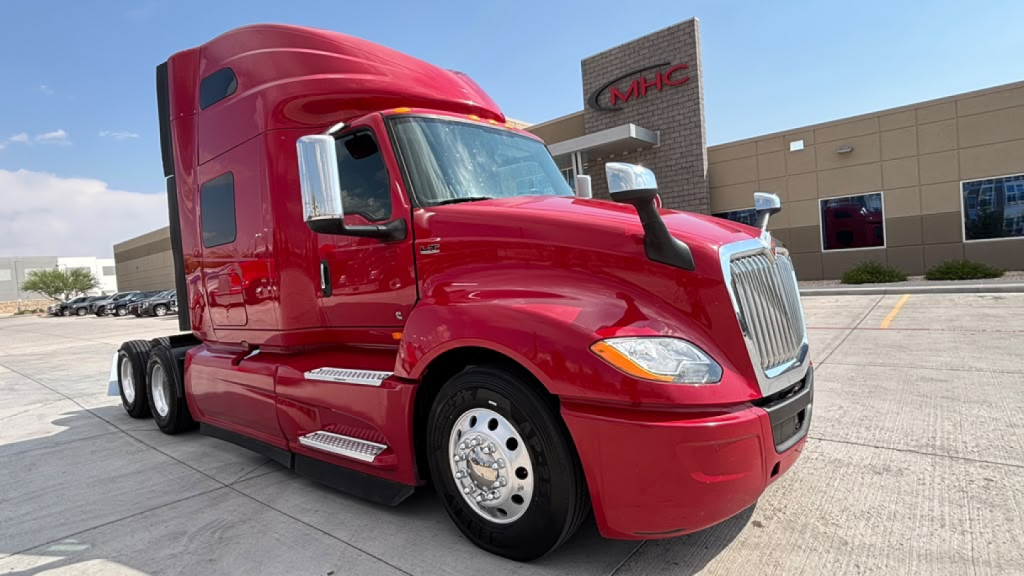
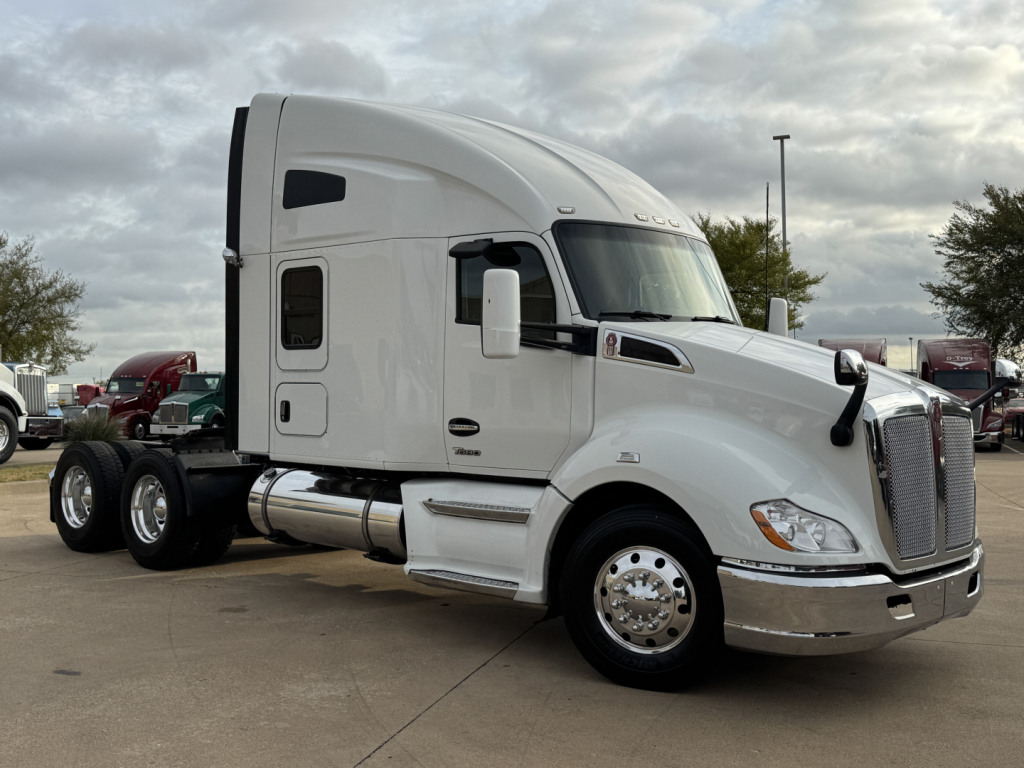
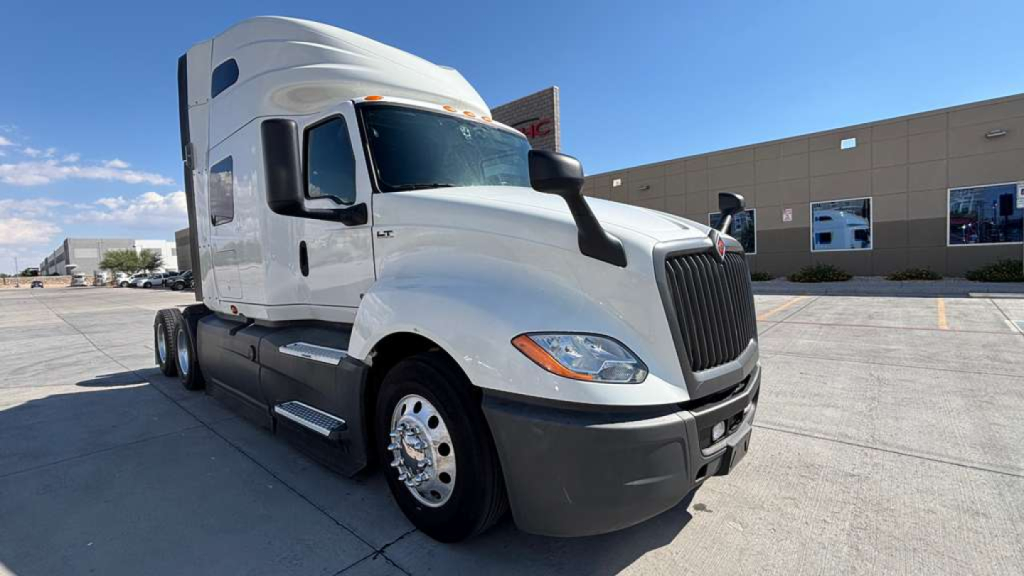
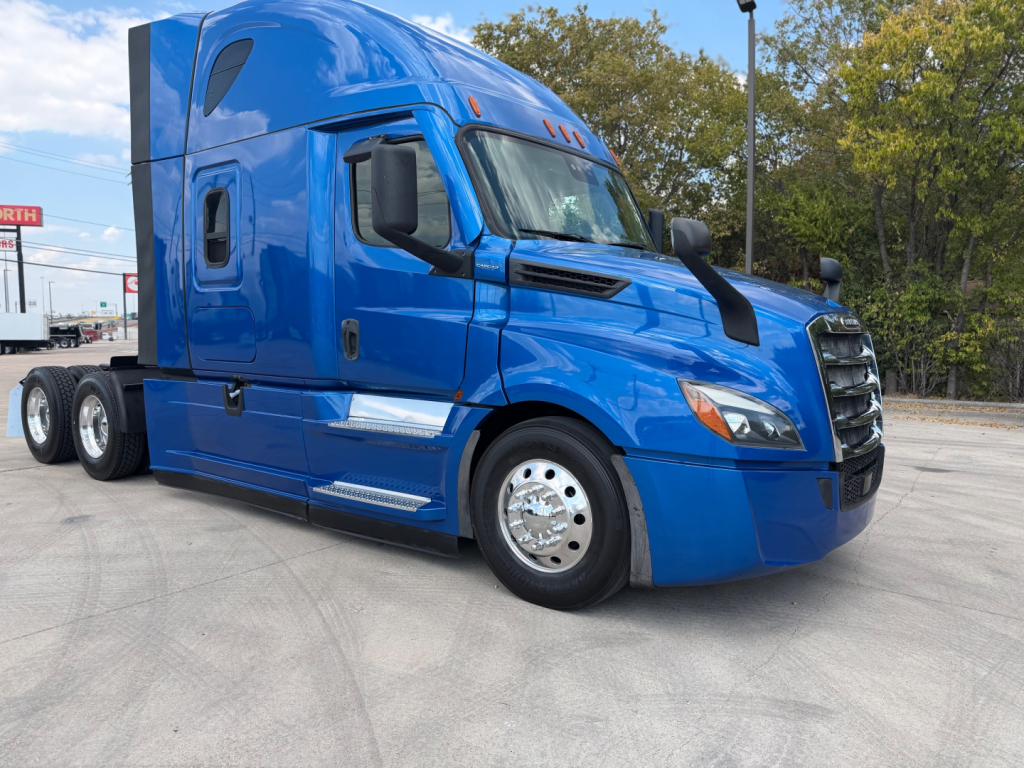
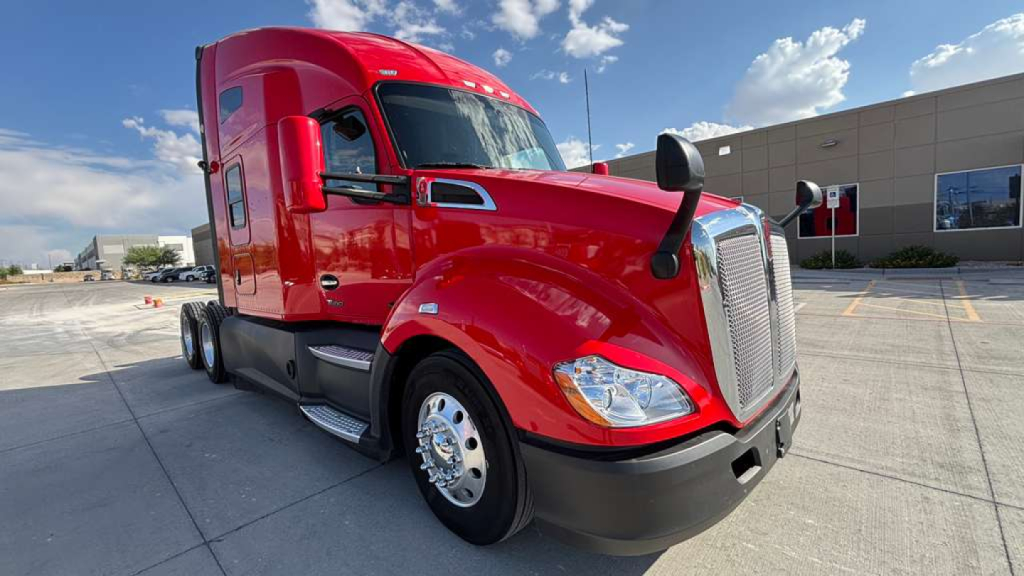
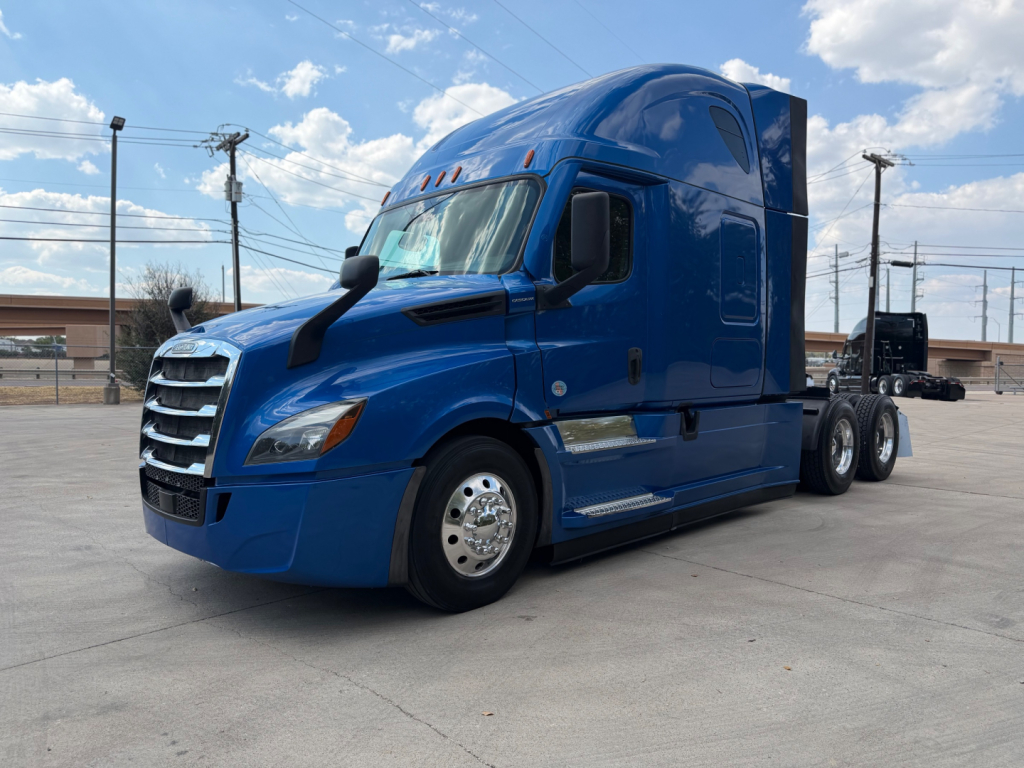
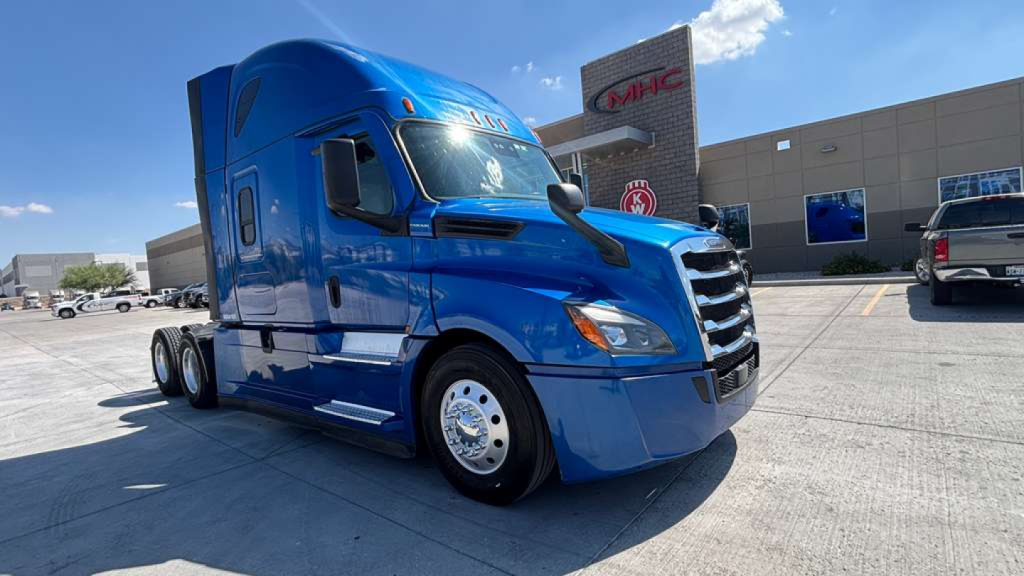
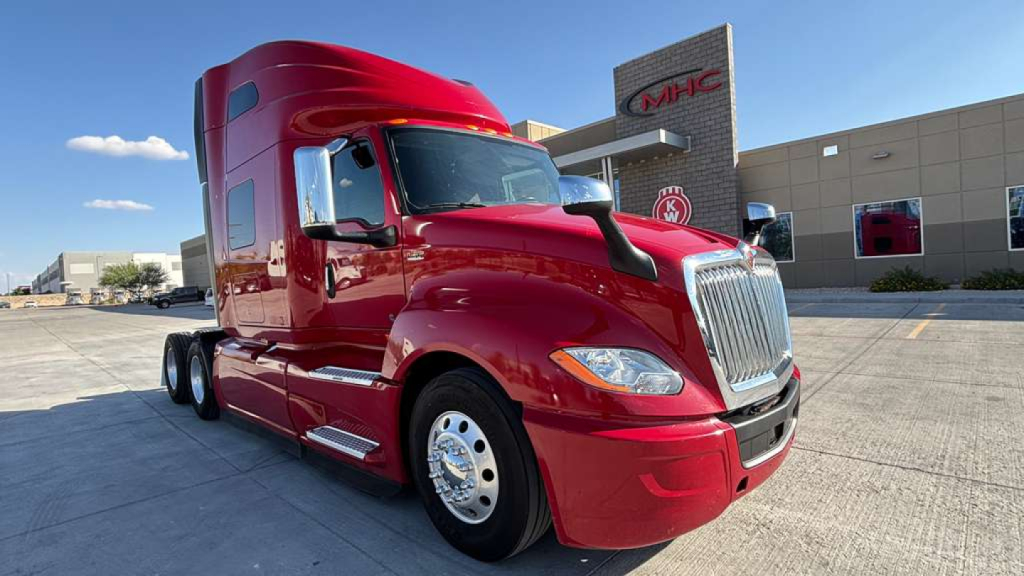
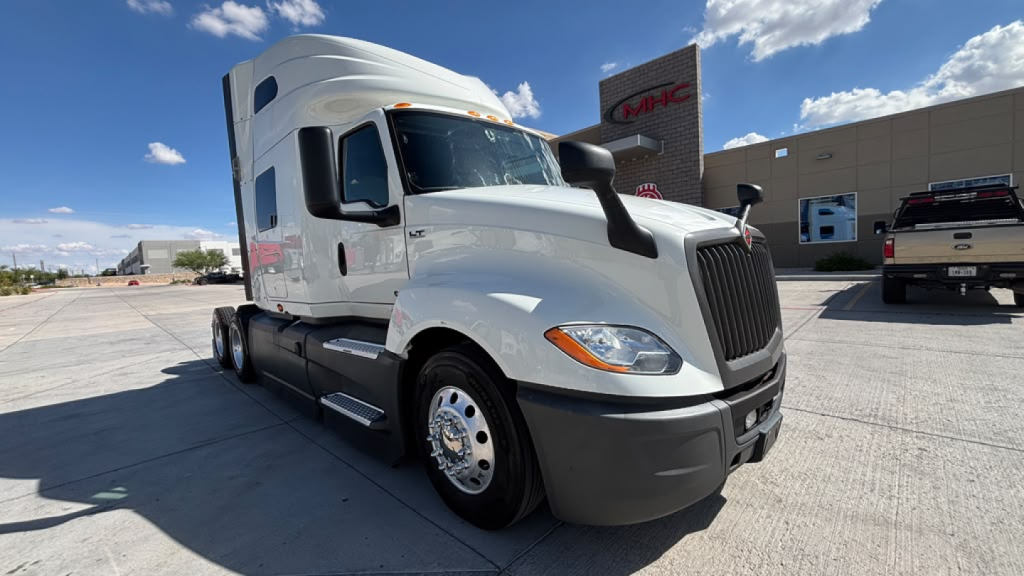
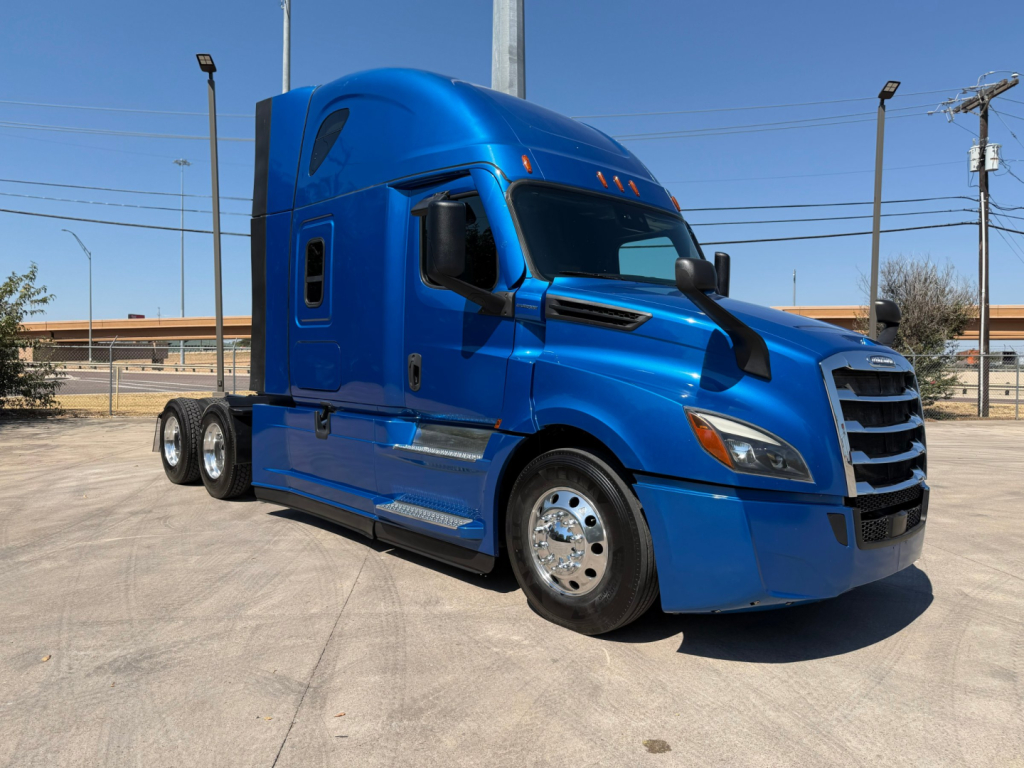
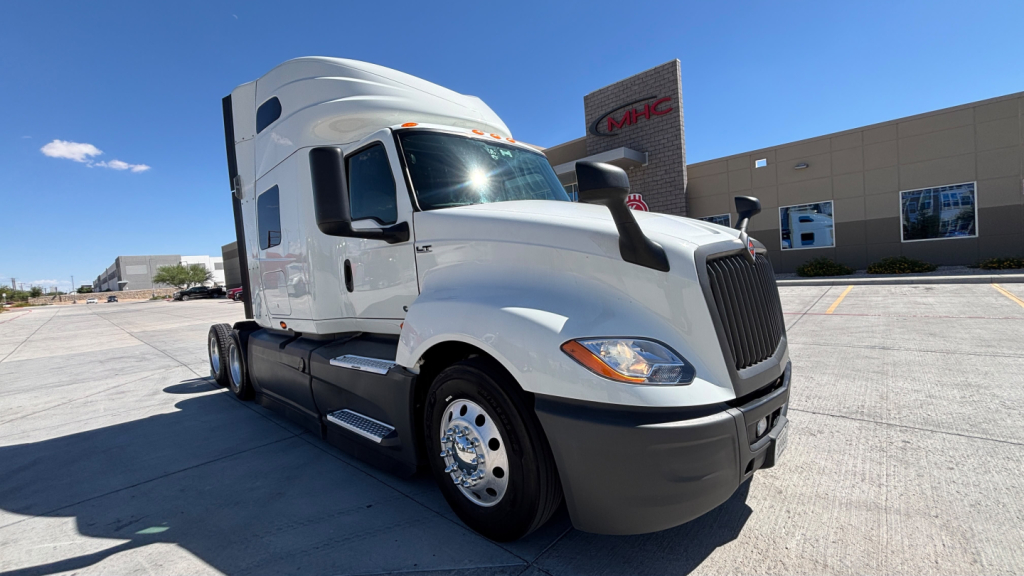
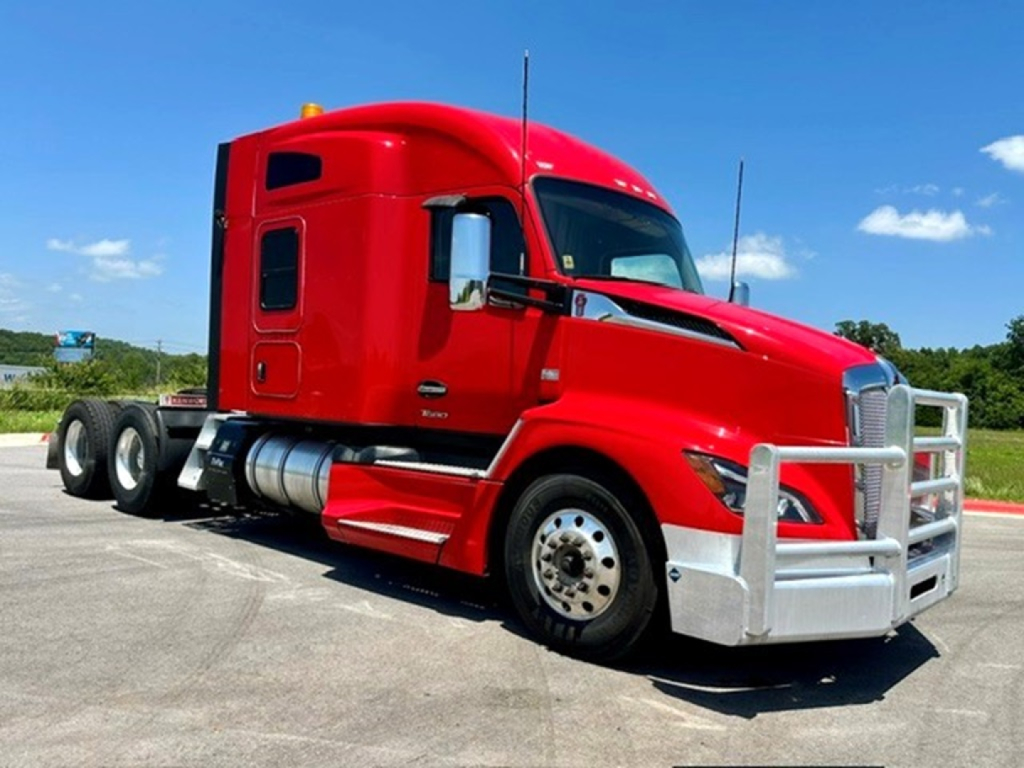
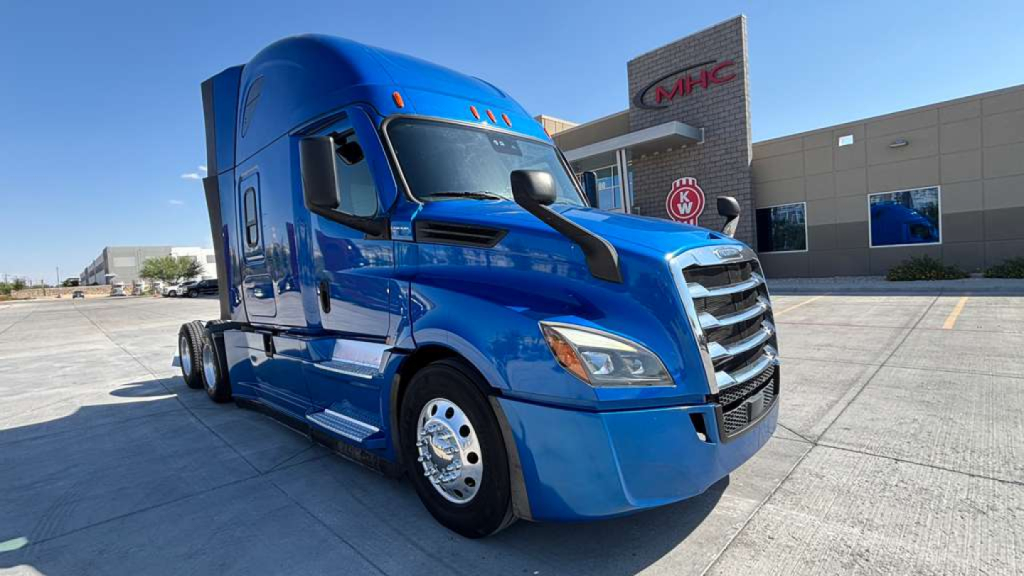
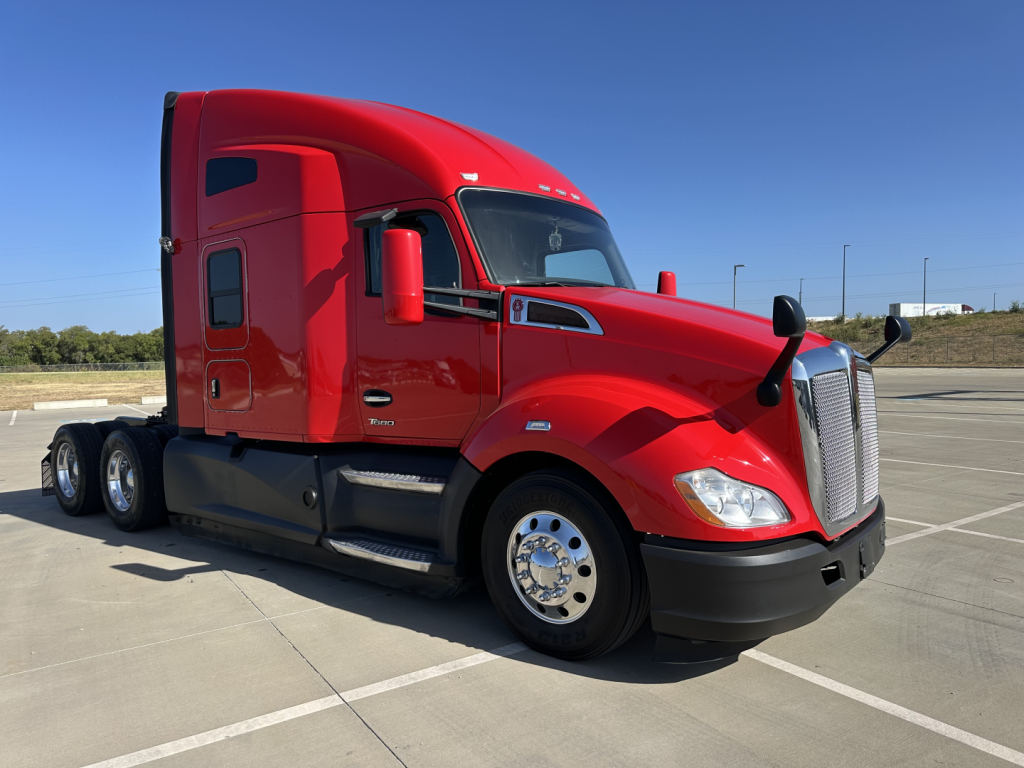
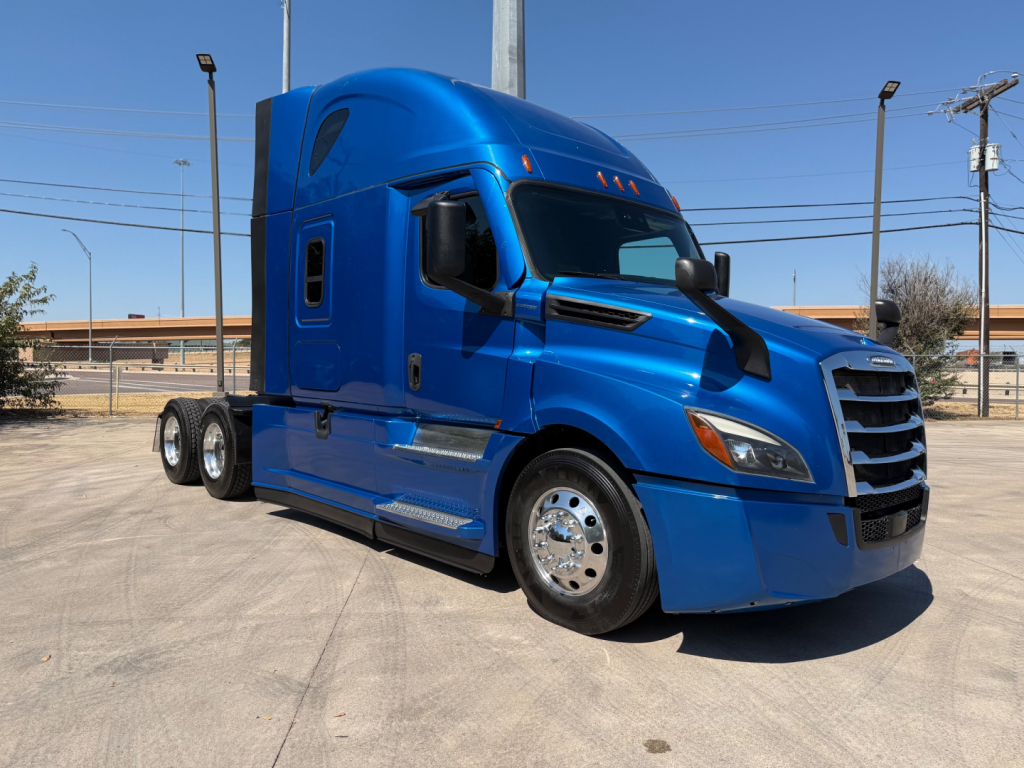
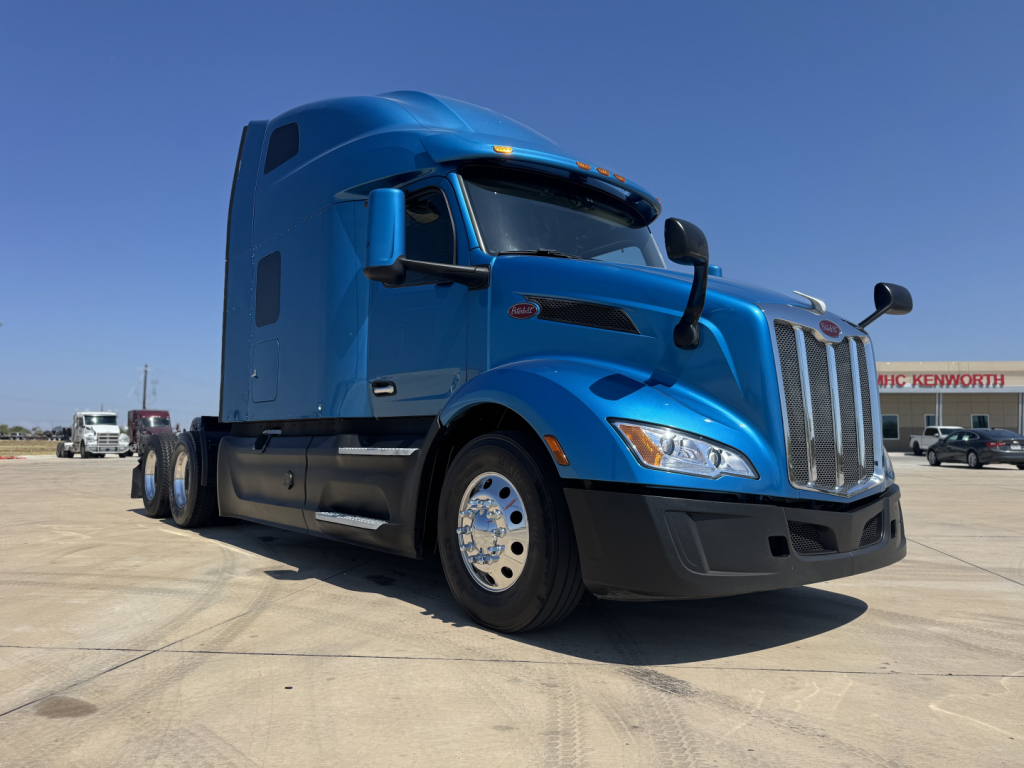
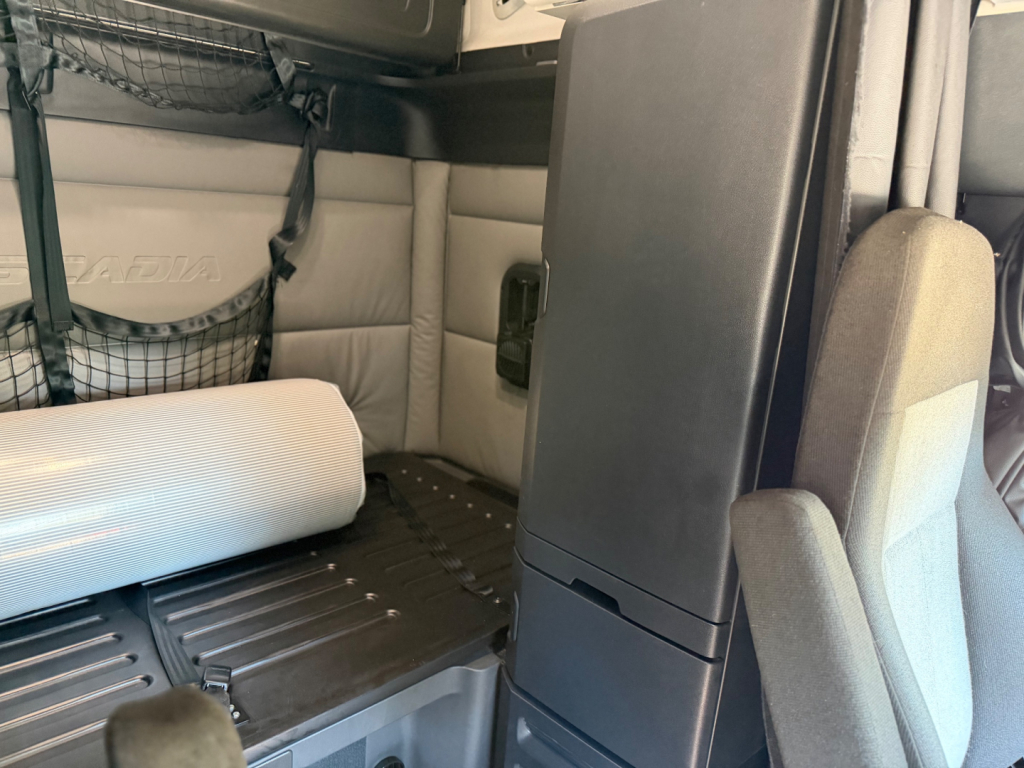
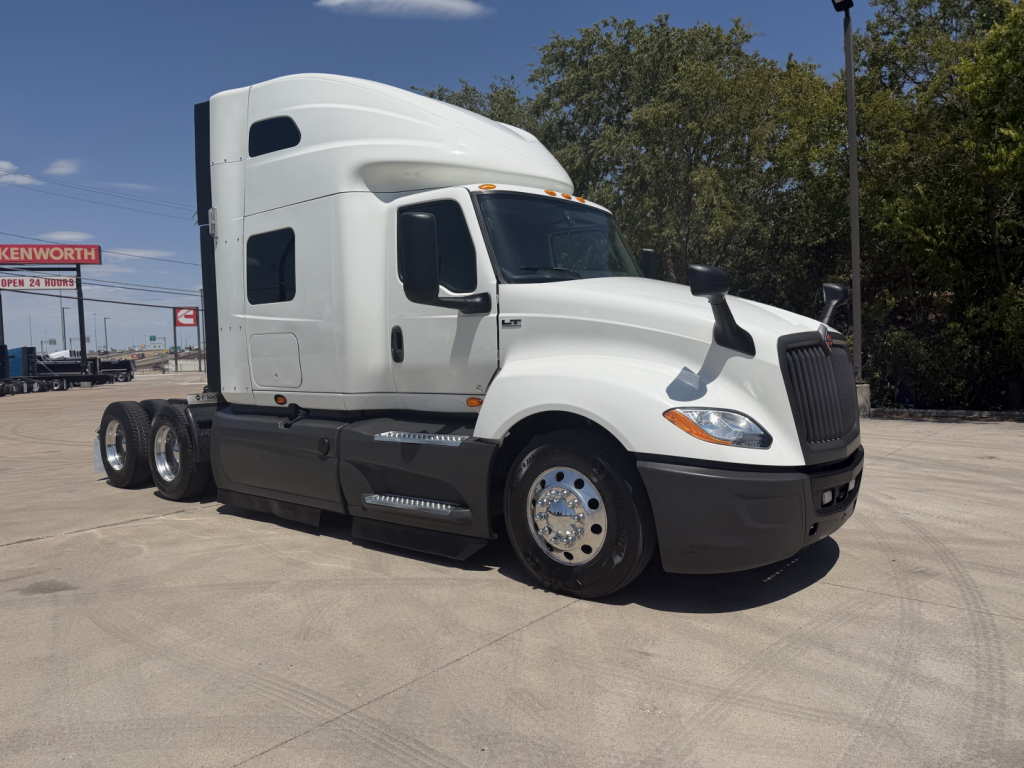
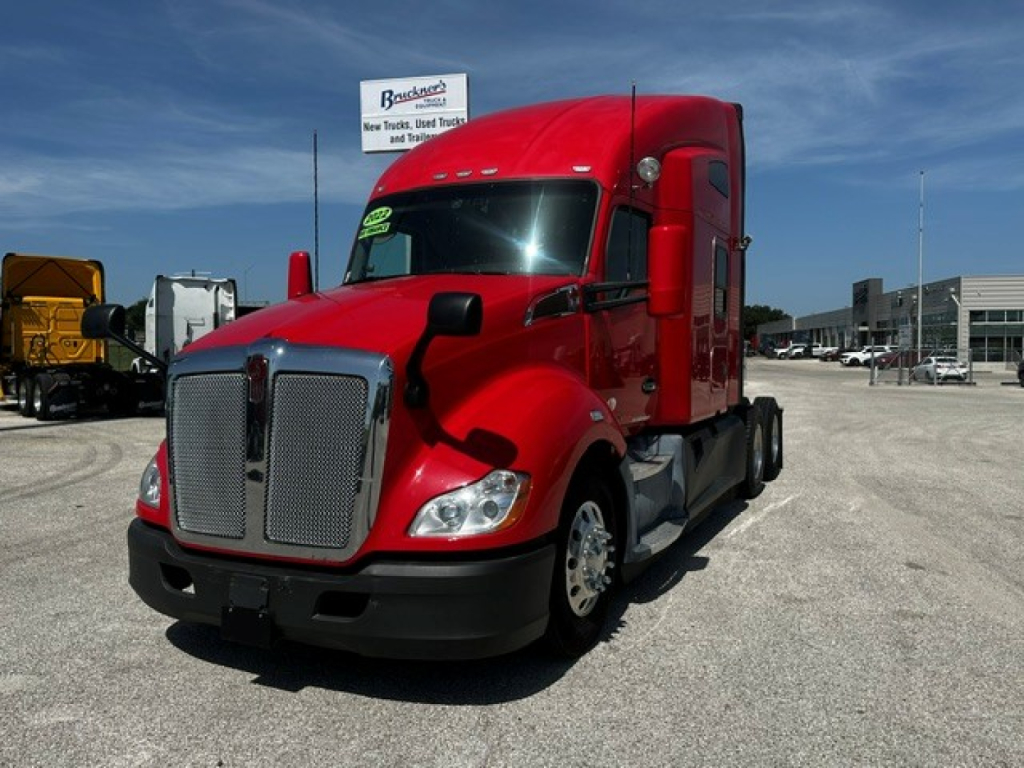
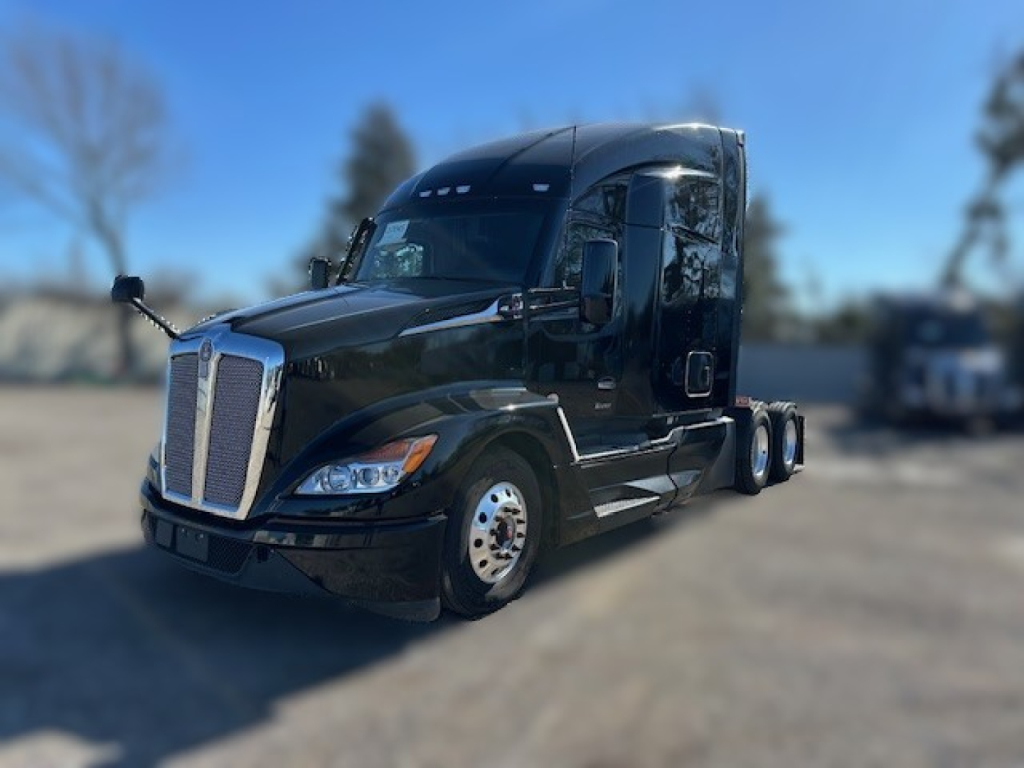
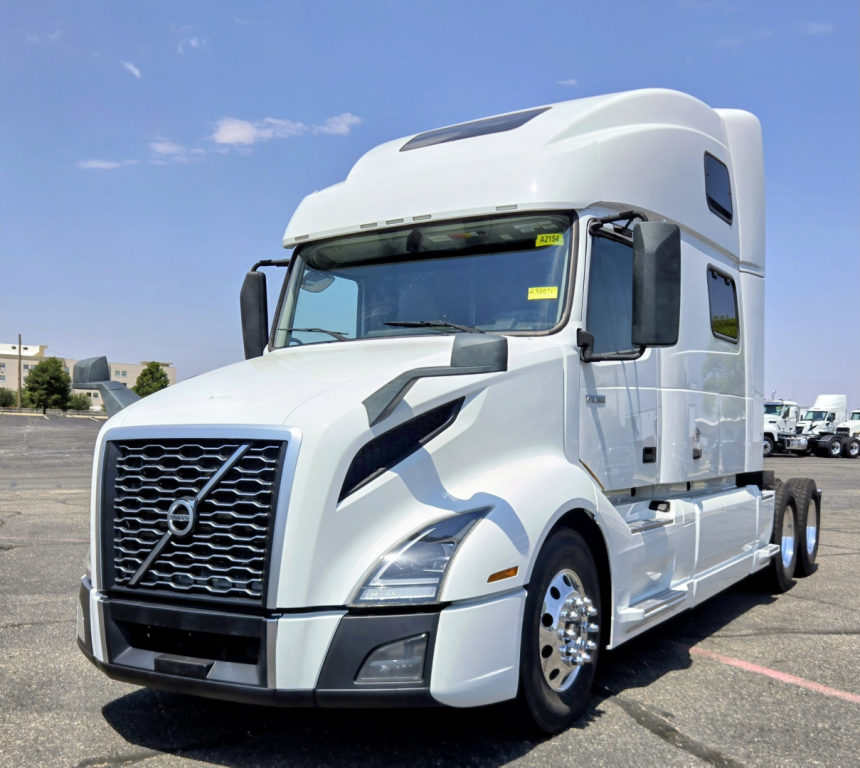
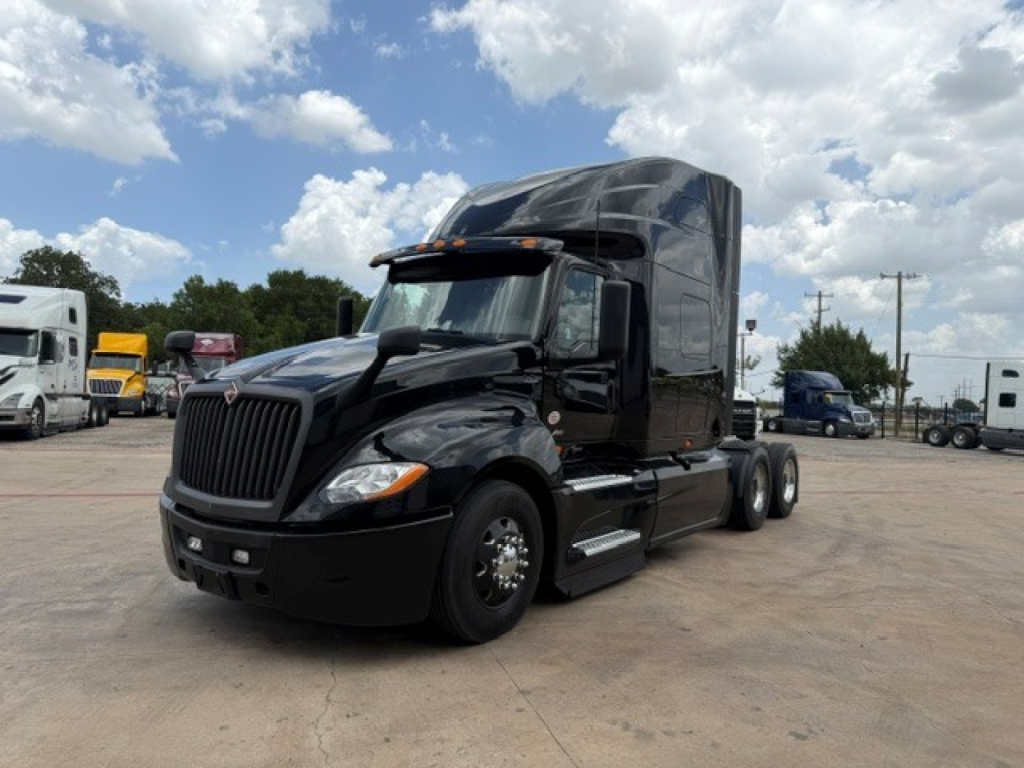
Showing 1 to 28 of 31 results
Selling a 2022 conventional sleeper truck? List your 2022 conventional sleeper truck for sale and reach thousands of commercial buyers.
2022 Conventional Sleeper Trucks in Texas
The biggest buying decisions usually come down to powertrain, sleeper size, and operating profile. In 2022 conventional sleepers, you will commonly see engines such as the Volvo D13, Detroit DD15, Cummins X15, PACCAR MX-13, and Mack MP series paired with automated manual transmissions like Volvo I-Shift, Detroit DT12, Endurant, or mDRIVE. Automated transmissions dominate this year range because they improve fuel economy, reduce clutch wear, and simplify driver onboarding. Rear axle ratios, tire size, and cruise speed programming matter more than many buyers expect, especially in Texas where long distances, heat, and heavy gross weights can expose a poor spec quickly.
For the sleeper itself, look past the bunk size and focus on livability and idle strategy. A 2022 sleeper may be equipped with an APU, battery HVAC, bunk heater, inverter, refrigerator prep, workstation layout, and upgraded insulation packages. Those details directly affect hotel costs, fuel burn, and driver satisfaction. On the chassis side, pay attention to fuel capacity, fifth wheel type and travel, frame layout, fairings, collision mitigation, adaptive cruise, and whether the truck has drum or disc brakes. Disc brakes, full fairings, and predictive cruise are increasingly common on late-model highway sleepers because fleets are targeting lower maintenance and better fuel performance.
Texas buyers should also weigh emissions compliance, service network strength, and application-specific durability. A truck running I-10 or I-35 linehaul has different needs than one pulling heavier freight through oilfield-adjacent lanes or mixed regional freight with frequent stops. A 2022 conventional sleeper can offer a good balance of modern safety technology and lower acquisition cost than a new truck, but the right value is in the spec match. Check axle ratings, suspension type, kingpin setting compatibility, and maintenance history against the trailer mix and average load before making a decision.
Frequently Asked Questions about 2022 Conventional Sleeper Trucks in Texas
What is a conventional sleeper truck?
A conventional sleeper truck is a Class 8 tractor with a standard front hood design and a built-in compartment behind the seats for rest and overnight use. It is designed for over-the-road and regional hauling where the driver may spend extended time in the truck. Compared with day cabs, conventional sleepers add bunk space, storage, and amenities that support longer trips and higher driver comfort.
What engine and transmission specs are common in 2022 conventional sleeper trucks?
Most 2022 conventional sleeper trucks are equipped with 11-liter to 15-liter diesel engines rated roughly from 400 to 500 horsepower, with torque commonly in the 1450 to 1850 lb-ft range. Automated manual transmissions are the standard choice in this year range, including Volvo I-Shift, Detroit DT12, Eaton Endurant, and Mack mDRIVE. Buyers should match horsepower, torque rating, rear axle ratio, and cruise speed settings to the trailer weight and terrain they run most often.
What sleeper size should I look for in a 2022 highway tractor?
The right sleeper size depends on trip length, driver preferences, and the amount of equipment carried in the cab. Mid-roof and raised-roof sleepers in the 70-inch to 80-inch range are common for long-haul applications because they provide enough bunk and storage space without compromising aerodynamics as much as larger specialty sleepers. For team operations or drivers who stay out for extended periods, interior layout, storage access, inverter capacity, and HVAC performance can matter as much as the sleeper dimensions.
Are disc brakes and collision mitigation worth paying for on a 2022 conventional sleeper?
For many fleets, yes. Disc brakes can improve stopping consistency, reduce fade, and simplify certain maintenance tasks compared with drums, especially in high-mile highway service. Collision mitigation systems, adaptive cruise, and lane-departure features became much more common on 2022 sleeper trucks and can reduce accident exposure while supporting insurance and safety goals. The value depends on duty cycle and maintenance practices, but these features are often desirable in late-model highway tractors.
What should buyers in Texas pay close attention to on a used 2022 conventional sleeper?
Texas buyers should focus on cooling system condition, idle management equipment, fuel capacity, and gearing that fits long interstate runs and hot-weather operation. Service support across major corridors is important, especially for engines and emissions systems that require brand-specific diagnostics. It also makes sense to verify axle ratings, wheelbase, fifth wheel position, and suspension spec against the trailers and freight being hauled so the truck is productive from day one.